There is something deeply humbling about the idea that a hole in the ground – dug millions of years ago by a creature long extinct – can tell us more about ancient life than a bone ever could. You might assume that fossilized bones are the crown jewels of paleontology. Honestly, that’s fair. But the tunnels, chambers, and burrows that prehistoric animals carved into the earth have turned out to be some of the most revealing records of animal behavior ever discovered.
From dormancy clues to evidence of unexpected inter-species cohabitation, fossilized burrows are rewriting what we know about how early mammals and their ancestors behaved, survived, and interacted with their world. The story they tell is stranger, more dramatic, and far more personal than most of us ever expected. Let’s dive in.
What Exactly Is a Fossilized Burrow, and Why Does It Matter?
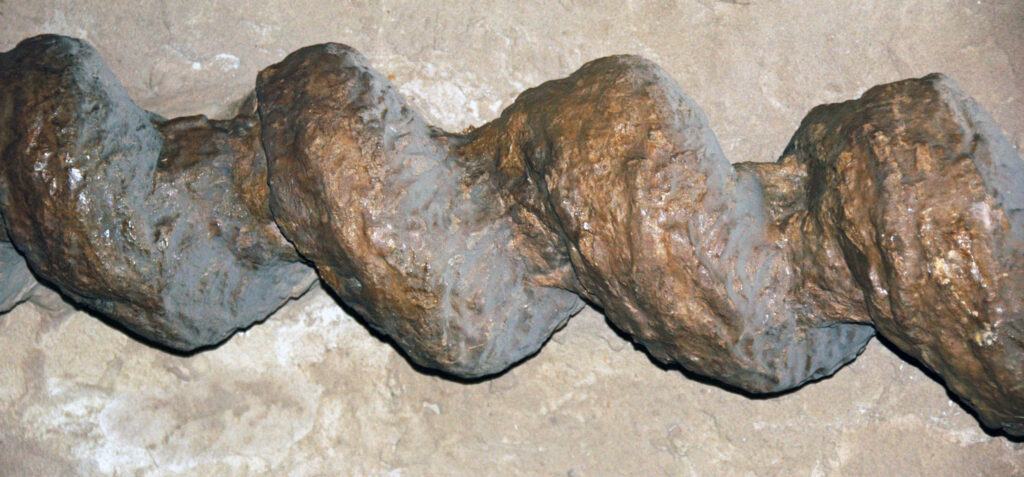
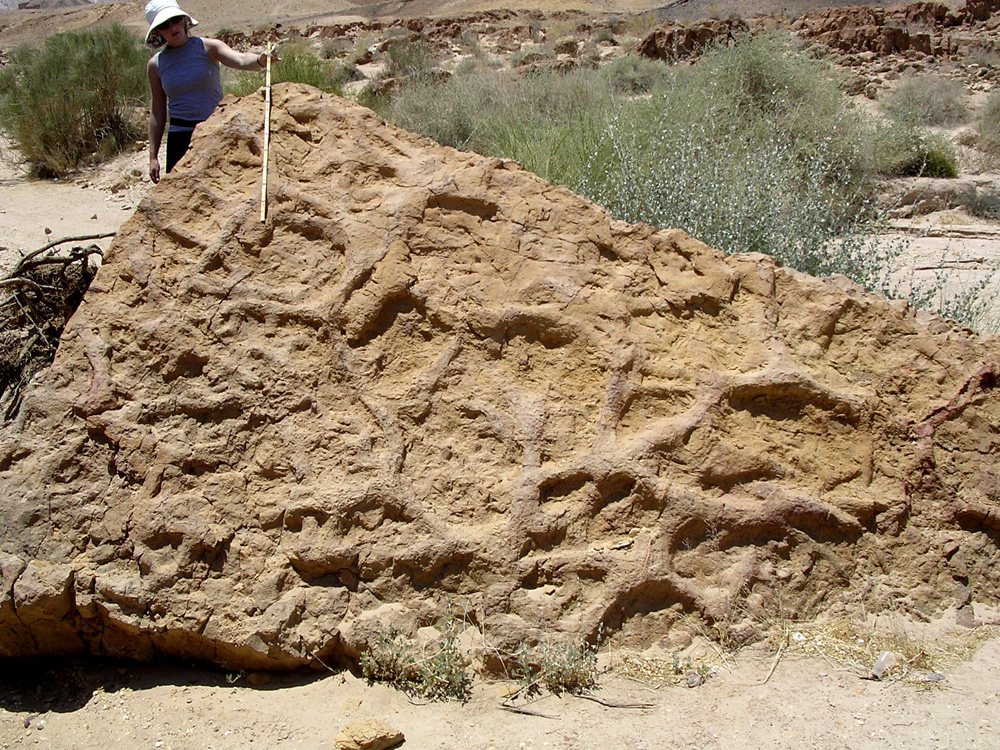
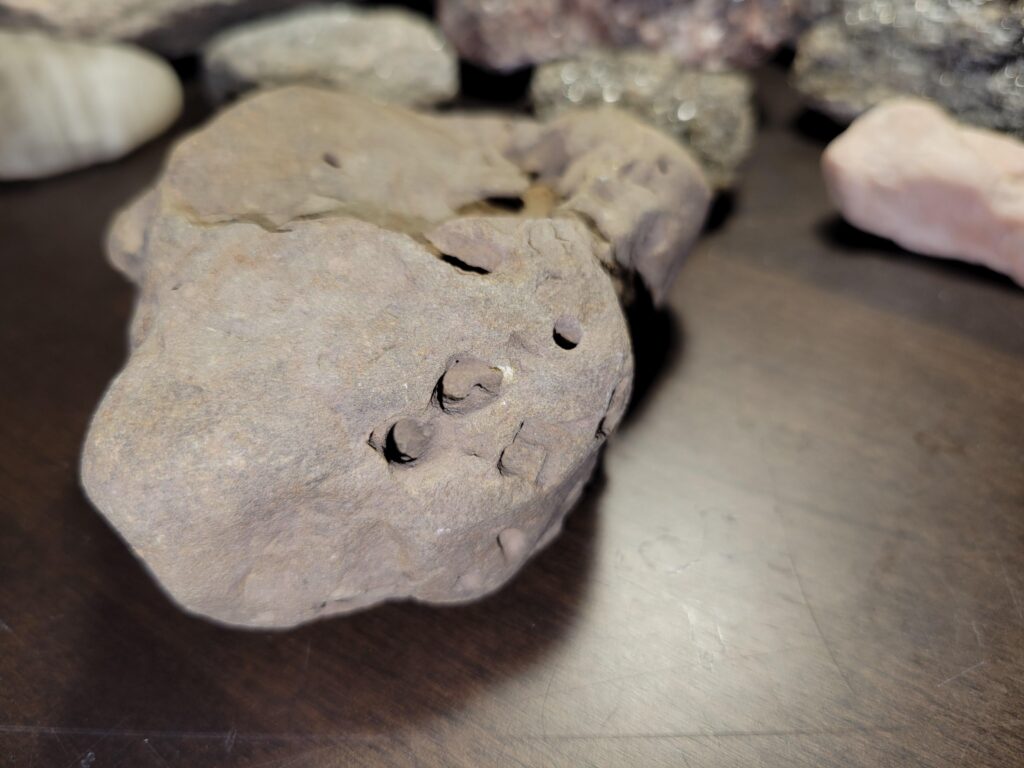
Here’s the thing – most people picture fossils as bones, teeth, or shells. Trace fossils, however, provide us with indirect evidence of life in the past, including the footprints, tracks, burrows, borings, and feces left behind by animals, rather than the preserved remains of the body of the actual animal itself. A fossilized burrow, then, is not the animal. It is the story the animal wrote into the earth.
Unlike most other fossils, which are produced only after the death of the organism concerned, trace fossils provide a record of the activity of an organism during its lifetime. Unlike body fossils, which can be transported far away from where an individual organism lived, trace fossils record the type of environment an animal actually inhabited and can therefore provide a more accurate ecological picture than body fossils alone. That distinction is enormous. You are essentially reading a creature’s diary, not just looking at its skeleton.
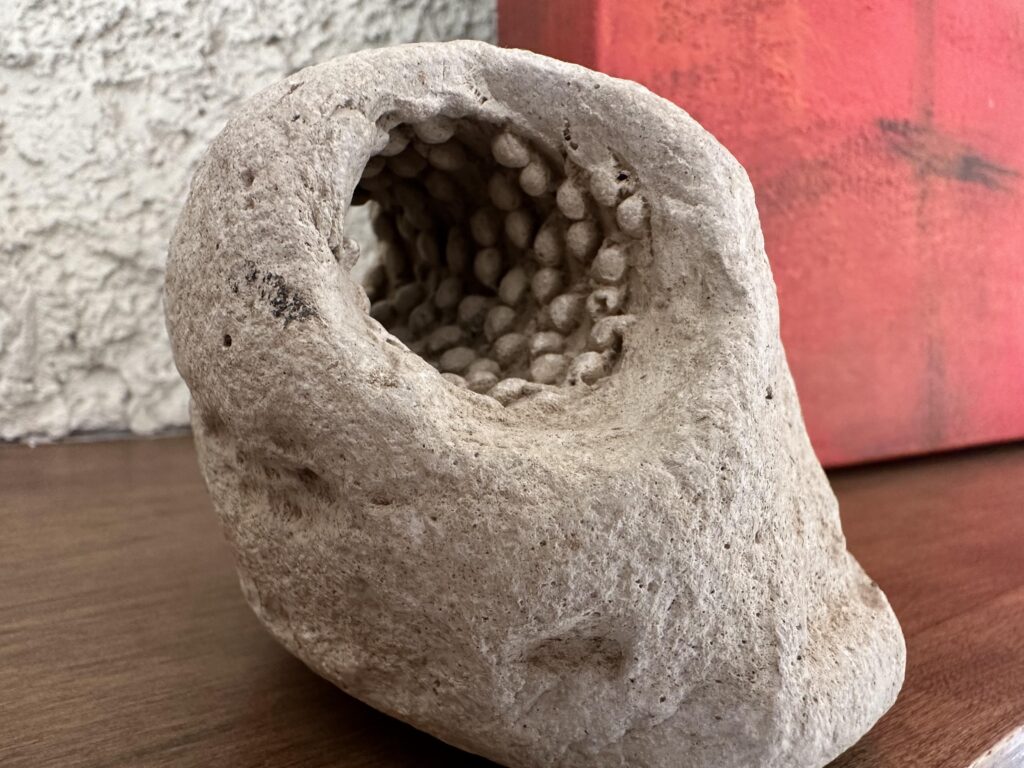
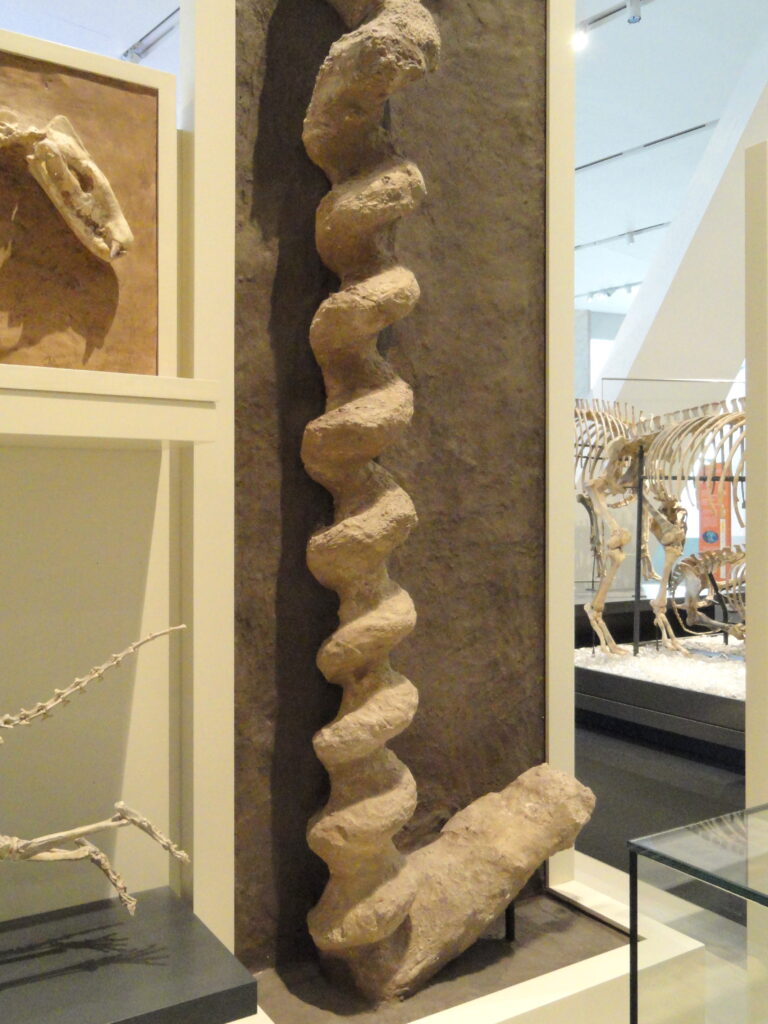
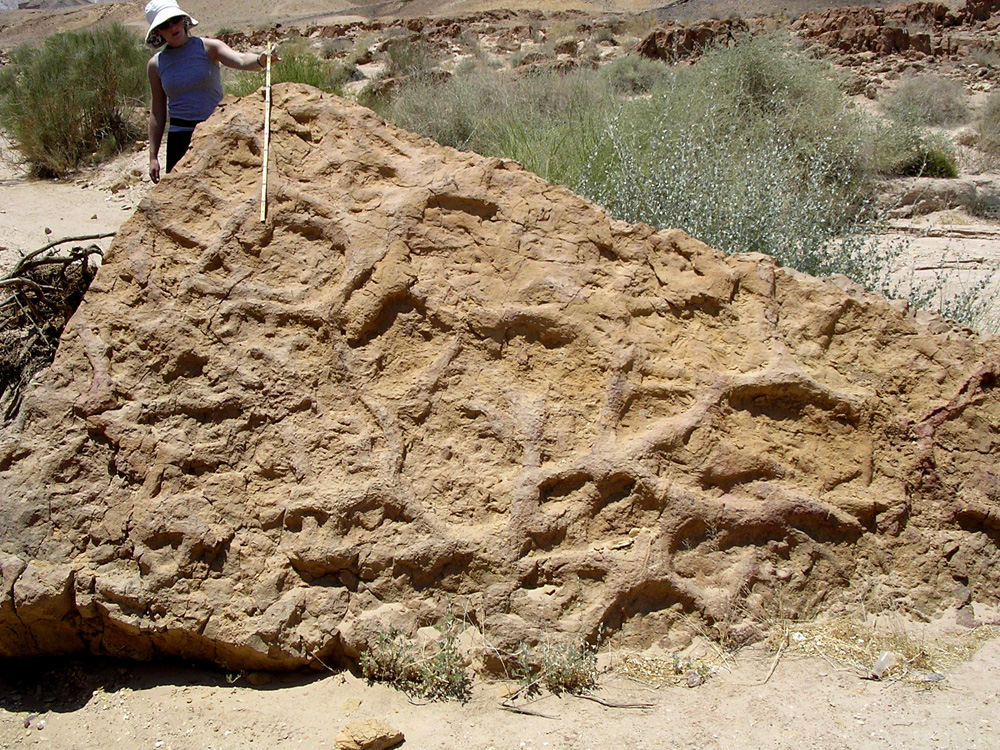
These fossilized burrows are produced when rain or flood events fill the underground shelters with sediment, casting the shape of the tunnel and entombing every creature remaining inside. Think of it like ancient concrete being poured into the space an animal once called home. The result is a perfect, stone-hard mold that preserves not just the tunnel shape, but sometimes the animals themselves.
How Far Back Does Burrowing Behavior Actually Go?
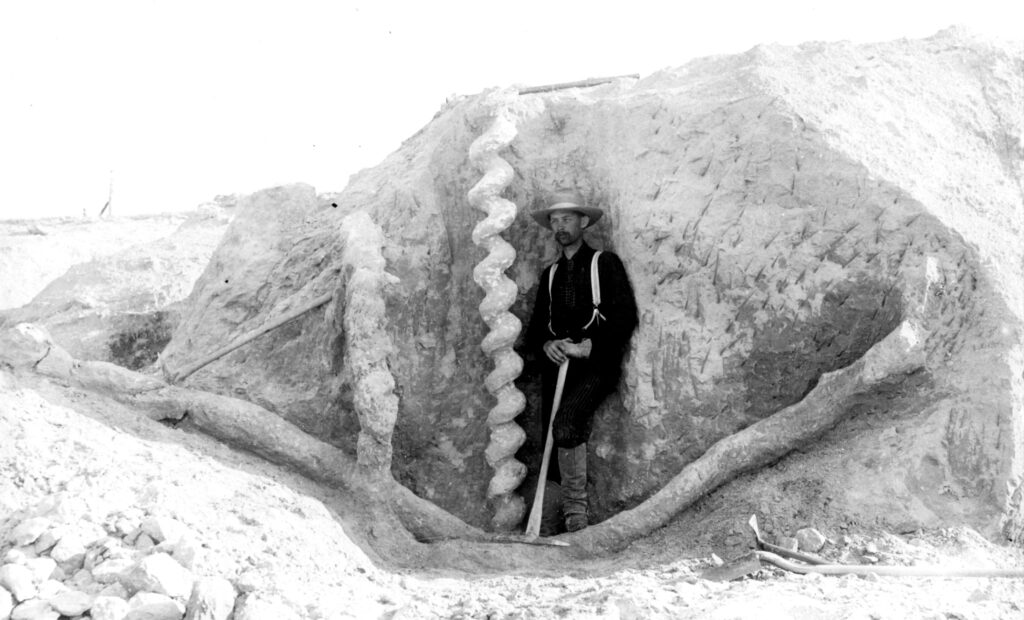
You might expect burrowing to be a relatively recent trick in the evolutionary playbook. It is not. Not even close. Research highlights a probable Devonian earliest occurrence of fossoriality in continental vertebrates, specifically in Dipnoi (lungfish), and a Carboniferous earliest occurrence of fossoriality in tetrapods belonging to the Recumbirostra group. That pushes underground living back to over 350 million years ago – long before mammals existed at all.
During the Devonian and Carboniferous periods, burrows were probably used primarily for aestivation or temporary shelter, and evidence of fossoriality is restricted so far to European and North American localities. So the very first diggers were not building permanent homes. They were doing the prehistoric equivalent of crawling under a blanket and waiting for harsh conditions to pass. During the Permian, fossoriality became geographically widespread and developed in new, distantly related vertebrate lineages, such as diapsids and synapsids. That is when things started to get really interesting.
The Permian-Triassic Crisis and the Rise of the Underground World
Two hundred and fifty million years ago, at the end of the Permian, almost all life on Earth was wiped out, with only roughly one tenth of plants and animals surviving. This mass extinction is known as the Permo-Triassic extinction, or the Great Dying, and is the most dramatic biological crisis ever to have affected life on Earth. It is hard to even wrap your head around a catastrophe of that scale. Most life, gone.
The geological record of South Africa documents that amongst the surviving creatures, mammal-like reptiles, the forerunners of mammals, responded to the harsh climatic conditions by digging burrows. Hundreds of fossilized burrows have been discovered in the strata chronologically following the extinction event, testifying that this key adaptation saved our distant ancestors. In other words, going underground was quite literally the survival strategy that kept the mammal lineage alive. Burrowing, the ability to hibernate, and a broad tolerance for different environmental conditions likely allowed the cynodonts to make it through.
The radiation of fossorial forms and the increase in abundance and complexity of burrows are contemporaneous with climatic crises such as the Cisuralian aridification, culminating in the Artinskian Warming Event, and the end-Guadalupian and end-Permian extinction events. That link between climate catastrophe and burrowing behavior is not coincidental. The underground world was a biological safe room, and the animals smart enough to use it were the ones that made it to the other side.
The Remarkable Story of Two Species Sharing One Ancient Burrow
I know it sounds crazy, but one of the most jaw-dropping discoveries in this field involves two completely unrelated animals, fossilized together inside a single burrow. Facing harsh climatic conditions following the Permo-Triassic mass extinction, the amphibian Broomistega and the mammal forerunner Thrinaxodon cohabited in a burrow. Scanning showed that the amphibian, which was suffering from broken ribs, crawled into a sleeping mammal’s shelter for protection.
Using analogies with modern animals and the fact that many mammal-like reptiles have been found in curled-up positions – an obvious resting posture – the most probable explanation is that the mammal-like reptile was in deep torpor, unable to escape the flooding or to evict intruders. This special dormancy in a warm environment, called aestivation, is elicited by a scarcity of food and water resources and is a physiological state in which metabolism is reduced to a minimum to avoid wasting energy during the most critical time of the dry season. The injured amphibian took advantage of this torpor state to crawl into the burrow to shelter and rest. Both animals were ultimately trapped and drowned by a flooding event, then preserved side by side for the last 250 million years.
What Fossilized Burrows Reveal About Social Behavior and Group Living
Here is where fossilized burrows move beyond just survival stories and into something even more fascinating – the early origins of social behavior. Fossils of one ancient species were discovered at Egg Mountain, typically clustered together in groups of two to five, with at least 13 individuals found within a 30 square meter area in the same rock layer. Based on how well preserved the fossils are, the type of rock in which they were preserved, and the powerful shoulders and elbows similar to today’s living burrowing animals, researchers hypothesize these animals lived in burrows and were nesting together.
The animals found were a mixture of multiple mature adults and young adults, suggesting these were truly social groups as opposed to just parents raising their young. That is a stunning detail. You are looking at evidence that mammals were living in real communities, not simply family units, as far back as roughly 75 million years ago. There are many hypotheses about why animals dig into the soil and live underground, including protection against predators, to maintain a relatively constant temperature – not too hot in summer and not too cold in winter – or to find food sources like insects and plant roots. These burrows were not just shelters. They were homes, social hubs, and nurseries all at once.
Modern Science and Technology Are Unlocking Burrow Secrets Like Never Before
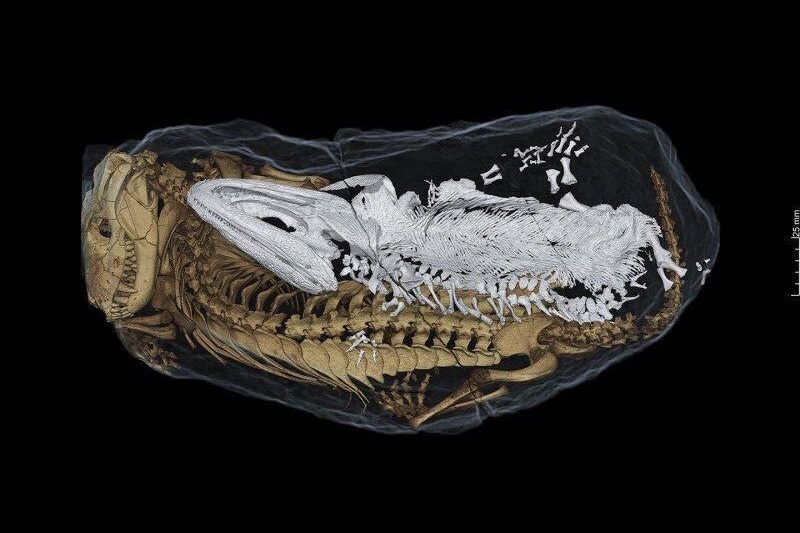
Let’s be real – digging up a fossilized burrow and simply staring at it from the outside only tells you so much. The real revolution came when scientists started using cutting-edge imaging technology to see inside these ancient casts without breaking them open. The development of X-ray imaging at the European Synchrotron Radiation Facility has made it possible to scan the contents of burrow casts and create three-dimensional images of what they contain without breaking into the cast or damaging the fossils inside.
The images obtained are strikingly clear compared to conventional X-ray scans. Scientists can pick out very fine details on the image, which enable them to better reconstruct scenarios and understand life on earth millions of years ago. It is almost like having a time machine wrapped in a particle accelerator. A comprehensive review of fossils, some of which were discovered within the framework of the ongoing BROMACKER research project, reveals the origin and early evolution of vertebrate burrowing behaviour and provides new insights into the impact of climate change. Meanwhile, in 2026, researchers continue reporting new burrow casts from sites around the world, including casts of burrows likely produced by ground-dwelling crayfish, as well as casts of burrows produced by tetrapods possibly including procolophonids, trirachodontids or bauriids, reported from the Middle Triassic Burgersdorp Formation in South Africa. The field is expanding fast.
Conclusion: The Ground Beneath Our Feet Holds Ancient Answers
It is genuinely remarkable to think about what a fossilized hole in the ground can teach you. You are reading not just an animal’s shape, but its choices – how it survived, who it lived with, and what it feared. Understanding how fossoriality developed during the evolutionary history of vertebrates is crucial to evaluating the evolution of their physiology, behavior, and interaction with the ecosystem. That is not a small statement. That is the whole story of how life on Earth became what it is today.
Many mammalian survivors of the Cretaceous-Paleogene extinction are thought to have found refuge in underground burrows, while non-avian dinosaurs that could not burrow suffered major losses. Our very existence, yours and mine, may trace back to a small, frightened creature digging desperately into the earth millions of years ago. The ability to live underground is widespread among continental vertebrates, so understanding the origin and early evolution of fossorial vertebrates and the architecture and function of the burrows they excavate is an important component of the history of life on Earth.
The next time you see a mole hill in your garden, maybe give it a moment of genuine respect. Something very like that instinct, in a world that was trying hard to end all life, is almost certainly the reason you are here to read this at all. What do you think – did you ever imagine a tunnel could carry so much history? Share your thoughts in the comments below.