
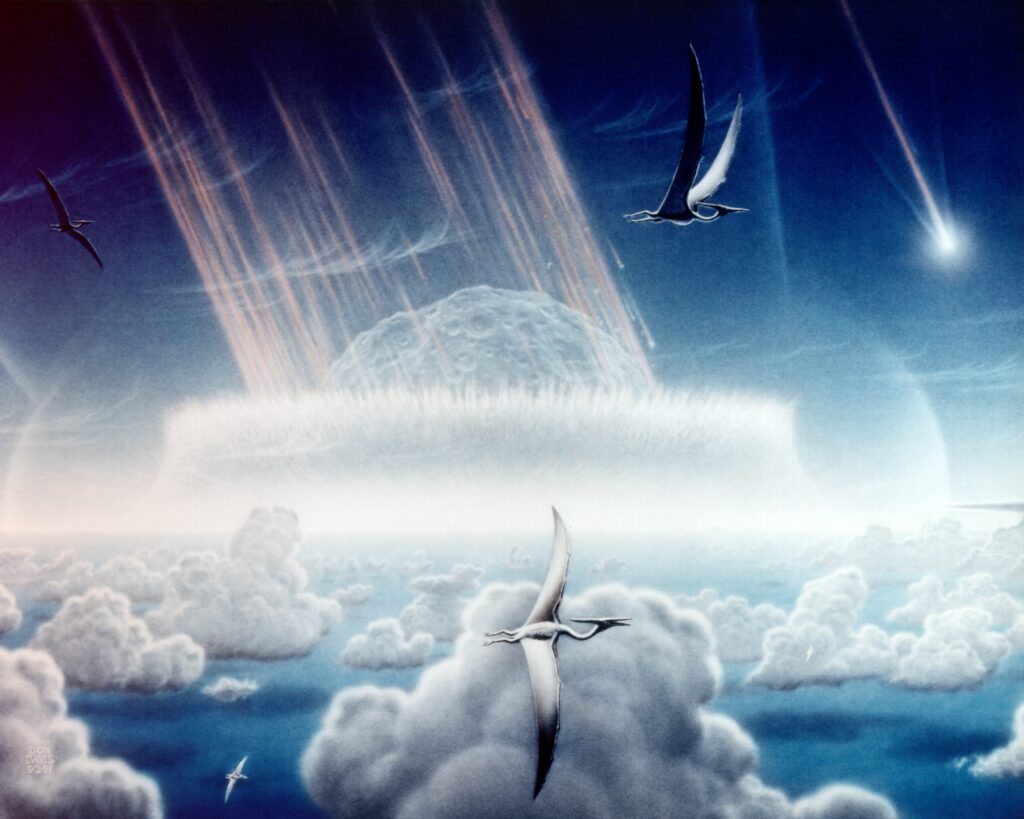
Sixty-six million years ago, a perfectly ordinary morning on Earth turned into the most catastrophic day in the history of complex life. No warning. No slow buildup. Just an ordinary sky – and then, suddenly, a streak of blinding light. What followed was a sequence of events so violent, so complete, and so irreversible that it reshaped the entire trajectory of life on our planet. We wouldn’t be here without it.
Scientists have been piecing together this story for decades, and what’s remarkable is how much we still keep learning. Recent breakthroughs, some published just weeks ago in 2026, are forcing researchers to completely rethink everything from where the asteroid came from to how fast life bounced back after the catastrophe. So buckle up. Let’s dive in.
A Rock from Beyond Jupiter: Where Did the Killer Come From?
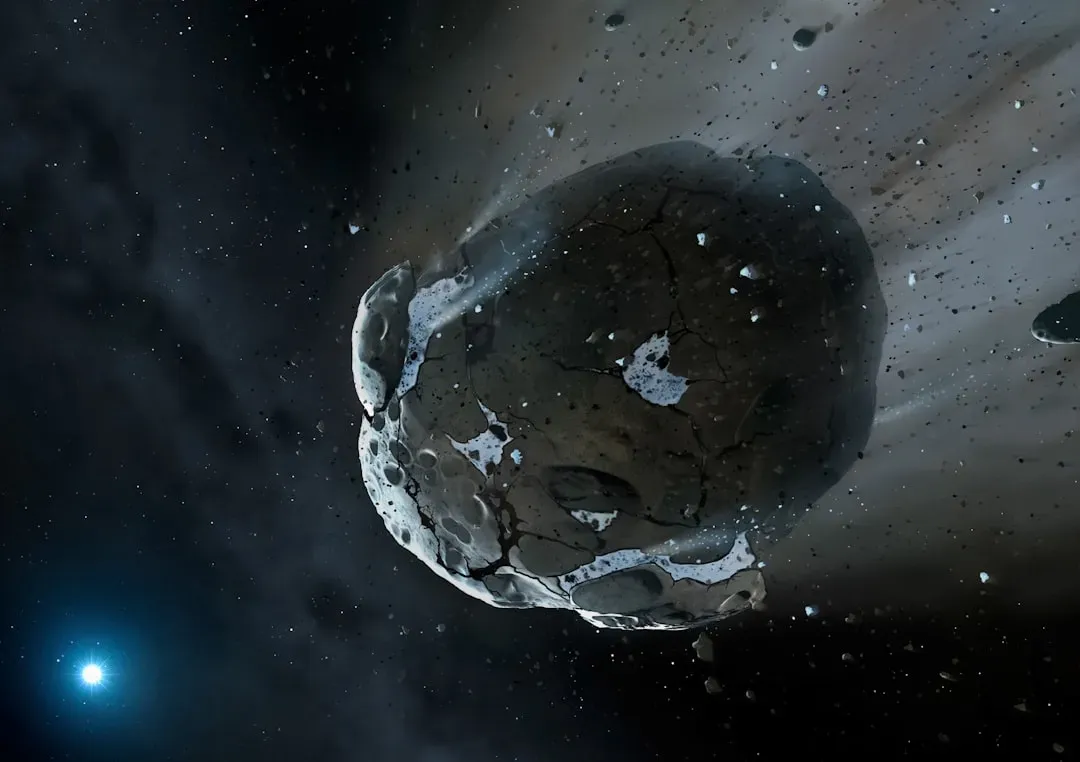
Here’s a detail that honestly still blows my mind. The asteroid that ended the dinosaurs didn’t just wander in from the neighborhood. An analysis of metal isotopes scattered from the impact suggests the asteroid traveled from the outer solar system, beyond Jupiter. Think about that for a second. This was an intruder from the farthest reaches of our solar system, drifting inward for millions of years before its fateful collision with Earth.
There is broad scientific consensus that the Chicxulub impactor was a carbonaceous chondrite-type asteroid, and these types of asteroids originally formed in the outer Solar System, beyond the orbit of Jupiter. The key evidence came from studying ruthenium isotopes embedded in ancient rock layers. Ruthenium is rare on Earth but common in meteorites, and the relative amount of ruthenium isotopes in an asteroid depends on where it comes from in space. It’s like a cosmic fingerprint, and scientists finally decoded it.
The Moment of Impact: A Force Beyond Imagination
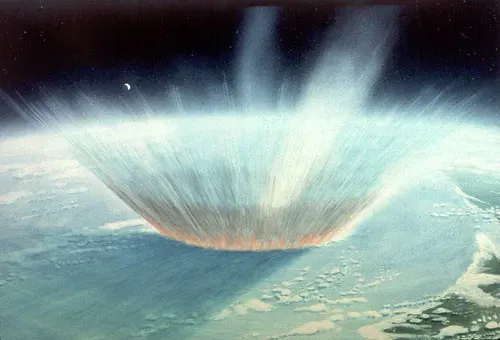
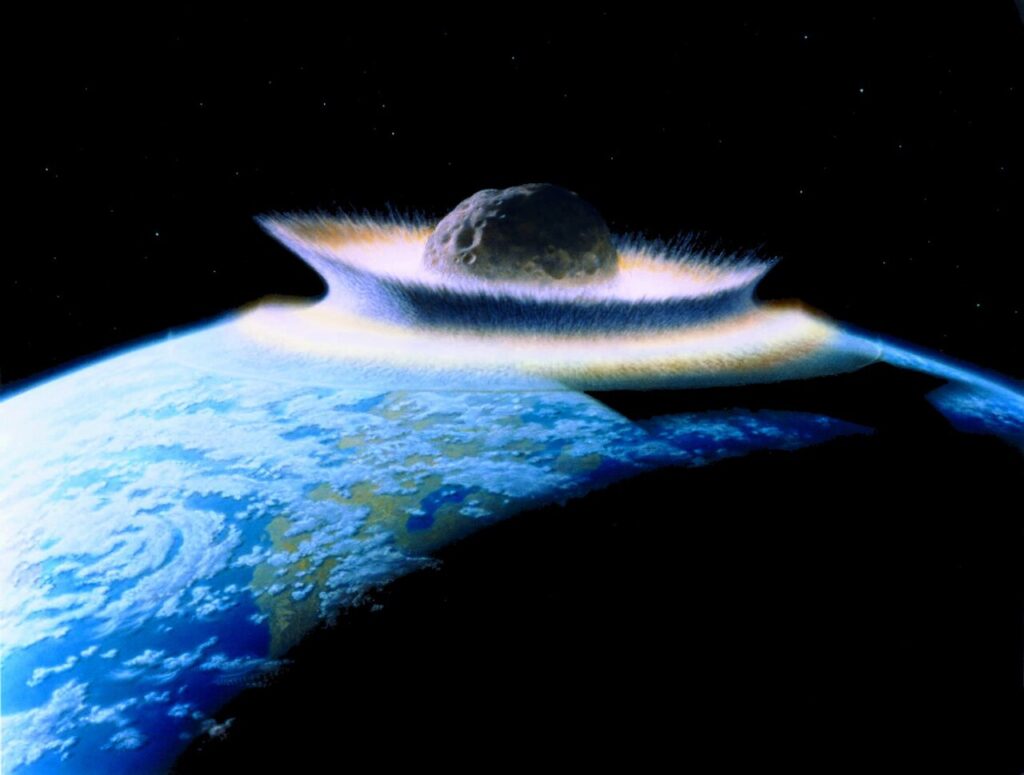
Let’s be real about the scale of violence here, because no Hollywood movie has ever truly captured it. The Chicxulub impactor is thought to have been between 6 and 12 miles wide, and due to its high velocity, it formed a crater more than 90 miles across. It was traveling at a speed of 15.5 miles per second and had power equal to 10,000 times the world’s nuclear arsenal. That last number deserves a pause. Ten thousand times every nuclear weapon on Earth, all at once, in one spot.
The asteroid hit at an estimated speed of 20 kilometers per second, more than 58 times the speed of sound, at a relatively steep angle. The impact produced as much explosive energy as 100 teratons of TNT, roughly four and a half billion times the explosive power of the Hiroshima atomic bomb. The crater it left behind, now buried underneath the Yucatán Peninsula in Mexico, is estimated to be 200 kilometers in diameter and buried to a depth of about one kilometer beneath younger sedimentary rocks. It remains one of the largest impact structures ever found on Earth.
The Deadly Sky: Impact Winter, Darkness, and Acid Rain
The actual collision was just the opening act. What came next was arguably even worse. The main culprit behind the mass extinction is most likely the “impact winter,” which was caused by a massive release of dust, soot, and sulfur into the atmosphere, leading to extreme cold, darkness, and a collapse in global photosynthesis, with lasting effects on ecosystems for years to decades after impact. Imagine a world with no effective sunlight. For plants, that’s a death sentence – and everything that eats plants follows shortly after.
Models suggest that the period of global darkness following the Chicxulub impact would have persisted in certain regions for nearly two years. Because the Chicxulub impact occurred in a region with rocks composed of the mineral anhydrite, sulfur vapor was also injected into the stratosphere. That sulfur, reacting with water vapor, produced sulfate aerosols and eventually sulfuric acid rain. The combination of sulfuric acid rain and nitric acid rain produced by the impact would have affected vegetation, effectively damaging the base of the continental food chain. It was a cascade of destruction, each wave worse than the one before.
Dinosaurs Were Thriving – Right Until the Very End
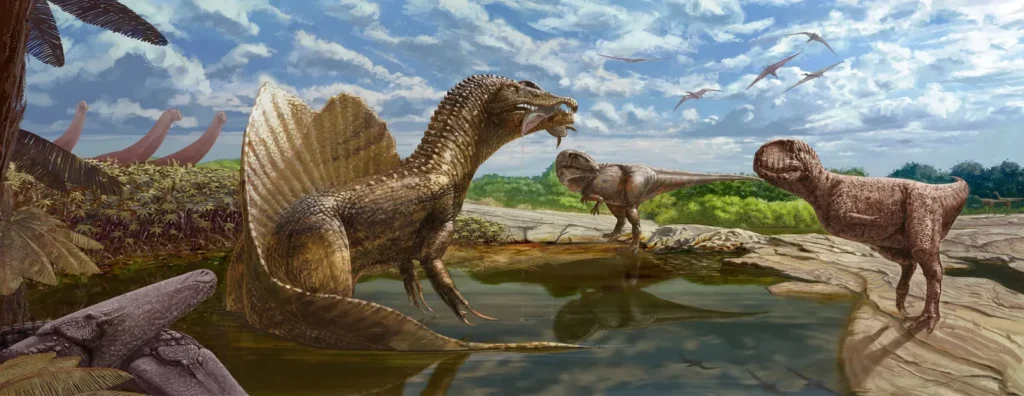
For a long time, scientists debated whether the dinosaurs were already struggling before the asteroid hit. Some studies suggested they were in decline. Others pushed back. Now the picture is becoming clearer, and it’s genuinely surprising. Fossils from New Mexico that date to within about 340,000 years before the asteroid struck paint a vivid picture: the dinosaurs were thriving right until the moment of impact. They weren’t limping toward extinction. They were flourishing.
The idea that dinosaurs were already in decline before the asteroid wiped most of them out may actually be explained by a worsening fossil record from that time, rather than a genuine dwindling of dinosaur species, suggests a study led by UCL researchers. In other words, we may have been misreading the evidence all along. Not only were dinosaurs thriving right until the extinction, but North America’s last dinosaurs were divided into different communities of species depending on where they lived, a concept scientists call “provinciality,” where new species evolve in geographic pockets separated by differences in vegetation, temperature, and other natural phenomena. These were dynamic, complex ecosystems, not dying ones.
The Crater That Changed the Planet in More Ways Than One
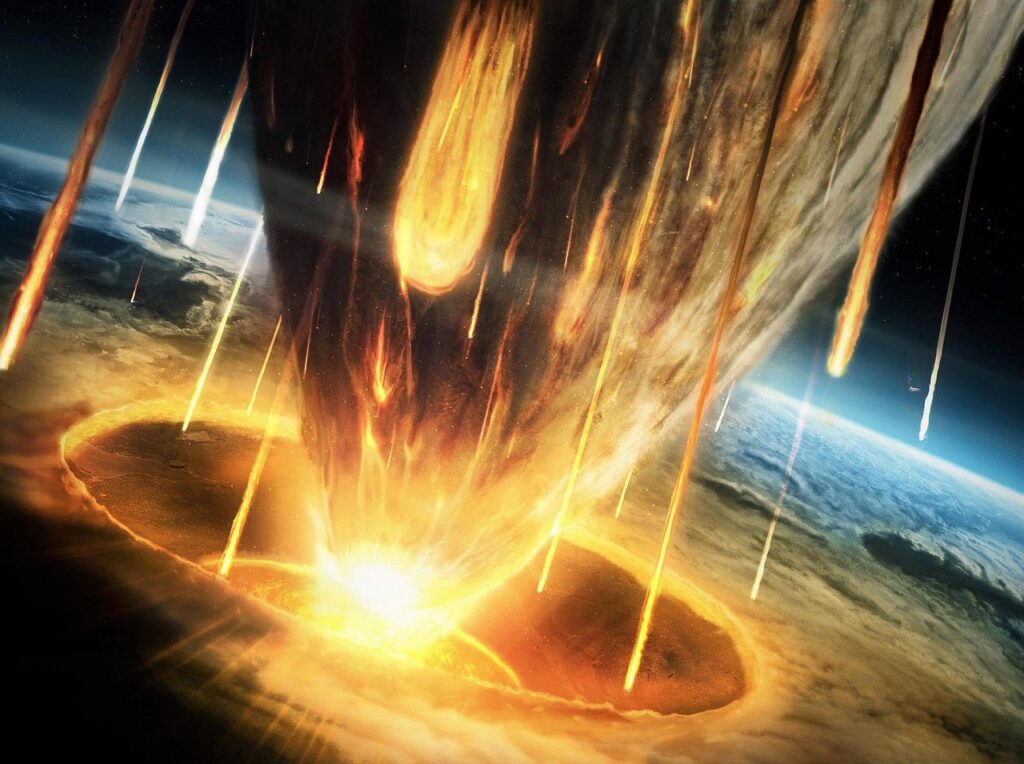
You might think a crater is just a hole in the ground. Turns out, the Chicxulub crater may have fundamentally altered the behavior of Earth’s tectonic plates. That’s not a small claim. At the end of the Cretaceous period, the Chicxulub asteroid triggered global catastrophic environmental changes and mass extinction, but its contributions toward changes in plate and plume geodynamics are not fully understood, and new geological observations indicate that the impact marked a tectonic turning point in the behavior of mantle plumes and plate motion worldwide.
The evidence for such abrupt changes in plate kinematics and plume behavior raises the possibility that the Chicxulub impact triggered a chain of effects that modified melt reservoirs, subducting plates, mantle flows, and lithospheric deformation. Think of it like dropping a bowling ball on a trampoline. The effects ripple outward far beyond the point of impact. Researchers now conclude that large asteroid impacts such as the Chicxulub collision could trigger cascading effects sufficient to disrupt and significantly modify plate geodynamics. Science keeps finding new layers to this story – sometimes literally.
It Happened in Spring: Scientists Pin Down the Exact Season
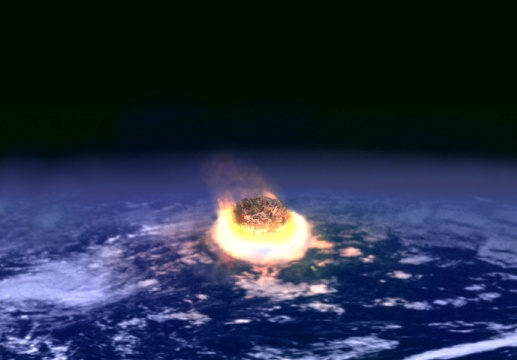
I know it sounds almost absurdly specific, but researchers have actually managed to figure out what season it was when the asteroid hit. Around 66 million years ago, during the Northern Hemisphere’s spring, a six-mile-wide asteroid struck what is now the Yucatán Peninsula. The evidence for this came from an extraordinary fossil site in North Dakota known as Tanis, where the immediate aftermath of the impact is preserved in astonishing detail.
The study was a long-term effort that applied a combination of traditional and cutting-edge techniques to piece together a trail of clues enabling identification of the season for the Chicxulub impact event, with researchers examining the Tanis locality in southwestern North Dakota, one of the most highly detailed Cretaceous-Paleogene boundary sites in the world. The Tanis site presents a unique window into what may have happened in the minutes and hours immediately after the Chicxulub impact. Spring, it turns out, may have been one of the worst possible times for the Northern Hemisphere. Creatures were emerging from winter, ecosystems were awakening, and they walked straight into apocalypse.
Life Bounced Back Faster Than Anyone Thought Possible
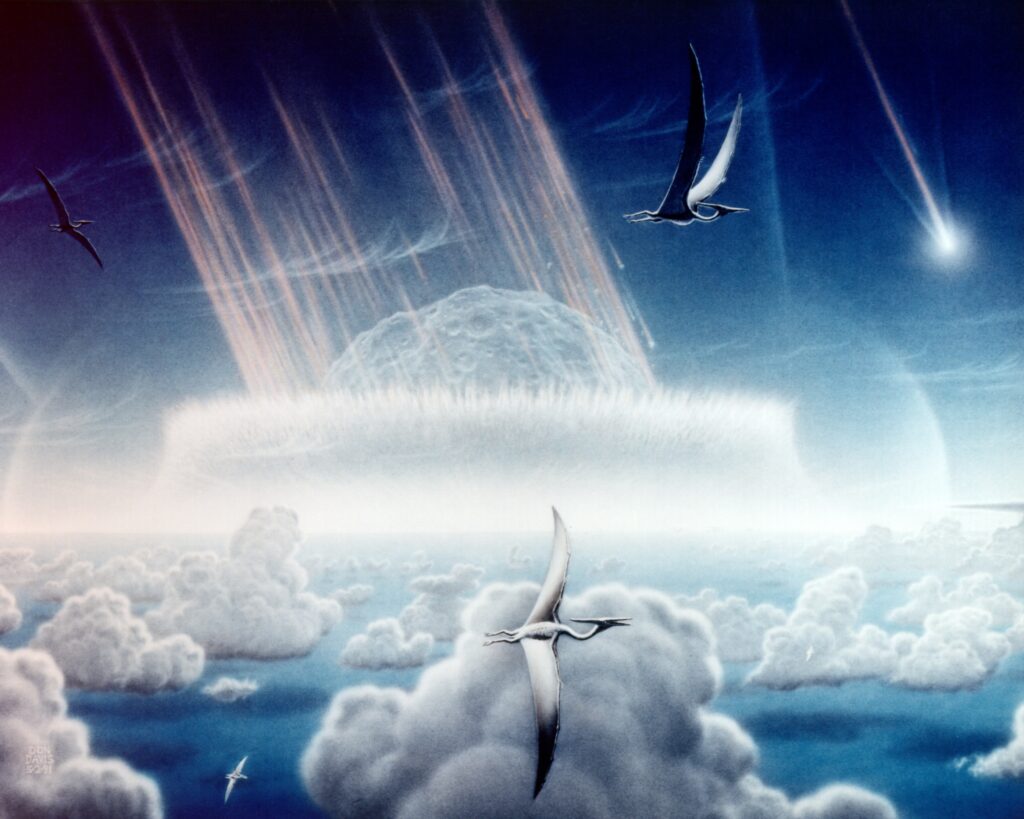
Here’s the part of the story that, honestly, feels almost miraculous. After one of the most devastating events in Earth’s history, life didn’t stay down for long. Not even close. When the asteroid slammed into Earth 66 million years ago, it triggered one of the most devastating mass extinctions in history, wiping out the dinosaurs and reshaping life on the planet. Yet new research reveals that life bounced back far faster than scientists once believed.
New species of plankton appeared fewer than 2,000 years after the world-altering event, according to research led by scientists at The University of Texas at Austin. To put that in perspective, this pace of evolution is extraordinarily fast compared with what scientists usually see in the fossil record, where the formation of new species normally takes place over millions of years. Scientists also discovered that a hydrothermal system created by the asteroid impact may have helped marine life flourish at the impact site by generating and circulating nutrients in the crater environment. The crater left behind in the Gulf of Mexico was a literal hotbed for life, enriching the overlying ocean for at least 700,000 years. Destruction and rebirth, side by side in the same scar.
Conclusion: A Story That Keeps Rewriting Itself
The story of the day the dinosaurs died is one of the greatest detective stories in science. Every few years, a new discovery flips something we thought we knew. The asteroid came from beyond Jupiter. The dinosaurs were thriving, not declining. Life came back faster than anyone imagined. Even the crater itself may have rewired the planet’s geology.
What makes this so fascinating is that it’s not just ancient history. The revised timeline shows that under the right conditions, evolution can move remarkably quickly. Even after a catastrophic mass extinction, ecosystems can begin rebuilding within only a few thousand years. As one researcher memorably put it, we human beings owe our existence to the uniqueness of this impact. Without that rock from beyond Jupiter, mammals might never have risen to dominance. You might never have existed.
There’s something humbling about that. One moment of cosmic chance, and the entire history of our species was set in motion. So the next time you look up at a clear night sky, take a second to appreciate just how different everything could have been. What would Earth look like today if that asteroid had missed? Tell us your thoughts in the comments below.