Wildlife footage floods YouTube, drawing massive audiences with stunning displays of nature’s wonders. A recent analysis revealed that these viral hits often prioritize entertainment over education. Researchers examined thousands of videos and their comments, uncovering a gap between viewer fascination and actionable support for species protection.
This disconnect highlights a broader challenge in digital media, where awe-inspiring clips fail to channel public interest into real-world conservation efforts.
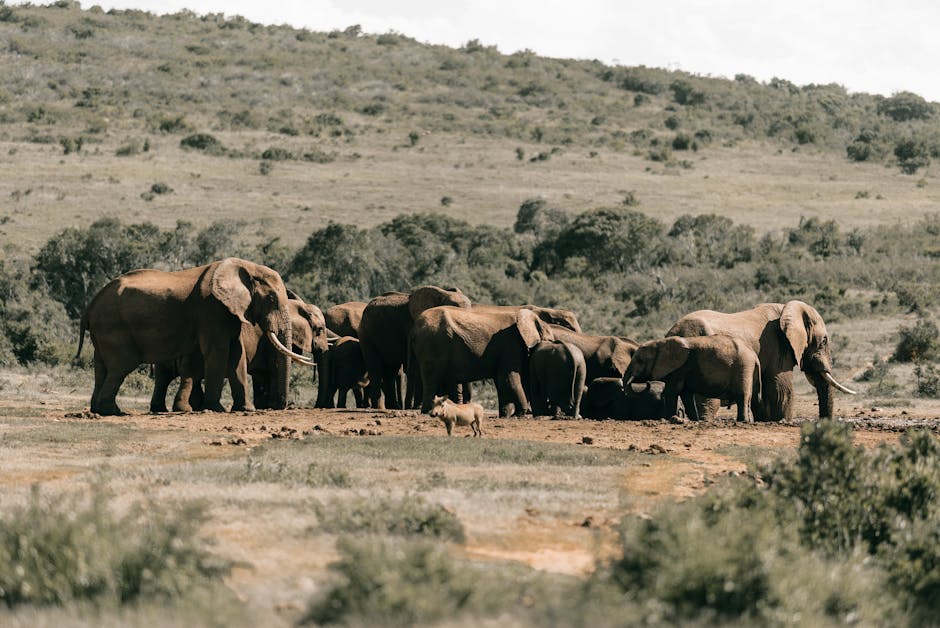
Explosive Popularity Masks Deeper Issues (Image Credits: Pexels)
Explosive Popularity Masks Deeper Issues
Viewers flock to YouTube for glimpses of animals in action, from majestic predators to playful primates. The platform hosts content that racks up millions of views, fueled by high engagement in comment sections. Yet, a study of 1,751 videos showed that most discussions centered on captive animals rather than wild ones.
Researchers employed machine learning to sift through comments, identifying recurring themes. Wolves emerged as a divisive species, sparking debates over threats to both humans and wildlife. Cheetahs drew praise for their speed, while gorillas impressed with their strength and appeal.
Comments Focus on Emotion, Not Action
Engagement surges with expressions of wonder and admiration, but calls for conservation remain scarce. The analysis found few instances where videos urged viewers to protect featured species. Instead, conversations revolved around the animals’ traits and behaviors.
This pattern persisted across entertainment-driven content, which overshadowed educational material. AI tools helped track evolving attitudes, revealing how quickly discussions shifted without deeper reflection. Conservation-themed videos struggled to compete in visibility and interaction.
Researchers Uncover Patterns with AI
A team trained models to parse vast comment volumes, keeping pace with social media’s rapid dynamics. “By using machine learning, we are able to analyze the comment sections and keep pace with its speed and the evolving dynamics of these issues,” one researcher noted. This approach provided insights into public perceptions that manual review could not match.
The methodology combined thematic identification with sentiment analysis. Results indicated that videography shapes connections to wildlife, yet rarely translates to advocacy. Captive settings dominated, potentially skewing views of natural habitats.
| Species | Common Themes in Comments |
|---|---|
| Wolves | Polarizing; concern for humans and animals |
| Cheetahs | Speed and agility |
| Gorillas | Strength and attractiveness |
Experts Call for Strategic Shifts
Conservation filmmakers stress the need for content that goes beyond spectacle. Rob Nelson, biologist and founder of the YouTube channel StoneAgeMan, pointed out a key shortfall. “The public has no idea what real conservation work actually looks like,” he said.
Influencers hold sway, prompting scientists to collaborate for wider reach. Nelson advocated moving from mere awareness to engagement that inspires action. Harmful narratives, like fear-inducing stories, must give way to positive messaging. Videographers on platforms including TikTok and Instagram face similar imperatives.
Turning Views into Victories
The study presents both a challenge and an opportunity for wildlife advocates. Platforms like YouTube offer unprecedented access to global audiences eager for nature content. By integrating conservation messages, creators can bridge the gap between viral appeal and protective steps.
- Viral videos prioritize entertainment, with conservation rarely featured.
- AI analysis of 1,751 videos highlights emotional but not action-oriented comments.
- Experts urge influencers and scientists to collaborate for impact.
Wildlife storytelling must evolve to foster understanding and participation. What steps can creators take to spark conservation in your feed? Share your thoughts in the comments.