
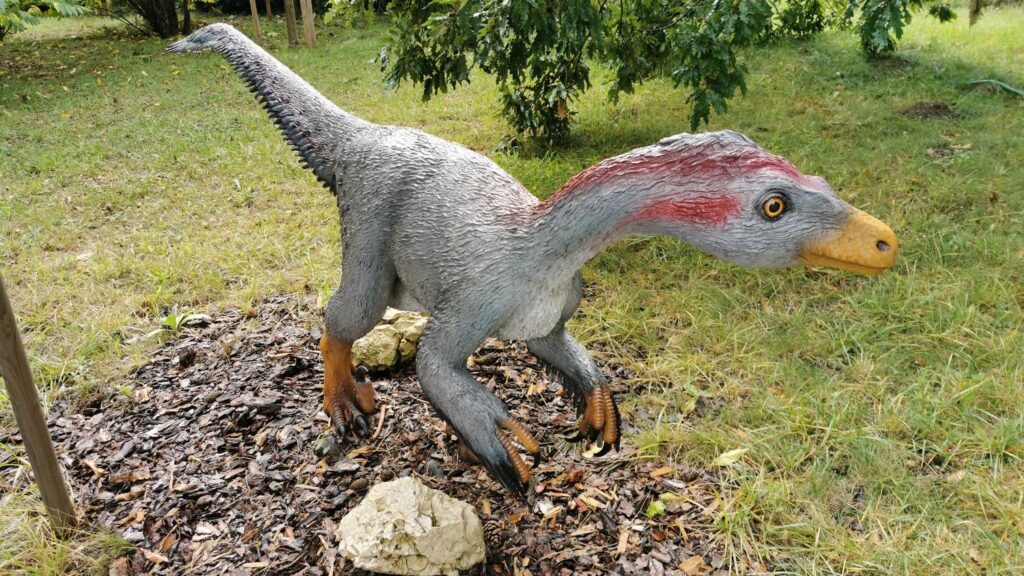
You probably think you know dinosaurs. Big, scaly, lumbering creatures that roamed the Earth for millions of years before a catastrophic extinction wiped the slate clean. Movies and TV have handed you a very specific image, and honestly, it’s not entirely wrong. There’s just so much more to the story.
Paleontology has exploded in the past few decades. New fossil sites, CT scanning technology, and cutting-edge neuroscience have forced researchers to completely rethink what they know about these ancient animals. Some of the results are jaw-dropping. Others quietly overturn decades of assumption.
So buckle up, because what you’re about to discover might completely rewire how you picture the Mesozoic world. Let’s dive in.
1. The Great T. rex Intelligence Debate Is Far From Settled
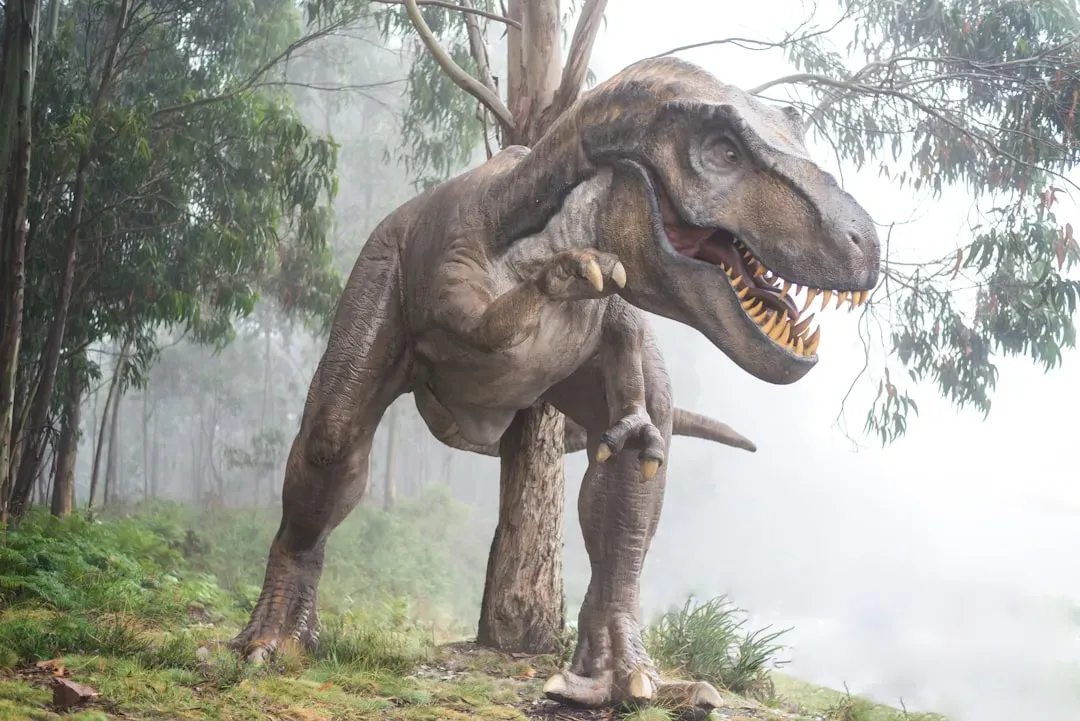
For a while, there was serious scientific excitement around the idea that Tyrannosaurus rex might have been as cognitively capable as a baboon. A study once claimed that dinosaurs like T. rex had an exceptionally high number of neurons and were substantially more intelligent than assumed, suggesting that these high neuron counts could directly inform on intelligence, metabolism, and life history, and that T. rex was rather monkey-like in some of its habits. Imagine that for a second. A seven-ton apex predator with the cunning of a primate. Terrifying doesn’t quite cover it.
However, a 2024 study published in The Anatomical Record pushed back hard. Researchers found that T. rex’s brain size had been overestimated, especially the forebrain, and that neuron counts are not a reliable guide to intelligence, concluding that dinosaurs were likely as smart as reptiles but not as intelligent as monkeys. According to many scientists involved in the debate, T. rex should not be considered either “baboon-like” or “crocodile-like,” but rather uniquely T. rex-like, and it is misleading to use terms like “smartness” or “baboon-like cognition” to describe it. Honestly, the more you look at this debate, the more you realize that dinosaur intelligence is its own entirely unique category.
2. Measuring Dinosaur Brains Is Surprisingly Complicated
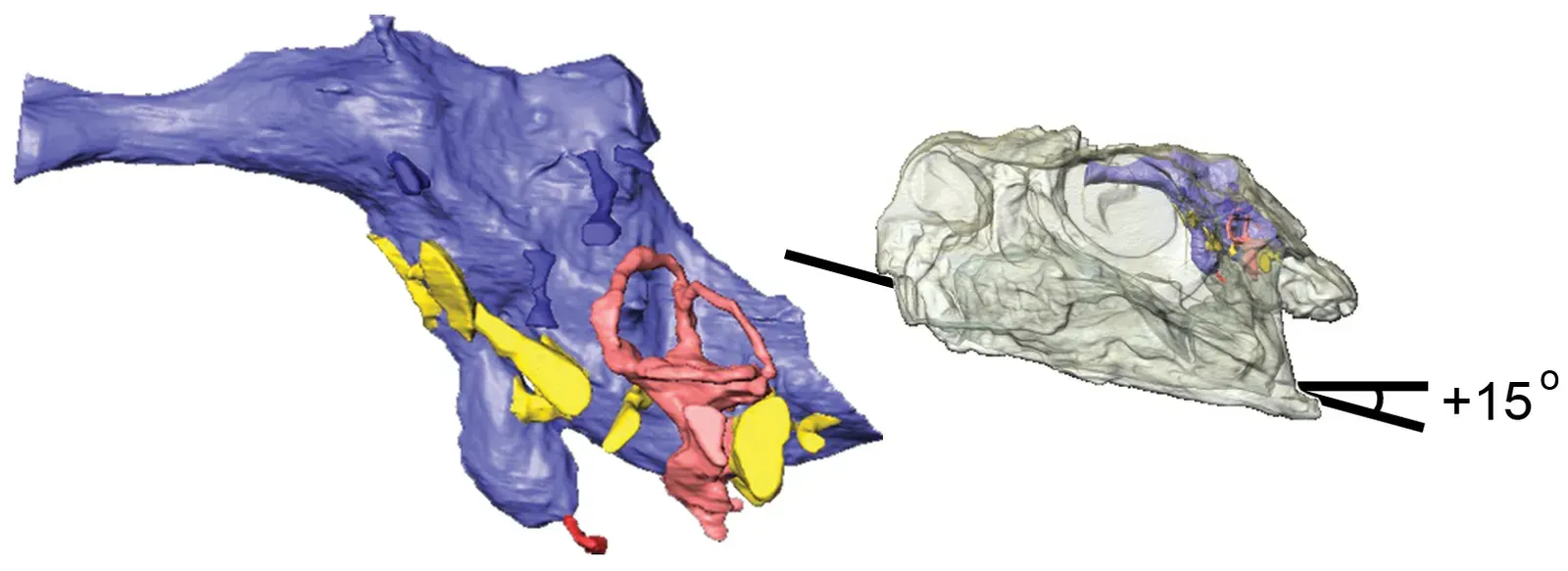
Information on dinosaur brains comes from mineral infillings of the brain cavity, termed endocasts, as well as the shapes of the cavities themselves. Think of it like trying to reconstruct a person’s personality by studying only the impression their head left in a pillow. You get a rough shape, but enormous gaps remain. Recent research utilizing computed tomography, or CT scanning, has enabled scientists to create more accurate models of dinosaur brains, allowing for more comprehensive analyses of their cognitive capacities.
Historically, researchers have used something called the encephalization quotient, which measures an animal’s relative brain size to its body size. A T. rex, for example, had an encephalization quotient of about 2.4, compared with 3.1 for a German shepherd and 7.8 for a human. The encephalization quotient is hardly foolproof, however. In many animals, body size evolves independently from brain size, making it a particularly fraught metric when studying extinct species. So the tools scientists use matter enormously, and they are still being refined today.
3. Some Dinosaurs Saw Colors You Cannot Even Imagine
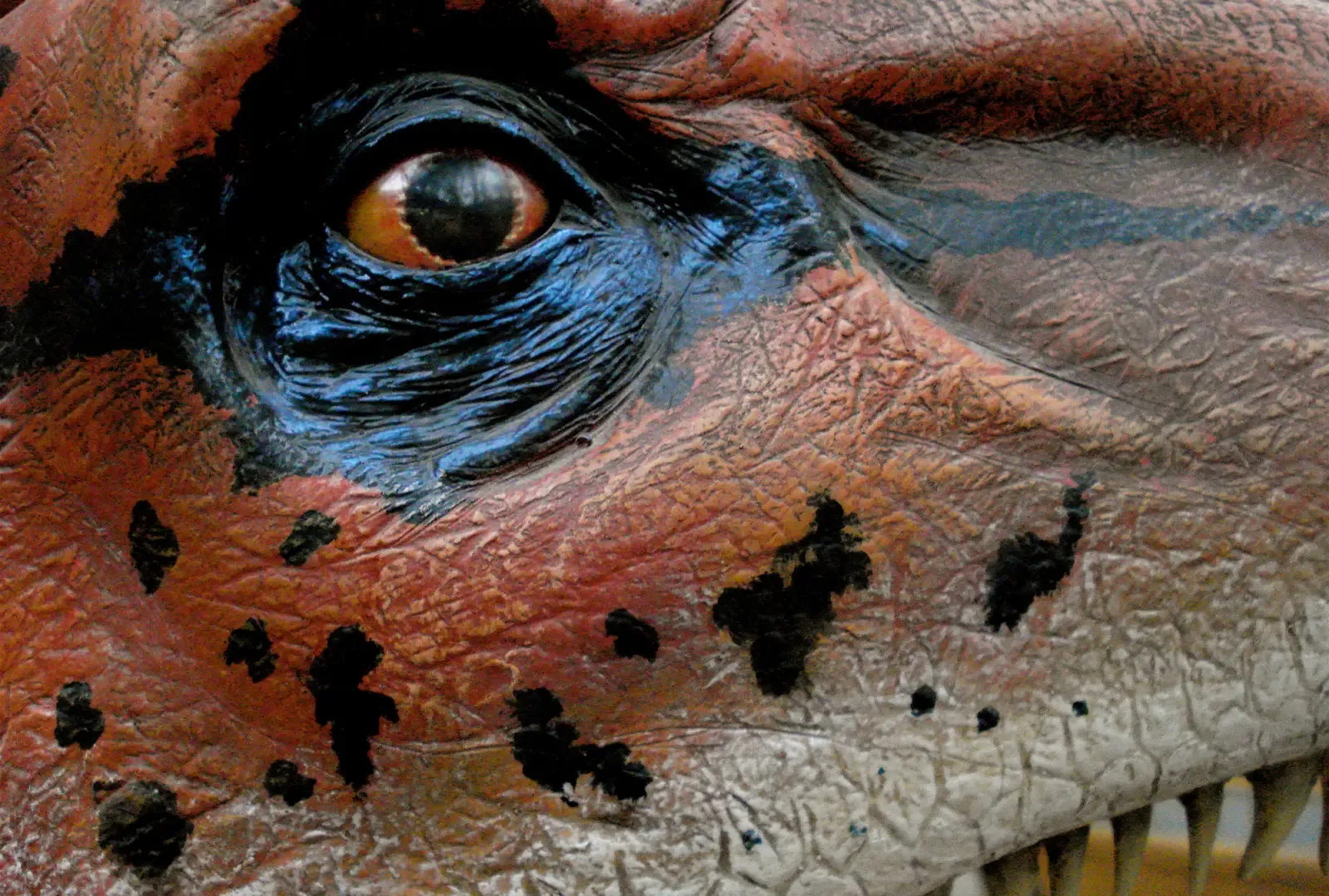
Here’s something genuinely mind-bending. You see the world through three types of color receptors in your eyes. Dinosaurs probably possessed tetrachromatic vision, meaning they had four types of cone cells in their eyes for receiving light, allowing them to see a greater range of colors than humans. They could also likely see ultraviolet light, and this enhanced color perception likely aided in hunting, communication, and navigation.
You can actually infer some visual capacities of extinct dinosaurs from their evolutionary relationships. Both birds and crocodilians, the closest living relatives of the extinct dinosaurs, have the types of retinal receptors needed to see in color, so dinosaurs most likely had color vision too. Dinosaur vision was, in general, better than the vision of most other reptiles, although it varied between species. Coelurosaurs had good stereoscopic or binocular vision, whereas large carnosaurs had poor binocular vision, comparable to modern alligators. Recent evidence has also shown that some species possessed highly specialized color and night vision. The Mesozoic world must have been visually spectacular in ways we can barely conceive.
4. A Tiny Dinosaur Had Hearing That Rivaled a Barn Owl
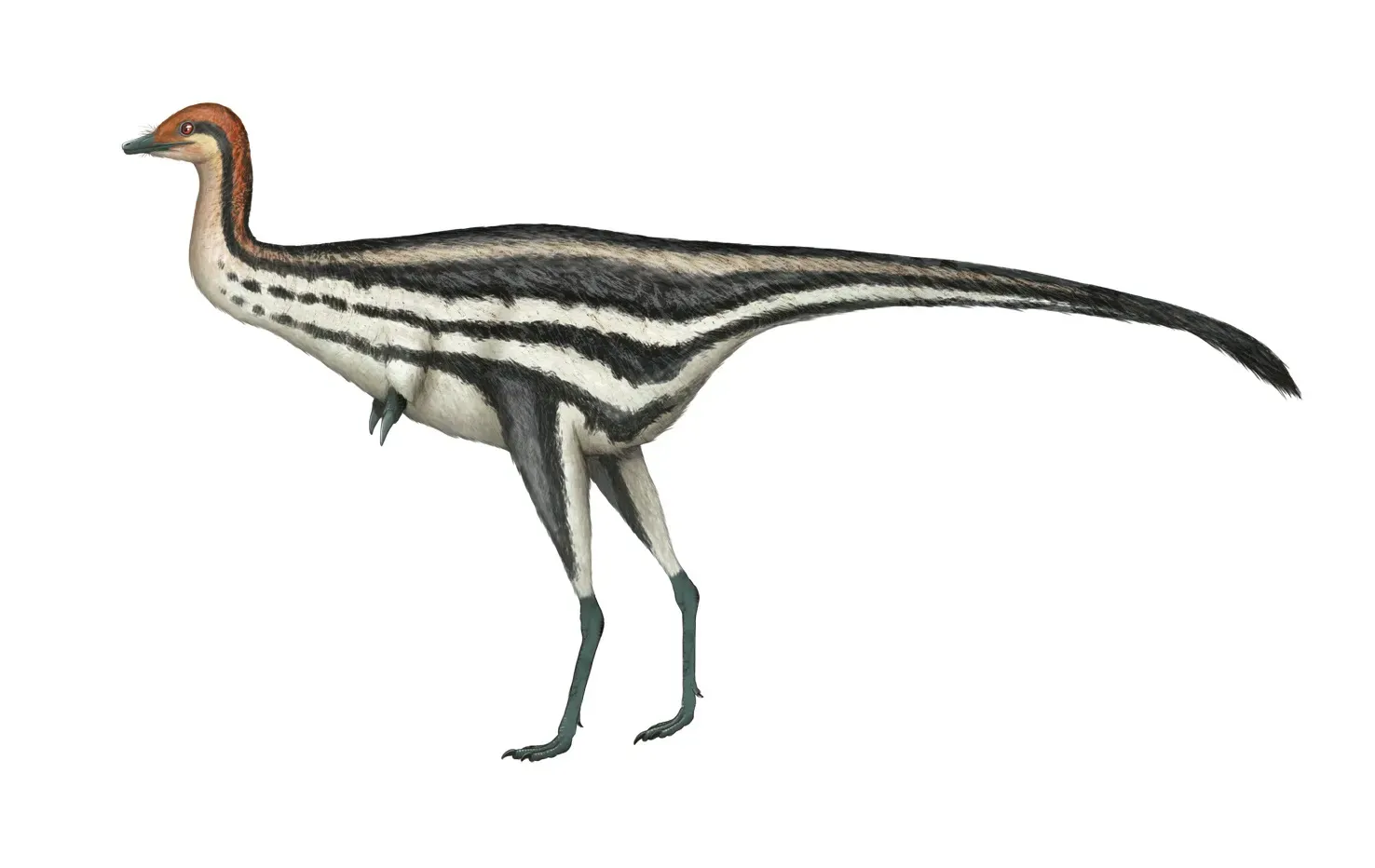
When people think about impressive dinosaur senses, they picture the thundering footsteps and sharp teeth of T. rex. Nobody pictures a small, desert-dwelling dinosaur with hearing so acute it could hunt in near-total darkness. Nocturnal predation evolved early in the dinosaur lineage Alvarezsauroidea, and the Late Cretaceous alvarezsauroid Shuvuuia deserti had highly specialized hearing acuity rivaling that of today’s barn owl.
Researchers found that the cochlea of Shuvuuia was so long that it curled under the base of the skull, similar to nocturnal birds such as owls. The hyperelongated cochlear duct indicates that its hearing was attuned to very high-frequency sounds such as those produced by insects, and scientists concluded that this small dinosaur prowled the desert dunes of Central Asia in the darkness, hunting for small prey. This combination of sensory adaptations evolved independently in dinosaurs long before the modern bird radiation and provides a notable example of convergence between dinosaurs and mammals. It is a reminder that evolution keeps finding the same brilliant solutions, no matter the era.
5. Troodon May Have Been the Smartest Dinosaur of All
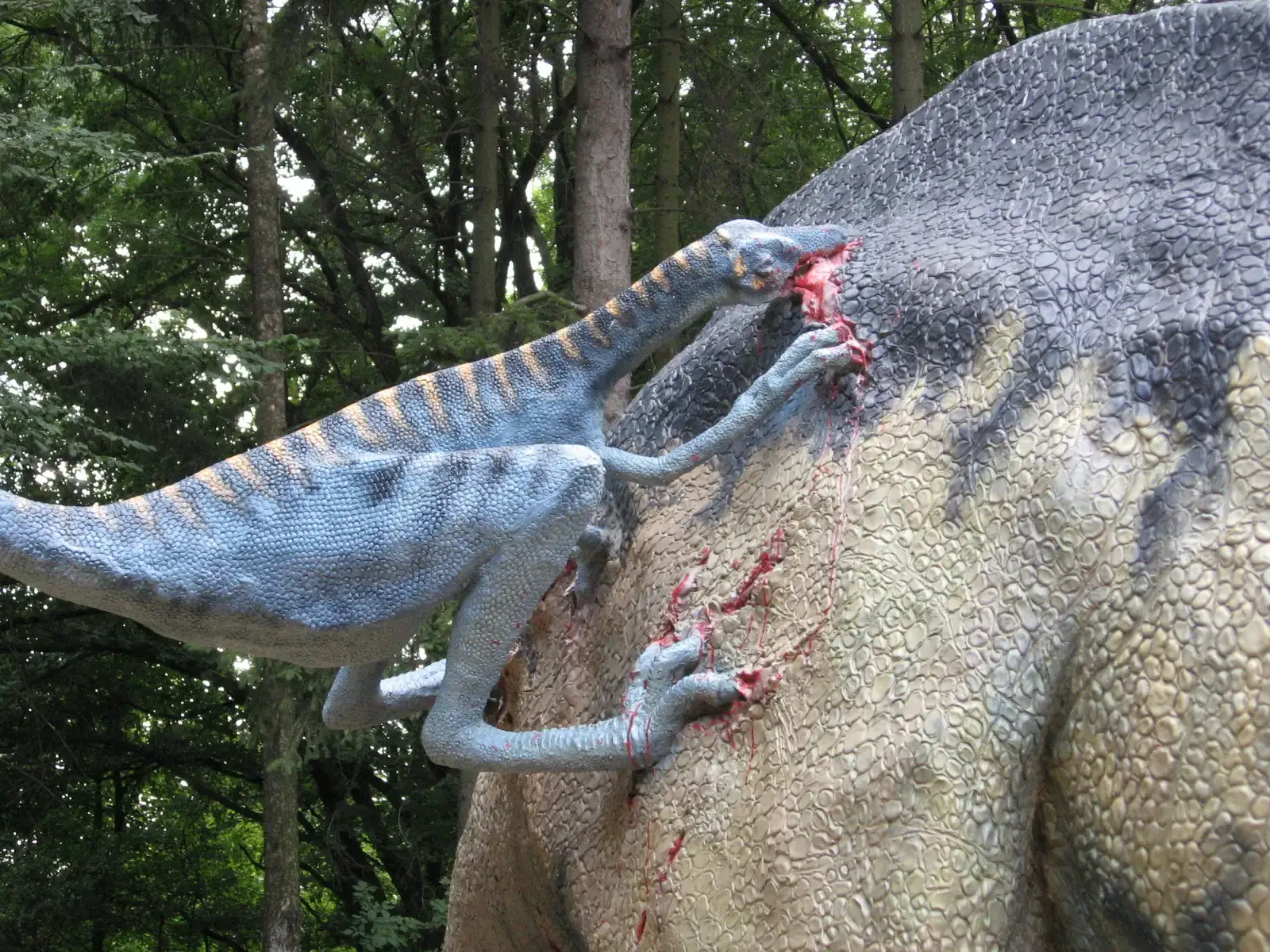
If you were asked to name the most intelligent dinosaur, you would probably say Velociraptor, because that is what popular culture taught you. Let’s be real, though. The real contender for the crown is a lesser-known family called Troodontidae. Paleontologists calculated their cerebrum-to-brain-volume ratio to be closer to a typical avian brain rather than a modern-day lizard’s brain, pointing to a similarity in intelligence to modern-day birds.
Due to their larger brain, the troodontidae family would likely have had better eyesight, hearing, and a sense of smell compared to other dinosaurs. Their eyes pointed forward, giving them binocular vision and better depth perception, and they had unusually complex ear structures, with middle ear canals for overall better hearing. Troodontids appear to have also exhibited solitary behaviors, meaning they could hunt together or alone if necessary, making them more adaptable. Unlike most theropods, they were most likely omnivores, enabling them to adapt to their environments by switching food sources if needed, making them more versatile than strictly carnivorous dinosaurs. A small, adaptable, sharp-eyed, and sharp-eared omnivore. It is genuinely hard not to be impressed.
6. Herding Behavior Goes Back Nearly 200 Million Years
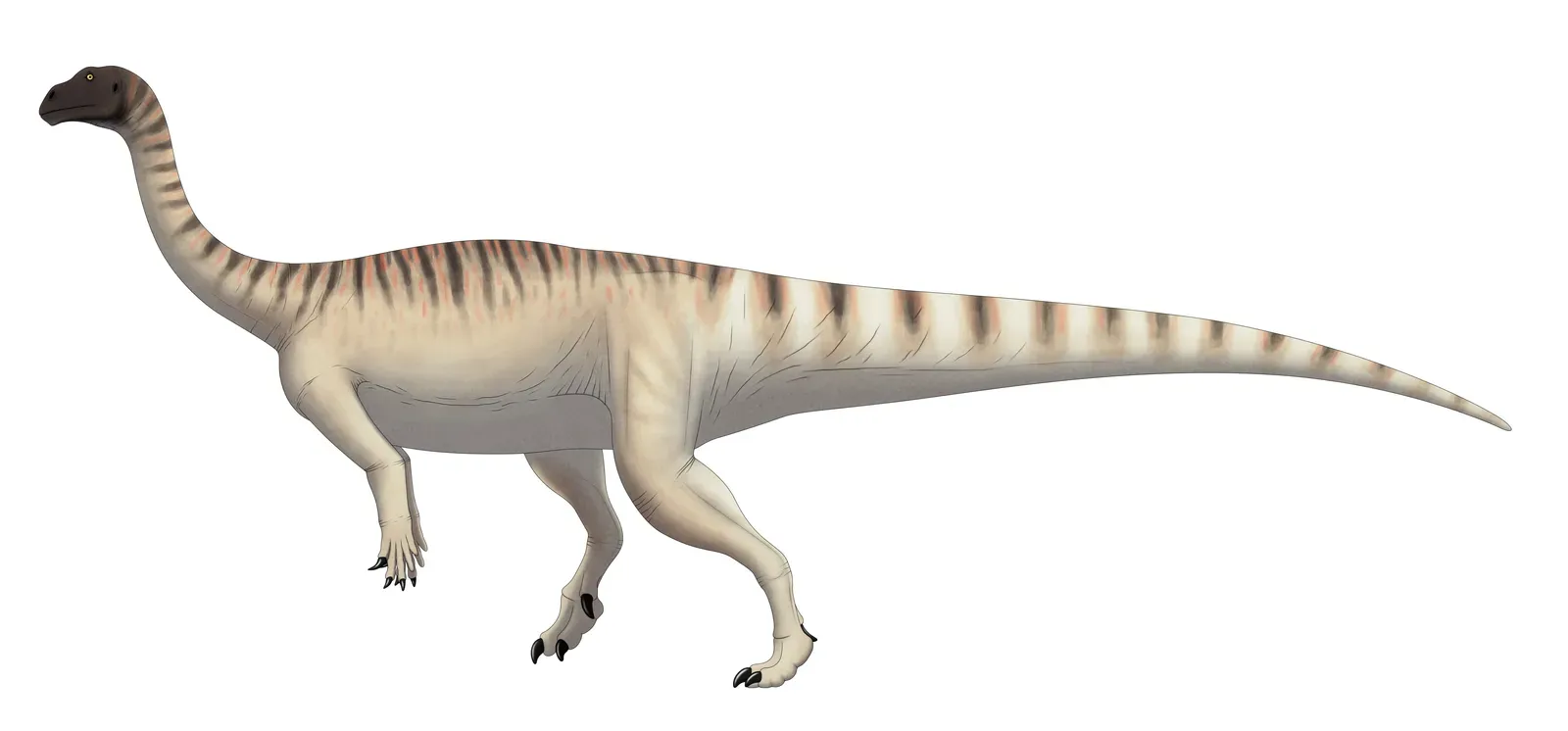
Social behavior in dinosaurs is not some late evolutionary achievement. It is ancient. Scientists believe they have found the earliest evidence for complex herd behavior in dinosaurs. Researchers discovered that Mussaurus patagonicus may have lived in herds as early as 193 million years ago, some 40 million years earlier than other records of dinosaur herding. Think about that. When Mussaurus was already organizing itself socially, the evolutionary clock had barely started on what we consider the “classic” dinosaur era.
Clues from the fossil find tell us that Mussaurus lived in herds, nested in colonies, and spent time in age-separated groups. This is the oldest fossil evidence of dinosaur social behavior ever found. Gregarious behavior was common in many dinosaur species, and dinosaurs may have congregated in herds for defense, for migratory purposes, or to provide protection for their young. This is the kind of discovery that quietly rewrites a whole chapter of natural history.
7. Dinosaurs Were Likely “Talky” Animals With Rich Vocal Lives
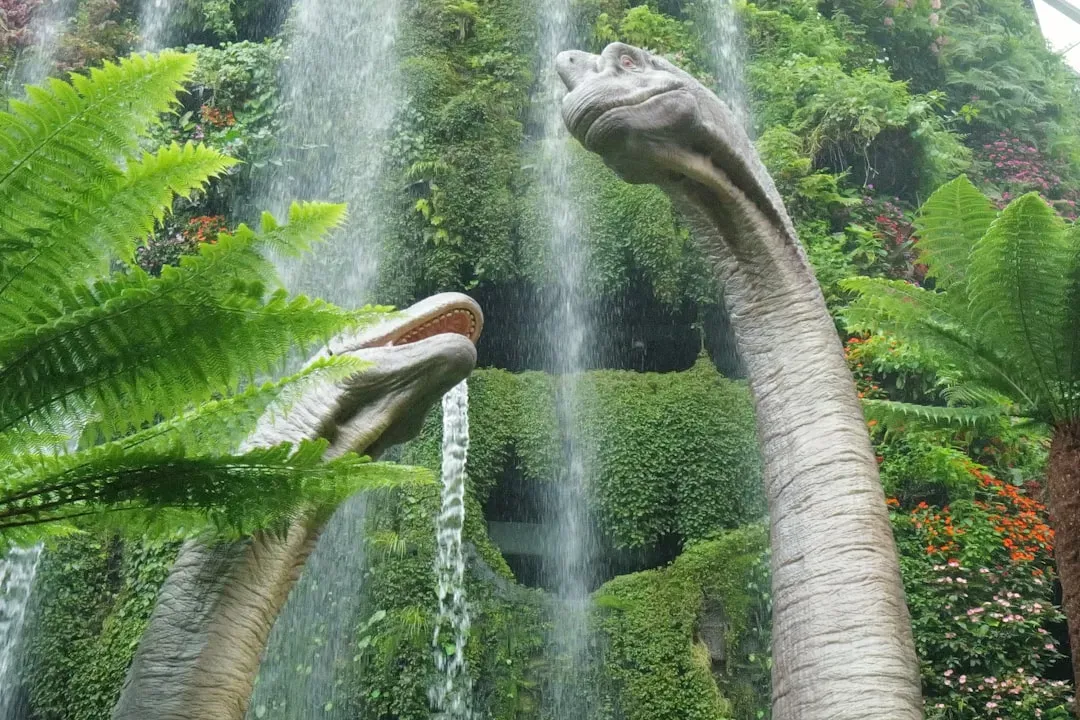
The image of a silent, hissing reptile lurking through prehistoric ferns is almost certainly wrong. Archosaurs are very “talky” animals. Both birds and crocodilians have large repertoires of calls and signals, and almost assuredly non-avian dinosaurs did the same. It’s hard to say for sure exactly what those sounds were like, but the structural evidence strongly points toward a world filled with dinosaur vocalizations.
Vocalizations played a crucial role in dinosaur communication, attracting mates, establishing dominance, and warning of danger. The cochlear duct in the inner ear was specialized for different frequency ranges across various dinosaur species, reflecting their adaptations to different environments and ecological niches in the prehistoric soundscape. Nests and eggs have been found for most major groups of dinosaurs, and it appears likely that dinosaurs communicated with their young, in a manner similar to modern birds and crocodiles. The Mesozoic was not a quiet world. It was probably loud, complex, and layered with meaning.
8. Some Dinosaurs Were Genuinely Dedicated Parents
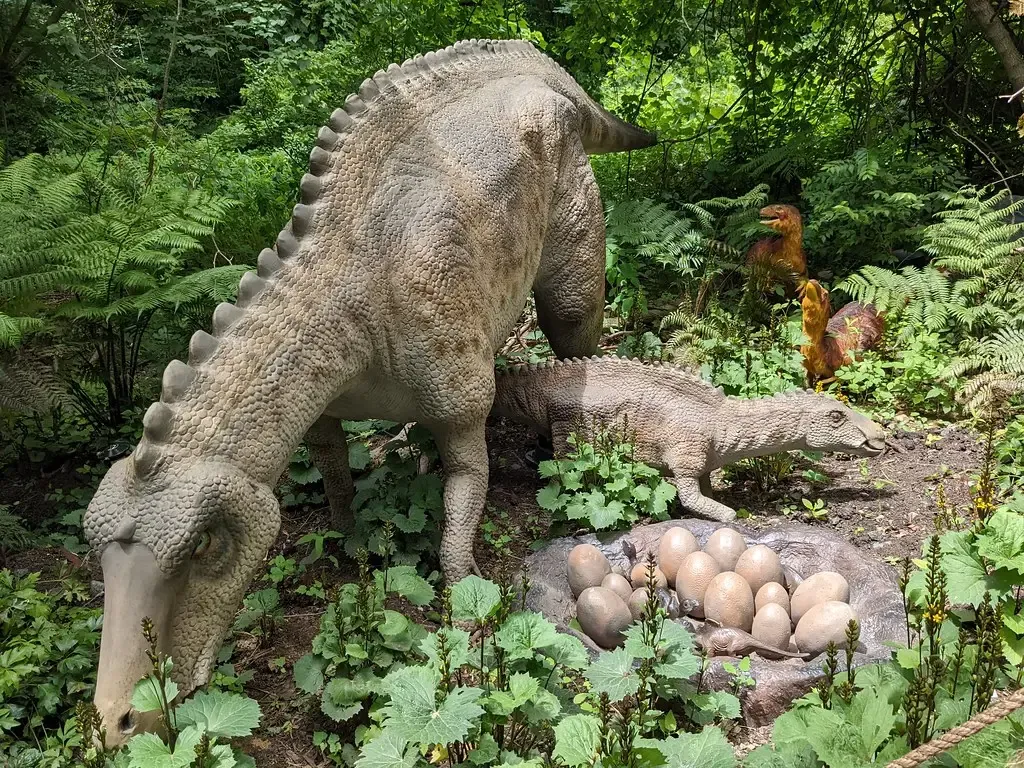
Dinosaurs, despite their fearsome reputation, exhibited parental care behaviors similar to those seen in modern animals. Fossilized evidence, such as nests and eggs, provides insights into the parental instincts of dinosaurs. One of the most powerful examples is the hadrosaur Maiasaura, literally named the “good mother lizard.” This dinosaur lived during the Late Cretaceous period, around 80 to 75 million years ago, and exhibited remarkable nurturing behaviors. Fossil evidence suggests that Maiasaura parents nested in large colonies, creating a social structure similar to modern-day birds.
In proposed Maiasaura nesting colonies discovered in Montana, paleontologists found juvenile dinosaur bones, indicating parental care and support during early life stages. This finding challenges the long-standing belief that dinosaurs abandoned their offspring. The presence of young dinosaur bones in close proximity to adult nests suggests that the parents provided extensive food and protection for their hatchlings until they were ready to venture out on their own. Lots of broken eggshell in a nest has been interpreted as evidence that hatchling dinosaurs remained in the nest for extended periods, as the eggshell may have been broken because it was trampled by nest-bound hatchlings. Caring, protective, community-oriented. That is not the dinosaur of Hollywood movies.
9. Oviraptor Was Wrongly Accused of Being an Egg Thief
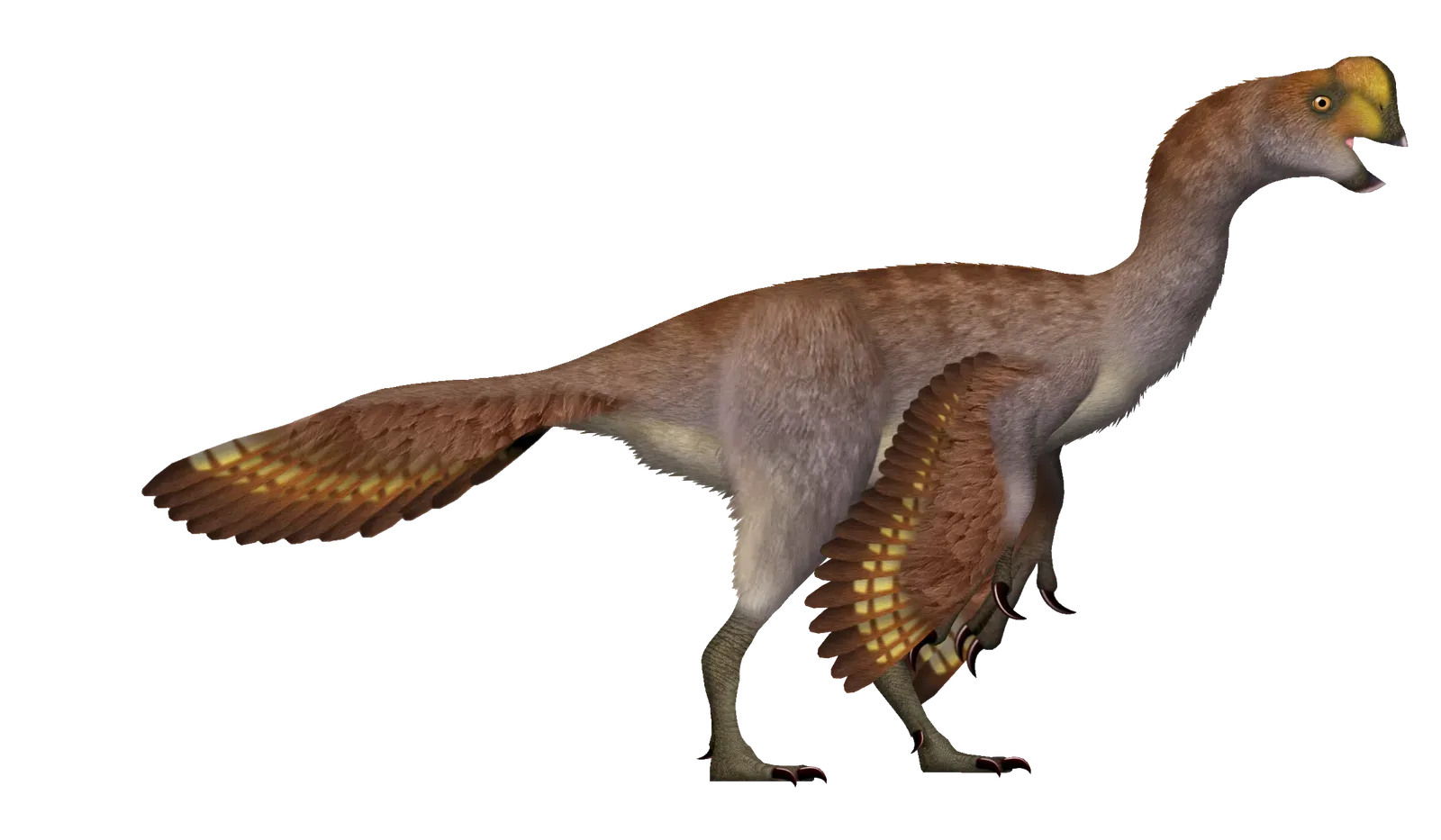
Here is a case that doubles as a cautionary tale about jumping to conclusions. Oviraptor, whose name is derived from the Latin for “egg thief,” was first discovered in the 1920s in association with eggs thought to belong to the small ceratopsian dinosaur Protoceratops. Scientists thought that Oviraptor may have stolen and eaten other dinosaurs’ eggs. But it has now been confirmed that the eggs actually belonged to Oviraptor itself, and there is no other evidence that it stole eggs.
In fact, oviraptorids like Citipati osmolskae, known as “Big Mama,” have been found brooding on their nests, indicating protective behavior. Scientists know from previous finds that oviraptorids laid two eggs at a time in a clutch of 30 or more. This means that the mother would have had to stay with or at least return to the nest, carefully arrange the eggs in a circle, and bury them appropriately every day for two weeks to a month. Those eggs would have taken months to hatch. A wrongly accused parent, vindicated by science 70 years later. If you think about it, it is a strangely moving story.
10. Pack Hunting in Dinosaurs Has Real Fossil Evidence
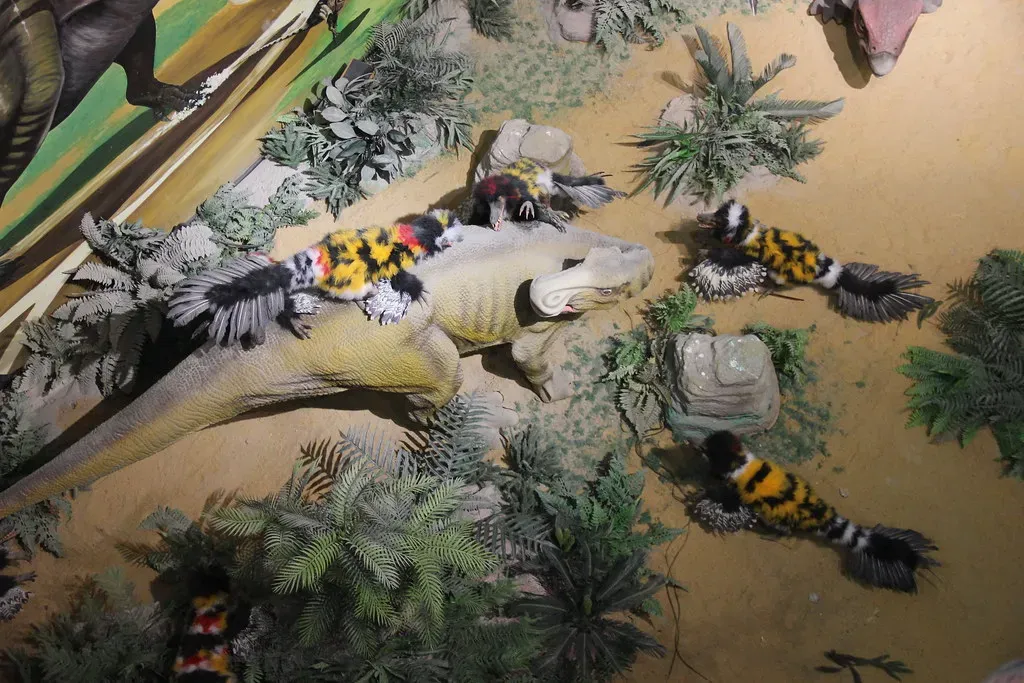
You know the scene. Velociraptors coordinating, flanking, outsmarting their prey. While Hollywood dramatized it, the underlying idea is not entirely fiction. Studies of trackways of carnivorous theropod dinosaurs, such as the dromaeosaurid Deinonychus, have provided evidence that they hunted in packs. The image of a lone, solitary predator was always only part of the story for some species.
Deinonychus, the dinosaur that the raptors from the Jurassic Park movies were based on, has a lot of interesting evidence of social behavior. North American fossil sites have found individual animals of varied ages concentrated together, and they have also been found in close proximity to a possible prey animal called Tenontosaurus. Deinonychus was about one twentieth the size at best of its prey, leading many to speculate that this is an indication of pack hunting. Living in groups provided the advantage of more eyes to spot predators, and for carnivores, the ability to attack as a group allowed for strategies that a single hunter could never use. Coordinated, strategic, and social. That is a very different creature from the solitary reptile of old assumptions.
11. Dinosaur Brains Reveal Specialized Regions, Not Just Raw Size
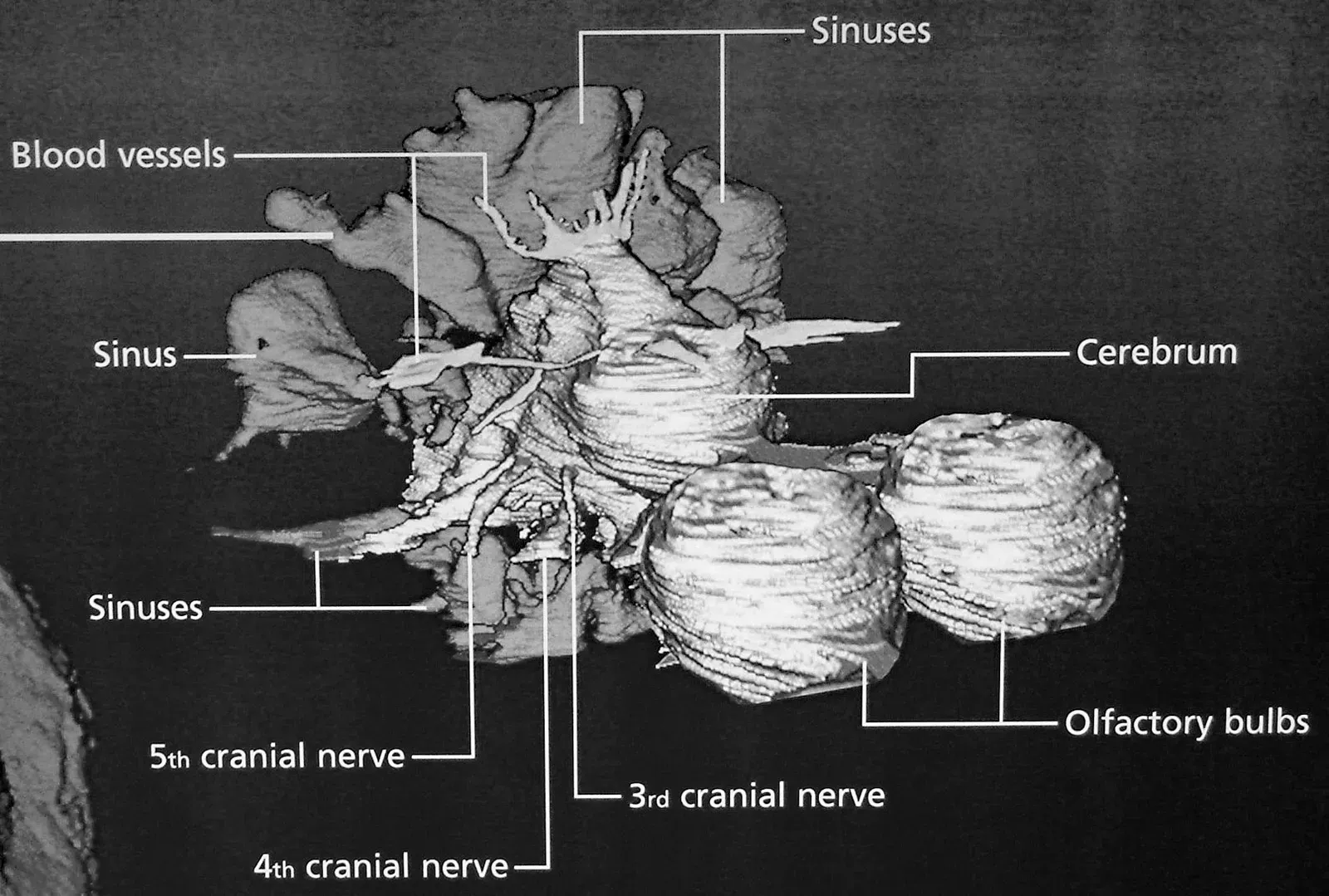
The old way of judging dinosaur intelligence was simple and blunt: measure the brain, compare it to the body. Done. But modern paleontology understands that brain architecture, the way different regions are developed, tells a far richer story. It has been found that sauropodomorphs, tyrannosaurids, dromaeosaurids, and some hadrosaurids had exceptionally large olfactory bulbs and thus likely a good sense of smell, while pachycephalosaurs and ceratopsians had proportionally small olfactory bulbs and thus a more modest smelling sense.
Research indicates that T. rex had a proportionally large brain compared with its plant-eating quarry, and a substantial part of its brain was devoted to olfaction, meaning Tyrannosaurus probably did sniff the air to locate its next meal. To reliably reconstruct the biology of long-extinct species, researchers argue, scientists should look at multiple lines of evidence, including skeletal anatomy, bone histology, the behavior of living relatives, and trace fossils. It is the difference between knowing how big a library is versus knowing which sections are most heavily used. The latter is far more informative.
12. The Smartest Dinosaurs Could Have Evolved Further, Given Time
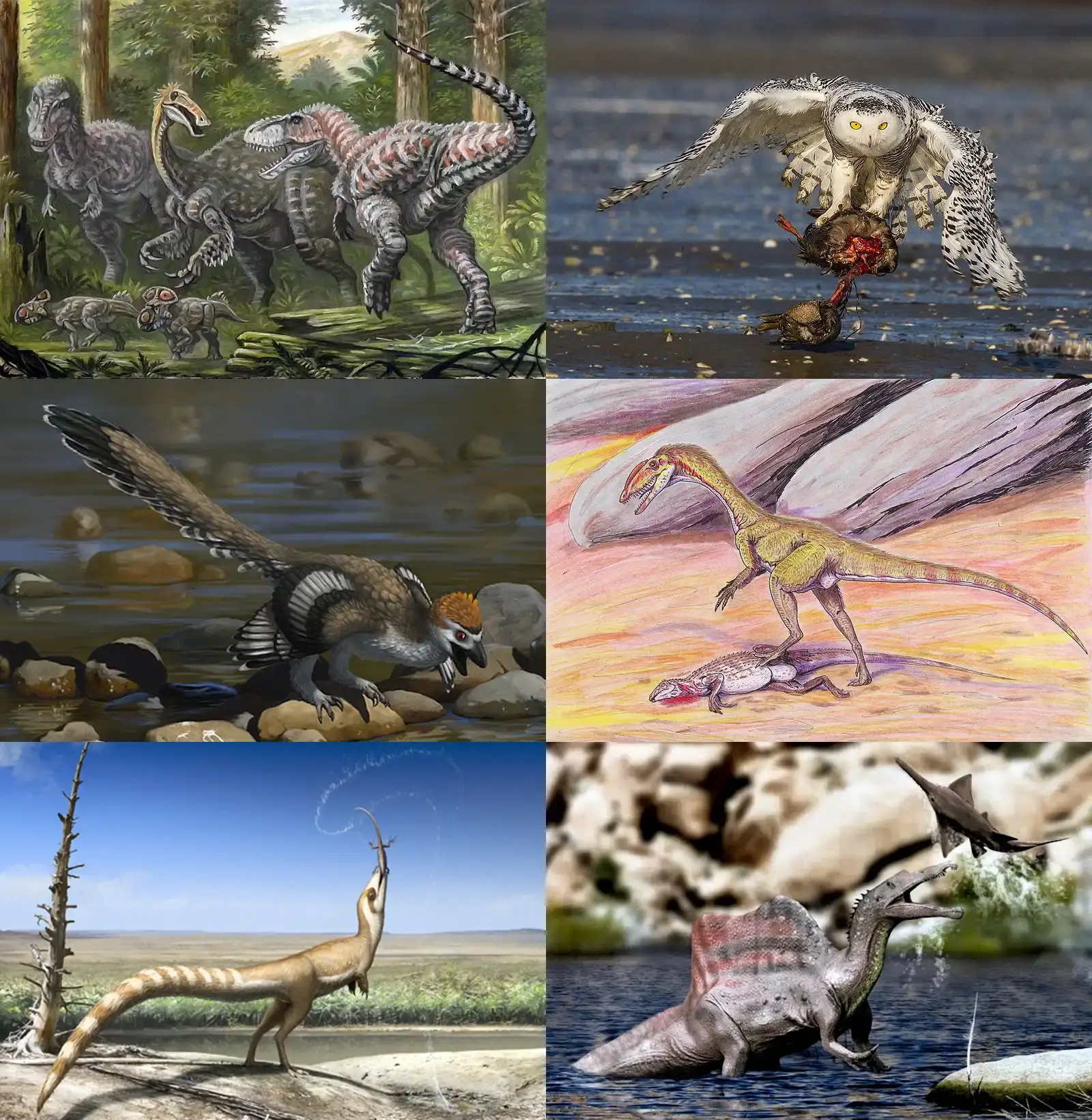
File:SnowyOwlAmericanBlackDuck.jpg by Chuck Homler d/b/a Focus On Wildlife
File:Zhenyuanlong life restoration.jpg by Emily Willoughby
File:Megapnosaurus DB.jpg by Dmitry Bogdanov
File:Sinosauropteryx with Dalinghosaurus.jpg by Robert Nicholls
File:Spinosaurus life restoration with Onchopristis.jpg by Nobu Tamura, CC BY-SA 4.0)
This is the one that tends to keep people up at night. Noting that some theropod dinosaurs had large brains, large grasping hands, and likely binocular vision, paleontologist Dale Russell suggested that a branch of these dinosaurs might have evolved to a human intelligence level, had dinosaurs not become extinct. It is a genuinely staggering thought. Evolution does not aim at humans. It simply follows what works.
Over the past fifty years, the scientific view of the al sophistication of dinosaurs has undergone considerable transformation. While dinosaurs were once considered to be slow-witted, slow-moving reptiles, the members of many dinosaur species are now recognized to have functioned at an avian level of behavioral complexity. Whatever the truth, these analyses can tell us much about how evolutionary history shapes the development of cognitive abilities. Evolution can find many ingenious solutions but cannot invent something from scratch. Understanding how brain architecture imposes limits on the development of higher intellectual faculties could reveal much about the evolution of abilities and behaviors of various types of animals. Dinosaurs were not failed experiments. They were an extraordinary, ongoing success story cut short by a rock from space.
Conclusion: Rethinking Everything You Thought You Knew
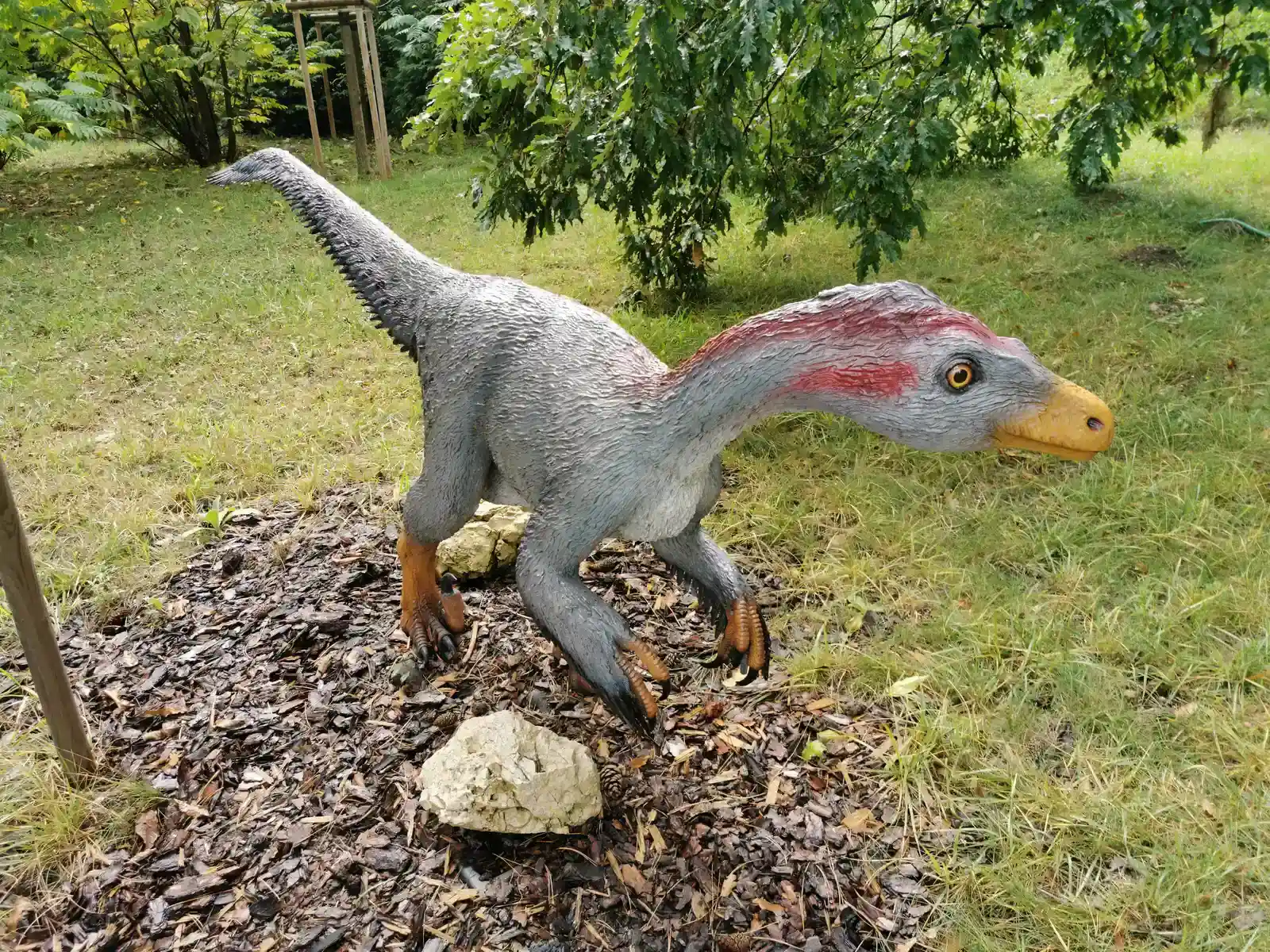
The picture of dinosaurs that science is now painting is one of highly sensory, socially sophisticated, behaviorally flexible animals. Some hunted in coordinated groups. Some raised their young with remarkable dedication. Some perceived a world of color and sound that we humans can only partially imagine. These are not the dim-witted lizards of 20th-century imagination.
What is most exciting is that the science keeps moving. New fossil sites, better scanning technology, and fresh analytical frameworks keep forcing researchers to revise their conclusions. Every year, something previously assumed gets overturned. Every excavation carries the potential for a surprise.
Honestly, the more you learn about dinosaurs, the more you realize how much our popular image of them was shaped by convenience rather than evidence. They were strange, complex, and genuinely alien in many ways, yet they also mirror many behaviors we recognize in the animals around us today. That combination of familiar and utterly foreign is what makes them endlessly fascinating. What did you assume about dinosaurs before reading this? Tell us in the comments!