
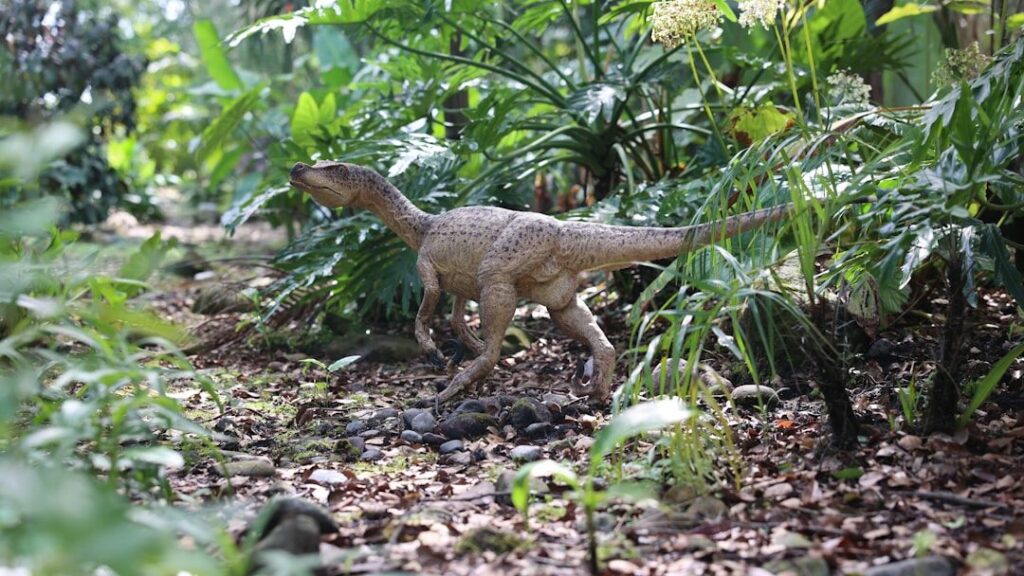
Long before cities, farms, and concrete highways claimed the land, Earth was blanketed by some of the most extraordinary forests ever to exist. These were not forests you could easily hike through on a Sunday morning. They were alien, towering, and teeming with life in ways that still baffle scientists today. The plants were strange, the oxygen levels were off the charts by our standards, and the animals roaming beneath those canopies were unlike anything walking the planet right now.
What makes these ancient forests so fascinating is not just their sheer scale or their alien beauty. It is what they reveal about the creatures that shared their shade. Every time a new fossil is dug up, every time a preserved tree ring is analyzed, another piece of a jaw-dropping puzzle falls into place. You are about to find out exactly what ancient Earth’s greatest forests looked like, and what they are still telling us about the lives of the dinosaurs that called them home. Let’s dive in.
The Carboniferous Swamp Forests: Earth’s First Great Canopy
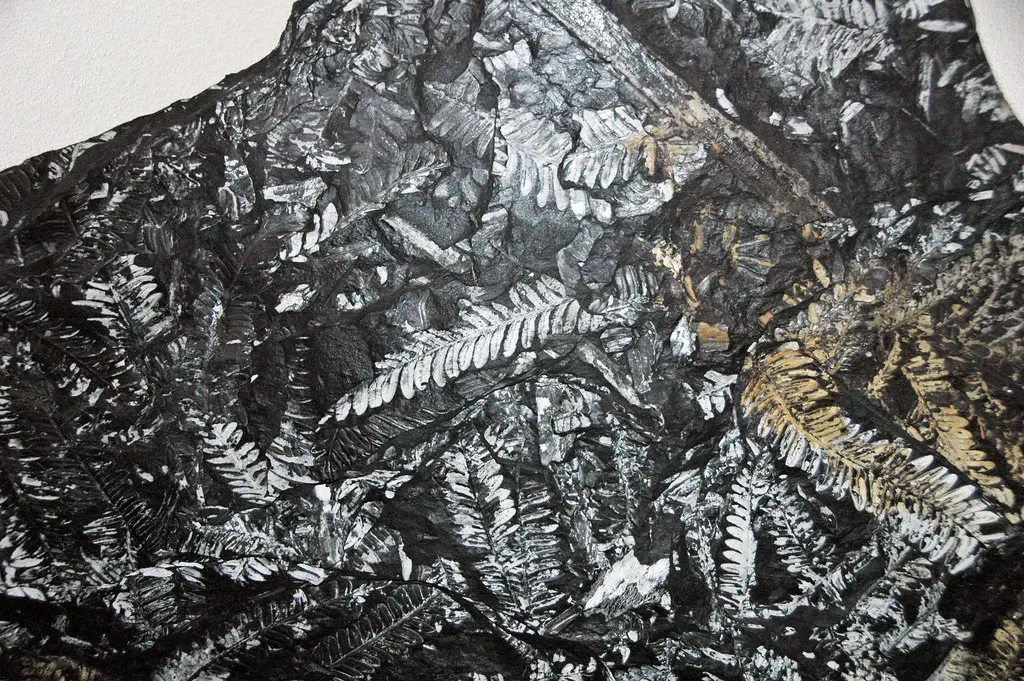
Here is something genuinely staggering. Long before a single dinosaur set foot on land, the world was already covered in forests so dense and so oxygen-rich that they completely transformed the planet’s atmosphere. Characteristic of the Carboniferous period, from about 360 million to 300 million years ago, were its dense and swampy forests, which gave rise to large deposits of peat. Think of them as the original megaforests, dripping with moisture and buzzing with strange life.
Vegetation included giant club mosses, tree ferns, great horsetails, and towering trees with strap-shaped leaves. These were not the elegant oaks and maples you might picture. They were more like something from a science fiction novel, vast and primitive. The growth of these forests removed huge amounts of carbon dioxide from the atmosphere, leading to a surplus of oxygen, and atmospheric oxygen levels peaked around 35 percent, compared with 21 percent today. That atmospheric change had profound consequences for everything that came after, including the eventual rise of the dinosaurs.
Why the Carboniferous Forests Matter to Dinosaur Science
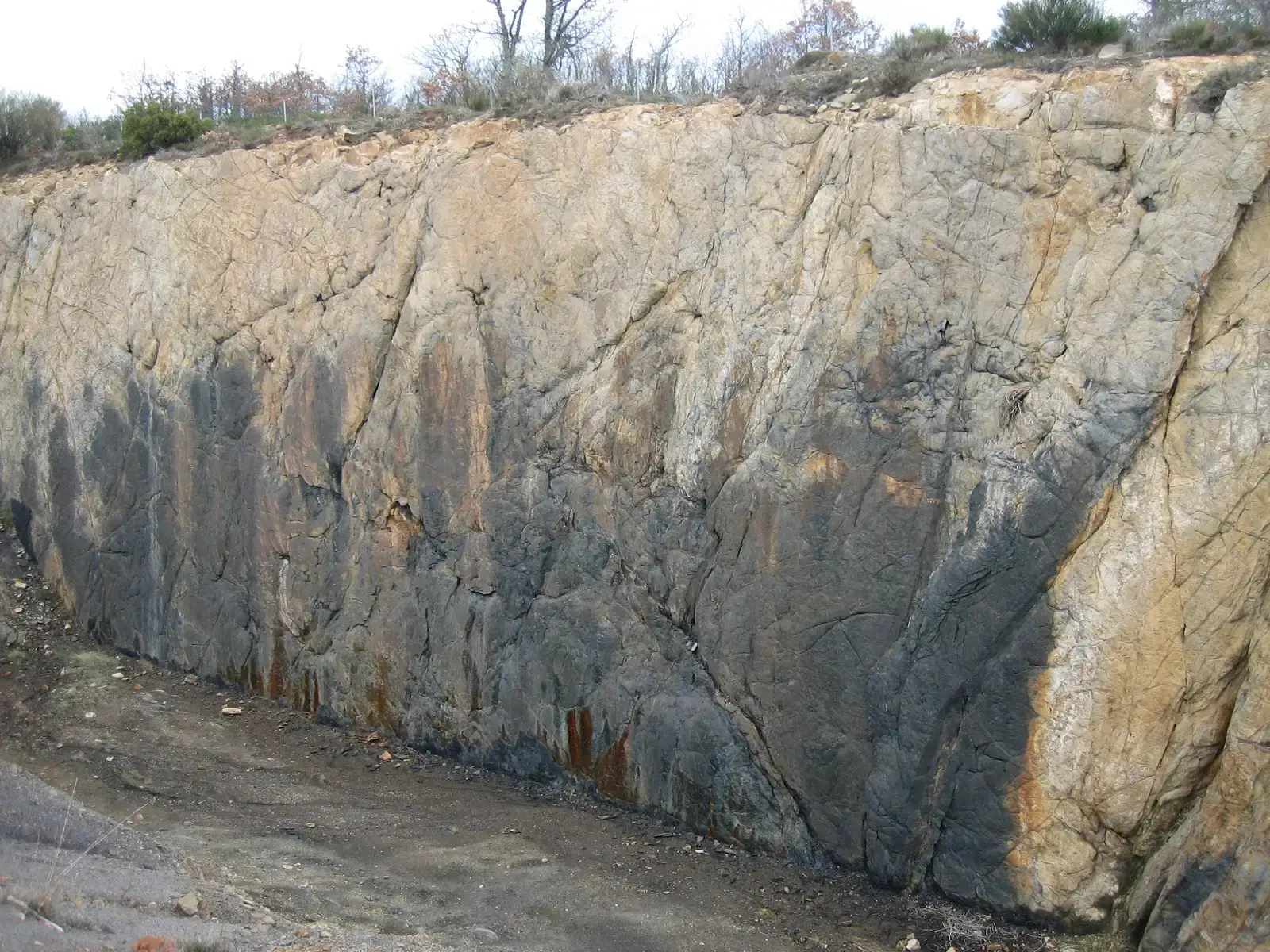
You might be wondering what swamp forests from 300 million years ago have to do with dinosaurs, which arrived tens of millions of years later. Honestly, more than you might think. The plants of the Carboniferous set the stage for the rise of dinosaurs, mammals, and flowering plants, and their extensive root systems enriched soils. The Carboniferous forests essentially constructed the biological foundation on which later ecosystems were built.
Vast tropical rainforests collapsed suddenly as the climate changed from hot and humid to cool and arid, likely caused by intense glaciation and a drop in sea levels, and the new climatic conditions were not favorable to the growth of rainforest; rainforests shrank into isolated islands, surrounded by seasonally dry habitats. This collapse forced evolution’s hand. Reptiles continued to diversify through key adaptations that let them survive in the drier habitat, specifically the hard-shelled egg and scales, both of which retain water better than their amphibian counterparts. These are the very lineages that would eventually produce dinosaurs.
The Triassic Comeback: New Forests Rise from the Ashes
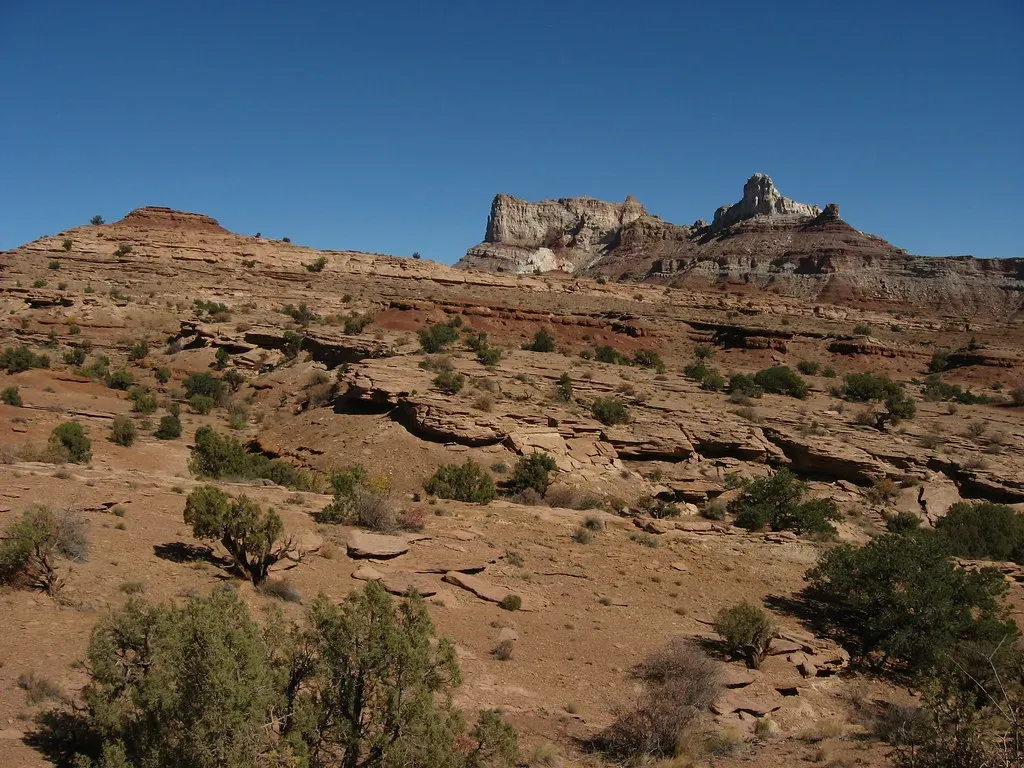
After the catastrophic Permian extinction wiped the slate almost completely clean, the Mesozoic Era began, lasting from about 252 to 66 million years ago, comprising the Triassic, Jurassic, and Cretaceous Periods. It was a world starting over. The Early Triassic saw conifer-dominated forests with trees as tall as 30 metres, while drier climates were filled with vast fern prairies as plant life began to recover. Life was hauling itself back from the brink, and forests were leading the charge.
The Early Triassic, about 252 to 247 million years ago, was dominated by deserts in the interior of the Pangaea supercontinent. It was not exactly a paradise, and the first dinosaurs that appeared during this period were far smaller and scrappier than the giants they would eventually become. Dinosaurs began their journey in the Triassic period, roughly 240 million years ago, and the first dinosaurs were small and often bipedal. The recovering forests gave these early species shelter, food, and opportunity, and they made extraordinary use of all three.
The Jurassic Jungle: The Golden Age of Forest Giants
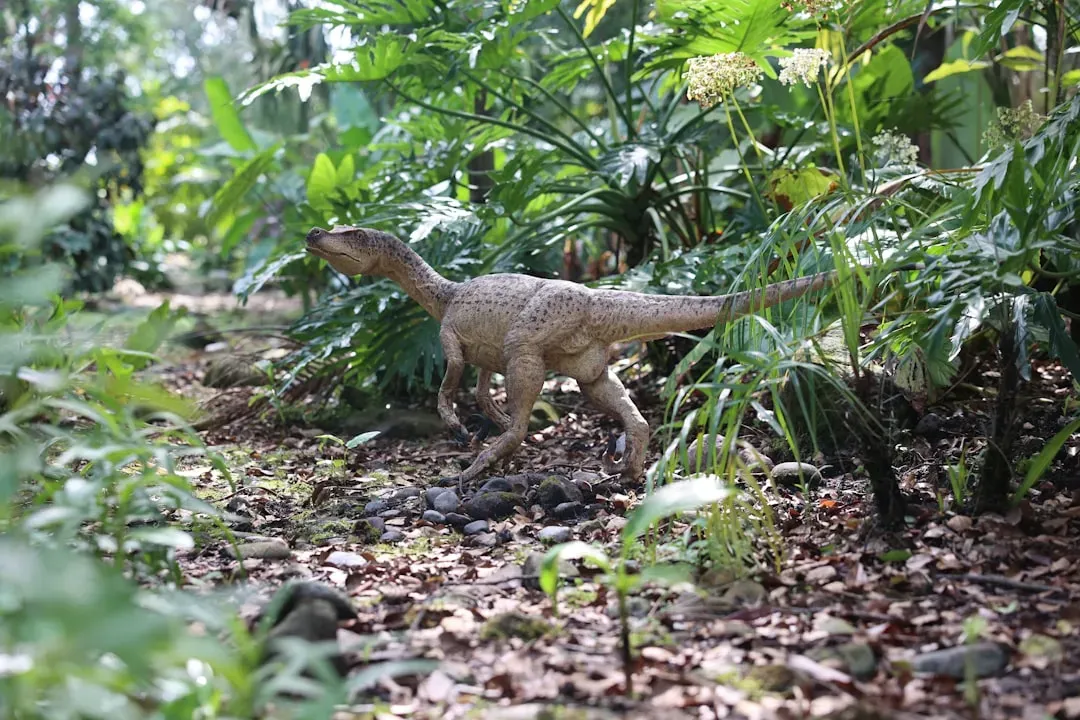
If you had to pick the era that best matches the mental image most people have of a “dinosaur world,” the Jurassic is your answer. The climate of the Jurassic was warmer than the present, and there were no ice caps; forests grew close to the poles, with large arid expanses in the lower latitudes. The planet was lush in ways that are difficult to comprehend from where we stand today. The Mesozoic Era is characterized by the dominance of archosaurian reptiles such as the dinosaurs, and of gymnosperms such as cycads, ginkgoaceae and araucarian conifers, a hot greenhouse climate, and the tectonic break-up of Pangaea.
During the early and mid-Mesozoic Era, conifers emerged as the predominant tree types, forming vast forests across the globe; these cone-bearing trees, many evergreen, resembled modern pines, spruces, and firs. Let’s be real, walking through a Jurassic conifer forest would have felt like standing inside a cathedral made of living wood. The lush forests of the Jurassic period played a significant role in shaping the evolution of dinosaurs; these forests were dominated by a variety of coniferous and fern-like plants, creating a dense and diverse ecosystem, and dinosaurs that inhabited these forests had to adapt to the unique challenges and opportunities presented by this environment.
Cycads, Ginkgos, and Ferns: The Menu That Built Giants
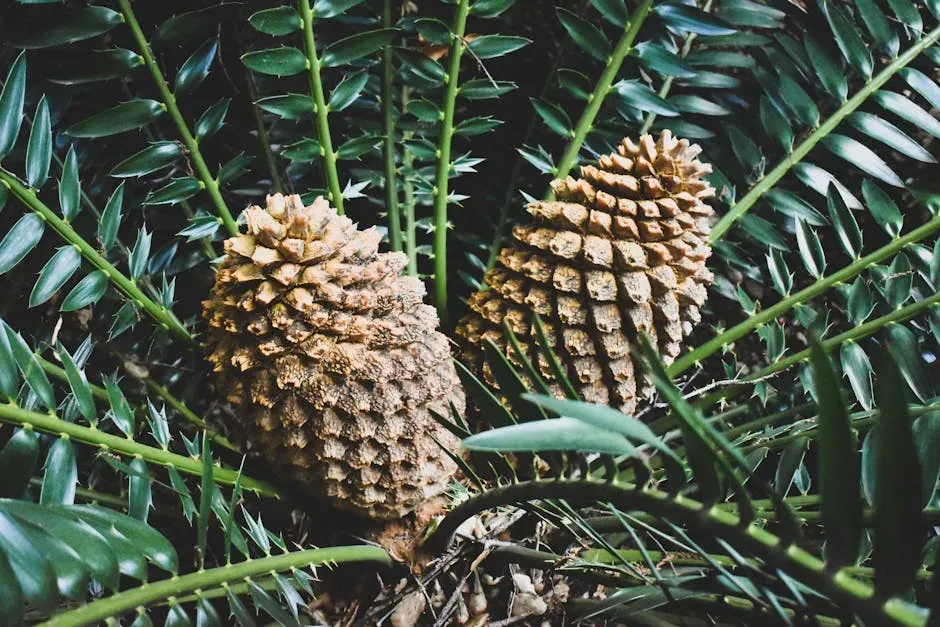
Cycads, with their stout trunks and large, stiff leaves, bore a superficial resemblance to palms and were widespread during the Mesozoic; the Mesozoic Era is sometimes called the “Age of Cycads” due to their abundance and diversity, particularly during the Triassic and Jurassic periods when they comprised up to 20 percent of the world’s flora, and these plants were an important part of the dinosaur diet and habitat. Imagine a landscape of waist-high to head-high cycad plants stretching for miles in every direction. That was the canteen where many plant-eating dinosaurs dined daily.
Beneath the towering trees, a diverse array of non-seed-bearing plants formed the undergrowth and groundcover of dinosaur-era forests; ferns, horsetails, and clubmosses, all ancient lineages, thrived in damp and shaded environments, and these low-growing plants contributed significantly to the ecosystem, providing food and shelter for smaller dinosaurs and other creatures. The forest floor itself was a whole world. During the time of the dinosaurs, woody trees became more common, and in among a ground cover of cycads and ferns grew ginkgoes and conifers, such as monkey puzzle and cypress trees. The layered structure of these forests, from towering conifers down to fern groundcover, is exactly what allowed so many different dinosaur species to thrive simultaneously without completely destroying each other’s food supply.
How Giant Sauropods Shaped and Were Shaped by the Forest
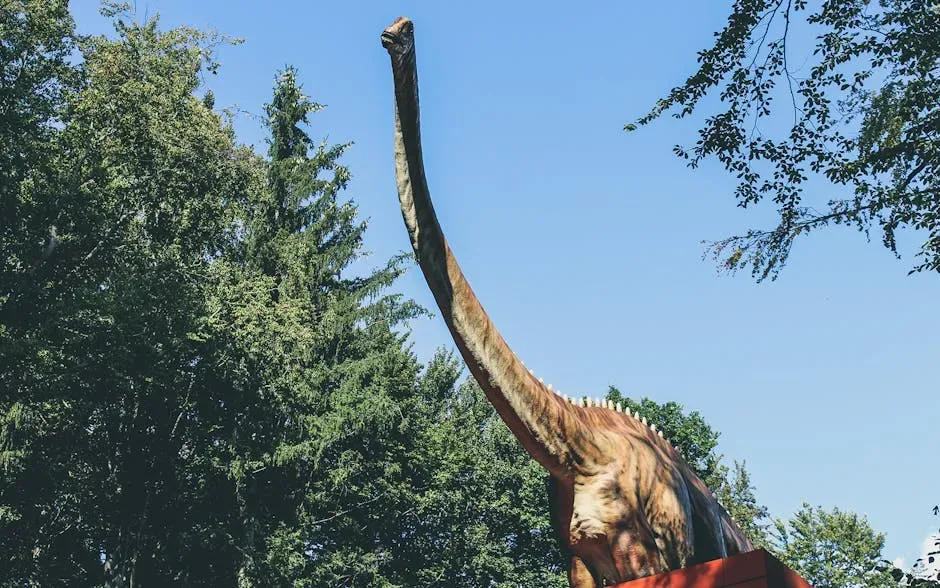
Here is the thing about enormous sauropods like Brachiosaurus and Diplodocus. They did not just live in forests. They actively transformed them, in ways that ancient scientists are still working to fully understand. The Early Jurassic was dominated by seed ferns, cycads and ginkgoes, but by the Middle Jurassic, conifers began to flourish in the more arid, warmer climate, and that in turn may have made life difficult for many sauropodomorphs, which vanish from the fossil record after the Early Jurassic. Plant changes drove dinosaur changes. It was a continuous, churning evolutionary conversation between species and landscape.
Eusauropods may have been best positioned to chomp on the conifers’ very tough leaves; their extra-powerful jaws and teeth were able to chew those leaves, and their oversized guts were well-adapted to digest the tough plant matter, allowing it to sit and ferment for many days. A recent landmark discovery made this even more vivid. Fossilized plant fragments preserved inside the belly of an Australian sauropod dinosaur gave researchers the first complete snapshot of what these long-necked giants actually ate, and the evidence firmly backs the long-held view that they were voracious herbivores; the findings are based on a subadult specimen of Diamantinasaurus matildae that roamed what is now Queensland between 94 and 101 million years ago, and its last meals reveal a mixed, unchewed salad of conifer foliage, seed-fern fruiting bodies, and flowering-plant leaves. Scientists were genuinely surprised by that last ingredient.
The Cretaceous Forest Revolution and the Rise of Flowering Plants
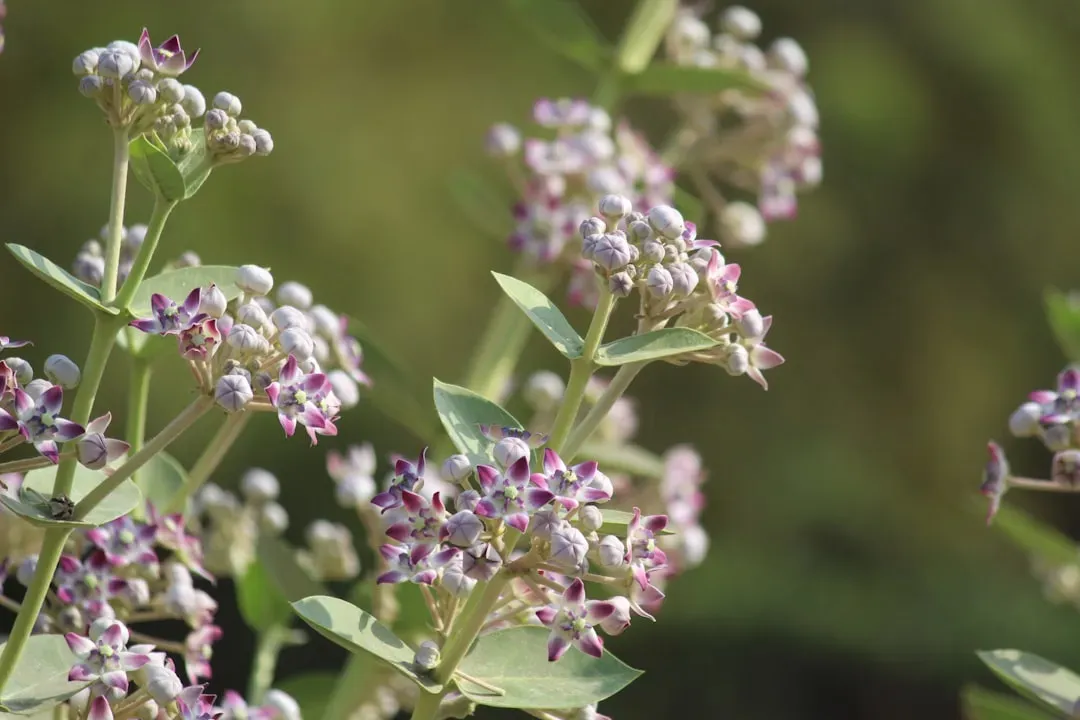
If the Jurassic was the age of conifers, the Cretaceous was the age of flowers, and that change was more revolutionary than most people realize. Perhaps the most important event, at least for terrestrial life, was the first appearance of the flowering plants, also called the angiosperms; first appearing in the lower Cretaceous around 125 million years ago, the flowering plants first radiated in the middle Cretaceous, about 100 million years ago. Think of it like an ecological Big Bang.
Towards the end of the Mesozoic Era, particularly during the Cretaceous period, flowering plants, known as angiosperms, began to emerge and diversify, and these new plants introduced features like flowers, fruits, and deciduous leaves, gradually transforming the global landscape. The forests began to look, slowly but surely, more like something you might recognize today. These fast-growing, adaptable plants also gave rise to a huge boom in the dinosaur world, and most of the dinosaurs that have been found date from the late Cretaceous period, when flowering plants were supplying plant-eating dinosaurs like hadrosaurs with plentiful and nutritious food. The forest, in essence, fed the explosion of diversity that defines the final and most spectacular chapter of the dinosaur age.
Conclusion: The Forest as the True Story Behind the Dinosaurs
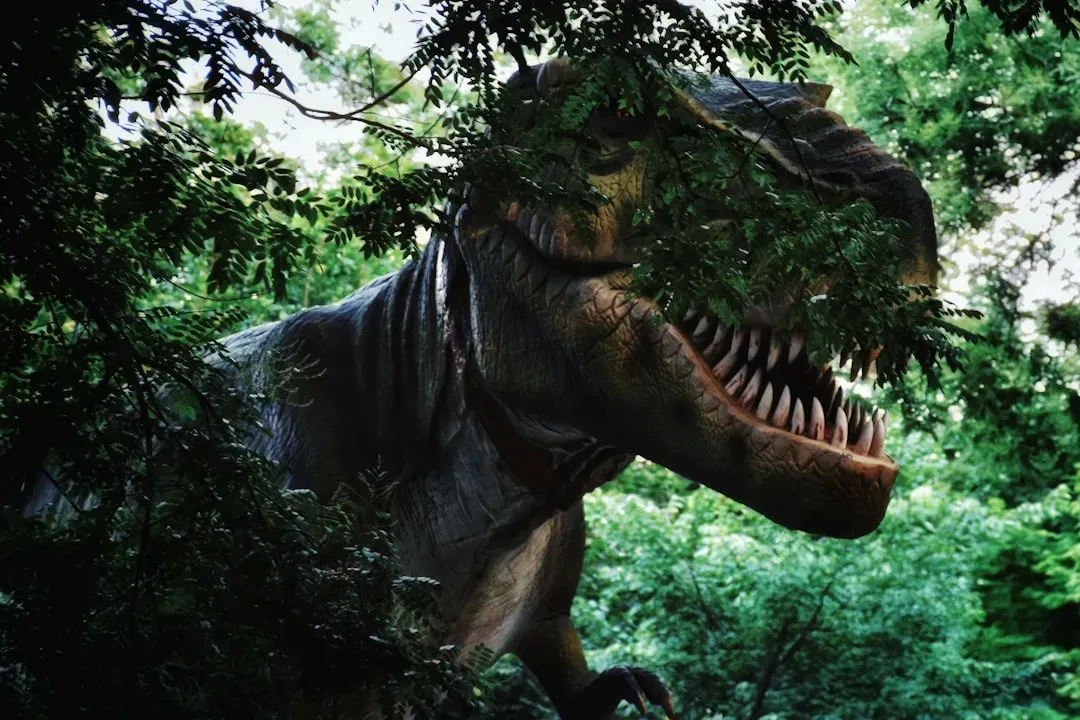
The more you look at the evidence, the clearer it becomes that dinosaurs did not simply exist in forests. They were shaped by them, dependent on them, and in many cases, profoundly altered by them over millions of years. From the oxygen-saturated Carboniferous swamps that laid the ecological groundwork, to the towering Jurassic conifers that fed the largest animals Earth has ever seen, to the revolutionary spread of flowering plants in the Cretaceous that fueled a final wave of dinosaur diversity, the forest is the real protagonist of this story.
As scientists continue to unearth the secrets of these ancient habitats, they gain a deeper understanding of the intricate web of life that once existed, and the study of prehistoric ecosystems not only reveals the lives of the dinosaurs that once roamed the Earth but also provides valuable insights into our own world today. Every fossilized leaf, every preserved grain of pollen, every tree ring locked in ancient stone is a message from a world that disappeared 66 million years ago. I think the most humbling part of all this is realizing that the lush green forests covering our modern world are, in many ways, descended from the same living landscapes that sheltered Brachiosaurus from the Jurassic sun. What do you think about it? Tell us in the comments below.