Long before the first bird ever spread its wings, something far more astonishing was already ruling the skies. These weren’t birds, they weren’t bats, and they certainly weren’t dinosaurs – though they lived right alongside them. They were pterosaurs, the sky lords of the Mesozoic Era, and the more you learn about them, the harder it becomes to believe they were ever real.
If you’ve always pictured pterosaurs as lumbering, leather-winged reptiles gliding lazily overhead, prepare to have your mind changed completely. The science behind these creatures is stranger, more sophisticated, and more jaw-dropping than most people ever realize. Let’s dive in.
1. They Were the First Vertebrates on Earth to Achieve Powered Flight
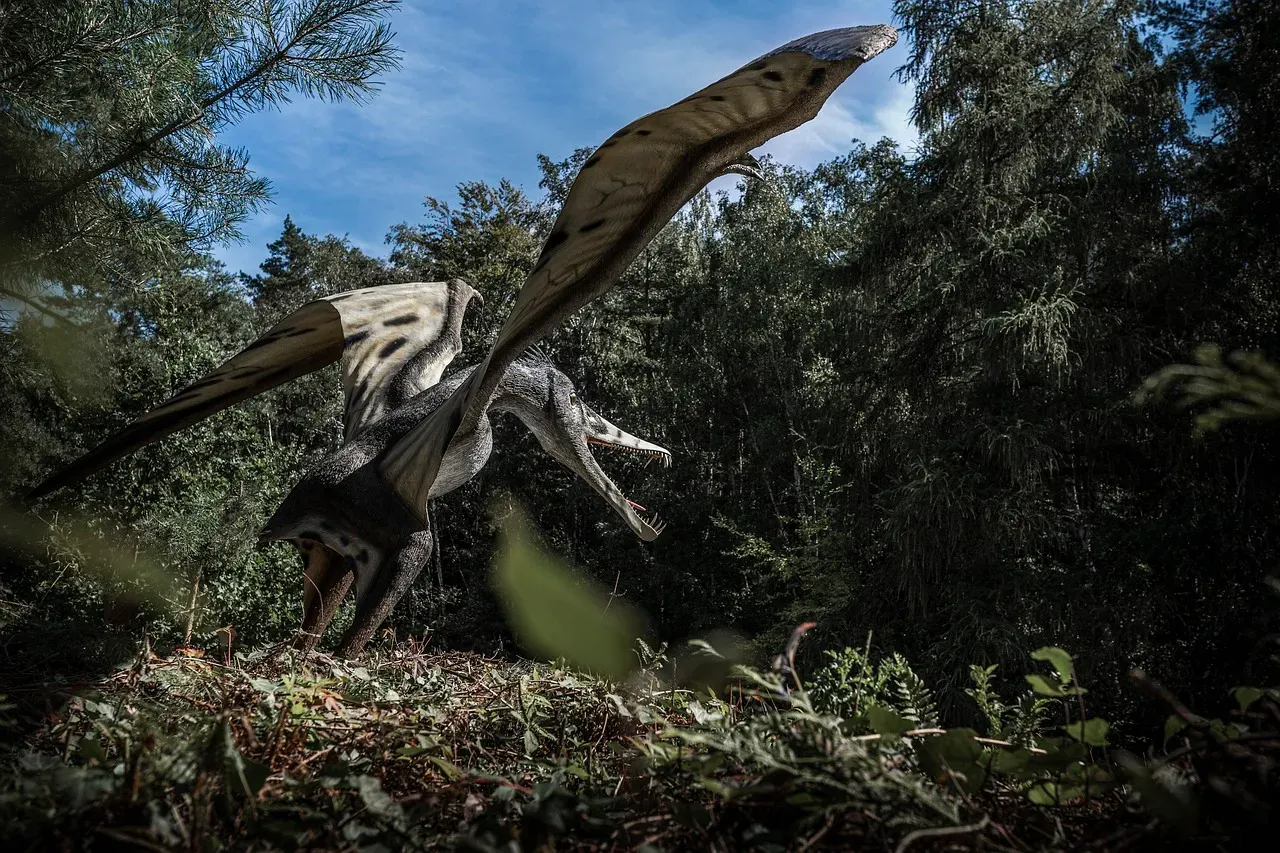
Here’s a fact that honestly blows my mind every time I think about it. Pterosaurs were the first vertebrates to evolve powered flight, and they predate birds by a considerable margin. Think about what that means for a moment. Everything that flies with a backbone today, every eagle, every bat, every sparrow, came after them.
Pterosaurs appeared around 220 million years ago in the Late Triassic, and went extinct during the Cretaceous-Paleogene Extinction Event, which occurred 66 million years ago. That’s a reign of over 150 million years in the air, a record that makes human civilization look like an afternoon. The appearance of flight in pterosaurs was separate from the evolution of flight in birds and bats, providing a classic example of convergent evolution.
2. The Largest Pterosaurs Were Bigger Than You Could Possibly Imagine
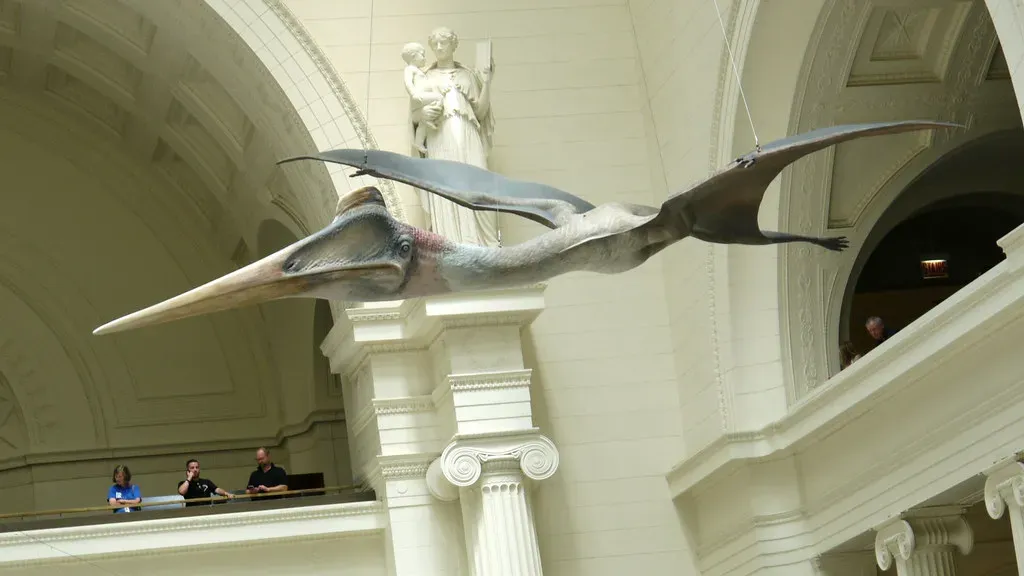
You might know intellectually that pterosaurs were large. You don’t truly know until you hear the numbers. Of more than 120 named species, the smallest pterosaur measured no bigger than a sparrow, while the largest reached a wingspan of nearly 40 feet, wider than an F-16 fighter. Let that sink in for a second. A living animal with a wingspan wider than a fighter jet.
One member of the genus Quetzalcoatlus, Q. northropi, is widely believed to have been the largest flying creature that ever lived. Paleontologists contend that members of the species stood about 5 meters tall and had a wingspan of up to 11 meters. To put that in everyday terms, standing next to one would be like standing next to a giraffe with wings stretching the width of a tennis court on either side. The wingspan of the largest living bird, the wandering albatross, measures only 11 feet – a fraction of Quetzalcoatlus’s size.
3. They Had Hollow Bones That Were Almost Impossibly Light
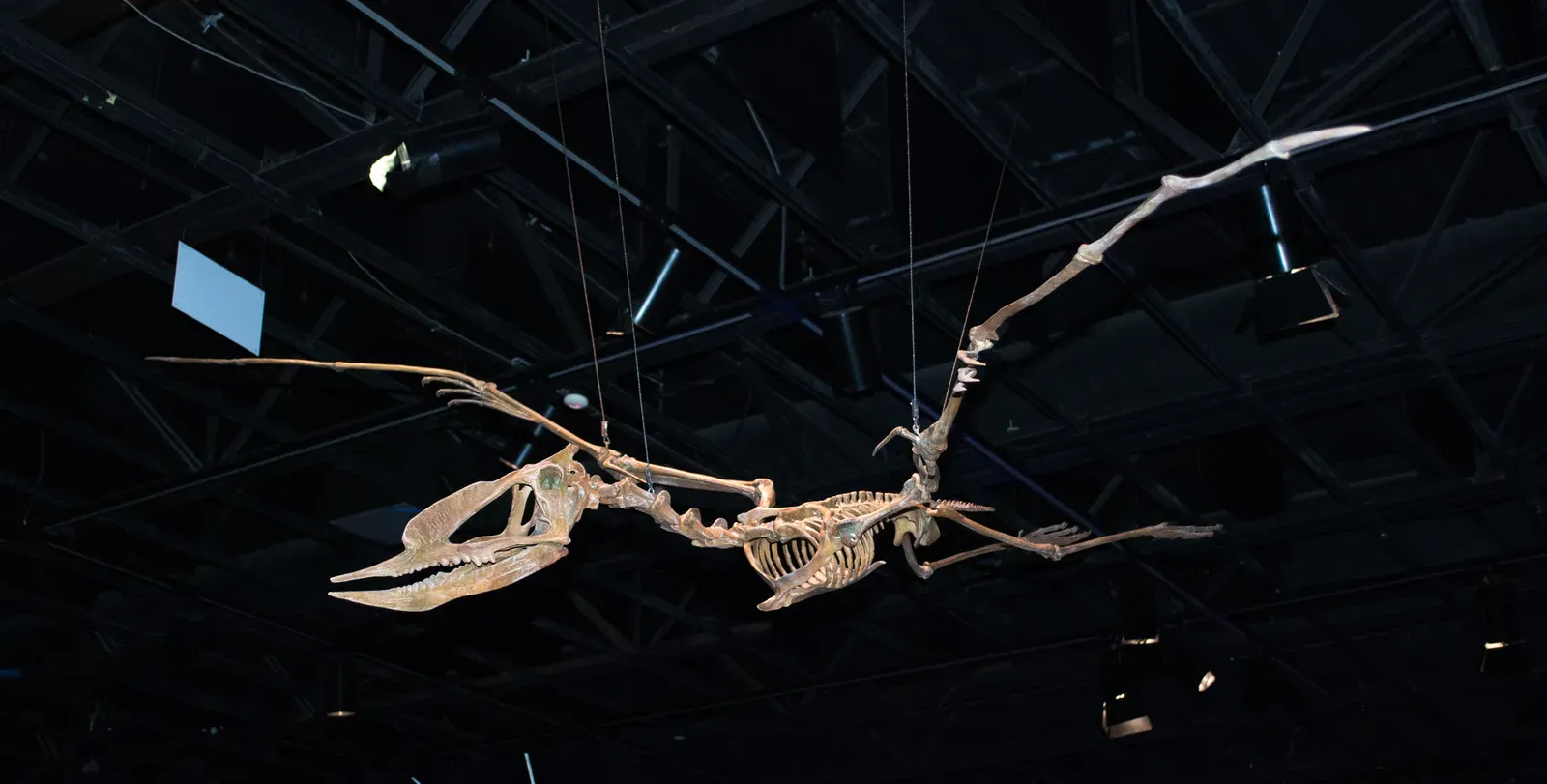
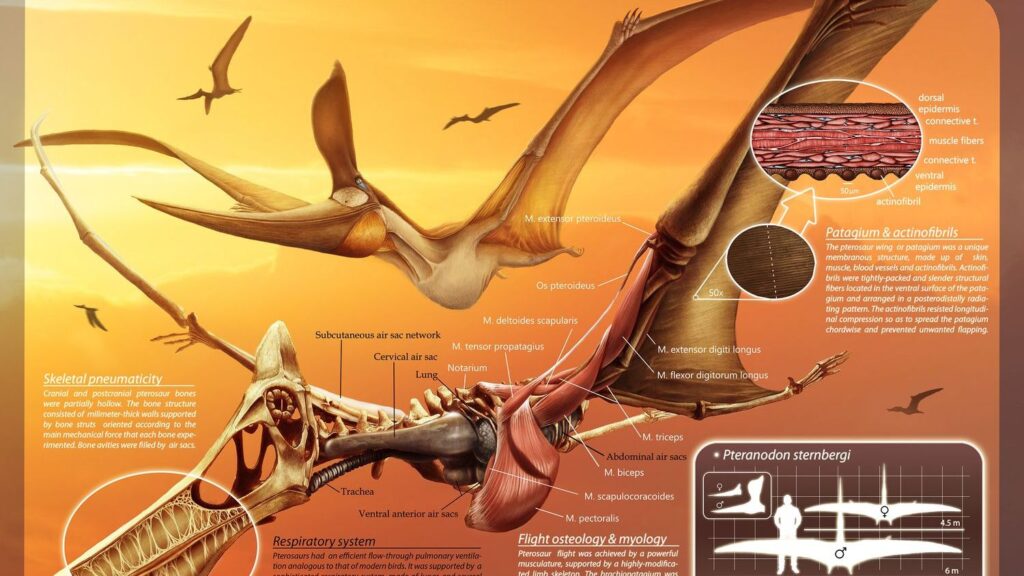
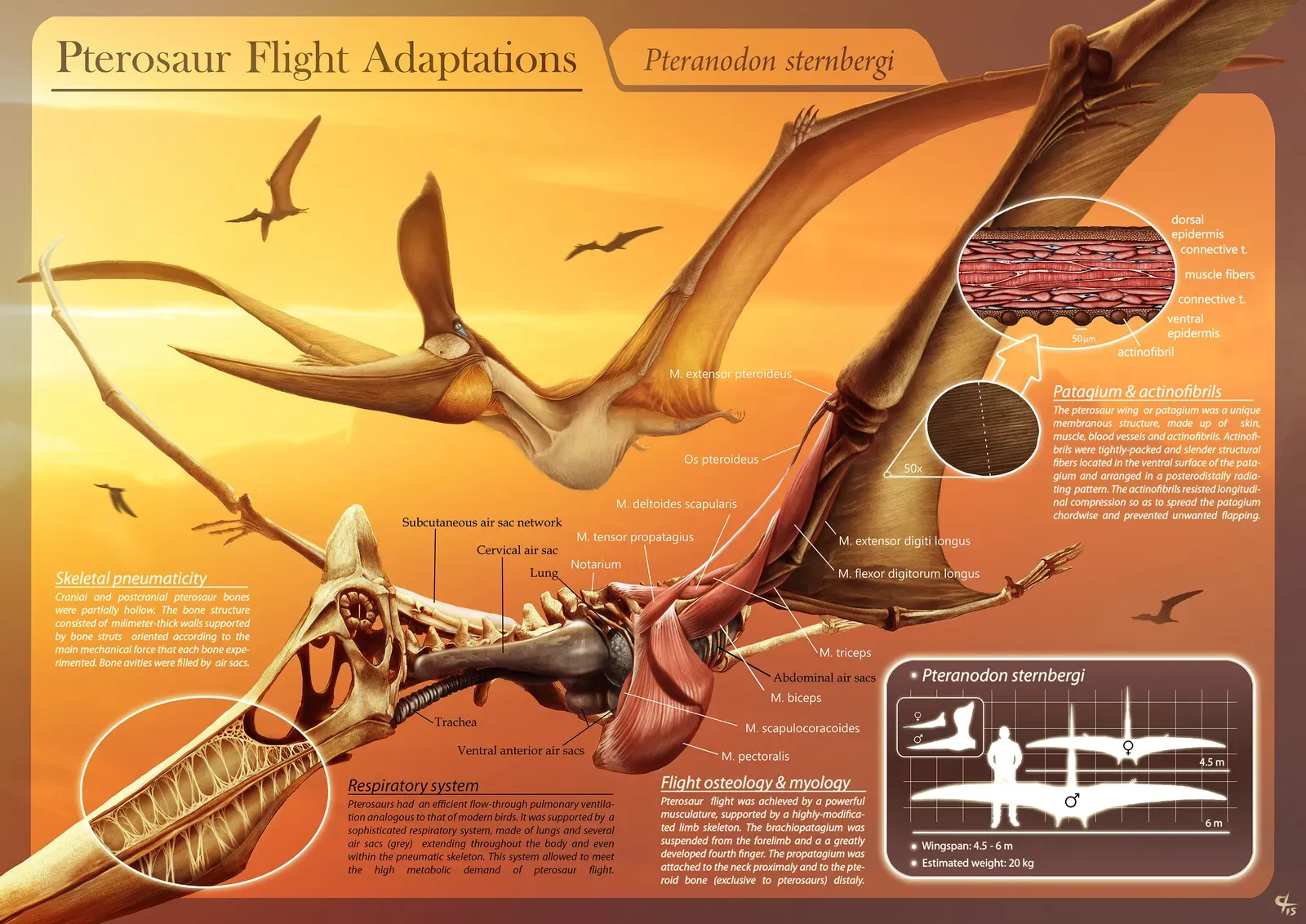
Here’s the thing – carrying a wingspan the size of a small plane requires some serious engineering solutions. Pterosaur bones were hollow and air-filled, like those of birds. This provided a higher muscle attachment surface for a given skeletal weight, and the bone walls were often paper-thin. We’re talking thinner than a modern eggshell in some specimens. It sounds fragile, but it worked magnificently.
Pteranodon bones were hollow and had walls only 2 to 3 millimeters thick, so that an individual with an 8-meter wingspan most likely weighed around 11 kilograms. Eleven kilograms for an animal with a wingspan larger than a canoe. The respiratory system had efficient unidirectional flow-through breathing using air sacs, which hollowed out their bones to an extreme extent – a biological trick that essentially turned their skeleton into part of their respiratory system, keeping weight brutally low while maintaining structural integrity.
4. Their Takeoff Was Nothing Like You’d Expect
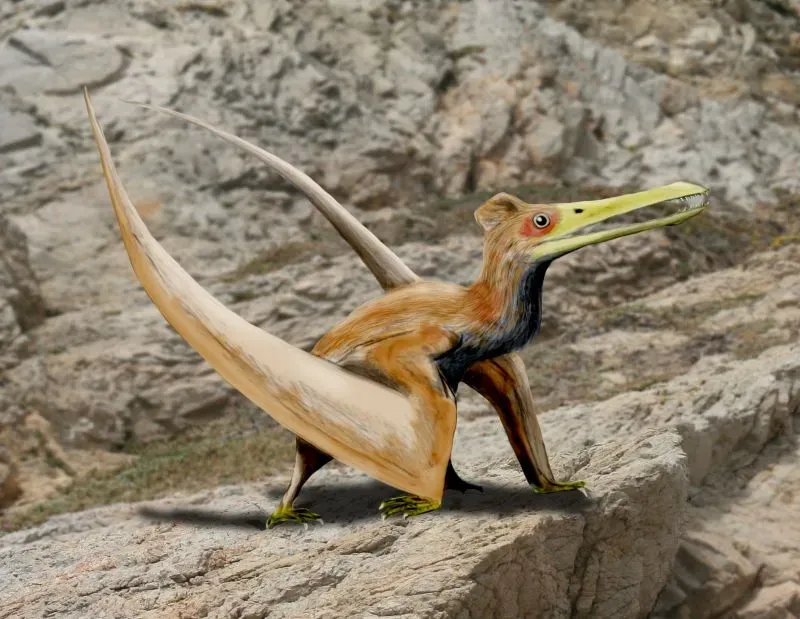
For almost a century, scientists genuinely couldn’t figure out how the largest pterosaurs got off the ground. After analyzing the biomechanics of the creatures, researcher Michael Habib proposed that pterosaurs took flight by using all four limbs to make a standing jump into the sky, not by running on their two hind limbs or jumping off a height, as was more widely assumed. This is almost exactly how vampire bats launch today – an eerie parallel across millions of years.
The success of quadrupedal launching depended heavily on muscle power. Pterosaur chests were dominated by large muscles responsible for powering the wings, anchored to a specialized bone called the sternum, which acted as a central attachment point. Because of its massive wings, Quetzalcoatlus likely took off by leaping some 2.5 meters into the air. With enough of a jump, it could flap its powerful wings to reach an altitude at which it could soar like a condor. Estimates suggest it might have flown at speeds of up to 130 km per hour and covered as much as 640 km in a single day. That’s astonishing endurance for any animal, let alone one the size of a small aircraft.
5. They Were Warm-Blooded and Covered in Something Resembling Fur
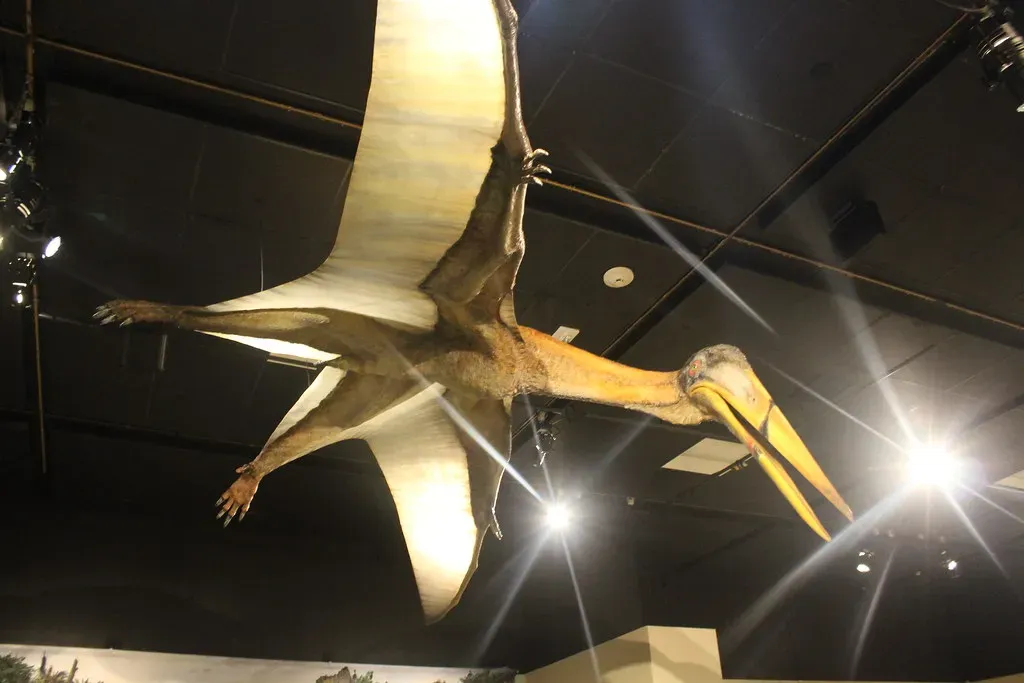
Forget the image of a cold, scaly lizard dragging itself through the sky. Pterosaurs didn’t have true feathers, but the heads and bodies of many, if not all, pterosaurs were covered with fur-like filaments known as pycnofibers. Pycnofibers were also present in many dinosaurs, and may have been the structures from which true feathers eventually evolved. The presence of these fur-like pycnofibers has led many paleontologists to believe that pterosaurs may have been endothermic – warm-blooded.
It gets even more remarkable. Researchers reported the preservation in two anurognathid pterosaur specimens of morphologically diverse pycnofibers that show diagnostic features of feathers, including non-vaned grouped filaments and bilaterally branched filaments, hitherto considered unique to maniraptoran dinosaurs, and preserved melanosomes with diverse geometries. In plain terms, some of their body filaments were structurally almost identical to true feathers. The pycnofibers show that pterosaurs were warm-blooded, providing insulation to prevent heat loss – which helps explain how they maintained the physical endurance needed to sustain flight over such vast distances.
6. Their Skulls and Crests Were Wildly Bizarre and Highly Specialized
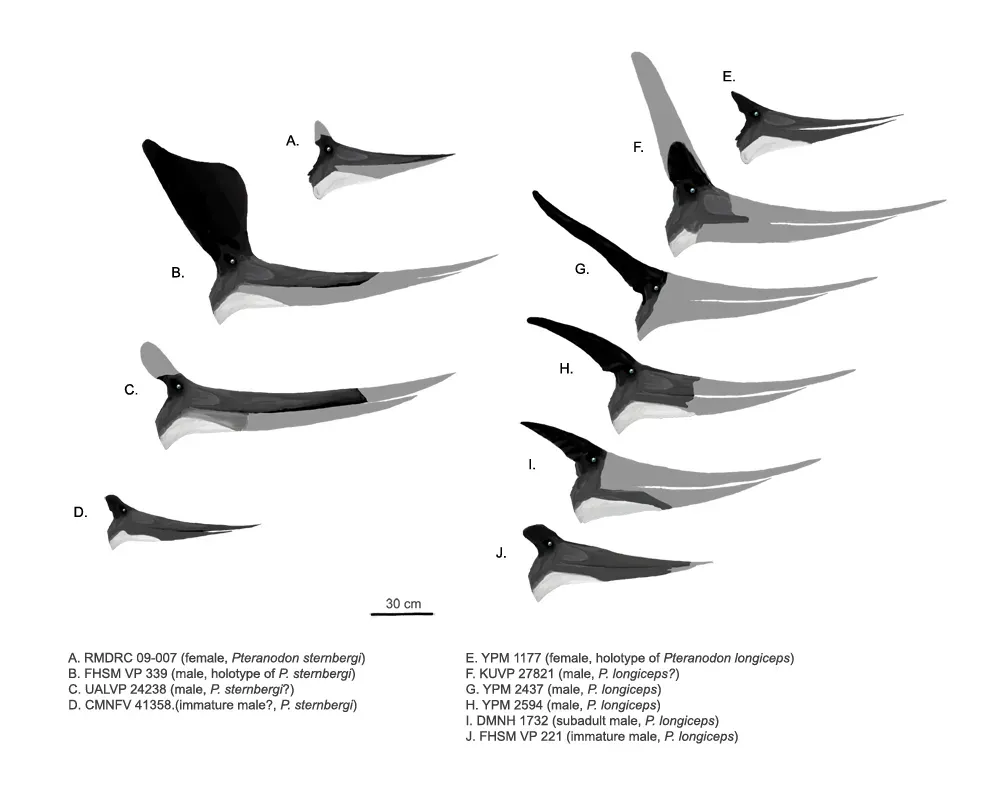
If there’s one thing pterosaurs were never accused of, it was being boring looking. The snout or the back of the skull often sported an upward projecting crest, sometimes of enormous size. Some crests were narrow and blade-like. Others were wide, sail-shaped structures that nearly doubled the visual height of the animal’s head. One species, Nyctosaurus, had a crest that looked like a giant, two-pronged antler growing from its skull.
In 2011, the discovery of a small leathery egg inside a Jurassic Darwinopterus pterosaur confirmed that females of this genus did not have head crests. It appears that males of some pterosaurs only had crests, and in some pterosaur groups the female head crests were reduced. Based on this information, crests were most likely used for display and mating behavior and therefore were probably very ornamental and colorful. Think of a peacock’s tail – but on a flying reptile with a wingspan the length of a bus. Pterosaur skulls also have large eye sockets, suggesting excellent vision, and another characteristic was a relatively large brain for a reptile, which was necessary to deal with the complicated task of flying.
7. Their Diets Were Far More Varied Than Anyone Thought
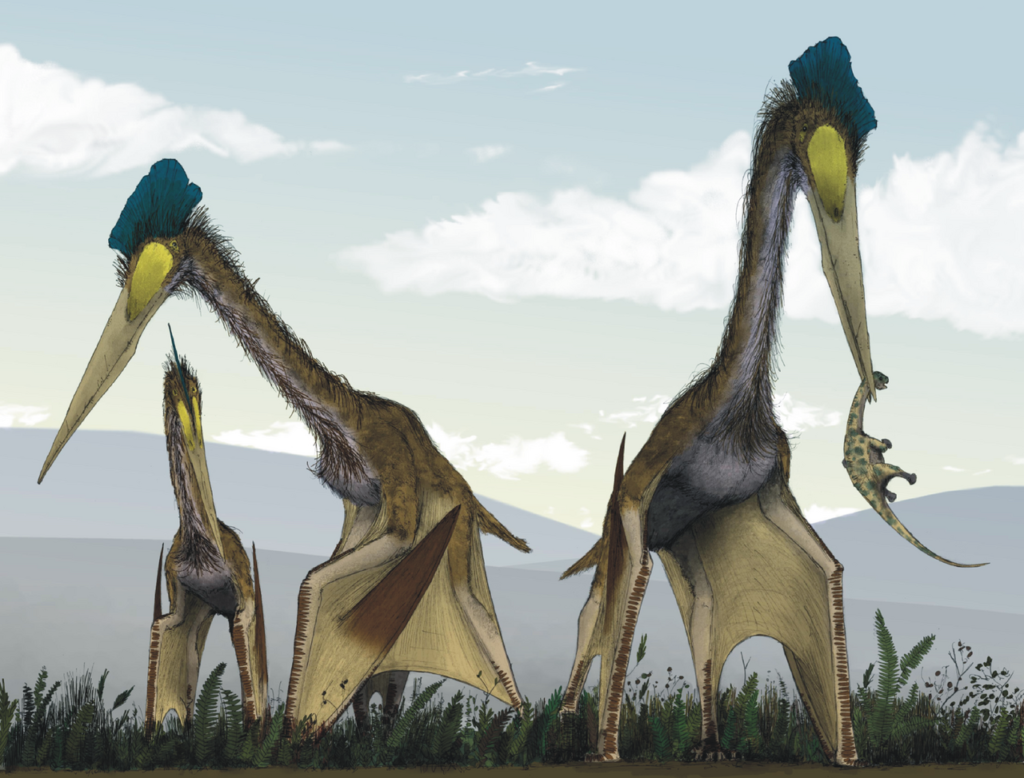
Let’s be real – most people assume pterosaurs just swooped down and grabbed fish. That’s partially true, but only for some of them. Pterosaurs had a variety of lifestyles. Traditionally seen as fish-eaters, the group is now understood to have also included hunters of land animals, insectivores, fruit eaters, and even predators of other pterosaurs. The range of diets mirrors the incredible diversity of modern bird species.
The flying reptiles diversified to fill many ecological niches, and the skulls and teeth of different types of pterosaur reflect their diets. Specializations include tweezer-shaped bills and flat teeth for finding and crushing shellfish, sharp interlocking teeth for catching fish, and large numbers of thin, comb-like teeth for filtering food from the water. The most advanced pterosaurs lacked teeth entirely. It’s hard to say for sure just how many different ecological roles they filled, but the variety of jaw shapes found in the fossil record is staggering – like comparing a hummingbird’s beak to a pelican’s throat pouch, multiplied across dozens of species living across every continent on Earth.
8. Their Extinction Was Total – and the Sky Has Never Been the Same Since
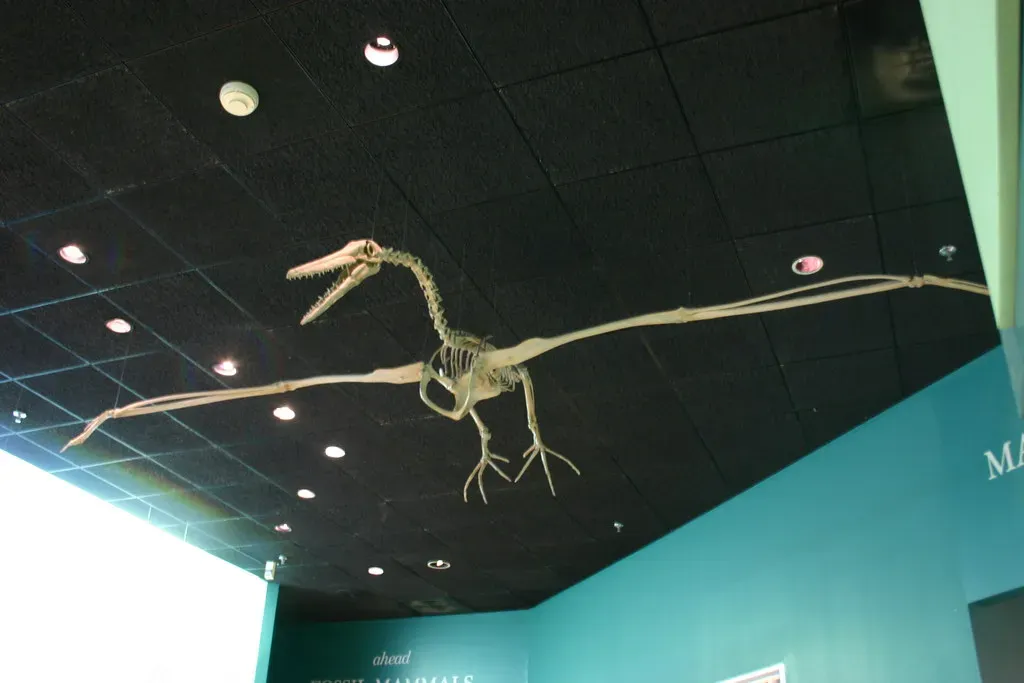
The K-Pg extinction event at the end of the Cretaceous, which wiped out all non-avian dinosaurs and many other animals, was the direct cause of the extinction of the pterosaurs. Sixty-six million years ago, an asteroid impact brought curtains down on an entire era of sky dominance. They had diversified into many different ecological niches and ruled the skies for over 150 million years, and pterosaurs even coexisted with birds for tens of millions of years before finally vanishing.
What’s genuinely haunting is that nothing has ever filled that ecological space since. Although the most ancient pterosaurs were small, no bigger than seagulls, later members of the group were the largest flying animals to ever exist, with wingspans similar to small planes. Modern birds – our biggest, most impressive fliers – are breathtaking in their own right. More than 200 species of pterosaur have been discovered, and paleontologists are regularly finding more. Every new fossil discovery adds another page to a story we’re only beginning to fully understand.
Conclusion
Pterosaurs weren’t just flying reptiles from the prehistoric past. They were a biological miracle – warm-blooded, furry, intelligent enough to navigate complex skies, and engineered so precisely that some species could theoretically cover the distance from London to Paris in a single flight. The Mesozoic sky belonged to them, completely and gloriously.
We share a planet with pigeons and sparrows today. Once, the sky above this same Earth was patrolled by living creatures the size of small aircraft. Honestly, which world sounds more extraordinary to you? Tell us your thoughts in the comments below.