
Picture a world ruled entirely by towering giants. Teeth like steak knives. Footsteps that shook the ground. For well over 150 million years, dinosaurs dominated nearly every corner of the planet, and somewhere beneath their thunderous reign, something small and warm-blooded was quietly enduring. Something furry. Something patient.
You might assume mammals only rose to prominence after the dinosaurs vanished, but the full story is far more fascinating, and honestly, far more dramatic, than that. The ancestors of every dog, whale, bat, and human alive today were living, adapting, and in some remarkable cases, even thriving right alongside the most fearsome creatures Earth has ever produced. So let’s dive in.
Where It All Began: The Triassic Roots of Mammal Evolution
The Mesozoic Era spans roughly 252 to 66 million years ago and comprises the Triassic, Jurassic, and Cretaceous periods. It is within this vast stretch of prehistoric time that the entire story of early mammal origins unfolds. People often assume that mammals followed dinosaurs in the evolutionary past, but in fact, both groups trace their origins to the same time and place: around 225 million years ago, when all of Earth’s land was gathered into the supercontinent Pangea.
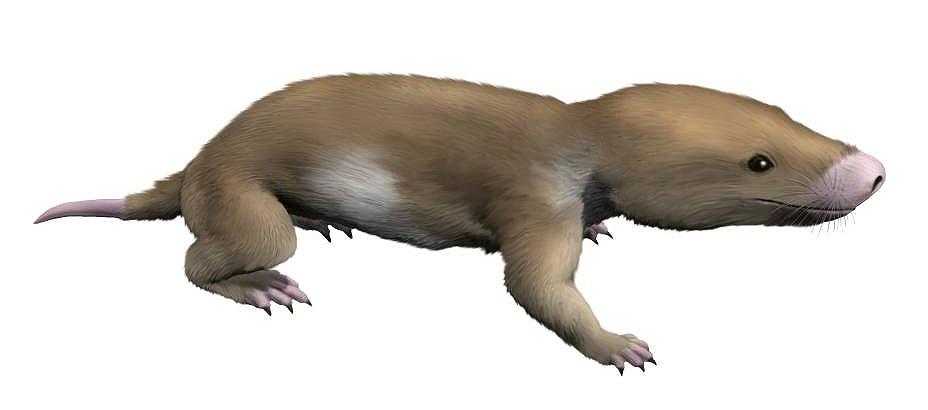
Therapsids, the dominant vertebrates of the preceding Permian period, saw a brief surge in diversification in the Triassic, with dicynodonts and cynodonts quickly becoming dominant. However, the first stem-group mammals, themselves a specialized subgroup of cynodonts, appeared during the Triassic and would survive the extinction event, allowing them to radiate during the Jurassic. Think of these proto-mammals as the very first draft of an extraordinary survival blueprint. The first true mammals, which were very small, appeared in the Late Triassic, like the shrewlike Morganucodon.
The Cynodont Connection: Your Ancient Furry Ancestors
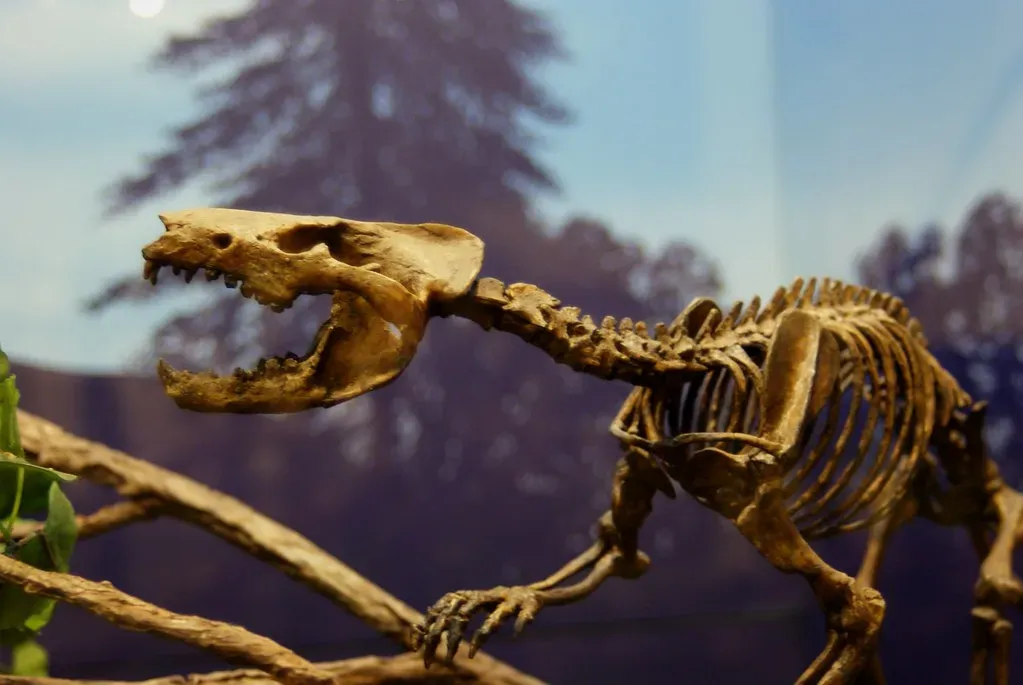
Although the exact origin of mammals remains unknown, we do know that their earliest-known relatives likely existed at the end of the Triassic or the beginning of the Jurassic period. These early mammals were known as cynodonts. If you were able to see one of these creatures up close, you’d be looking at something caught between two worlds: not quite a reptile, not quite a mammal, but something startlingly in between. She is about the size of a large cat and could easily pass for a mammal, but her large jawbone, characteristic teeth and lack of external ears give her away: she is a cynodont, a member of the group from which mammals evolved.
Key mammalian features like specialized teeth, improved hearing, and likely endothermy and fur all have their roots in Triassic proto-mammals. What you’re seeing there is evolution doing its slow, methodical work. One feature shared by all living mammals, but not present in any of the early Triassic therapsids, is that mammals use two bones for hearing that all other amniotes use for eating. The earliest amniotes had a jaw joint composed of the articular, a small bone at the back of the lower jaw, and the quadrate, a small bone at the back of the upper jaw. That subtle shift in bone structure was one of nature’s most consequential redesigns.
Staying Small: The Survival Strategy Nobody Talks About
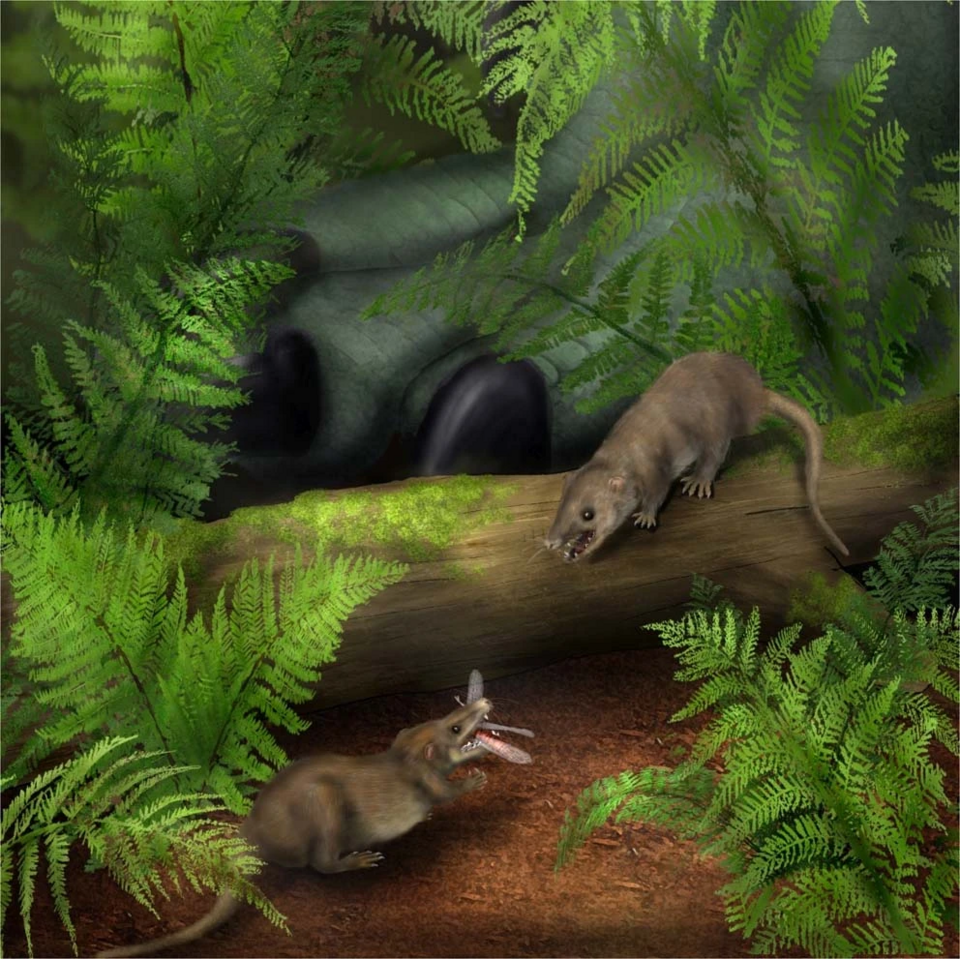
Most of these early mammals never evolved to grow past the size of dogs, and the environmental pressures of dinosaurs only caused them to grow smaller. It sounds like a disadvantage, right? Yet this smallness was arguably the single greatest survival tool early mammals ever developed. The smaller an animal, the less food it needs in relation to its size, and the easier it becomes to hide and run. This leads to less competition and fewer encounters with predators.
During the Mesozoic, mammals were relatively small. This is thought to be because of competition at larger body sizes from the much larger dinosaurs for resources such as food and space in the environment. Think of it like renting a tiny apartment in a city dominated by skyscrapers. You take what space is available, make it work, and stay out of the way. Most Mesozoic mammals were very small, shrew-to-house-cat-sized, with a few badger-sized forms in the Cretaceous. Mammals only became large after the extinction of non-avian dinosaurs.
Masters of the Night: The Nocturnal Advantage
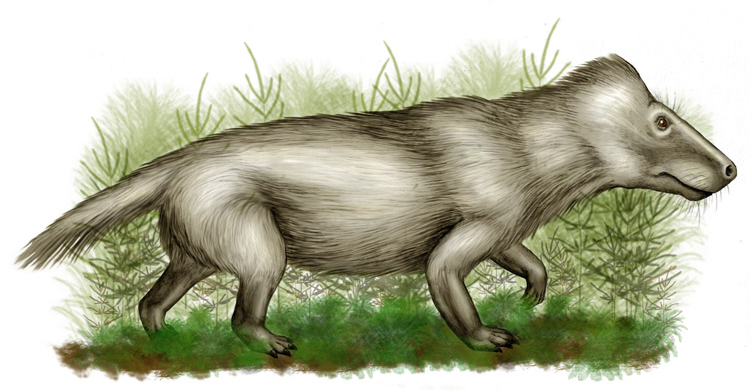
As more time passed, early mammals evolved to become almost entirely nocturnal, and some would eventually master the arboreal lifestyle of living in the trees. While scientists believe that some bird-like dinosaurs could climb, these dinosaurs never mastered living in trees as early placental mammals did. Additionally, most dinosaurs were diurnal, but the ones that did eat at night were typically herbivores; it was the carnivores that usually hunted during the day. That gap in the schedule was pure gold for early mammals.
Many features passed on to modern mammals, such as loss of good color vision and the development of whiskers, seem to represent adaptations as mostly nocturnal animals during the Age of Dinosaurs. Here’s the thing: losing sharp color vision sounds terrible until you realize it almost certainly came with enhanced night vision and a far more refined sense of smell. It was an evolutionary trade-off that paid dividends for millions of years. Mammals were predominantly small and nocturnal before the great mass extinction, but there had already been sudden increases in diversity.
More Diverse Than You Think: A Hidden World of Mesozoic Mammals
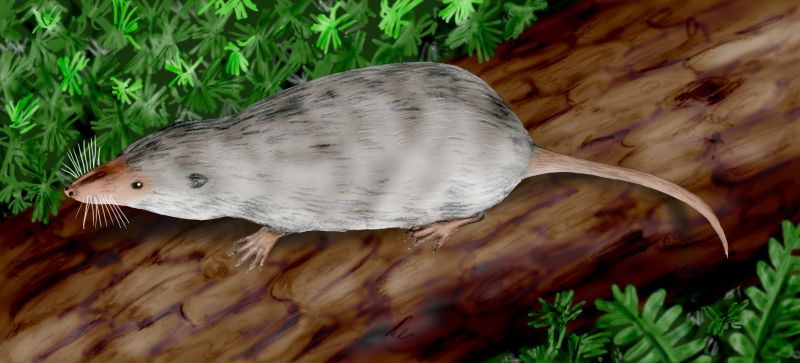
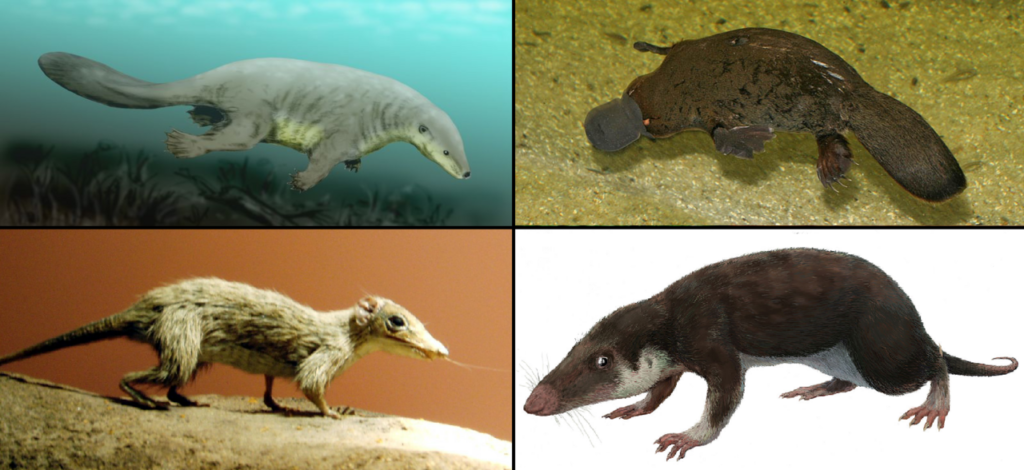
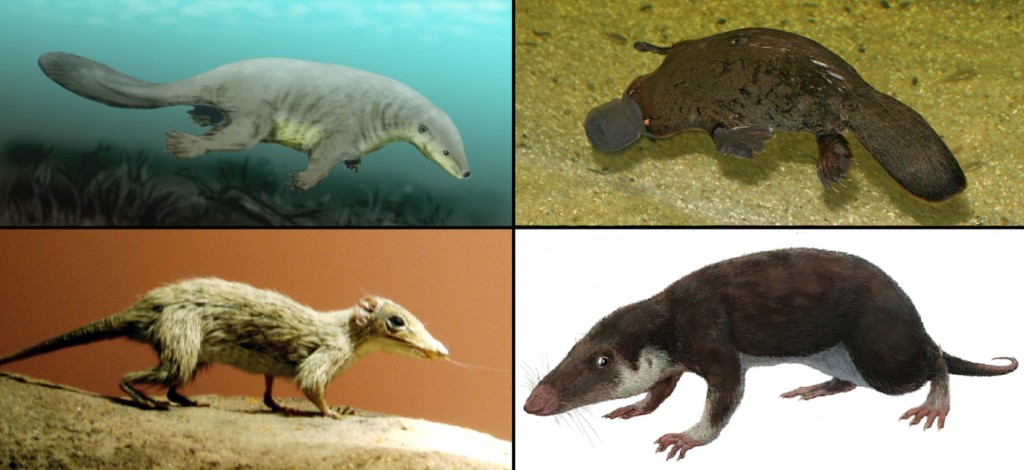
Mammals are not recent additions to the world that came after the time of the dinosaurs. The oldest mammals go back much further in time, and contrary to the standard story of shrew-like critters kept in check by monstrous reptiles, mammals thrived during the Mesozoic era. You’d be genuinely surprised by how varied early mammal life actually was. Castorocauda was the Jurassic equivalent of a beaver, complete with a scaly, flattened tail. Volaticotherium, from about the same time, resembled a flying squirrel. Fruitafossor, by contrast, was like a Jurassic aardvark, with powerful limbs that appear well-suited to tearing open termite nests. The badger-sized Repenomamus was an omnivore that, thanks to fossil stomach contents, we know ate baby dinosaurs.
Although mammals were small during the Mesozoic, they actually had a lot of different ecologies. Fossils show that these mammals were burrowing, climbing trees, swimming, and even gliding. So when you picture early mammals as helpless little creatures cowering beneath the foot of a T. rex, you’re looking at maybe a fraction of the picture. Multituberculates were the most successful of all the Mesozoic mammal groups, with over 150 genera described, and they were also one of the groups that survived the end-Cretaceous mass extinction, lasting for about 35 million years into the Cenozoic.
Competing With Each Other: The Surprising Internal Rivalry
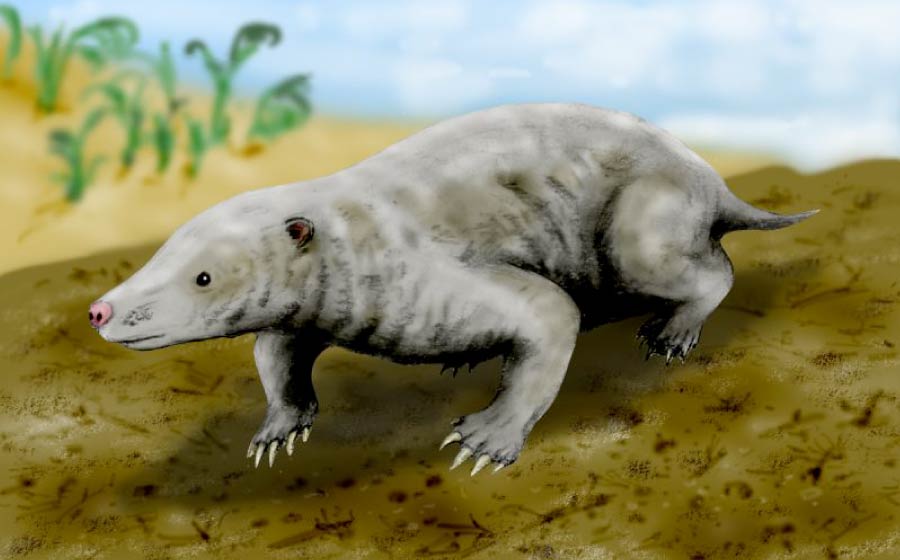
New research finds dinosaurs were likely not the main competitors of mammals during the age of the dinosaurs. The ancestors of modern mammals during the age of the dinosaurs remained less diverse because of competition with other mammal groups. Yes, you read that correctly. The biggest threat to your ancient ancestors may not have been the giant reptiles stomping overhead. It was likely their own mammal cousins. The results suggest that it may not have been the dinosaurs that were placing the biggest constraints on the ancestors of modern mammals, but their closest relatives.
There were lots of exciting types of mammals in the time of dinosaurs that included gliding, swimming and burrowing species, but none of these mammals belonged to modern groups. They all come from earlier branches in the mammal tree. These other kinds of mammals mostly became extinct at the same time as the non-avian dinosaurs, at which point modern mammals started to become larger and explore new diets and ways of life. It’s a genuinely humbling thought. The extinction that wiped out the dinosaurs also cleared away the internal competition that had been holding back modern mammal lineages for tens of millions of years.
Three Groups That Changed Everything: Monotremes, Marsupials, and Placentals
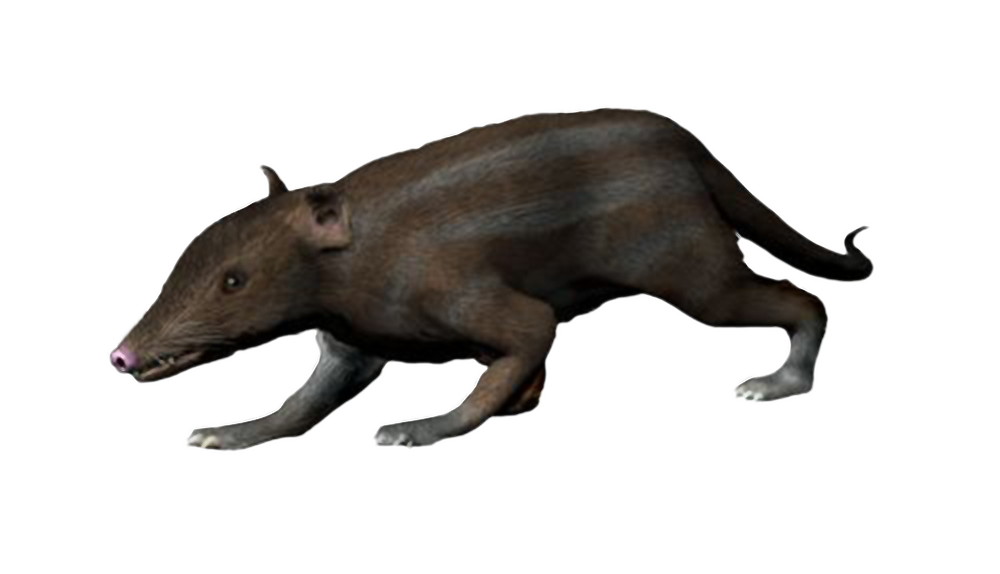
Major steps in mammalian evolution took place during this era, including the evolution of today’s three main groups of mammals, the monotremes, the egg-laying mammals, the marsupials, the pouched mammals, and the placentals. Getting these three lineages right was a critical moment in life on Earth. The eutherian and metatherian lineages separated, with metatherians being the animals more closely related to marsupials while eutherians are those more closely related to placentals. Since Juramaia, the earliest known eutherian, lived 160 million years ago in the Jurassic, this divergence must have occurred in the same period.
Prototheres, allotheres as multituberculates, metatheres including the first marsupials, and eutheres including the first placentals, all survived the great extinction event at the end of the Cretaceous. The survival of all three branches through that catastrophic event was nothing short of a biological miracle. The last common ancestor of all modern mammals lived sometime during the Jurassic, over 160 million years ago. That means your family tree, however casually you may regard it, stretches back to a world shared with some of the most spectacular animals that ever walked the Earth.
After the Asteroid: The World Mammals Inherited
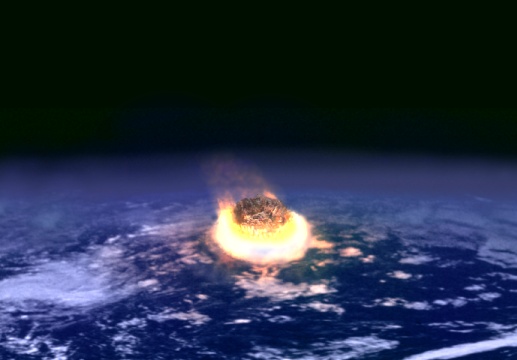
A large meteor smashed into Earth 66 million years ago, creating the Chicxulub Crater in an event known as the K-Pg Extinction, the fifth and most recent mass extinction event, in which roughly three quarters of life became extinct, including all non-avian dinosaurs. The silence that followed must have been extraordinary. Dust and soot clogged the atmosphere, turning the world dark for years. Plants couldn’t photosynthesize, forests collapsed, herbivores died, and carnivores followed. Ecosystems crumbled.
The resulting climate change drove the large dinosaurs to extinction and thus created large ecological niches for mammals to rapidly evolve and take over. Yet the transition wasn’t as instantaneous as the movies suggest. The new lack of competition and environmental pressures the dinosaurs once posed allowed mammals to evolve and ascend the food chain. They quickly became bigger, faster, and stronger, which eventually allowed them to prioritize brains over brawn. From rodent-sized survivors to the extraordinary variety of mammals alive today, including you, the ascent was breathtaking in its scope.
Conclusion: The Most Patient Survivors in History
The story of early mammals is, when you really sit with it, one of the most extraordinary survival stories in all of natural history. For over 150 million years, your distant ancestors lived in the shadows, stayed small, went out at night, and quietly kept evolving. No fanfare. No dominance. Just persistence.
The spectacular radiation of mammals over the last 66 million years was only the final one-third of a history traceable all the way back to 200 million-year-old fossilised mammals of uppermost Triassic age. That means what you see in the world today, from the blue whale to the hummingbird bat, from elephants to humans, is the outcome of a story that started long before the first Tyrannosaurus took its first step. Animals very closely related to mammals have been around for nearly as long as the dinosaurs, and they underwent an evolutionary explosion during the Mesozoic.
Honestly, the more you learn about early mammals, the more you realize that survival was never about raw power. It was about flexibility, patience, and finding the gaps nobody else was filling. In the end, the meek really did inherit the Earth. What do you think is the most surprising thing about how mammals survived the dinosaur age? Share your thoughts in the comments below.