South Wales – A fossil jawbone unearthed in 1899 sat quietly in museum collections for more than a century, puzzling paleontologists with its origins. Recent digital analysis by researchers at the University of Bristol and the National Museum Cardiff has identified it as Newtonsaurus cambrensis, a formidable theropod dinosaur from the late Triassic period. This discovery underscores the rich prehistoric legacy of Welsh shores, where large carnivores prowled around 202 million years ago.
A Predator Twice the Expected Size
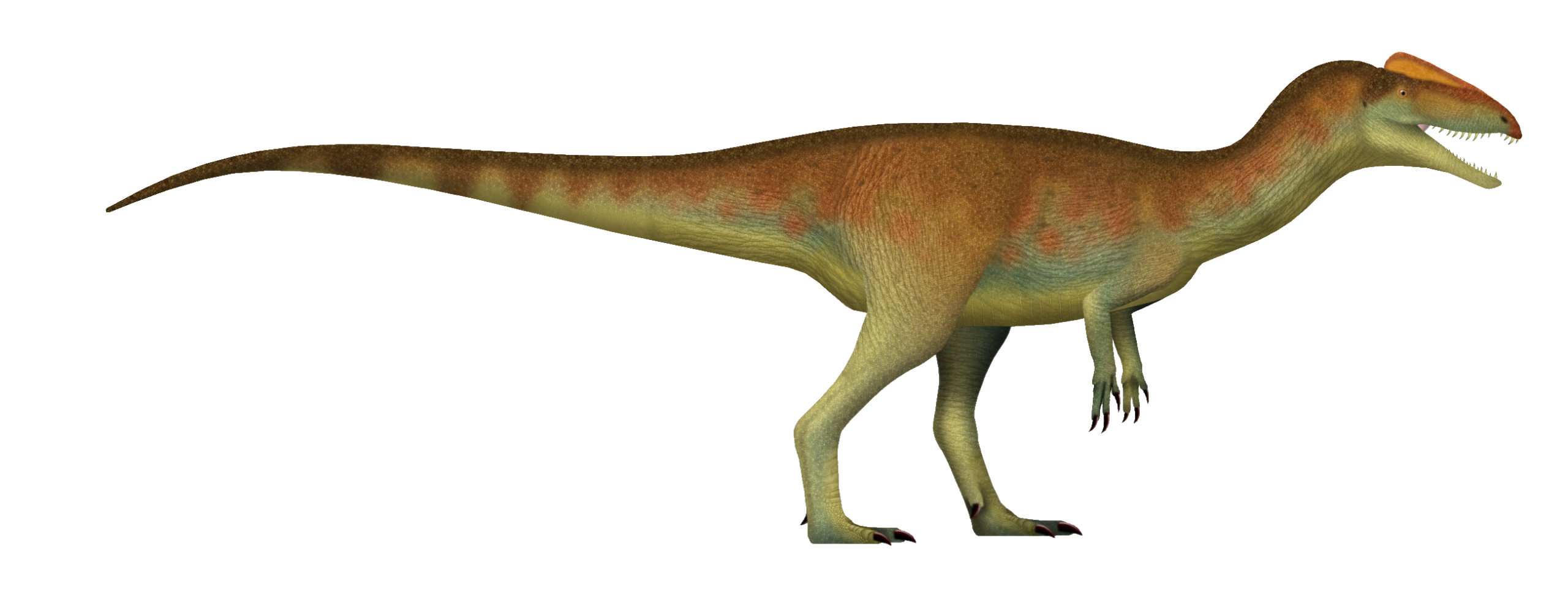
A Predator Twice the Expected Size (Image Credits: Upload.wikimedia.org)
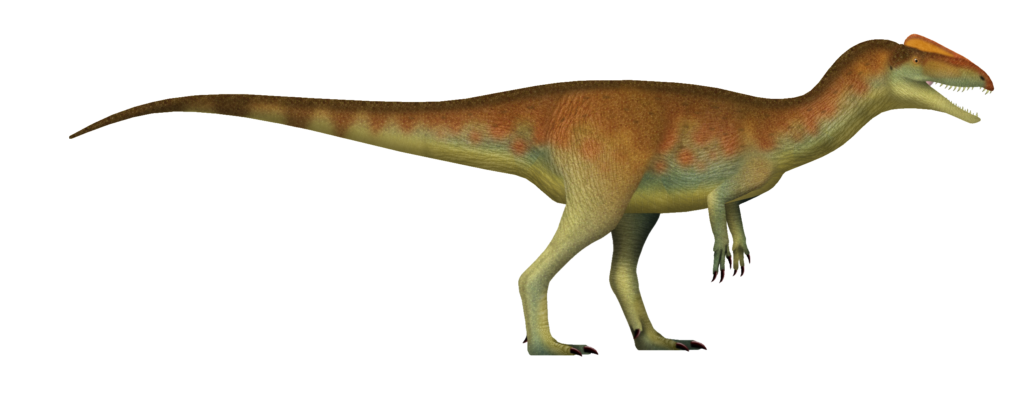
Picture a meat-eater stretching 5 to 7 meters long, dwarfing most contemporaries from the Triassic era. Newtonsaurus cambrensis stood out for its impressive scale, with a jaw estimated at 60 centimeters based on the preserved front half measuring 28 centimeters. This theropod, a flesh-eating dinosaur, roamed marginal marine environments near what is now Bridgend, likely hunting along lagoons or beaches.
The specimen, a natural mold of the left lower jaw, captured intricate details like tooth sockets and serrations. Originally described as Zanclodon cambrensis by Edwin Tully Newton, it evaded clear classification amid debates over its archosaur affinities. Modern scrutiny confirmed its dinosaurian traits, positioning it as an early neotheropod near the roots of major theropod lineages.
Digital Magic Revives a Forgotten Bone
Researchers turned to photogrammetry, a technique using hundreds of photographs to build precise 3D models. They scanned the inner and outer molds separately, inverted the digital negatives, and merged them to reconstruct the original bone structure. This process revealed grooves, ridges, and 16 tooth sockets that screamed theropod.
“The natural moulds of the inner and outer faces of the jawbone show amazing detail – every groove, ridge, tooth, and even the serrations along the edges of the teeth,” noted Professor Michael Benton of the University of Bristol. Student Owain Evans led the effort, fusing old specimen with new technology to settle a 125-year debate. Housed partly at the National Museum of Wales and the British Geological Survey, the fossil gained new life through this innovation.
Anatomy of a Triassic Hunter
Newtonsaurus displayed classic theropod hallmarks: low interdental plates, a single Meckelian foramen, and serrated teeth suited for slicing prey. Its dentary shape echoed Dilophosaurus, though less deep, with a lateral groove featuring elongate foramina as a potential unique trait. Unlike earlier suggestions of megalosauroid ties, it aligned more with coelophysoids like Liliensternus and Dracoraptor, yet grew far larger.
Key features included:
- Sixteen preserved tooth sockets, likely 17 originally.
- Unfused pentagonal interdental plates.
- Expanded but non-bulbous front tip of the jaw.
- Shorter surangular-dentary suture than some relatives.
- Serrated edges on teeth for gripping flesh.
These traits placed it firmly among predatory dinosaurs, ancestors to later giants like Tyrannosaurus rex.
Challenging Views of Triassic Top Predators
Triassic theropods typically measured half Newtonsaurus’s length, making this specimen a standout. It hailed from the Cotham Member of the Lilstock Formation, a rare late Triassic (Rhaetian) deposit recording a shift from arid deserts to marine incursions on Pangaea. Associated fossils hinted at a diverse ecosystem with sauropodomorphs like Camelotia and smaller reptiles.
Dr. Cindy Howells of the National Museum Cardiff emphasized Wales’ role: “These Triassic beds are rare worldwide, and yet there are several across Wales. There might very well be another dinosaur waiting to be discovered.” The find elevates understanding of early large carnivores in Europe, suggesting bigger hunters filled niches sooner than thought.
| Dinosaur | Estimated Length | Period |
|---|---|---|
| Newtonsaurus cambrensis | 5-7 m | Late Triassic |
| Coelophysis | ~3 m | Late Triassic |
| Dilophosaurus | ~7 m | Early Jurassic |
| Liliensternus | ~5 m | Late Triassic |
Legacy of a Victorian Find
The paper detailing Newtonsaurus appeared in the Proceedings of the Geologists’ Association, crediting Victorian fossil hunters who prospected UK sites relentlessly. “We can now confirm that this specimen very likely belonged to a large predatory theropod dinosaur that roamed the shores of South Wales during the latest Triassic,” Evans stated. This reclassification not only honors Newton but spotlights how museum treasures continue to yield breakthroughs.
- Newtonsaurus cambrensis represents one of the largest known Triassic theropods, at 5-7 meters long.
- Advanced 3D scanning unlocked details from a 1899 jaw mold, confirming its theropod identity.
- Wales holds rare Triassic sites ripe for more discoveries, enriching Europe’s prehistoric story.
Newtonsaurus reminds us that ancient giants lurked in unexpected places, waiting for technology to reveal them. What other secrets lie in Welsh rocks? Share your thoughts in the comments.