Our planet has hosted an extraordinary parade of life over billions of years. Creatures of impossible size, strange anatomy, and bewildering intelligence have walked, swum, and soared across landscapes we can barely imagine today. Most of them are gone. Quietly. Permanently. Often without leaving behind anything more than a fossil fragment or a faint chemical trace in ancient rock.
What makes extinction truly haunting is not just the fact of it, but the silence it leaves behind. Some disappearances come with obvious explanations. Others? They defy our best theories, leaving paleontologists and evolutionary biologists arguing over clues that feel maddeningly incomplete. These five prehistoric species are among the most fascinating, most debated, and most mysterious vanishing acts in the entire history of life on Earth. Get ready, because some of these will genuinely surprise you. Let’s dive in.
1. The Woolly Mammoth: The Giant That Shouldn’t Have Died When It Did
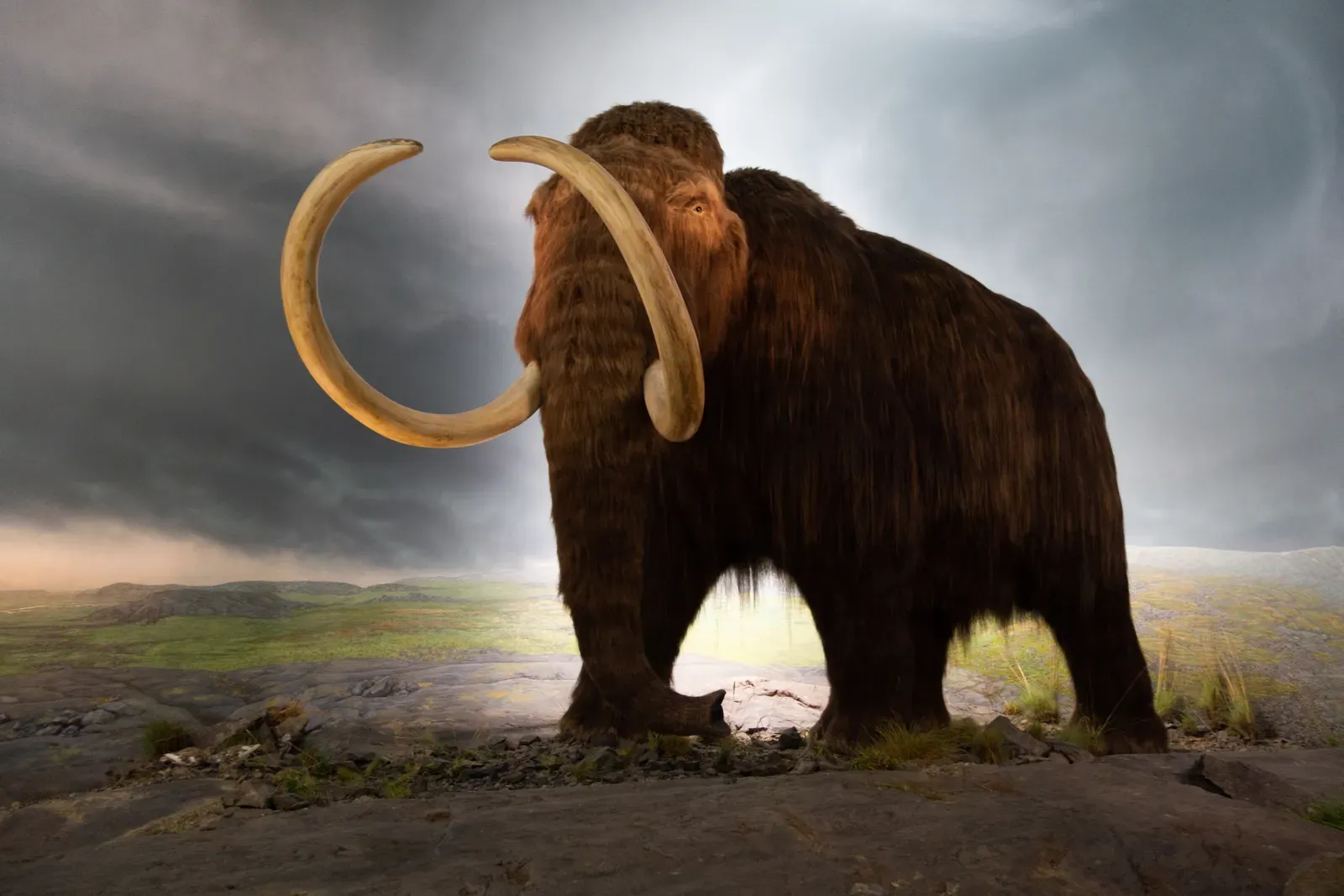
You probably think you know this one. Huge, shaggy, iconic. Hunted to death by early humans, right? Well, here’s the thing: it’s far more complicated than that, and scientists are still genuinely baffled by the final chapter. The woolly mammoth, Mammuthus primigenius, is an extinct herbivore related to elephants who trudged across the steppe-tundras of Eurasia and North America from around 300,000 years ago until their numbers seriously dropped from around 11,000 years ago. That is a spectacular run for any species on Earth.
The population of woolly mammoths declined at the end of the Late Pleistocene, with the last populations on mainland Siberia persisting until around 10,000 years ago, although isolated populations survived on St. Paul Island until 5,600 years ago and on Wrangel Island until 4,000 years ago. Think about that for a moment. Woolly mammoths were still alive when the ancient Egyptians were building the Great Pyramid. That is not ancient prehistory, that is practically yesterday in geological terms.
Around 4,000 years ago, the very last woolly mammoths perished and forever relegated the species to extinction. No one knows for sure why the Wrangel Island mammoths ultimately vanished. Scientists who cracked the genome of these final survivors expected to find catastrophic inbreeding, a kind of genetic death spiral. Instead, they found something more unsettling. A new study confirms that the woolly mammoth population on Wrangel Island was inbred but suggests they were not doomed to die. The mammoth population gradually lost harmful genetic mutations that would affect survival, indicating that some other random event, such as disease or environmental changes, sealed the mammoths’ fate.
Scientists have been debating the mysterious case of mammoth extinction for a while, finding themselves with two main suspects. “There’s an ongoing argument among researchers as to what is the relative contribution of climate change and vegetation change on one hand, and human hunting on the other hand,” one researcher explains. Honestly, I find this deeply fascinating. The most famous extinct animal in popular culture, and we still cannot agree on exactly what killed it. It’s like a detective story with no final confession.
2. Homo floresiensis: The “Hobbit” Human No One Can Fully Explain
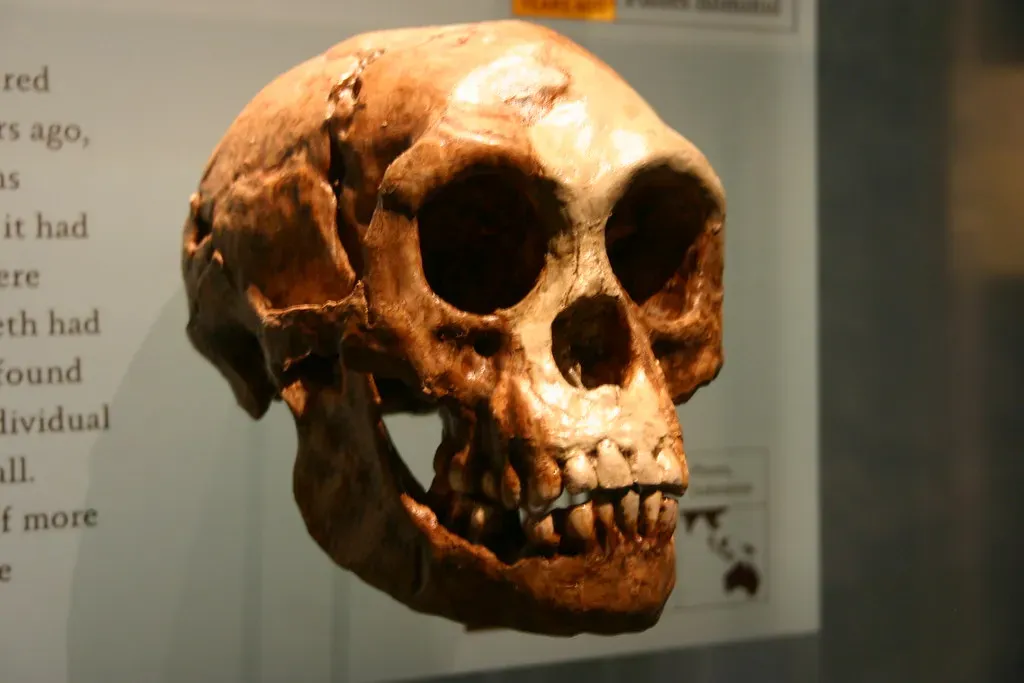
Imagine a fully grown adult human standing roughly three and a half feet tall, hunting pygmy elephants and sharing an island with Komodo dragons. This is not a fairy tale. Homo floresiensis, also known as “Flores Man” or “Hobbit,” is an extinct species of small archaic humans that inhabited the island of Flores, Indonesia, until the arrival of modern humans about 50,000 years ago. The remains of an individual who would have stood about 1.1 metres in height were discovered in 2003 at Liang Bua cave. Science has rarely produced a discovery quite this startling.
Homo floresiensis individuals stood approximately 3 feet 6 inches tall, had tiny brains, large teeth for their small size, shrugged-forward shoulders, no chins, receding foreheads, and relatively large feet due to their short legs. Despite their small body and brain size, Homo floresiensis made and used stone tools, hunted small elephants and large rodents, and coped with predators such as giant Komodo dragons. Small in stature, but clearly not small in resourcefulness.
So what wiped them out? New research in 2025 and 2026 has pointed toward something dramatic. A massive, centuries-long drought may have driven the extinction of the “hobbits” of Flores. Climate records preserved in cave formations show rainfall plummeted just as the small human species disappeared. Their primary food source, a species of pygmy elephant, collapsed simultaneously. This led to the decline and eventual demise of the pygmy elephants. In turn, that had a devastating impact on the hobbits, who relied on this animal as a food source. They were forced to abandon Liang Bua and eventually became extinct.
Yet drought alone may not tell the whole story. The study also notes that such environmental stress was probably compounded by a major volcanic eruption on Flores around 50,000 years ago that blanketed parts of the island in ash and debris. Rather than a single cause, the extinction of Homo floresiensis now appears to reflect a cascade of pressures acting upon an already vulnerable population at the edge of survival. Drought, volcanic ash, a food supply in freefall. It’s hard not to feel something reading that.
3. The Trilobite: 270 Million Years of Survival, Then Silence
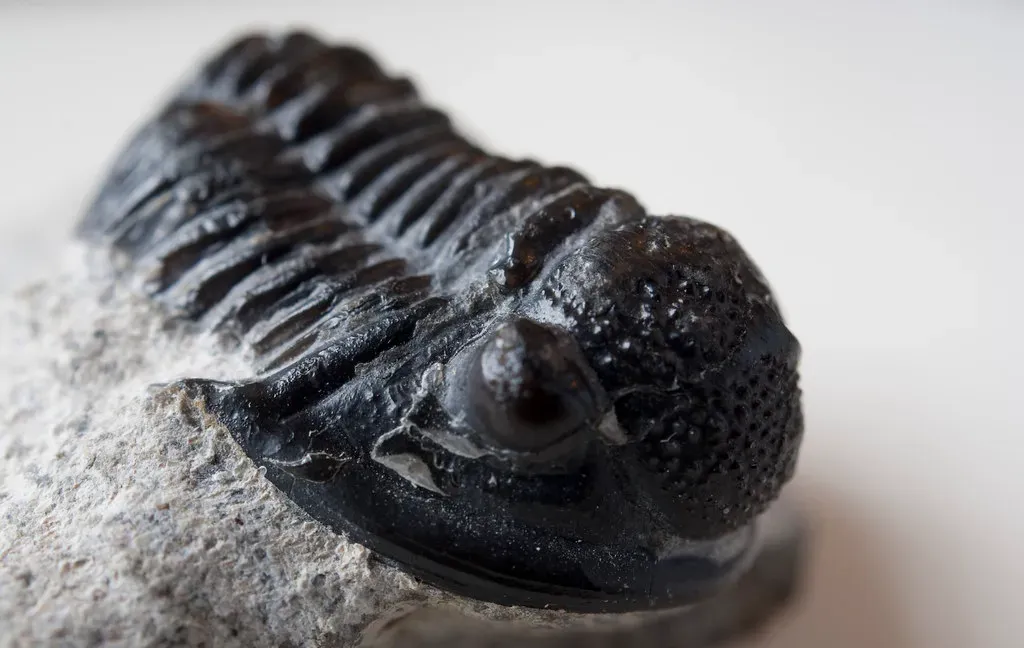
If survival were a sport, trilobites would hold the world record. The Permian-Triassic extinction killed off so much of life on Earth that it is also known as the Great Dying. Marine invertebrates were particularly hard hit by this extinction, especially trilobites, which were finally killed off entirely. What makes this so extraordinary is what came before it. Trilobites had been living on this planet for nearly 270 million years. To put that in perspective, our entire genus, Homo, has existed for roughly two to three million years. We are children by comparison.
The Permian-Triassic extinction event, colloquially known as the Great Dying, was an extinction event that occurred approximately 251.9 million years ago, at the boundary between the Permian and Triassic geologic periods. It is Earth’s most severe known extinction event, with the extinction of 57% of biological families, 62% of genera, 81% of marine species, and 70% of terrestrial vertebrate species. In the ocean, it was essentially an apocalypse.
The scientific consensus is that the main cause of the extinction was the flood basalt volcanic eruptions that created the Siberian Traps, which released sulfur dioxide and carbon dioxide, resulting in euxinia, elevated global temperatures, and acidified oceans. That sounds definitive. It’s not, entirely. What still puzzles researchers is why trilobites, which had survived every previous mass extinction for hundreds of millions of years, failed to recover this time. They had made it through four other catastrophic events. This one swallowed them completely.
It’s hard to say for sure, but some scientists suspect the combined effects of oxygen depletion, ocean acidification, and thermal stress created a combination these ancient arthropods simply had no evolutionary answer for. Think of it like a lock with five tumblers, where every previous catastrophe only turned three or four. The Great Dying turned all five at once, and the trilobites’ 270-million-year run came to an end. The ocean they had mastered literally became uninhabitable.
4. The Non-Avian Dinosaurs: A Story Still Full of Unanswered Questions
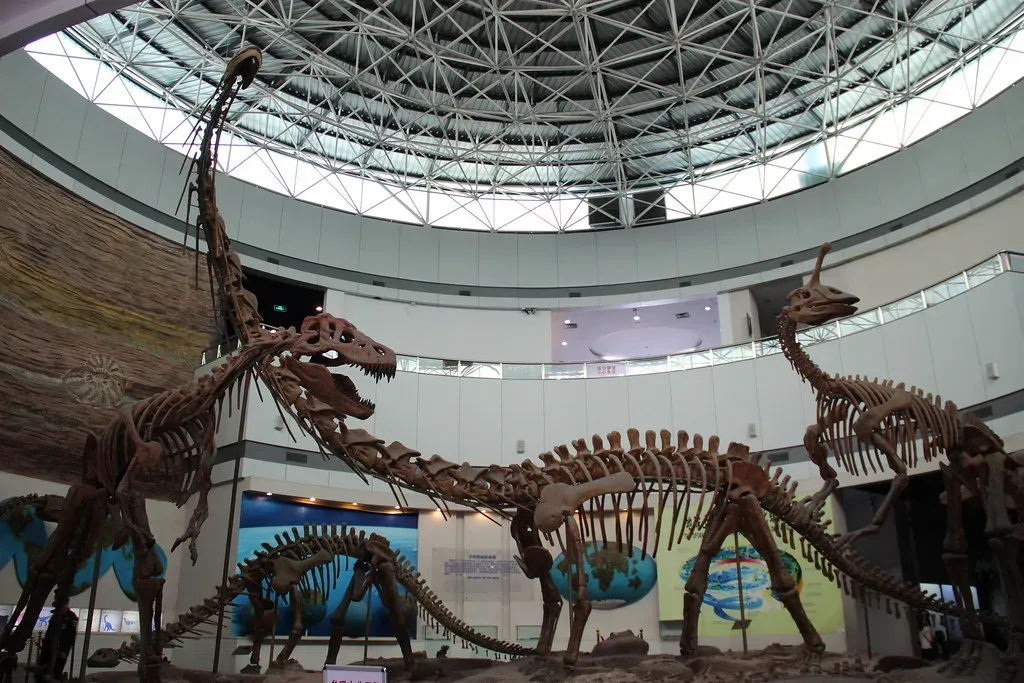
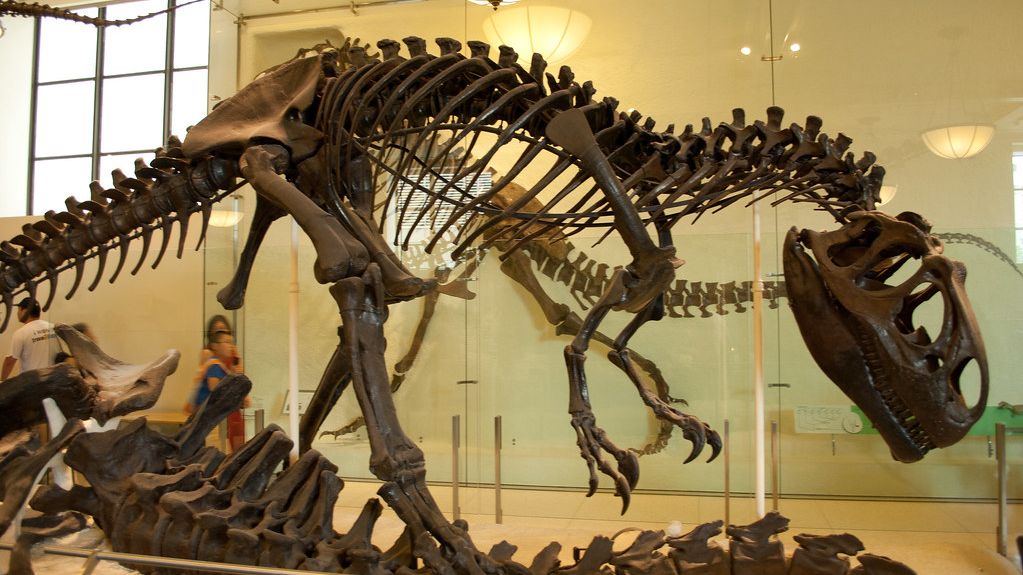
Let’s be real. You have heard about the asteroid. Everyone has. The Cretaceous-Paleogene extinction event was a major mass extinction of three-quarters of the plant and animal species on Earth which occurred approximately 66 million years ago. The event caused the extinction of all of the non-avian dinosaurs and most other tetrapods weighing more than 25 kg, with the exception of some ectothermic species such as sea turtles and crocodilians. A rock from space ends the age of giants. Neat, simple, done.
Except it’s not that clean. The genuine mystery is not what killed the dinosaurs, but why certain species survived and others did not. Species that depended on photosynthesis declined or became extinct as atmospheric particles blocked sunlight and reduced the solar energy reaching the ground. So the collapse worked in chain reactions, cascading through food webs in ways that remain deeply complex. Some large crocodilian relatives survived. Some birds, which are technically dinosaurs, made it through. Precisely why is still debated.
It is estimated that 75% or more of all animal and marine species on Earth vanished. However, the extinction also provided evolutionary opportunities. In its wake, many groups underwent remarkable adaptive radiation, sudden and prolific divergence into new forms and species within the disrupted and emptied ecological niches. The world left behind was weirdly wide open. The creatures that survived were essentially playing a board game where someone had swept most of the pieces off the table.
What still genuinely puzzles paleontologists is the inconsistency. Despite the event’s severity, there was significant variability in the rate of extinction between and within different clades. Some groups were hit hard instantly. Others dwindled over thousands of years. The picture is not a clean, single-moment death, but a long, jagged unraveling that science is still trying to fully map out. There is something deeply humbling about realizing our best-understood extinction is still full of open questions.
5. Homo erectus: The Human Who Survived Almost Everything, Then Quietly Disappeared
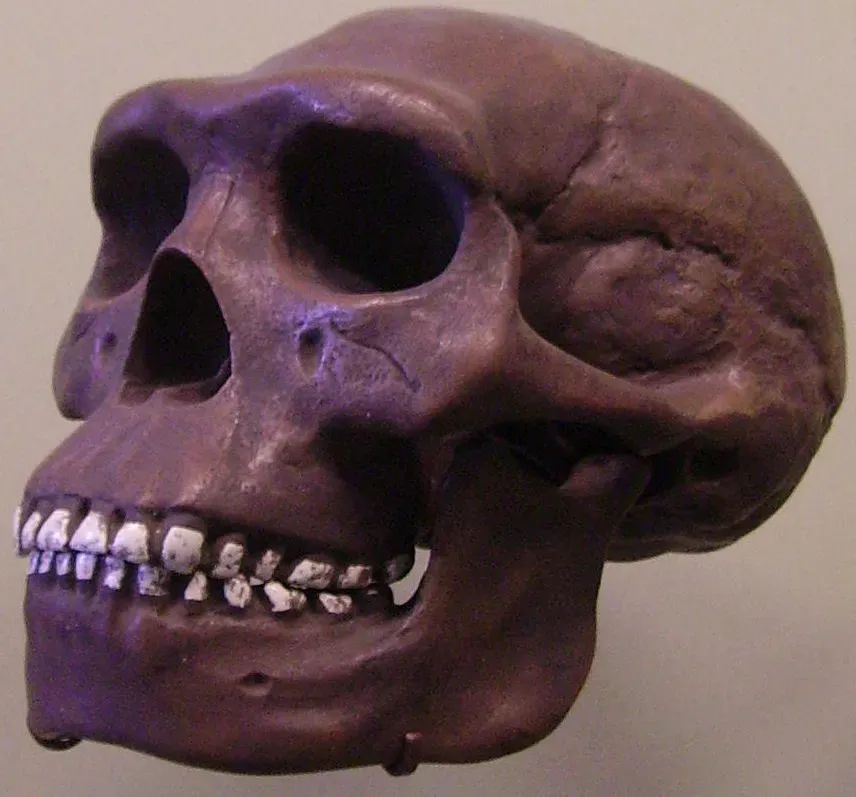
Here is a prehistoric survival story that deserves far more attention than it gets. When seafaring modern humans ventured onto the island of Java some 40,000 years ago, they found a rainforest-covered land teeming with life. Their distant ancestor, Homo erectus, had traveled to Java when it was connected to the mainland via land bridges and lived there for approximately 1.5 million years. A million and a half years on a single island. Honestly, I cannot think of a better argument for adaptability.
These people made their last stand on the island about 100,000 years ago, long after they had gone extinct elsewhere in the world, according to a new study assigning reliable dates to previously found Homo erectus fossils. So while the rest of their species was fading out across the globe, a holdout population on Java was somehow persisting. It is remarkable, almost defiant. Then, they too were gone.
What finished them? A warmer, wetter climate turned Java’s open woodlands into dense rainforests about 100,000 years ago, and Homo erectus would have struggled to survive in such a transformed landscape. The environment they were built for was literally replaced by a different one. There is also the tantalizing possibility of a genetic legacy. The finding suggests a trace of Homo erectus DNA could live on in modern Southeast Asian populations, thanks to complex intermingling among the diverse humans who have lived in the region.
Think about what that means. A species we consider extinct may have left a tiny fragment of itself inside living humans today. Those pairings could have introduced a smidgen of Homo erectus DNA into the genomes of some modern Southeast Asians, whose DNA contains a trace of genetic material that does not appear to come from modern humans, Neanderthals, or Denisovans. It’s a whisper of the past, still echoing. Whether you call that extinction or transformation depends on how broadly you define survival.
Conclusion: Extinction Is Never Simple
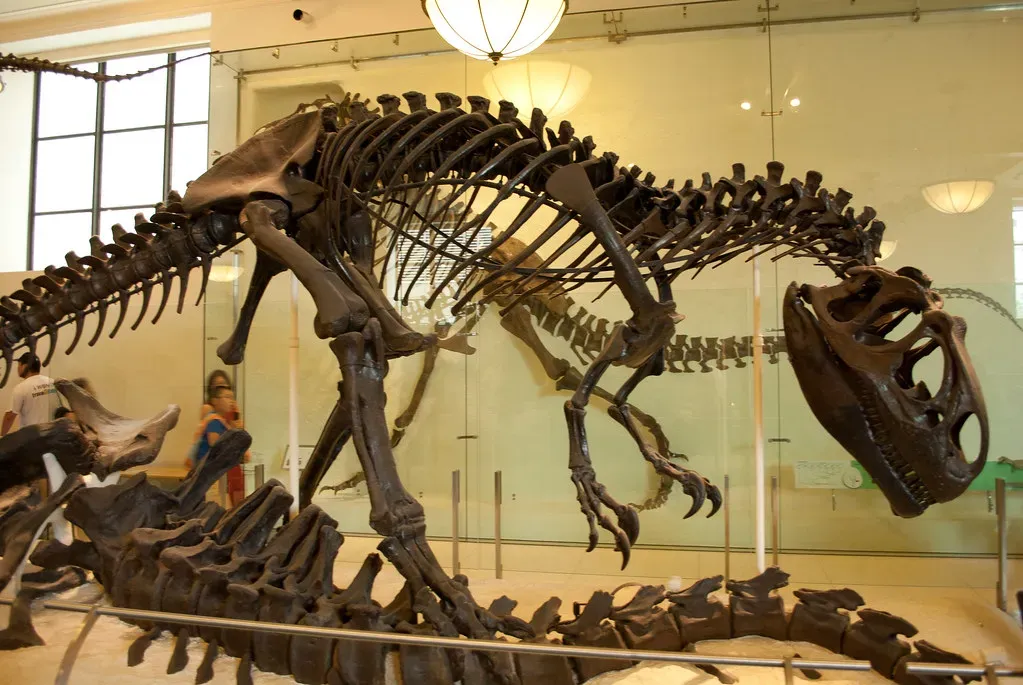
If there is one takeaway from these five vanishing acts, it is that extinction is never as simple as we want it to be. Probably 99.999% of all species that ever existed are no longer with us. Extinction is a way of life, actually. There have been mass extinction events where a whole array of species get wiped out, and some biologists think that the current rate of species loss is probably a thousand times what the normal rate is. That last number should sit with you for a moment.
Every species on this list survived extraordinary challenges before finally yielding to forces too powerful, too combined, or simply too mysterious to overcome. Climate, volcanoes, drought, genetic vulnerability, shifting ecosystems. Sometimes all of them at once, like doors slamming in sequence. The trilobite outlasted four apocalypses. The woolly mammoth clung on until humans were building monuments. The hobbit human hunted pygmy elephants on a remote island while our species was already spreading across the world. Each of them had a story far richer than a simple ending suggests.
We are living through what many scientists now call the sixth mass extinction event. The creatures going silent around us today may one day puzzle future scientists just as much as these five puzzle us now. So perhaps the real question worth sitting with is not just why did they vanish, but what will we do to avoid adding more names to that list? What would you have done differently, knowing what you know now?