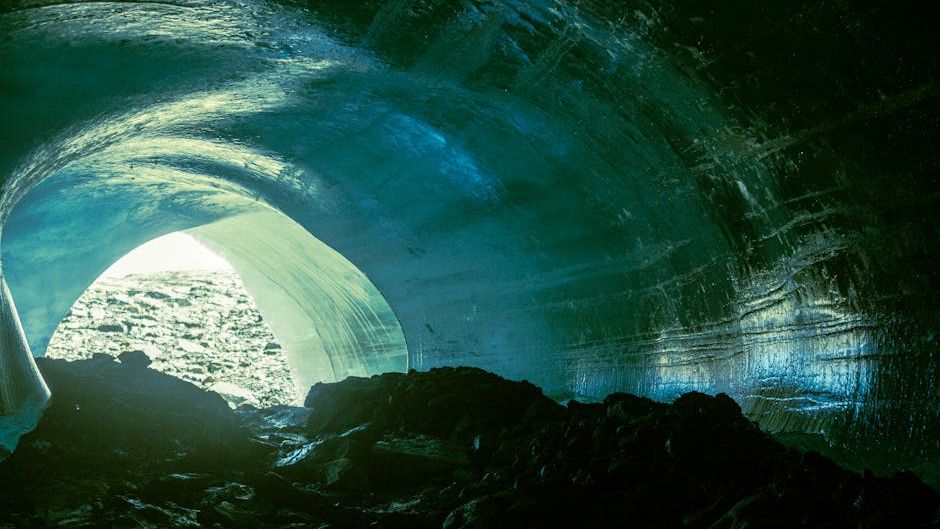
Imagine walking through one of Canada’s most vibrant cities, grabbing a coffee, dodging the morning rush, and having absolutely no idea that some 30 feet beneath your shoes lies a cathedral of ancient stone carved out by glaciers that roamed the earth over fifteen thousand years ago. It sounds like something out of a fantasy novel. Honestly, it’s not.
Montreal’s hidden cave system, tucked beneath the Saint-Léonard borough, is one of the most extraordinary geological discoveries of recent decades. It has everything – dramatic geology, fossils, underground lakes, and a story of two amateur explorers who refused to stop digging. So let’s dive in.
1. The Cave Was Born From the Crushing Weight of Ice Age Glaciers
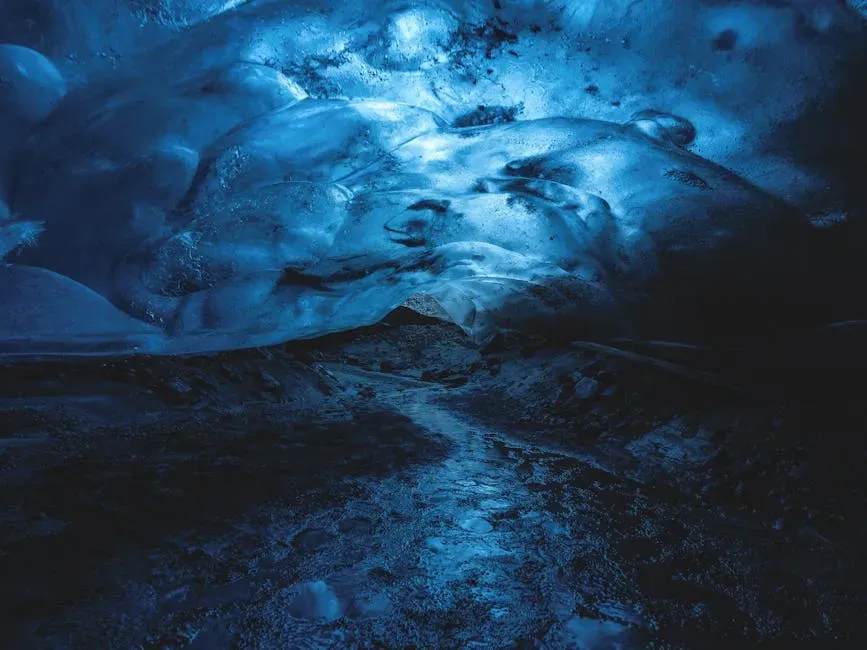
Most people picture caves as dark, damp places slowly eaten away by dripping acidic water over millions of years. This cave is nothing like that. The cave was formed thousands of years ago through a process known as glacial tectonism, when a glacier pushes the rock walls apart. Think of it like a slow-motion earthquake caused not by shifting tectonic plates, but by the sheer, incomprehensible tonnage of ice pressing downward.
First, the weight of ice sheet edges crushes a layer of limestone, then the rock cracks along vertical fissures – and this crushed layer acts as a kind of lubricant to allow the walls to open. The result is something almost geometrically perfect. The two sides of the cave match like puzzle pieces, and the top and bottom are flat surfaces – unlike most caves, which are formed by dissolution, in which slightly acidic water eats away at rock as it passes.
2. It Has Been Hiding Right Under a Busy City Park This Whole Time
The spectacular find is connected to Montreal’s Saint-Léonard Cavern, which lies underneath Parc Pie XII, not far from Highway 40. That is a park where children play, people walk their dogs, and families picnic on warm summer afternoons. You could stroll through it a thousand times and never suspect what lurks just beneath the surface.
For centuries, the residents of Montreal did not know that a hidden world lay under their feet, and streets were literally built directly over the cave without anyone ever finding it. The whole thing is almost comically close to normal city life. Walking the streets of Montreal, you’d probably never guess a cave system lurked just ten meters below. That’s roughly the depth of a three-story building, hidden in plain sight.
3. Two Amateur Cave Explorers Made the Discovery of a Lifetime
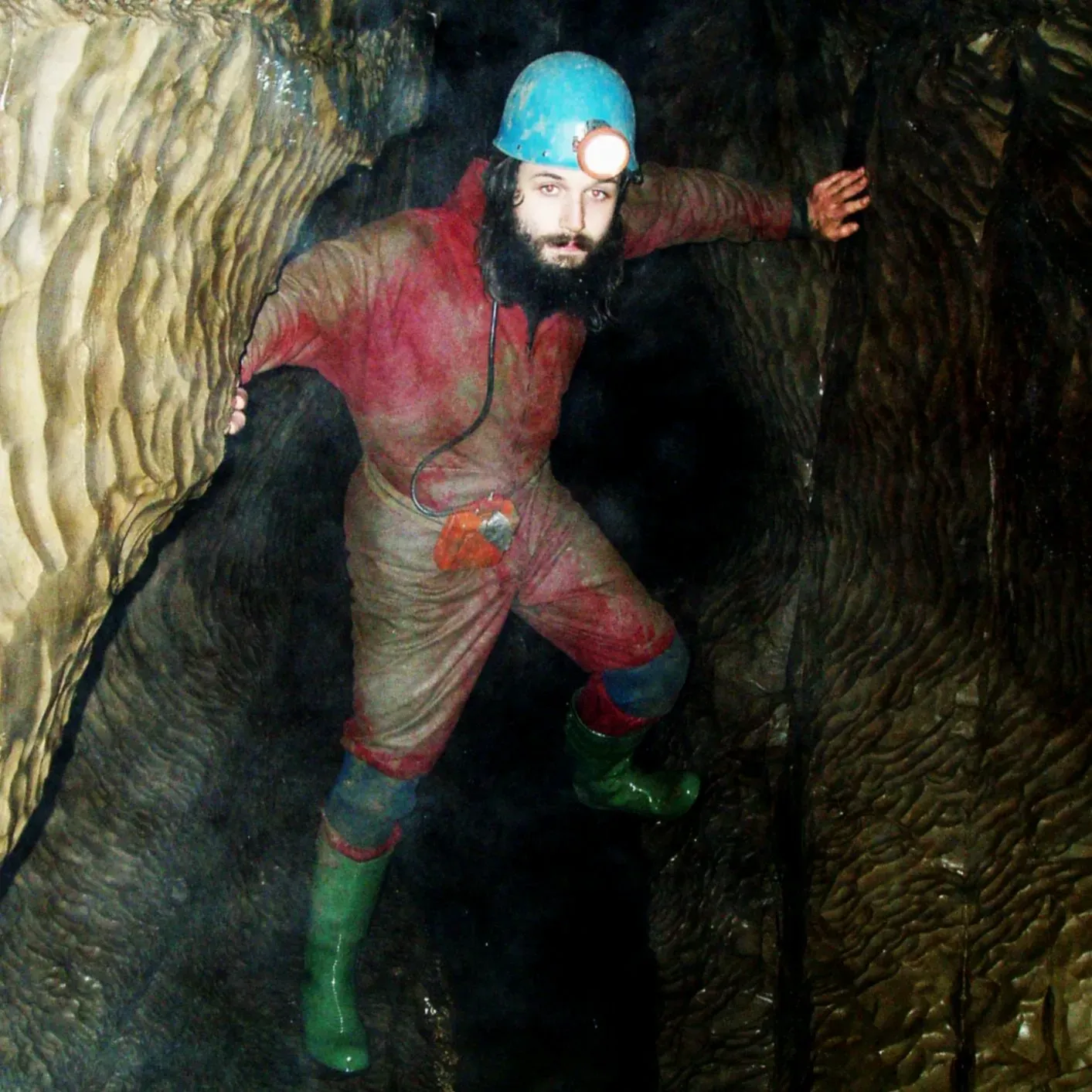
A new network of caves dating back to the Earth’s last Ice Age and extending nearly 700 feet were discovered in October by Daniel Caron and Luc Le Blanc, two speleologists. Here’s the thing – these were not scientists armed with million-dollar equipment. They were passionate hobbyists who had simply refused to give up on a hunch. For years, the friends had been exploring a small underground cave, the Saint-Léonard cavern discovered in 1812, and they believed a hidden passageway might lie beyond its walls – and in October of 2017, their hunch was confirmed.
Le Blanc and Caron said they were able to pinpoint the location of the passageway using a dowsing rod, similar to the wooden divination tools sometimes used to find groundwater. Yes, dowsing. That ancient, low-tech method that most scientists would roll their eyes at. Society members then identified a softer spot in the limestone wall and were able to open a passage after three hours of drilling. Sometimes the old ways still work.
4. The Cave’s Dimensions Are Genuinely Mind-Blowing
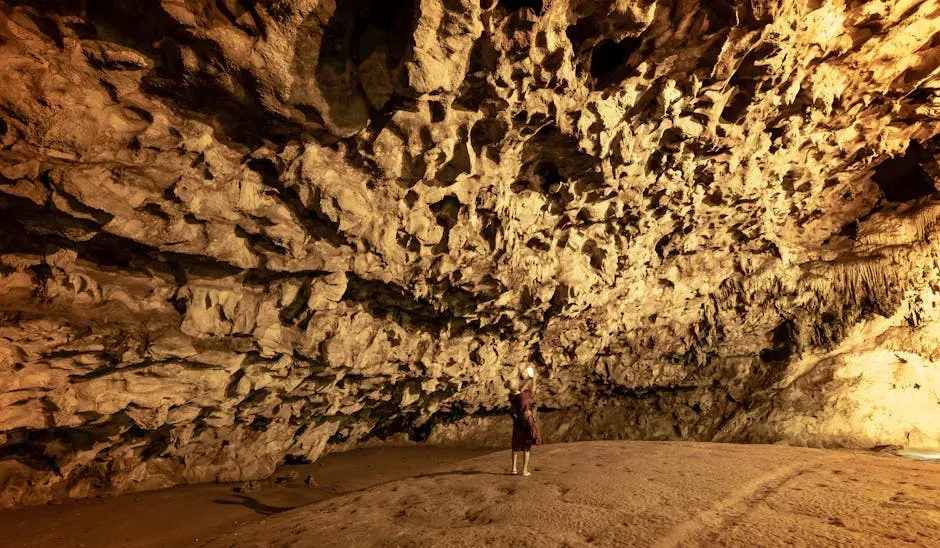
The passageway, formed more than 15,000 years ago during the last Ice Age, runs at least 200 metres long, six metres high, and about three metres wide. Picture a corridor wider than a city bus and taller than a two-story house, stretching on farther than you can see. It is almost impossible to believe something that large sat undetected for so long.
Experts believe the cave system took shape during the last Ice Age when receding glaciers left fissures in the bedrock, and glacial meltwater helped further carve it out – complete with delicate stalactites dangling from its 20-foot-high ceiling, which are rare for a cave so far north. And there is more. The cave splinters off into a number of different passageways, meaning the full scale of this underground world remains unknown even today.
5. The Cave Holds an Underground Lake That Swallowed the Explorers’ Canoe
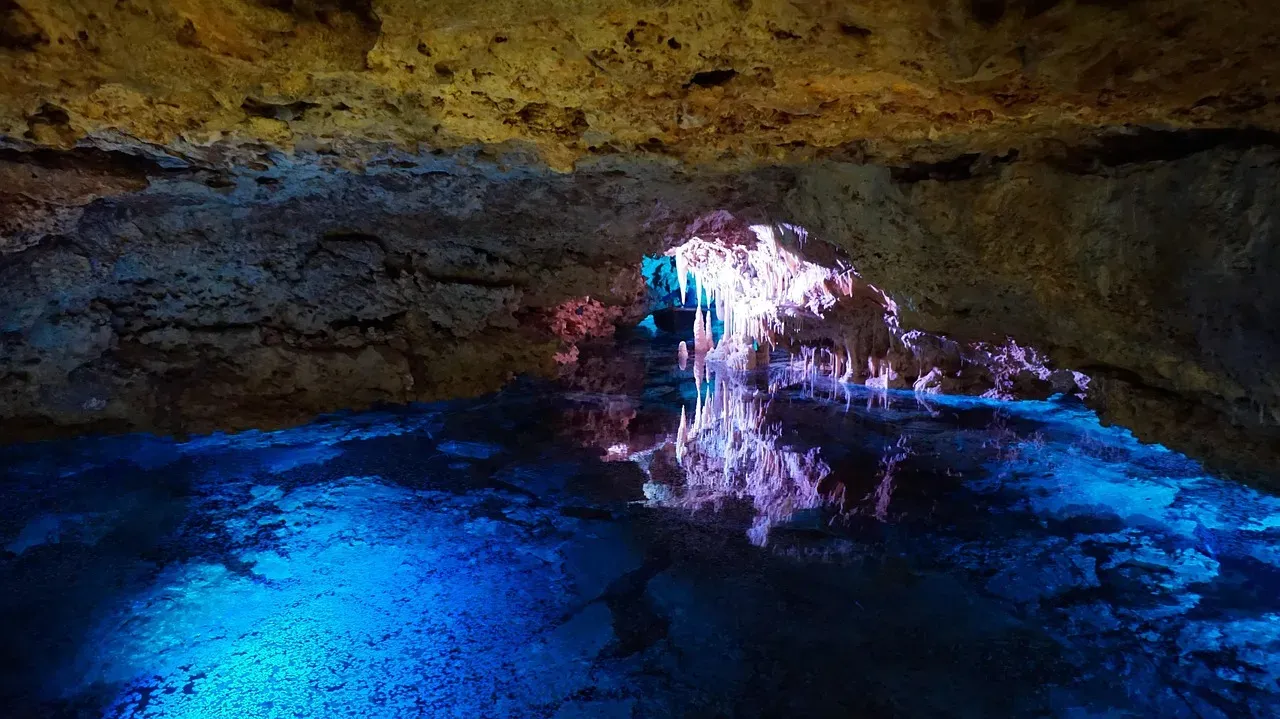
Because the cave reaches an aquifer, it is filled with clear waters, and in some passages the water reaches a depth of around 16 feet. That is not a puddle. That is an underground lake. When you imagine stepping through a narrow tunnel into a cathedral of limestone and then realizing the floor drops away into dark, crystal-clear water going down over your head – that is properly surreal.
The explorers had to use an inflatable canoe to navigate part of the cavern, containing water five metres deep. Even with the canoe, they eventually hit a dead end. One direction leads down, gradually filling with water, and the team used inflatable canoes and swam to explore what they could, but they have not found the end yet. The cave, quite literally, still has secrets no human has ever seen.
6. The Walls Are Covered in Ancient Fossils and Rare Mineral Formations
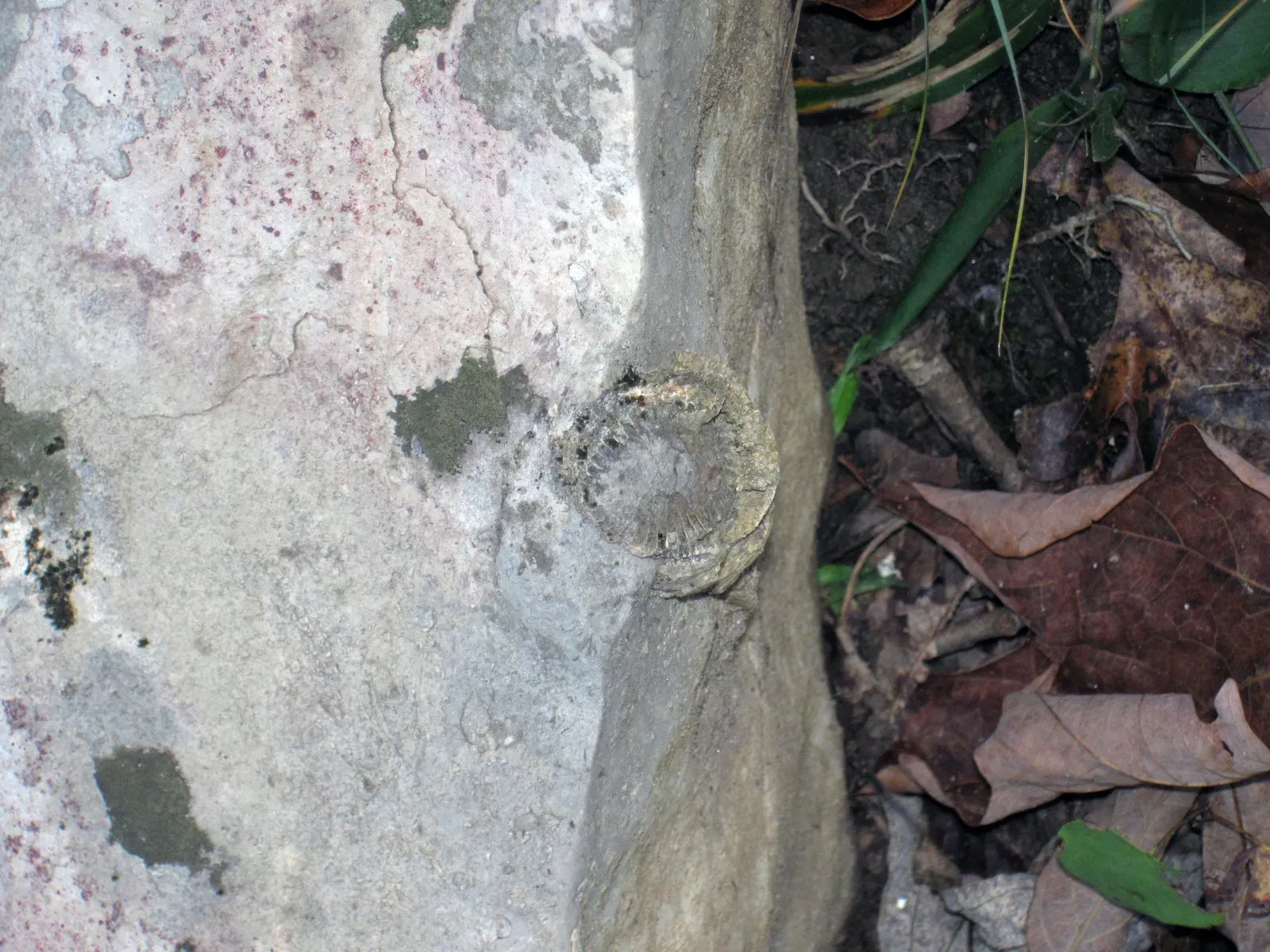
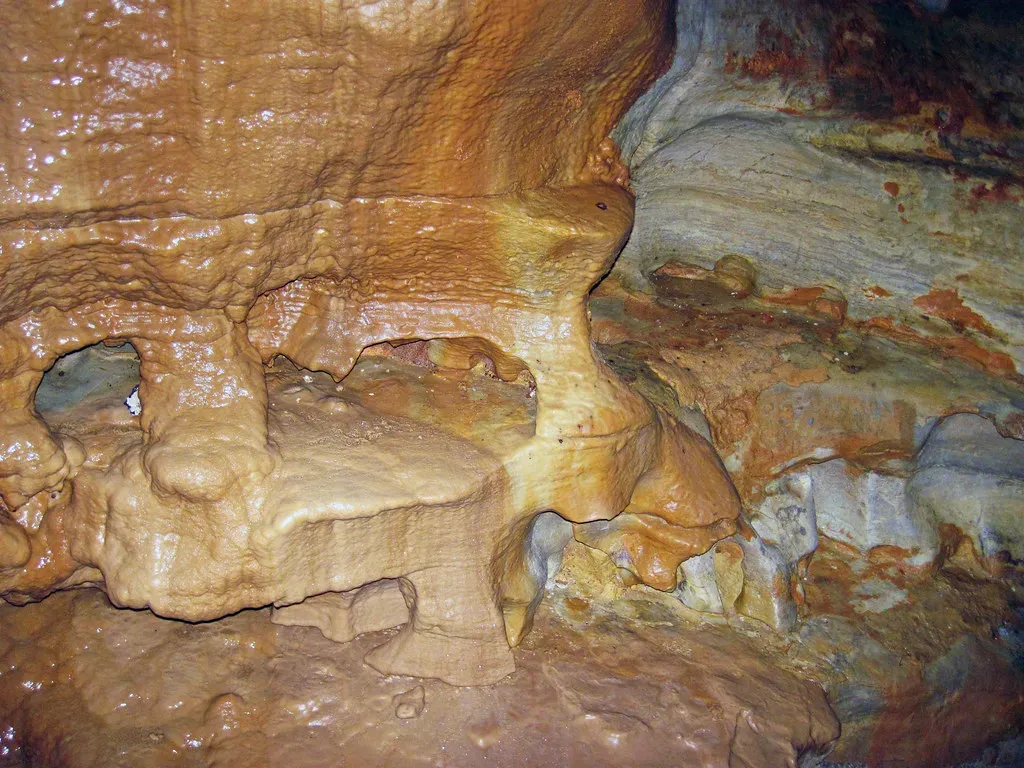
The walls of the new cave are not just unusually flat – because they are made of limestone, they are also full of fossils, and the millennia of water seeping through the cave has created what geologists call flowstones, large white patches of the mineral calcite. Some of these formations represent an almost unfathomable stretch of geological time. Some of these are more than six inches across and represent as much as 20,000 years of geological history.
The Saint-Léonard Cavern has been open to the public for about 200 years and contains many fossils of prehistoric marine life that dates back around 450 million years. That means you are looking at layers of Earth’s history stacked on top of each other like a geological timeline frozen in stone. In addition to smooth limestone walls, stalagmites and stalactites are found throughout the passage, and according to the Quebec Speleological Society, a centimeter of stalagmite takes about a thousand years to grow. Every inch of those formations tells a story longer than anything humans have ever written down.
7. The Cave Is Structurally Sound – and May One Day Be Open to the Public
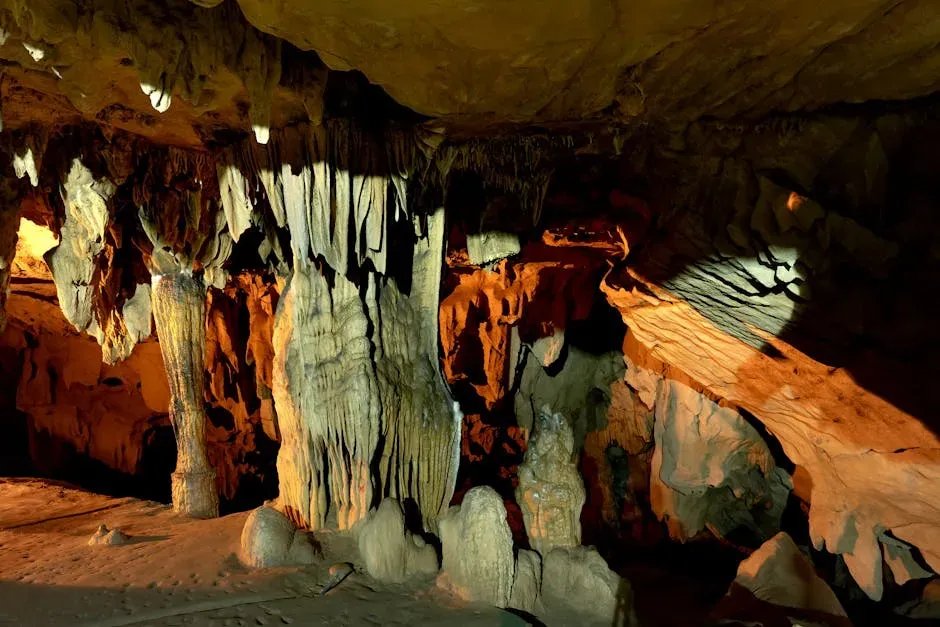
A 15,000-year-old underground passage in Saint-Léonard that was discovered in 2017 is structurally sound, according to the scientists who found it, and Luc Le Blanc confirms there is no risk of city infrastructure collapsing. That was, understandably, among the first concerns people raised when word got out. Geologically, Le Blanc says it is very solid, with about six metres of rock above the cave ceiling.
The head of the Quebec Speleology Society confirmed the public will eventually be able to access the new part of the cave, but the group wants to make sure it can protect the stalactites and stalagmites first. That caution is entirely warranted. There is concern people could destroy 15,000-year-old rock formations, as they did to the first-discovered part of the cave before it was closed off by the caving society in the 1980s. Something that took millennia to form can be gone in seconds, and that is a responsibility nobody takes lightly.
Conclusion
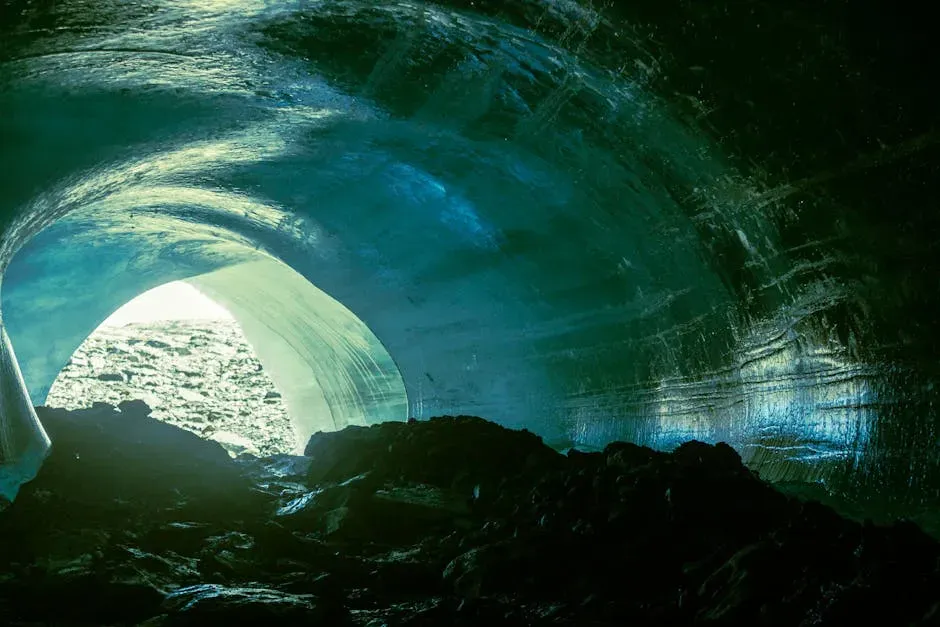
Montreal’s secret Ice Age cave is the kind of discovery that quietly reshapes the way you think about the world around you. You walk past parks, over sidewalks, and through busy neighborhoods every day, blissfully unaware of the ancient, geological wonders sleeping just a few meters below your feet. This cave has been there since before any human civilization left a single written word, and it was found not by a team of scientists with satellite scans but by two stubborn hobbyists with a drill and a dowsing rod.
It’s a reminder that the planet still holds real surprises, hiding not in remote jungles or deep ocean trenches, but right beneath the center of a modern city. The cave’s full extent is still unknown, its fossils still largely unstudied, and its depths still unswum. So here’s a thought to leave you with: if something this remarkable could go unnoticed for fifteen thousand years under one of Canada’s largest cities, what else might be quietly waiting to be found? What do you think? Drop your thoughts in the comments below.