There’s a version of American history that most people simply never encounter. You won’t find it in textbooks, and you won’t stumble across it on a highway billboard. You’ll find it carved into canyon walls, buried under desert dunes, and stacked into ancient stone towers that have survived a thousand winters. The United States is far older than its two and a half centuries as a nation, and the proof is everywhere, if you know where to look.
From massive earthen mounds that rival the pyramids to cliff dwellings that still feel eerily inhabited, these park sites are quietly rewriting the story of human civilization on this continent. Some are UNESCO World Heritage Sites. Others are barely known outside their home states. All of them are extraordinary. Let’s dive in.
1. Mesa Verde National Park, Colorado
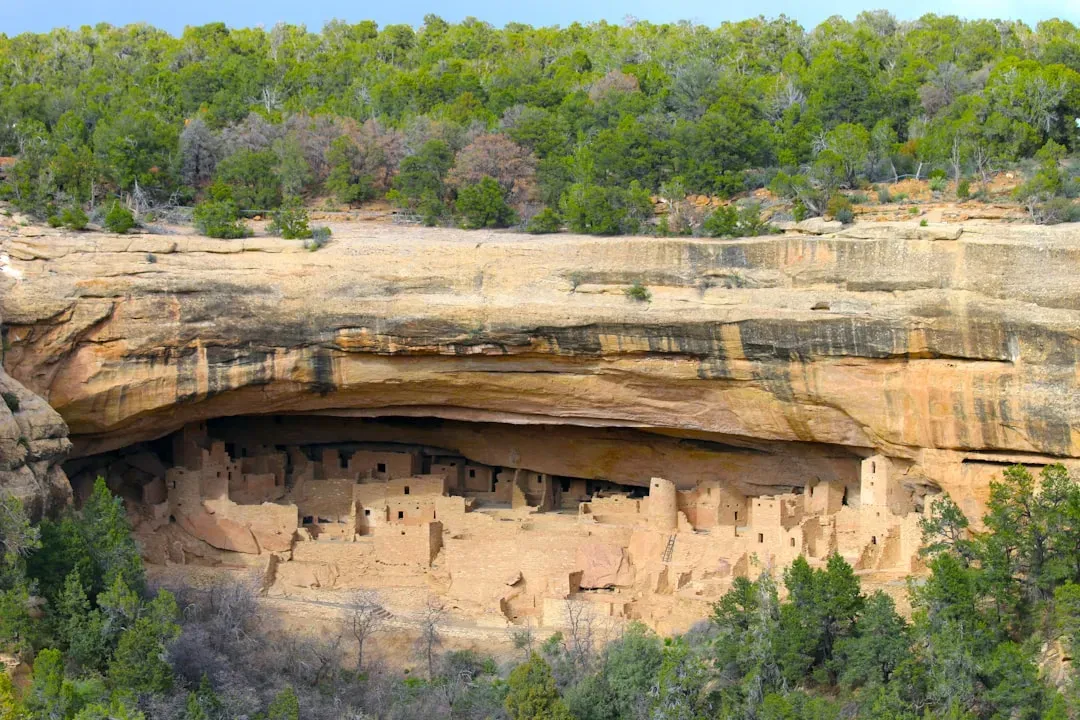
If you’ve never stood in front of the cliff dwellings at Mesa Verde, it’s honestly hard to explain the feeling. In southwestern Colorado, Mesa Verde National Park is a testament to the ingenuity of the Ancestral Pueblo people, preserving nearly 5,000 archaeological treasures, including over 600 meticulously constructed cliff dwellings. These ancient structures, such as the renowned Cliff Palace, are carved into the rock faces of towering mesas and represent a civilization that thrived from 550 to 1300 CE. Standing beneath that sandstone overhang for the first time feels less like a museum visit and more like trespassing on something sacred.
The Sun Temple, an ancient complex with 24 rooms, was uncovered during excavations in 1915 at Mesa Verde. The Ancestral Puebloans built this D-shaped structure around 1200 CE, with some walls standing over 11 feet high. Due to the structure’s size, it may have held religious importance in Puebloan culture, and its alignment with solar and lunar cycles makes it even more unique. Mesa Verde joined the National Park Service in 1916 and UNESCO’s World Heritage List in 1978. It was, remarkably, the very first US park ever created specifically to preserve the works of human hands rather than natural wonders.
2. Chaco Culture National Historical Park, New Mexico
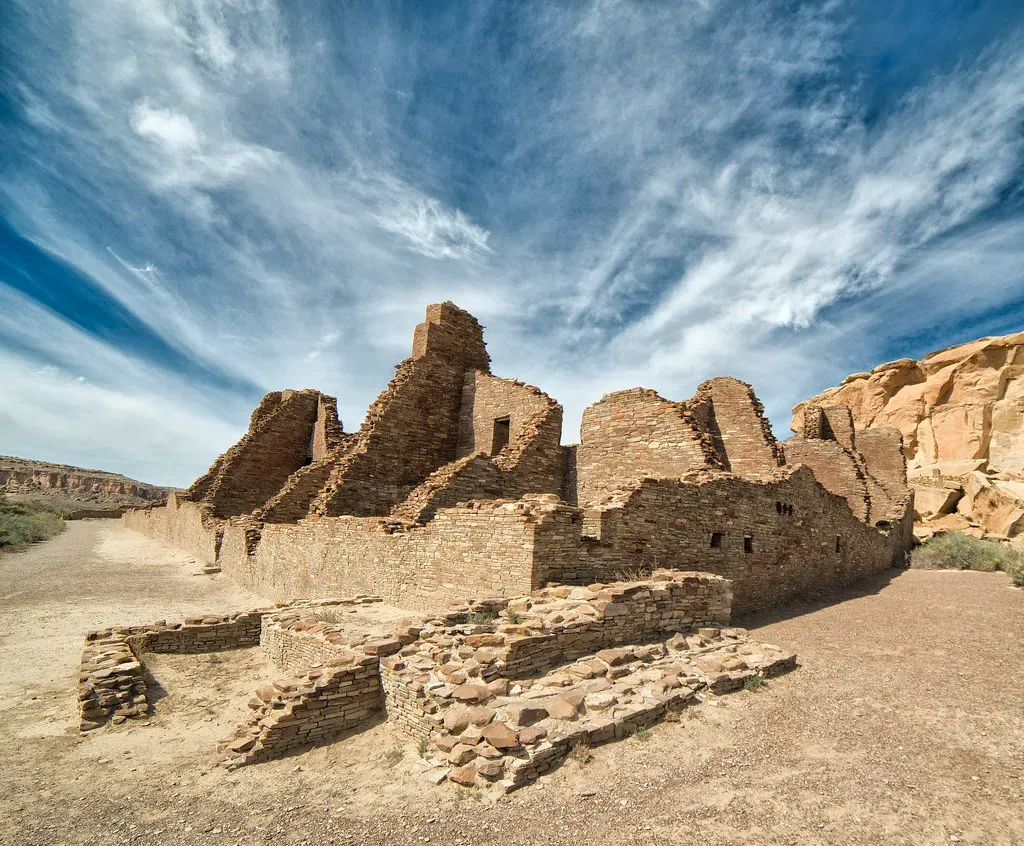
Chaco Canyon is the kind of place that makes you feel small in the best possible way. One of the most famous archaeological sites in the Southwest, Chaco in New Mexico is also a UNESCO World Heritage Site, preserving a major ceremonial center of the Ancestral Puebloan society. Chaco features several large structures called big houses, and the largest and most spectacular is Pueblo Bonito, featuring over 600 rooms and 35 kivas. Honestly, the scale of it defies easy comprehension.
What remains is a testament to the incredible creativity and ingenuity of the people who lived in the Four Corners region between the 9th and 12th centuries. Features of interest include the remnants of canals, dams, and basins, suggesting that the Chacoans poured considerable time and resources into water control, which allowed them to grow crops including corn in an environment known for water scarcity. On a guided tour through Chaco Canyon, you will also see petroglyphs that indicate an interest in solar and lunar cycles, and the orientation of many buildings aligns with the summer and winter solstices. This is ancient astronomy built in stone, and it’s waiting for you to come see it.
3. Poverty Point National Monument, Louisiana
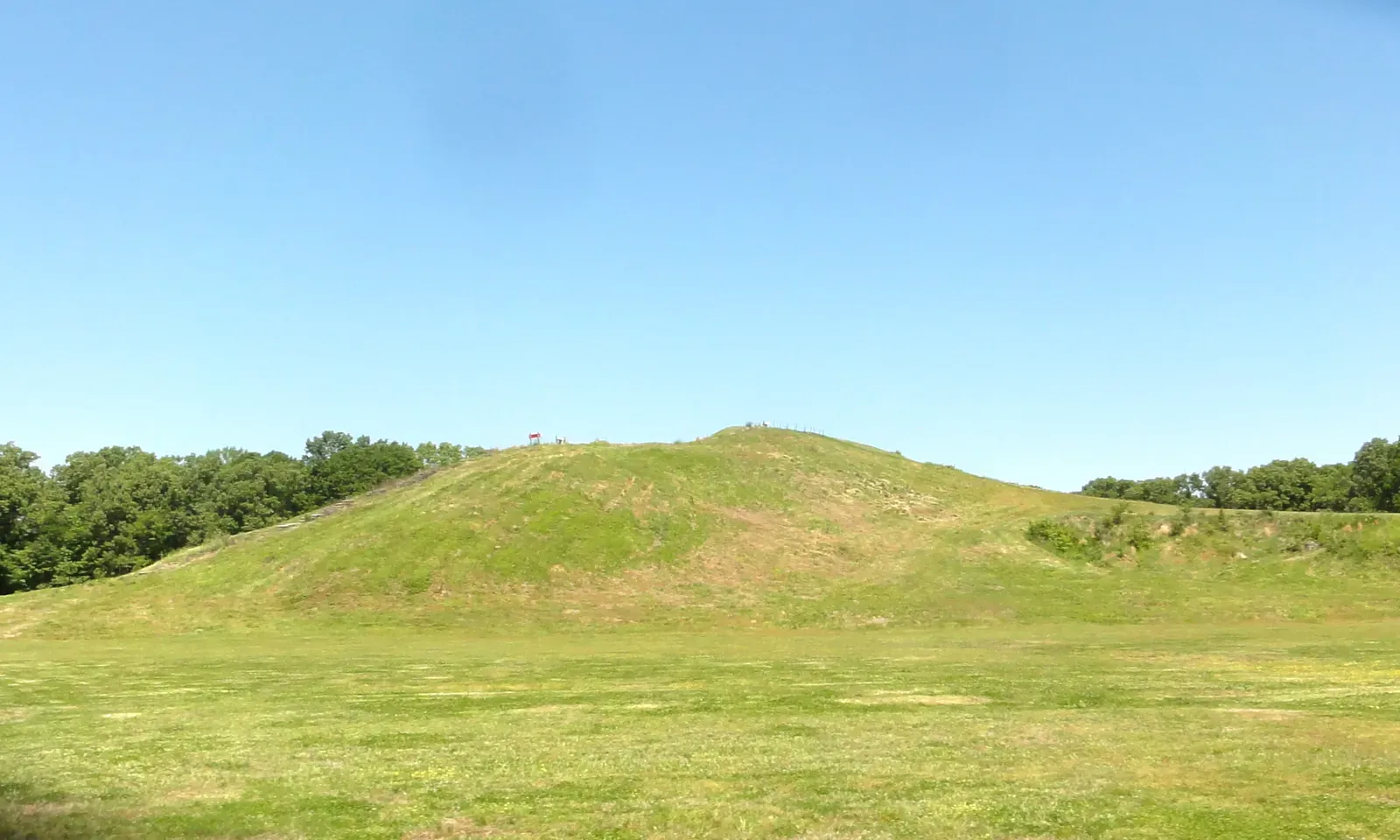
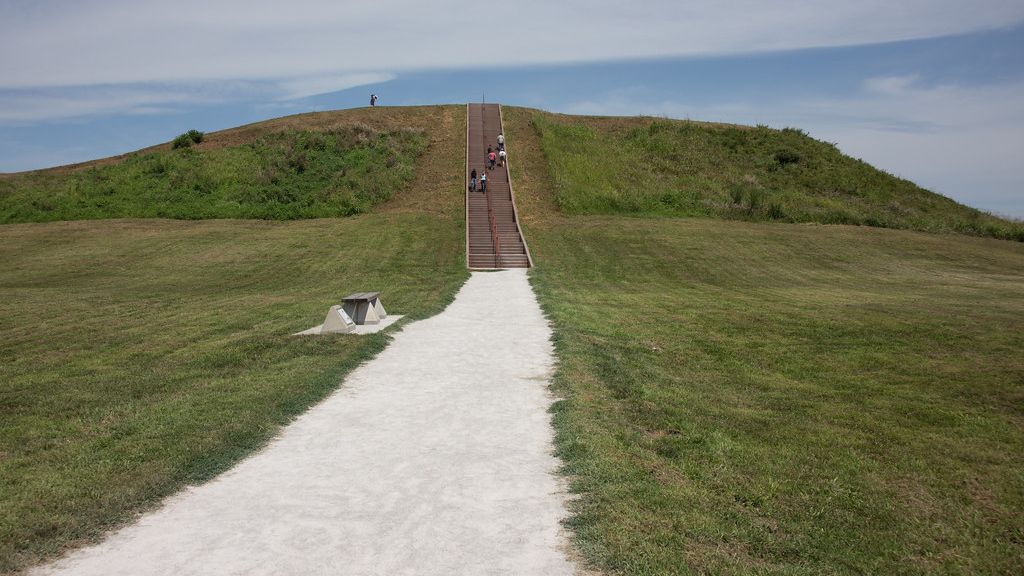
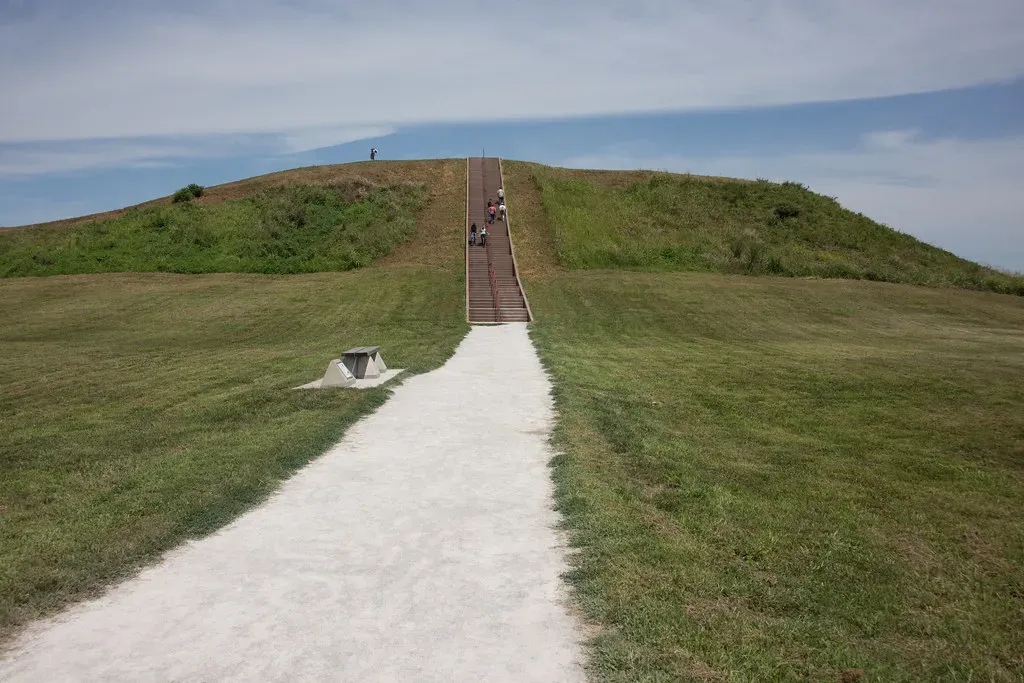
Here’s the thing, most people have never heard of Poverty Point, and that is a genuine shame. Poverty Point is a story 3,400 years in the making. Centuries ago, when Stonehenge was built and Queen Nefertiti ruled Egypt, American Indians were building earthen monuments in north Louisiana. Hand by hand and basketful by basketful, men and women shaped nearly 2 million cubic yards of soil into stunning landscapes, resulting in a massive 72-foot-tall mound and enormous concentric half-circles that dwarfed every other earthen monument site for 2,200 years. Let that image sink in for a moment.
A city with a population of 4,000 to 5,000 flourished at Poverty Point from about 1700 to 700 BCE. The central structure of the site is composed of six concentric earthen ridges arranged in a horseshoe shape, and it is thought that the ridges may have been foundations for living areas. To the west of the ridges is Poverty Point Mound, a massive earthen effigy of a bird in flight that is 700 feet across and 70 feet high. In 1962 it was designated a National Historic Landmark, and in 2014 UNESCO named it a World Heritage Site. You can visit it and, trust me, you should.
4. Grand Canyon National Park, Arizona
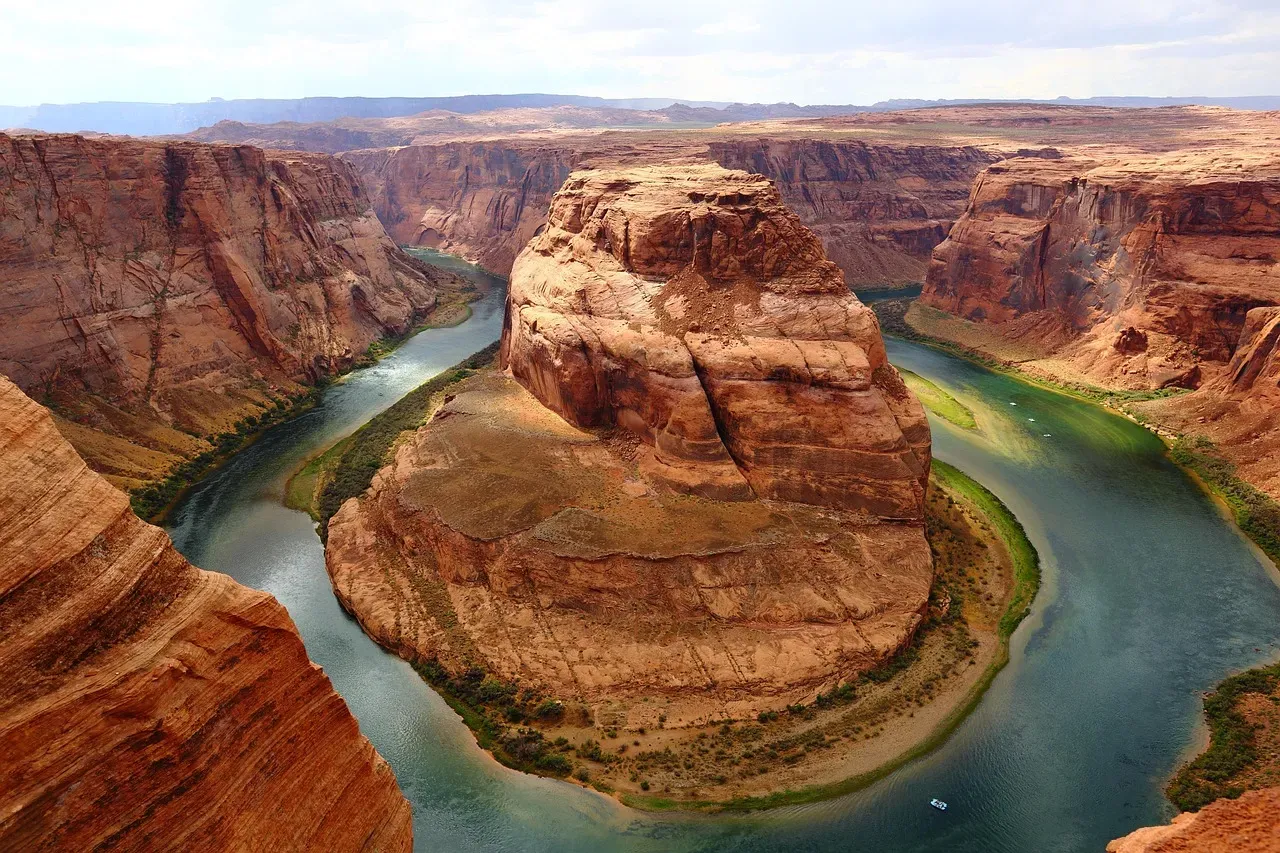
If you thought the Grand Canyon was solely a geological wonder, think again. Most visitors come for the jaw-dropping views, and that’s completely understandable. The geology alone could occupy a lifetime. But beneath those layers of ancient rock and carved river canyon lies an equally staggering human story. Artifacts found in the park have been attributed to many cultures, including Paleo-Indian, Archaic, Ancestral Pueblo, Cohonina, Paiute, Hopi, and Navajo groups.
The Grand Canyon is known for some of the strangest and most amazing things ever discovered in a national park. Among those discoveries, the Tusayan Pueblo Site offers a glimpse into the lives of Ancestral Puebloans who lived over 800 years ago. The Grand Canyon remains culturally significant to 11 traditionally associated tribes, meaning it isn’t just a natural wonder, it is a living spiritual landscape that has shaped human culture for thousands of years. The archaeological depth of this place goes as far down as its walls, which is saying something extraordinary.
5. Aztec Ruins National Monument, New Mexico
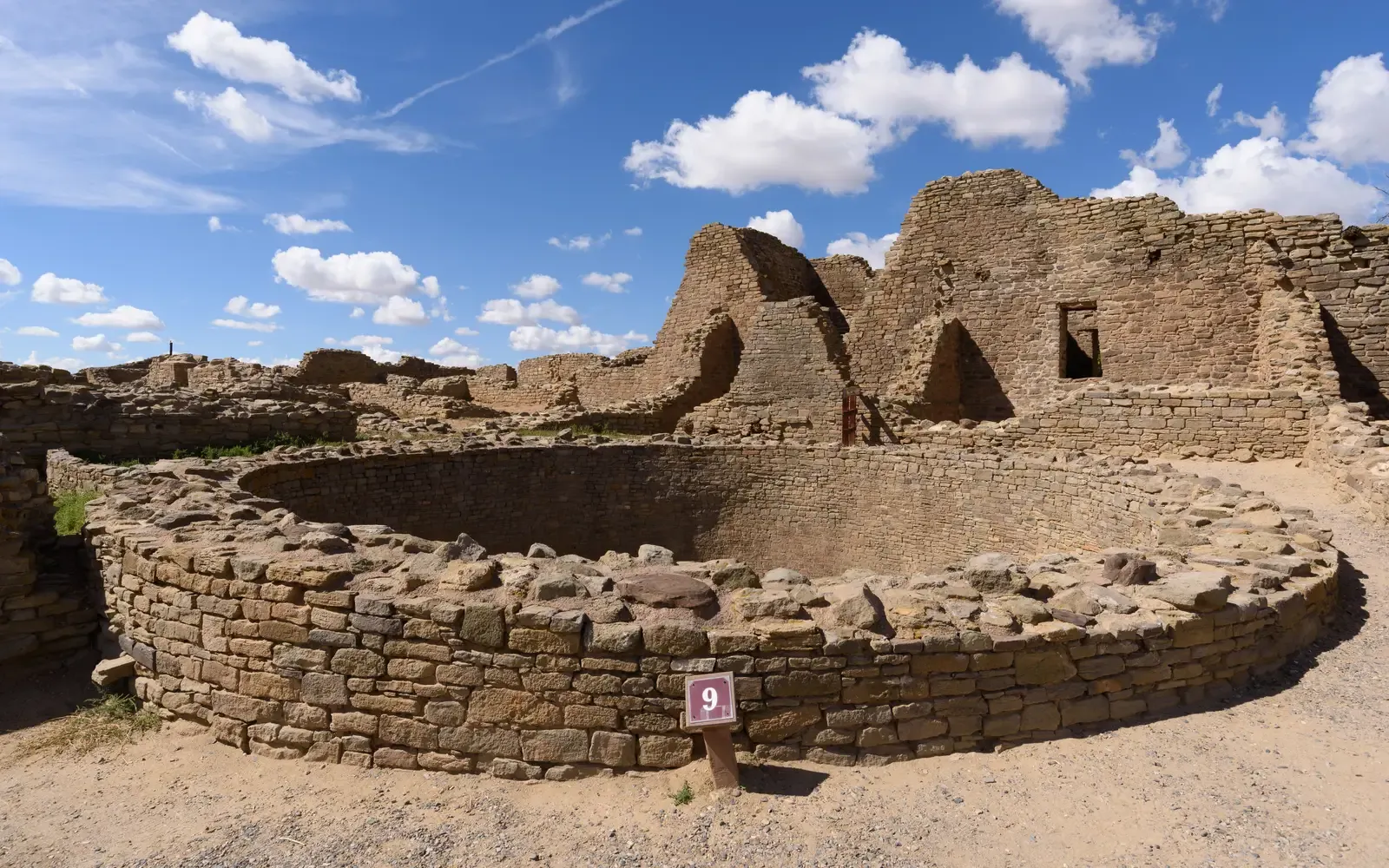
The name is famously misleading. If you wonder why an ancient archaeological site in the Southwest is named Aztec, you are not alone. The site is a misnomer. The people who built this ancient city had nothing to do with the Aztecs. They were the Ancestral Puebloans, members of the same people group that built Chaco and Mesa Verde, and the ancient city is in fact considered an outlier of Chaco. The naming is a historical accident, but the ruins themselves are anything but ordinary.
Construction of the site began in the late 1000s, thriving until the late 1200s before being largely abandoned by 1300 AD due to drought and societal changes. The West Ruin, a standout feature, includes over 400 interconnected rooms with some walls towering up to 30 feet. Excavations have uncovered fascinating artifacts like cotton textiles, fiber sandals, turquoise jewelry, and macaw remains. The Aztec West Great House is a marvel of engineering, built with 900-year-old beams of pine, spruce, and aspen, and its T-shaped doorways and the region’s only reconstructed Great Kiva showcase the architectural ingenuity of the Ancestral Puebloans. It’s breathtaking up close.
6. White Sands National Park, New Mexico
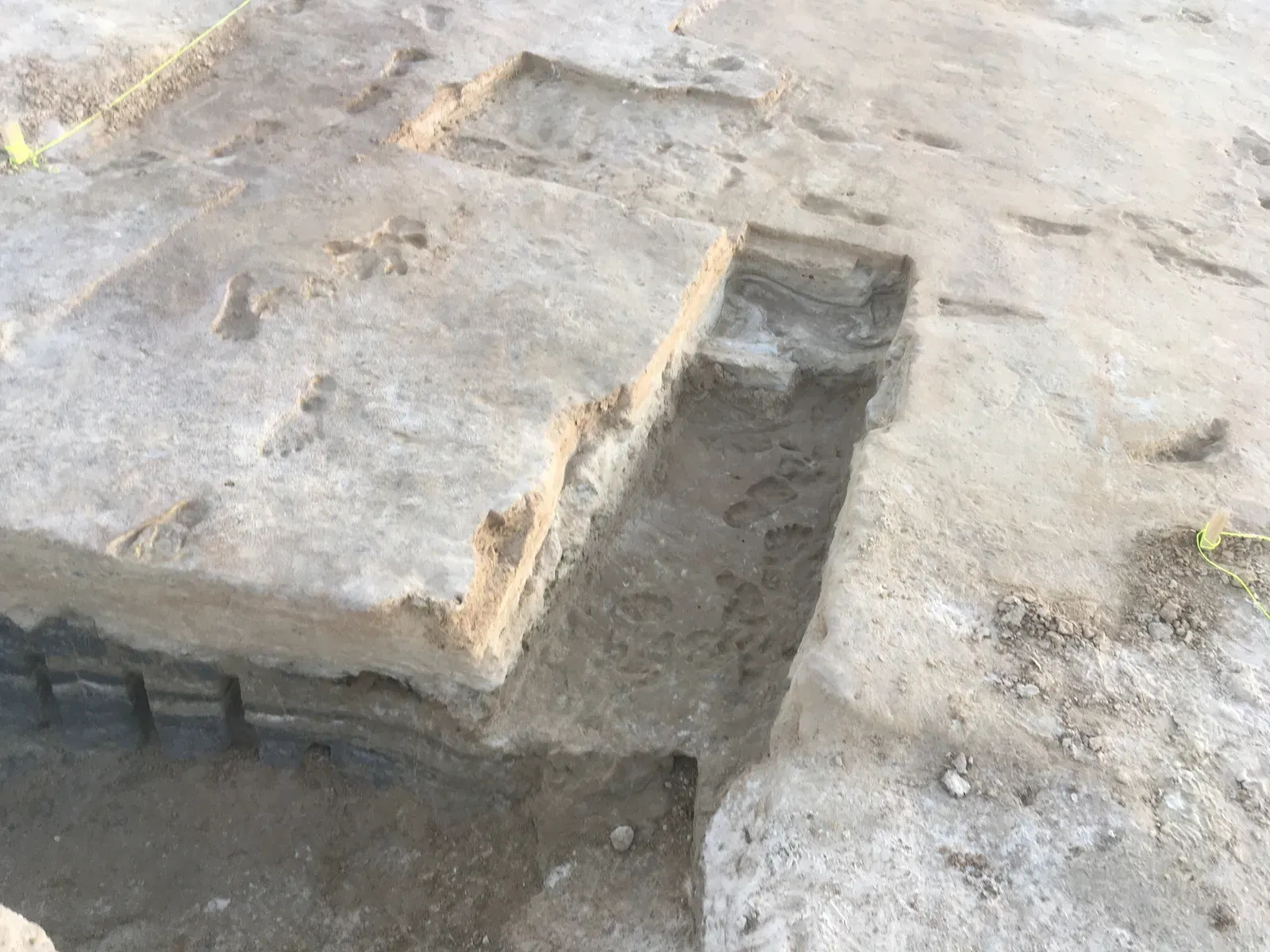
White Sands is best known for its stunning gypsum dunes, blinding white and stretching for miles across the Tularosa Basin. But in late 2020, archaeologists made a discovery that shook the scientific world. White Sands National Park is home to many fossils and fossilized footprints, including those of mammoths and saber-toothed cats dating back up to 30,000 years. Archaeologists made perhaps their most exciting discovery in late 2020 when they unearthed a set of human footprints around the shore of the ancient, now evaporated, Lake Otero. Research revealed them to be 21,000 to 23,000 years old, making them the oldest known human footprints in North America.
Covering around a mile, it’s also the longest track of fossilized human footprints ever discovered. They were made mostly by children and teenagers, including one child under three, and other prints show that these people crossed paths with mammoths and giant sloths. I know it sounds crazy, but you’re essentially looking at the preserved footsteps of Ice Age children playing near a vanished lake while prehistoric giants roamed alongside them. Recent research puts some of these fossilized footprints at between 21,000 and 23,000 years old, and if accurate, the prints would predate other archaeological sites in the US, raising intriguing questions about who these people were and how they arrived.
7. Bandelier National Monument, New Mexico
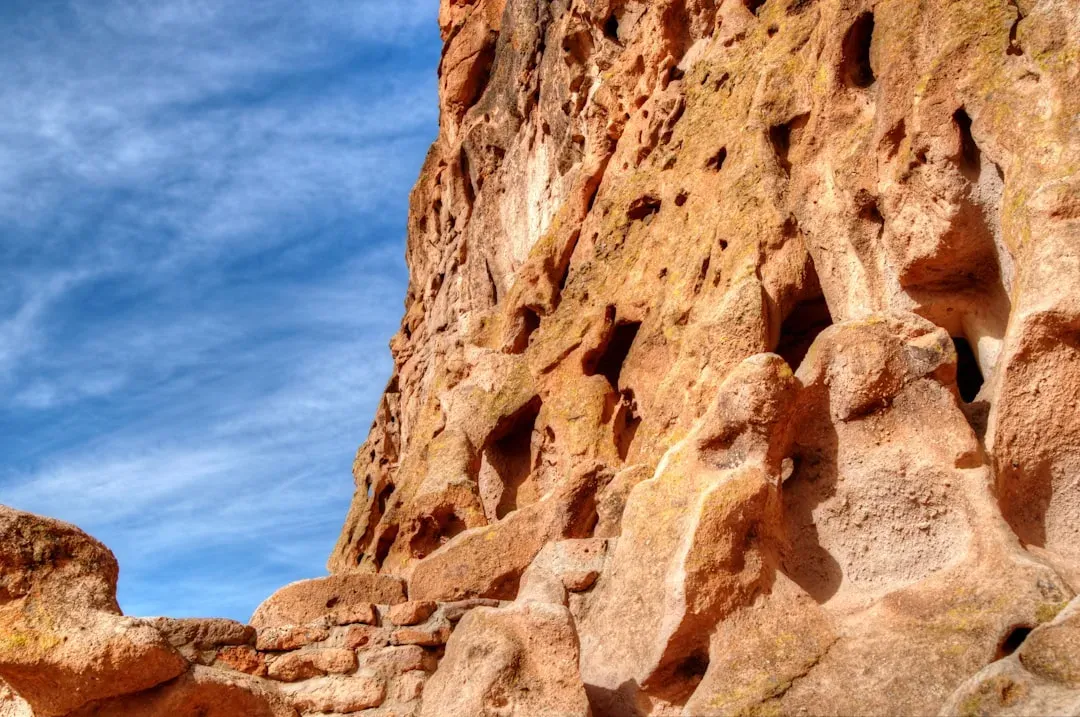
Bandelier is one of those places that sneaks up on you. You walk a relatively gentle trail, and suddenly the canyon walls around you are riddled with carved rooms, faded paintings, and ancient handprints. Bandelier National Monument, located near Los Alamos, New Mexico, is a 33,677-acre site that preserves the homes and territory of the Ancestral Puebloans, who occupied this area from the 12th to the 16th centuries. The monument’s sheer canyon walls contain numerous cave dwellings, petroglyphs, and pictographs from this period, and surface dwellings include the remains of two large villages, Tyuonyi and Tsankawi.
Bandelier’s human history extends back over 11,000 years, when nomadic hunter-gatherers followed migrating wildlife across the land. By 1150 AD, Ancestral Pueblo people began to build more permanent settlements, and by 1550 they had moved from their homes here to pueblos along the Rio Grande. In Frijoles Canyon alone, more than 1,000 carved rooms called cavates were built. The Ancestral Puebloans carved these into naturally occurring openings in the tuff using digging sticks and sharpened stones, and these small rooms generally face south or southeast to stay warm in winter, with niches in the walls used for storage and even sockets for supporting weaving looms. The level of thoughtful daily design here is astonishing.
8. Canyon de Chelly National Monument, Arizona
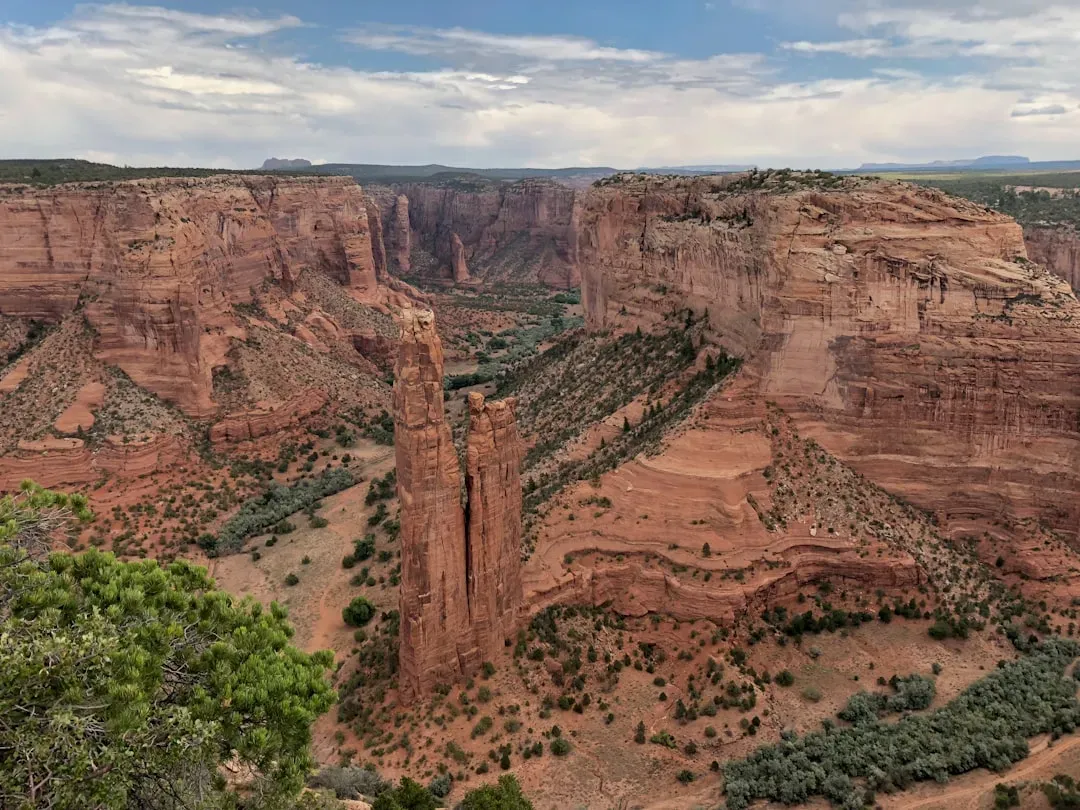
Few park sites in America carry the emotional and cultural weight of Canyon de Chelly. Canyon de Chelly National Monument is an area of rock formations and archaeological sites in northeastern Arizona on the Navajo reservation. The name is a Spanish corruption of tsegi, a Navajo word meaning rock canyons. The monument was established in 1931 and occupies 131 square miles. Lining the canyons are several hundred pre-Columbian cliff dwellings, built at the base of red sandstone cliffs or in caves on the steep canyon walls, and they cover a longer period than any other ruins in the Southwest, dating between 350 and 1300 CE.
Relics of the Basket Maker culture have been found under those of the later Cliff Dweller and Pueblo cultures, meaning the archaeological layers here read almost like a book, each chapter stacked on top of the last. What makes Canyon de Chelly uniquely powerful is that the Navajo Nation still lives within the monument’s boundaries. This isn’t a fossilized past you’re observing behind glass. It’s a living community with thousands of years of unbroken connection to the land. That combination, ancient ruins and living culture, makes it unlike any other archaeological site in the country.
9. Casa Grande Ruins National Monument, Arizona
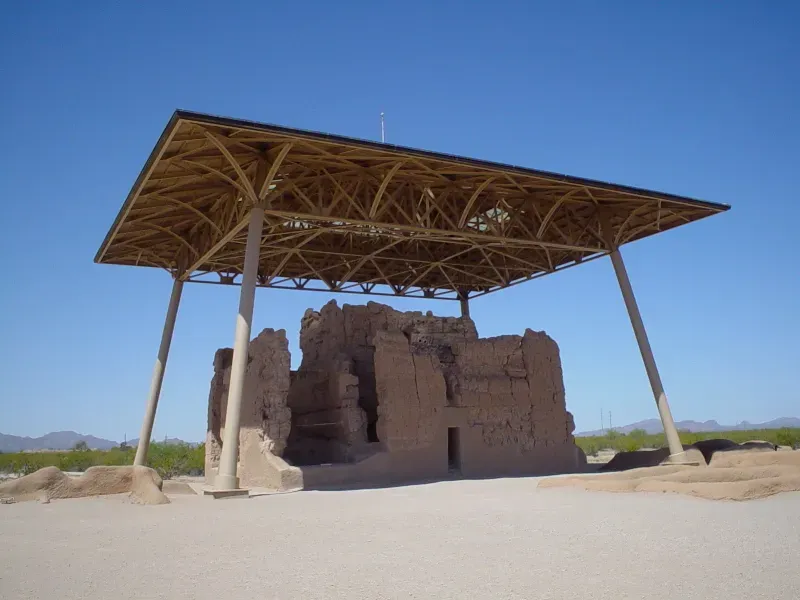
Let’s be real, Casa Grande is one of the most mystifying structures in all of North America. Archaeologists understand some things about Casa Grande in Arizona. They know it was probably constructed in the early 13th century, that the builders used adobe, and that the full complex included several other adobe structures and a ball court once surrounded by a wall. What they don’t know is what the four-story central building was for: a guard tower, a grain silo, a house of worship, or something else entirely.
The site was abandoned nearly half a century before Columbus’s voyage to the Americas, long after the nearby Hopi had moved away, and was too ruined for early Spanish explorers to do their own investigating. Today the main building is under a protective roof built by Civilian Conservation Corps workers in the 1930s, and the full ruins are a federally protected national park, the first prehistoric ruins to become such a park in the United States. Casa Grande became America’s first archaeological reservation in 1892. So when you stand at Casa Grande, you’re not just looking at ancient history. You’re standing at the very birthplace of the American idea that ancient places deserve protection.
10. Hovenweep National Monument, Colorado and Utah
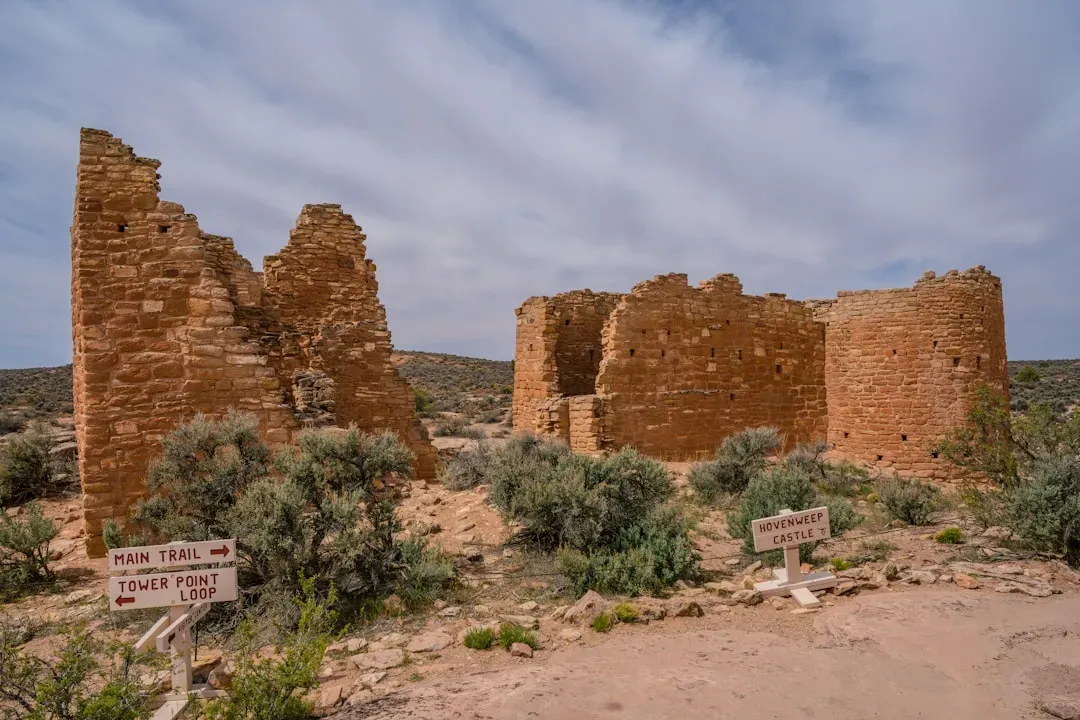
Hovenweep sits on the Colorado-Utah border in Four Corners country, and it has a desolate, almost cinematic beauty that sets it apart from other park sites. If you want to visit ancient ruins in the middle of nowhere without driving on dirt roads, Hovenweep National Monument fits the bill. The word Hovenweep means deserted valley, and that is exactly what you find as you drive to the site on the Colorado-Utah border. The site is actually in both states. Hovenweep features a few tall structures along a small canyon, and the largest, called Hovenweep Castle, sits on the rim comprising a few structures.
Hovenweep National Monument is home to six ancient villages that were built by the Ancestral Puebloans around 1200 AD. The villages feature a variety of structures, including towers, kivas, and dwellings, that are believed to have served as important trading and ceremonial centers. The Square Tower at Hovenweep is a three-story structure showcasing advanced masonry that has survived eight centuries remarkably intact. There’s something especially humbling about Hovenweep. No crowds, no fanfare, just ancient towers rising from canyon rims in a vast, quiet landscape that makes you wonder what kind of extraordinary people once called this lonely desert home.
Conclusion
The United States is filled with places that challenge and expand your sense of history, and these ten park sites do that better than almost anywhere else on earth. From the ghostly cliff dwellings of Mesa Verde to the footprints of Ice Age children frozen in the sand at White Sands, from the mysterious towers of Hovenweep to the monumental earthworks of Poverty Point, you realize that this land has always been a stage for remarkable human stories.
The real gift of visiting these sites isn’t the Instagram photo or the passport stamp. It’s the quiet realization that human creativity, resilience, and the drive to build something meaningful goes back far, far deeper than most of us were ever taught. The archaeological sites within US national parks are far more than ancient artifacts. They serve as vibrant links to the past, showcasing how people thrived in challenging environments, built complex societies, and left behind legacies that endure to this day.
So here’s a question worth sitting with: which of these sites surprised you the most? Drop your thoughts in the comments, because honestly, the conversation these places deserve is long overdue.