Paleontology used to move slowly. Years could pass between major revelations. Then something shifted. Over the last decade, the pace of discovery has exploded to a degree that even professional researchers struggle to keep up. You might think we already know everything about dinosaurs, but honestly, the opposite is true. We are living in what many scientists are openly calling a golden age of dinosaur science.
Around 1,400 dinosaur species are now known from more than 90 countries, with the rate of discovery accelerating in the last two decades. The year 2025 alone saw the identification of 44 new dinosaur species, nearly one a week. Each new bone, each new site, and each new scan is quietly rewriting the family trees we thought were settled. Buckle up, because what paleontologists have found recently is nothing short of jaw-dropping. Let’s dive in.
The Tyrannosaur Family Tree Just Got a Major Rewrite
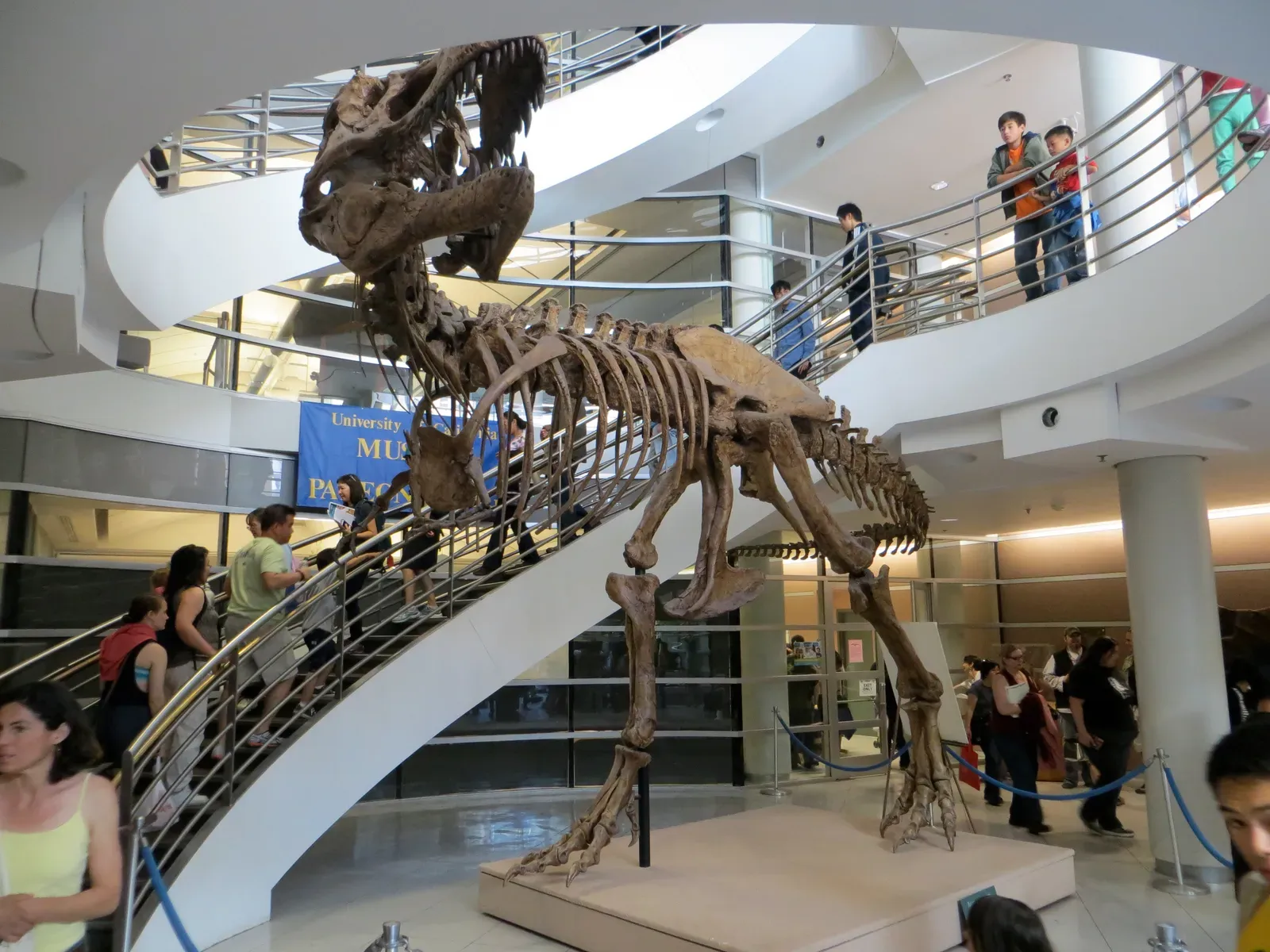
For decades, the tyrannosaur family felt like familiar territory. T. rex sat at the top. Everything else was just a stepping stone. Then, in 2025, everything changed with a fossil find from Mongolia’s Gobi Desert that nobody saw coming. Scientists identified a previously unknown 86 million-year-old dinosaur species that fills an early gap in the fossil record of tyrannosaurs, revealing how they evolved to become massive apex predators. They named it Khankhuuluu mongoliensis, which translates to “dragon prince of Mongolia,” because it was small compared with its much larger relatives such as Tyrannosaurus rex.
Here’s the thing that makes this discovery so significant. Based on a reexamination of two partial skeletons uncovered in Mongolia’s Gobi Desert in 1972 and 1973, the new study suggests that three big migrations between Asia and North America led tyrannosauroids to diversify and eventually reach a gargantuan size in the late Cretaceous Period. Think about that. Fossils collected over 50 years ago were quietly sitting in a museum, waiting to completely reshape our understanding of one of history’s most iconic predator families.
Nanotyrannus: A Separate Species Confirmed at Last
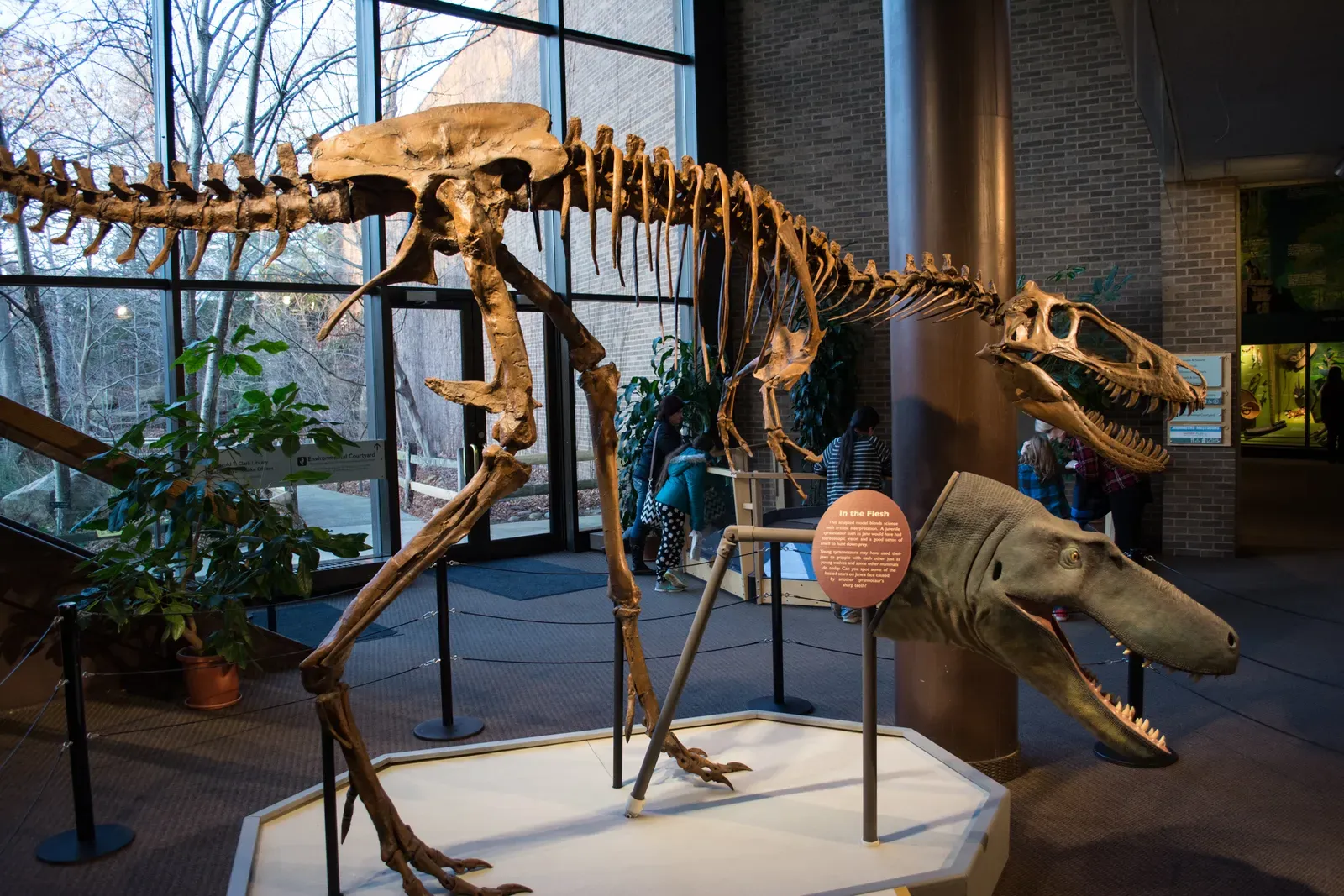
If you’ve been following dinosaur science for any length of time, you’ll know the Nanotyrannus debate has been one of the longest-running arguments in paleontology. Was it its own species, or just a teenage T. rex? The answer, it turns out, is far more thrilling than anyone expected. That tyrannosaur is now confirmed to be a fully grown Nanotyrannus lancensis, not a teenage Tyrannosaurus rex, as many scientists once believed.
The confirmation came from the famous “Dueling Dinosaurs” fossil, a find so well-preserved it reads almost like a prehistoric crime scene. For decades, paleontologists had used Nanotyrannus fossils to model T. rex growth and behavior. New evidence reveals that those studies were based on two entirely different animals, and that multiple tyrannosaur species inhabited the same ecosystems in the final million years before an asteroid impact caused the mass extinction of dinosaurs. I think this is one of those moments that reminds you how much we still don’t know. Decades of research, suddenly, needs a second look.
The “Punk Rock” Ancestor: Spicomellus Rewrites Ankylosaur Origins
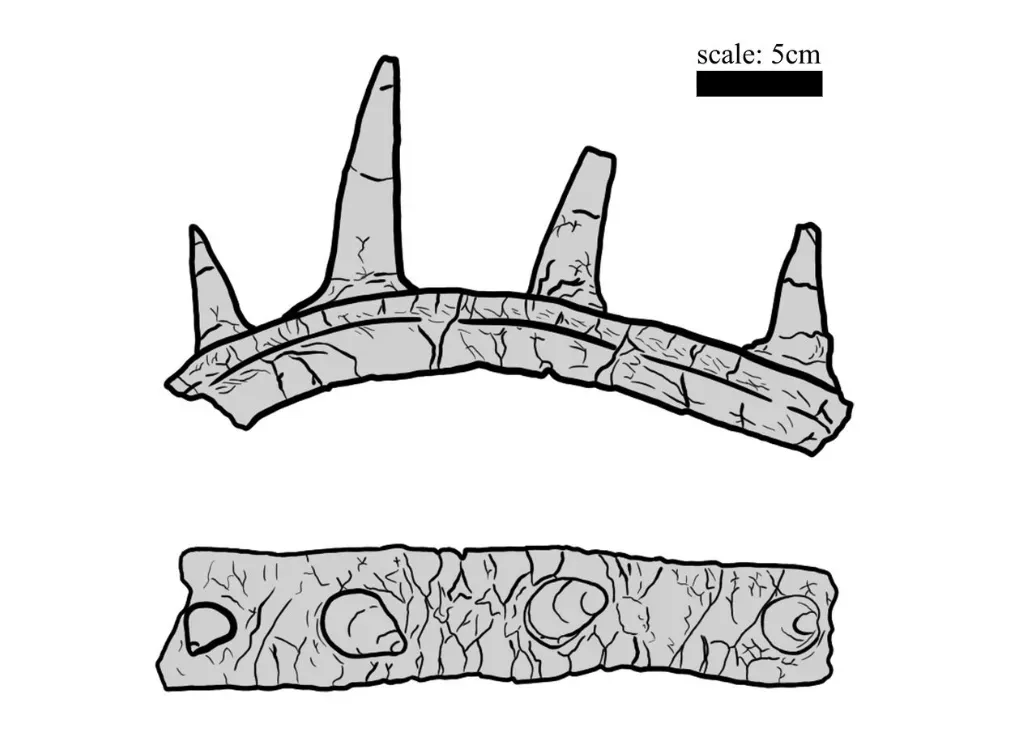
You’d be forgiven for thinking you’d seen every kind of armored dinosaur there is. Ankylosaurs, with their tough shells and club tails, feel like a well-understood group. Then along came Spicomellus. The new fossils show that Spicomellus is the oldest known member of the ankylosaurs, heavily armored, low and squat plant-eaters. Spicomellus is characterized by its bizarre armor, bristling with long spines all over the body, including a bony collar around the neck with spines the length of golf clubs sticking out of it.
What makes this discovery truly wild is where it was found and just how far back it pushes the ankylosaur family line. Spicomellus was named in 2021 based on an incomplete rib from 165-million-year-old rocks in Morocco. It is a rib unlike that in any other animal, alive or extinct, with a series of long spines fused to its surface. Dubbed the “punk rock dinosaur” by the BBC, Spicomellus is changing our understanding of ankylosaur evolution, but also highlighting the importance of the Moroccan fossil record. Honestly, you cannot make this stuff up.
A New Spinosaurus Species Surfaces From the Sahara
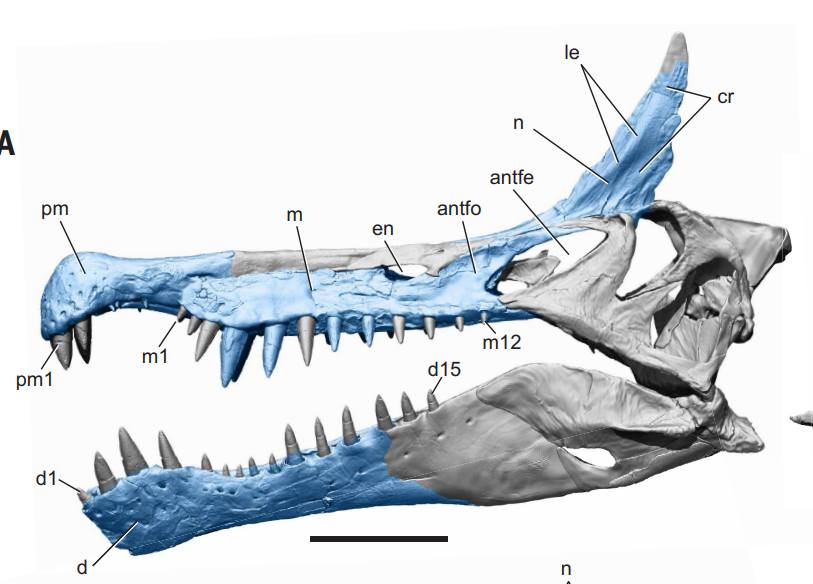
Just when you thought the Spinosaurus story couldn’t get stranger, along comes a bombshell from the deserts of Niger. A fossilized skull and jawbones found in Niger belonged to a creature that had a large, bony crest atop its head and lived some 95 million years ago. Named Spinosaurus mirabilis, it is the first species of Spinosaurus to be identified in more than a century. The findings suggest that the prehistoric creature is a close relative of Spinosaurus aegyptiacus, a giant fish-eating dinosaur with a sail across its back, first described in 1915.
The anatomy of this new species also helps settle a fierce debate about how spinosaurs actually hunted. When researchers compared head, neck and hind-limb proportions of the fossilized bones to an adult blue heron, the similarities suggested that Spinosaurus was adapted for stalking and striking along open shorelines and river edges. The “smoking gun” was that the fossils were found very far inland, suggesting that the creature lived and hunted along river systems and other shallow waterways, rather than the sea. So picture this dinosaur, roughly the size of a bus, wading through a prehistoric river and stabbing at fish with terrifying precision. Nature truly has no limits.
The Hollow-Spiked Dinosaur From China Redefines Dinosaur Skin
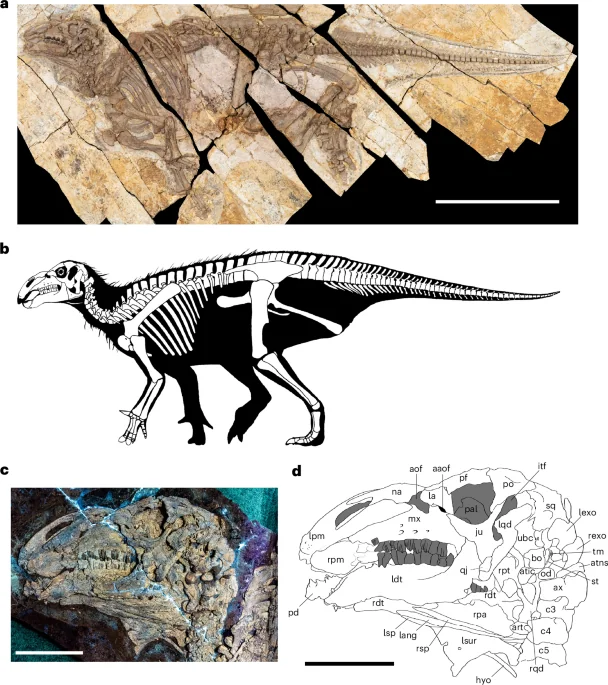
You might assume that after two centuries of digging up iguanodontians, scientists would have a fairly complete picture of what these plant-eaters looked like. You would be very wrong. A 125-million-year-old dinosaur just rewrote what scientists thought they knew about prehistoric life. Scientists in China uncovered an exceptionally preserved juvenile iguanodontian with fossilized skin so detailed that individual cells are still visible. Even more astonishing, the plant-eating dinosaur was covered in hollow, porcupine-like spikes, structures never before documented in any dinosaur.
The technology used to study this fossil is almost as impressive as the fossil itself. Using advanced imaging techniques such as X-ray scanning and high-resolution histological analysis, the team was able to study the fossil at the cellular level. They found that individual skin cells had been preserved for approximately 125 million years. This level of detail allowed scientists to reconstruct the structure of unusual hollow spikes embedded in the skin. This discovery not only adds a new species to the Iguanodontia group, but also reveals that dinosaur skin and body coverings were more varied and innovative than previously understood. It’s a bit like finding out that an animal you’ve studied your entire life was secretly wearing a costume nobody noticed before.
The Dawn of Sauropods and the Surprising Origins of Dome-Headed Dinosaurs
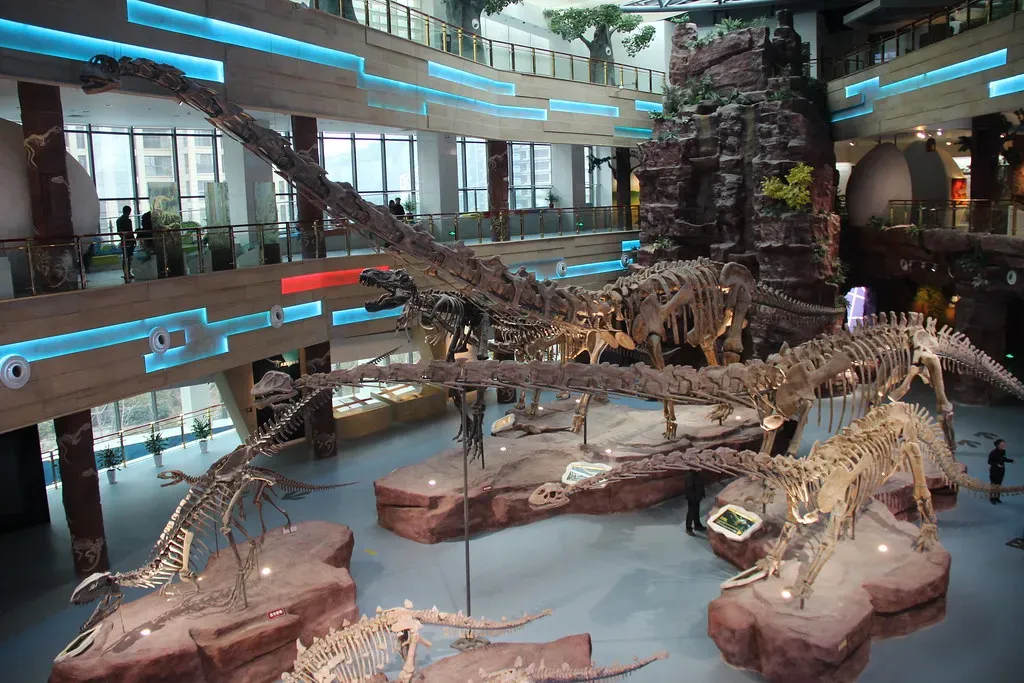
Some of the most exciting finds in recent years are not the giant ones. Sometimes the most important dinosaur is a small one, especially if it turns out to be the oldest of its kind. Important new information on sauropod origins came from the Triassic Period rocks of Argentina. The 2-meter-long Huayracursor was described from 228-million-year-old rocks in the Andes, making it one of the oldest known sauropod ancestors. It has a much longer neck than other species from the dawn of dinosaur evolution, revealing the earliest stages in the evolution of the extreme neck elongation seen in later sauropods.
Then there’s Zavacephale, a discovery that genuinely left experienced paleontologists speechless when it was first shown at academic conferences. The stunning skeleton of this one-metre-long plant-eating dinosaur was discovered in 110-million-year-old rocks in the Gobi Desert of Mongolia. Zavacephale is the oldest known member of the pachycephalosaurs, a group of dinosaurs famed for their domed skulls, probably used to butt heads like today’s bighorn sheep. The group has long been one of the most poorly understood dinosaur families because their fossils are notoriously incomplete. Pachycephalosaurs are bipedal, herbivorous dinosaurs characterized by thick, domed skulls made of solid bone, likely used for combat. They lived during the Late Cretaceous, roughly 85 to 66 million years ago, until Zavacephale pushed that range back to 110 million years. That is a massive leap back in time for an entire family line, and it reshapes the picture of just how long these fascinating creatures were around.
Conclusion: The Past Is Far From Finished Surprising Us
What you should take away from all of this is that the story of dinosaurs is nowhere near complete. Every year, new techniques, new expeditions, and sometimes just a second look at old bones in a museum drawer completely transforms what we thought we knew. With studies of fossilized bones, gut contents, eggshells and more, paleontologists are revealing new and captivating details about the enormous reptiles that once roamed the Earth.
From a “hell heron” wading through Saharan rivers to a spiky little punk in Morocco rewriting the ankylosaur timeline, the last couple of years have been genuinely extraordinary. It’s hard to say for sure what the next big find will look like or where it’ll come from, but the pace of discovery suggests it could arrive any week now. We are living in the golden age of dinosaur paleontology, and the pace is only accelerating. The ground beneath your feet might just be hiding the next chapter in an ancient family story we are only beginning to understand.
So here’s the thought to leave you with: if scientists can still be shocked by what they find after more than 200 years of digging, imagine how much is still out there. What discovery do you think is waiting to be made? Tell us what you think in the comments.