Nature has been running experiments for hundreds of millions of years, and the results are nothing short of jaw-dropping. Long before you existed, before cities, before even the first dinosaur set a clawed foot on soft earth, certain creatures had already figured out how to survive almost anything the planet threw at them. Mass extinctions, shifting continents, catastrophic climate swings. They outlasted it all.
What you’re about to explore isn’t just a list of old animals. It’s a showcase of evolutionary genius. Some of these creatures developed living armor. Others built internal submarines. A few carry a defense system so extraordinary it now saves human lives. Let’s dive in.
1. The Crocodile: An Armored Ambush Machine Frozen in Time
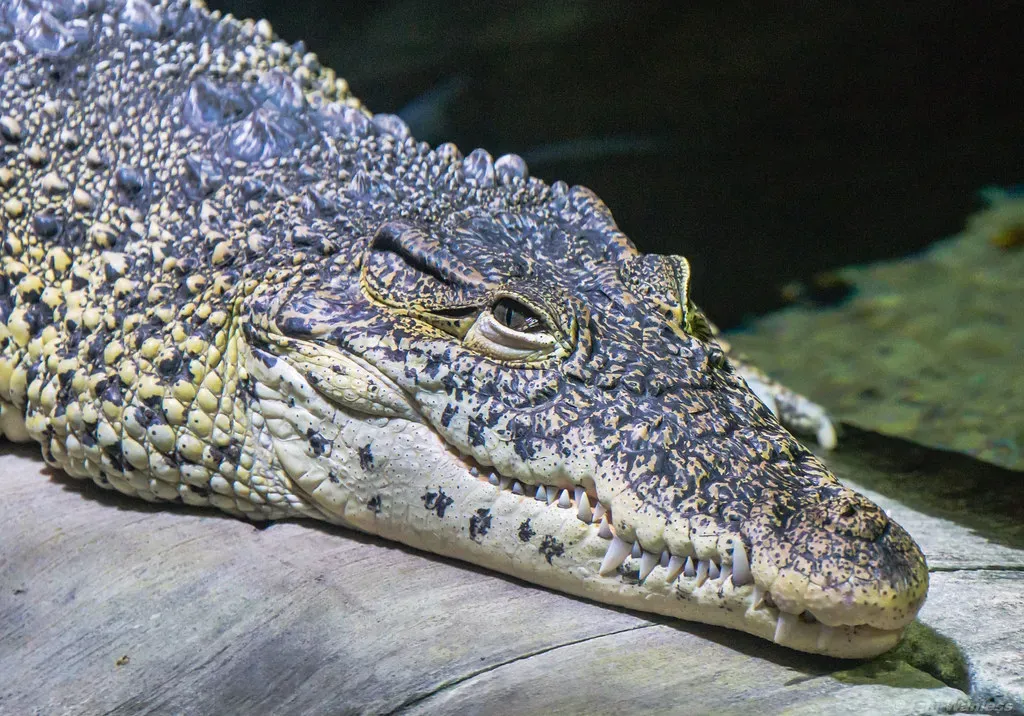
You might think of crocodiles as simply dangerous. Honestly, that’s a bit of an understatement. When you look into the eyes of a crocodile, you’re seeing a gaze honed over 200 million years of survival. These creatures shared the Earth with dinosaurs, yet when the great reptiles vanished, the crocodiles endured. Let that sink in. Entire lineages of massive, dominant animals went extinct, and the crocodile just… stayed.
They are perfect evolutionary designs, with powerful jaws, armored skin, ambush precision, and the patience of eternity. Their physiology has changed remarkably little since the Mesozoic era. They can slow their heart rate, remain underwater for over an hour, and survive long periods without food. Think of them as nature’s most efficient waiting machine, a predator so well-built that evolution had almost nothing left to improve upon.
2. The Shark: Ocean Hunters That Rewrote the Rules of Predation
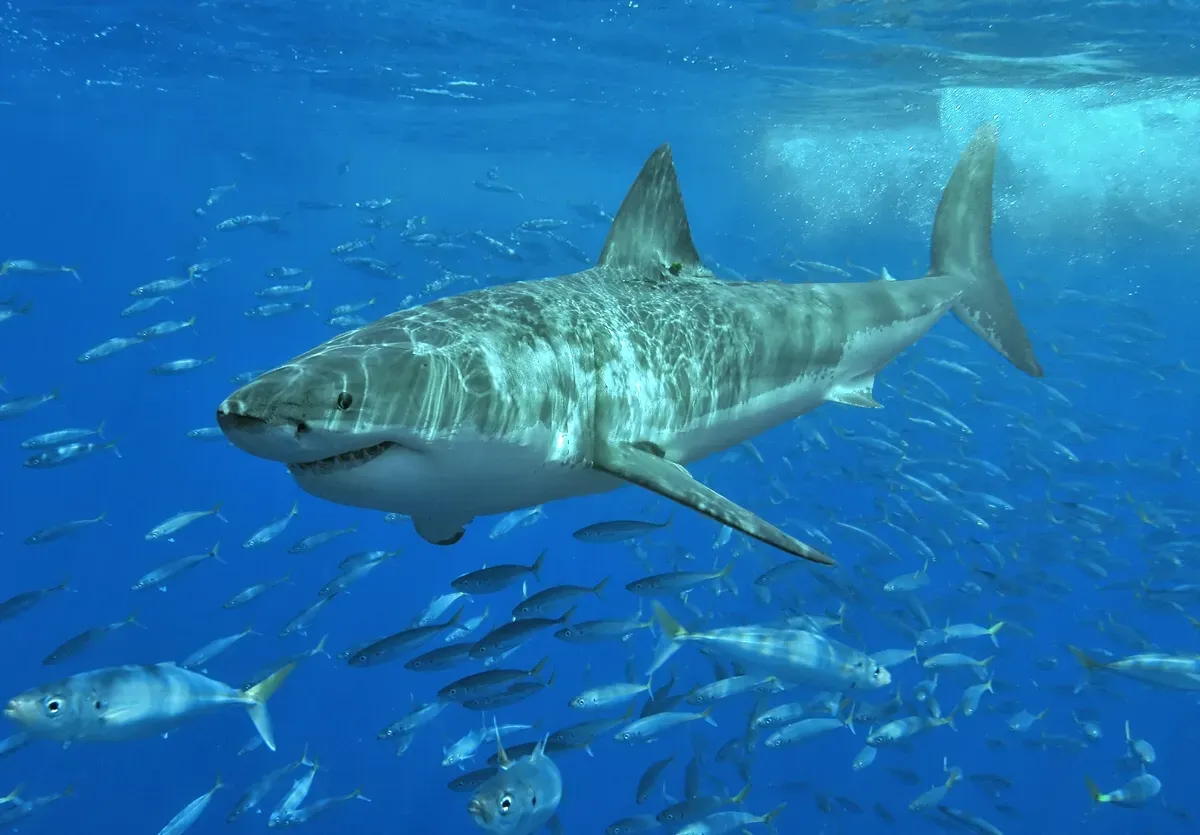
Sharks are the ocean’s oldest hunters, having prowled Earth’s waters for over 420 million years. Long before dinosaurs took their first steps on land, sharks ruled the seas. Fossil evidence shows that early sharks were already sophisticated predators, equipped with sharp teeth and powerful senses. If that doesn’t impress you, consider that they’ve survived every single mass extinction event on record. Every. Single. One.
Sharks have an electro-sensory system that allows them to detect the faintest electric signals from other animals. Their cartilage skeletons make them fast and flexible, while their teeth are endlessly replaced, a conveyor belt of weaponry honed by evolution. Great white sharks possess a highly sensitive electroreception system that allows them to detect the electric fields generated by other living creatures in the water. It’s basically a built-in radar system, and it works whether the prey is hiding, camouflaged, or sitting in near-zero visibility. Remarkable.
3. The Horseshoe Crab: The Blue-Blooded Survivor That Still Saves Your Life
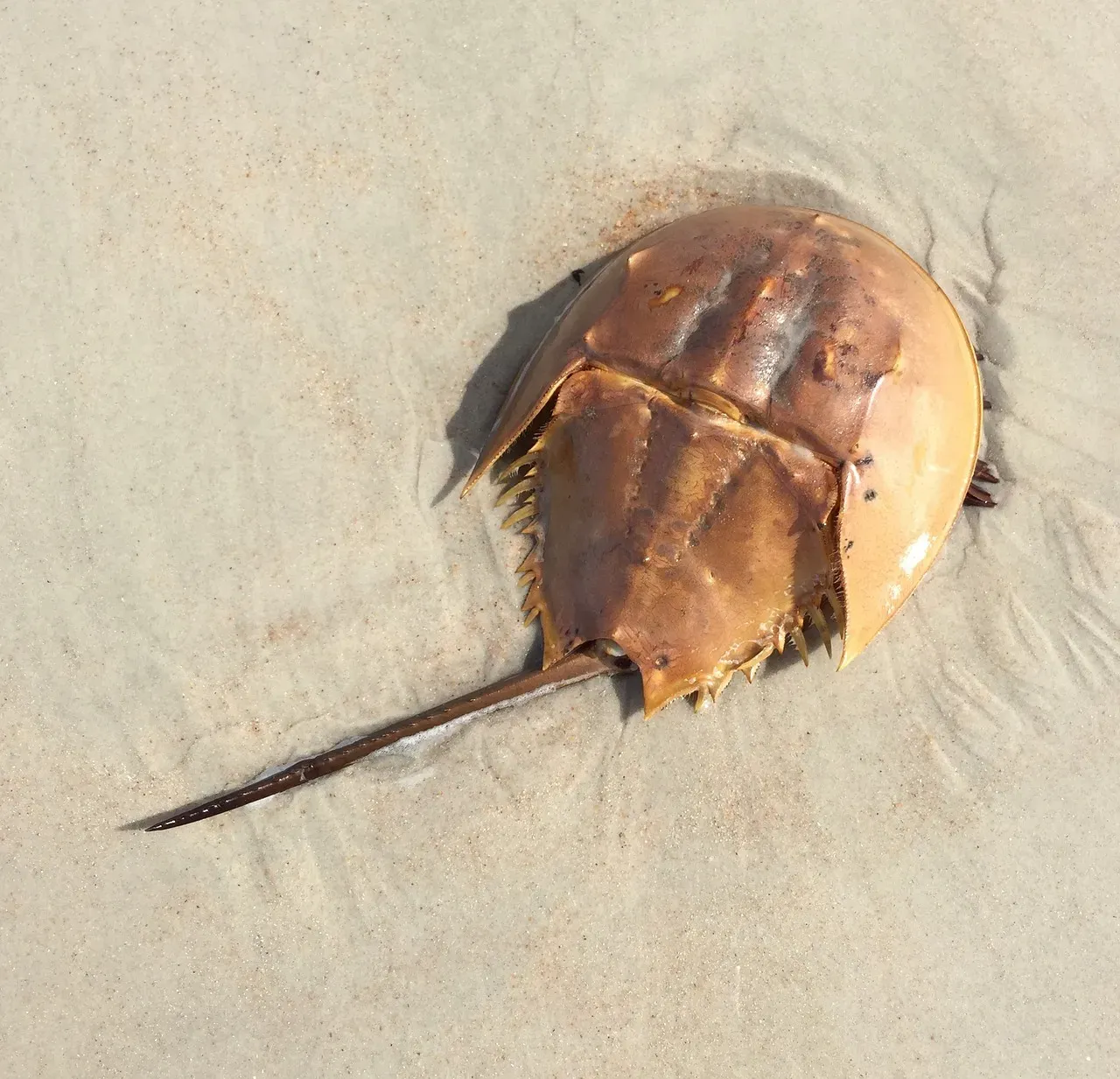
Here’s the thing about horseshoe crabs. You probably haven’t thought about them much, but there’s a genuine chance one has already saved your life. They are one of the oldest existing species and have lived on Earth for approximately 450 million years, surviving five mass extinctions, all while remaining largely unchanged. In fact, they are so old their blood isn’t based on iron like ours, but rather copper, making it bright blue. A creature older than the Amazon rainforest concept, walking around with alien-blue blood.
Horseshoe crab blood contains important immune cells that are exceptionally sensitive to toxic bacteria. When those cells meet invading bacteria, they clot around it and protect the rest of the horseshoe crab’s body from toxins. A protein extracted from these cells is used to check that vaccines aren’t contaminated, meaning that horseshoe crabs have likely saved millions of humans from illness. Think about that the next time you get a vaccine. You might be indebted to a creature that predates the dinosaurs by a couple hundred million years.
4. The Nautilus: Nature’s Living Submarine With a 500-Million-Year Blueprint
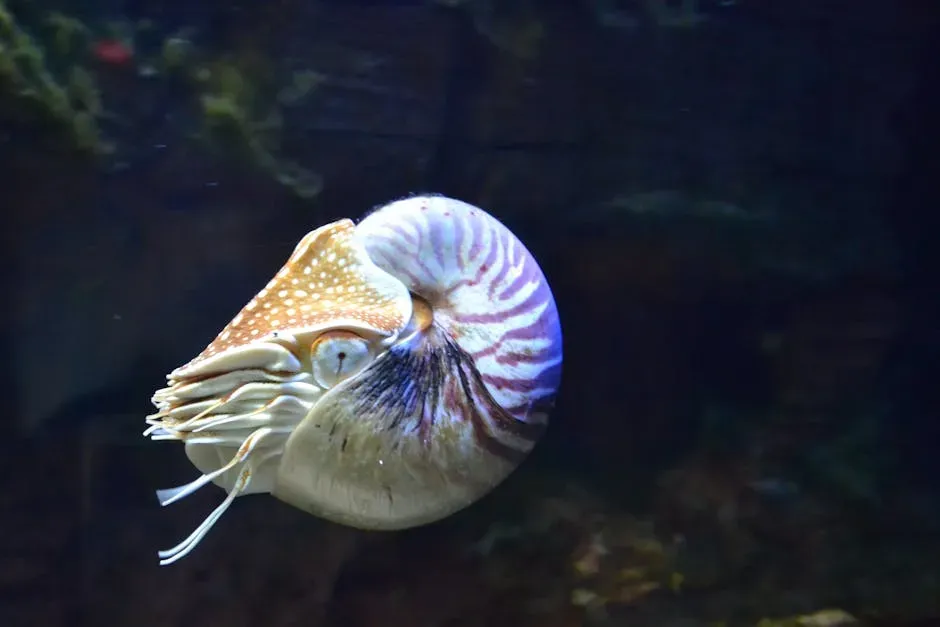
Nautiluses first appeared roughly 500 million years ago. That means these creatures existed long before the dinosaurs and have survived multiple mass extinction events. Despite the passage of hundreds of millions of years, the basic body plan of the nautilus, its shell structure, tentacles, and lifestyle, remains remarkably similar to its ancient ancestors. When a design is that good, you don’t mess with it. It’s basically the Toyota Camry of the prehistoric ocean, except far more elegant.
The nautilus’s shell chambers are vital for the animal’s survival, allowing it to control buoyancy. By regulating the gas and liquid within each chamber, the nautilus can move up and down the water column with ease, a natural submarine perfected over millions of years. These nocturnal deep-sea wanderers glide through the darkness using jet propulsion, controlled by a siphon that expels water in bursts. Unlike octopuses and squids, nautiluses lack ink sacs and rely on their hard shells for protection. It’s hard not to admire a creature that essentially invented submarine engineering half a billion years before humans did.
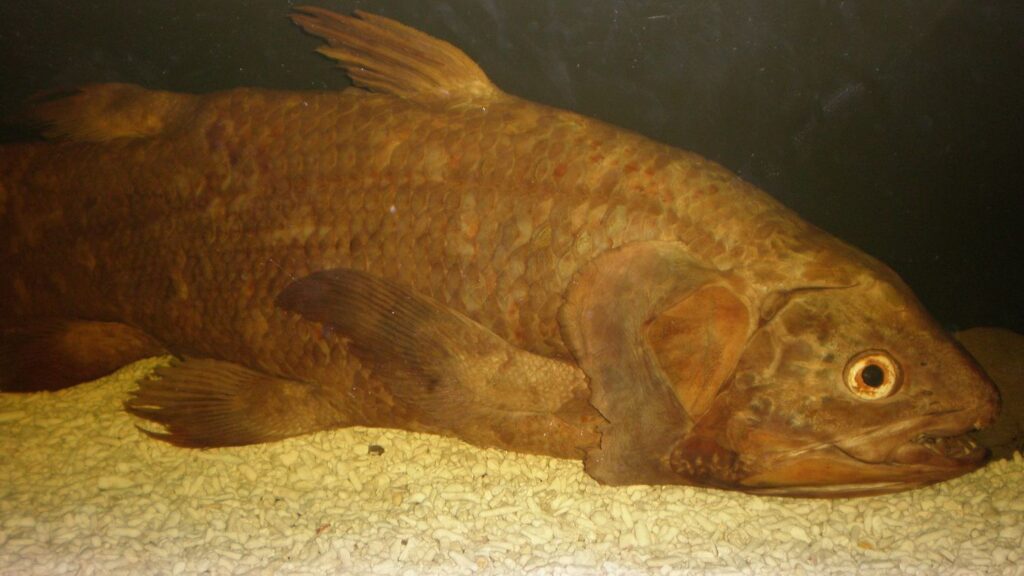
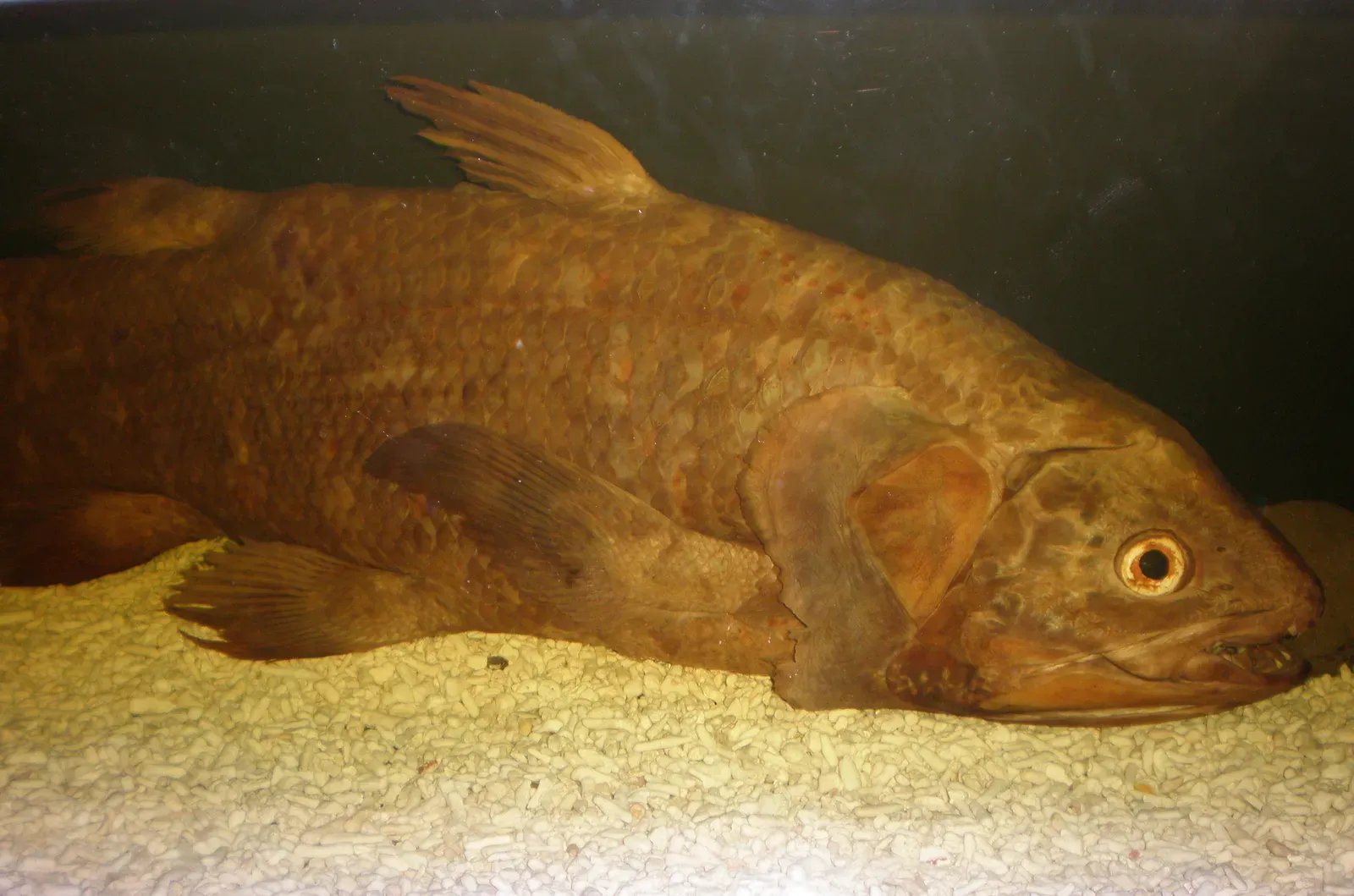
5. The Coelacanth: A Deep-Sea Ghost That Defied Extinction
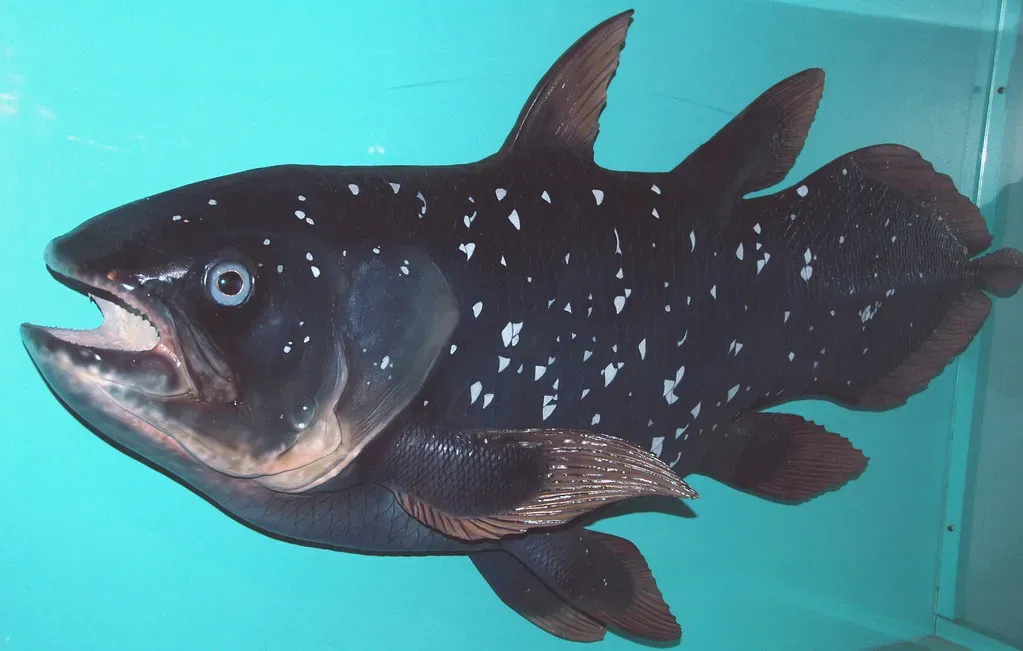
For decades, scientists believed the coelacanth had been extinct for roughly 66 million years. Then, in 1938, a living one turned up in a fisherman’s catch off the coast of South Africa. I know it sounds crazy, but sometimes the most shocking discoveries happen by pure accident. These living fossils, as scientists call them, are the survivors of unimaginable changes, mass extinctions, shifting continents, and climate upheavals spanning hundreds of millions of years. They have witnessed eras rise and fall, oceans form and vanish, and entire species come and go. Yet somehow, through an extraordinary blend of luck, adaptation, and evolutionary perfection, they remain with us today.
What’s even more astounding is their ability to give birth to live young, a rare trait among fish. Today, coelacanths remain critically endangered but protected. Their survival is a miracle, a living echo of Earth’s ancient oceans, a creature that bridges the past and the present in its silent underwater realm. The coelacanth essentially vanished from the fossil record and then reappeared in the flesh, like a ghost walking back into a room where everyone had already held its funeral. Nature’s greatest plot twist.
6. The Velvet Worm: A Slime-Shooting Hunter From the Cambrian Age
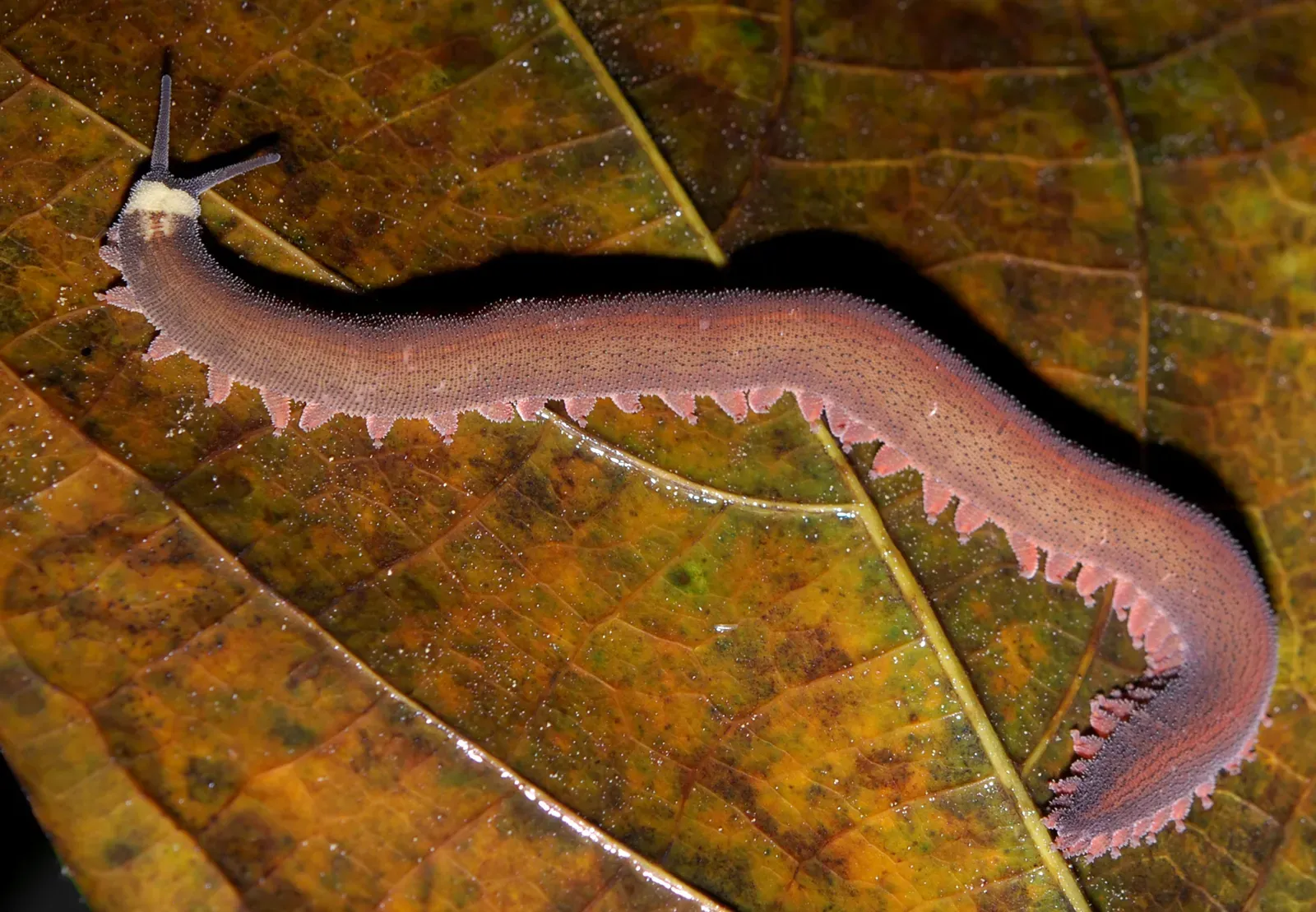
derivative work: B kimmel (talk), CC BY 2.0)
Honestly, velvet worms don’t get nearly enough attention. They look like small, soft caterpillars. Nothing dramatic about the appearance. But their survival story? That’s another matter entirely. Velvet worms have a lineage that traces back over 500 million years and date back to the Cambrian period. These small, caterpillar-like prehistoric animals are known for using slime to capture prey. They predate the dinosaurs by such a colossal stretch of time that it almost stops making logical sense.
Velvet worms have a lineage that traces back over 500 million years. These prehistoric animals still alive today are known for using slime to capture prey. They embody ancient survival strategies still effective in today’s ecosystems. That slime, launched with surprising accuracy at unsuspecting insects, is essentially a biological lasso. It hardens on contact, trapping prey before the velvet worm moves in for the kill. What started as an ancient trick half a billion years ago is still working flawlessly today. Sometimes the simplest strategy is the one that lasts.
7. The Tadpole Shrimp: Masters of Suspended Animation
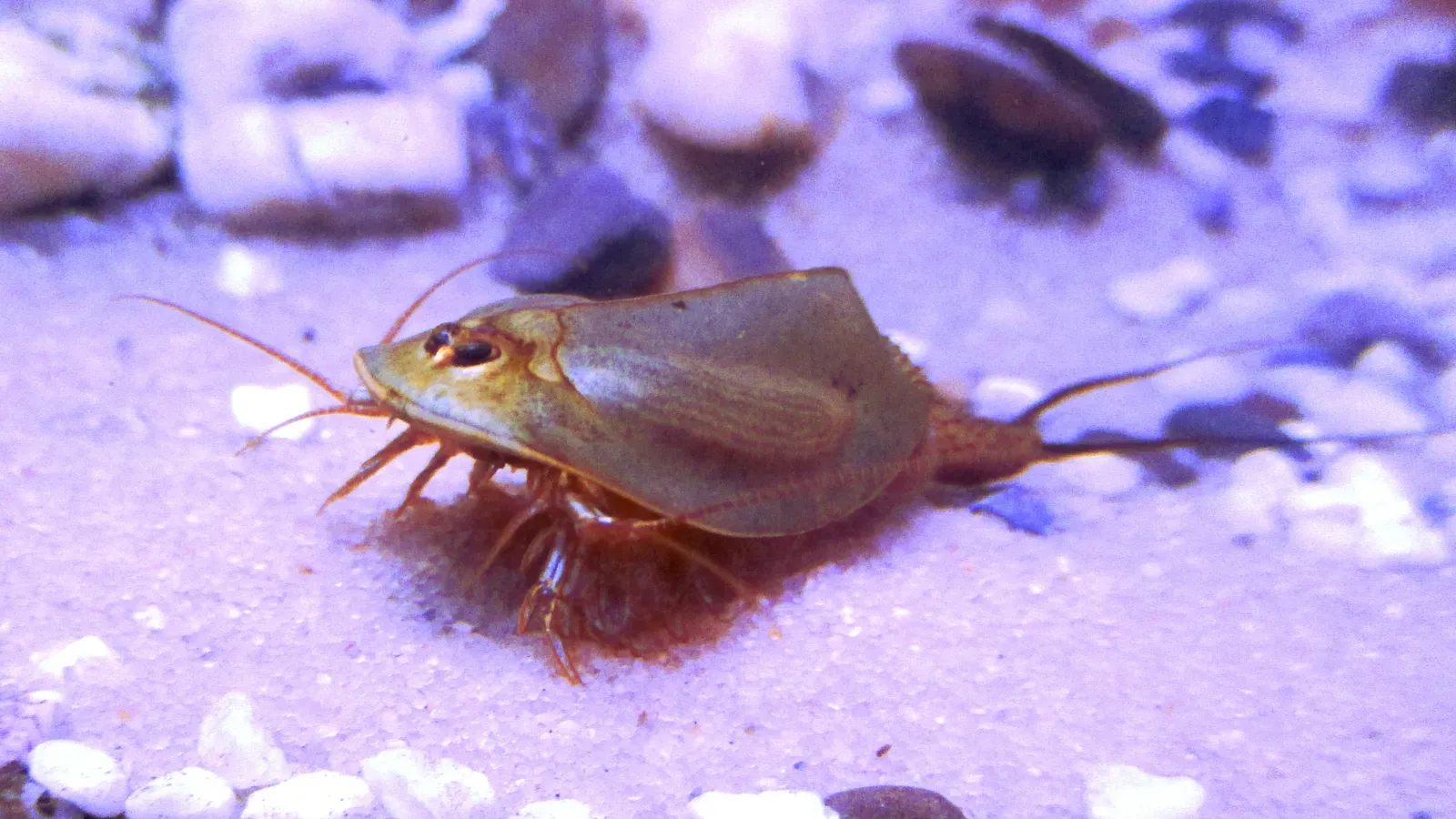
You’d walk right past a tadpole shrimp without a second thought. Small, unassuming, a bit prehistoric-looking. Yet this tiny creature carries one of the most extraordinary survival tricks in the entire animal kingdom. Tadpole shrimps have existed for at least 220 million years and have remarkable survival skills. Their eggs can remain dormant for up to 27 years until the environment is suitable for hatching. Their evolution predates that of dinosaurs. Let’s be real. Waiting 27 years in egg form is not just impressive. It is borderline supernatural.
This ability to essentially pause life, to sit in suspended animation inside a dormant egg until conditions are right, is one of the most sophisticated survival strategies ever developed by any creature on Earth. Animal adaptations are the result of evolutionary processes that enhance an organism’s ability to survive and reproduce in specific environments. These adaptations can manifest as specialized structures, physiological changes, or behaviors that help individuals cope with their surroundings. Over generations, advantageous traits, often arising from mutations, can lead to greater success in reproduction, thereby ensuring the survival of the species through natural selection. In the case of the tadpole shrimp, evolution took this principle to its logical extreme. Why fight the environment when you can simply wait it out?
The Takeaway: Ancient Survivors in a Modern World
What unites these seven creatures is something deeper than just age. These living fossils are the survivors of unimaginable changes, mass extinctions, shifting continents, and climate upheavals spanning hundreds of millions of years. They didn’t survive by luck alone. Each one developed a unique toolkit, whether it’s crocodilian patience, shark electroreception, blue-blooded immunity, submarine-style buoyancy, deep-water stealth, slime-based hunting, or suspended animation. Each strategy is a masterclass in long-term thinking that makes human ingenuity look like it’s still in kindergarten.
The deeper you look at these ancient creatures, the more humbling it becomes. The persistence of these ancient creatures is a testament to the resilience of life on Earth. Over millions of years, they have adapted, survived, and thrived in various environments. Every one of them was here long before you, and with the right protections in place, they may well outlast us too. Which of these survival skills did you find the most jaw-dropping? Tell us in the comments.