Imagine holding a rock in your hand and realizing it was once alive, that it breathed, moved, and died hundreds of millions of years before you were born. That is the staggering reality of fossils. They offer a window into Earth’s history and the evolution of life, documenting the past and providing clues about extinct species, vanished environments, and the processes that shaped our planet.
Some of these ancient remnants didn’t just add a footnote to science. They rewrote entire chapters of it. They forced researchers to reconsider what they thought they knew about evolution, extinction, and the origins of our own species. Get ready to be surprised by how much a single bone, shell, or impression in stone can change the world. Let’s dive in.
1. Archaeopteryx: The Feathered Bombshell That Bridged Dinosaurs and Birds
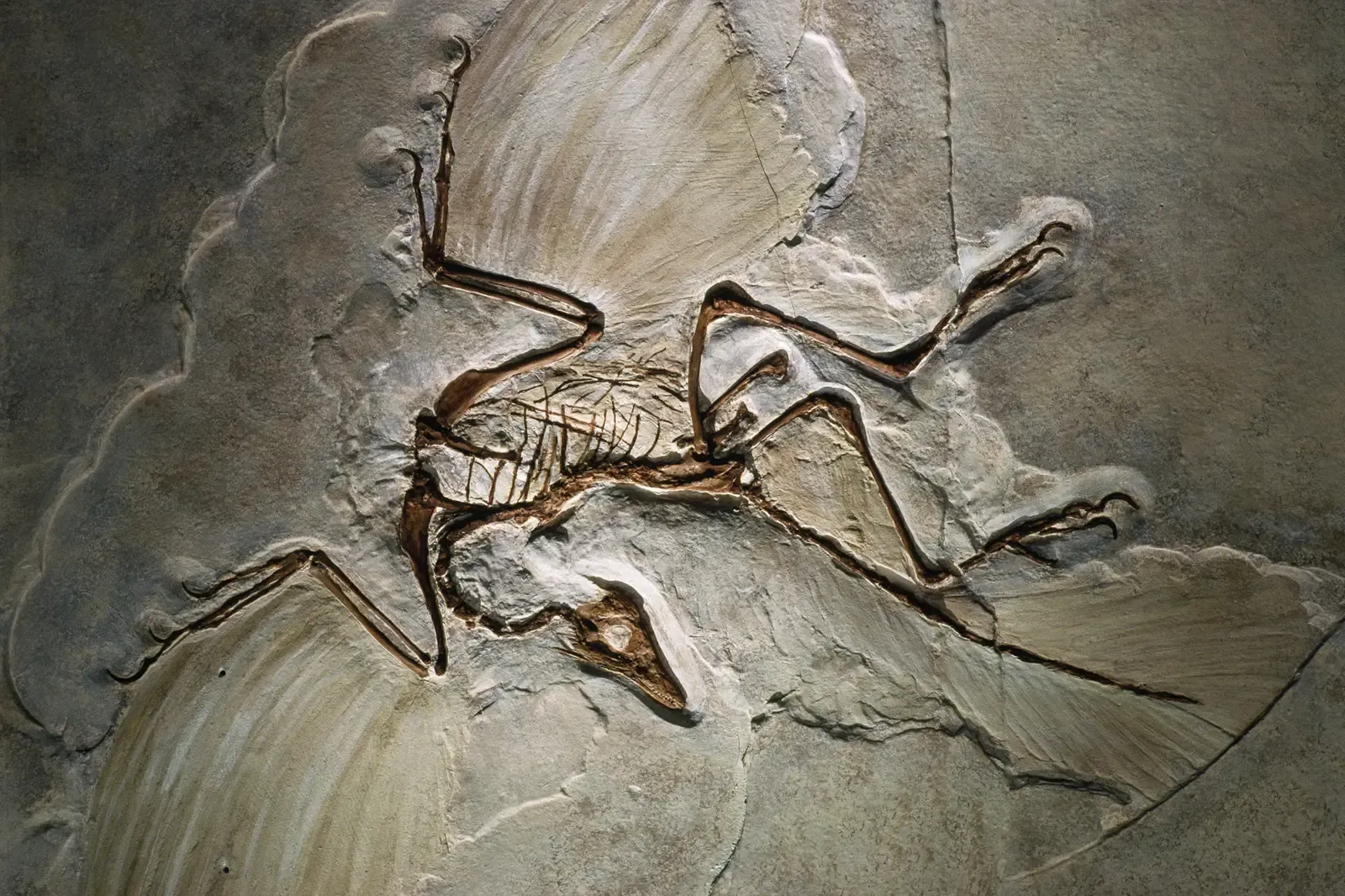
Here’s the thing about Archaeopteryx. You might assume it looks exactly like a bird. It doesn’t. Unlike all living birds, Archaeopteryx had a full set of teeth, a long bony tail, and three claws on the wing. Yet its feathers, wings, and wishbone are all characteristics you’d see in modern birds. It is, in every sense, a creature caught between two worlds.
The type specimen of Archaeopteryx was discovered just two years after Charles Darwin published “On the Origin of Species.” It seemed to confirm Darwin’s theories and has since become a key piece of evidence for the origin of birds, the transitional fossils debate, and the confirmation of evolution itself. Honestly, the timing of that discovery was almost poetic. Archaeopteryx lived in the Late Jurassic around 150 million years ago, in what is now southern Germany, during a time when Europe was an archipelago of islands in a shallow warm tropical sea.
2. Lucy (AL 288-1): The 3.2-Million-Year-Old Ancestor Who Walked Upright
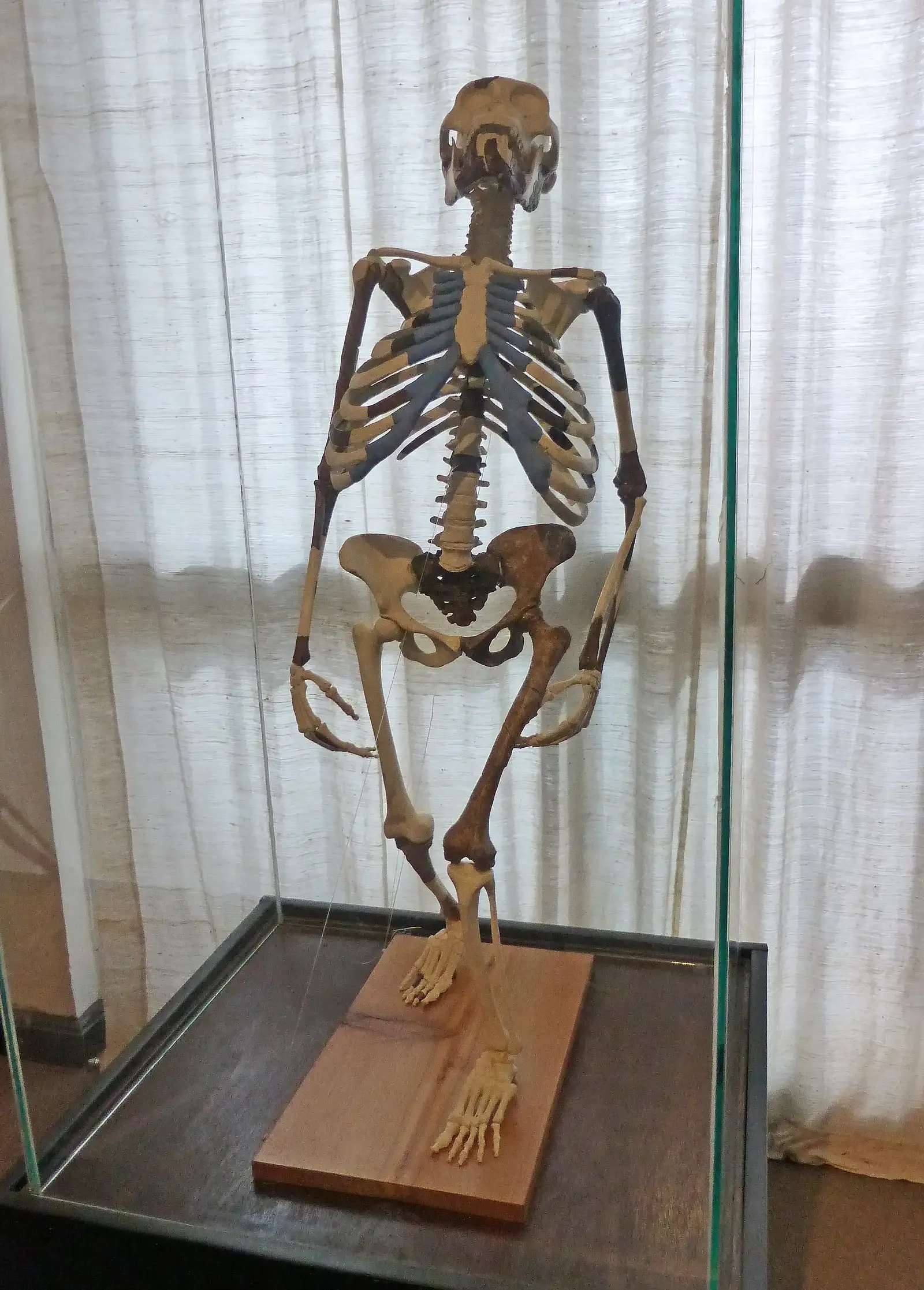
Lucy, also known as “Dinkinesh” in Amharic, was found by Donald Johanson and Tom Gray on November 24, 1974, at the site of Hadar in Ethiopia. When you think about it, the discovery was almost accidental. Johanson suggested taking an alternate route back to the car, and within moments, the bones of one of our earliest known relatives were lying right there in the ground.
The skeleton presents a small skull akin to that of non-hominin apes, plus evidence of a walking-gait that was bipedal and upright, akin to that of humans. This combination supports the view that bipedalism preceded the increase in brain size. That was a radical shake-up of conventional thinking. Today, even older hominins have been discovered going back about 7 million years, but Lucy remains an icon and pivotal in understanding human origins, having confirmed that hominins became bipedal before developing large brains.
3. Tiktaalik: The Fish That Dared to Step Onto Land
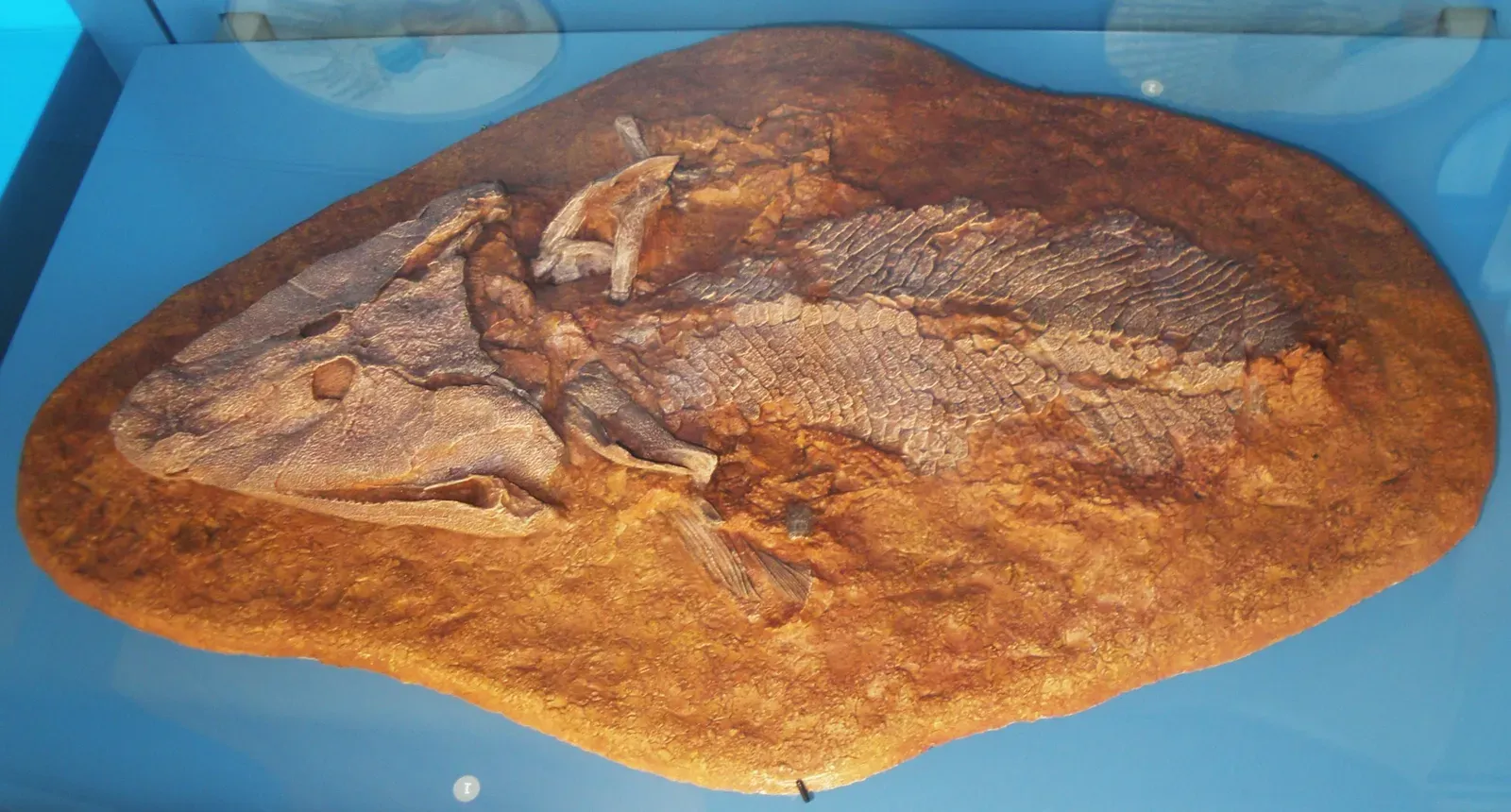
You would not expect a fish to change how you see every land animal on Earth. Tiktaalik is an ancient fish with limb-like fins, suggesting the transition from aquatic to terrestrial life. This 375-million-year-old fossil provides valuable information about the evolution of vertebrates and the emergence of tetrapods. Think of it as nature’s rough draft for walking on land. It’s awkward, fascinating, and incredibly important.
Today, the fossilized remains of Tiktaalik are housed in museums around the world and continue to be studied by paleontologists interested in the evolution of vertebrates. Tiktaalik remains one of the most famous and significant fossil discoveries in recent history. Every time you take a step, there’s a strange sense in which you’re doing something Tiktaalik was just beginning to figure out, roughly 375 million years ago. That thought never gets old.
4. Sue the T. rex: The Giant That Rewrote Dinosaur Biology
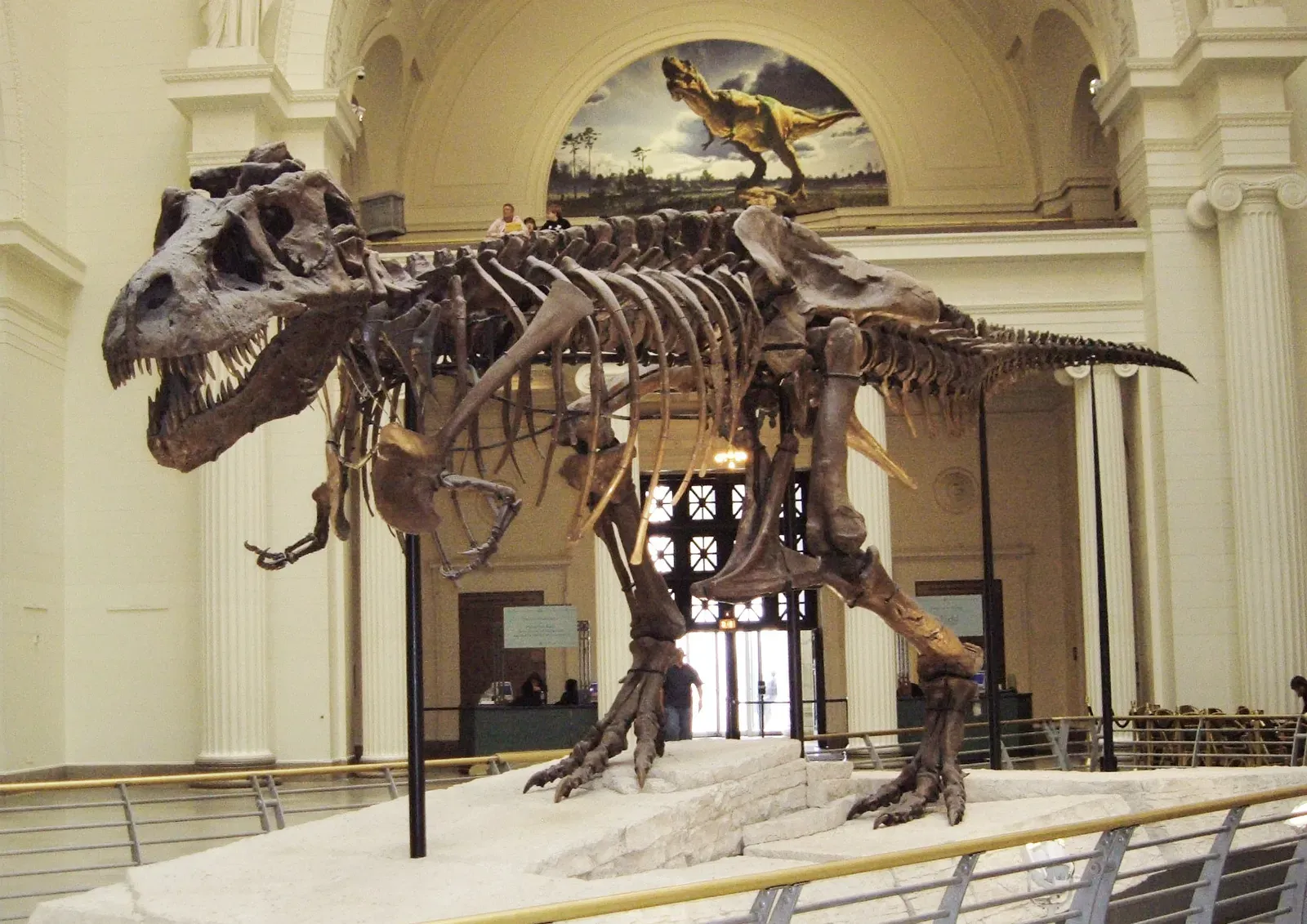
Uploaded by FunkMonk, CC BY-SA 2.0)
Sue, the most complete and well-preserved Tyrannosaurus rex skeleton ever discovered, was unearthed in 1990 by fossil hunter Sue Hendrickson near Faith, South Dakota. This colossal predator, dating back 67 million years, boasts over ninety percent of its skeleton intact, including a five-foot-long skull brimming with sharp teeth. When you stand next to a cast of Sue in a museum, the sheer scale of the animal hits you like a truck.
The discovery of T. rex fossils has provided valuable insights into the biology, behavior, and evolution of dinosaurs. Studies of T. rex bones and teeth have helped scientists better understand its diet and hunting behavior, and shed light on the physiology and biomechanics of large predatory dinosaurs. Most recently, new research has suggested that Tyrannosaurus rex may have taken far longer to grow up than scientists once thought, making Sue’s story one that just keeps growing.
5. The Burgess Shale: A 500-Million-Year-Old Snapshot of Bizarre Life
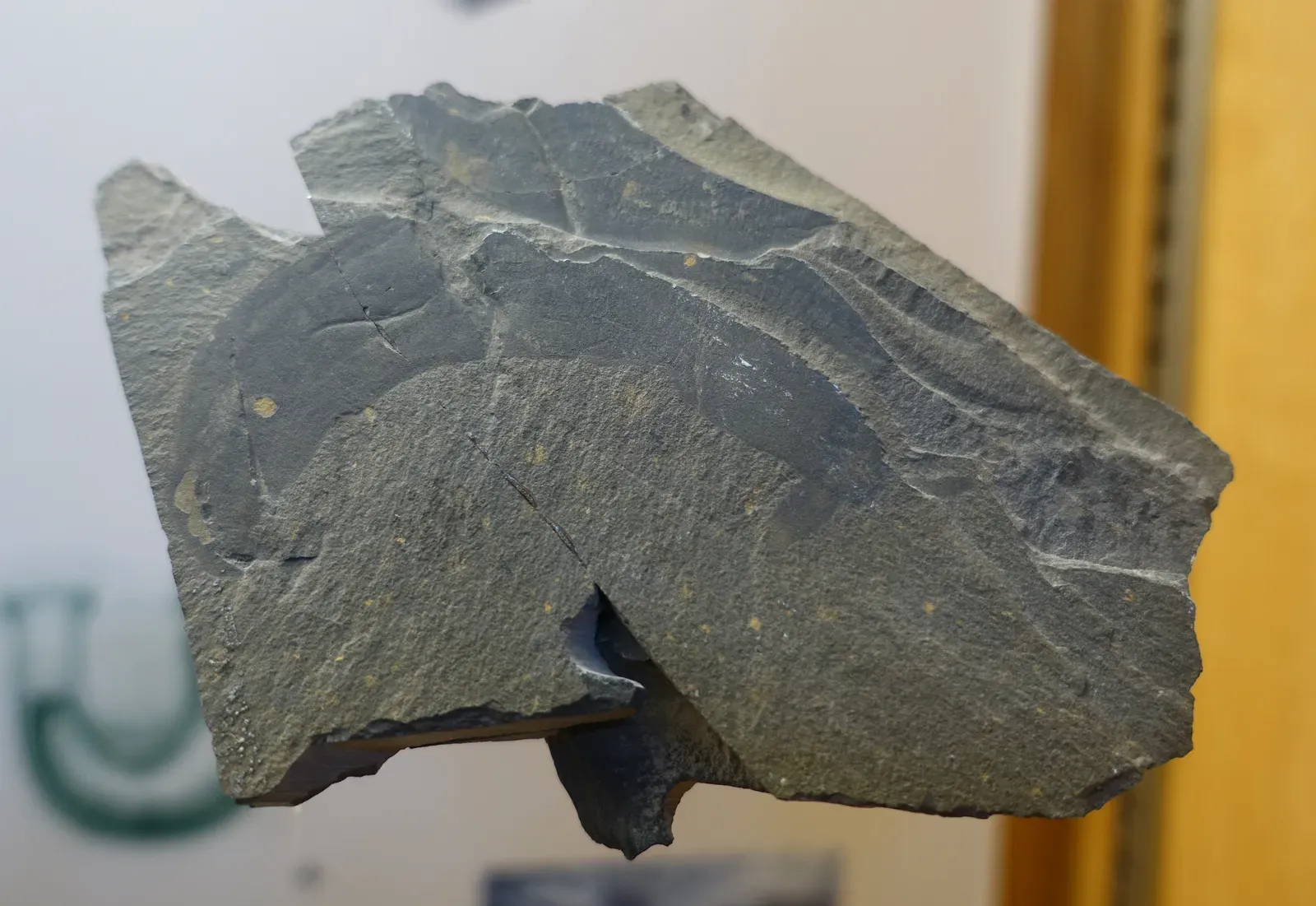
The Burgess Shale fossils provide important insights into the diversity and evolution of life during the Cambrian period, a time when many major groups of animals first appeared in the fossil record. The fossils include a wide variety of creatures including arthropods, mollusks, and chordates, many of which have no living descendants. Some of the most famous organisms include Anomalocaris, Hallucigenia, and Opabinia, which have unusual and sometimes bizarre body plans.
Let’s be real, some of these Cambrian creatures look like they came straight out of a science fiction film. The exceptional preservation of the Burgess Shale fossils is due to unusual conditions including rapid burial by sediment and a lack of oxygen, preventing decay and allowing soft tissues to be preserved. These fossils have played a major role in our understanding of early animal evolution. The Burgess Shale is less a fossil bed and more a time capsule, one that makes you question everything you assumed about what “normal” looked like half a billion years ago.
6. Trilobites: The 270-Million-Year Masters of Ancient Oceans
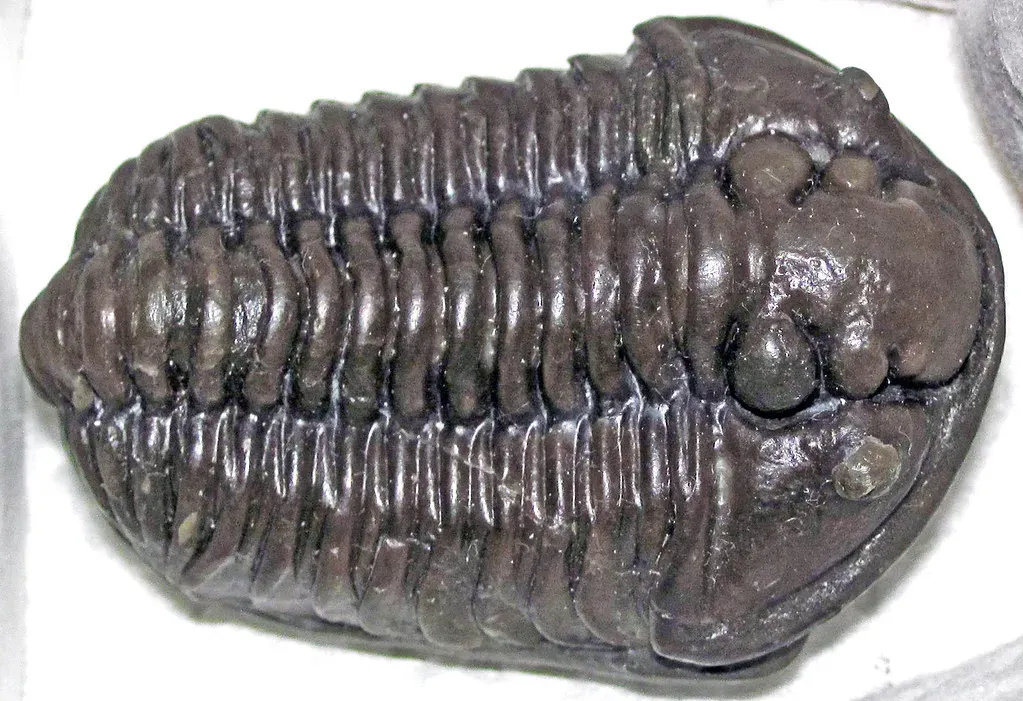
Trilobites, ancient marine arthropods, dominated Earth’s oceans for over 270 million years before going extinct 252 million years ago. Their segmented exoskeletons and compound eyes are iconic features, and their fossils have been found worldwide. Trilobites are crucial for understanding the Cambrian Explosion, a period of rapid evolutionary diversification. That’s a run of dominance that makes the entire existence of modern humans feel embarrassingly brief.
One of the most fascinating aspects of trilobites is their adaptability. They evolved into thousands of species and occupied diverse ecological niches. Their fossilized tracks and burrows even provide insights into their behavior. Scientists essentially use trilobites as index fossils, meaning you can use them to date rock layers across different continents. They are the geologic clock of the ancient sea. That’s a legacy worth something.
7. The Coelacanth: The Living Fossil That Refused to Die
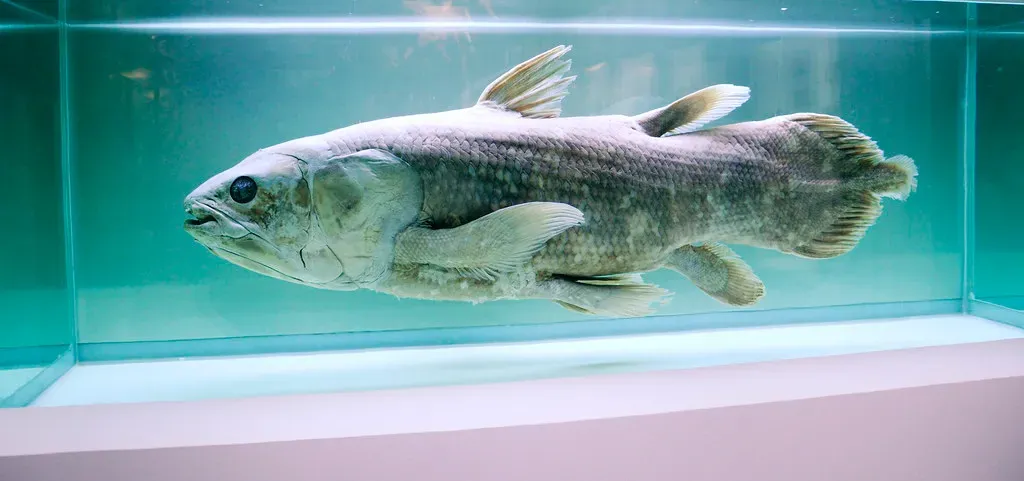
Imagine being declared extinct for 66 million years and then casually showing up alive. The coelacanth is a lobe-finned fish that was thought to be extinct for millions of years until a living specimen was discovered in 1938. Fossils of coelacanths help scientists understand the evolution of fish and the transition to tetrapods. A museum curator named Marjorie Courtenay-Latimer recognized the coelacanth’s importance when a local fisherman brought it to her. Its anatomy, including limb-like fins, offered insights into the evolutionary transition from sea to land.
The discovery of living coelacanths has provided important insights into the evolution and diversity of fish, as well as the mechanisms of evolution and the history of life on Earth. The coelacanth is considered a “missing link” between fish and tetrapods, four-limbed vertebrates, and has played a significant role in our understanding of vertebrate evolution. It’s hard to say for sure what other “extinct” creatures might still be lurking in the deep ocean. The coelacanth makes you wonder.
8. Precambrian Microfossils: The Tiny Pioneers That Shaped Our Atmosphere
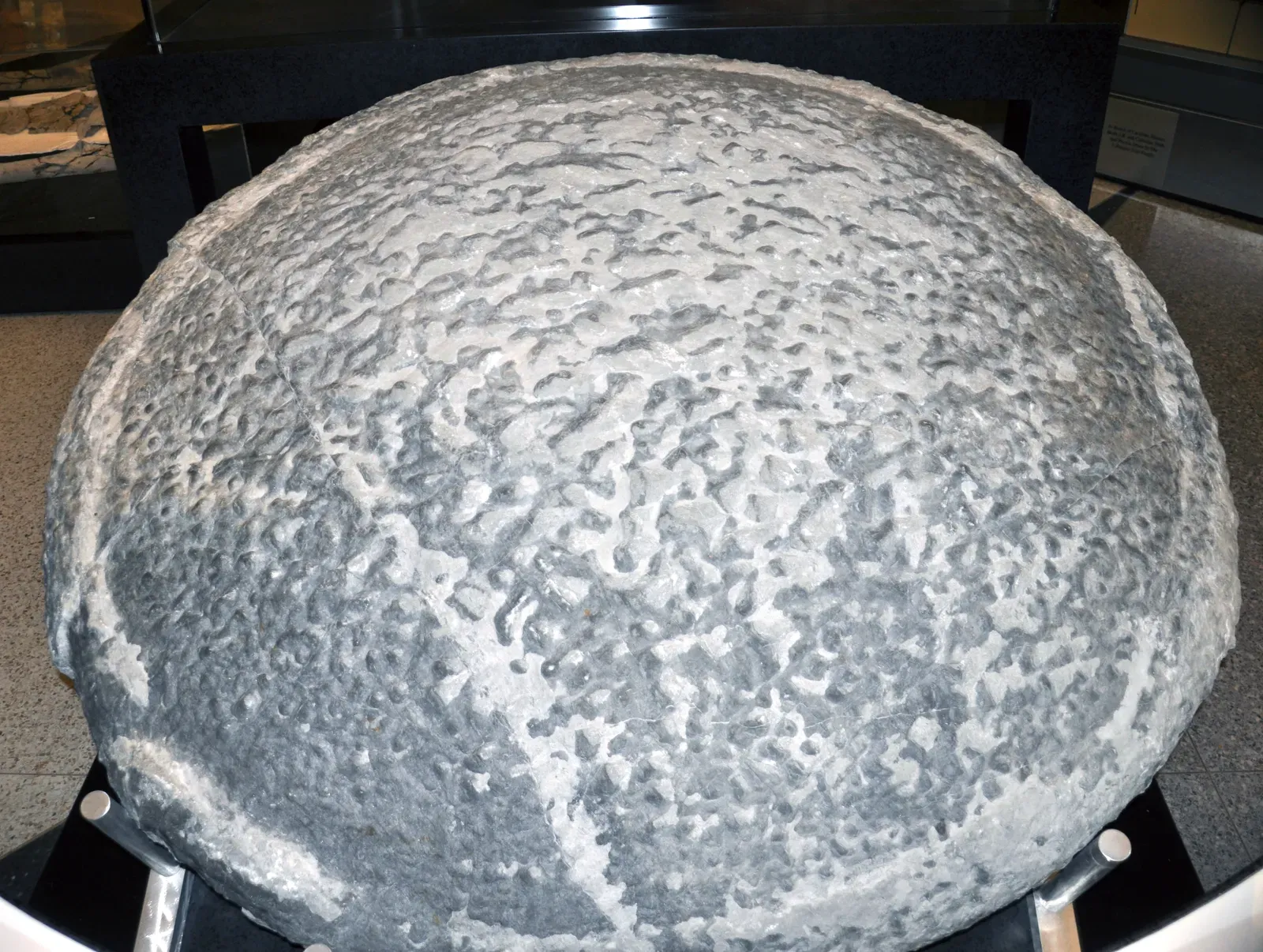
You’d never guess it by looking at them, but the most world-altering fossils ever found are almost invisible to the naked eye. Precambrian microfossils showed us that life on Earth started much earlier than we thought. While complex animals emerged only 500 to 600 million years ago, these microscopic organisms were living billions of years before that. They are the original architects of a livable planet.
They revealed the origin of the oxygen atmosphere. Cyanobacteria fossils showed that oxygen didn’t exist naturally on Earth and was produced by living things over billions of years. They explained why complex life emerged so late. For billions of years, Earth was dominated only by single-celled organisms. That’s the kind of discovery that puts everything else into perspective. Without those microscopic beings, you would not be reading this right now. Not even close.
9. Maiasaura: The Dinosaur That Proved Some Dinos Were Caring Parents
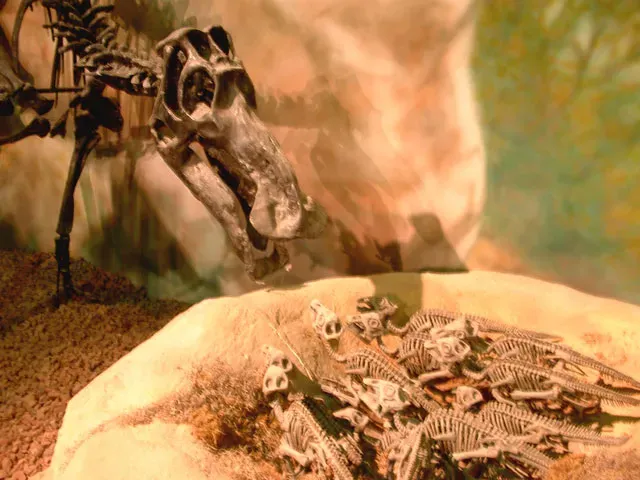
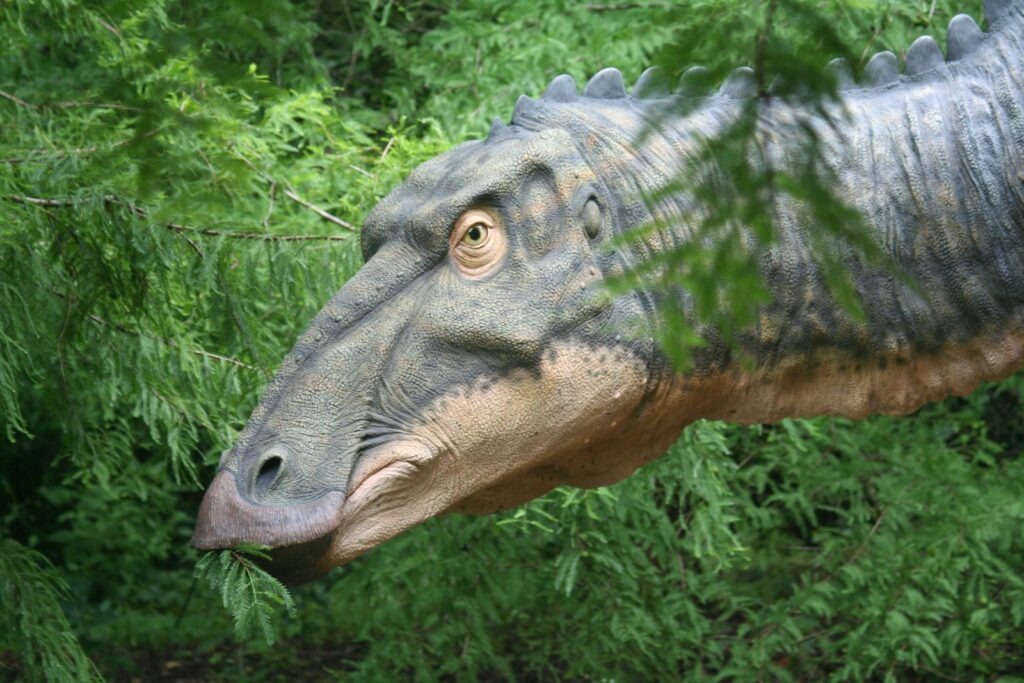
For decades, dinosaurs were pictured as solitary, cold-blooded killing machines or lumbering plant eaters with no social grace. Maiasaura obliterated that image entirely. The Maiasaura fossils were found in a large nesting colony in Montana in 1978, with eggs, embryos, and young animals all discovered inside nests. This provided evidence for the first time that some giant dinosaurs raised and fed their young in the nest.
The idea of dinosaurs building nests and feeding their young emerged from such fossils, showing that dinosaurs were creatures with complex behavioral traits. The name Maiasaura actually means “good mother lizard” in Greek, which is a beautiful tribute to what this fossil revealed. It forced a complete rethink of dinosaur behavior, one that is still reshaping how scientists understand the social lives of these ancient giants today.
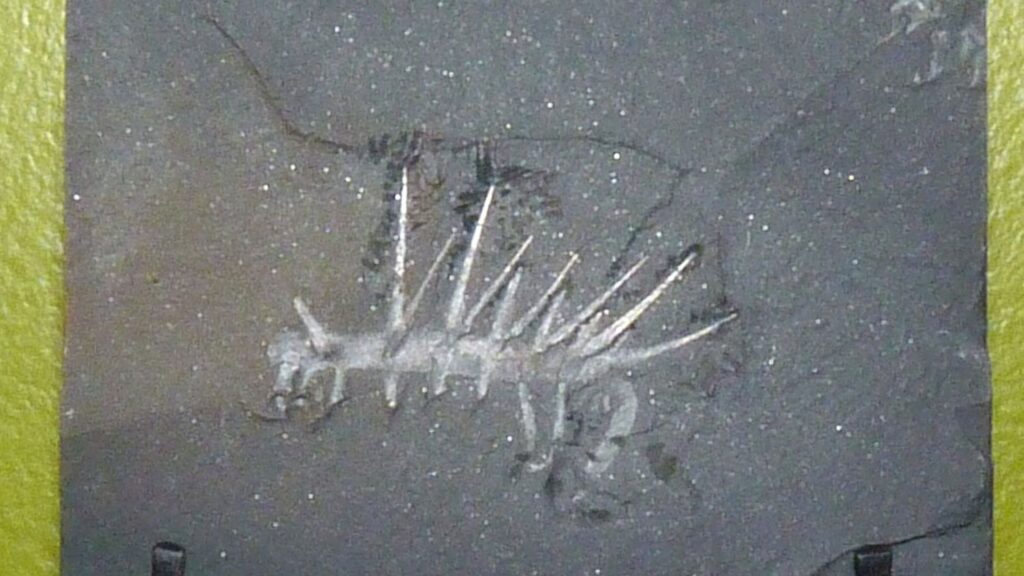
10. Hallucigenia: The Cambrian Enigma That Rewrote Early Animal Evolution
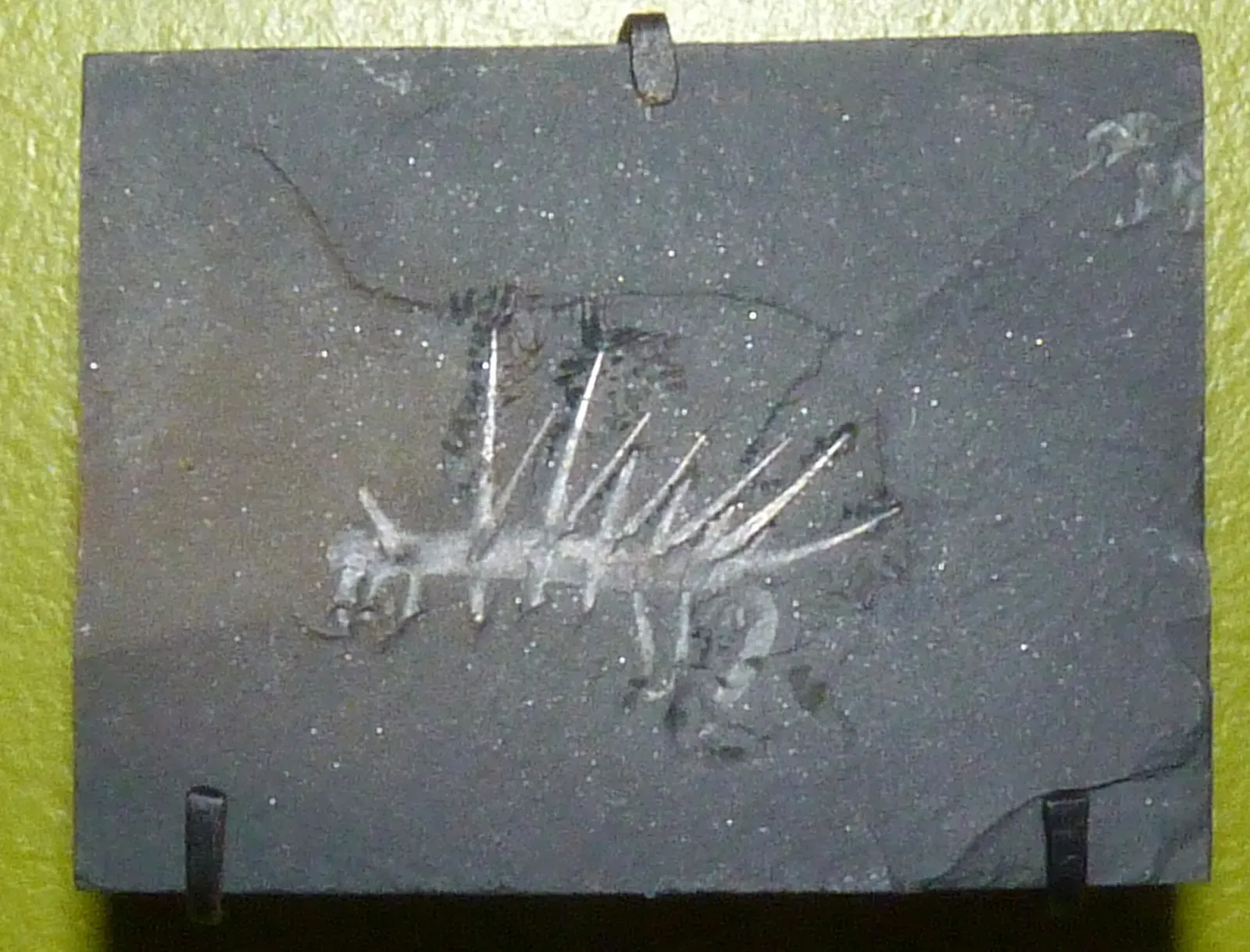
The name alone should tell you everything. Hallucigenia was so bizarre and confusing when first studied that scientists initially reconstructed it upside down. Hallucigenia’s story represents how fossil interpretations can dramatically change with new evidence, revolutionizing our understanding of early animal evolution. Modern analysis has revealed that this once-perplexing creature belongs to the group Onychophora, or velvet worms, making it a crucial link in understanding the early evolution of arthropods and related groups.
The reinterpretation of Hallucigenia illustrates how seemingly bizarre Cambrian creatures can actually inform our understanding of modern animal relationships. This fossil demonstrates that the Cambrian period wasn’t just characterized by the appearance of major animal groups we recognize today, but also by unique experimental body plans that push the boundaries of what we thought possible in animal evolution. It’s a reminder that nature was wildly creative long before humans were even a thought.
Conclusion: Stones That Speak Louder Than Words
What you have just read is not simply a list of old bones and ancient impressions. Fossils are windows into Earth’s past, providing crucial evidence of life forms that existed millions of years ago. These preserved remains have revolutionized our understanding of evolution, extinction events, and the interconnectedness of all living things. Each discovery listed here didn’t just add a data point. It knocked over assumptions that people had held for generations.
From a walking fish to a tiny bacterium that filled our sky with oxygen, the story these ten fossils tell is genuinely breathtaking. The real significance of paleontology lies in how such discoveries illuminate the grand history of life on Earth. From its beginnings more than three billion years ago to the present day, fossils record how life adapted or perished in the face of major environmental challenges. The Earth has been writing its own autobiography in stone for billions of years. You are still learning how to read it. Which of these ten fossils surprised you the most? Tell us in the comments.