We all know the story. A massive rock from space slams into Earth 66 million years ago, and just like that, the age of the dinosaurs ends. It’s one of the most dramatic stories in planetary history, and honestly, it’s hard to top. The asteroid is the headline, the smoking gun, the villain everyone agrees on.
Except, here’s the thing: not everyone fully agrees. And even among those who do accept the asteroid theory as the primary cause, a fascinating, sometimes heated debate has been raging for decades about what else might have been happening at the same time. Or even before.
Scientists, paleontologists, and geologists have been digging up clues, running climate models, analyzing ancient rock layers, and even looking to outer space for answers that go way beyond that famous impact crater in Mexico. The story of the dinosaurs’ end, it turns out, may be a lot messier, more layered, and more compelling than most textbooks let on. So let’s dive in.
1. The Deccan Traps: Earth’s Own Volcanic Catastrophe
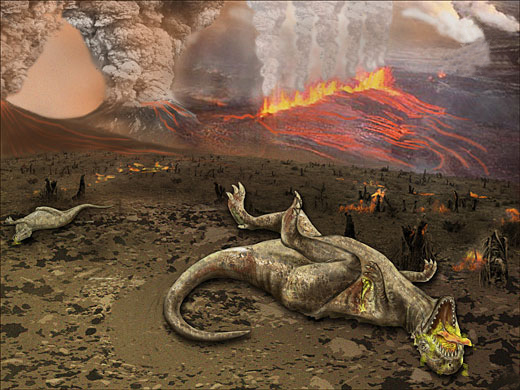
Imagine an eruption so massive it buries an area the size of Texas under rivers of lava for nearly a million years. That’s not science fiction. About 66 million years ago, a massive volcano erupted lavas in India that are now called the Deccan Traps, burying much of the subcontinent under more than 11,000 feet of basalt and pouring poisonous gases into the atmosphere. That’s staggering. It makes today’s most fearsome supervolcano threats look almost tame by comparison.
Volcanic activity of this magnitude would have spewed out huge amounts of carbon dioxide into the atmosphere, causing greenhouse warming. The eruptions would have also caused levels of toxic gases like sulfur and chlorine to rise, resulting in acid rain and further damaging the global environment. Some researchers believe this prolonged volcanic stress was softening up the biosphere long before the asteroid ever arrived. According to research, the massive volcanoes, called the Deccan Traps, started erupting about 400,000 years before the Chicxulub impact and wrapped up about 600,000 years after. That’s a long, grinding torment for life on Earth.
2. Global Climate Cooling: A Slow Freeze That Dinosaurs Couldn’t Escape
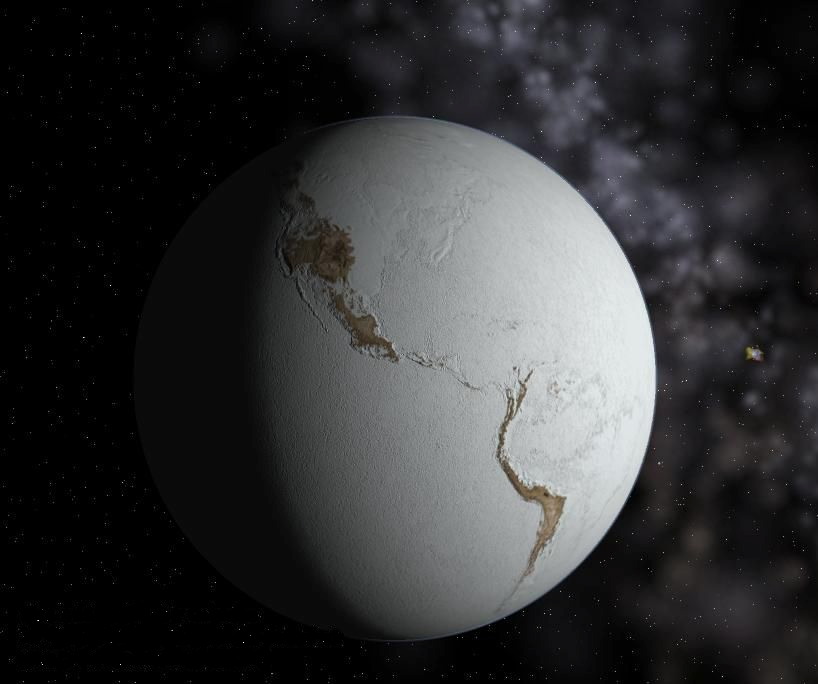
You don’t need a fireball from space to change the world’s climate dramatically. Sometimes, slow and steady really does win the race of destruction. Research published in Nature Communications found compelling evidence that dinosaurs began to decline well before the K/Pg extinction due to both a marked increase of extinction from the late Campanian onwards and a decrease in their ability to replace extinct species. Long-term environmental changes likely made dinosaurs particularly prone to extinction because of a combination of global climate cooling, a drop in diversity of herbivorous dinosaurs, and age-dependent extinction.
Researchers analyzed the speciation-extinction dynamics for six key dinosaur families and found a decline across dinosaurs, where diversification shifted to a declining-diversity pattern around 76 million years ago. The decline was likely driven by global climate cooling and a herbivorous diversity drop, which was in turn likely due to hadrosaurs outcompeting other herbivores. Think of it like pulling the bottom blocks out of a Jenga tower, one by one, for millions of years. By the time the asteroid hit, the structure may have already been wobbling.
3. Sea Level Regression: When the Oceans Pulled Back and Took Ecosystems With Them
Here’s one that rarely gets the attention it deserves. During the final stretch of the Cretaceous period, vast shallow inland seas that had covered parts of North America began to drain away. During the Late Cretaceous, the continents were moving and major new mountain chains began to rise. Many of the shallow Mesozoic seas dried up. This caused the world’s climate to change. Habitats that millions of animals depended on simply vanished.
In 2008, geologist Shanan Peters published results of a comprehensive research study indicating that, in each of the five major extinction events, changing sea level was a major determining factor. I think this theory is chronically underappreciated. When you lose entire shallow sea ecosystems, the ripple effects travel right up the food chain. A scenario combining three major postulated causes, namely volcanism, marine regression, and extraterrestrial impact, suggests that terrestrial and marine communities were stressed by the changes in, and loss of, habitats, and dinosaurs, as the largest vertebrates, were the first affected by environmental changes.
4. Continental Drift and Habitat Fragmentation: A World Torn Apart
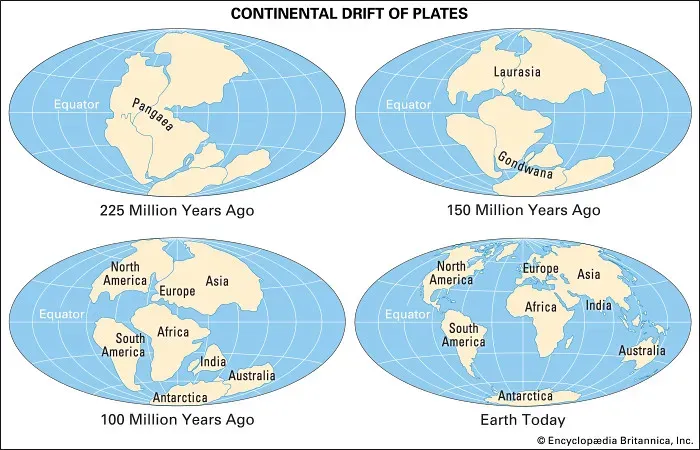
The very ground beneath the dinosaurs’ feet was literally moving. The drift of continents at the end of the Cretaceous period altered the system of atmospheric and oceanic currents, negatively affecting the biosphere. What had once been connected landmasses, teeming with shared ecosystems, began splitting into isolated islands of habitat. Species that once roamed freely found themselves boxed in, cut off, and competing for shrinking resources.
The continents were drifting around and splitting apart from each other, creating bigger oceans, which changed ocean and atmosphere patterns around the world. This also had a strong effect on climate and vegetation. As new orogenic belts erupted east to west across the narrow Laramide strip, they created fragmented dinosaur habitats which were once one. Imagine being a T. rex and suddenly having your entire hunting range sliced in half by a rising mountain range. The geography of the planet was becoming hostile in slow motion.
5. The Fungal Bloom Theory: Death by Microscopic Spores
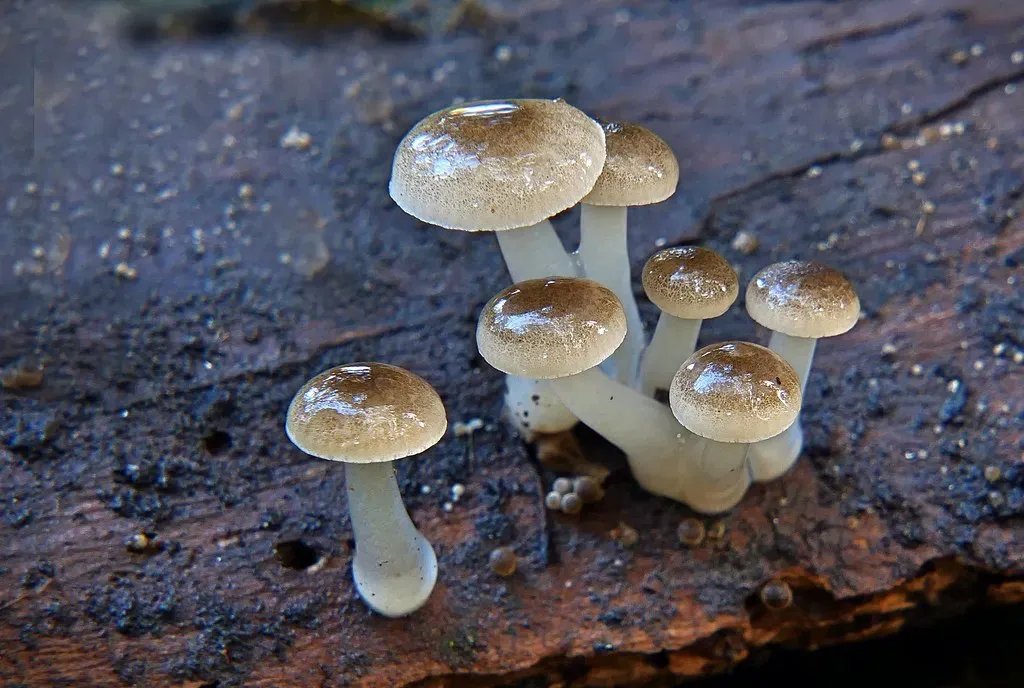
This one genuinely sounds like science fiction. But it isn’t. In 2005, one researcher proposed that a fungal bloom at the end of the Cretaceous Period would have favored the selection of endothermic mammals over ectothermic reptiles, which eventually led to the great mammalian radiation and the replacement of the Cretaceous reptilian megafauna. This idea was named the “fungal infection-mammalian selection” hypothesis.
The core of this theory revolves around a critical biological difference. The mammalian lifestyle is characterized by endothermy, homeothermy, and care for the young, all of which are energetically costly activities. In contrast, reptiles, which are ectotherms, require about one-tenth of the daily mammalian energy needs. Reptiles and cold-blooded creatures run their bodies at ambient temperatures, which makes them far more susceptible to fungal pathogens that thrive in cooler, post-catastrophe environments. Honestly, the idea that a microscopic spore could be the deciding factor between dinosaurs and mammals is almost poetic.
6. Food Web Collapse and Herbivore Diversity Loss
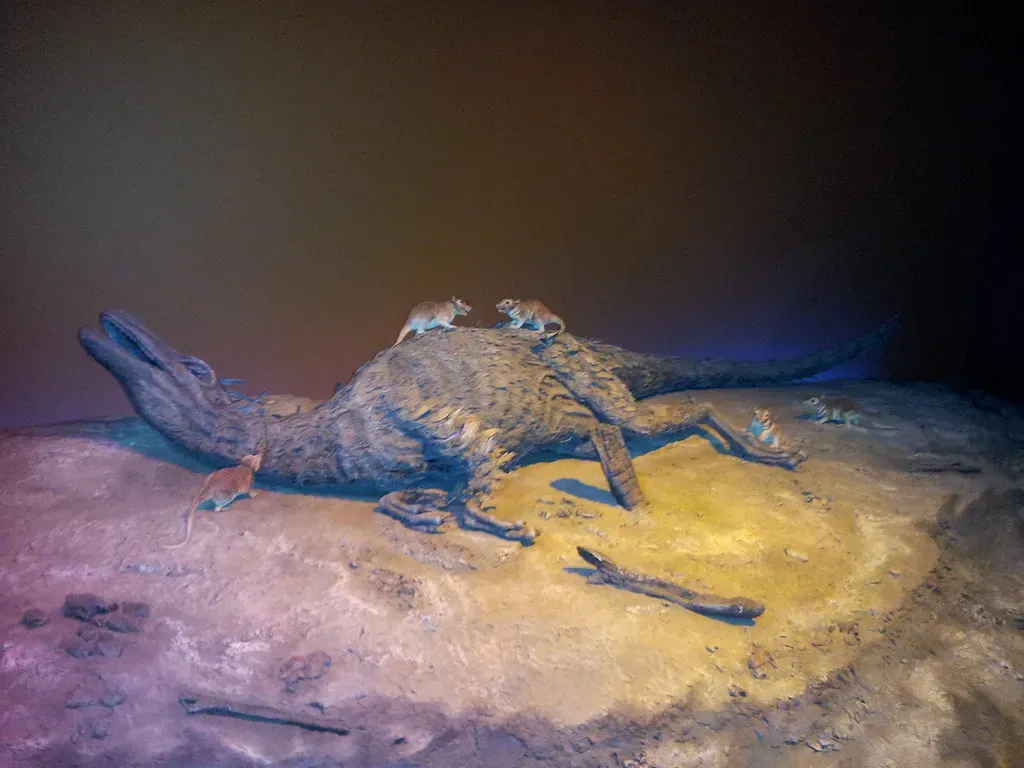
Every ecosystem is only as strong as its weakest link. In the late Cretaceous, a troubling shift was unfolding at the base of the dinosaur food chain. Research confirms that there was a decline in the large-bodied, preeminent herbivorous ornithischian dinosaur guild from the Campanian to the Maastrichtian, at least in North America, which probably made terminal Cretaceous food webs more fragile in the face of the bolide impact.
Researchers found a shift in latest Cretaceous dinosaur faunas, as medium-sized species counterbalanced a loss of megaherbivores, but dinosaur niches were otherwise stable. Smaller vertebrates, including mammals, followed a consistent trajectory of increasing trophic impact and relaxation of niche limits beginning in the latest Cretaceous and continuing after the mass extinction. In other words, the big plant-eaters were disappearing, the carnivores depending on them were under pressure, and the mammals were quietly and cleverly diversifying at the edges. Mammals did not simply proliferate after the extinction event; rather, their earlier ecological diversification might have helped them survive.
7. The “Press/Pulse” Model: A Perfect Storm of Catastrophes
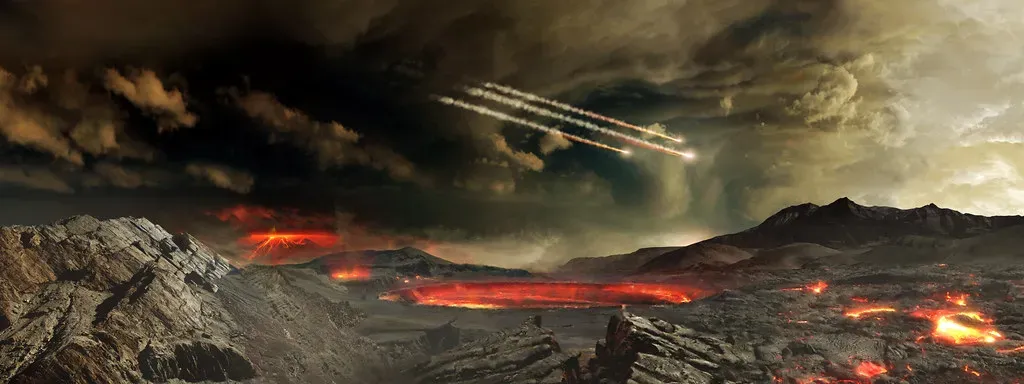
What if the real answer isn’t one single theory, but all of them together? That’s the thinking behind the press/pulse model, and it might be the most intellectually satisfying framework out there. The press/pulse model proposes that mass extinctions result from a combination of gradual factors (press) exacerbated by some major event (pulse) that results in a chain reaction of environmental collapse. The “press” part of the model can involve any variety of environmental changes, slowly putting pressure on the biosphere.
Fossil evidence suggests a one-two punch unlike anything in Earth’s history: the asteroid may have slammed into a planet already reeling from the massive, extremely violent eruptions of volcanoes in the Deccan Traps. Think of it like a boxer who has been taking body shots for three rounds, then gets hit with the decisive right hook. Particulate materials from volcanism cooled and dried areas of the globe. Then an impact event occurred, causing collapses in photosynthesis-based food chains, both in the already-stressed terrestrial food chains and in the marine food chains. One blow alone might not have finished them. Together, it was unsurvivable.
8. Comet Showers: A Barrage From the Outer Solar System
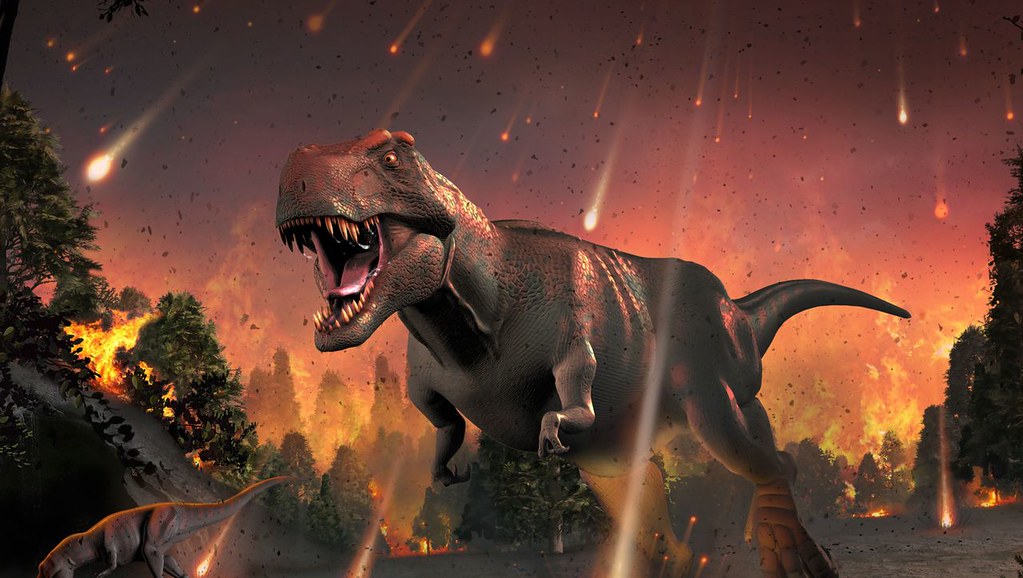
What if it wasn’t just one impact, but many? This theory, supported by researchers at NASA’s Jet Propulsion Laboratory, suggests something more prolonged and terrifying. The extinction of the dinosaurs may have occurred as the result not of a single asteroid or comet impact, but possibly as the result of many comet impacts over one to three million years. Like a cosmic drumbeat of destruction.
Such comet showers are caused by the close passage of neighboring stars through the Oort cloud of comets surrounding the solar system. Imagine the outer edge of our solar system being gently nudged by a passing star, sending a cascade of icy projectiles hurtling inward toward Earth over the course of millions of years. Studies indicated that such an event would cause stepwise extinctions over a period of time. This would explain why the extinction pattern of some species looks staggered rather than sudden, which is something the single-impact theory has always struggled to fully account for.
9. Changing Vegetation and the Rise of Flowering Plants

It might sound almost too quiet to cause an extinction, but the transformation of the world’s plant life during the Cretaceous was genuinely revolutionary. Flowering plants, known as angiosperms, were spreading rapidly across the landscape. Some researchers have theorized that newly evolved flowering plants may not have provided the proper nutritional balance for large herbivores. Others have proposed that these flowering plants could have evolved poisons that killed the dinosaurs.
Whether or not poisonous alkaloids played a direct role, the shift in vegetation fundamentally restructured what dinosaurs ate and how they fed. During the Cretaceous extinction event, plants were less affected than animals because their seeds and pollen can survive harsh periods for longer. After the dinosaurs’ extinction, flowering plants dominated Earth, continuing a process that had started in the Cretaceous, and continue to do so today. The herbivores were essentially watching their menus vanish and be replaced by dishes their bodies may not have been well-equipped to digest. It’s a slow form of starvation, playing out across millions of years.
10. The Fossil Record Problem: Were They Even in Decline at All?
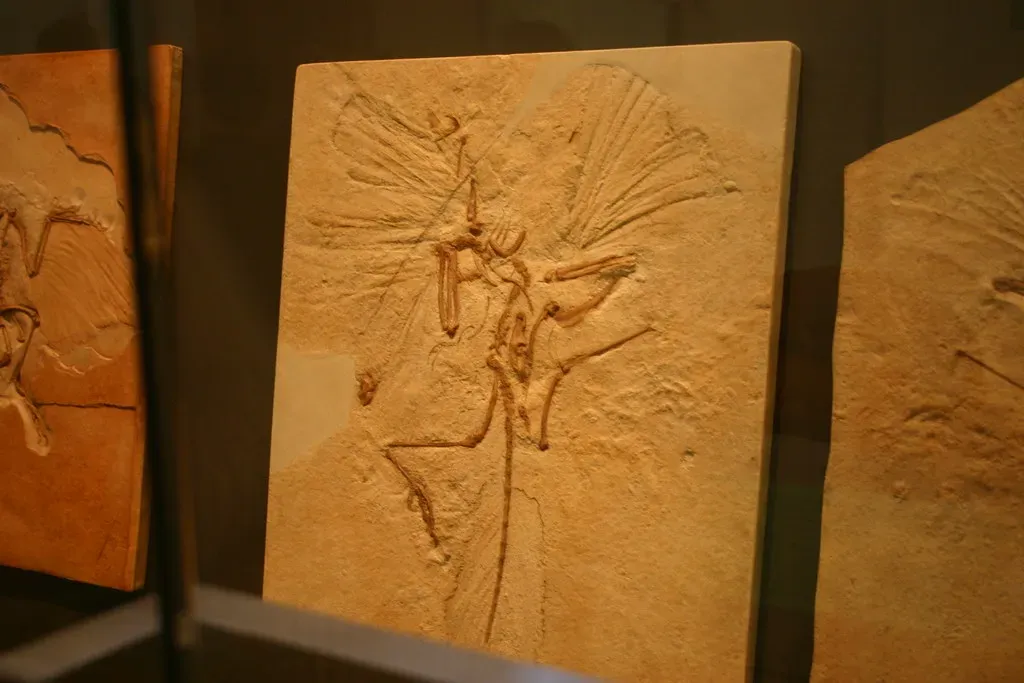
Here’s a genuinely mind-bending twist. What if much of the evidence that dinosaurs were already declining before the asteroid is simply an illusion? A 2025 study published in Current Biology set the paleontology world buzzing. Dinosaurs might not have been on the verge of extinction before an asteroid wiped them out 66 million years ago. New research led by scientists at University College London challenges the idea that dinosaur species gradually declined. Instead of a real drop in biodiversity, the study suggests that gaps in the fossil record might better explain this lack of specimens.
Taken at face value, more than 8,000 fossils suggest the number of dinosaur species peaked about 75 million years ago and then declined in the 9 million years leading up to the asteroid impact. The research team found this trend was due to fossils from that time being less likely to be discovered, primarily because of fewer locations with exposed and accessible rock from the very latest Cretaceous. In other words, we might be seeing a gap in our paperwork, not a gap in their populations. The study suggests that dinosaurs’ potential habitat remained stable, indicating they were not necessarily doomed to extinction before the asteroid event. That changes everything.
Conclusion: The Real Answer Is Probably All of the Above
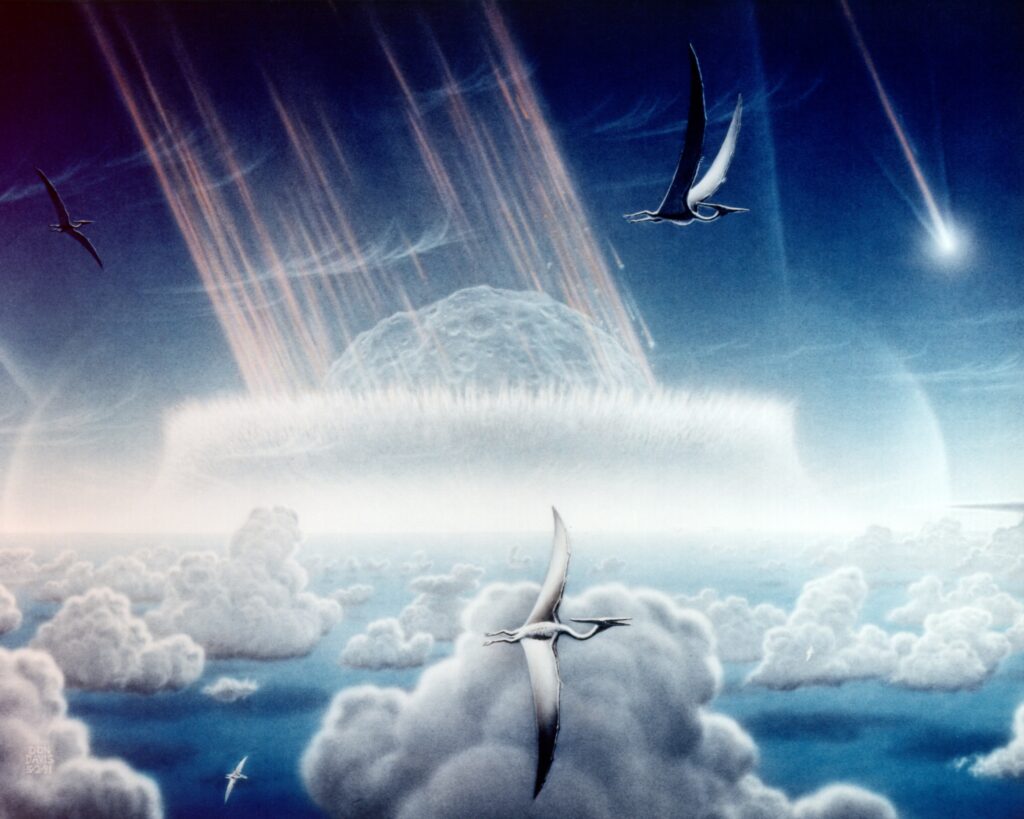
The deeper you look into this question, the more you realize that nature rarely deals in simple, singular answers. It is entirely possible that a culmination of ordinary biological changes and some catastrophic events, including increased volcanic activity, took place around the end of the Cretaceous. The dinosaurs ruled this planet for roughly 170 million years. The idea that one rock, however enormous, could erase that legacy entirely without any contributing factors strains credulity just a little.
What’s clear is that the world of 66 million years ago was already in a state of profound environmental flux. Climate was shifting, seas were retreating, volcanoes were rumbling, and ecosystems were quietly restructuring. The last non-bird dinosaurs were living at a time of environmental change, some of which began millions of years before they went extinct. The asteroid may have been the final, decisive blow, but the stage was already set for a catastrophe of some kind. Science in 2026 is telling us that the end of the dinosaurs was less a single event and more an unraveling. And that, honestly, makes the story even more fascinating.
What do you think? Was the asteroid just the last straw, or was it the one true killer? Drop your thoughts in the comments below.