Every few decades, a single discovery shakes the foundation of what you think you understand about life on Earth. Now imagine that happening fifteen times over – in just the last year or two. That is exactly what is unfolding across the scientific world right now. From the sunless depths of ocean trenches to the wind-battered peaks of the Himalayas, researchers are turning up creatures so bizarre, so unexpected, and so evolutionarily revealing that textbooks are already becoming outdated.
You might assume we have catalogued most of life on our planet by now. You would be wrong. The search for life on Earth is actually speeding up. Scientists are now identifying more than 16,000 new species every single year, revealing far more biodiversity than anyone expected across animals, plants, fungi, and beyond. These are not just curiosities. They are windows into evolutionary pathways that rewrite the story of life itself. Buckle up, because what follows might genuinely surprise you.
1. The Feathered Dinosaur That Ate a Mammal for Its Last Meal
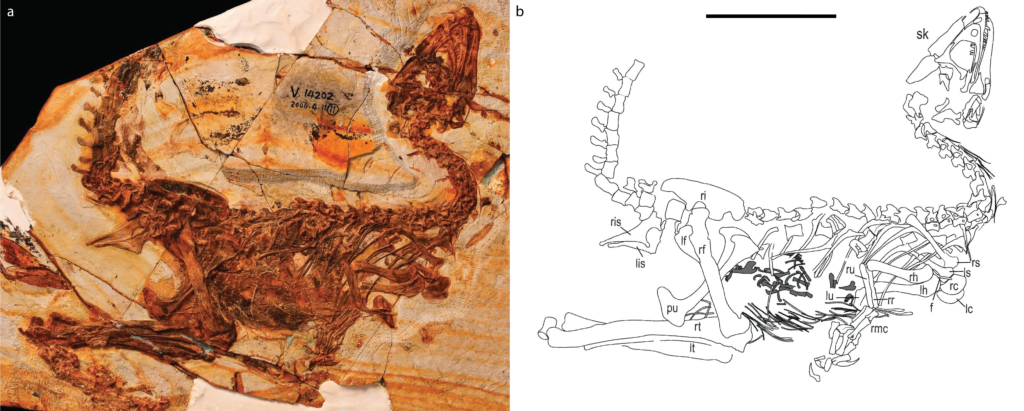
Few discoveries capture the imagination quite like finding a predator frozen in time with its prey still inside it. That is precisely what happened when researchers at the American Museum of Natural History officially described Huadanosaurus sinensis, a feathered dinosaur from what is now China. This species, which lived roughly 125 million years ago, was found with two mammal skeletons preserved inside its abdomen – the remains of its last meal.
Think about what that means for a moment. You are essentially looking at a predator-prey relationship locked in stone, a snapshot of a food chain from an era you can barely imagine. Among the more than 70 new species described by American Museum of Natural History researchers in 2025, this feathered dinosaur stands out as particularly remarkable, with the discoveries spanning an extraordinary range of life including dinosaurs, mammals, fishes, reptiles, and insects. The fact that early feathered dinosaurs were active hunters preying on small mammals adds an entirely new dimension to our understanding of how early bird lineages may have evolved their feeding strategies.
2. The 151-Million-Year-Old Fly That Flipped Insect History Upside Down
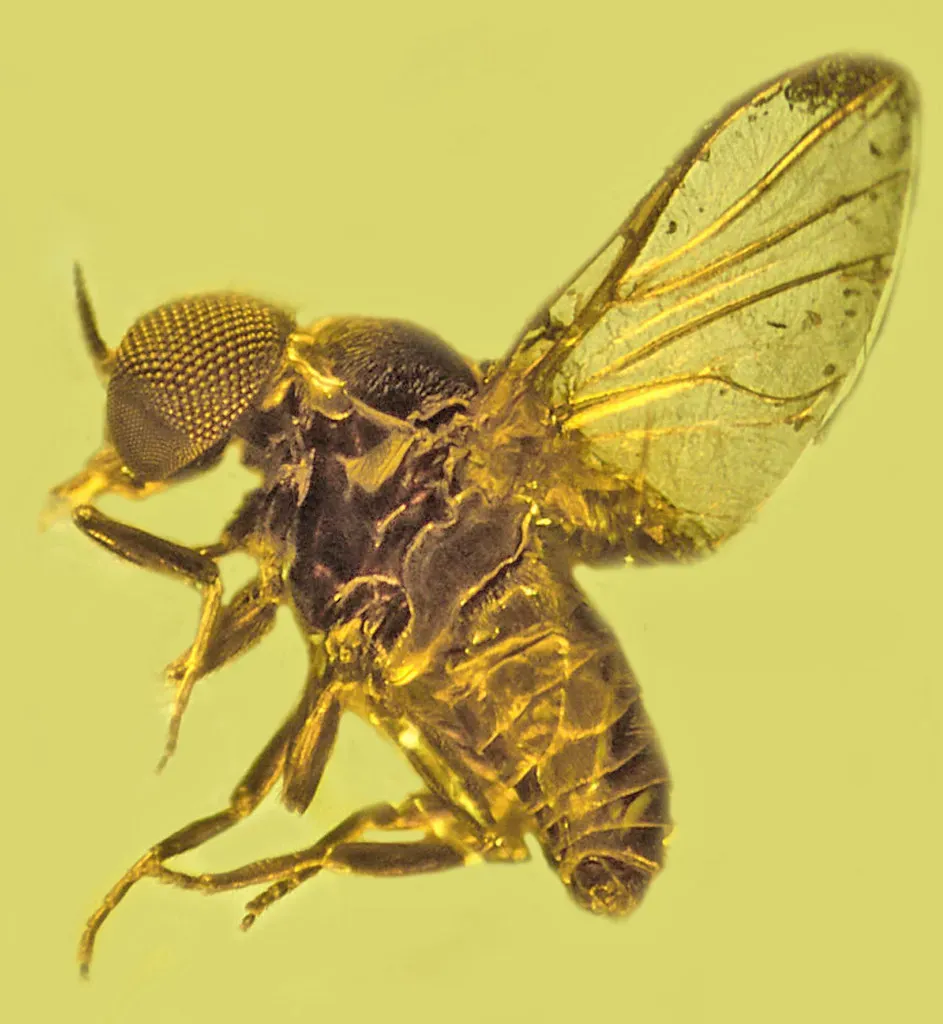
Here is something almost poetic: an 82-year-old retired schoolteacher by the name of Robert Beattie spent decades collecting fossils in eastern Australia as a hobby. Then one of his finds turned out to rewrite the entire evolutionary origin story of a major insect group. Scientists uncovered a 151-million-year-old midge fossil in Australia that challenges long-held views about insect evolution. Named Telmatomyia talbragarica, the fossil shows freshwater adaptations previously thought to exist only in marine species, and the discovery suggests that Chironomidae may have originated in Gondwana rather than the Northern Hemisphere.
Based on fossils found in China and Siberia, scientists had long assumed that non-biting midges originated in the Northern Hemisphere on the supercontinent Laurasia. But this discovery suggests otherwise. It now seems more likely the insects first emerged in the Southern Hemisphere, on the Gondwana supercontinent. Beyond the geography, the fossil features an unusual evolutionary structure that likely allowed the insect to attach itself securely to nearby rocks, a type of anchoring mechanism previously associated only with marine organisms. One tiny amateur fossil changed everything.
3. Sea Monsters in the Rivers: Freshwater Mosasaurs Discovered
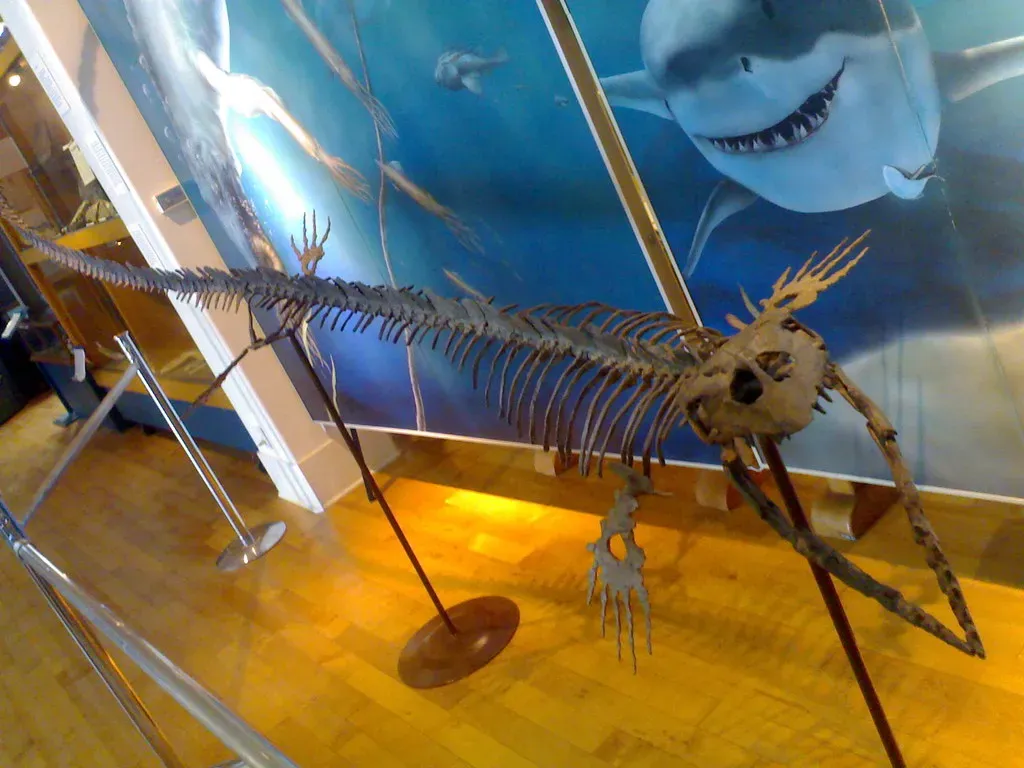
You have probably seen mosasaurs depicted as terrifying rulers of ancient seas, enormous aquatic lizards with rows of crushing teeth. Science said they were strictly ocean creatures. Then a single tooth found alongside a T. rex in North Dakota changed that completely. Paleontologists unearthed a 66-million-year-old mosasaurine tooth in the Hell Creek Formation in North Dakota, adding to the growing evidence that mosasaurs, traditionally considered marine reptiles, were also hunting in rivers.
The fossil was found in a fluvial deposit alongside a tooth from a Tyrannosaurus rex and a crocodylian jawbone, in an area known for remains of the duck-billed dinosaur Edmontosaurus. Isotope analysis of the tooth’s enamel confirmed freshwater signatures rather than marine ones. It is possible that these ancient apex predators gradually adapted to swimming into river channels as the water’s salt content decreased and the seaway diminished. Evolution, it turns out, never stays neatly in its lane.
4. The Mouse Opossum Nobody Was Looking For
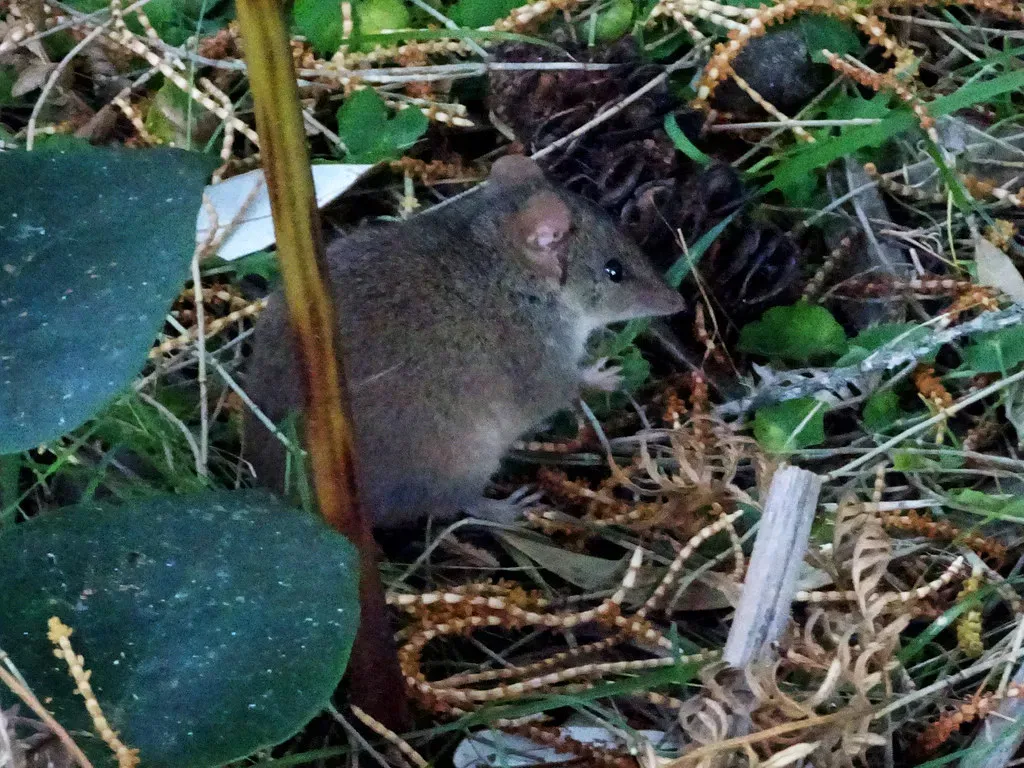
Sometimes the best discoveries are the accidental ones. Brazilian biologist Silvia Pavan traveled to Peru’s Río Abiseo National Park in search of a rare squirrel species. Instead, her team stumbled upon something entirely different. They found a new type of mouse opossum, which they named Marmosa chachapoya, living in high-altitude cloud forests. Using DNA testing, researchers confirmed it was a completely new species, different from all other known mouse opossums.
With reddish-brown fur, mask-like facial markings, and a body just four inches long, this tiny marsupial was named Marmosa chachapoya to honor the region’s pre-Inca culture. What makes it evolutionarily significant is its altitude. The eastern Andes of Peru harbor many unique species that exist nowhere else, but the steep, densely forested mountains make it extremely difficult to explore. The discovery is a reminder that some of the most evolutionarily distinct mammals on Earth are still waiting patiently in cloud forests for someone to go looking.
5. The Ancient Sea Cow That Was an Ecosystem Engineer
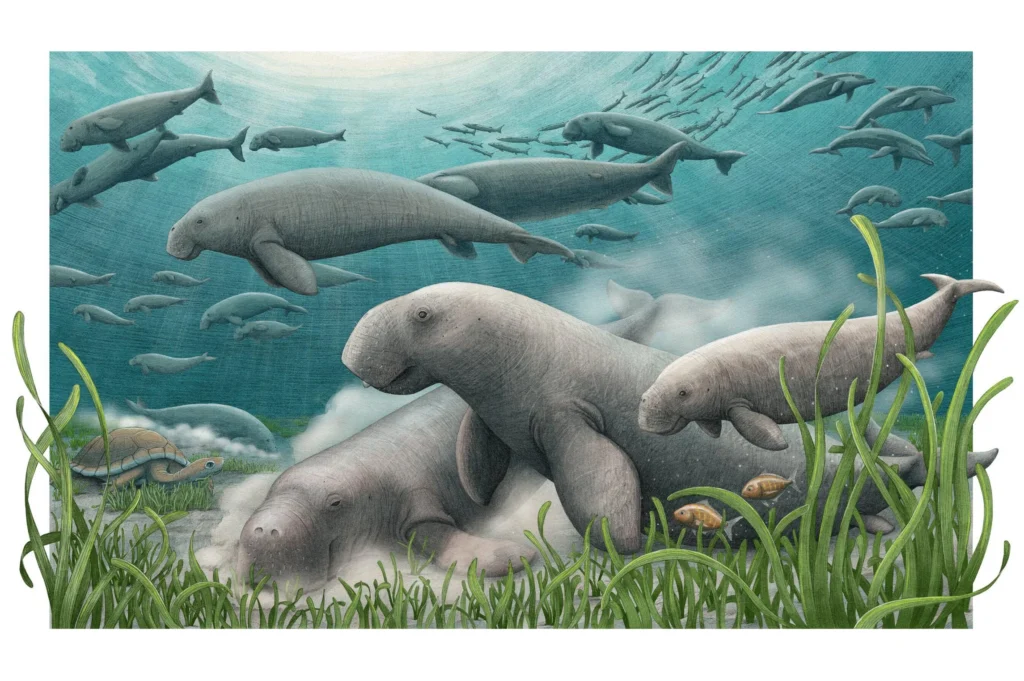
If you think cows are unremarkable, you have not met their ancient ocean-going relatives. Fossils uncovered in Qatar revealed a brand-new species of ancient sea cow, Salwasiren qatarensis, that lived roughly 21 million years ago. This long-extinct sea cow’s fossil remains were discovered in Al Maszhabiya, Qatar, now known to be the richest fossil sea cow deposit in the world. Like today’s manatees and dugongs, it mainly grazed on seagrass and was considered an “ecosystem engineer” in the coastal waters of the Persian Gulf.
With their fleshy muzzles, these mammals would browse the seafloor, grab the plants, and use their tusks to snip the roots. In the process, they lifted nutrients from the seafloor that would otherwise be buried, nutrients that other animals in the ecosystem could use. These nutrients, combined with the sea cow’s excrement, helped cultivate a healthier and more diverse ecosystem. In short, this ancient creature was farming the sea floor, maintaining ecological balance for millions of years. The evolutionary implication? Ecosystem engineering is not a new trick.
6. The Great Salt Lake Worm That Should Not Exist
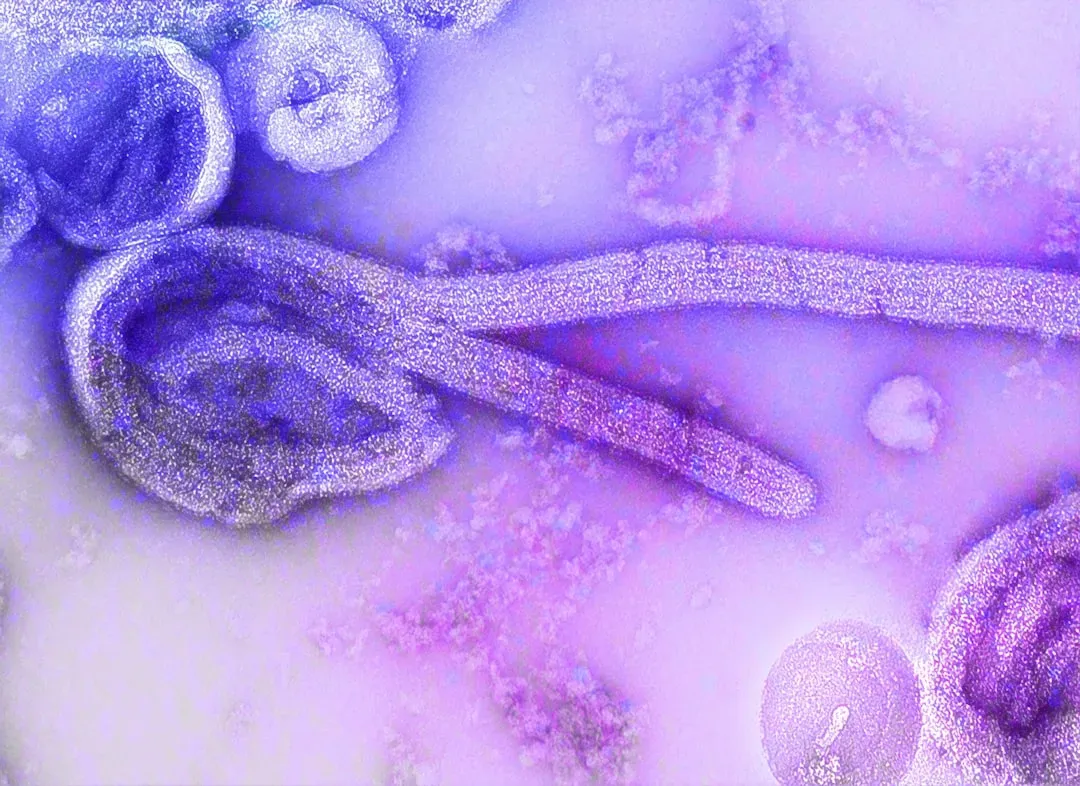
Honestly, this one is just bizarre. Utah’s Great Salt Lake is about as hostile an environment as you can imagine for most forms of life. It sits over 4,000 feet above sea level and sits roughly 800 miles from the nearest ocean. So finding a worm there that belongs to a group normally associated with coastal marine environments is, well, deeply weird. Scientists identified a brand-new species of worm living in the Great Salt Lake, marking only the third known animal group able to survive its extreme salinity. The species, named Diplolaimelloides woaabi with guidance from Indigenous elders, appears to exist only in this lake, and how it got there remains a mystery, with theories ranging from ancient oceans to birds transporting it across continents.
One theory suggests that the nematodes have been there for tens of millions of years, dating back to when much of Utah was the shoreline of an ancient inland sea. As the land shifted and the water grew saltier, the worms may have adapted to survive the dramatic environmental shift. If that is true, you are looking at a creature that has quietly evolved over geological timescales to thrive in conditions that would kill most animals. Evidence shows these worms have survived several changes in salinity and water levels, and each time, they have evolved to adapt and even thrive in the new conditions.
7. California’s Hidden Trapdoor Spider Living Under Your Feet
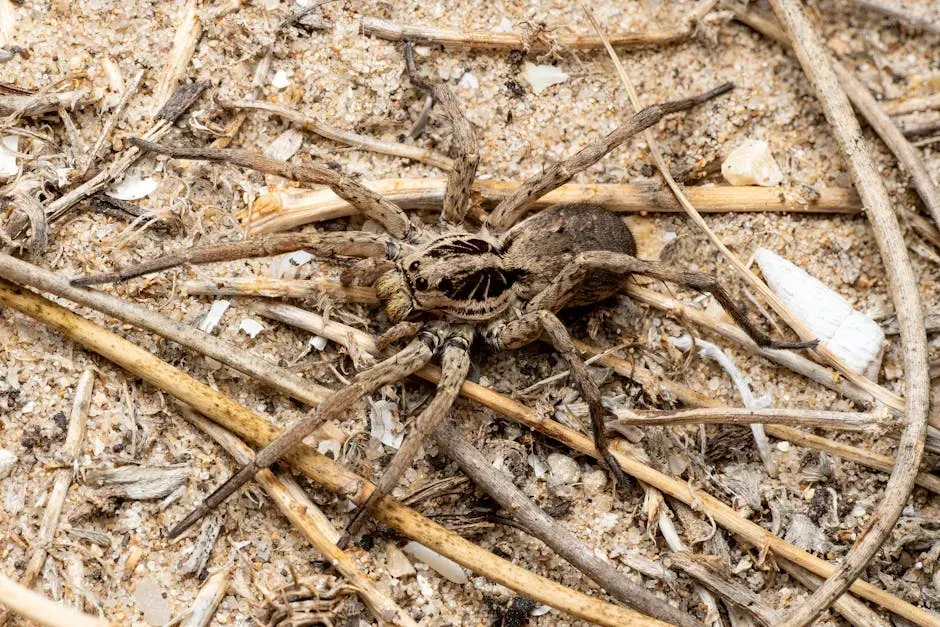
You might walk the beaches of California your entire life and never know what is lurking directly beneath the sand. Scientists from the University of California, Davis, identified a previously unknown trapdoor spider species lurking in the coastal sand dunes of California. Named Aptostichus ramirezae, this species had been hiding in plain sight for who knows how long, mistaken for a close relative. The study showed that what looked like one species is actually two.
Female trapdoor spiders spend their entire lives in underground, silk-lined burrows sealed with a hinged, camouflaged door. They wait motionless for surface vibrations, darting out only when prey strays within reach. The evolutionary lesson here is one of cryptic speciation, where two creatures can look nearly identical yet be genetically worlds apart. Both species live only in coastal dunes from central California to northern Baja California, Mexico, and these habitats are shrinking due to development, erosion, wildfire, and sea-level rise. Discovered just in time to potentially be lost.
8. The Aquamarine Poison Dart Frog Hidden in Brazil’s Amazon
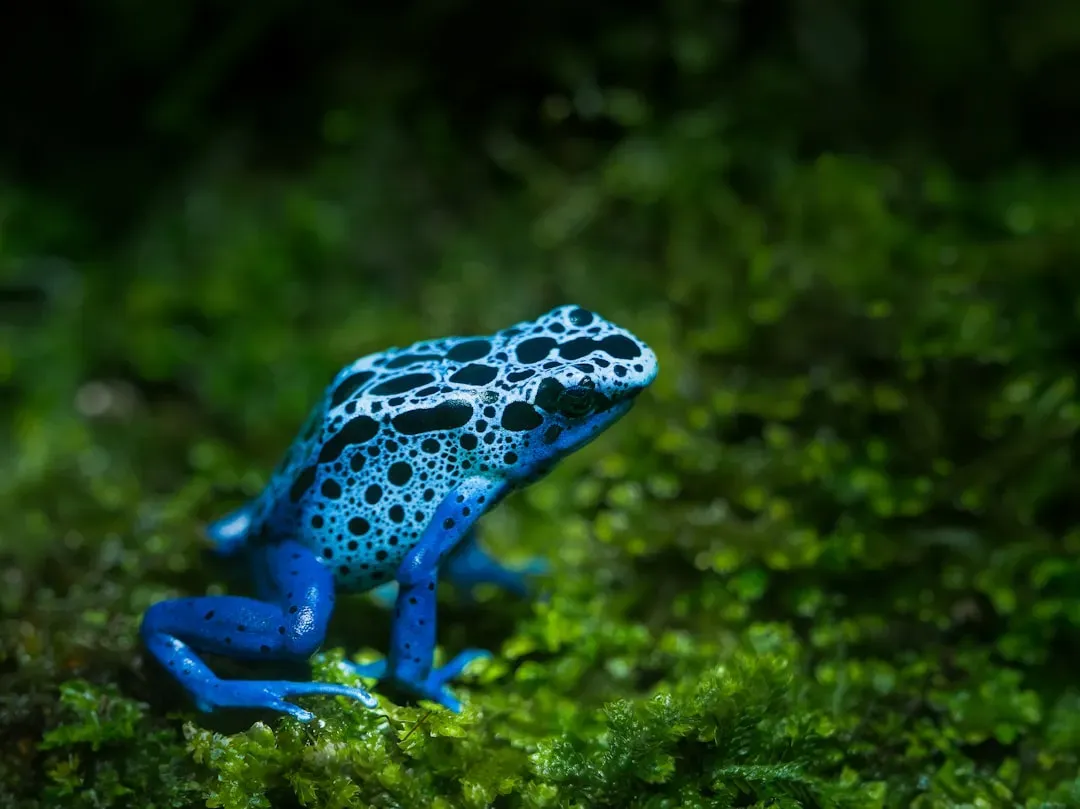
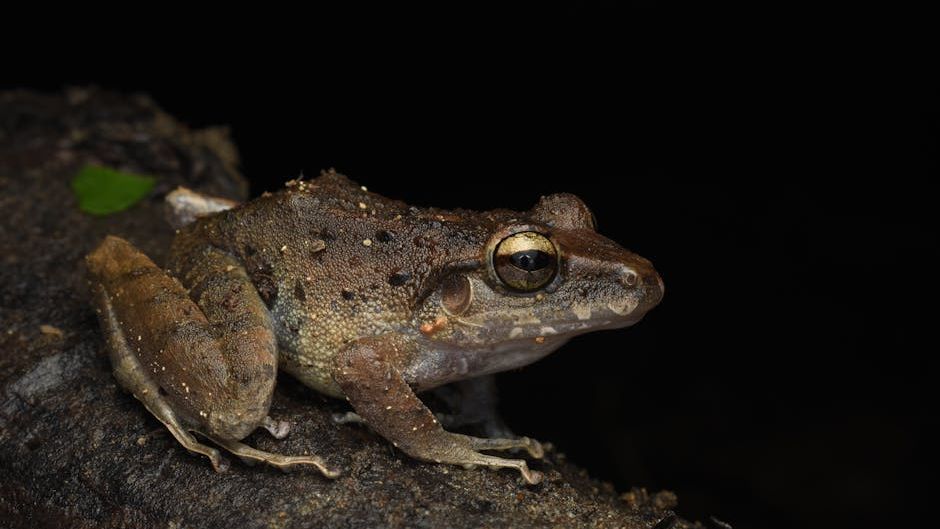
Imagine hiking deep into Brazil’s Amazon basin and suddenly spotting a frog with legs that shimmer like polished copper and stripes that glow aquamarine. In the forests of the Juruá River basin in Brazil, scientists found a new type of poison dart frog with copper metallic legs. In 2025, they formally published their discovery in the journal PLOS One, introducing it as Ranitomeya aquamarina in honor of its striking blue coloring.
What makes a poison dart frog’s coloring evolutionarily fascinating is aposematism, the biological strategy of advertising toxicity through outrageous appearance. The more vivid the warning, the more potent the poison tends to be. This newly described species adds an entirely new palette to that evolutionary conversation. Venom from related species has already shown surprising medical potential by helping with pain management and even targeting cancer cells. Discovering new species like these could have real-world benefits for human health. Nature’s color palette is also its chemistry set.
9. The Vampire Moth That Drinks Bird Tears in Madagascar
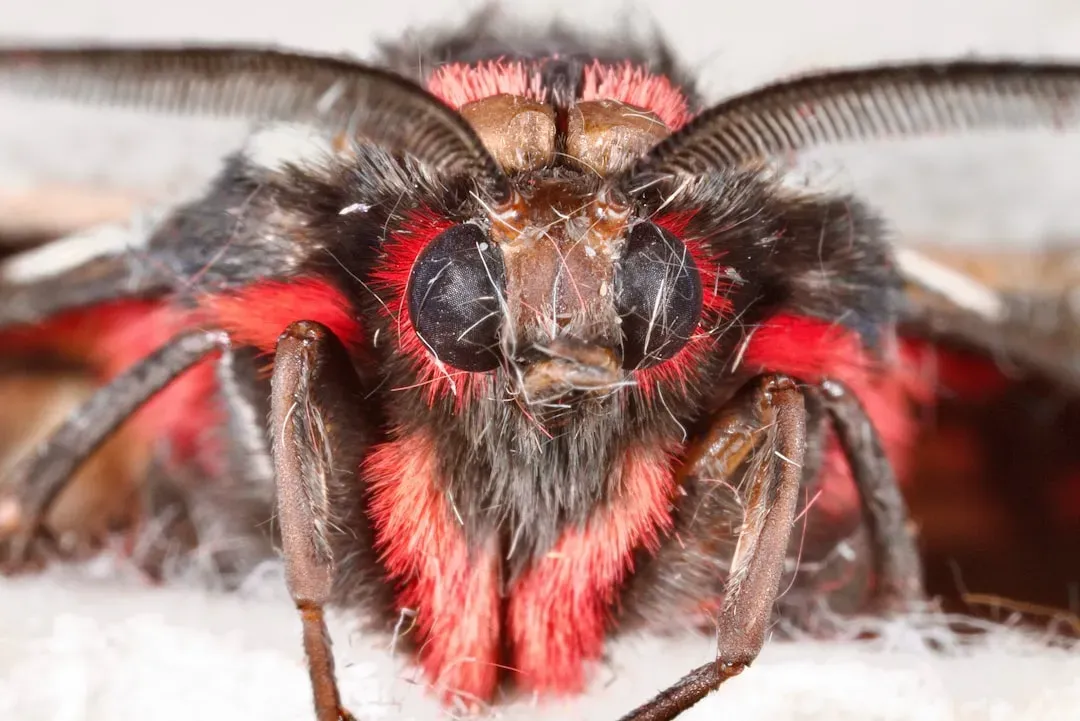
Let’s be real: nature sometimes invents things that feel like horror movie props. Hemiceratoides avimolestum is one of two new species of bird tear-drinking moths discovered in Madagascar. These insects sneak up on unsuspecting birds at night, before inserting their long proboscis into the bird’s eye to drink its tears. The name, translated loosely, means “bird molester,” which is perhaps the most accurately named species in recent memory.
Beyond the unsettling behavior, this discovery raises profound evolutionary questions. Why would a moth evolve to drink tears rather than nectar? It is thought to be a source of moisture, sodium, and protein in an environment where those resources are scarce. The evolutionary pathway from nectar-drinking to tear-drinking is, when you think about it, a perfect example of adaptation under resource pressure. The Natural History Museum’s scientists described 262 new species in 2025 alone, and among this year’s cohort are new toads, fish, butterflies, bees, and a scattering of ancient sharks. Madagascar, it seems, is still full of surprises.
10. New Himalayan Bat Species Found Using a Bluetooth Speaker
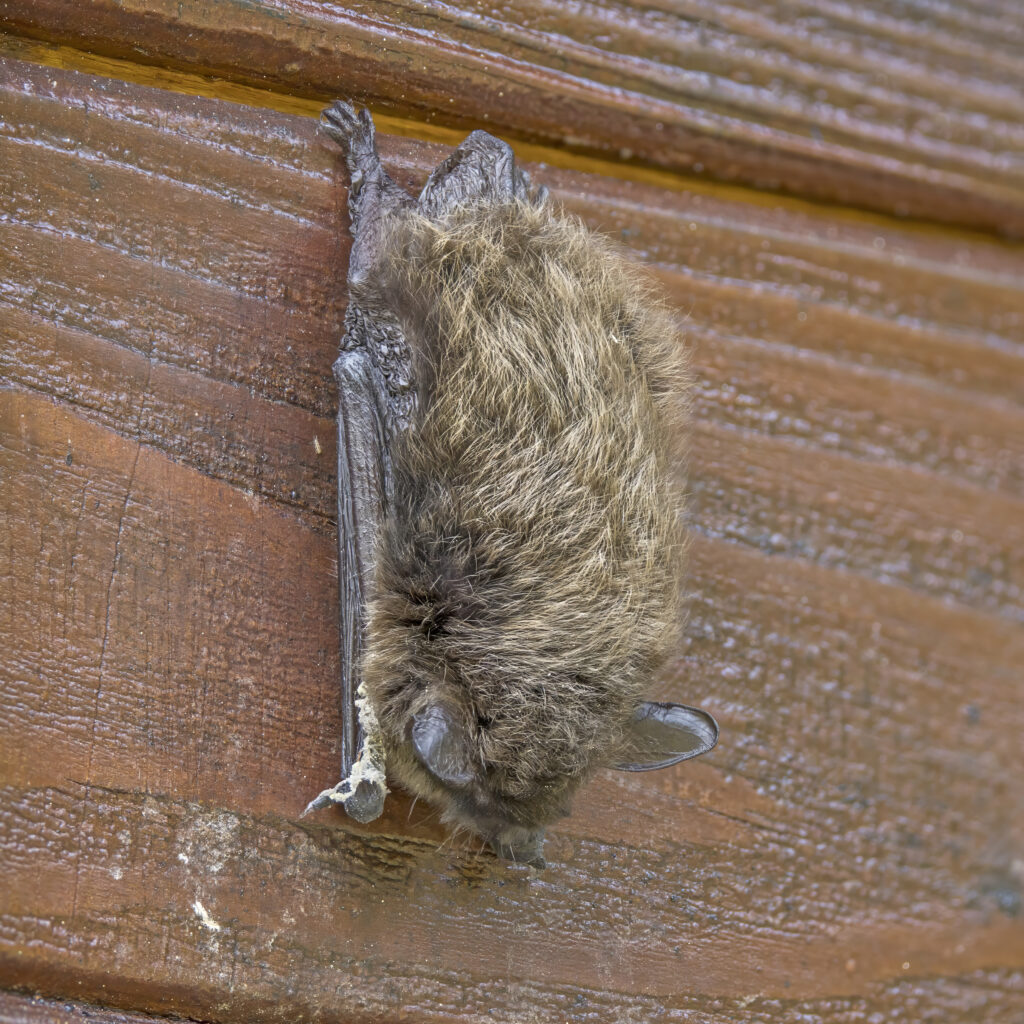
This has to be one of the most creative methods of wildlife discovery in recent memory. Researchers hunting for bats in the Western Himalayas did not just bring nets and headlamps. They brought a Bluetooth speaker and played bat calls through it to attract responses. It worked spectacularly. Using modern methods combining body measurements, DNA analysis, and sound recordings, the team discovered the East Asian free-tailed bat in India for the first time by playing its calls through a Bluetooth speaker. The findings highlight the Western Himalayas as a hotspot for rare species, and scientists say this remote region likely contains many more bat species unknown to science.
The findings highlight the Western Himalayas as a hotspot for rare species because its unique geography, formed when the Indian subcontinent collided with Asia, created a boundary between two ecological zones. That geological collision millions of years ago essentially built a biodiversity barrier, and everything on each side evolved differently. It is a textbook example of how plate tectonics drives speciation. A continent smashing into another continent created conditions for bats to diverge into entirely separate species over millions of years. The scale of that is almost hard to wrap your head around.
11. The Carnivorous “Death Ball” Sponge From the Deep Antarctic
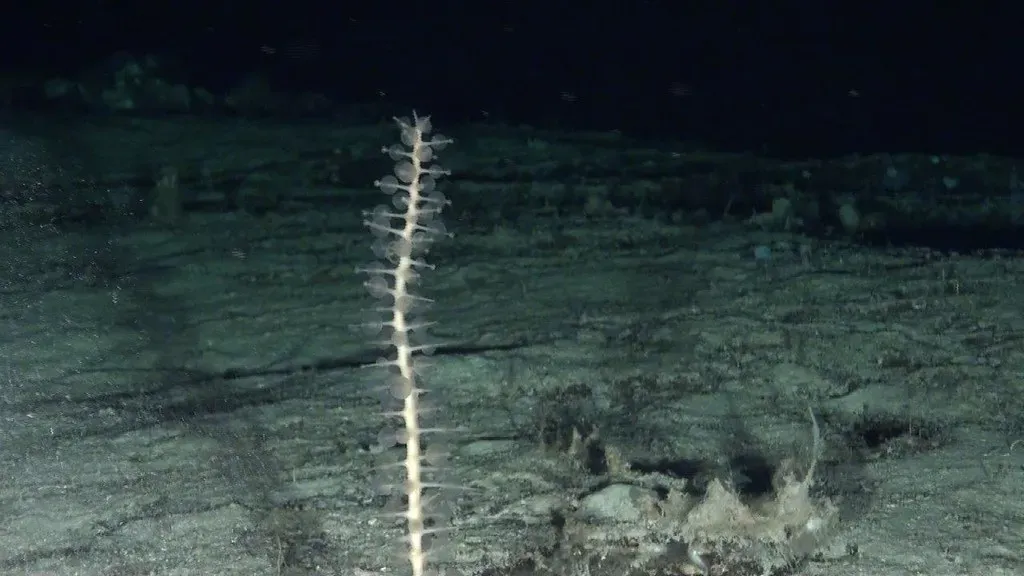
If you thought sponges were boring, passive filter feeders, prepare to reconsider everything. Sponges are usually seen as passive filter feeders low on the food chain, but a newly discovered carnivorous “death ball” sponge flips that script entirely. This invertebrate skips boring plankton for small animals, trapping them with tiny hooks on its body. It reads like something from a science fiction novel, but it is entirely real.
Discovered by the Schmidt Ocean Institute’s research vessel, the deadly sponge was among 30 deep-sea species uncovered after a massive iceberg calved from a floating Antarctic glacier. Think about that chain of events: a chunk of ice the size of a city breaks away from Antarctica, scientists rush in to explore the newly exposed seafloor, and they find an entire ecosystem of previously unknown creatures, including a sponge that hunts like a miniature spider. Deep-sea robots stumbled upon thriving and entirely new ecosystems, ancient mud volcanoes, and astonishing life hidden beneath calving Antarctic ice. Climate events are revealing evolution’s hidden laboratories.
12. Three New Frog Species Discovered on Night Hikes Through the Peruvian Andes
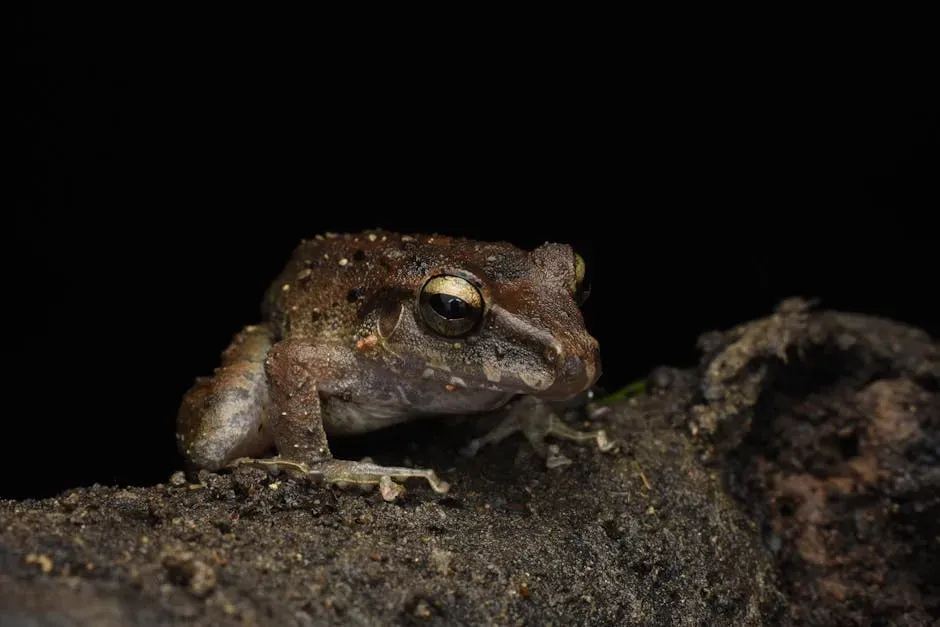
Picture this: scientists hiking for hours in pitch-black darkness through steep Andean mountains with headlamps strapped to their heads, scanning every wet rock and leaf for amphibians. Scientists in Peru found three new frog species in the Andes Mountains during expeditions between 2021 and 2024. The researchers hiked for hours at night through dangerous, remote areas with steep cliffs and unpredictable weather, finding Pristimantis chinguelas, which has bumpy skin and makes high-pitched sounds; P. nunezcortezi, which has black spots on its legs; and P. yonke, the smallest, at less than an inch long.
All three frogs live in areas threatened by farming, cattle ranching, and fires. The scientists recommend listing them as “data deficient” because more information is needed about their populations, but add that they are likely endangered due to habitat loss in the region. Three new species discovered, and all three already potentially threatened with extinction before scientists have even had a chance to fully understand them. That is the bittersweet reality of modern wildlife discovery. Many new species are assessed as threatened with extinction as soon as they are found, highlighting the urgent need for conservation efforts.
13. The James Bond Lizard Found Near Goldeneye, Jamaica
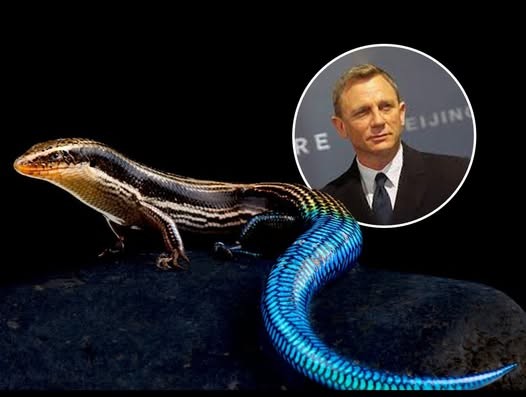
You genuinely cannot make this up. The James Bond forest lizard, Celestus jamesbondi, was found near Goldeneye, Jamaica, where author Ian Fleming wrote his famous spy novels. Researchers have found 35 new lizard species in the Caribbean, including this one named after the fictional British spy. The location made the naming irresistible, and honestly, it is hard to argue with the choice.
Beyond the delightful naming coincidence, the Caribbean lizard find has major evolutionary significance. The Caribbean is one of the world’s most extraordinary hotspots for reptile diversification, shaped by millions of years of island isolation. When populations get cut off from each other by water, they evolve independently, often diverging into entirely distinct species. Thirty-five new lizard species in one survey tells you that the Caribbean’s evolutionary experiment is far richer and more complex than anyone had mapped. Several species have evolved over time or been mistaken for others, and with new technology and explorative efforts, we are only beginning to understand the incredibly diverse planet we live on.
14. The “Eyeliner Boy” Bee With a Unique Cross-Gender Facial Feature
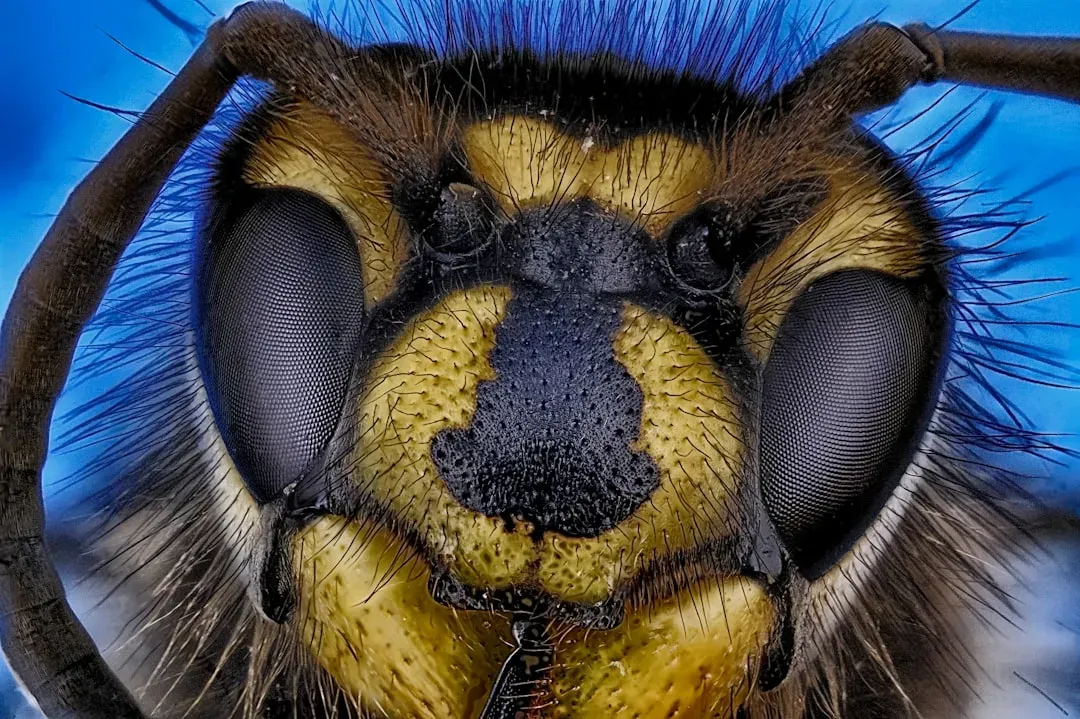
Here is a discovery that sounds almost comical until you grasp its evolutionary depth. Researchers identified a new bee species, Andrena androfovea, whose males sport a fuzzy facial structure called a fovea that is normally found only in female bees. The males of the newly discovered species boasted a facial feature typically only found in female bees, a fuzzy structure called fovea on the inside of each eye. Their resemblance to eyeliner led to their nickname: “Eyeliner boys.” The bee is also unusual for its preference for collecting pollen exclusively from flowers of the nightshade variety.
The evolutionary intrigue runs even deeper when you consider how specialized this bee’s diet is. Scientists call this an entirely special and unique evolutionary innovation that the species has taken on for itself. A bee that crosses typical sex-specific physical traits while simultaneously evolving a hyper-specialized pollen preference is telling you something profound about how evolution experiments. It does not always neatly sort traits by gender. It does not always stick to broad food sources. Sometimes it takes a sharp, specific turn, and the “eyeliner boys” are proof of exactly that kind of evolutionary audacity.
15. We Are Living in a Golden Age of Species Discovery
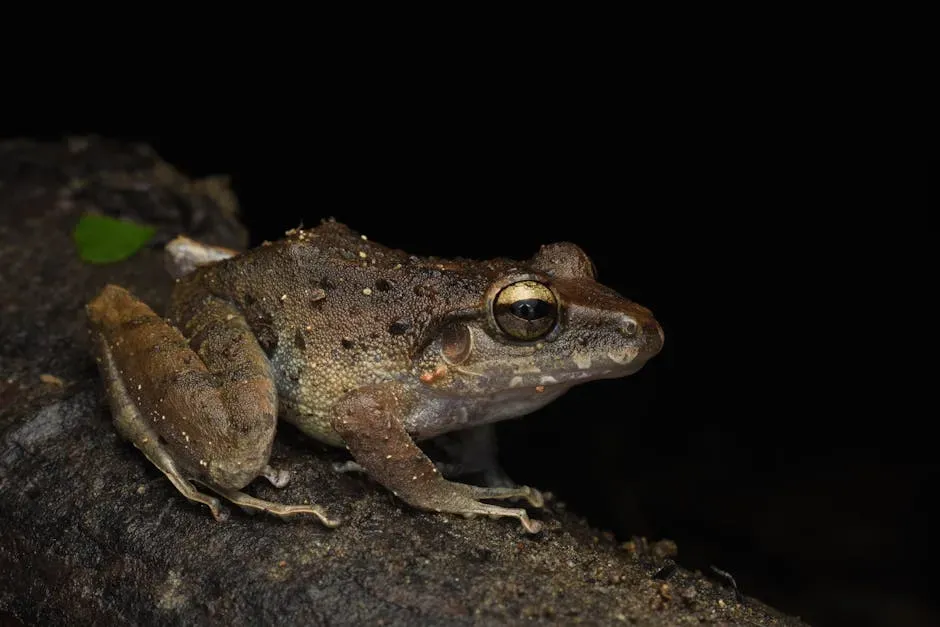
Step back from any single discovery on this list and look at the broader picture. The scale of what is happening right now in biodiversity science is, I think, genuinely breathtaking. Some scientists had suggested that the pace of new species descriptions was slowing down, indicating we might be running out of new species to discover. But recent research shows the opposite, with scientists actually finding new species at a faster rate than ever before.
Looking at the most recent period with comprehensive data, between 2015 and 2020, researchers documented an average of more than 16,000 new species per year. These included more than 10,000 animals dominated by arthropods and insects, about 2,500 plants, and roughly 2,000 fungi. The tools driving this golden age are things like advanced DNA sequencing, deep-sea robots, drones, and even citizen science platforms. Many natural products come from living organisms, and compounds from spider and snake venoms, along with substances produced by plants and fungi, are being studied for their potential to treat pain, cancer, and other conditions. Every new species discovered is not just a name added to a list. It is a potential key to something humanity has not yet imagined.
Conclusion: The Planet Is Still Full of Surprises
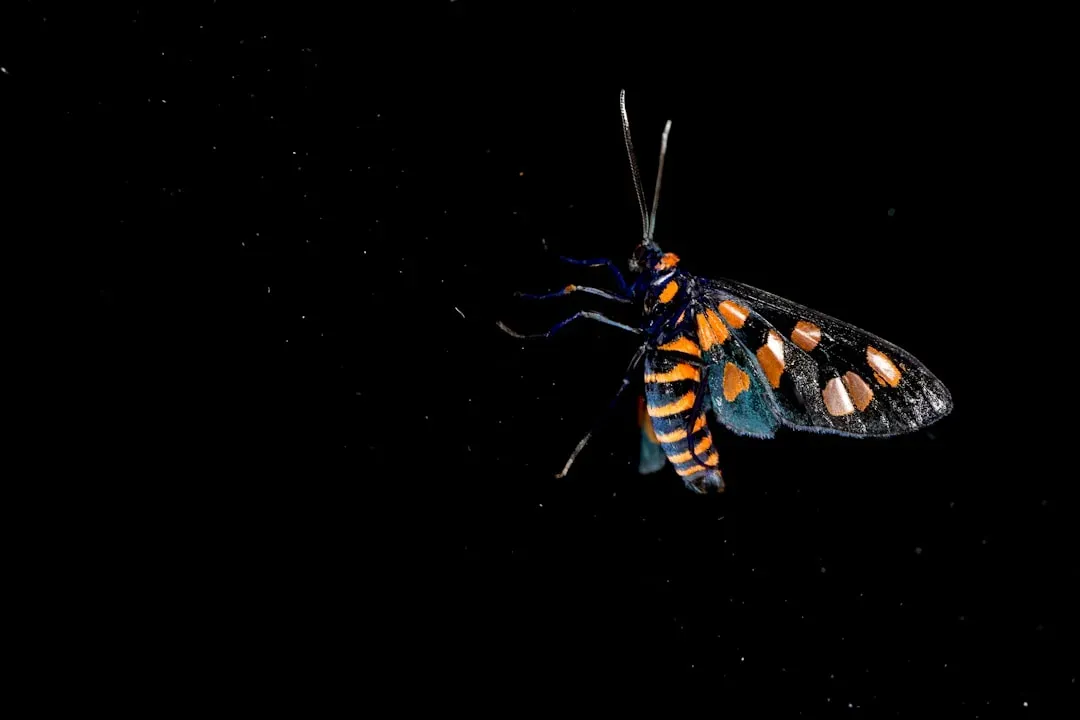
What this remarkable wave of discoveries tells you is something both humbling and exhilarating: the natural world is not a closed book. It is a library still being written, shelf by shelf, species by species. Every jungle trail, ocean trench, cave system, and sand dune is a potential archive of evolutionary history waiting to be read. The creatures described here, from a tear-drinking moth to a river-prowling sea monster, each carry genetic and behavioral information that reshapes what you know about the origin and diversification of life.
Discovering new species is critical because these species cannot be protected until they are scientifically described. Documentation is the first step in conservation. You simply cannot safeguard a species from extinction if you do not know it exists. The urgency of discovery has never been greater. Species are disappearing faster than we can name them in some ecosystems, which means every new find carries a double weight: the joy of discovery and the race to protect what you just found.
In the end, the most astonishing thing about all fifteen of these discoveries is not the creatures themselves. It is what they suggest about everything still out there, undescribed, unnamed, and quietly evolving in places you have never been. What do you think is still out there waiting to be found? Drop your thoughts in the comments below.