Farmers and meat processors now have a tool to peer into the world as cows see it, uncovering design flaws that trigger anxiety and balking in livestock. These augmented reality goggles simulate bovine vision, prompting redesigns that enhance animal welfare and operational safety. Developed from scientific insights, the technology bridges a critical gap in how humans understand animal behavior.
Cattle See the World Differently
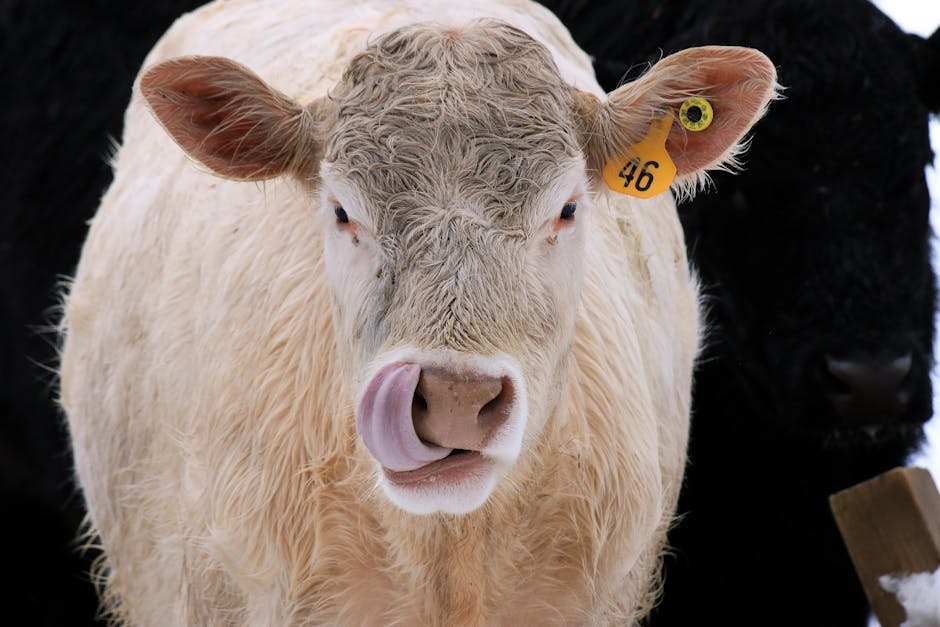
Cattle See the World Differently (Image Credits: Pexels)
Cows possess a panoramic field of view exceeding 300 degrees, far surpassing the human range of about 180 degrees. Their dichromatic vision renders reds as shades of brown, while blues and yellows stand out sharply. Shadows, contrasts, and patterns that appear innocuous to people often confuse cattle, leading to hesitation or panic during handling.
Depth perception poses another challenge for bovines, making steps, drains, or reflective surfaces appear as obstacles. Rapid shifts from dim to bright light shock their eyes, much like human discomfort after snow glare. These visual limitations explain common issues in barns and chutes, where animals refuse to move forward.
How the Animal Eye Simulator Works
German software firm Computer Output Management created the Animal Eye Simulator, a set of VR goggles paired with a 360-degree helmet camera. Users walk through real facilities while the device overlays cattle-specific visual filters on live footage. This reveals how elements like vertical bars or harsh lighting disrupt animal flow.
Agricultural engineer Benito Weise partnered with researcher Peter Menzel to build the simulator from established bovine vision data. Training sessions last mere minutes but deliver lasting insights. Participants emerge with a shifted perspective, prompting immediate adjustments to pens and pathways.
| Human Vision | Cattle Vision |
|---|---|
| 180° field of view | Over 300° panoramic |
| Trichromatic (full color) | Dichromatic (blue/yellow, red as brown) |
| Strong depth perception | Poor depth perception |
| Quick light adaptation | Slow adjustment to light changes |
Transforming Facilities and Training
At the University of Wisconsin-River Falls meat plant, staff tested the goggles and identified vertical bars that created disorienting patterns for cows. Workers added solid sides to improve visibility, anticipating smoother animal movement through exits. The institute now integrates the tool into employee training programs.
In Germany, farmers use the simulator to cut handling accidents, while OSI – a McDonald’s supplier – highlighted it in their 2024 sustainability report. Dairy operations show potential for similar adaptations. The device extends to pigs and horses, with sheep versions in development.
- Solid walls replace barred fences to eliminate confusing stripes.
- Non-reflective floors reduce false obstacles.
- Gradual lighting transitions prevent shock.
- Consistent colors guide natural movement.
- Eliminated sharp contrasts in chutes.
Experts Champion the Shift
Temple Grandin, a professor of animal science at Colorado State University, has long urged facility checks at animal eye level. She tested the goggles and endorsed their purchase by the Wisconsin institute. Grandin stresses that cattle perceive the world unlike humans, a realization that drives better practices.
Ashlynn Kirk, program manager at the University of Wisconsin-River Falls’ Humane Handling Institute, explained the value: “Designing facilities means trying to imagine the world from an animal’s perspective, and the simulator helps people truly see it as cattle might.” Ron Gill, a Texas A&M livestock specialist, noted gains in meat quality, milk production, and injury prevention from low-stress handling. Benito Weise added, “The goggles themselves are just a device. The real success is that people tend to keep thinking about what they saw long after training ends.”
Key Takeaways
- Goggles simulate cattle’s unique vision to spot welfare risks.
- Simple redesigns like solid barriers yield calmer animals.
- Training with the tool fosters long-term behavioral changes.
This innovation marks a pivotal step in aligning farm infrastructure with livestock instincts, promising safer environments and superior products. Consumers increasingly demand welfare-focused practices, making tools like these essential. What do you think about viewing farms through animal eyes? Tell us in the comments.