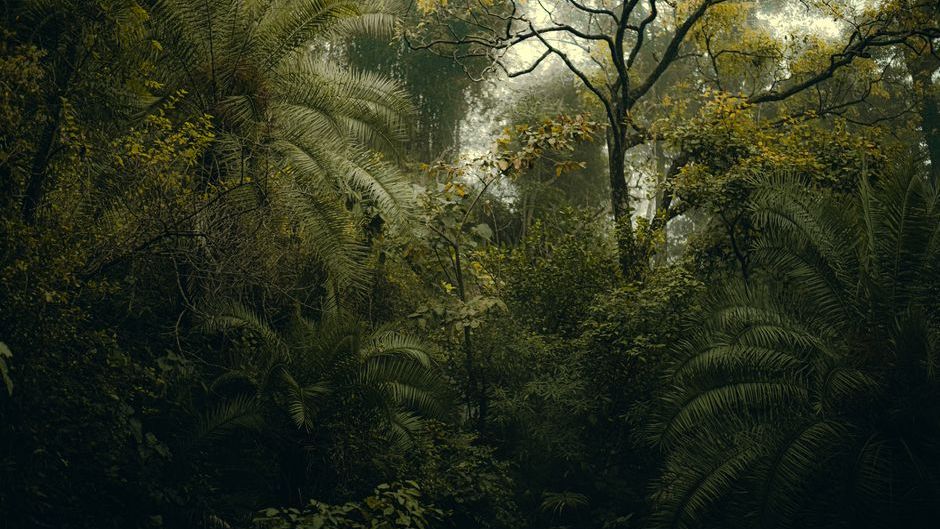
Central Congo Basin — Researchers revealed a previously unrecognized pathway for ancient carbon emissions from the world’s largest tropical peatlands. Blackwater lakes embedded in the Cuvette Centrale are outgassing carbon dioxide partly derived from peat accumulated over thousands of years. The discovery raises questions about the long-term stability of these vast carbon stores amid global warming
Uncharted Carbon Depths Exposed
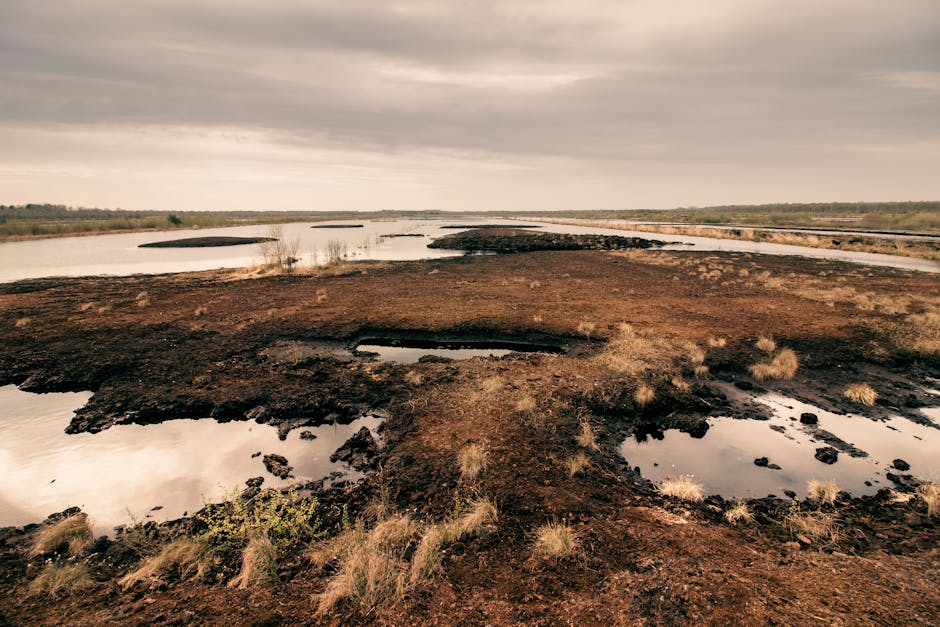
Uncharted Carbon Depths Exposed (Image Credits: Pexels)
Scientists mapped the Cuvette Centrale peatlands just over a decade ago, uncovering a repository roughly the size of England. These wetlands hold approximately 30 billion metric tons of carbon, equivalent to one-third of all tropical peat carbon globally. Swampy conditions preserved plant matter for millennia, preventing full decomposition and building up thick peat layers.
The peatlands remained largely intact, unlike drained Southeast Asian counterparts. Yet recent expeditions showed that nearby lakes play a key role in carbon dynamics. Lead researcher Travis Drake described the area as a natural carbon fortress now showing subtle leaks.
Blackwater Lakes Spew Surprisingly Old Carbon
Lake Mai Ndombe and Lake Tumba, stained dark by dissolved organics, emerged as major CO2 hotspots. Radiocarbon analysis of dissolved inorganic carbon revealed ages of 2,170 years for Mai Ndombe and 3,515 years for Tumba. Up to 40% of the CO2 emissions traced back to ancient peat, not recent forest debris.
“It surprised us that almost half was coming from ancient peat carbon,” Drake noted. The lakes supersaturate with CO2, emitting fluxes of 29-60 millimoles per square meter daily. Mai Ndombe alone may release over 150,000 metric tons of peat-derived carbon yearly.
| Lake | Surface Area (km²) | DIC Age (¹⁴C years) | Peat-Derived CO₂ (%) |
|---|---|---|---|
| Mai Ndombe | 2,250 | 2,170 ± 203 | 39 ± 8 |
| Tumba | 740 | 3,515 ± 369 | 40 ± 6 |
Subsurface Pathways Fuel the Outgassing
Microbes deep in the peat respire old plant matter, producing CO2 and methane. Methane oxidizes into CO2 before seeping upward into the lakes, which then vent it like chimneys. Modern carbon from surface forests enters separately via runoff, creating a dual-source system.
Statistical models confirmed the peat contribution using end-member mixing of peat, modern organics, and atmospheric CO2. Rivers like the Fimi and Ruki also carry aged carbon, suggesting broader regional effects.
- Radiocarbon dating of filtered water samples from multiple depths.
- Isotope analysis for carbon-13 and carbon-14 signatures.
- Monte Carlo simulations to quantify source proportions.
- Flux measurements via gas chromatography.
Guarding Against Accelerated Losses
The process appears natural in these pristine peatlands, but drying from droughts or deforestation could amplify releases. “The carbon reservoir has a leak, so to speak,” co-author Matti Barthel observed. Climate models currently overlook such lake-mediated pathways, underestimating tropical wetland impacts.
Protection strategies include rewetting drained areas, revegetation, and stricter land-use policies. Drake likened it to a “leaky freezer,” where minor escapes differ from total thaw triggered by unplugging. Preserving hydrology keeps the carbon locked away.
Key Takeaways
- Cuvette Centrale stores 30 billion tons of carbon, rivaling three years of global fossil emissions.
- Lakes outgas 39-40% ancient peat carbon naturally, but risks escalate with drying.
- Enhanced monitoring and restoration can safeguard this climate bulwark.
These peatlands represent a critical buffer against climate escalation, yet subtle leaks remind us of their fragility. Protecting them demands urgent global attention before natural balances tip. What steps should prioritize Congo Basin conservation? Tell us in the comments.