KwaZulu-Natal – Media reports have spotlighted a provincial proposal to remove up to 1,050 elephants from reserves through translocation or culling. The Democratic Alliance responded swiftly by submitting parliamentary questions to the Department of Economic Development, Tourism and Environmental Affairs. This move underscores tensions between wildlife management needs and demands for rigorous oversight.
Elephant Numbers Prompt Bold Provincial Action
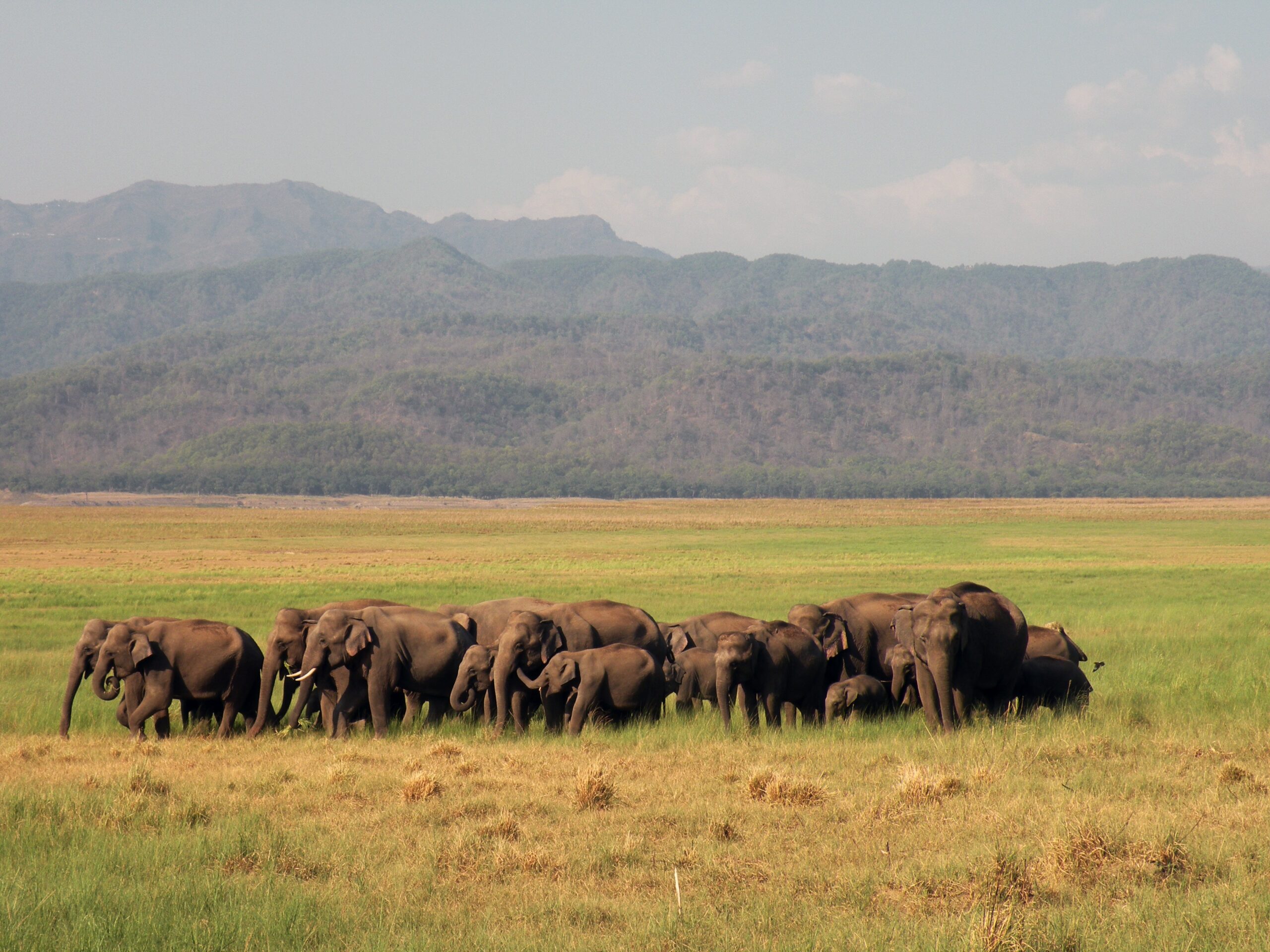
Elephant Numbers Prompt Bold Provincial Action (Image Credits: Upload.wikimedia.org)
Provincial authorities identified overpopulation pressures in several reserves, leading to considerations of large-scale intervention. Reports indicated that most elephants would face relocation, though culling remained an option where other methods proved unviable. Such plans immediately drew scrutiny over their ecological grounding and execution.
The figure of 1,050 elephants emerged from internal assessments, yet details on the supporting data stayed limited. Officials cited vegetation damage and biodiversity risks, but independent verification appeared absent. This gap fueled calls for deeper examination before any steps forward.
Specific Questions Target Scientific Foundations
The DA pressed EDTEA on whether decisions rested on peer-reviewed science and reserve-specific studies. Lawmakers requested concrete evidence of habitat degradation, species impacts, and the models yielding the 1,050 target. Without such proof, critics argued, the plan risked arbitrary outcomes.
Further inquiries focused on adherence to national Norms and Standards for Elephant Management. The opposition asked if national bodies received consultations and whether full documentation would enter the public domain. Transparency emerged as a core theme, essential for building trust in conservation efforts.
Non-Lethal Options Take Center Stage
Relocation and culling drew particular caution from the DA, which highlighted viable alternatives. Immunocontraception offered a way to curb population growth without fatalities. Habitat expansion and ecological corridors promised longer-term relief by easing overcrowding pressures.
Questions extended to whether these methods underwent thorough evaluation. Officials faced demands to explain any dismissals of gentler strategies. The emphasis remained on addressing root causes rather than reactive measures.
Welfare and Ethics Demand Priority
Capture, transport, and release phases raised animal welfare flags. The DA sought details on protective protocols throughout these stressful operations. An independent ethical review stood out as a key unmet benchmark in the probe.
Provincial leaders prepared responses amid growing public interest. Balancing human-wildlife conflicts with ethical stewardship proved challenging. Robust safeguards could determine the plan’s viability and public support.
- Is the plan backed by peer-reviewed science and site data?
- What evidence supports claims of vegetation loss and biodiversity decline?
- Has modeling justified the 1,050-elephant figure?
- Does it comply with national elephant management standards?
- Have national authorities been consulted?
- Will decision documents become public?
- Were non-lethal options like immunocontraception explored?
- Has an independent ethical review occurred?
- What welfare measures cover capture, transport, and release?
Key Takeaways:
- The DA prioritizes evidence-based approaches to avoid hasty culling.
- Public access to data could shape the proposal’s path forward.
- Non-lethal tools offer sustainable paths for elephant management.
The DA positioned itself as a vigilant partner in KwaZulu-Natal’s Government of Provincial Unity, committed to principled wildlife stewardship. This episode highlights the delicate interplay of ecology, politics, and ethics in conservation. As responses from EDTEA arrive, stakeholders await clarity that could redefine provincial strategies. What are your views on balancing elephant populations and welfare? Share in the comments below.