Think about the last time you watched a bird launch effortlessly into the sky. It looks so natural, so inevitable. You might assume it all began simply, with a feathered creature one day spreading its arms and taking off. The reality, it turns out, is far more astonishing than that. Researchers across the world have been dismantling long-held assumptions about how birds came to fly, and what they’re uncovering is a story full of twists, reversals, and surprises that no one quite predicted.
From ancient dinosaurs with wings that couldn’t fly, to the brain rewiring needed before a single feather could generate lift, the path to avian flight was not a straight line. It was more like an evolutionary maze, filled with dead ends, detours, and remarkable reinventions. If you’ve ever been curious about where bird flight really came from, you’re in for quite a ride. Let’s dive in.
From Dinosaur to Bird: An Ancient and Complicated Lineage
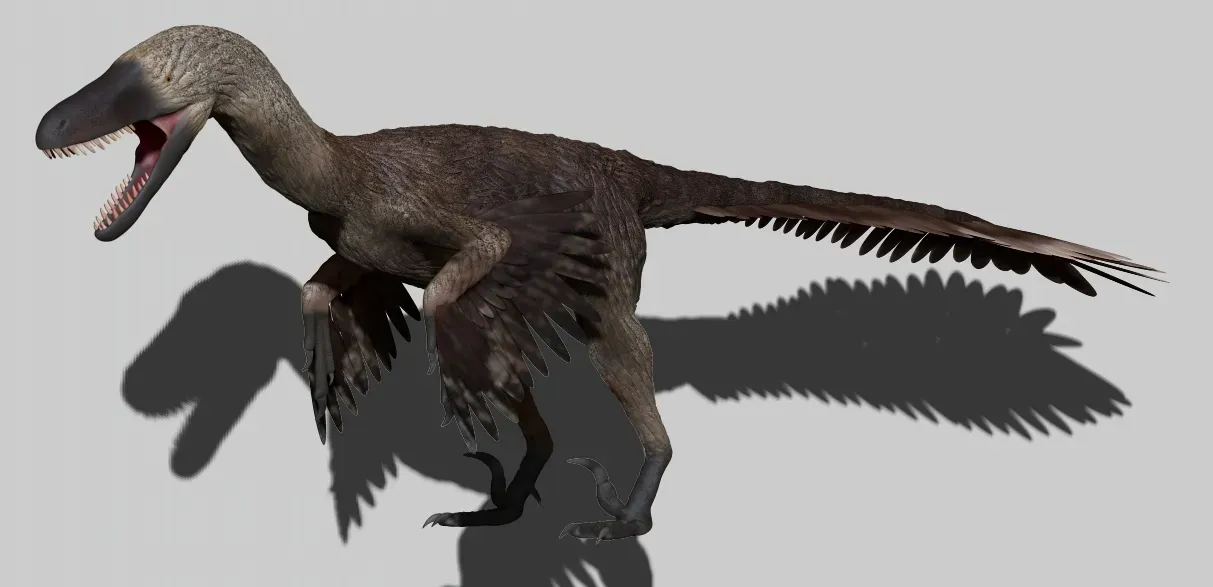
You might already know that birds descended from dinosaurs. But do you know just how messy and contested that story truly is? Although the origin of birds has historically been a contentious topic within evolutionary biology, only a few scientists still dispute the dinosaurian origin of birds today. The broad scientific consensus is well established, but the fine details of exactly which dinosaurs gave rise to birds, and when, remain fiercely debated.
That view began to shift during the so-called dinosaur renaissance in scientific research in the late 1960s; by the mid-1990s, significant evidence had emerged that dinosaurs were much more closely related to birds, which descended directly from an earlier group of theropod dinosaurs. Think of it like a family tree you thought you understood, only to discover entire forgotten branches you never knew existed. The closer scientists look, the more complicated the picture becomes.
Archaeopteryx: The Famous Fossil That Keeps Rewriting History
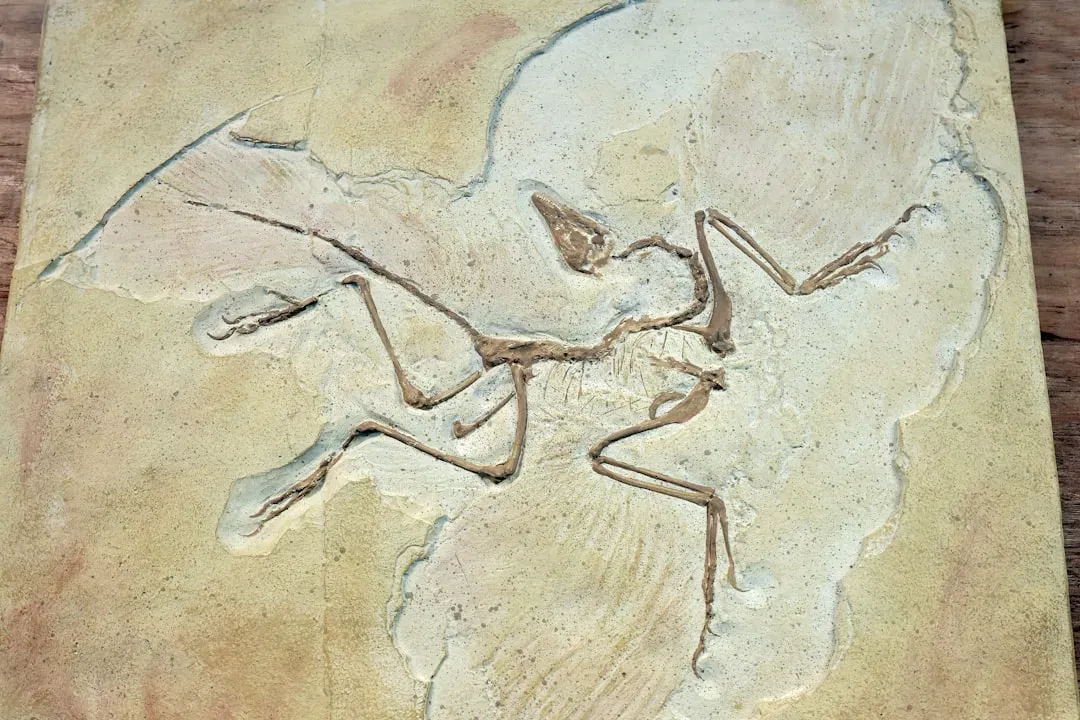
The type specimen of Archaeopteryx was discovered just two years after Charles Darwin published On the Origin of Species. Archaeopteryx seemed to confirm Darwin’s theories and has since become a key piece of evidence for the origin of birds, the transitional fossils debate, and confirmation of evolution. Honestly, few fossil discoveries have carried that kind of scientific weight. It was the kind of find that makes paleontologists genuinely emotional.
Multiple studies suggest Archaeopteryx behaved less like a high-soaring falcon, and more like a chicken capable of gliding shorter distances. The latest research also suggests these sizable feathers may have also served a role in visual communication. So this iconic proto-bird, long celebrated as a symbol of winged mastery, was likely more of a short-distance glider with a flair for display. Not exactly the heroic image many imagined.
Feathers First, Flight Second: A Surprising Discovery
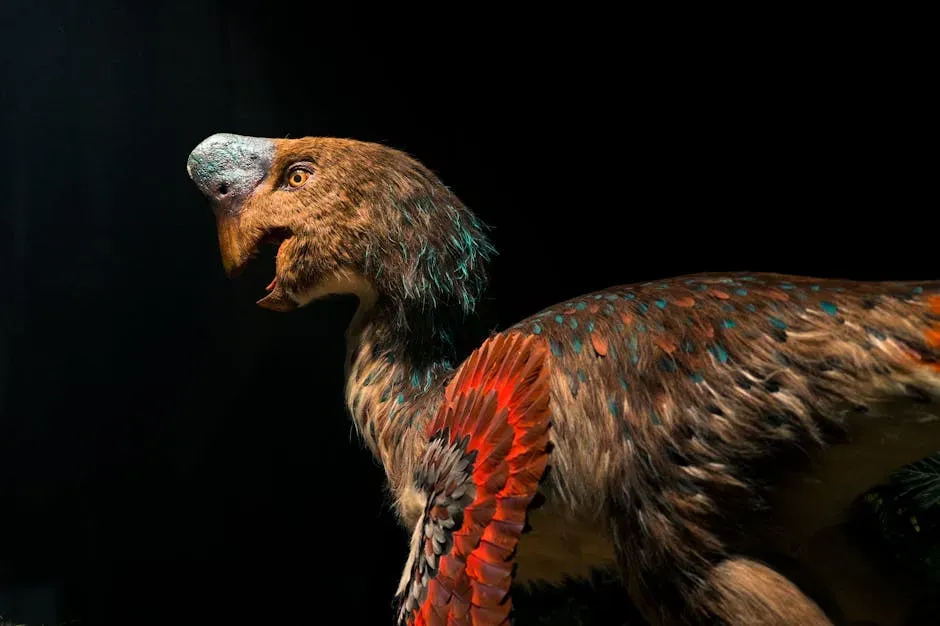
Here’s the thing that really shakes the foundation of what most people assume. You might think feathers evolved for flying. That’s the logical conclusion, right? Wrong. From the fossil record, we know that birds evolved from dinosaurs, some of which had feathers. But those first feathers had nothing to do with flight; they probably helped dinosaurs show off, hide, or stay warm. Flight came later, almost as an afterthought to feathers that were already there for entirely different reasons.
They probably began as simple tufts, or so-called “dino fuzz,” and then gradually developed into interlocking structures capable of supporting flight. Recent discoveries show that feathers evolved millions of years before flight. It’s a bit like how the wheels of a skateboard existed long before anyone figured out you could use them to do a kickflip. The tool came first; the trick took much longer to develop.
The Ground-Up vs. Trees-Down Debate That Refuses to Die
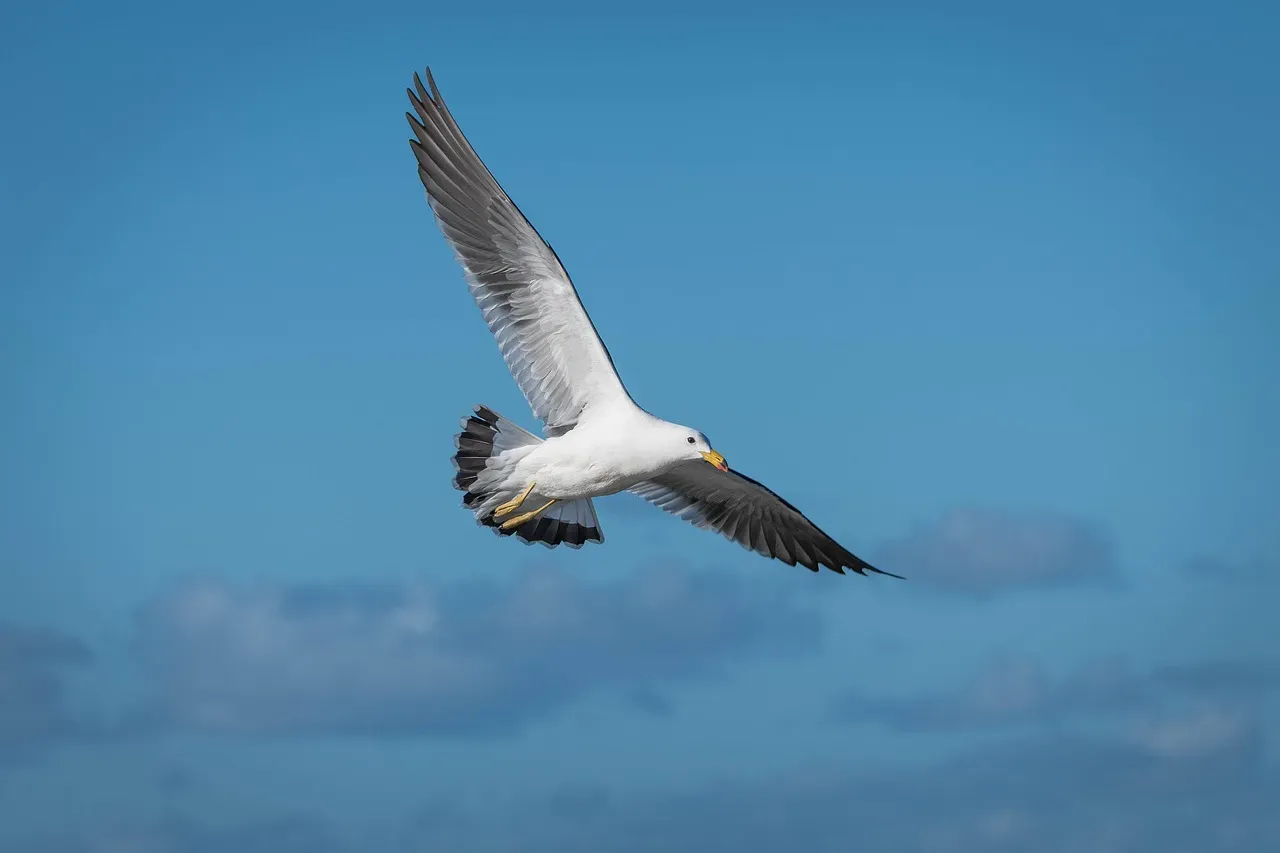
Various theories exist about how bird flight evolved, including flight from falling or gliding (the trees-down hypothesis), from running or leaping (the ground-up hypothesis), from wing-assisted incline running, or from proavis pouncing behavior. Scientists have been arguing about this for over a century, and it’s still not fully resolved. I think that’s part of what makes this field so compelling: the answers keep evolving alongside the evidence.
There are two main hypotheses for the evolution of flight in birds: the arboreal (tree-down) hypothesis, and the cursorial (ground-up) hypothesis. The arboreal hypothesis states that bird ancestors evolved gliding and then powered flight as they made their way from trees to the ground again. The cursorial hypothesis suggests that bird ancestors ran and jumped, perhaps to catch prey, and thus evolved flight as a way to enhance this. However, neither hypothesis can be proven or disproven with the current evidence available. Two ideas, both plausible, both incomplete. The truth may sit somewhere in between.
The Brain Rewired Before the Wings Lifted Off
You probably never thought about how brain development connects to flight. It sounds almost philosophical, doesn’t it? But research from Johns Hopkins Medicine has revealed something genuinely stunning. Modern birds are believed to have acquired flight in a step-by-step, more gradual process, inheriting certain features such as an enlarged cerebrum, cerebellum, and optic lobes from their prehistoric relatives, and later adapting them to enable flight. This theory is supported by 2024 findings from the lab of Amy Balanoff, assistant professor of functional anatomy and evolution at Johns Hopkins Medicine, that point to the expansion of the brain’s cerebellum as a key to bird flight.
The endocasts showed patterns of tissue folding in the cerebellum of early maniraptoran dinosaurs, indicating a progressive increase in brain complexity over time. These adaptations likely facilitated the transition to powered flight in these ancient birds. Looking at the fossil records, there was a substantial increase in cerebellar size in maniraptoran dinosaurs that directly preceded the evolution of flight. These findings suggest that the evolutionary groundwork for flight may have already been laid long before the necessary physical flight apparatus was in place. In other words, the brain was getting ready for flight before the body caught up. Mind-blowing, right?
The Molecular Secret Hidden Inside Ancient Feathers
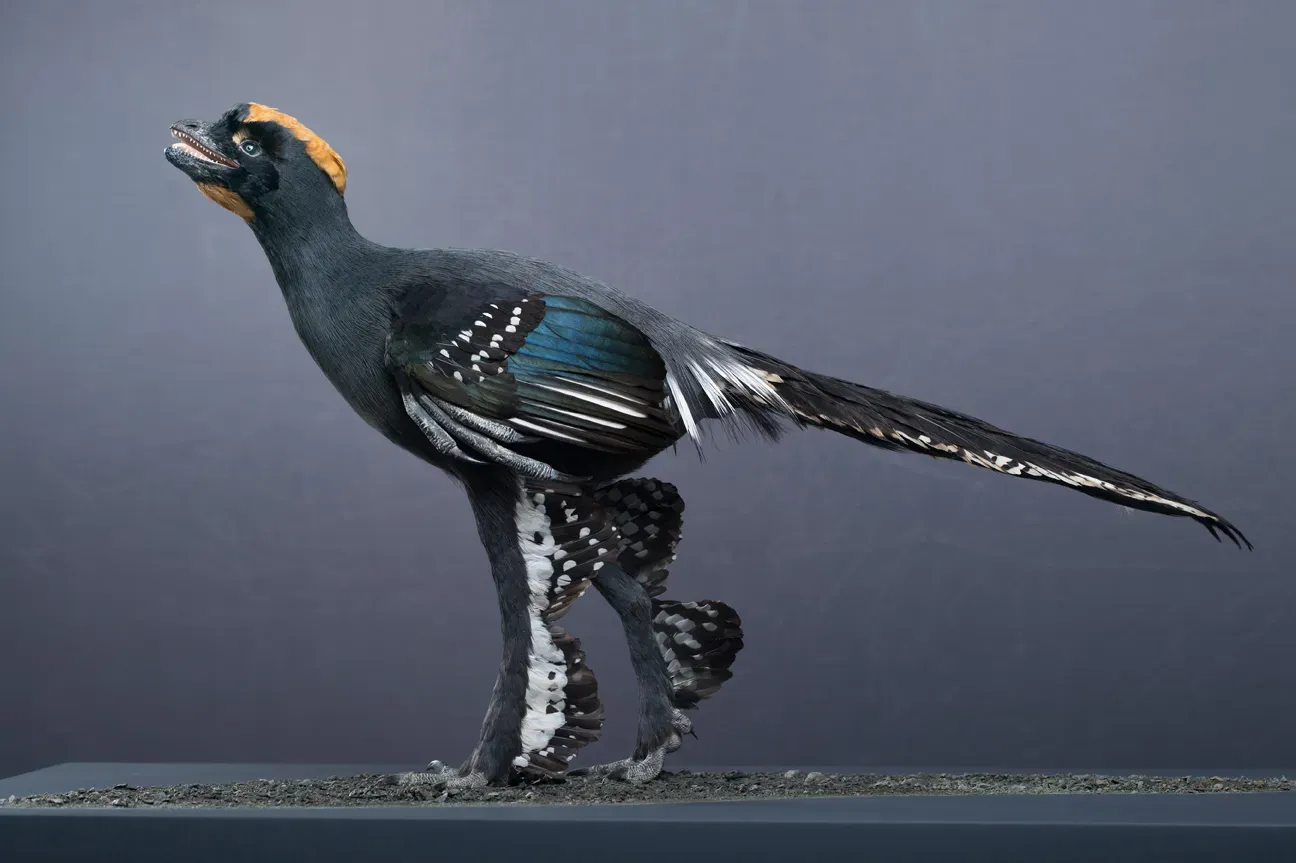
It’s one thing to study fossils with your eyes. It’s another to analyze what’s inside them at the molecular level. Molecular evidence from feathered dinosaur fossils reveals how the key proteins that make up feathers became lighter and more flexible over time, as flightless dinosaurs evolved into flying ones, and later, birds. This level of detail is extraordinary and only became possible with recent advances in imaging technology.
Pennaceous feathers attached to the right forelimb of the Jurassic dinosaur Anchiornis were composed of both feather beta-keratins and alpha-keratins, but were dominated by alpha-keratins, unlike mature feathers of extant birds, which are dominated by beta-keratins. Data suggest that the pennaceous feathers of Anchiornis had some, but not all, of the ultrastructural and molecular characteristics of extant feathers, and may not yet have attained molecular modifications required for powered flight. So even when a dinosaur looked like it could fly based on its shape, the chemistry inside its feathers said otherwise. Looks can be deeply deceiving.
Dinosaurs With Wings That Simply Could Not Fly
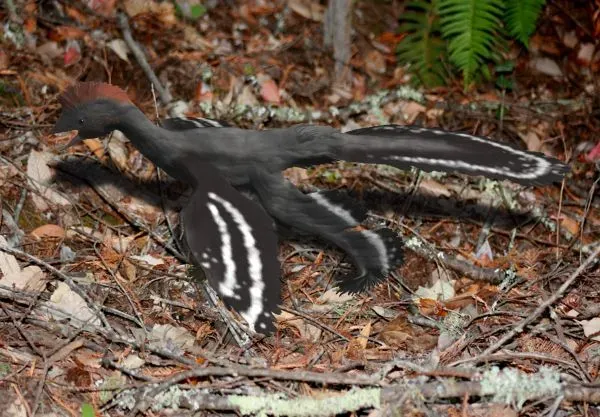
This is one of the most startling discoveries to emerge in recent years, and honestly, it reshapes everything. By studying rare fossils with preserved feathers, researchers uncovered a surprising clue hidden in molting patterns, revealing that Anchiornis likely couldn’t fly at all. Instead of the neat, symmetrical feather replacement seen in flying birds, these dinosaurs showed a messy, irregular molt, something only flightless animals exhibit. A dinosaur covered in wings, looking every part the bird, yet firmly earthbound.
This finding has broad significance, as it suggests that the development of flight throughout the evolution of dinosaurs and birds was far more complex than previously believed. In fact, certain species may have developed basic flight abilities and then lost them later in their evolution. Flight wasn’t just gained once and kept forever. Some lineages grabbed it, then gave it back. Evolution rarely draws a straight line.
When Birds Lose the Ability to Fly: A Reverse Engineering Story
![When Birds Lose the Ability to Fly: A Reverse Engineering Story ([1], CC BY-SA 2.0)](https://nvmwebsites-budwg5g9avh3epea.z03.azurefd.net/dinoworld/6f5c80955f77ff9143573f3ff623610d.webp)
It’s fascinating to consider that gaining flight was the hard part, while losing it was relatively easy. All of the flightless birds alive today evolved from ancestors who could fly and later lost that ability. As research associate Evan Saitta at the Field Museum in Chicago puts it: “Going from something that can’t fly to flying is quite the engineering challenge, but going from something that can fly to not flying is rather easy.” There’s something both sobering and poetic about that.
What happens first when a bird loses flight? The answer is probably not what you’d expect. When birds evolve from a flying ancestor to a new flightless form, the birds’ bodies, including the ratio of their wings and tails, change before the feathers do. The reason may be the comparative costs to grow these features. When animals develop, it takes a lot more energy to grow bones than it does to grow feathers, so evolution prioritizes changing the skeleton before the majority of the feathers. The skeleton pays the first toll; the feathers linger behind like expensive leftovers.
Flight Evolved Independently, and Maybe More Than Once
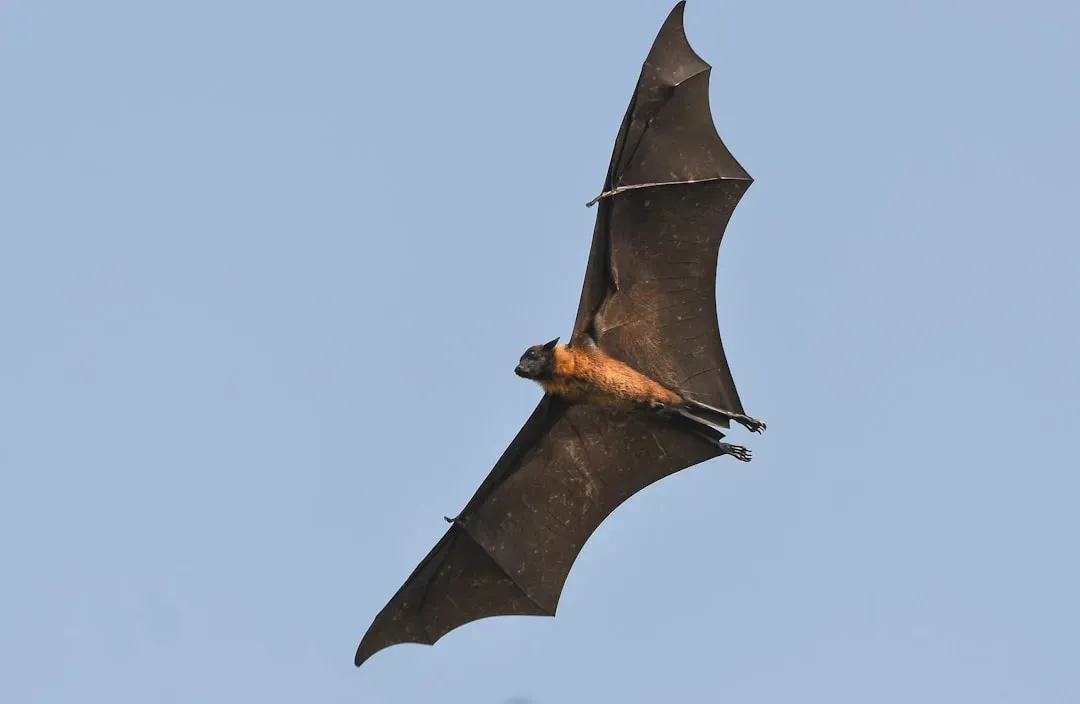
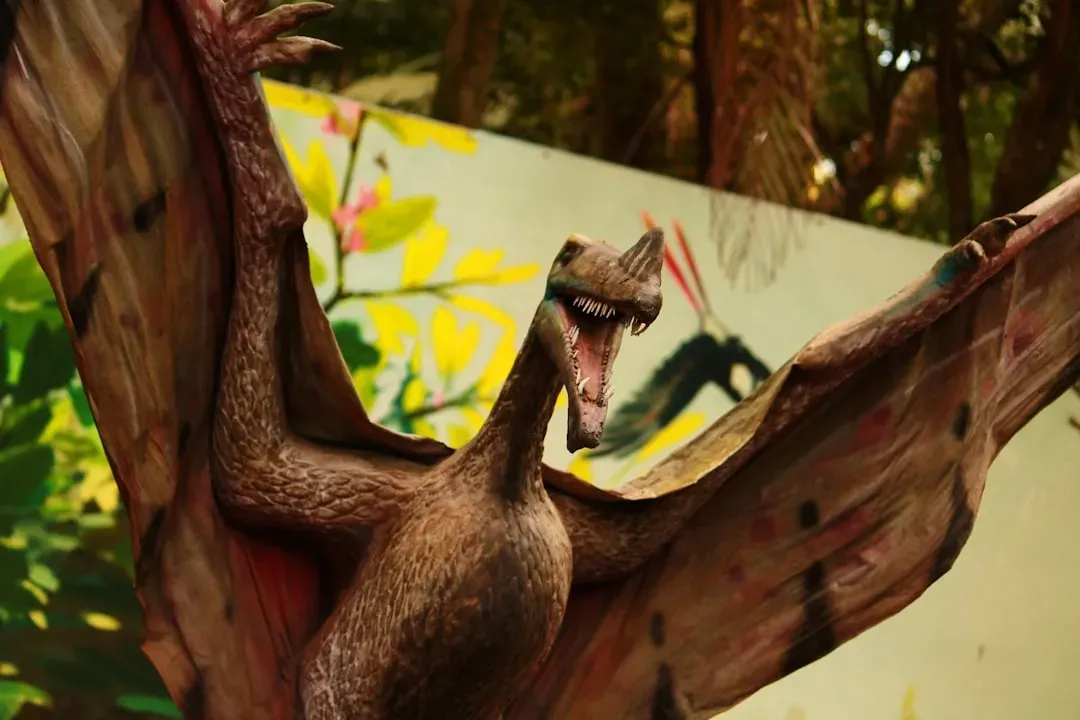
As Amy Balanoff of Johns Hopkins University School of Medicine explains, powered flight among vertebrates is a rare event in evolutionary history. In fact, just three groups of vertebrates evolved to fly: extinct pterosaurs, the terrors of the sky during the Mesozoic period which ended over 65 million years ago, bats, and birds. Three separate solutions to the same aerodynamic problem, each arrived at independently. It’s remarkable that it happened at all.
The question of whether flight evolved once or multiple times in multiple evolutionary tracks is an ongoing topic of debate. Many of the species studied lived tens of millions of years and thousands of miles apart, with a last common ancestor that existed 50 or 100 million years earlier, leading researchers to wonder if flight evolved once but was later lost, or if different species stumbled upon the same solution. It’s hard to say for sure, but the weight of evidence increasingly points to flight being discovered, lost, and possibly rediscovered across deep evolutionary time. The sky, it seems, was a destination worth reaching more than once.
Conclusion

The story of how birds learned to fly is not a simple tale of wings unfolding and creatures taking to the skies. You now know it is a layered, sometimes contradictory narrative spanning hundreds of millions of years, involving ancient brains growing larger before bodies adapted, feathers that served as thermal insulation long before they ever generated lift, and entire lineages that had flight within their grasp, only to surrender it to the pressures of a changing world.
What makes this field so endlessly captivating is that every new fossil, every CT scan, every molecular analysis seems to add a new chapter rather than close one. The more carefully scientists look, the more complex and spectacular the picture becomes. You are watching one of the greatest unsolved puzzles in natural history unfold in real time. So the next time you see a bird take flight, pause for a second. What you’re witnessing took over 150 million years to perfect, and scientists are still figuring out exactly how it happened. Doesn’t that change the way you look at the sky?