Northern Alaska – Ancient bluffs along the Colville River hold clues to one of prehistory’s enduring puzzles. Researchers uncovered hundreds of tiny bones and teeth from baby dinosaurs in a rock formation dating back 70 million years. These finds indicate that polar dinosaurs not only survived but reproduced in the far north, challenging long-held views on their migrations.
A Nursery in the Frozen North
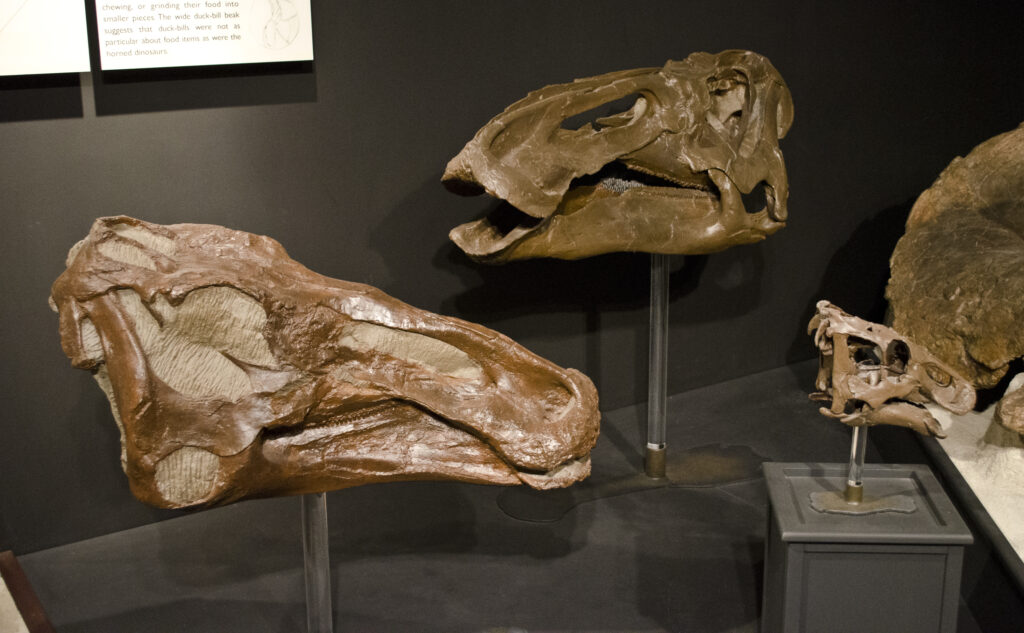
A Nursery in the Frozen North (Image Credits: Upload.wikimedia.org)
Fossils from the Prince Creek Formation revealed the presence of very young dinosaurs, including embryos still inside eggs and just-hatched individuals. This discovery marked the first strong evidence of dinosaur reproduction at such high paleolatitudes, above 75 degrees north. Scientists documented remains from at least seven species across multiple dinosaur groups.
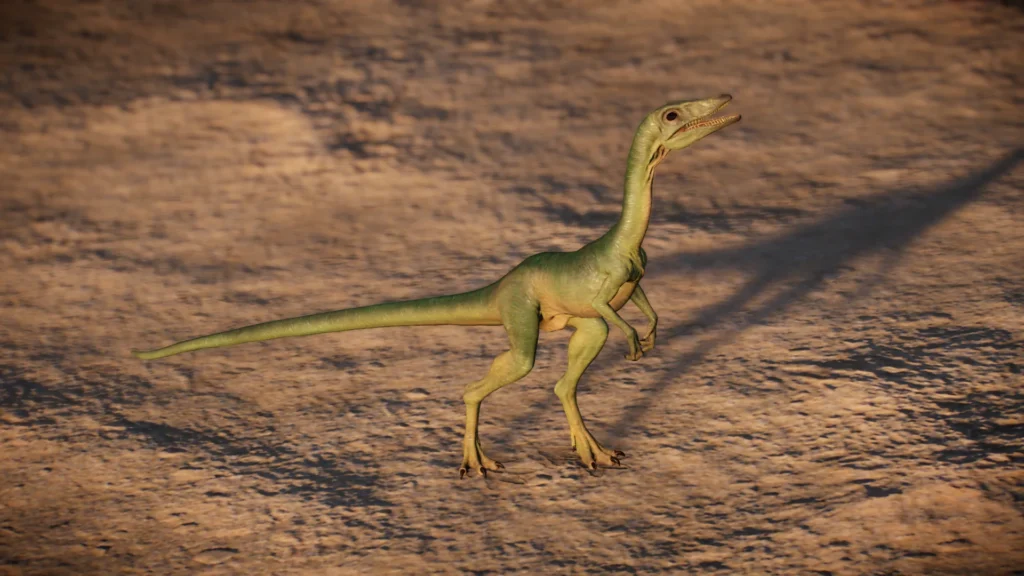
The site, exposed in river bluffs, preserved a diverse ecosystem from the Late Cretaceous. Teams had excavated adult dinosaurs there before, but the baby fossils provided the key insight into breeding behaviors. These tiny specimens, some no larger than a human finger, pointed to local hatching rather than long-distance travel by newborns.
Multiple Species in the Polar Realm
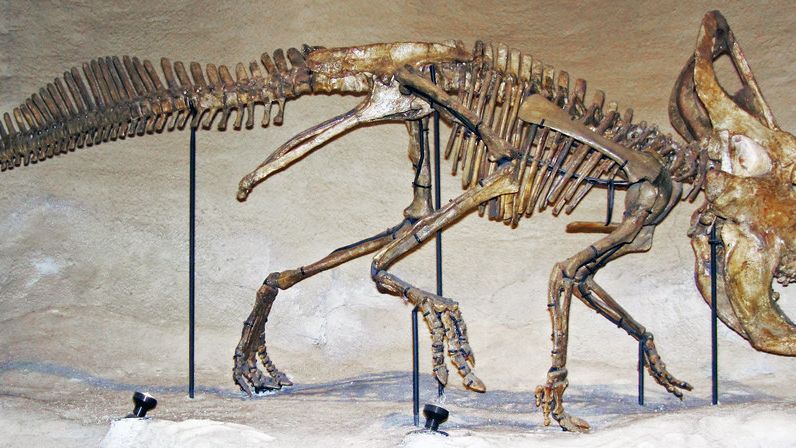
Thirteen non-avian dinosaur taxa appeared in the Prince Creek deposits, with evidence of nesting from several. Hadrosaurids, ceratopsians like Pachyrhinosaurus, and even tyrannosaur relatives featured among the juveniles. The variety suggested a thriving community adapted to extreme conditions.
Researchers noted that baby bones outnumbered adults in some areas, hinting at a nursery ground near the ancient Arctic Ocean. Such concentrations rarely occur elsewhere, underscoring the site’s uniqueness. The fossils spanned herbivores, carnivores, and omnivores, painting a picture of a bustling polar habitat.
Surviving Endless Winter Nights
Seventy million years ago, this region endured months of continuous darkness and likely freezing temperatures during winter. Earlier theories proposed dinosaurs migrated south for the cold season, but baby fossils disproved that idea. Hatchlings lacked the strength for epic journeys, implying families stayed put.
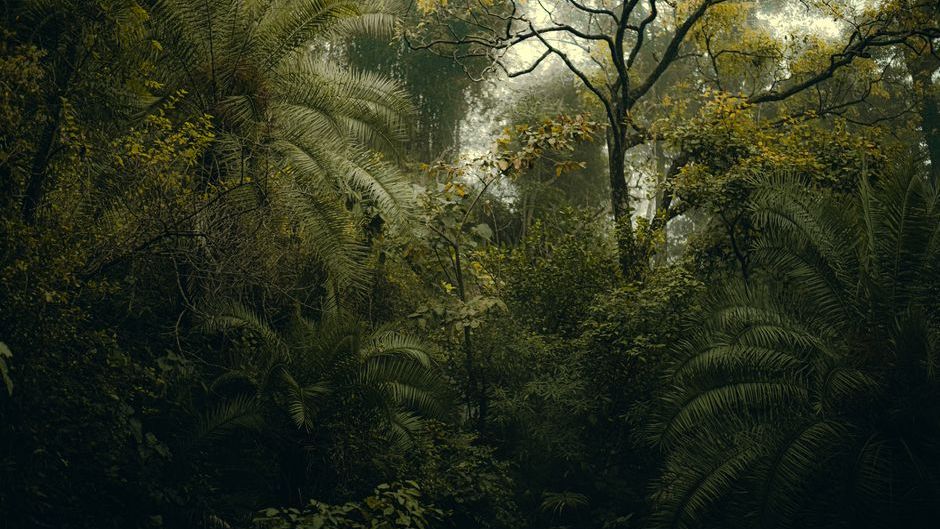
The Arctic then supported dense forests and rivers, warmer than today but still harsh. Dinosaurs probably huddled in groups or burrowed to endure the gloom. Fast growth rates, observed in some specimens, would have helped juveniles bulk up quickly against the chill.
- Embryos and neonates confirmed local reproduction.
- High-latitude site at 80-85 degrees north.
- No evidence of seasonal migration for breeders.
- Diverse taxa, including large herbivores and predators.
- Potential for hibernation or high metabolism.
Rethinking Dinosaur Adaptations
The presence of polar nurseries bolstered arguments for warm-blooded traits in dinosaurs. Modern reptiles avoid such extremes, but these ancient reptiles thrived there. Studies linked the finds to elevated growth in Arctic species, supporting endothermy.
Teams from the University of Alaska Fairbanks and Florida State University led the work, publishing in Current Biology. Their analysis of bone microstructure revealed rapid early development, essential for polar survival. This shifted views from transient visitors to permanent Arctic dwellers.
Further excavations continue to uncover more about this lost world. The discoveries highlighted how dinosaurs dominated even the planet’s fringes before the asteroid impact.
Key Takeaways:
- Baby fossils from seven-plus species prove Arctic nesting.
- Year-round living demanded unique cold-weather strategies.
- Prince Creek Formation rewrites polar dinosaur history.
These revelations from Alaska’s permafrost transform our understanding of dinosaur resilience. What adaptations do you think proved most crucial for their polar success? Share your thoughts in the comments.