Imagine stumbling across a small, oval object in a sunbaked desert or a busy construction site, only to realize you’re holding something that has been silently waiting for tens of millions of years. Dinosaur eggs are among the rarest objects on Earth – fragile time capsules from a world utterly unlike our own. You might think fossils are all about bones, but honestly, nothing fires the imagination quite like an intact egg, sometimes with a tiny creature still curled inside.
From high-drama expeditions in Mongolia to accidental teenage discoveries in Alabama, the stories behind these finds are as jaw-dropping as the eggs themselves. Each one has reshaped what scientists – and the rest of us – believe about how dinosaurs lived, loved, and raised their young. So buckle up, because what you’re about to read is far stranger and more thrilling than you might expect. Let’s dive in.
The Flaming Cliffs of Mongolia: Where It All Began
![The Flaming Cliffs of Mongolia: Where It All Began (Uploaded from English Wikipedia [1]., CC BY-SA 3.0)](https://nvmwebsites-budwg5g9avh3epea.z03.azurefd.net/dinoworld/94b1e71894be1bd3f6e5126b1a9c768c.webp)
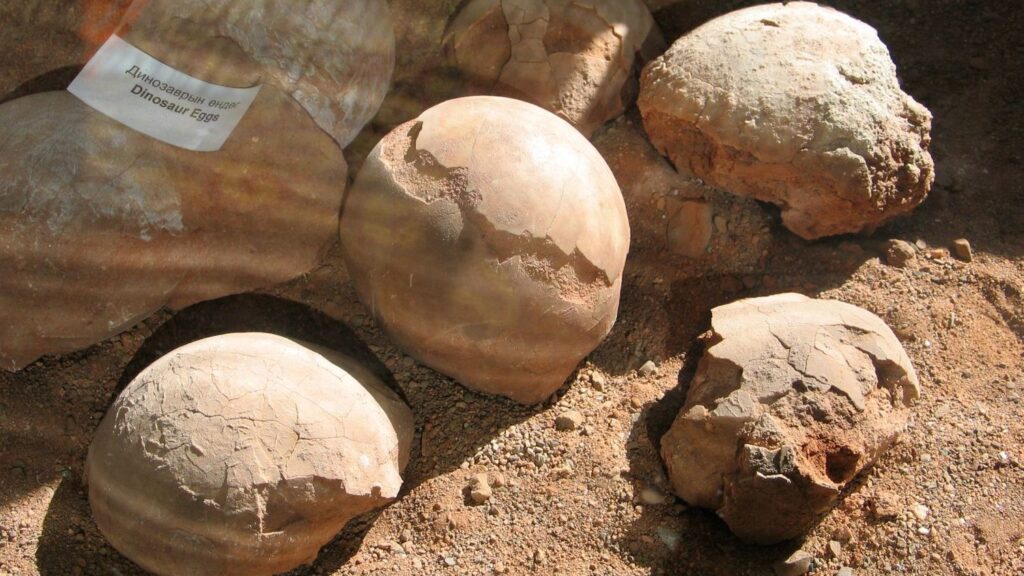
You can think of this as the moment that changed everything. The story of the first scientifically recognized dinosaur eggs begins with a daring American explorer named Roy Chapman Andrews, who in the early 1920s led a team from the American Museum of Natural History deep into the Gobi Desert, braving sandstorms, bandits, and political intrigue – and in 1923, expedition member George Olsen uncovered a nest of fossilized dinosaur eggs at the Flaming Cliffs. The world was stunned. Until that moment, no one had ever physically confirmed that dinosaurs laid eggs at all.
The eggs were largely complete, shaped like elongated ovals, with a rough, bumpy texture to the eggshell, and although they did not contain embryonic remains, scientists studied the microstructure of the fossilized eggshell to confirm they were dinosaurian. What makes the discovery even more layered is what happened next: paleontologists presumed the fossil eggs at Flaming Cliffs were laid by Protoceratops because it was the most common dinosaur at the locality, but in the 1990s, museum expeditions discovered identical eggs, one of which contained the embryo of an Oviraptor-like dinosaur, completely changing scientists’ view of which dinosaur laid these eggs – turns out Oviraptor was a parent, not an egg thief.
Baby Yingliang: The Dinosaur Frozen in Time
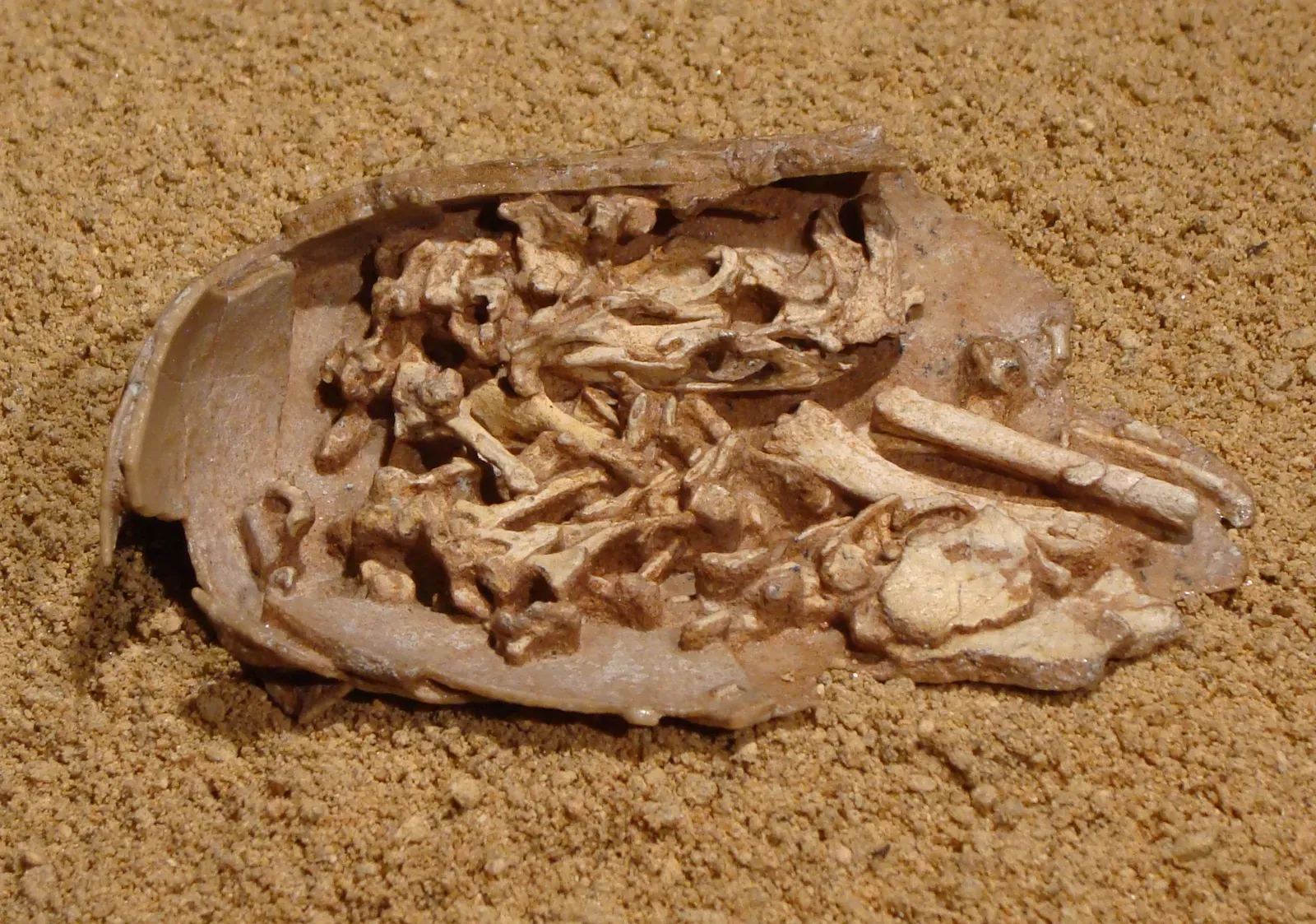
Here’s the thing – some of the most incredible discoveries aren’t made in the field at all. The stone mining company Yingliang Group discovered the egg in 2000, but another 15 years passed before anyone realized the significance of the find, when a few fragile bones exposed by a crack in the egg’s surface hinted at the prize inside. Think about that for a second. The fossil had been sitting in a museum storage room, completely overlooked, while scientists were out hunting in the dirt.
Belonging to a group of feathered, toothless theropods known as oviraptorosaurs, the unhatched creature is estimated to be about 27 centimeters long, and marks the first discovery of a dinosaur embryo displaying a posture typical of present-day bird embryos. Shortly before hatching, modern birds engage in a series of maneuvers known as “tucking,” which involves curving the body and bringing the head down under the wing – yet the evolutionary origins of this behavior had until that point remained unknown. Baby Yingliang, as scientists named it, essentially handed paleontology one of its greatest missing puzzle pieces.
Egg Mountain, Montana: Proof That Dinosaurs Were Devoted Parents
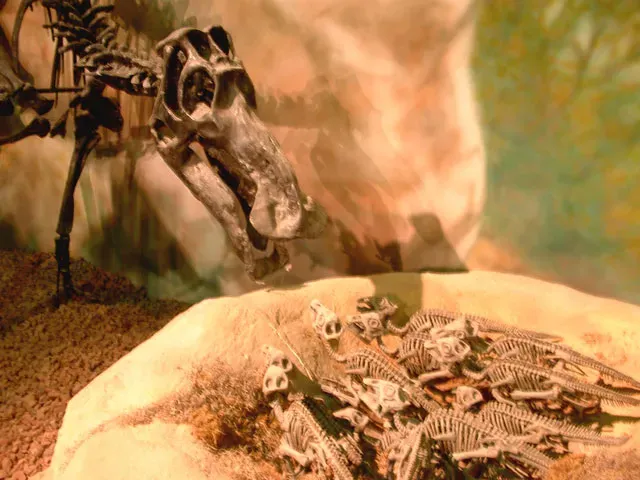
Before the finds in Montana, most scientists thought of dinosaurs as cold, indifferent creatures – scaly things that laid their eggs and walked away. The discovery of Egg Mountain began in 1978, when Marion Brandvold found a nest with remains of eggshells and babies too large to be hatchlings, leading to a cascade of finds in rocks of the Two Medicine Formation near Choteau in western Montana. What followed was nothing short of a revolution in how you and I think about prehistoric life.
The major discovery came in the 1980s, when palaeontologists uncovered nests belonging to the duck-billed dinosaur Maiasaura in Montana, and alongside the nests were fossils of eggs, hatchlings, and adult dinosaurs – these exceptionally well-preserved fossils were the first strong evidence of how dinosaurs fed and cared for their offspring and kickstarted a discussion about the complex social lives of dinosaurs. The nests were made of earth and contained 30 to 40 eggs, laid in a circular or spiral pattern. It’s hard not to feel something when you picture a giant duck-billed dinosaur carefully arranging eggs in a tidy spiral.
The Titanosaur Egg Hidden in Plain Sight for 175 Years
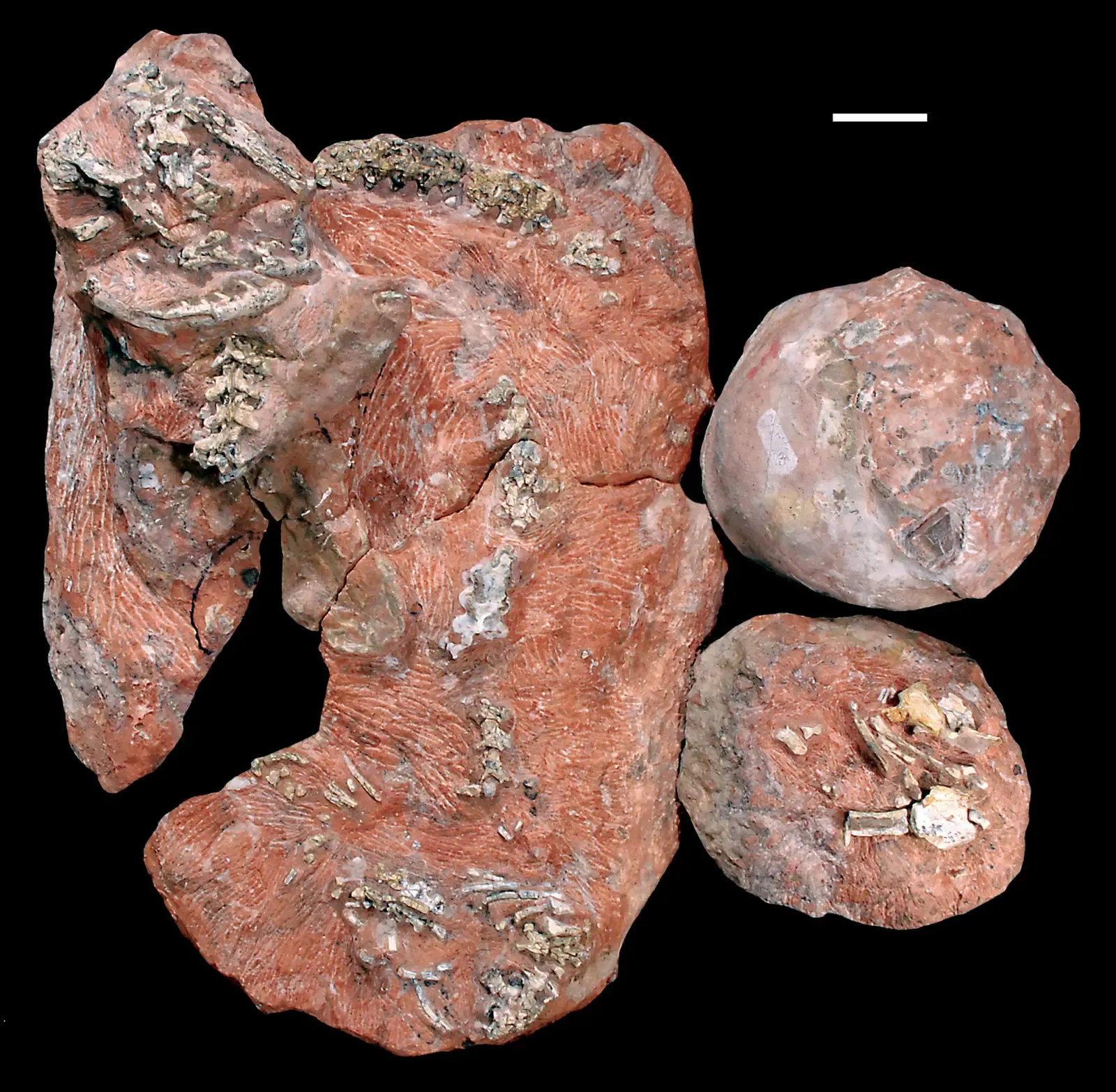
Sometimes the most remarkable treasures aren’t buried underground. A mineral specimen that had been in museum collections for 175 years turned out to also be a dinosaur egg, and it is potentially one of the first complete eggs ever found. In 1883, an agate specimen was registered in the Natural History Museum’s Mineralogy Collection, collected in central India, measuring around 15 centimetres across, and notable for its almost perfectly spherical shape and beautiful light pink and white banded interior. Nobody suspected it was anything more than a pretty rock.
The specimen was collected by a Charles Fraser, who lived in India between 1817 and 1843 – meaning it was collected at least 80 years before dinosaur eggs were first scientifically recognized, and potentially before the word “dinosaur” even existed. Titanosaurs are the largest land animals ever to have existed, but they would have only laid eggs about 15 centimetres wide – growing up to 37 metres long and weighing somewhere in the region of 57 tonnes, they were truly massive animals. It’s almost absurd, isn’t it? One of the planet’s largest creatures, starting life in something barely bigger than a grapefruit.
The Perfectly Intact Argentine Egg: A 70-Million-Year-Old Surprise
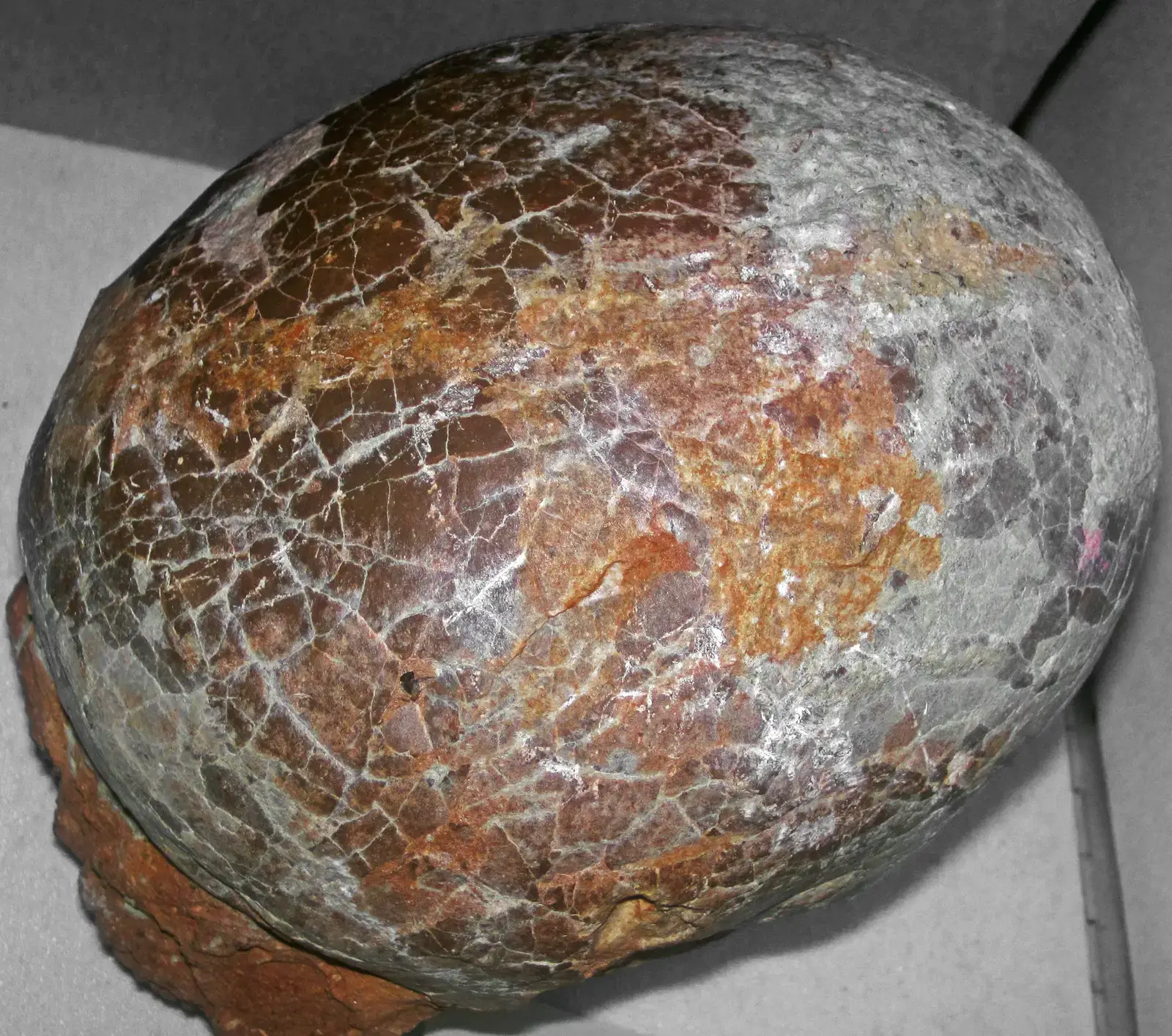
Not all great discoveries happen in famous fossil deserts. Paleontologists in Argentina unearthed a dinosaur egg that had stayed perfectly intact for over 70 million years, found in the Río Negro region, and the fossil’s flawless condition raised hopes that it might even hold genetic material or an embryo. Fossilized eggs of carnivorous dinosaurs are extremely rare, and the exceptional state of preservation of this specimen makes it one of the most remarkable ever found. The team reportedly kept the discovery secret until they could reveal it in a live broadcast – imagine the gasps in the room.
The egg’s shape offers a clue: being oval – more similar to that of a modern bird – it is associated with a carnivorous dinosaur, since sauropod eggs, those of the long-necked giants, are more spherical and have thicker shells. Next to the egg, researchers also discovered what appears to be a nest, and this assemblage could provide unprecedented insight into parental care and reproductive behavior in carnivorous dinosaurs shortly before the great Cretaceous extinction. I think that’s the part that really gets you – the idea that a mother dinosaur was tending to this very nest right as the world was changing around her forever.
The Tiny Grape-Sized Eggs from a Chinese Construction Site
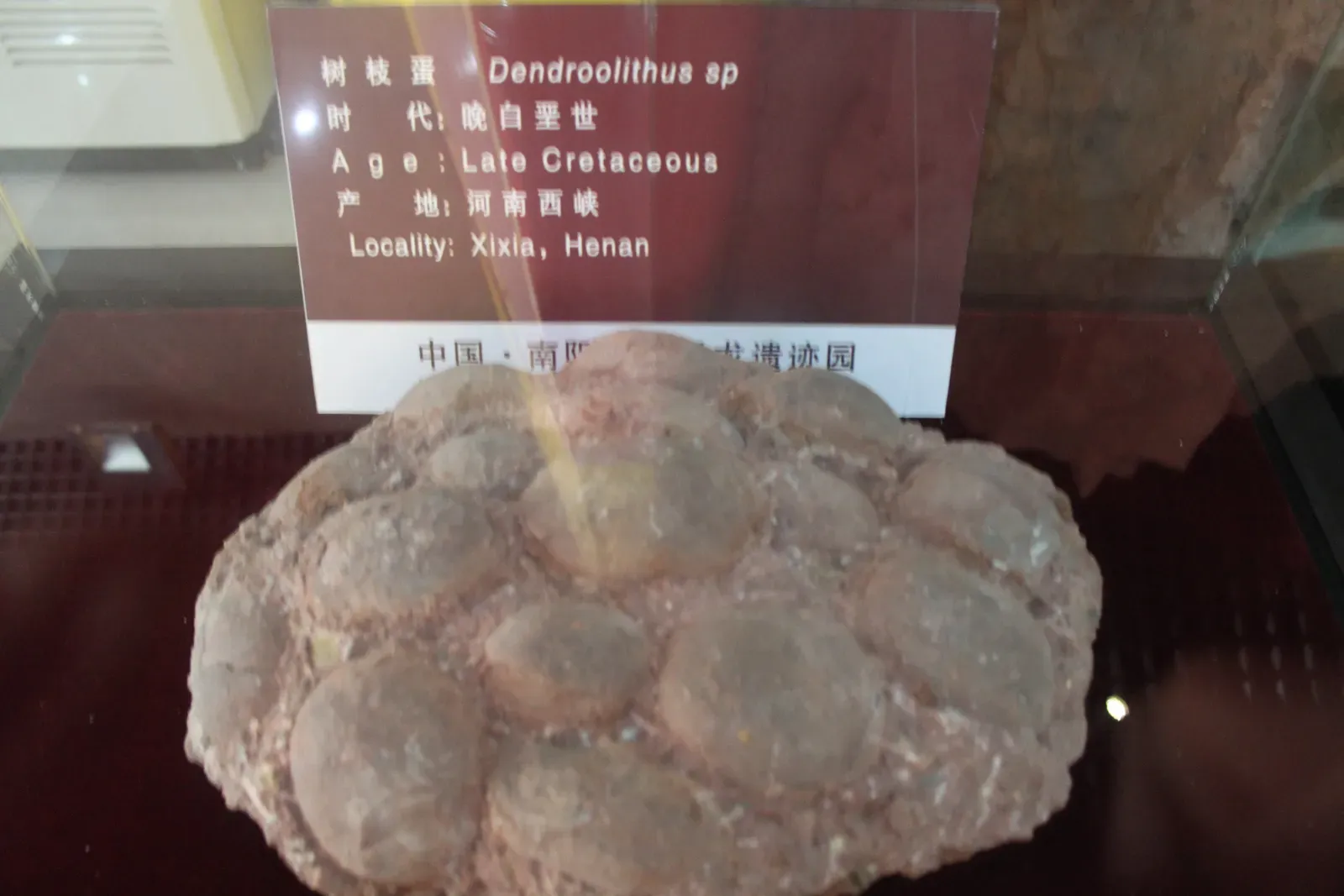
It’s almost poetic that some of the smallest dinosaur eggs ever discovered nearly got bulldozed to oblivion. Half a dozen dinosaur eggs, each around the size of a grape, were recently saved from a construction site in China, and researchers say the tiny fossilized shells are exceptionally well preserved. Six eggs belonging to the newly identified theropod species Minioolithus ganzhouensis were discovered at a construction site near Ganzhou, with the smallest measuring just 1.1 inches wide. That’s smaller than a bottle cap.
Dinosaur eggs vary widely in shape and size, and their size doesn’t always predict how large the species that laid them could grow – for example, some titanosaurs, the largest creatures ever to walk on land, hatched from eggs that were just 5.9 inches long, despite growing up to four times longer than ornithopods. Future studies on these eggs could reveal more about the reproductive biology of Late Cretaceous theropod dinosaurs. Nature, it seems, has a strange sense of humor when it comes to size.
The 3,000-Egg Treasure Trove of Qinglongshan, China
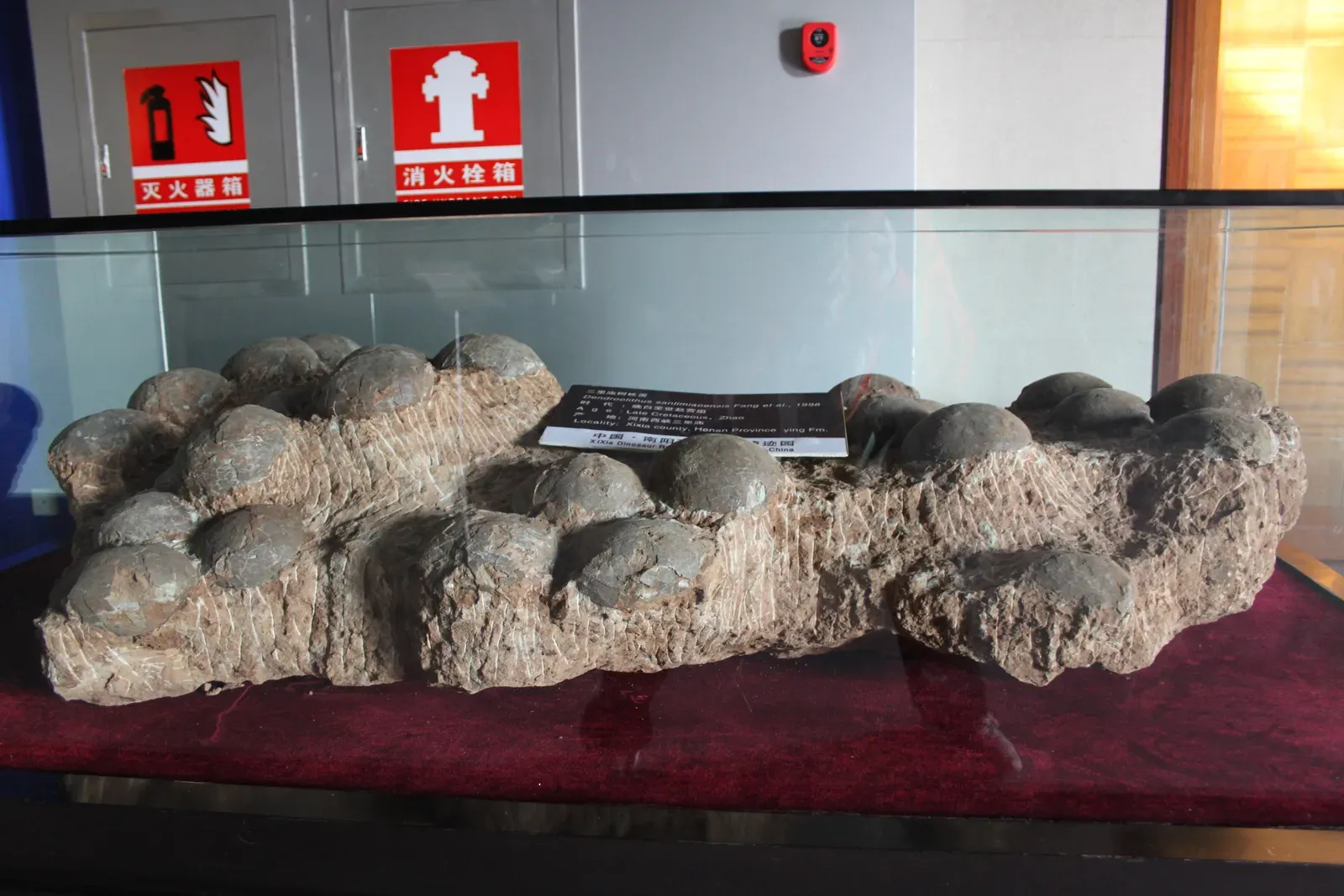
If you thought a single intact egg was extraordinary, try imagining 3,000 of them. The dinosaur eggs studied in a landmark recent project were found at a site known as Qinglongshan, located in Shiyan’s Yunyang District, where more than 3,000 fossilised eggs have been found – most three-dimensionally preserved, largely intact, and displaying minimal deformation – and are thought to belong to a single species, Placoolithus tumiaolingensis. This is the kind of discovery that keeps paleontologists up at night with excitement.
A team of scientists used a new dating method, known as in-situ carbonate uranium-lead (U-Pb) dating, to find out when this cluster of Chinese dinosaur eggs was originally laid, departing from the traditional indirect methods of dating volcanic rock and ash layers – and for the first time, U-Pb dating allowed scientists to directly assign an accurate age of 85.91 million years. The dating is significant because it places these eggs at a time of global climatic upheaval, just after a period when temperatures dropped worldwide. It’s like finding a snapshot of the planet during one of its most dramatic climate crises.
The Alabama Egg: Teens, a Doctor, and an 82-Million-Year Mystery
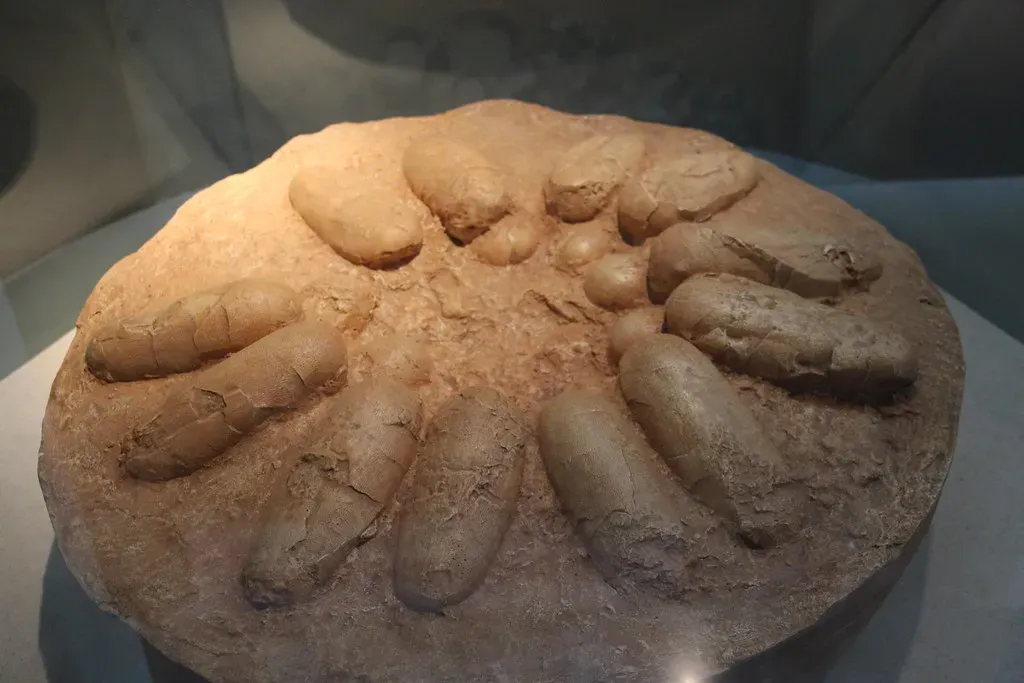
Some treasure stories don’t start with trained explorers. Millions of years ago, a fragile dinosaur egg washed out to sea and was protected in layers of sediment for an incredible journey – and in the 1970s, the fossilized egg was discovered by a group of teens near Selma, Alabama, with one of those teens, Prescott Atkinson, later conducting a CT scan on the egg after completing medical school. You really cannot make that story up. A teenager finds a 82-million-year-old egg, becomes a doctor, and then uses medical technology to peer inside it decades later.
The dinosaur egg, which includes an intact embryo, is the most complete dinosaur specimen in the eastern United States. Scant information exists about dinosaurs that inhabited the eastern coast of the United States, mainly because the area is covered in vegetation that is unlike the western U.S., and the egg was dated to 82 million years through radiometric methods that determine particular isotopes and date layers of sediments. The eastern seaboard rarely turns up finds like this, which makes this particular discovery all the more stunning – it’s a reminder that the Earth’s hidden history is everywhere, not just in famous fossil fields.
Conclusion: The Shells That Shook Science
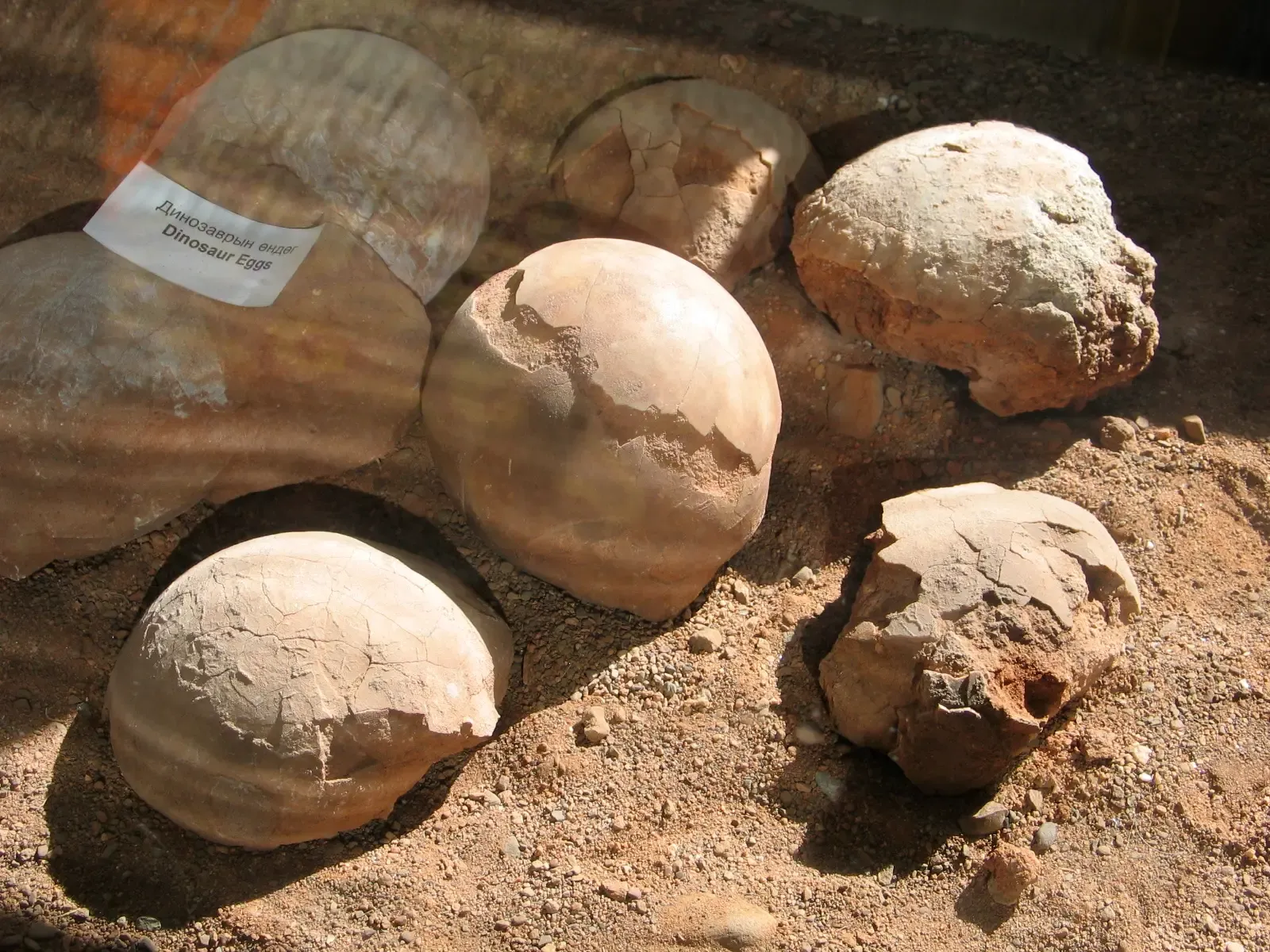
Every one of these discoveries carries something bigger than just bones and minerals. They carry stories of curiosity, patience, and the kind of luck that feels almost cosmic. Until the 1980s, discoveries of fossilized eggs and bones of young dinosaurs were extremely rare, but dinosaur eggs have now been discovered on several continents, and fossils of hatchlings, juveniles, and adults have been found for most major groups. What was once a near-impossible find is slowly becoming a window wide open onto the ancient world.
Researchers have found that fossilized dinosaur eggshells contain a natural clock that can reveal when dinosaurs lived, and the technique delivers surprisingly precise ages that could revolutionize how fossil sites around the world are dated. The tools we now have for reading these ancient objects are staggering. Think of it this way: the eggs aren’t just relics from the past. They’re becoming instruments for understanding deep time itself.
These eight incredible finds prove that the story of life on Earth is still being written, one cracked shell at a time. The most astonishing discoveries may not even have been dug up yet. What do you think is still buried out there, waiting for the right pair of eyes? Tell us in the comments.