Dinosaurs ruled this planet for an almost incomprehensible stretch of time. We’re talking about roughly 160 million years of total dominance across every major landmass on Earth. To put that in perspective, our entire human evolutionary story is a brief footnote in comparison. So what exactly made these creatures so extraordinary? What separated the ones who thrived from the ones who faded out?
The answer lies in something far more nuanced than just being big or scary. It comes down to biology, behavior, and a breathtaking range of physical innovations that nature spent millions of years perfecting. You might be surprised to discover how many of those survival strategies feel shockingly familiar, even modern. Let’s dive in.
1. Hollow, Lightweight Bones That Defied Their Own Size
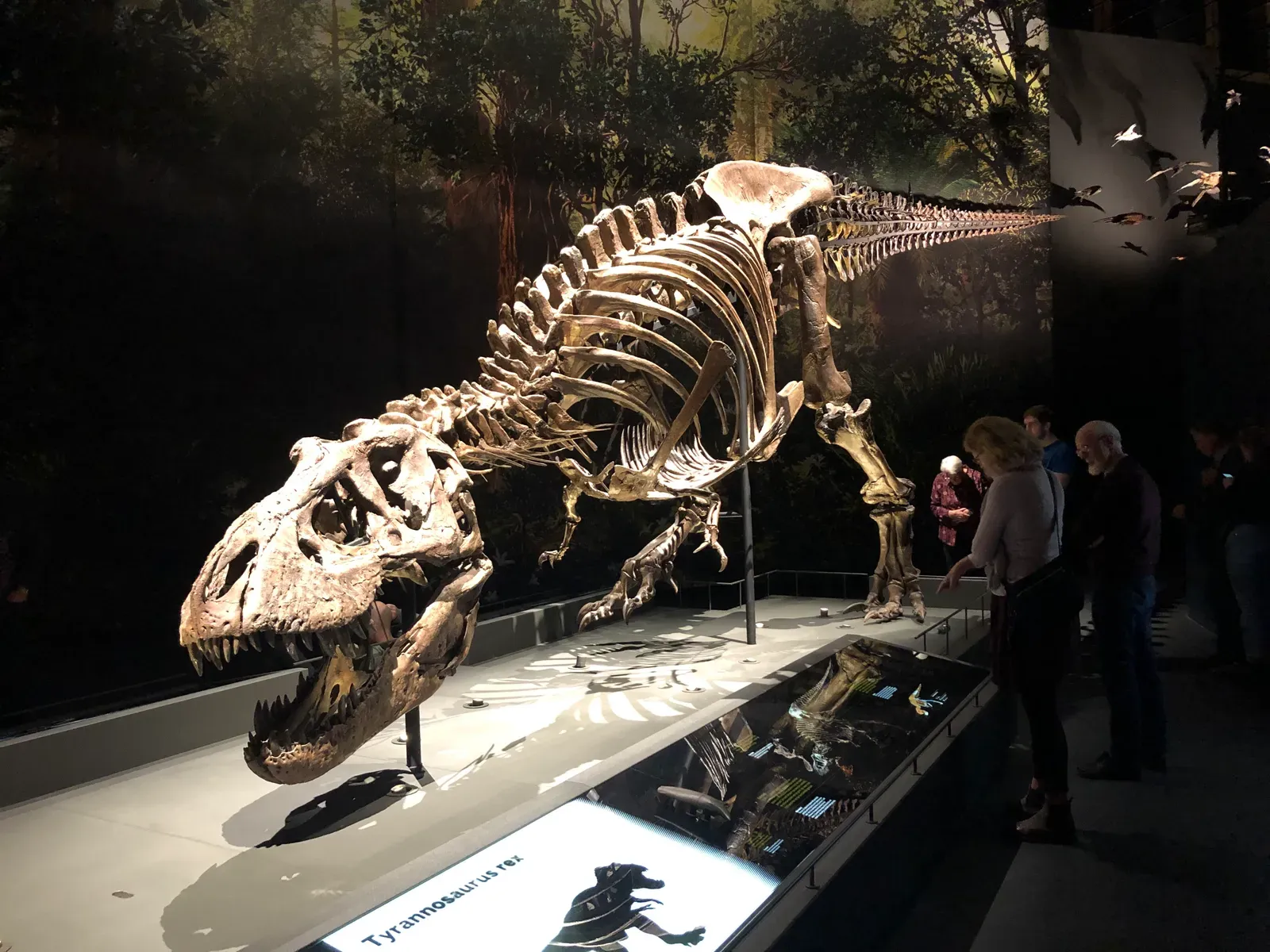
Here’s the thing most people never consider: how did a creature weighing dozens of tonnes even hold itself upright? The answer is surprisingly elegant. Dinosaur bones were strong but surprisingly light, thanks to internal air pockets and a honeycomb-like structure. This adaptation helped massive creatures like sauropods support their own weight without collapsing under it. Think of it like a steel bridge using triangular trusses instead of solid beams. Same strength, a fraction of the weight.
The extensive pneumatization of the axial skeleton resulted from the evolution of an avian-style respiratory system. An avian-style respiratory system would also have lowered the cost of breathing, reduced specific gravity, and may have been important in removing excess body heat. This wasn’t just structural genius. It was a full biological system working in perfect sync, keeping giants cool, light, and breathing efficiently all at once.
2. The Long Neck of the Sauropods: Nature’s Ultimate Feeding Machine
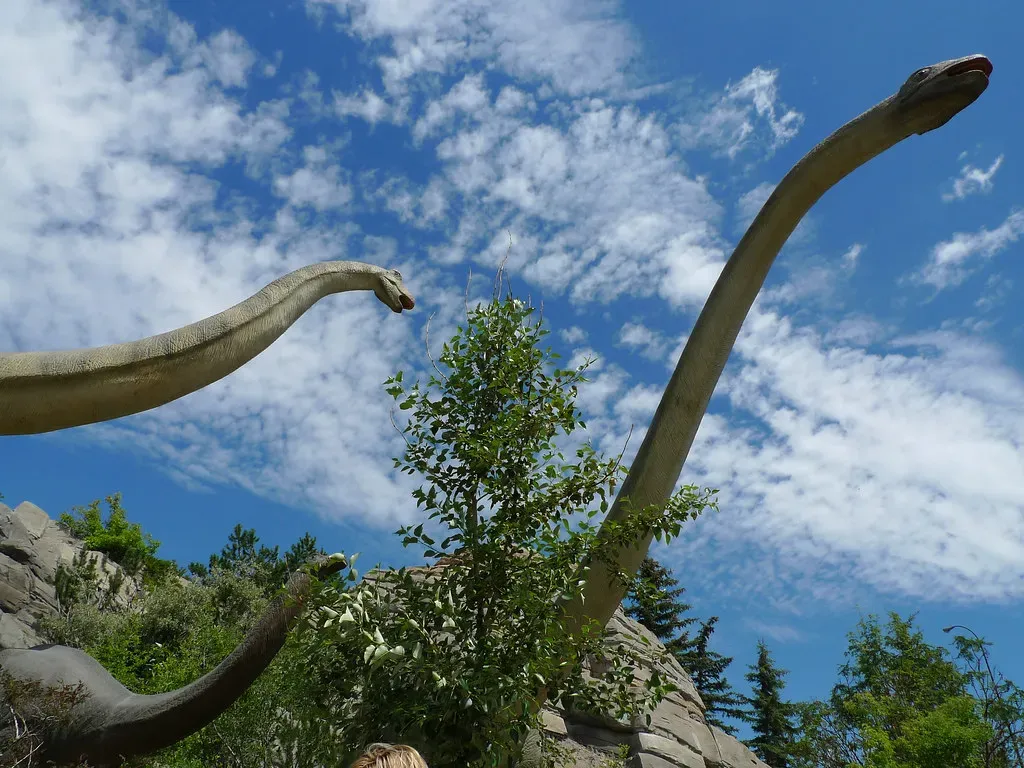
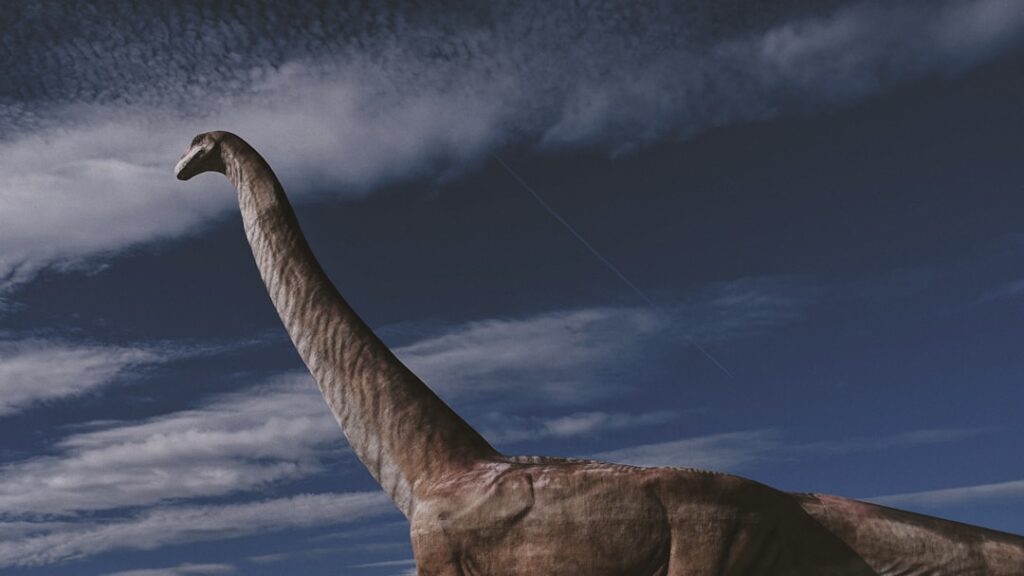
The most important evolutionary innovation was probably the very long neck, the most conspicuous feature of the sauropod body plan. Compared to other herbivores, the long neck allowed more efficient food uptake by covering a much larger feeding envelope and making food accessible that was out of reach of other herbivores. Sauropods were thus able to take up more energy from their environment than other herbivores. Imagine standing at a buffet table you can reach from 20 feet away while everyone else has to squeeze in close. That’s essentially the sauropod experience.
These massive, long-necked herbivores, such as the Brachiosaurus and Diplodocus, developed a unique strategy for consuming large quantities of vegetation. Their elongated necks allowed them to reach high into the canopy, accessing a wide range of plant matter that was otherwise inaccessible to smaller herbivores. Moreover, their powerful, tooth-lined jaws and efficient digestive systems enabled them to process vast amounts of fibrous plant material, ensuring a steady supply of nutrients to fuel their colossal bodies.
3. Natural Body Armor That Turned Defense Into a Superpower
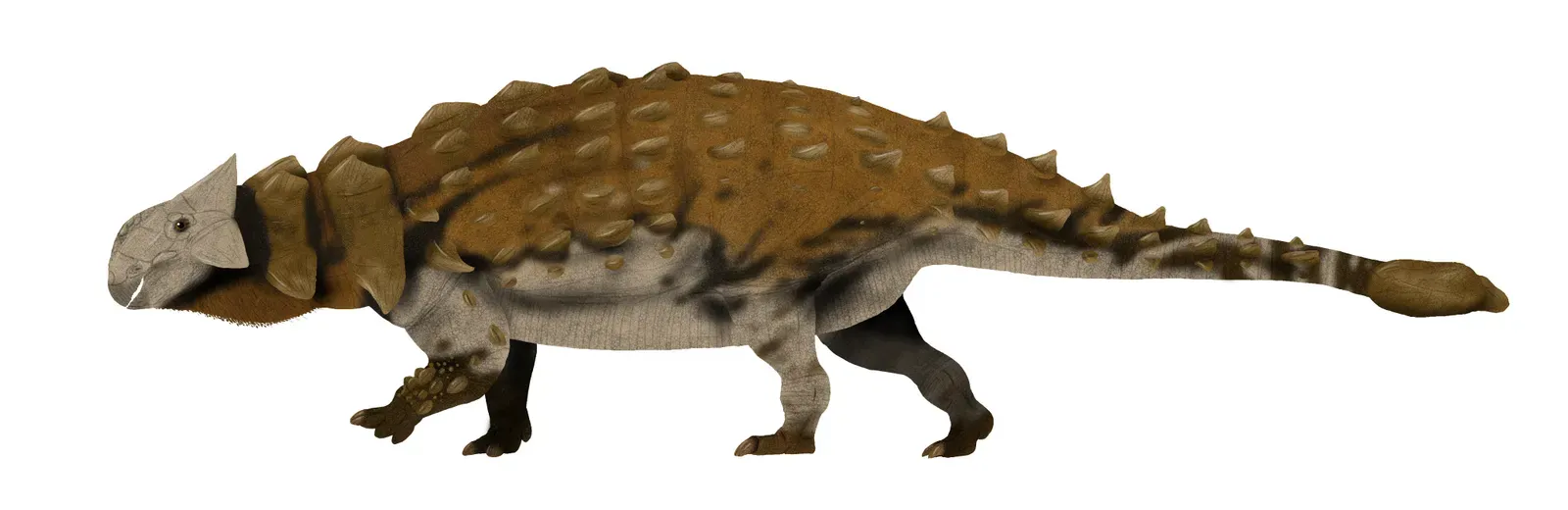
You want to talk about survival gear? Nothing beats walking around in your own personal tank. The Ankylosaurus, whose name means “fused lizard,” was perfectly described by its unique armor made up of bony plates called osteoderms. With a weight of around 10,000 pounds and a length of about 30 feet, it was one of the largest armored dinosaurs. Equipped with a potent club-shaped tail, it could deliver crushing blows to deter predators effectively. The thick, protective armor provided nearly invulnerable defense against most carnivores in its diverse habitats.
Thriving in varied habitats, Ankylosaurus exemplifies how adaptations shaped its survival, influencing its behavior and interactions within the Late Cretaceous ecosystem. What’s particularly remarkable is that this wasn’t passive protection. The brain structure reveals significant sensory adaptations, particularly in the olfactory bulb, indicating a strong sense of smell essential for foraging. The Ankylosaurus didn’t just wait to be attacked. It actively tracked its environment and responded to threats with calculated, powerful force.
4. Erect Posture and Upright Limbs: The Stamina Advantage
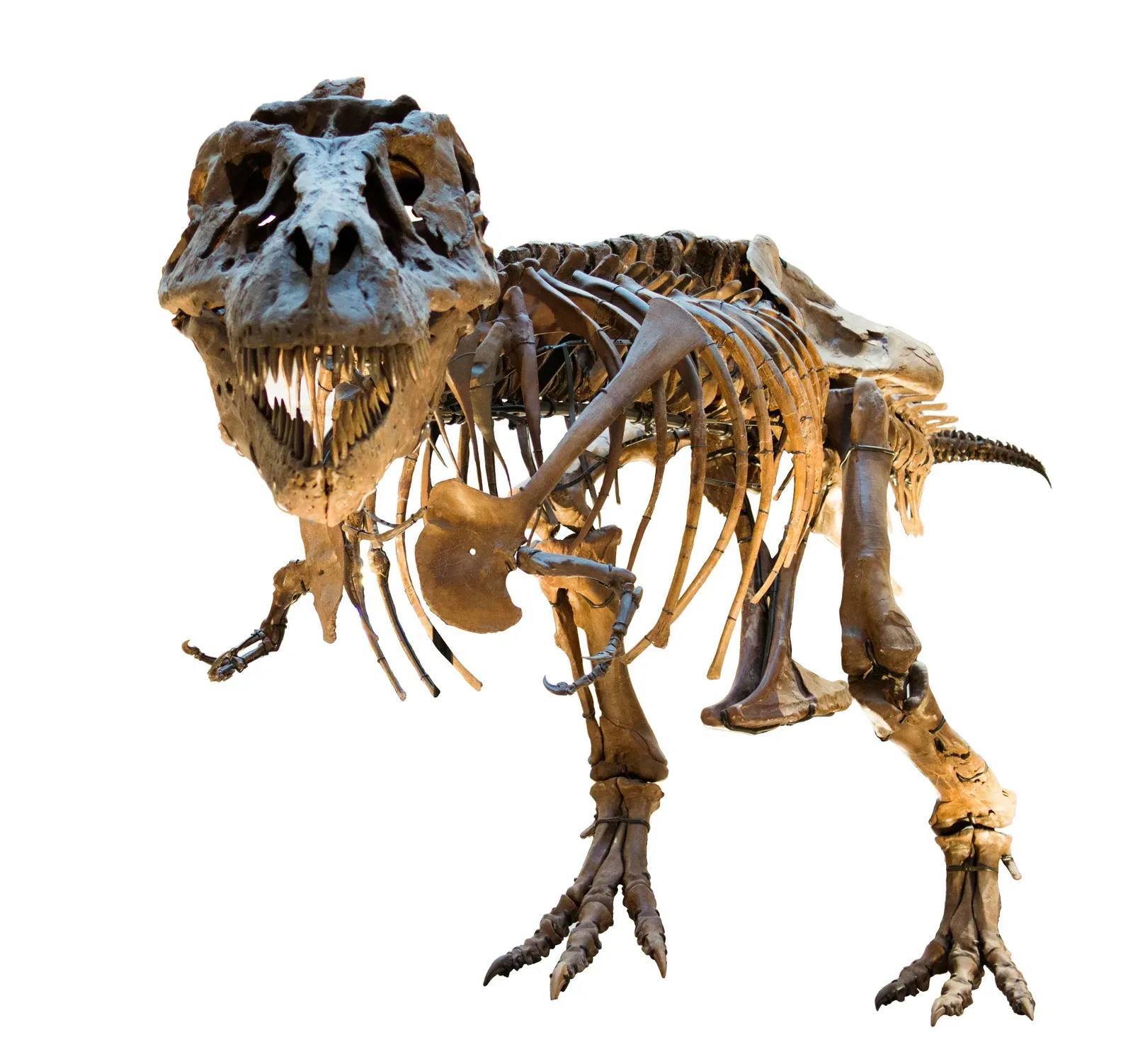
Most people think of dinosaur posture as a trivial detail, but honestly, it may have been one of the most decisive survival advantages in their entire biology. Dinosaurs stand with their hind limbs erect in a manner similar to most modern mammals, but distinct from most other reptiles, whose limbs sprawl out to either side. This posture is due to the development of a laterally facing recess in the pelvis and a corresponding inwardly facing distinct head on the femur. Their erect posture enabled early dinosaurs to breathe easily while moving, which likely permitted stamina and activity levels that surpassed those of sprawling reptiles.
Erect limbs probably also helped support the evolution of large size by reducing bending stresses on limbs. This is a game-changer when you think about it ecologically. A dinosaur that could move quickly without losing its breath had an enormous edge over slower, sprawling competitors. Dinosaurs exhibited a wide range of locomotive adaptations, from the bipedal stance of theropods to the quadrupedal stance of sauropods. Bipedalism allowed theropods and some ornithischians to achieve high speeds, making them efficient hunters or quick to escape predators. This adaptation involved strong hind limbs, a forward-shifted center of mass, and a stiff tail for balance.
5. Specialized Teeth and Jaw Structures Built for Their Exact Diet
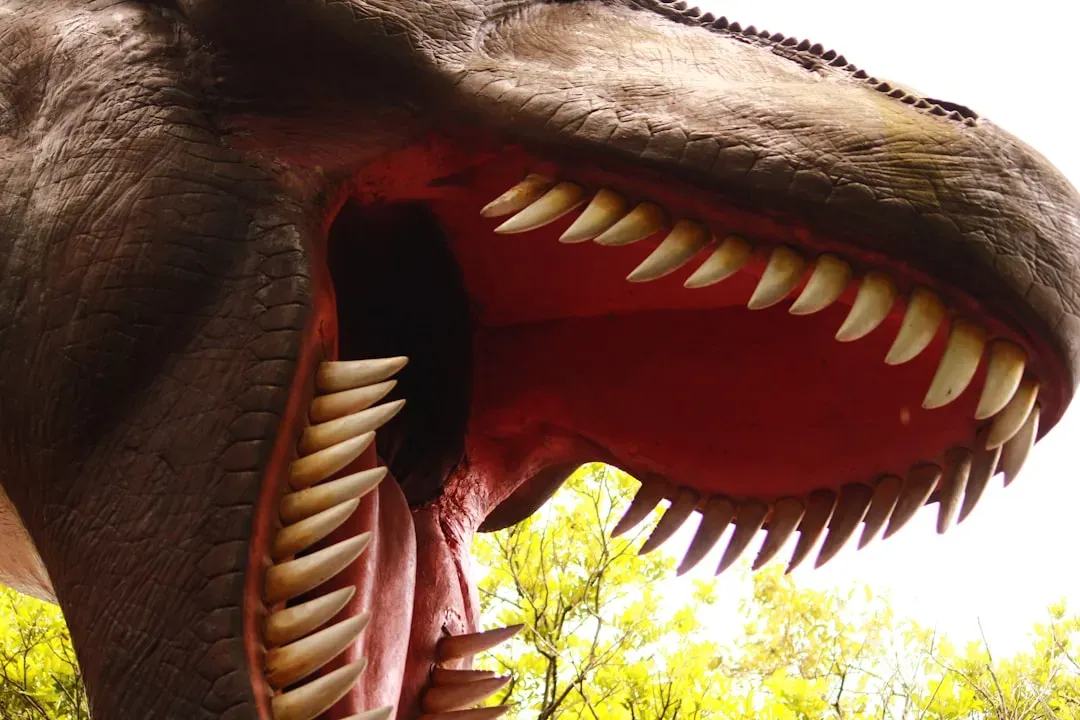
Let’s be real: the difference between survival and starvation often comes down to being able to eat what’s available. Dinosaurs took dental specialization to levels that still impress paleontologists today. At the peak of the ornithopod lineage, the hadrosaurs featured large dental batteries in both the upper and lower jaws, which consisted of many tightly compressed teeth that formed a long crushing or grinding surface. This was not just a row of teeth. It was a biological food processing system.
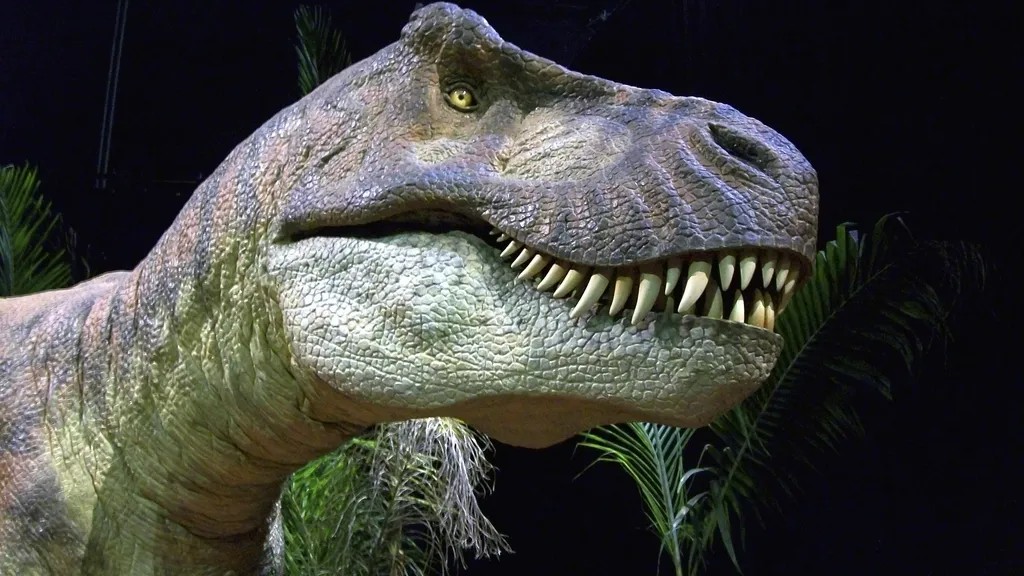
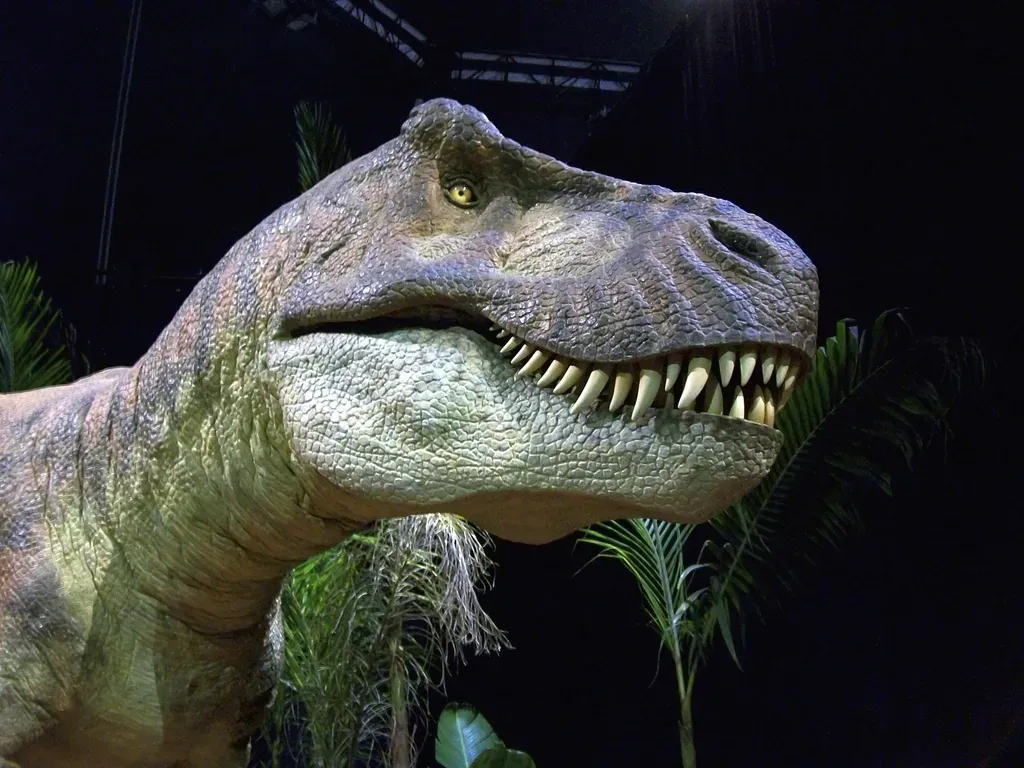
The specialized teeth of herbivores were crucial for grinding down fibrous plant material, while their digestive systems were adept at extracting nutrients from the tough Cretaceous flora. On the predator side, things were equally impressive. Most theropod dinosaurs, such as Tyrannosaurus, had teeth that were pointed, slightly curved backwards, and serrated. The sharp points pierced the meat, and the serrations helped slice it by catching and tearing muscle fibers. Meat eaters didn’t chop or grind their food; they swallowed chunks whole. Brutally efficient. No energy wasted.
6. Feathers: Not Just for Flying, But for Surviving
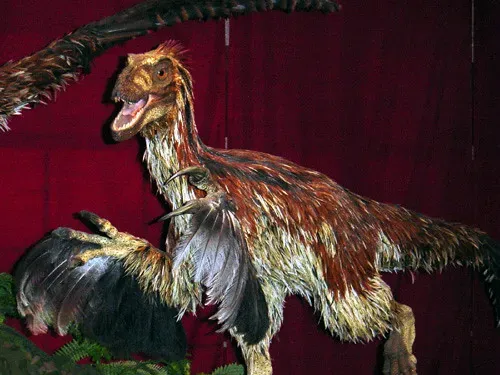
You might think feathers are a bird thing. In reality, they were a dinosaur thing first, and they served far more purposes than flight. Feathers evolved before flight and may have functioned as insulation to keep dinosaurs warm, or for display as a way to attract mates. That’s a dual survival benefit right there: thermal regulation and reproductive success, both packaged in the same adaptation.
Feathers in certain species not only helped dinosaurs stay warm but also played a role in courtship displays and communication. Some spectacular fossil finds in China confirmed just how widespread feathering was. Some spectacular fossils from China show that many meat-eating dinosaurs were covered in thick coats of feathers, helping to cement the idea that birds are nothing more than small, meat-eating dinosaurs that gained feathers and learned how to fly. Feathers, in other words, were the Swiss Army knife of the dinosaur world.
7. Pack Hunting and Social Behavior: Strength in Numbers
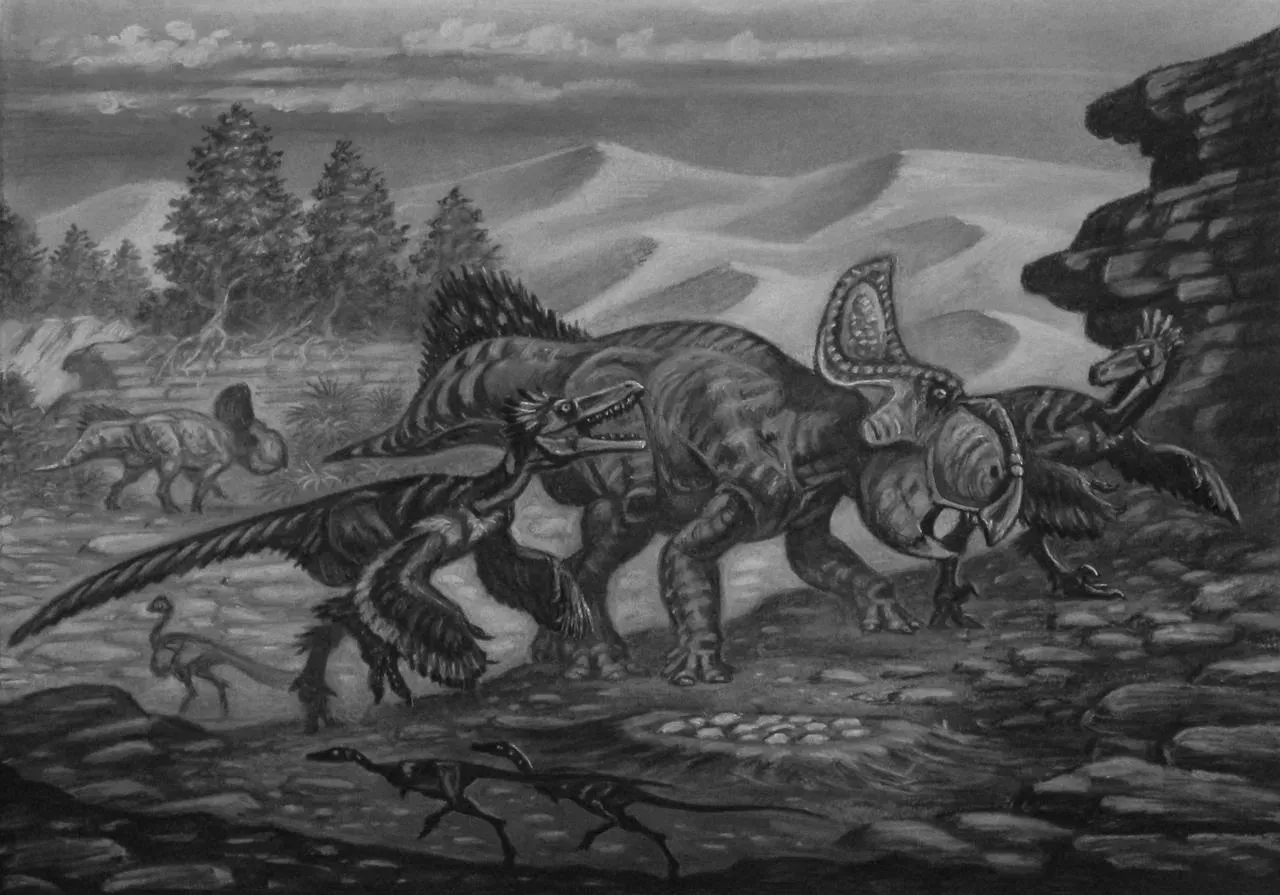
Among the most fascinating behavioral adaptations observed in dinosaurs is their ability to engage in social structures. Fossil evidence indicates that some dinosaurs, like the theropods, may have hunted in packs, displaying complex cooperative behavior. This strategy allowed them to take down larger prey and ensured their survival in challenging environments. Think of it like the difference between a lone wolf and a coordinated military unit. The coordinated unit wins almost every time.
The fleet-footed Velociraptor thrived in more open, grassland-dominated environments, where its agility and speed gave it a distinct advantage in hunting and evading larger predators. Small carnivorous dinosaurs like Velociraptor and Microraptor relied on their sharp claws and agility to swiftly overpower their prey. What they lacked in size, they more than compensated for through coordination and speed. Honestly, that’s a lesson that scales well beyond the prehistoric world.
8. Reproductive Adaptations That Kept Populations Booming
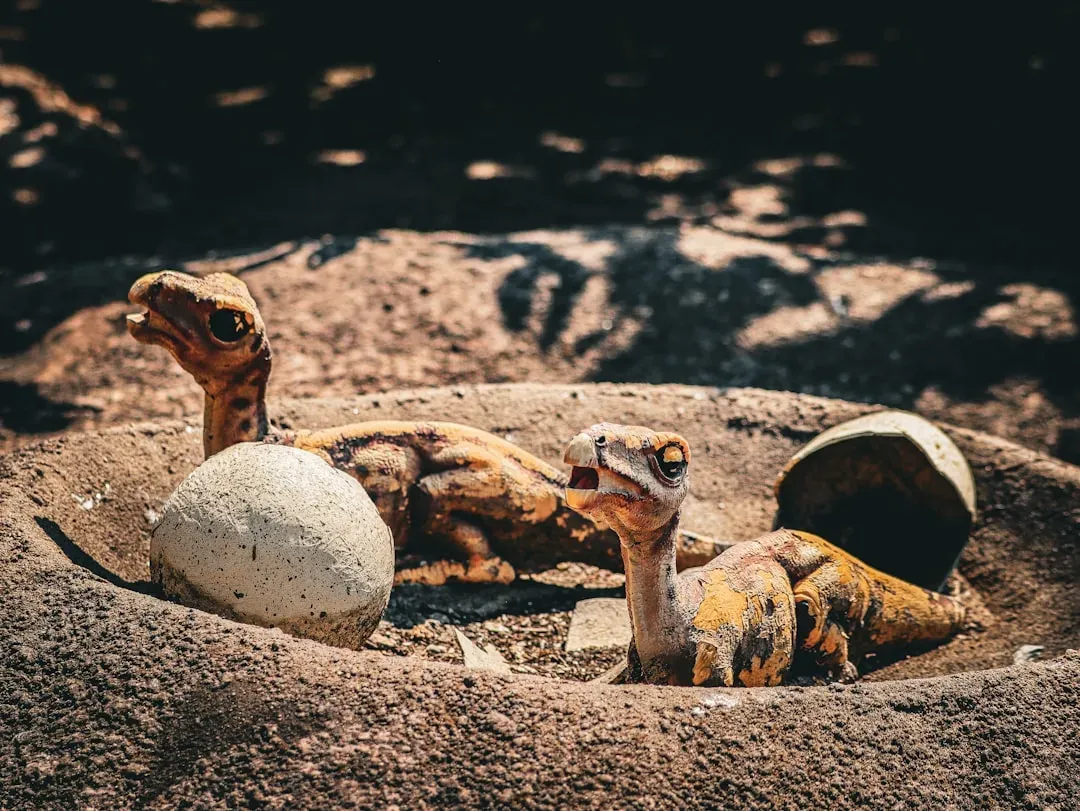
Survival isn’t just about staying alive. It’s about making sure your species keeps going. Dinosaurs had a fascinating edge here that is often overlooked. Dinosaurs had various reproductive adaptations that contributed to their success. Many dinosaurs exhibited complex nesting behaviors, including the construction of nests and brooding. This behavior increased the survival rate of their offspring. Dinosaur eggs had specialized shell structures that allowed gas exchange while minimizing water loss, crucial for embryonic development in different environments.
The retention of egg-laying reproduction appears to have been critical as well, allowing much faster population recovery than in megaherbivore mammals. Sauropods produced numerous but small offspring each season while land mammals show a negative correlation of reproductive output to body size. This permitted lower population densities in sauropods but larger individuals. In short, they could bounce back from population losses far faster than their mammalian competitors. That’s a survival edge that compounded over millions of years.
9. Semi-Aquatic Hunting Specializations: Owning the Water’s Edge
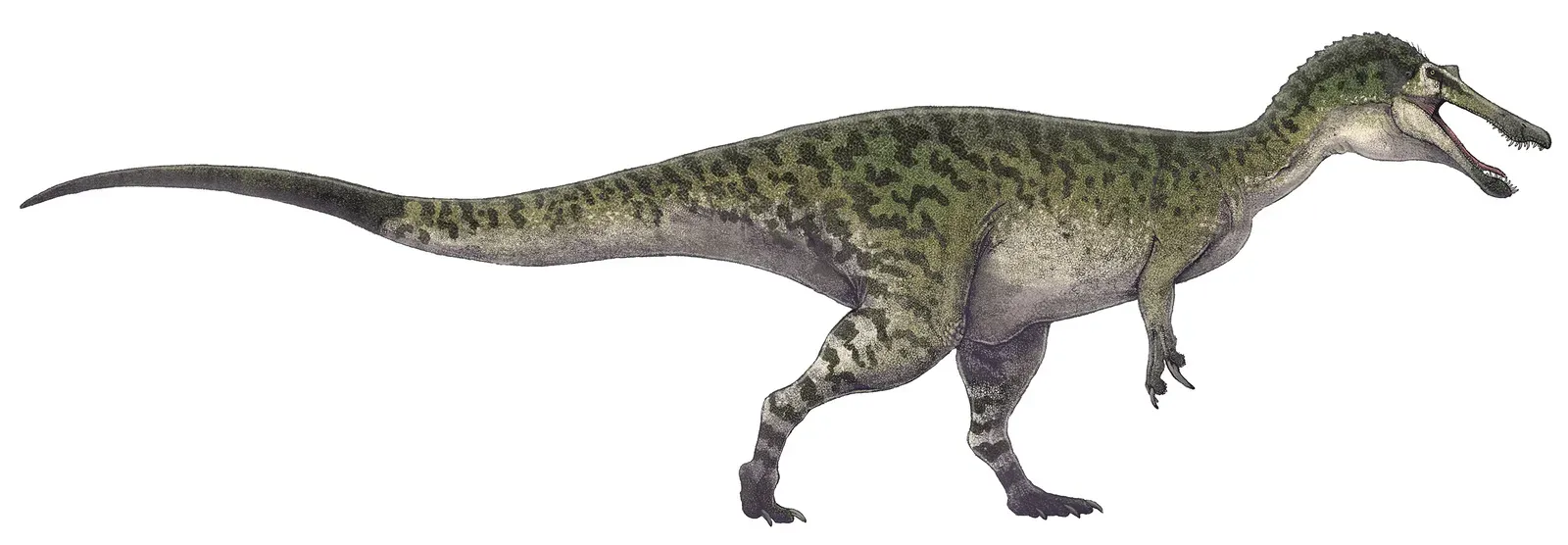
Color by Rebecca Slater (https://paleocolour.deviantart.com/), CC BY-SA 3.0)
Some dinosaurs didn’t just survive on land. They mastered an entirely different ecological frontier: the water’s edge. The Baryonyx had elongated jaws and heavy claws, perfect for grasping slippery fish, enhancing its hunting efficiency in water. It employed agile ambush tactics, allowing it to surprise and capture aquatic prey effectively, which reduced dietary competition from other predators. It’s like having access to a food source your competitors can’t even reach.
Typically solitary and territorial, Baryonyx preferred to stake out its own hunting grounds near rivers and lakes. With agile ambush techniques, it primarily preyed on fish and smaller aquatic creatures, showcasing its specialization in piscivorous diets. Its ecological niche allowed it to thrive in wetlands and forested areas, making it an effective predator within its environment. What’s striking about this is the sheer exclusivity of the niche. By going where others wouldn’t go, Baryonyx essentially created its own monopoly on a rich food source.
10. Evolutionary Miniaturization: The Ultimate Survival Strategy
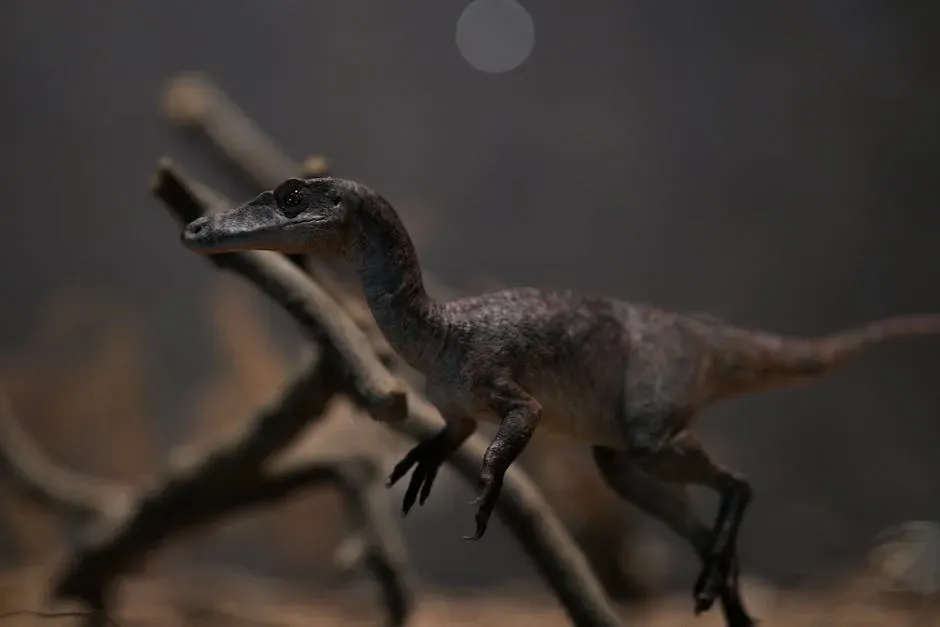
Here’s a twist that might genuinely surprise you. While most people associate dinosaur dominance with enormous size, it was actually the ability to get smaller that proved to be the most powerful survival tool of all. Being smaller and lighter in a land of giants, with rapidly evolving anatomical adaptations, provided these bird ancestors with new ecological opportunities, such as the ability to climb trees, glide, and to fly. Size, it turns out, can be a liability as much as an asset.
Average body weights were gradually reduced from around 160 kilograms in Early Jurassic direct theropod ancestors to the very light Archaeopteryx, estimated to have weighed less than one kilogram. This particular group of dinosaurs seems to have been evolving skeletal adaptations such as feathers and wishbones up to four times faster than other types of dinosaur. Birds evolved from dinosaurs, and some dinosaurs did survive the asteroid impact 66 million years ago, by virtue of their fast growth, their biology that allows them to eat seeds, and their ability to fly away from danger. The creatures that downsized, diversified, and adapted fastest were the ones that are still with us today, in every forest and sky around the world.
Conclusion: Survival Was Never About One Thing
What makes the dinosaur story so endlessly compelling is that there was no single secret to survival. It was a mosaic of traits, each one fine-tuned by millions of years of pressure, failure, and adaptation. Dinosaur adaptations to different environments are a testament to their incredible resilience and evolutionary prowess. Dinosaurs developed various behavioral and physical adaptations to ensure their survival. Over millions of years, natural selection favored characteristics that allowed them to thrive in changing environments.
Dinosaurs, the dominant terrestrial vertebrates for over 160 million years, exhibited a remarkable array of adaptations that allowed them to thrive in various environments. These adaptations, ranging from physical structures to behavioral traits, were crucial for their survival and success. Every hollow bone, every specialized tooth, every feather and social behavior was a piece of a much larger puzzle. The dinosaurs that survived longest weren’t necessarily the strongest. They were the most adaptable.
When you look at the birds outside your window tomorrow morning, remember: you’re watching the direct descendants of creatures that outlasted nearly every mass extinction the planet has ever thrown at life. That’s not luck. That’s 160 million years of relentless, brilliant evolution at work. What survival trait do you find most remarkable? Tell us in the comments.