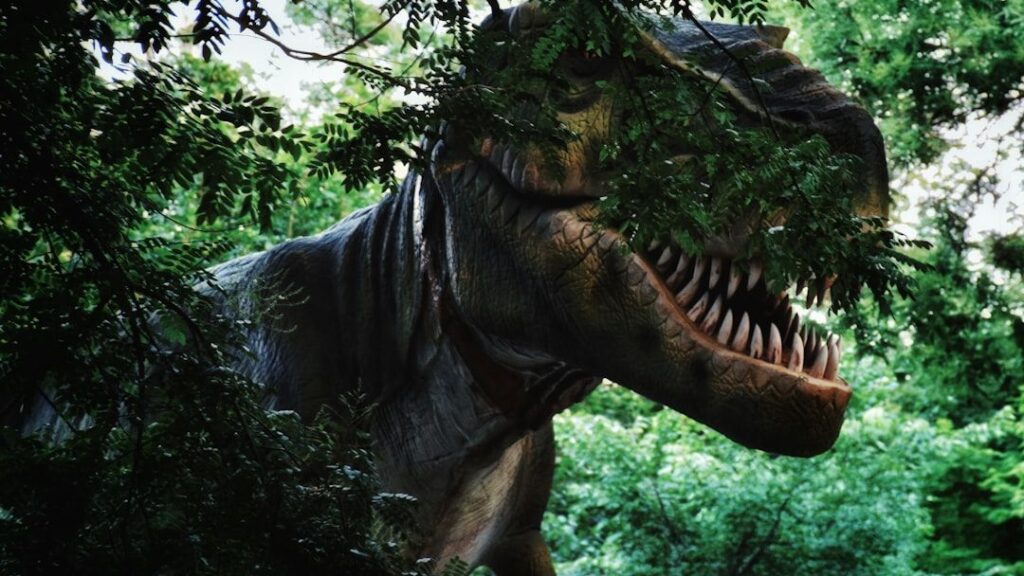
Picture a creature roughly the size of a school bus, weighing as much as a large military tank, walking through a lush Cretaceous forest. For decades, pop culture painted the Tyrannosaurus rex as a thundering, almost brainless killing machine. A beast of pure muscle and bone. A living wrecking ball that stumbled its way to the top of the food chain by sheer size and luck. Honestly, that picture couldn’t be further from the truth.
Modern science keeps peeling back the layers on this extraordinary animal, and what researchers are discovering is genuinely breathtaking. The T. rex was not just a powerful hunter. It was a sensory marvel, a potential social strategist, and a predator that evolved increasingly sophisticated tools over a lifetime. This article digs into the remarkable intelligence behind that famous skull. Prepare to see the tyrant lizard king in a completely new light.
A Brain Debate That Rocked the Paleontology World
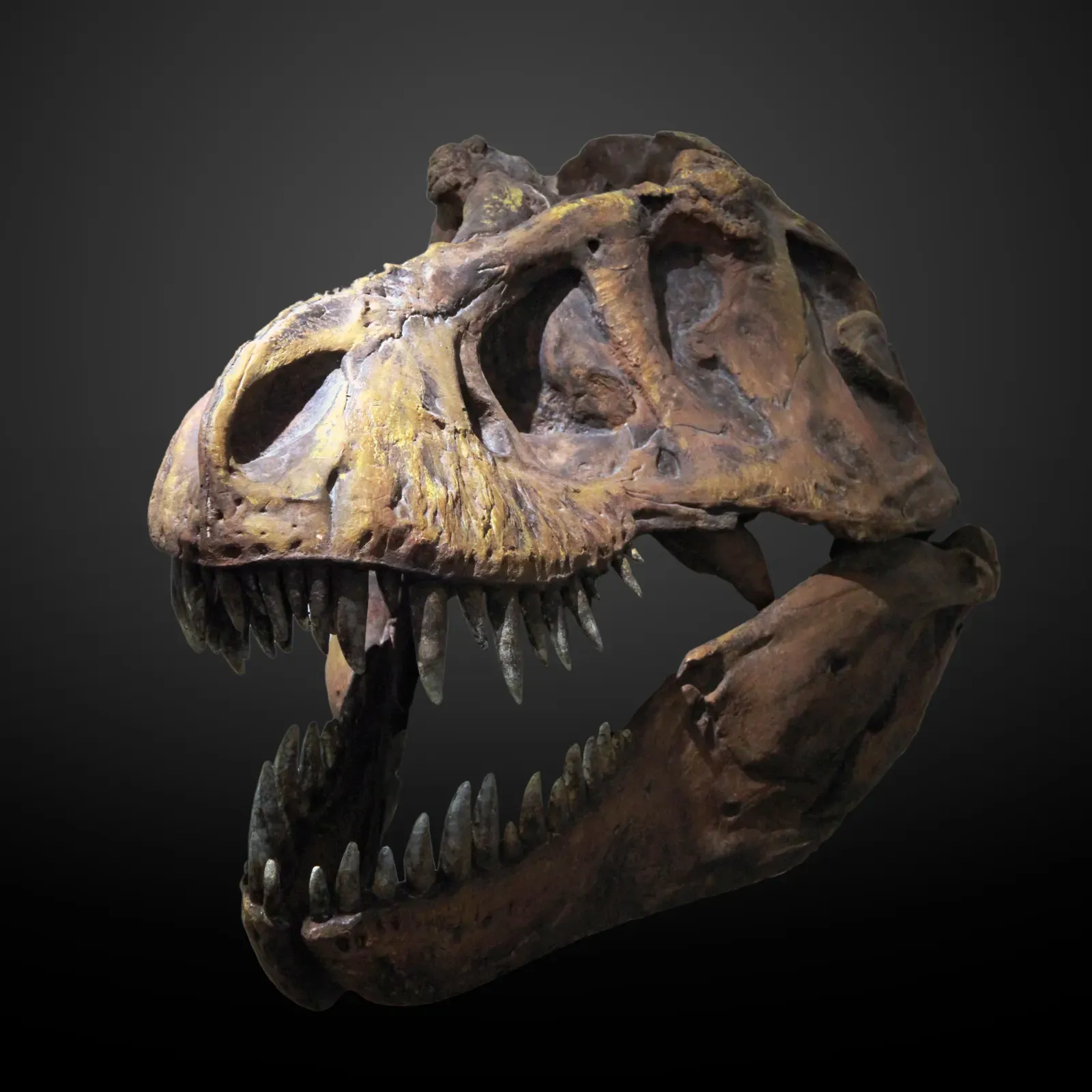
Few scientific debates in recent years have sparked quite so much public excitement as the one over T. rex’s brainpower. A study in 2023 claimed that a T. rex could be as smart as a baboon. Neuroscientist Suzana Herculano-Houzel calculated that the fearsome reptile had 3.3 billion neurons in just one part of the front of its brain, seemingly putting the brainpower of T. rex’s forebrain on a par with that of modern baboons. You can imagine why that sent shockwaves through both the scientific community and the public.
A follow-up research team recalculated T. rex’s brain size using a smaller brain volume, cutting the estimated number of neurons in the telencephalon from 3.3 billion to 1.2 billion, and using reptile neuron density reduced the amount even further to between 245 million and 360 million. So, T. rex was probably only about as smart as a crocodile, not a baboon, the team concluded. That might sound like a demotion, but as you’ll see, even “crocodile-level intelligence” in a seven-tonne predator is something worth taking very seriously.
Why the Skull Tells a Bigger Story Than You Think
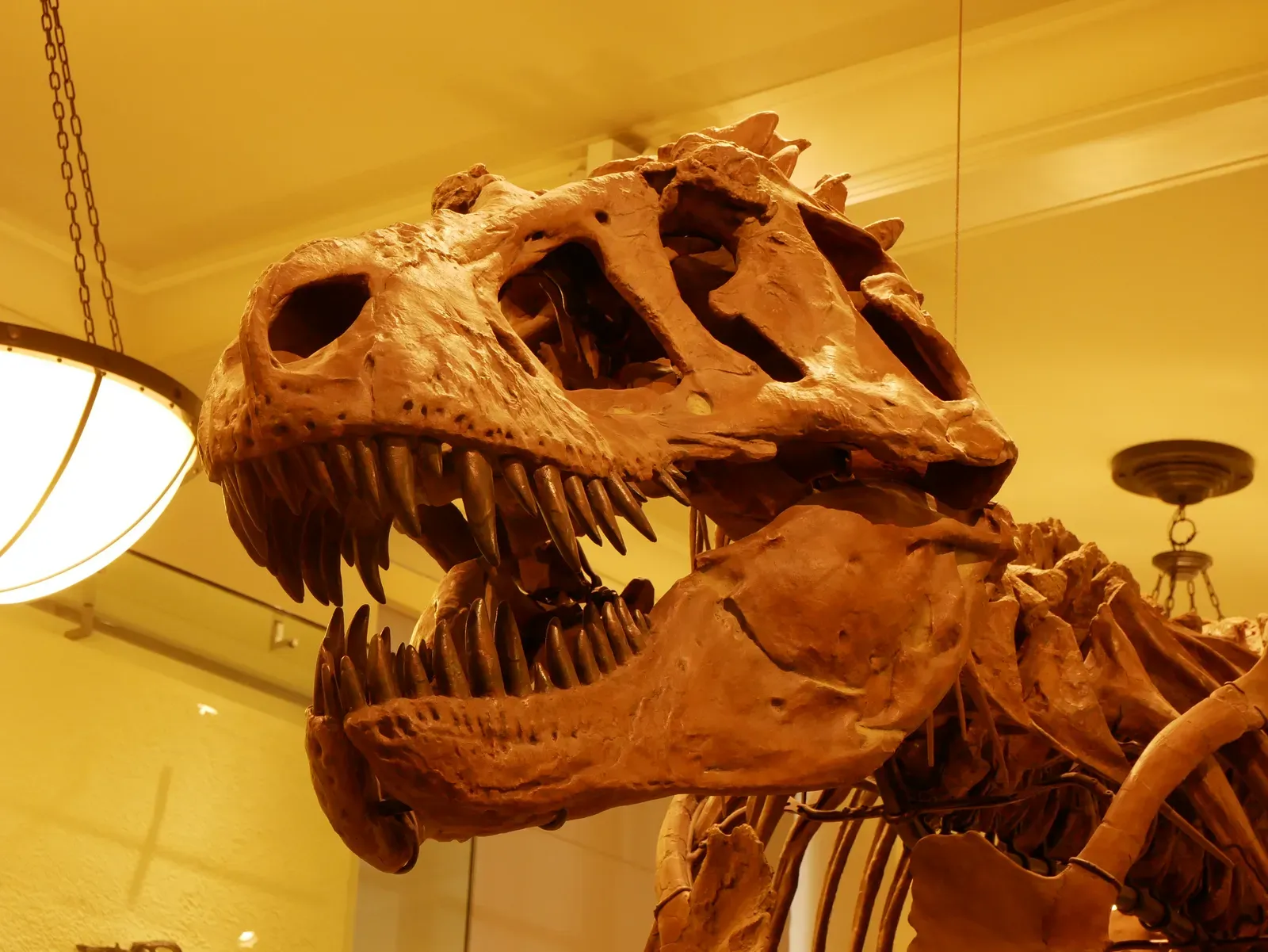
Unlike modern birds, the brain of T. rex and many other dinosaurs floated in a fluid, much as do those in modern crocodiles. T. rex’s brain occupied about 30 to 40 percent of its braincase. Here’s the thing: scientists originally assumed the entire braincase was filled with brain tissue, which inflated neuron estimates dramatically. The actual brain was smaller and more compact than anyone first realized.
Researchers argue that to reliably reconstruct the biology of long-extinct species, scientists should look at multiple lines of evidence including skeletal anatomy, bone histology, the behavior of living relatives, and trace fossils. Determining the intelligence of dinosaurs and other extinct animals is best done using many lines of evidence ranging from gross anatomy to fossil footprints, instead of relying on neuron number estimates alone. Honestly, this is the smarter approach anyway. Counting neurons in isolation is a bit like judging a person’s vocabulary by weighing their head.
The Extraordinary Sensory Arsenal of a Supreme Predator
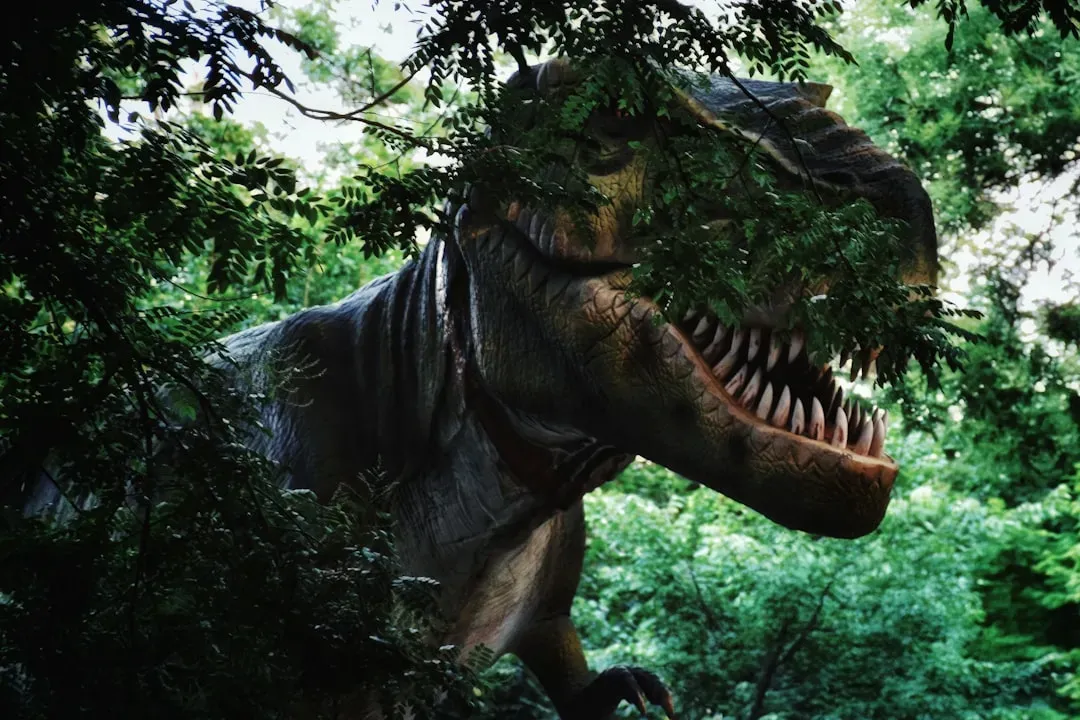
Fossil evidence shows that some of T. rex’s sensory organs and processing centers were super-sized, giving this hunter exceptional abilities to track its prey. An adult T. rex had eyes the size of oranges, the largest of any land animal, and as is common in predators including raptors like hawks and eagles, the eyes faced forward, giving T. rex excellent depth perception to aid in pursuit of prey. That is not the anatomy of a passive scavenger. That is the anatomy of a precision-targeting system.
Research on the olfactory bulbs has shown that Tyrannosaurus rex had the most highly developed sense of smell of 21 sampled non-avian dinosaur species. When researchers projected their model of living creatures back to dinosaurs, they found that Tyrannosaurus rex probably had between 620 and 645 genes encoding its olfactory receptors, a gene count only slightly smaller than those in today’s chickens and house cats. Smell that sharp, combined with eagle-surpassing vision, makes for a predator that is terrifyingly difficult to hide from.
The Hearing No One Talks About
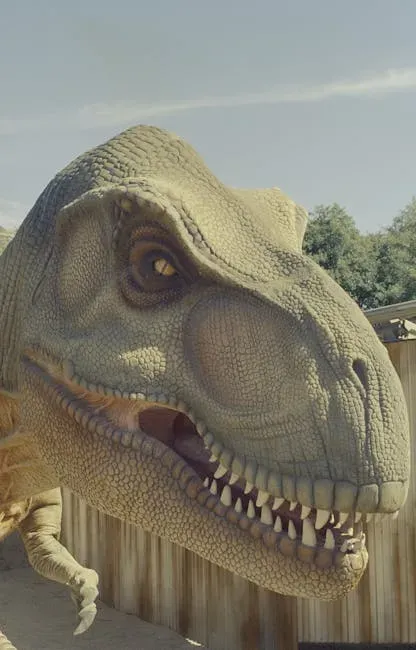
The shape of the braincase suggests that Tyrannosaurus had very large and well-developed olfactory bulbs, which process smell, and cochlear ducts, which process sound. T. rex has extensive tympanic pneumaticity and a long cochlea by theropod standards, indicating that the capability to detect low-frequency sounds over long distances was important, not only for accurately honing in on prey from far away, but also for socialization, suggesting T. rex could communicate via low-frequency sounds potentially inaudible to animals with less-sensitive ears, possibly allowing seemingly silent communication while hunting. That last part is staggering. Silent, long-distance communication between hunters? That sounds less like a simple reptile and more like a coordinated military unit.
Complementing both sight and smell was a keen sense of hearing. T. rex’s auditory capabilities would have provided crucial environmental awareness, alerting it to subtle sounds of movement and distress. Its ability to see, smell, and hear with such precision meant it was exceptionally well-equipped to hunt a diverse array of prey animals, from colossal herbivorous dinosaurs like Triceratops and Edmontosaurus to potentially smaller, swifter targets. You’d need all three senses firing together to consistently take down prey that itself weighed several tons.
Adaptive Hunting: A Predator That Evolved Its Strategy With Age
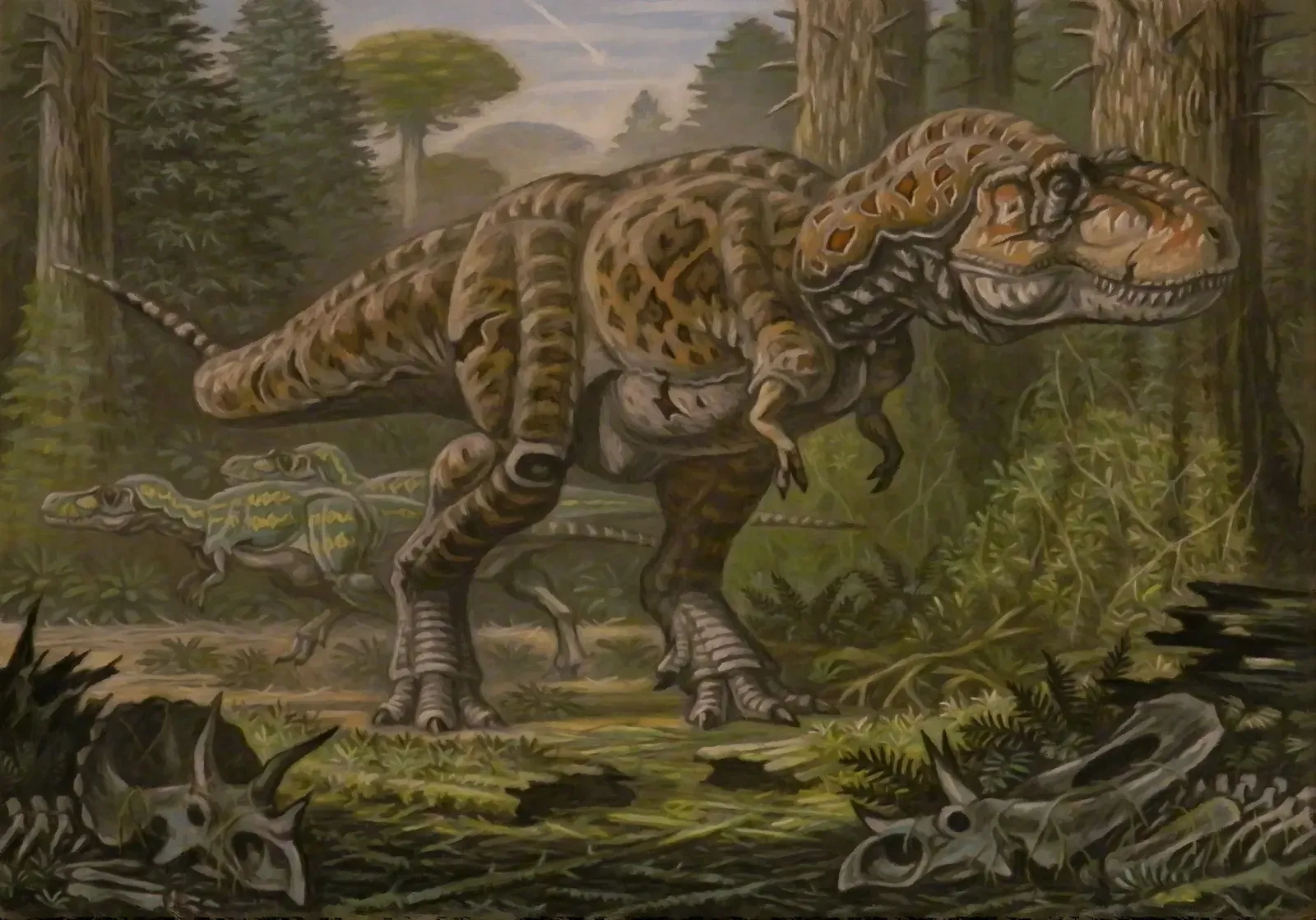
Adult T. rex had a much greater capability of withstanding intense and powerful jaw movements through characteristics such as mandible size and cranial structure. Consequently, adult Tyrannosaurus rex would be able to prey on larger and armored dinosaurs on a more regular basis compared to a juvenile. On the other hand, the juvenile Tyrannosaurus rex would mostly hunt smaller prey with relatively less body armor. This is not random behavior. This is a predator strategically calibrating its choices to its own physical capabilities at each stage of life.
According to biomechanical studies, juveniles can have bite forces of roughly 2,565 to 4,012 Newtons due to their narrower, elongated rostrums, while adults can have bite forces of approximately 35,640 to 57,158 Newtons due to their wider, larger rostrum and mandible. To put that in perspective, the adult’s bite force was more than ten times that of the juvenile. One key strategy involved using its large skull and strong jaw to immobilize prey in the mid-caudal region, a method also employed in modern-day big cats. The parallels to living apex predators are impossible to ignore.
The Shocking Evidence for Social and Pack Hunting
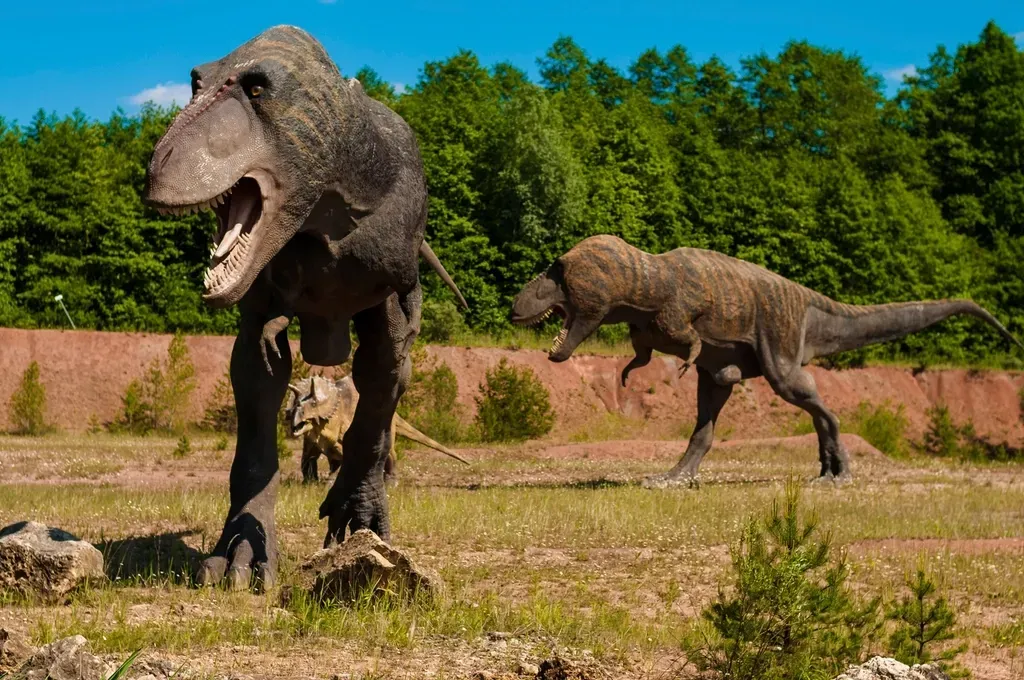
The fearsome tyrannosaur dinosaurs may not have been solitary predators as popularly envisioned, but social carnivores with complex hunting strategies like wolves. The fearsome tyrannosaurs that ruled the northern hemisphere during the Late Cretaceous period may not have been solitary predators, but social carnivores similar to wolves. Fossils from tyrannosaurs ranging from ages 2 to 26 have been found together, as have T. rex trackways with footprints from multiple individuals, suggesting that T. rex may have formed herds and even hunted together. Let’s be real: a solitary animal does not leave behind footprints of multiple individuals walking together.
The new Utah site adds to the growing body of evidence showing that tyrannosaurs were complex, large predators capable of social behaviors common in many of their living relatives, the birds. This discovery should be the tipping point for reconsidering how these top carnivores behaved and hunted across the northern hemisphere during the Cretaceous. It has been shown that among pack-hunting animals, employing strategy or communication between individuals can allow them to capture prey that is faster than any one individual. Think about what that means for a predator already possessing exceptional senses: a coordinated T. rex group would have been essentially unstoppable.
Proof in the Fossil Record: Active Hunter, Not Passive Scavenger
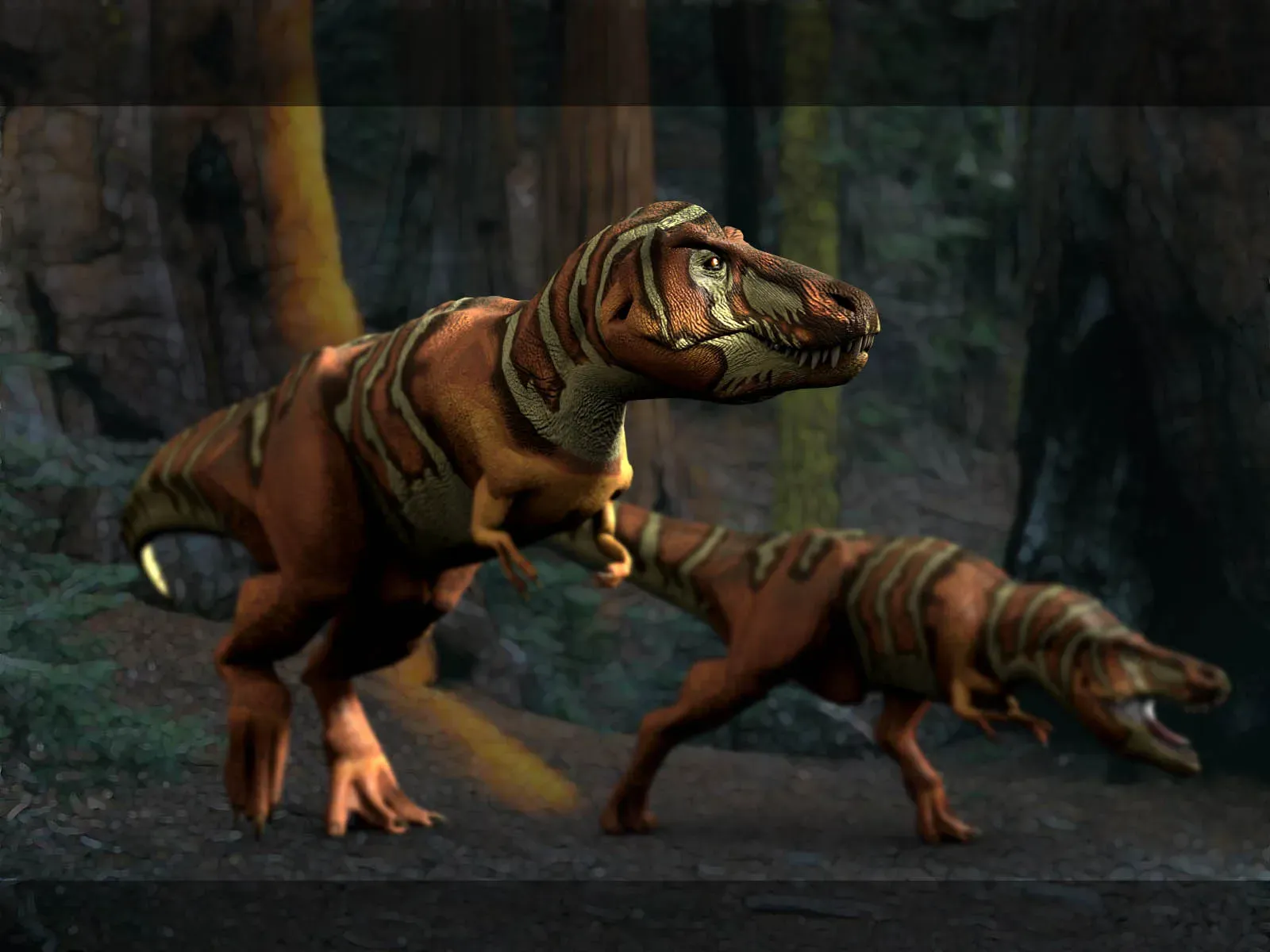
One compelling example is the case of a T. rex tooth found embedded deep in the tail bone of a duck-bill dinosaur. The duck-bill dinosaur managed to escape and, in fact, lived long enough for new bone to grow around the puncture wound. The scar on its skeleton offers paleontologists some valuable insight. It’s evidence that T. rex wasn’t simply a scavenger: it actively hunted live prey, including sizable vertebrates like Edmontosaurus annectens, which could grow to be almost 10 feet tall and weigh up to 7,700 pounds. That single fossil tells an entire story. A hunt. An escape. And proof of a living, breathing predator with real intent.
T. rex had a hunter’s toolkit: good eyes, a great nose, powerful jaws, and strong legs. Nothing in its biology outright prevents it from being a formidable predator. After all, T. rex was able to dominate the world for millions of years, which is no mean feat. Dominating an ecosystem for millions of years does not happen by accident. It happens because of adaptability, strategy, and intelligence that fits the environment perfectly. It’s hard to say for sure just how “smart” T. rex truly was by human standards, but by any standard that mattered in the Late Cretaceous, it was exactly smart enough.
Conclusion: Rethinking the Tyrant King
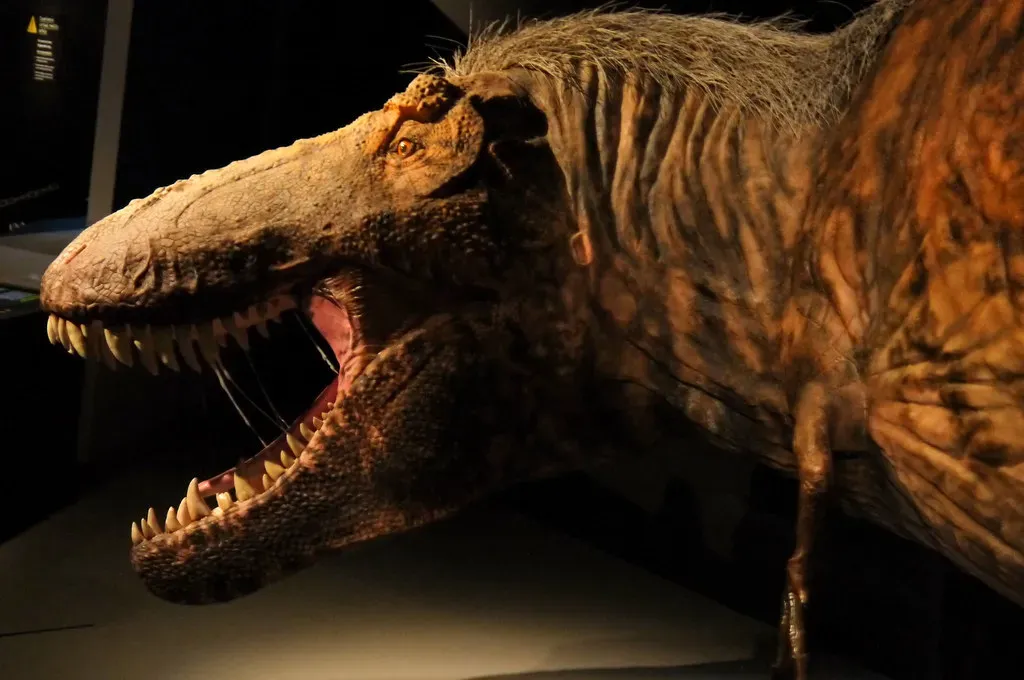
The old image of a T. rex as a dull, lumbering giant simply doesn’t hold up to scrutiny anymore. What science reveals instead is a predator of remarkable complexity: one with multi-sensory hunting capabilities that surpassed many living animals, a jaw that evolved dramatically with age, possible social coordination with other individuals, and forensic proof of active, strategic killing. It was no genius by primate standards, I think we can agree on that. Yet it was genuinely extraordinary by the standards of its world.
Every new fossil, every CT scan of an ancient skull, every chemical analysis of isotopes in ancient bone keeps adding new dimensions to our understanding of this animal. As one lead researcher put it, dinosaur ecology is probably always going to turn out a little more complex than we think at any given time. That might be the most important takeaway of all. The more we look, the more sophisticated the T. rex becomes. Imagine what we’ll discover next. What do you think: did you ever suspect the tyrant king had this much going on upstairs? Drop your thoughts in the comments below.