Everything you think you know about what dinosaurs ate is probably at least partially wrong. That’s not an insult – it’s actually one of the most exciting things happening in paleontology right now. Scientists are using cutting-edge chemistry, microscopic tooth analysis, preserved gut contents, and even fossilized droppings to radically rewrite the prehistoric menu. And honestly, the picture emerging is far stranger, more nuanced, and more fascinating than anything shown in any dinosaur movie.
What were these creatures really eating? How did dozens of enormous species share the same forests, floodplains, and river deltas without wiping out their food supply? The answers are hiding in ancient enamel, in microscopic scratch marks, and in rocks that haven’t been touched for 100 million years. Let’s dive in.
Isotopes Are the New Fossil Record: Reading Diet Through Chemistry
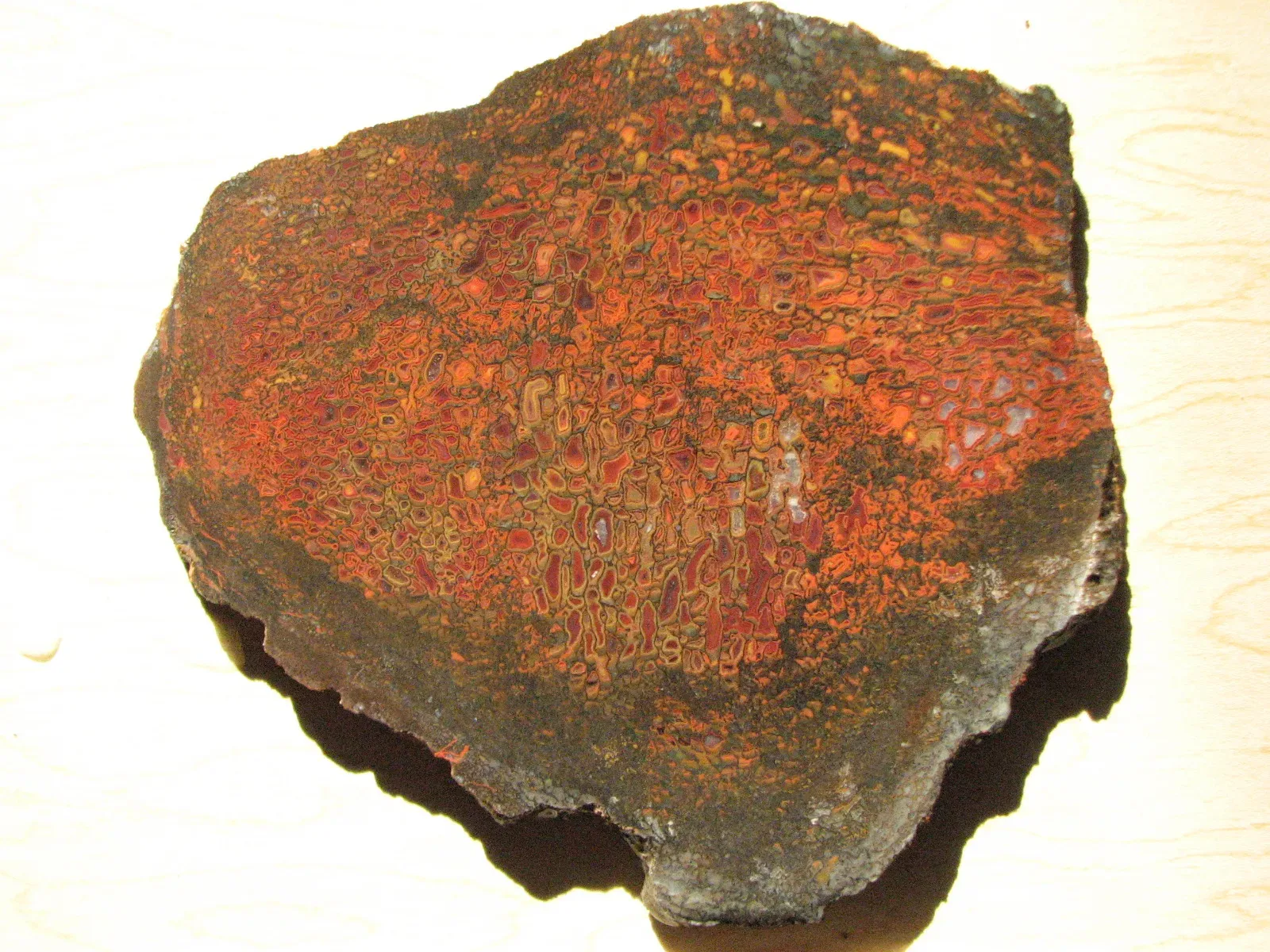
For most of paleontology’s history, figuring out what a dinosaur ate meant looking at its teeth and making an educated guess. A flat tooth meant plant-eater. A serrated blade meant meat. Simple, right? Not anymore. Today, a community of geochemists and paleontologists are analyzing isotope ratios of calcium along with a broader range of elements to learn more about what dinosaurs ate when they roamed the earth 66 to 252 million years ago. It’s a bit like reading a nutritional label baked right into ancient bone – except the label is written in chemistry and takes decades to decode.
Carbon and nitrogen isotopes haven’t historically proved useful for dinosaurs: the carbon isotope ratio isn’t relevant in their ancient diet, and the organic material containing nitrogen isotopes typically doesn’t survive long enough to be analyzed. The breakthrough came from calcium, which paleontologists realized they could use to probe dinosaur diets at least 66 million years back. You have to admit, it’s remarkable that a chemical signature locked in enamel can survive the weight of geological time and still whisper secrets about an animal’s last meal.
Tooth Enamel Reveals Who Ate What in the Same Ecosystem
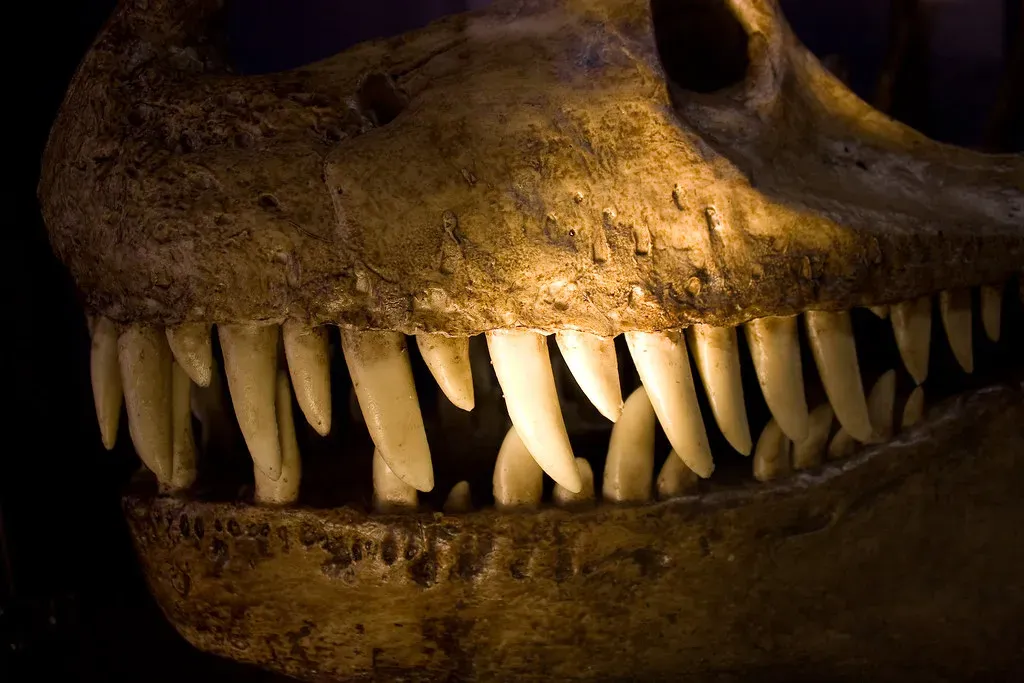
A recent study of calcium isotope ratios from dinosaur tooth enamel from the Late Jurassic Period found at Dinosaur National Monument on the border between Colorado and Utah gives clues to how different dinosaur species lived together there. Researchers found that Camarasaurus had statistically distinct calcium isotope ratios from Camptosaurus. This shows that their diets were different, although they lived in the same environment: Camarasaurus preferred woody plant tissue and conifers, while Camptosaurus ate softer leaves and buds.
Previously, scientists believed that large herbivorous dinosaurs coexisted by munching on different levels of the tree canopy according to height. However, research shows that plant height wasn’t the only factor driving the differentiation of their diets – instead, it was specific plant parts. The Diplodocus, for its part, ate more of a mixed diet that included soft ferns and horsetail plants lower to the ground, as well as tougher plant parts. Think of it like three people sitting at the same dinner table but one eats only steak, one eats only salad, and one happily grazes on everything. They coexist not by sharing food, but by wanting completely different things.
Fossilized Gut Contents – A Prehistoric Time Capsule
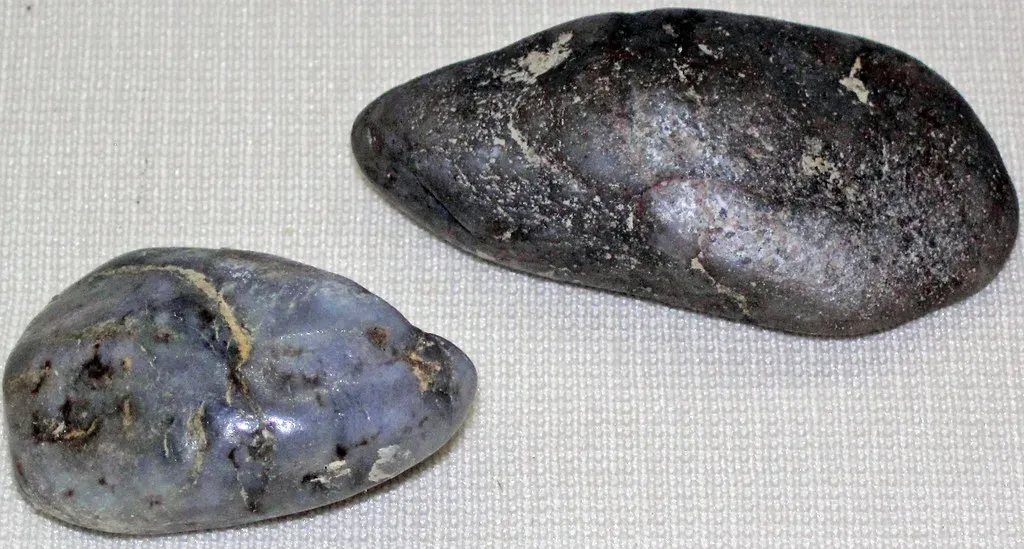
Here’s the thing – even the best isotope analysis is still an indirect clue. Nothing beats finding actual food preserved inside the body of a dinosaur that lived millions of years ago. A prehistoric digestive time capsule has been unearthed in Australia: plant fossils found inside a sauropod dinosaur offer the first definitive glimpse into what these giant creatures actually ate. The remarkably preserved gut contents reveal that sauropods were massive, indiscriminate plant-eaters who swallowed leaves, conifer shoots, and even flowering plants without chewing, relying on their gut microbes to break it all down.
Although it was not unexpected that the gut contents provided support for sauropod herbivory and bulk feeding, researchers were surprised to find angiosperms in the dinosaur’s gut. Angiosperms became approximately as diverse as conifers in Australia around 100 to 95 million years ago, when this sauropod was alive. This suggests that sauropods had successfully adapted to eat flowering plants within 40 million years of the first evidence of the presence of these plants in the fossil record. Forty million years sounds like forever to us, but in evolutionary terms, that’s actually a remarkably quick menu update.
Microscopic Tooth Scratches Reveal Migration and Seasonal Eating Habits
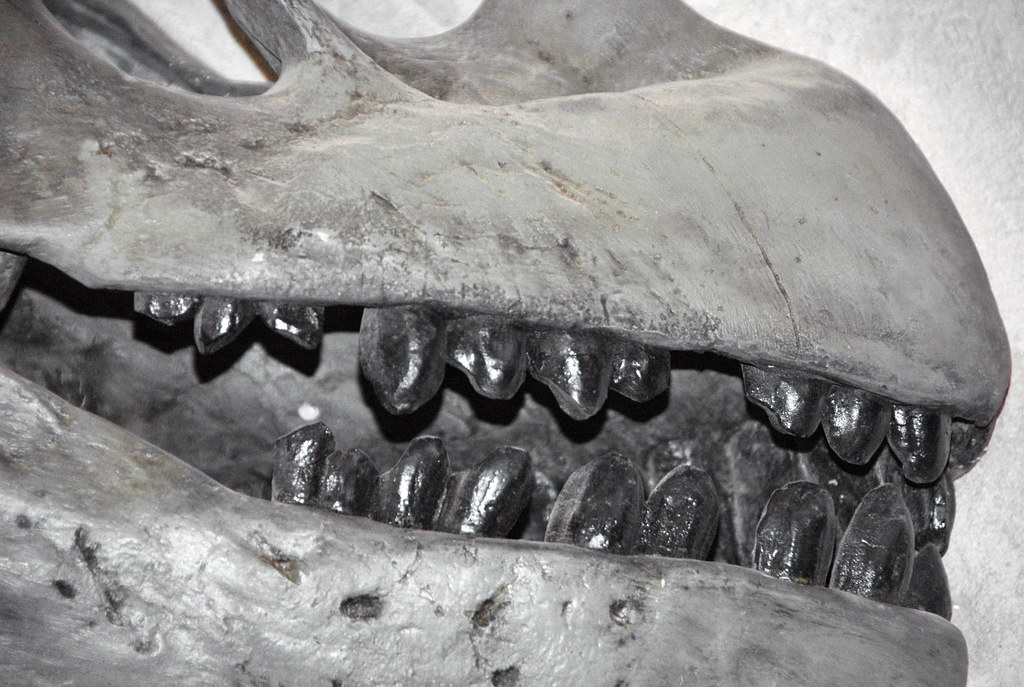
You wouldn’t think a scratch the width of a human hair could tell you where a dinosaur spent its summers. Yet that’s exactly what a fascinating technique called Dental Microwear Texture Analysis is now revealing. Researchers employed an unusual method: using wear marks on fossilised teeth as a window into the past. As one researcher put it, it is still fascinating that microscopic scratches on fossil teeth can tell us so much about diet and even behavior. The technique, known as Dental Microwear Texture Analysis, was originally developed for studying mammals.
A 2025 study of tooth wear in Late Jurassic sauropods from Portugal, Tanzania, and the United States found evidence consistent with a narrow dietary niche of camarasaurids and likely with their seasonal migrations following the availability of their preferred food source, with niche differentiation between camarasaurids and turiasaurs in Portugal, and a broad dietary niche and seasonal variation in diet in diplodocoids. There were also clear regional differences: teeth from Tanzania were consistently more heavily worn than those from Portugal or the USA. The crucial influencing factor? Climate. Climate was literally shaping what dinosaurs put on their plates, just as it shapes diets today.
The Spinosaurus Revelation: A Giant That Hunted Fish
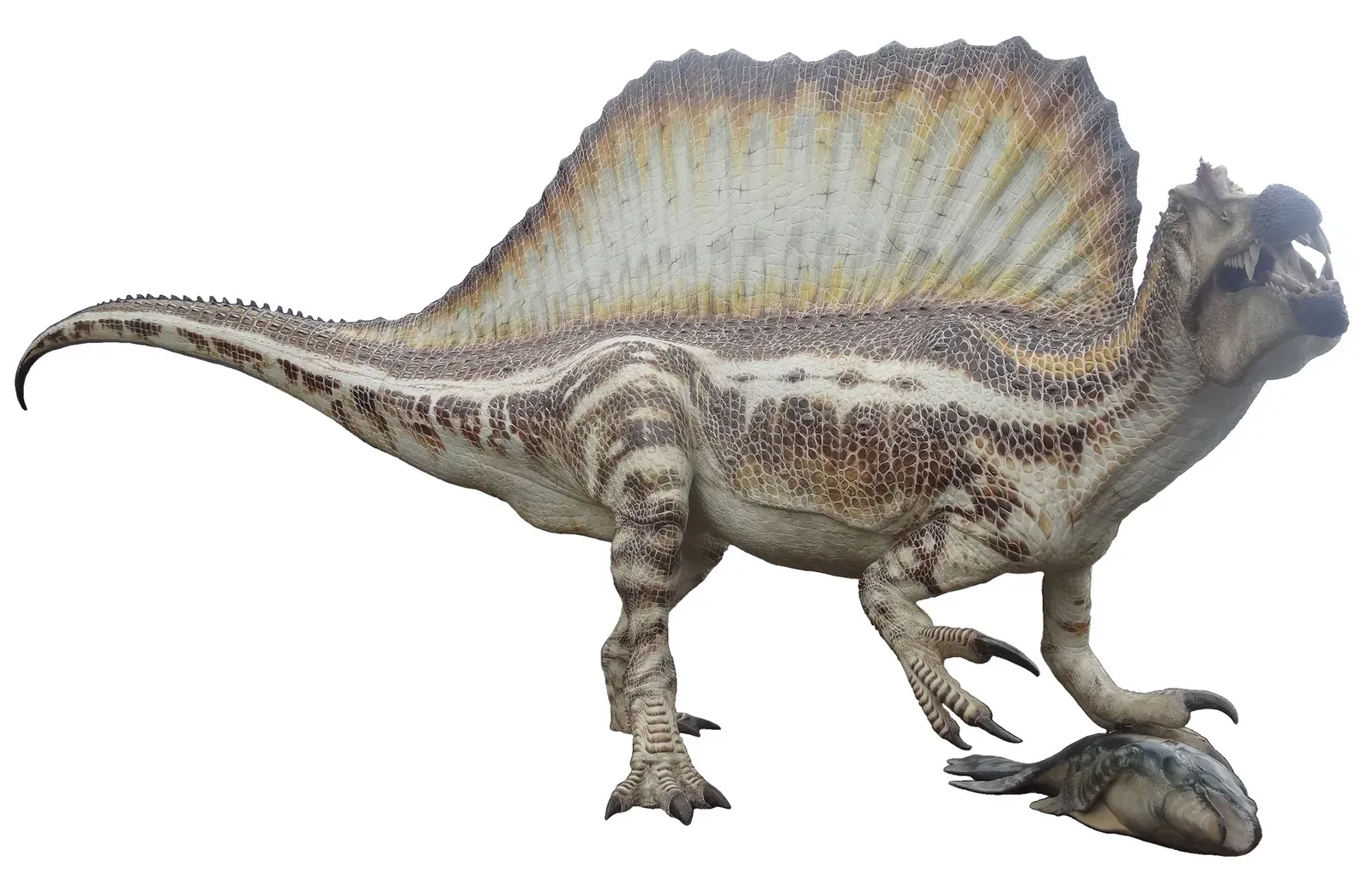
If you only know Spinosaurus from the movies, prepare to have your mind blown. Jeremy Martin, a paleobiologist at the French National Center for Scientific Research and the University of Lyon 1, explains that Spinosaurus was not a land predator at all but predominantly ate fish. This is a creature that could reach up to 15 meters in length – potentially the largest carnivorous dinosaur that ever lived – and it was essentially the world’s most terrifying fisherman. The teeth were straight, conical, and smooth, lacking the serrated edges characteristic of most meat-eating dinosaurs. These simple, pointed teeth were perfectly suited for piercing and gripping slippery, struggling fish. The front of the snout also featured an interlocking arrangement of teeth forming a terminal rosette that maximized the grip on captured aquatic animals.
A network of tiny openings covered the snout, similar to those found on modern crocodilians. These openings connected to an internal cavity that likely housed neurovascular structures, functioning as pressure receptors to sense movements in the water. This enhanced tactile sensitivity would have allowed Spinosaurus to detect the pressure waves created by swimming prey, enabling it to hunt effectively even in murky or low-light conditions. Still, the story isn’t completely settled. A 2024 paper suggests that Spinosaurus and other spinosaurines, in addition to fish, also preyed upon small to medium-sized terrestrial vertebrates, and had relatively weak bite forces compared to those of other theropods. In other words, even the fish-eating giant had backup options.
The T. rex Hunter vs. Scavenger Debate – And What the Fossils Actually Say
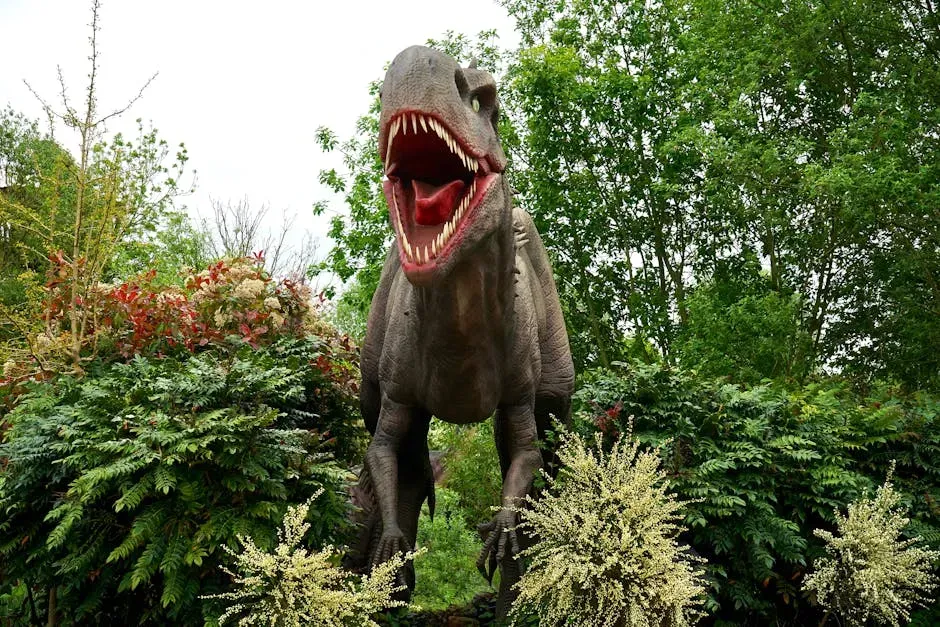
Few questions in paleontology have captured the public imagination quite like this one: was Tyrannosaurus rex a fearsome, active hunter or simply a very large prehistoric vulture? It has been widely argued that T. rex procured food through obligate scavenging rather than hunting, despite the fact that there is currently no modern analog for such a large-bodied obligate scavenger. Horner argued that T. rex was too slow to pursue and capture prey items and that large theropods procured food solely through scavenging. I think it’s fair to say this idea always felt a bit off – like insisting a lion only eats leftovers.
The fossil evidence has since spoken with growing clarity. One of the most famous fossils related to this debate is a set of hadrosaur tail bones with a T. rex tooth stuck in them. Paleontologists reported a broken T. rex tooth crown embedded between two tail vertebrae of an herbivore. Remarkably, the bone around the tooth had begun to heal, forming new growth. This means the hadrosaur was alive when T. rex bit it, got away, and lived long enough for the wound to start healing. In other words, it’s direct physical evidence of a T. rex attack on live prey. The scientific consensus today is clear: T. rex was both a hunter and a scavenger, as most large carnivores are. Tyrannosaurs had adaptations for fast movement and active hunting, yet obviously would not pass up a free meal.
Bromalites, Baby Dinosaurs, and the Bigger Picture of Ancient Food Webs
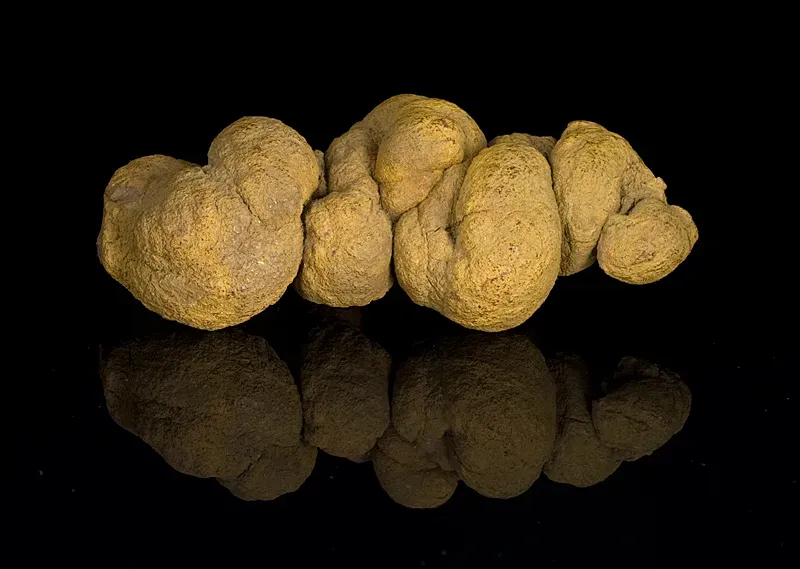
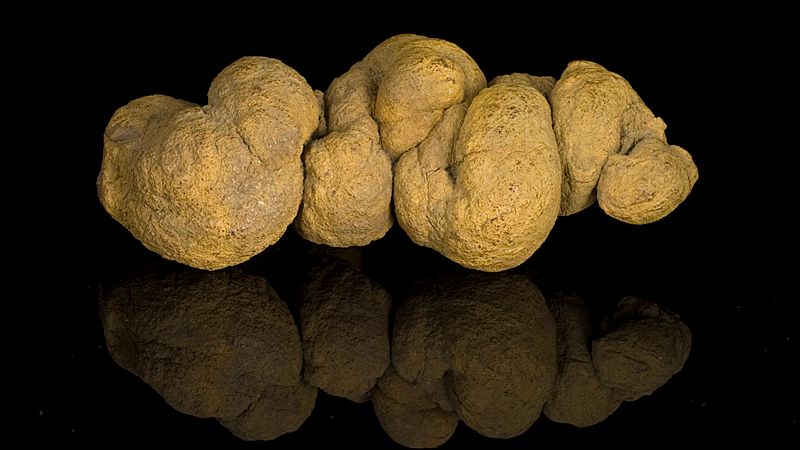
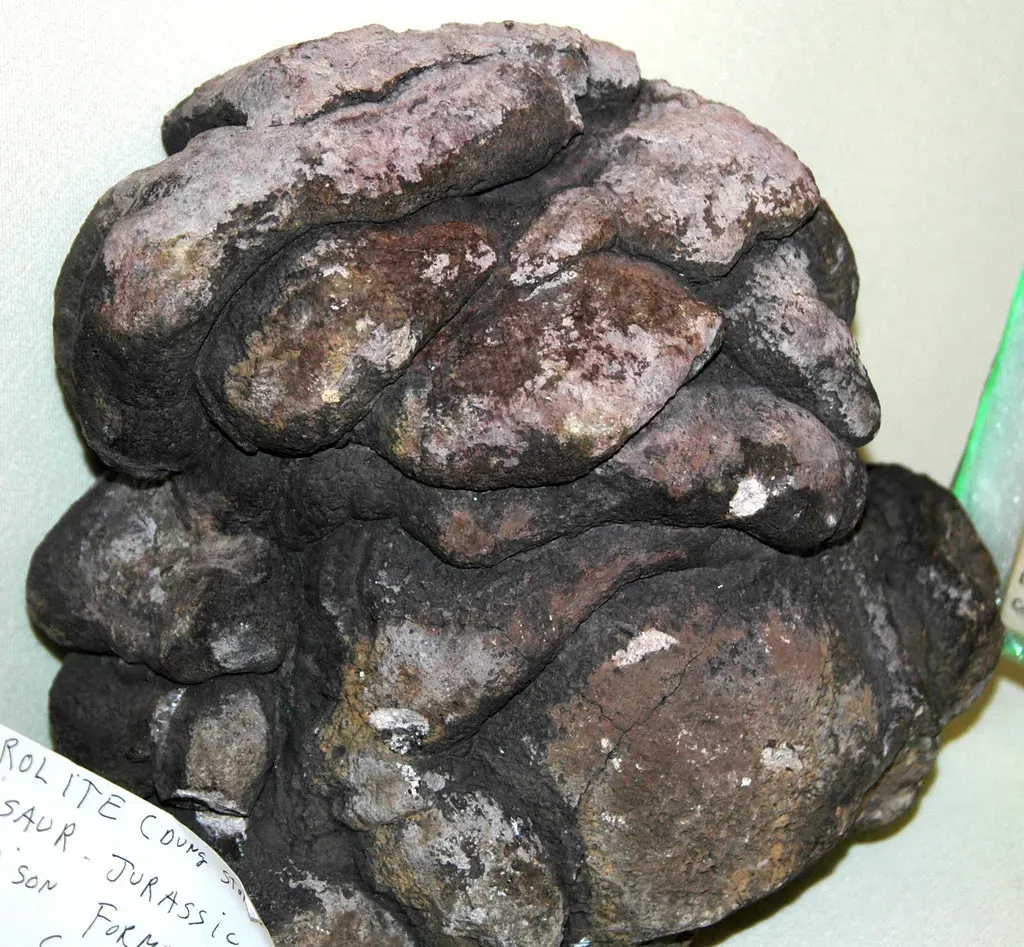
One of the most underappreciated sources of dietary evidence comes from a somewhat unglamorous category of fossils: bromalites, which are the fossilized remnants of digestive processes including droppings and stomach contents. Researchers used hundreds of fossils with direct evidence of feeding to compare trophic dynamics across five vertebrate assemblages that record dinosaur evolution in the Triassic-Jurassic succession of the Polish Basin. Bromalites increased in size and diversity across the interval, indicating the emergence of larger dinosaur faunas with new feeding patterns. Fossils of dinosaur feces, gut contents, and regurgitated material document what dinosaurs were actually eating in the distant past. Hundreds of such fossils found in Late Triassic and Early Jurassic rocks of Poland record what dinosaurs were eating during the early chapters of their evolution.
Diet also shaped the dynamics of entire ecosystems in ways that are only now becoming clear. Despite growing into the largest animals ever to walk on land, sauropods began life small, exposed, and alone. Fossil evidence suggests their babies were frequently eaten by multiple predators, making them a key part of the Jurassic food chain. This steady supply of easy prey may explain why early predators thrived without needing extreme hunting adaptations. About 70 million years later, during the time of Tyrannosaurus rex, fewer sauropods were available as easy prey. This change may have driven the evolution of traits such as stronger bite force, larger body size, and improved vision, enabling T. rex to hunt larger and more dangerous animals like Triceratops. What a dinosaur ate didn’t just define that species – it shaped the evolutionary arms race playing out across millions of years.
Conclusion: The Menu Is Still Being Written
What makes all of this so thrilling is how much is still left to discover. Every new fossil site, every improved analytical technique, every CT scan of a rock-hidden skeleton has the potential to overturn something we thought was settled. Newly discovered species are filling gaps in dinosaur evolution and shedding light on historic migrations, while other studies are offering new ways to date remains and making key insights about diets. Researchers are also expanding their studies to complementary isotopes, including strontium and zinc, and a new method is now able to analyze the very small amounts of organic nitrogen remaining in dinosaur tooth enamel.
The story of what dinosaurs ate is ultimately the story of how life organizes itself – how species carve out niches, how ecosystems balance themselves, and how the physical world shapes behavior across deep time. It’s also a reminder that science is never truly finished. The more tools we develop, the more secrets these ancient creatures give up. If you had asked a paleontologist fifty years ago whether we’d one day read a dinosaur’s dietary history from a flake of tooth enamel or a microscopic scratch mark, they might have laughed. Who’s laughing now?
What discovery about dinosaur diets surprised you most? Tell us in the comments – because honestly, even the experts keep getting surprised.