When most people picture the age of dinosaurs, they see a world entirely dominated by giant reptiles, a world where nothing else really mattered. That picture, honestly, is wildly incomplete. Buried beneath millions of years of rock and fossil sediment is a far richer story, one that includes tiny survivors, surprising predators, and ancient gliders sharing the same world as T. rex and Triceratops.
The old tale of mammals barely eking out a living under the claws of rapacious dinosaurs until the asteroid struck simply does not hold up. An entire menagerie of mammals flourished , including some that even ate baby dinosaurs for lunch. You read that right. So buckle up, because the Mesozoic just got a whole lot more interesting.
1. Repenomamus: The Dinosaur Eater You Never Knew About
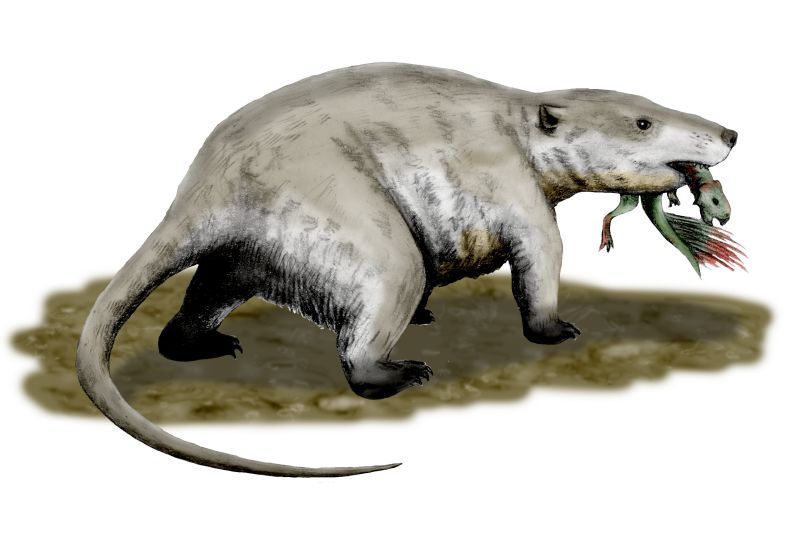
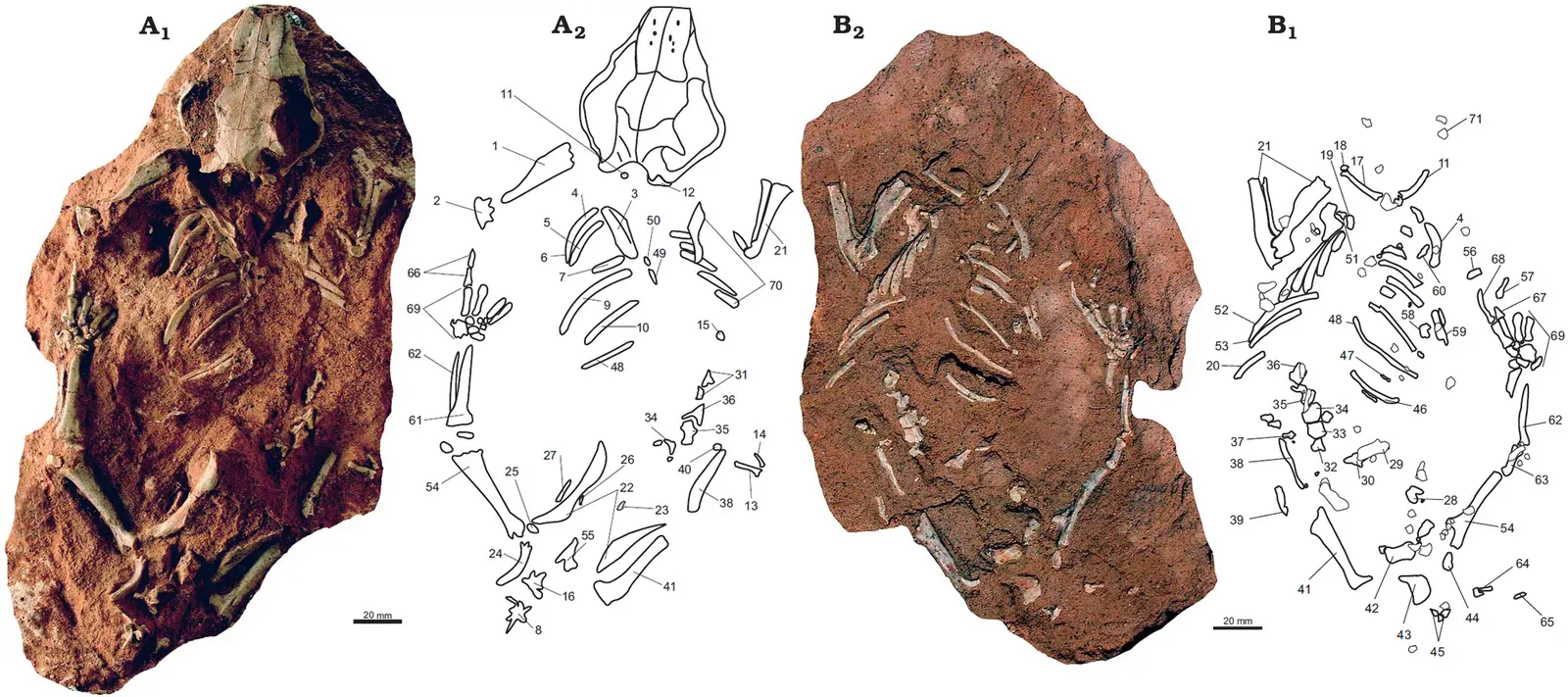
Here is something that will genuinely stop you in your tracks. Repenomamus giganticus was a carnivore that ate both dinosaurs and mammals, and a fossil actually showed that it had eaten a baby dinosaur called Psittacosaurus. Think about that for a second. A mammal, eating a dinosaur. Not the other way around.
Repenomamus was a stocky, badger-like predator from the Early Cretaceous, roughly 130 million years ago, that sometimes preyed on young dinosaurs. Two species have been recognized, one more than a meter long and weighing about 12 to 14 kilograms, and the other less than half a meter long and weighing 4 to 6 kilograms. To put that in perspective, this creature was not some tiny shrewlike thing cowering in the underbrush. In fact, Repenomamus was actually larger than several small sympatric dromaeosaurid dinosaurs like Graciliraptor. That is a genuinely jaw-dropping fact that rewrites the classic story we’ve all been told.
2. Morganucodon: The Tiny Pioneer That Started It All
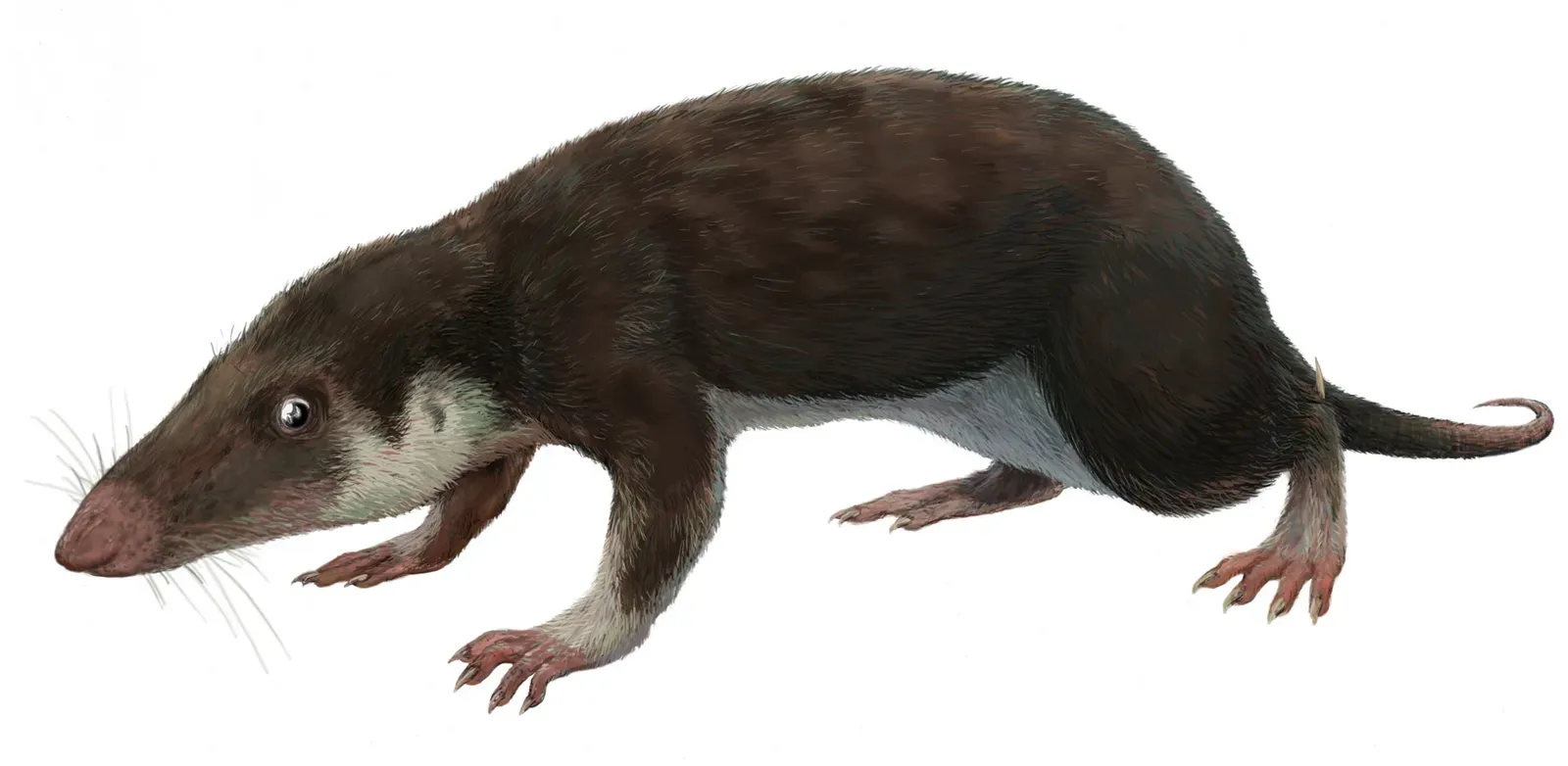
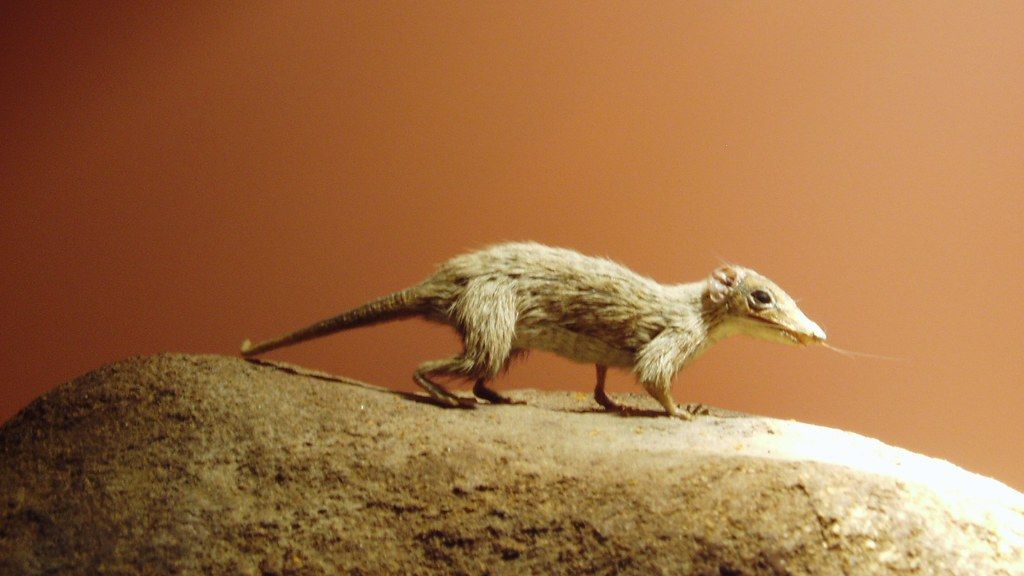
If Repenomamus was the bold rebel, then Morganucodon is the quiet ancestor you owe everything to. According to most experts, Morganucodon was among the first true mammals, a small, shrew-like creature that appeared during the Jurassic Period approximately 200 million years ago. It weighed only a few ounces and probably ate mostly insects and small invertebrates. Imagine something the size of a large grape with legs, scurrying through ancient ferns in the dark.
Morganucodon had a slower and almost more reptilian physiology that allowed it to live as many as 14 years, which is seven times longer than a mouse of similar size today. At the time, Morganucodon was likely able to go into a state of torpor during harsh winters or adverse conditions, allowing these early mammals to get by on less. That kind of resilience is extraordinary. Morganucodon represents a pivotal step in mammalian evolution, showcasing traits that would later define true mammals, such as improved hearing and a more advanced jaw joint. It is hard to believe that you and I are, in a roundabout way, descended from something that ancient and that small.
3. Castorocauda: The Jurassic Swimmer That Defied Expectations
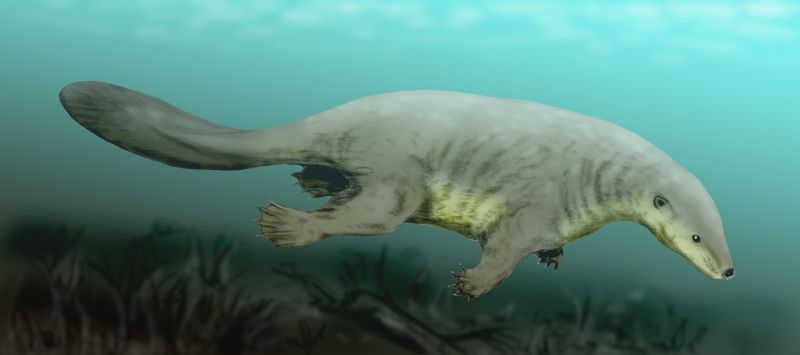
Castorocauda, also known informally as the “Jurassic Beaver,” is a genus of small, semi-aquatic mammal relatives that lived during the Middle Jurassic period, around 164 million years ago, found in lakebed sediments of Inner Mongolia. It was highly specialized, with adaptations evolved convergently with those of modern semi-aquatic mammals such as beavers, otters, and the platypus. What makes this truly astonishing is that none of those modern animals are its relatives. It just happened to find the same evolutionary solutions independently, like nature reinventing the wheel millions of years apart.
Weighing an estimated 500 to 800 grams, Castorocauda is the largest known Jurassic mammaliaform. It is also the earliest known mammaliaform with aquatic adaptations or a fur pelt. That fur detail alone is remarkable because it pushes back the origin of one of the defining mammalian traits. The teeth of Castorocauda suggest that the animal was a piscivore, feeding on fish and small invertebrates, which means this creature was essentially an ancient fishing mammal, happily hunting in Jurassic rivers while massive sauropods drank from the shoreline nearby. I find that image absolutely captivating.
4. Maiopatagium: The Gliding Mammal That Took to the Skies
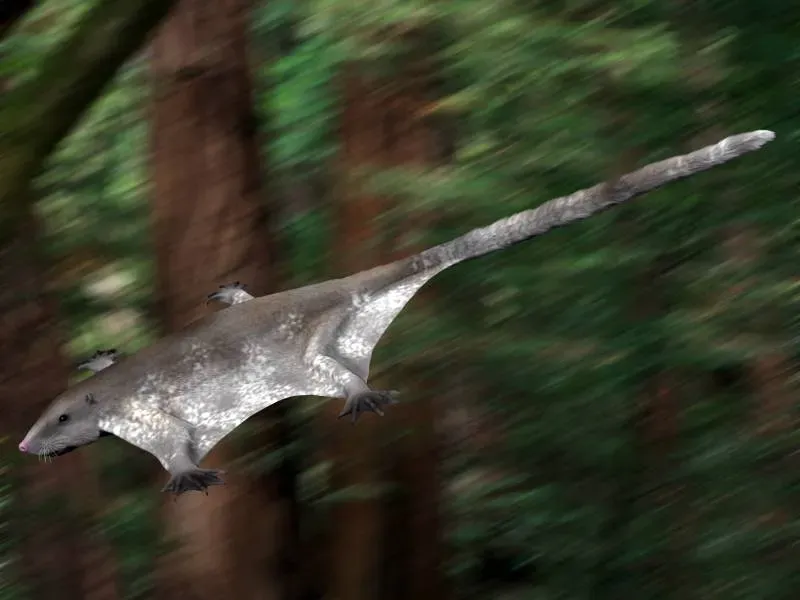
This mammal lived around 160 million years ago during the Jurassic in what is now northeast China. It had a membrane that acted like a gliding wing, which shows it was one of the first flying mammals. It probably glided to access food high off the ground and to avoid being prey. Think of it as nature’s original hang glider, navigating a forest canopy filled with feathered dinosaurs and enormous insects.
It grew up to 9 inches in length and had long fingers. These small primitive flying mammals are not related to modern bats. That last part is crucial to understand. Maiopatagium and its contemporaries independently developed the ability to fly, and the animals that eventually led to bats evolved flight separately over 100 million years later. So you are looking at two entirely separate evolutionary experiments in mammalian flight, separated by a gap of time so enormous it is nearly impossible to grasp. Nature, it seems, really likes a good glider.
5. Multituberculates (Filikomys primaevus): The Social Survivors
Squirrel-like mammals called multituberculates had a life history like that of our own close relatives, where infants suckled on milk for a short time before becoming independent and striking out on their own. Given that multituberculates existed for over 100 million years, most of that during the dinosaurian heyday, their success speaks for itself. That is a run of success that puts almost every other mammal lineage to shame.
What is even more surprising is the social dimension of these creatures. Fossils of the multituberculate species Filikomys primaevus, about 75.5 million years old and exquisitely preserved, offer a rare glimpse into mammalian behavior during the Late Cretaceous Period and indicate that mammals developed sociality much earlier than previously thought. Multituberculates existed for more than 130 million years from the Middle Jurassic to the late Eocene epoch, the longest lineage of any mammal. That is a staggering achievement. They were not hiding from dinosaurs; they were building communities under their very feet.
6. Didelphodon: The Most Powerful Biter in Mesozoic History
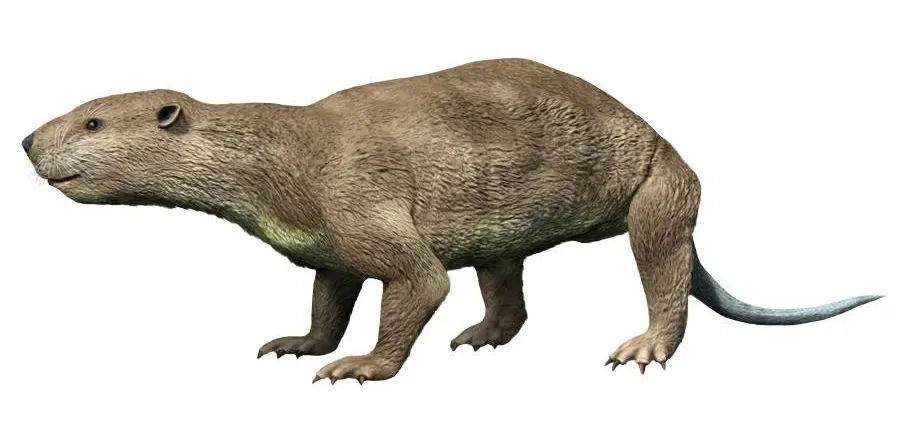
Didelphodon, meaning “two-womb-tooth,” was a marsupial mammal that lived at the very end of the Cretaceous period, such as Tyrannosaurus rex and Triceratops. Let that sink in for a moment. A marsupial relative, sharing its world with the most famous predator in Earth’s history. It had a long, slim, otter-like body, with semi-short legs and webbed toes. It also had a skull similar to a Tasmanian devil, with short and powerful jaws.
A study by Burke Museum and University of Washington paleontologists describes Didelphodon vorax as having, pound for pound, the strongest bite force of any mammal ever recorded. The team’s findings suggest mammals were more varied during the Age of Dinosaurs than previously believed. Stronger than a hyena. Stronger than any mammal alive today, relative to body size. Its shearing molars and big rounded premolars, combined with powerful jaws, indicate it had a specific niche in the food web as a predator or scavenger capable of crushing hard bone or shells, and was capable of eating prey as big as itself, even possibly small dinosaurs. This animal was no pushover.
7. Purgatorius: Your Oldest Known Primate Ancestor
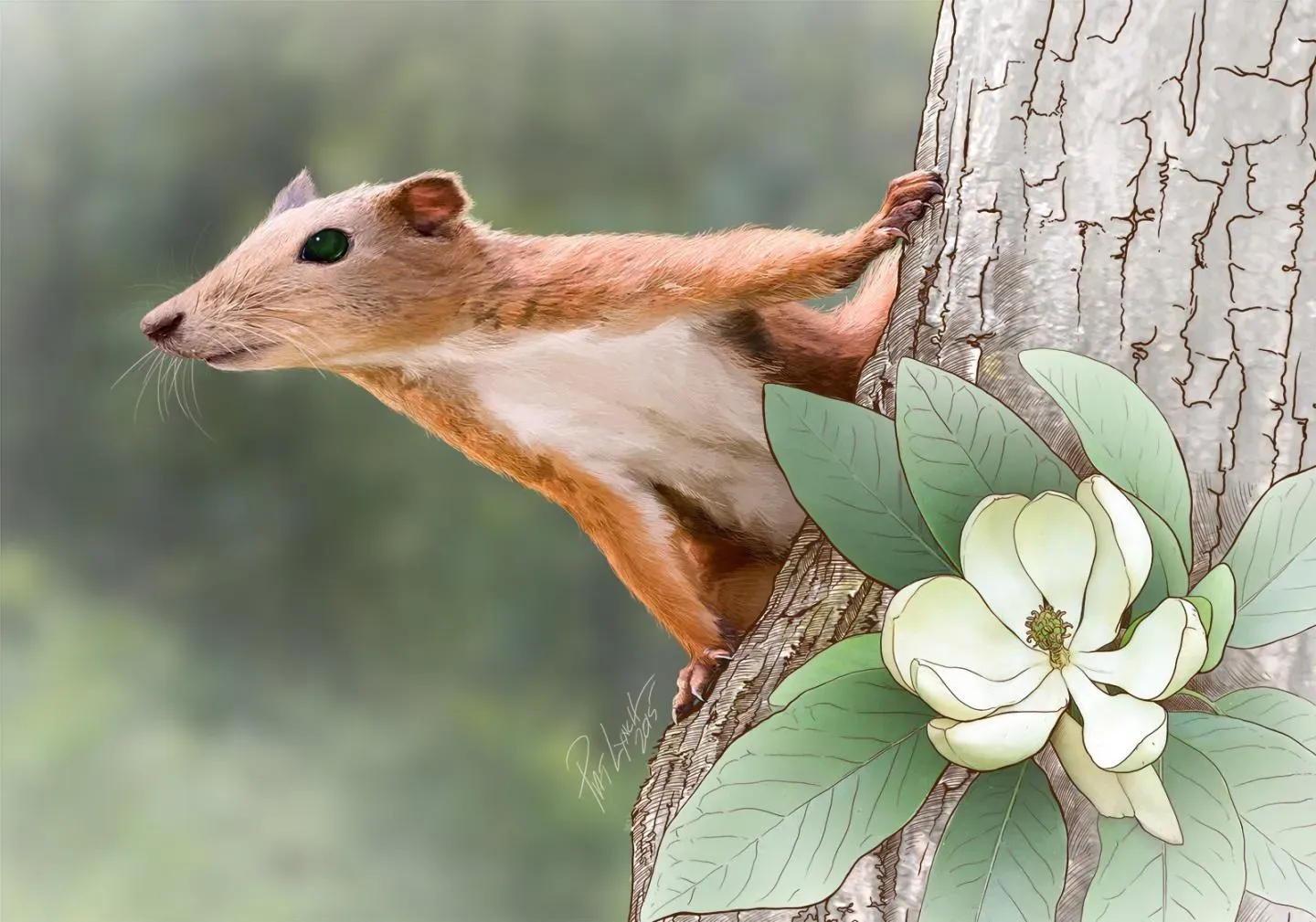
Of all the mammals on this list, Purgatorius might be the one that hits closest to home. Purgatorius, identified from a scattering of bones and teeth found in rock layers both before and after the asteroid impact 66 million years ago, is the earliest known primate. This little omnivore would have scrambled through the trees over the heads of Tyrannosaurus and survived where the non-avian dinosaurs did not. There is something humbling and wonderful about that image.
Purgatorius was a mammal that existed around the time of the mass extinction event that led to the demise of all non-avian dinosaurs. While these early mammals were not around to see dinosaurs flourish, they were most likely present as the last of them died. Purgatorius lived in North America, and fossils have been found in Montana and Saskatchewan, Canada. This omnivorous animal was small and is most likely the oldest relative of extant primates. It fed on insects and fruits found at the top of trees, and the forest canopy was probably its home. Every human who has ever lived is, in some distant biological sense, connected to this tiny creature clinging to a branch while the last dinosaurs fell silent below.
Conclusion: The Mammals Who Inherited the Earth
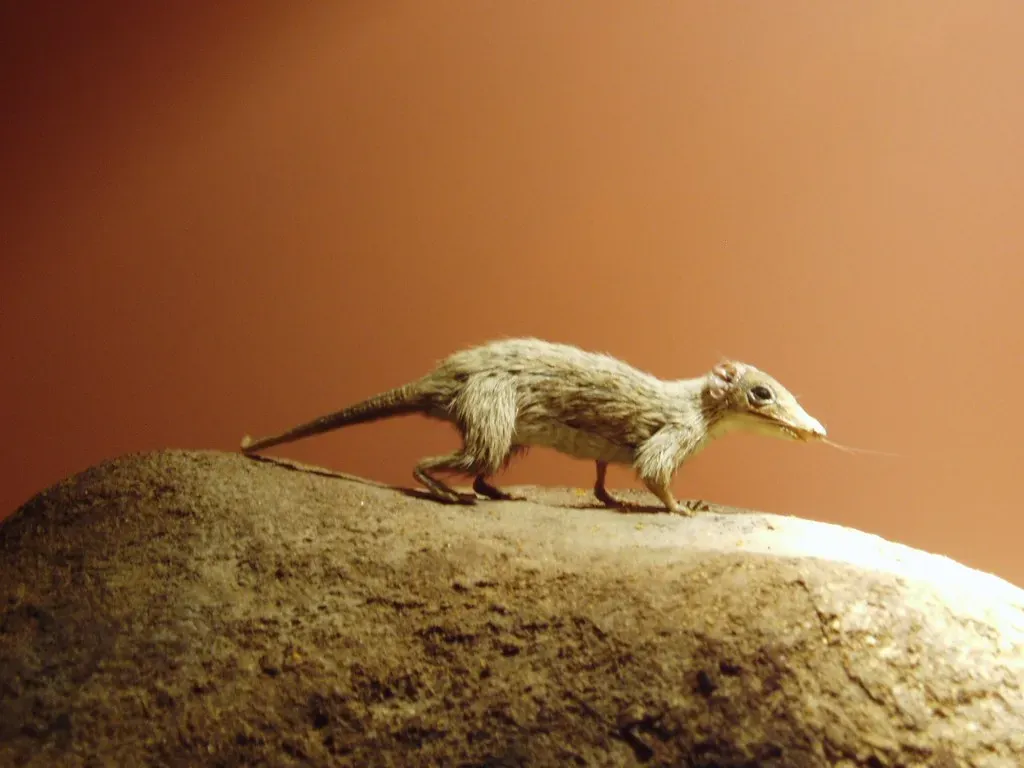
The story of prehistoric life has always been sold as the age of dinosaurs, a world where our ancestors were nothing more than frightened little shadows. The truth, as you have now seen, is far more thrilling. As more time passed, early mammals evolved to become almost entirely nocturnal, and some eventually mastered the arboreal lifestyle of living in the trees. While scientists believe some bird-like dinosaurs could climb, these dinosaurs never mastered living in trees as early placental mammals did.
The new lack of competition and environmental pressures that dinosaurs once posed allowed mammals to evolve and ascend the food chain. They quickly became bigger, faster, and stronger, which eventually allowed them to prioritize brains over brawn. From a tiny shrew-like insect hunter to the gliders, swimmers, biters, and social communities you have just read about, the mammals of the Mesozoic were quietly, brilliantly extraordinary. They did not just survive the age of dinosaurs. They thrived in it, shaped by it, and ultimately outlasted it. Perhaps the real underdogs were the dinosaurs all along.
Which of these seven ancient mammals surprised you the most? Tell us in the comments below!