Earth has existed for roughly four and a half billion years. That is not just a long time – it is almost an incomprehensible stretch of time, filled with events so dramatic and strange that even the most gripping science fiction pales by comparison. From microscopic bacteria accidentally poisoning the entire atmosphere, to life nearly being wiped off the planet entirely, the story of how we got here is nothing short of extraordinary.
Most people know the broad strokes: dinosaurs, evolution, maybe something about an asteroid. But the real story is far deeper, far weirder, and honestly far more exciting than any classroom summary could capture. So let’s dive in.
1. The Great Oxidation Event: When Tiny Microbes Changed Everything
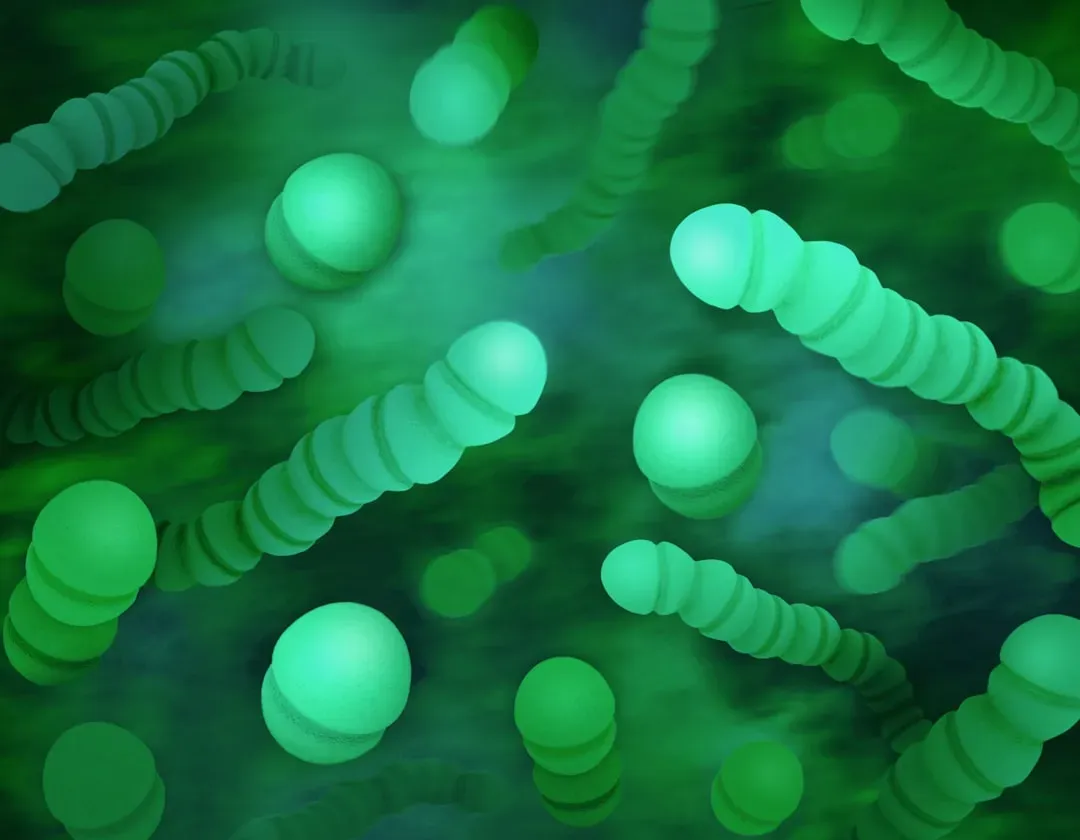
Here’s the thing – you owe your very existence to a microscopic organism that essentially poisoned the world. The Great Oxidation Event is considered one of the most significant moments in the history of life on Earth, marking the period when our early atmosphere first began filling with free oxygen, which ultimately set the foundation for the rise of aerobic life and, eventually, present-day humans. Before this moment, if you could somehow travel back and take a breath of Earth’s air, you would be in serious trouble.
If you traveled back in time to before the Great Oxidation Event, more than roughly 2.4 billion years ago, you would encounter a largely oxygen-free environment where the organisms that thrived were anaerobic, meaning they didn’t require oxygen and relied on processes like fermentation to generate energy. Then along came cyanobacteria – small, unassuming microbes – that would flip the entire script. The release of oxygen by cyanobacteria was responsible for changes in Earth’s atmospheric composition, the rise of aerobic metabolism and, ultimately, the evolution of multicellularity. Think of it like a factory accidentally venting a gas that turns out to be exactly what the next generation of life needs to thrive.
2. The Rise of Eukaryotes: When Cells Got Complicated
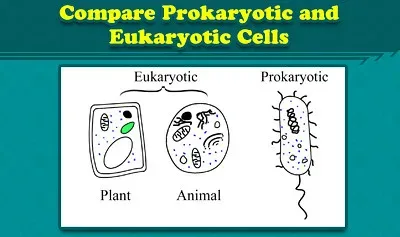
A large evolutionary step occurred during the Proterozoic Eon with the appearance of eukaryotes around 2.1 to 1.6 billion years ago. Eukaryotic cells are more complex, having nuclei and organelles, with nuclear DNA capable of more complex replication and regulation than that of prokaryotic cells. This is one of those moments in evolutionary history that feels almost too important to fully grasp. Imagine going from a basic studio apartment to a multi-level home with separate rooms for every function – that’s roughly the leap from prokaryote to eukaryote.
The organelles include mitochondria for producing energy and chloroplasts for photosynthesis, and the eukaryote branch in the tree of life gave rise to fungi, plants, and animals. Honestly, without this upgrade in cellular complexity, none of the life forms you recognize today – trees, fish, mushrooms, humans – would have ever existed. Another critical event in Earth’s biological history occurred about 1.2 billion years ago when eukaryotes invented sexual reproduction. Sharing genetic material from two reproducing individuals greatly increased genetic variability in their offspring, and this genetic mixing accelerated evolutionary change, contributing to more complexity among individual organisms and within ecosystems.
3. The Cambrian Explosion: Life’s Most Creative Burst
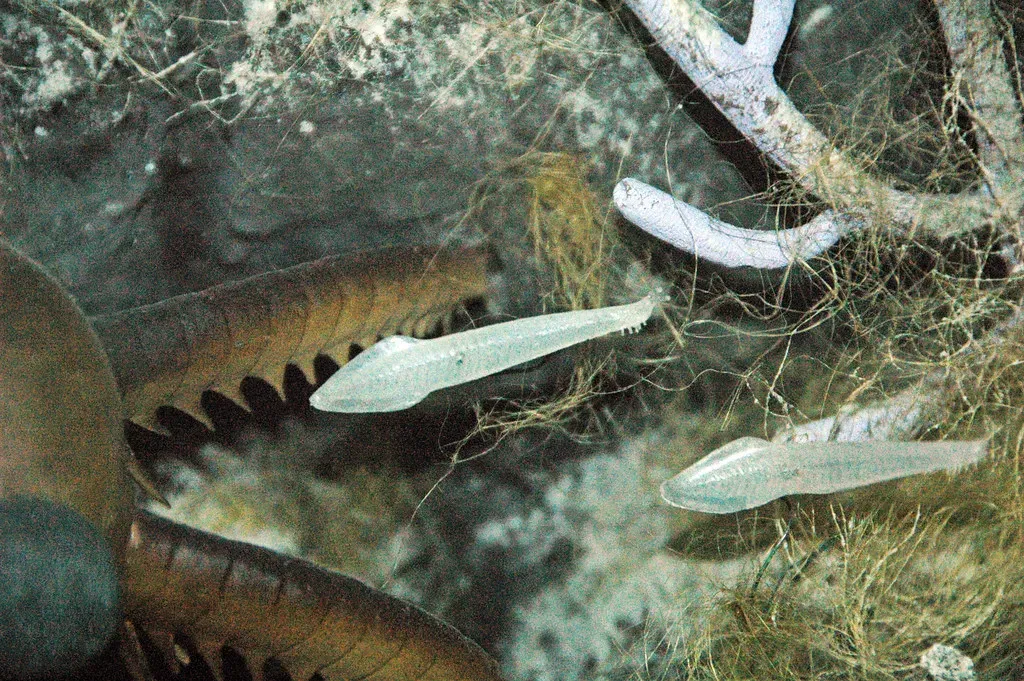
Imagine a world where life existed, but in slow motion – simple, soft-bodied creatures drifting through the ocean with no predators, no competition, and no urgency to evolve. That was what life on Earth was like before around 540 million years ago. Then, in just a matter of 10 to 20 million years – a mere blink in evolutionary time – most of the major animal body plans we see today appeared. It’s the biological equivalent of a quiet town overnight transforming into a bustling metropolis.
Suddenly, the oceans were full of all kinds of life forms, each one locked in its own evolutionary arms race to survive the longest. Creatures developed hard shells and complex eyes, and terrifying predators – like the giant, nightmarish Anomalocaris – were suddenly patrolling the waters. What makes this even more astonishing is the humble passenger hiding in the crowd. Among all these strange creatures was a worm-like organism called Pikaia gracilens, with a flexible rod along its back that would become the basis for all vertebrate spines, including ours. You can trace your own backbone directly to that little creature swimming in those ancient seas.
4. Plants Conquer the Land: The Green Revolution That Built the World
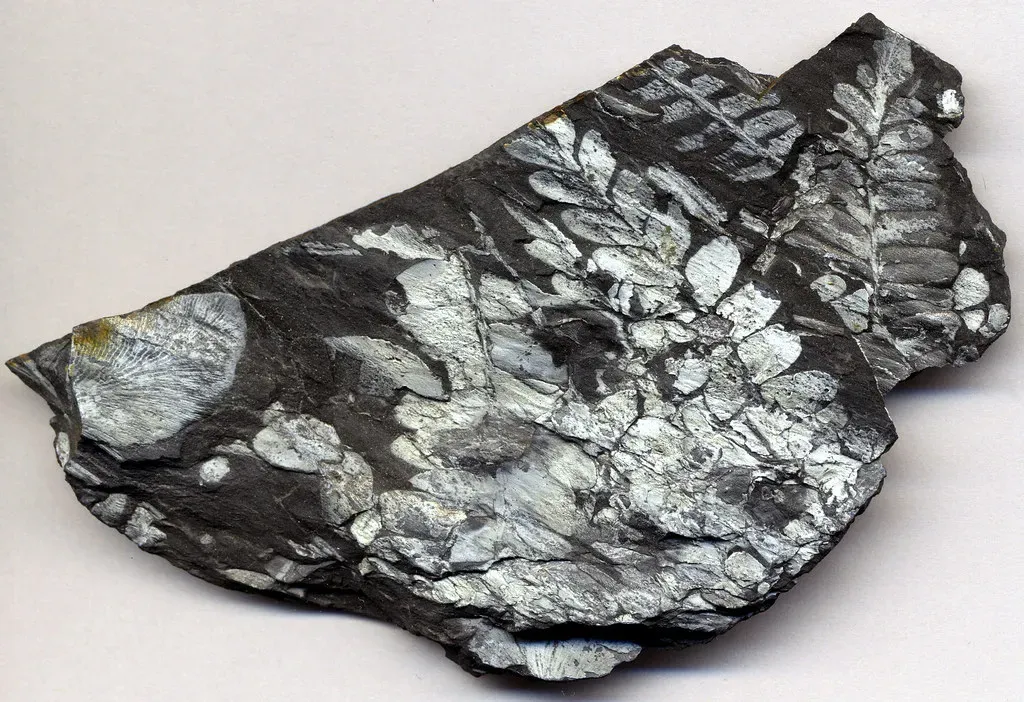
It’s hard to imagine a world without a single green plant on land. No forests, no grass, no soil rich enough to grow anything. Before land plants, the soil on land was poor in resources essential for life like nitrogen and phosphorus and had little capacity for holding water. The colonization of land by plants, roughly 450 to 500 million years ago, was a transformation so sweeping that it literally reshaped the atmosphere, the climate, and the entire possibility of land-dwelling animals.
Life on Earth as we know it would not be possible without the evolution of plants, and without the transition of plants to live on land. Evidence of the emergence of embryophyte land plants first occurs in the middle Ordovician, around 470 million years ago, and by the middle of the Devonian, roughly 390 million years ago, fossil evidence shows that many features recognized in land plants today were present, including roots and leaves. It’s a slow, quiet revolution – no explosions, no drama on the surface – but the consequences were staggering. As animals colonized land, they fed on the abundant sources of nutrients in the established flora, and as a result of this selective pressure, plants evolved adaptations to deter predation, such as spines, thorns, and toxic chemicals.
5. The Great Dying: Earth’s Closest Call With Total Annihilation
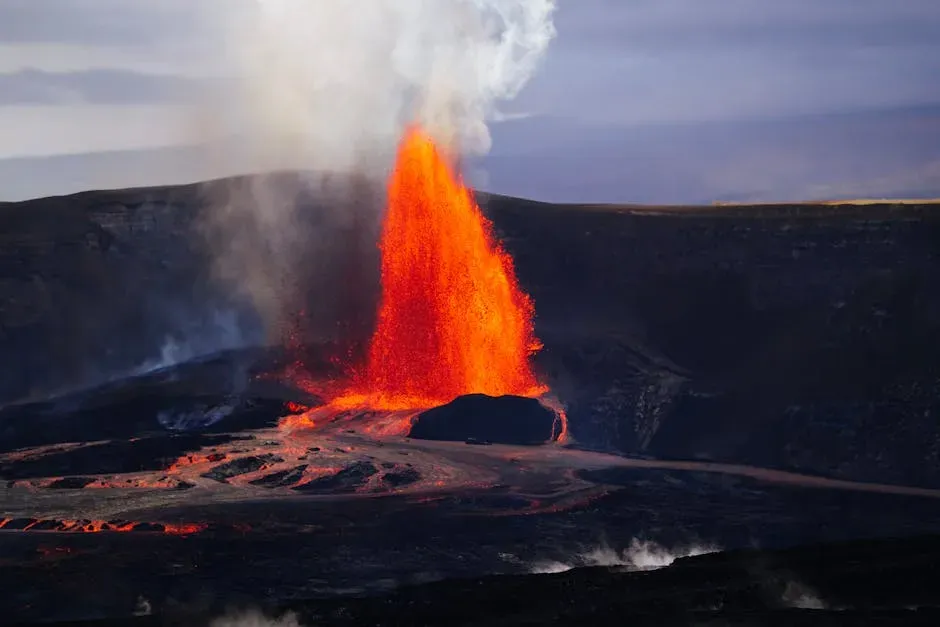
Most people have heard of the asteroid that wiped out the dinosaurs. Shocking as that was, it was not even close to the worst extinction in Earth’s history. Somehow, most of the life on Earth perished in a brief moment of geologic time roughly 250 million years ago. Scientists call it the Permian-Triassic extinction, or “the Great Dying,” not to be confused with the Cretaceous-Tertiary extinction that ended the dinosaurs. Whatever happened during the Permian-Triassic period was much worse: no class of life was spared from the devastation. Trees, plants, lizards, proto-mammals, insects, fish, mollusks, and microbes were all nearly wiped out.
The Great Dying resulted in the loss of around nine in ten marine species and seven in ten terrestrial vertebrate species, due to a combination of volcanic eruptions, climate changes, and oceanic anoxia. The volcanic activity, particularly from the Siberian Traps, released large amounts of carbon dioxide and sulfur dioxide, leading to severe environmental shifts including a greenhouse effect that caused global temperatures to rise dramatically. Yet out of this almost total collapse of life came opportunity. The extinction event marked the transition from the Permian to the Triassic period, facilitating the emergence of new life forms, including early ancestors of dinosaurs and various marine species such as crabs and lobsters. Death, it turns out, is often the greatest creative force in evolutionary history.
6. The Rise of Mammals: How Survivors Inherited the Earth
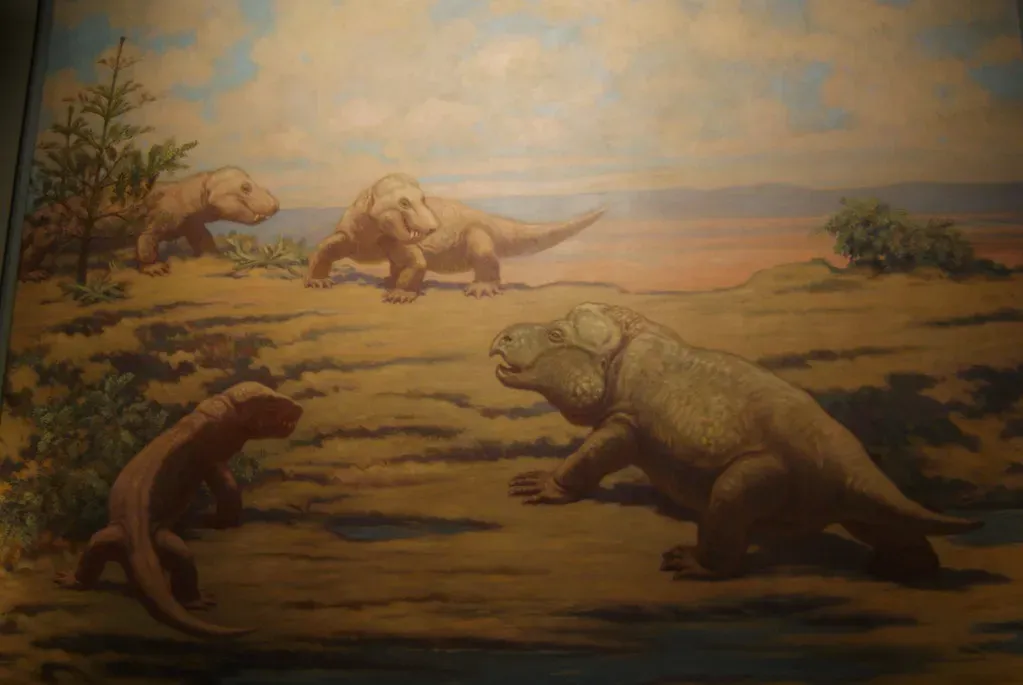
After the dust quite literally settled – first after the Great Dying, then again after the asteroid impact that ended the dinosaurs – a surprisingly modest group of creatures stepped forward. On land, dinosaurs and mammals arose in the course of the Triassic. It’s hard not to find something deeply inspiring in that story. The ancestors of every dog, whale, bat, elephant, and human alive today were small, burrowing animals that survived through sheer adaptability while the giants around them collapsed. Smaller stem-mammals like the cynodonts may have survived by sheltering in underground refuges, and indeed skeletons of the cynodont Thrinaxodon have been found inside fossil burrows, possibly lying dormant to conserve energy and ride out the effects of the extinction.
The earliest forms of modern mammals, amphibians, birds, and reptiles can be traced back to the Cenozoic, and human history is entirely contained within this period, as apes developed through evolutionary pressure and gave rise to the present-day human being, or Homo sapiens. Compared to the evolutionary timeline of the world, human history has risen quite rapidly and dramatically – going from the first stone tools to concrete jungles with modern technology may seem like a long journey, but compared to everything that came before it, it is but a brief blink of an eye. We are, in a very real sense, the latest chapter in a story that began in the ocean billions of years ago.
Conclusion: A Story Still Being Written
When you step back and look at all six of these moments together, you realize something remarkable. None of them were inevitable. A slightly different sequence of volcanic eruptions, a different asteroid trajectory, a cyanobacterium that never evolved, and the entire story changes. For most of Earth’s history, life only existed in the form of simple, single-celled organisms, until a few pivotal moments changed everything – turning points that allowed species to grow more complex, diversify, and eventually dominate the planet. You are the product of each and every one of those turning points surviving in sequence.
The fossil record, ancient rocks, and geochemical clues scientists study today are not just dry science. They are chapters in the most dramatic survival story ever told – and we happen to be in it. I think that deserves a moment of genuine awe. Which of these six moments surprises you the most? Share your thoughts in the comments below.