There is something quietly humbling about learning that whole civilizations figured out how to live in harmony with the most extreme environments on Earth – long before science had names for the things they observed. No lab equipment. No satellite data. Just generations of careful watching, listening, and passing knowledge down through story and ceremony. It is easy to underestimate how deep that kind of wisdom runs.
From the rainforests of Southeast Asia to the Arctic tundra to the Australian outback, Indigenous peoples are custodians of about 80% of the Earth’s remaining biodiversity, yet they comprise only about 6% of the world’s population. That is an extraordinary ratio. These are not just cultural artifacts from the past. Indigenous peoples are custodians of unique knowledge systems, innovations, and practices that have been passed down through generations and have allowed different cultures and communities in many parts of the world to live sustainably, emphasizing the balance between humans and the natural world. Many of these traditional practices are rooted in a deep understanding of and respect for ecological systems and promote sustainable resource use. Let’s dive in.
1. The Aboriginal Australians: Firestick Masters and Country Keepers
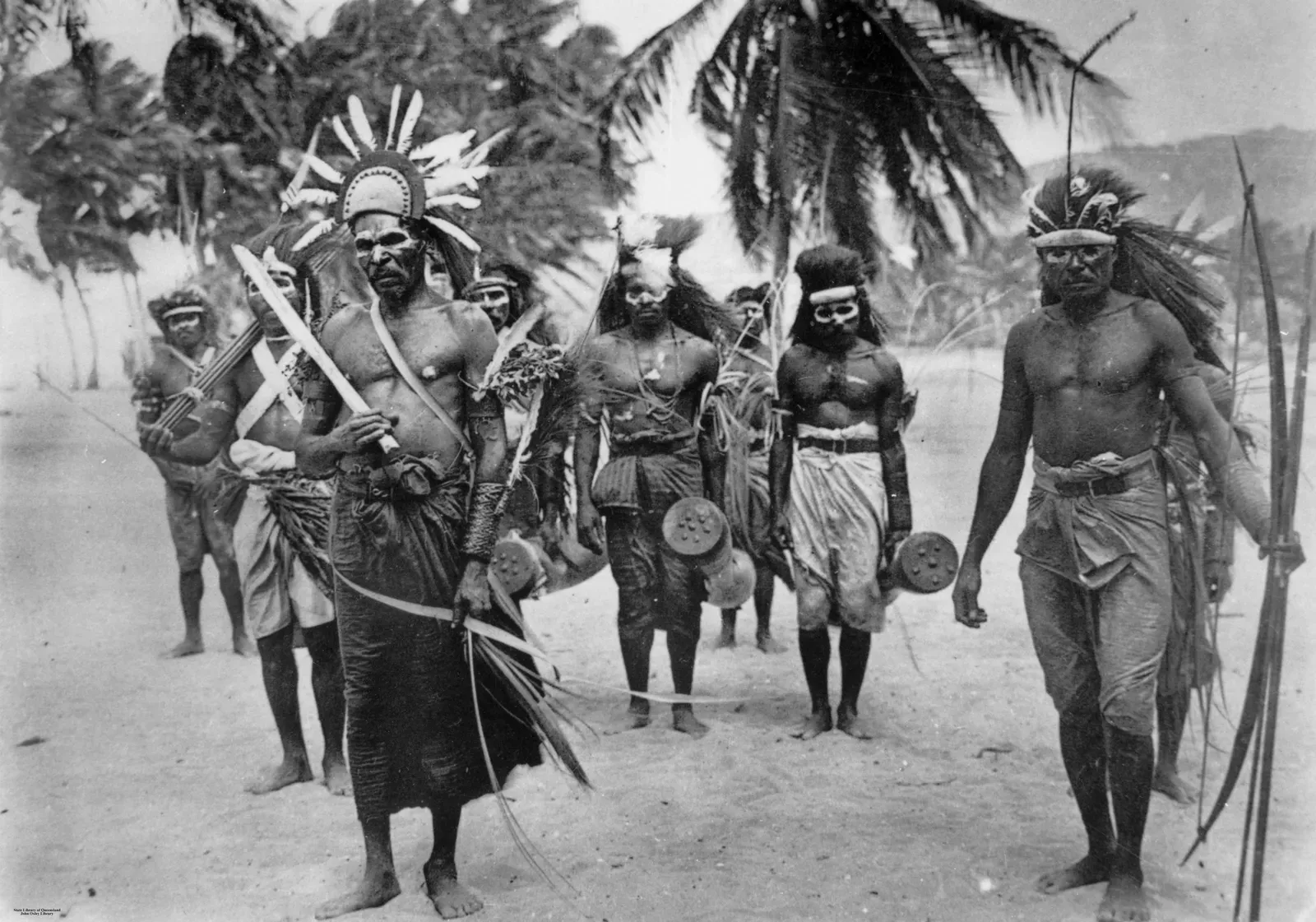
You might think you know controlled burning. You probably don’t – not the way Aboriginal Australians do. Aboriginal peoples developed extraordinarily detailed knowledge of Australian ecology, enabling sustainable resource use across diverse environments for 65,000 years – far longer than agriculture-based civilizations have existed elsewhere. Think about that number. Sixty-five thousand years is not just a long time. It is almost incomprehensibly long.
Aboriginal peoples mastered “cultural burning,” a practice of small, cool fires that reduced fuel loads, promoted biodiversity, and prevented catastrophic wildfires – a stark contrast to the destructive blazes seen in recent decades due to the suppression of these traditional practices. The scale of their landscape knowledge extended far beyond fire. Over tens of thousands of years of living close to nature, they learned how to use the environment to meet their needs while also ensuring that natural resources would continue to be available for future generations. Some of their methods, such as firestick farming, continue to be models for sustainable environmental practices today.
2. The Inuit: Reading Ice Like a Living Book
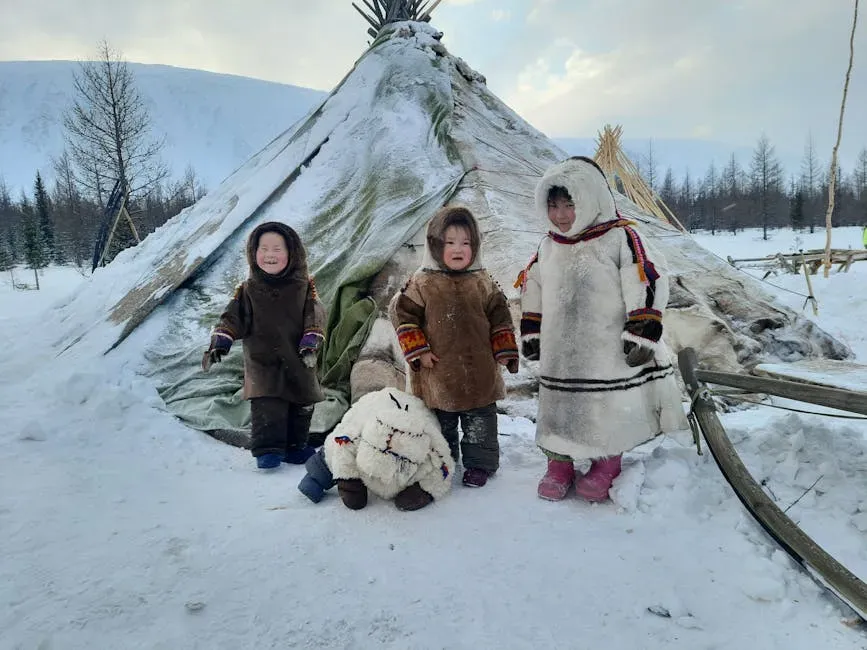
Imagine being able to look at a stretch of frozen ocean and determine, just by its color and the sound it makes underfoot, whether it will hold your weight or swallow you whole. In the vast, unforgiving expanses of the Arctic, where ice has long been both highway and pantry, groups like the Inuit, Yup’ik, and Iñupiat have honed a Traditional Ecological Knowledge (TEK) – a living library of observations, wisdom, and practices passed down through generations. Honestly, no modern instrument fully replaces that kind of lived precision.
Traditional Inuit knowledge distinguishes between countless types of ice – siku (sea ice), qanuk (freshwater ice), pukta (ice floe), tuvaq (fast ice), and many more – each with its own characteristics, dangers, and uses. Hunters traditionally read the ice like a book, understanding its strength, thickness, and movement based on color, texture, and sound. Beyond ice navigation, Inuit hunters demonstrated a more holistic view of their ecosystem – connecting the increase in beaver populations to reduced salmon spawning habitat, which in turn meant less prey for beluga whales and so fewer whales.
3. The Maasai: Guardians of the African Savannah
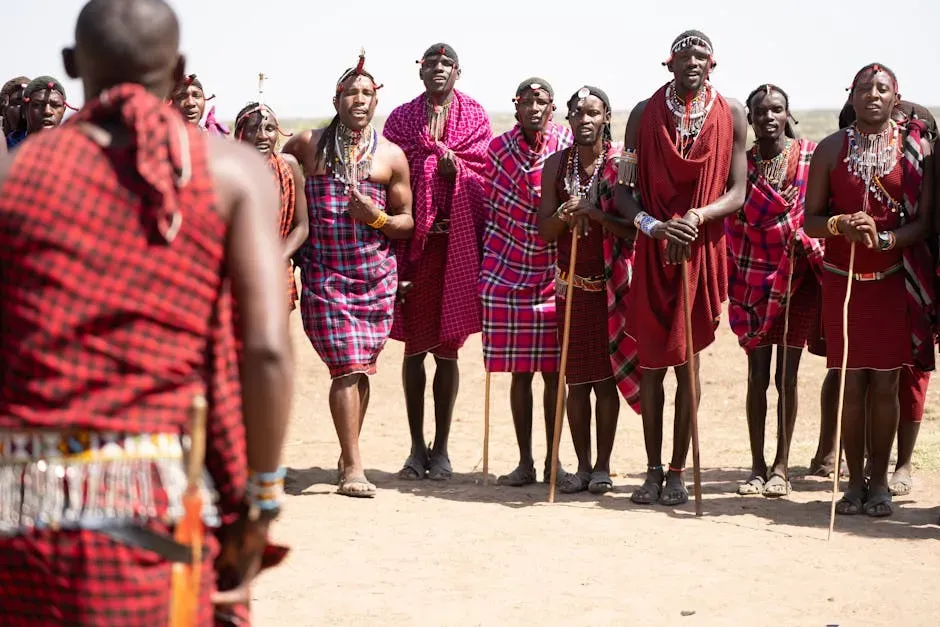
Let’s be real – when most people picture the Maasai of East Africa, they think of the iconic red robes and the famous jumping dance. What often goes unnoticed is their profound and sophisticated ecological intelligence. The Maasai are one of the very few tribes who have retained most of their traditions, lifestyle, and lore. In common with the wildlife with which they co-exist, the Maasai need a lot of land. Unlike many other tribes in Kenya, the Maasai are semi-nomadic and pastoral: they live by herding cattle and goats.
The Maasai have established cultural norms that compel every member of society to nature conservation. For example, a Maasai person will never cut a big tree from the trunk, and anyone who violates this norm is punished by Maasai society. The Maasai use only tree branches and not the entire tree to build houses, make fire for cooking and heating, and build fences for their homesteads. This ensures that the tree survives and they can harvest from it according to their needs for many years. Meanwhile, the Maasai nomadic lifestyle is also a mechanism to allow nature recovery time and ensure that there is no overexploitation of resources. They move from one place to another to give nature time to recover.
4. The Sámi People: Reindeer, Snow Patterns, and Arctic Wisdom
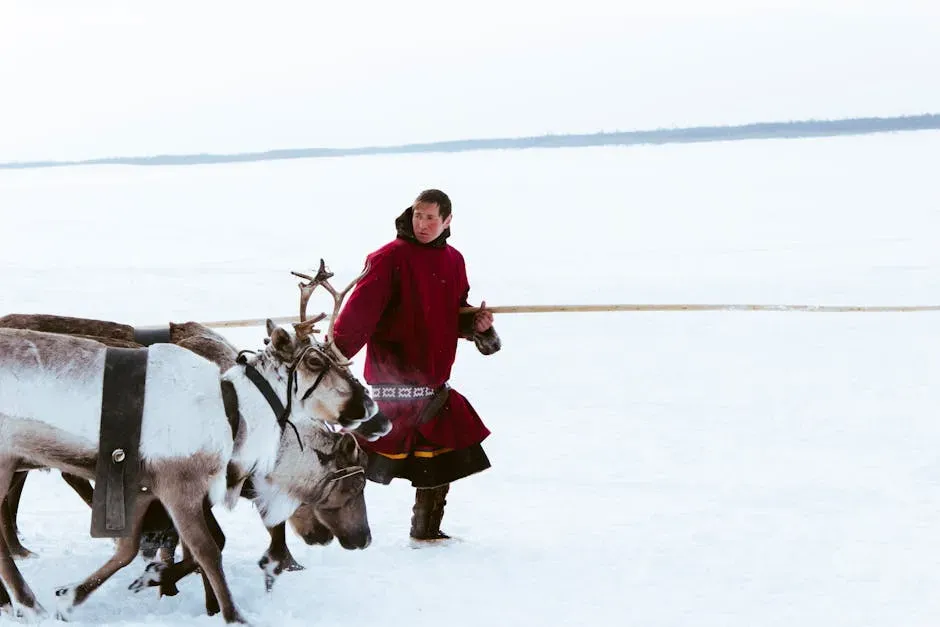
Far up in northern Scandinavia, the Sámi have spent centuries tuning themselves to the rhythms of the Arctic in ways that Western science is only beginning to appreciate. The Skolt Sámi people of Finland participated in a study that adopted indicators of environmental change based on Traditional Ecological Knowledge. The Sámi have seen and documented a decline in salmon in the Näätämö River, and based on their knowledge, they began adapting – reducing the number of seine nets, restoring spawning sites, and taking more pike as part of their catch. That is not guesswork. That is generations of observation becoming conservation policy.
The Sámi have relied on snow and animal patterns to guide reindeer herding for centuries. Now melting permafrost and unpredictable winters imperil that knowledge, and their future. Sámi young people are taking the initiative, calling for climate policies that honor both Indigenous science and sovereignty. It is a striking image – a people whose ancient wisdom is simultaneously being eroded by the very climate crisis it could help solve.
5. The Ngāti Awa of New Zealand: Marine Restoration Masters
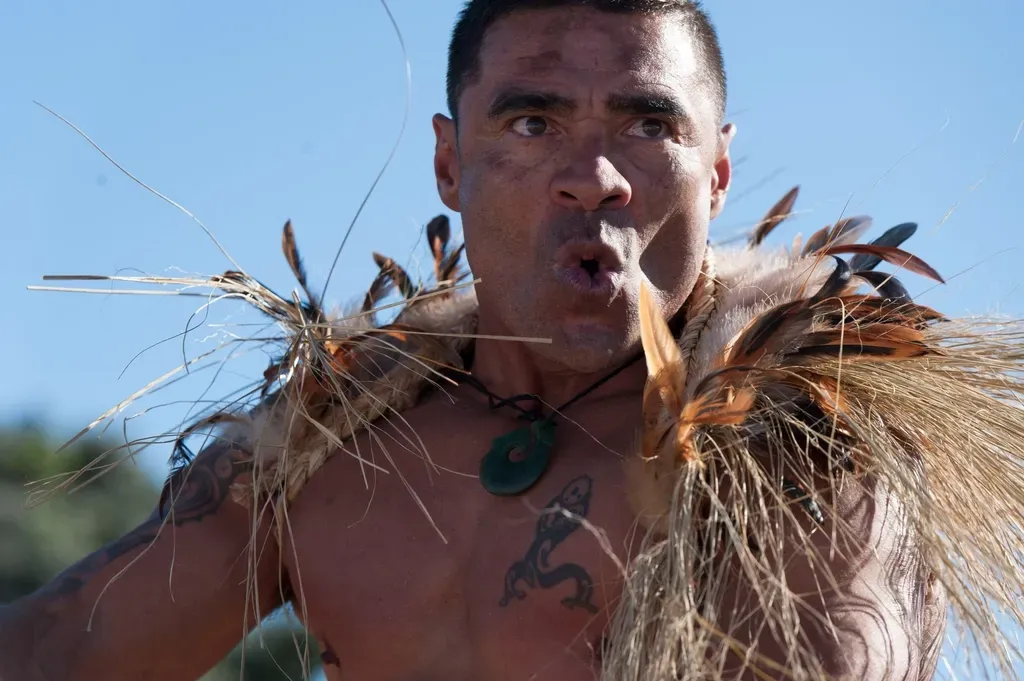
Here is something that should stop you in your tracks. When mussel populations declined in Ōhiwa Harbour, the Ngāti Awa people combined two tactics – no-fish areas with reseeding of shellfish. Since 2019, Ngāti Awa’s ecological restoration at Ōhiwa Harbour has grown mussel numbers from around 80,000 to more than 45 million individual mussels by 2024, proving that Indigenous knowledge and science can effectively rejuvenate marine ecosystems. Forty-five million mussels. Using knowledge embedded in Māori tradition.
The concept behind this achievement, called mātauranga Māori, reflects a deep understanding of how marine environments function and recover. Indigenous peoples have developed adaptive strategies over centuries to cope with environmental changes. Their knowledge systems offer valuable insights into climate-resilient practices such as agroforestry, water management, and disaster preparedness. The Ngāti Awa story is perhaps one of the most vivid modern examples of what happens when that ancient knowledge is trusted and applied.
6. The Yurok and Karuk Tribes: Fire Knowledge That Shaped California
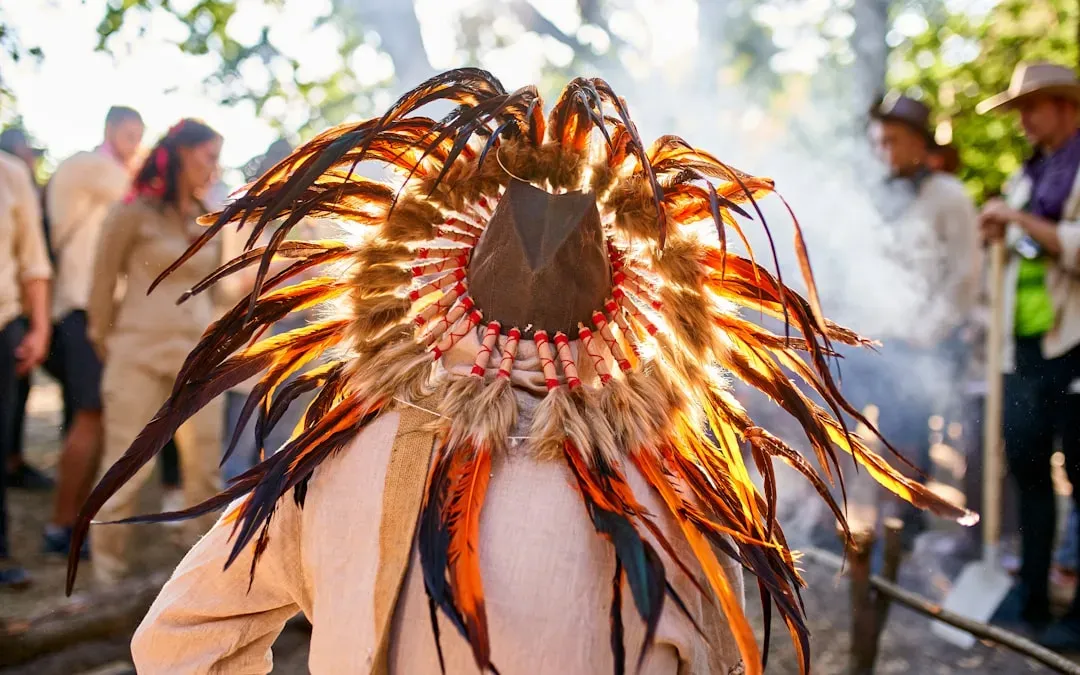
For centuries, Native American tribes in Northern California have known something that land managers spent decades ignoring – and paid a devastating price for that ignorance. For centuries, the Yurok and Karuk tribes in Northern California used cultural burning – controlled, seasonal fires – to reduce wildfire risk and create healthy landscapes. However, for many decades, these traditional practices were prohibited by state policies, which suppressed cultural burning in favor of Euro-American forest management. After this long period of fire suppression, their knowledge is now rightly influencing forest policy.
The forced removal of Indigenous peoples from their ancestral lands disrupted millennia-old management practices, leading to ecological degradation in many areas. The suppression of Indigenous fire management in regions like California and the American Southwest contributed directly to the intensity and frequency of catastrophic wildfires. The good news is that their knowledge did survive. The way that Aboriginal and other Indigenous groups managed the landscape with “fire and no fire” – something called “fire stick farming” – used “cool” fires to control everything from biodiversity to water supply to the abundance of wildlife and edible plants.
7. The Mentawai of Indonesia: Forest Stewards of the Tropics
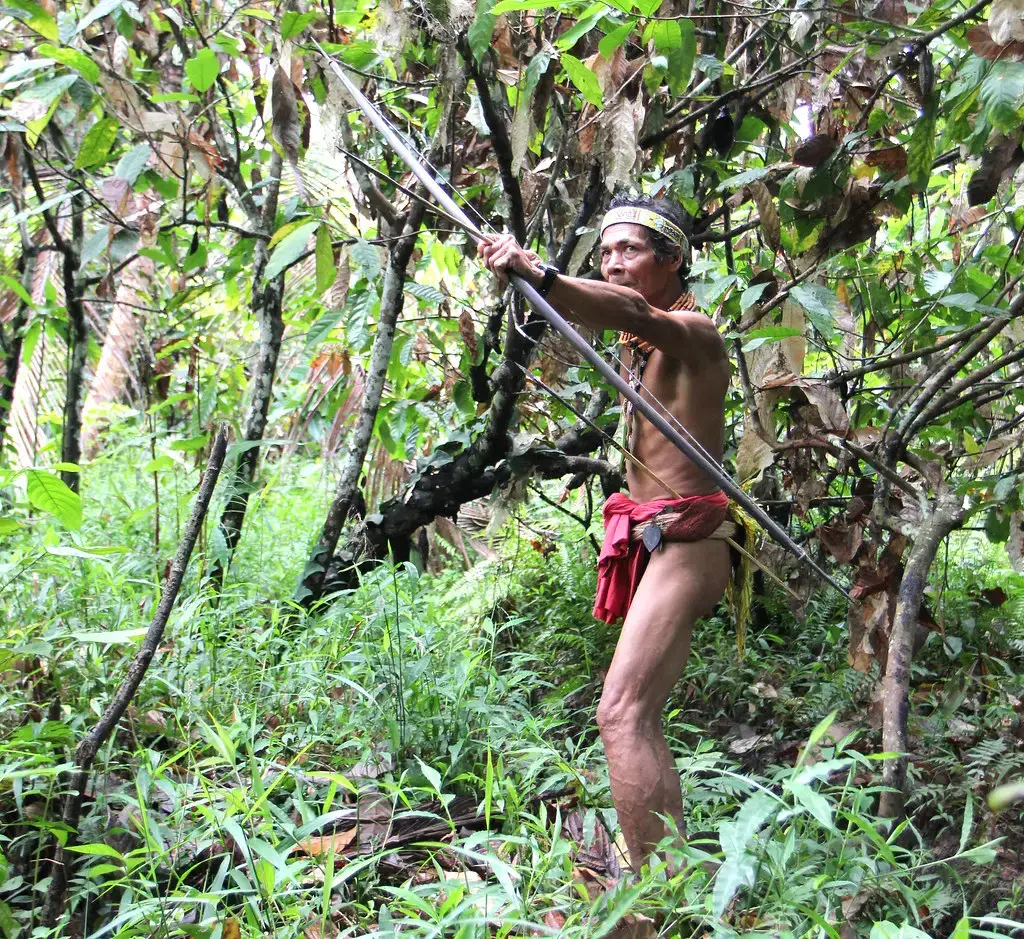
Deep in the rainforests of the Indonesian island of Siberut, the Mentawai people have practiced a form of existence that keeps the forest thriving around them. The Mentawai teach their children, through shamans called Sikerei, how to harvest sago, heal themselves with plants, and respect the spirits of the land. Recent studies show that forests managed by Indigenous peoples such as the Mentawai have more stored carbon and preserve more biodiversity than government-managed or commercial forests. That is not a romantic notion. That is measurable, documented fact.
These lands globally contain more than 20% of tropical forest carbon and are central to climate stability. Think of the Mentawai as the original carbon accountants – keeping balances that entire economies now depend on, without ever calling it that. Indigenous peoples manage around 25% of the world’s land, which contains much of the planet’s biodiversity and the carbon stored in soil and biomass. A large majority of this land is covered by forests that are central to the traditions, cultures, and livelihoods of 70 million Indigenous peoples, who provide environmental stewardship to at least 36% of the world’s intact forests.
8. The Anishinaabe: Wild Rice Keepers of the Great Lakes
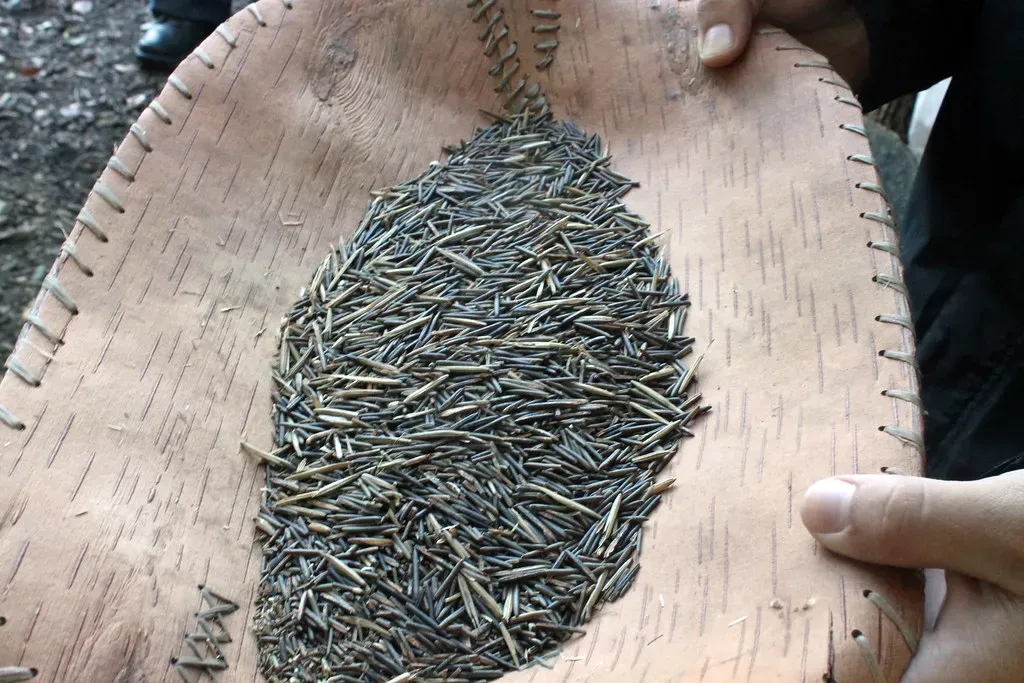
If you have ever eaten wild rice, you have tasted something tied to one of the most sophisticated and enduring ecological knowledge systems in North America. The Anishinaabe Ways of Knowing encompass the precise knowledge and understandings of landscape ecology, movement and behavior of fish and wildlife, medicinal plant knowledge, seasonal change, and harvest traditions. This knowledge base has sustained Anishinaabe people for millennia in the Great Lakes region and contributed to their identity as a distinct culture.
The Anishinaabe concept of “Mino-Bimaadiziwin,” or “the good life,” exemplifies a philosophy of living in balance and respect with all of creation. It is not merely a spiritual ideal. It is an operating principle that shaped how resources were harvested, when they were harvested, and how much was taken. Indigenous Knowledge has been proposed as a counter to the “shifting baseline syndrome” in conservation, wherein perspective on what abundance or other measures are “normal” is lost among generations. Provided that transmission of knowledge continues among generations, the long history of observations retained by Indigenous knowledge holders can provide important baseline information about the past and present state of ecosystems that can inform conservation and restoration goals.
Conclusion: Ancient Wisdom for an Urgent World
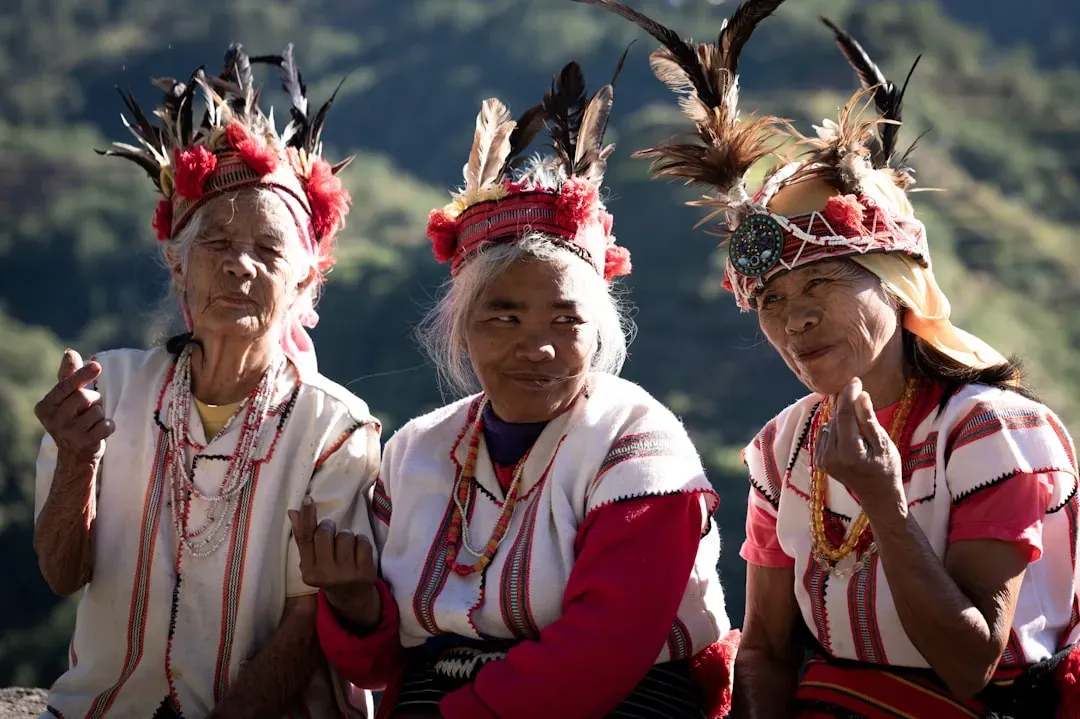
What strikes me most, after looking at all of these extraordinary cultures, is not just how much they know – it is how long they have known it. Indigenous Knowledge is a body of observations, oral and written knowledge, innovations, practices, and beliefs developed by Tribes and Indigenous Peoples through interaction and experience with the environment. It can be developed over millennia, and includes understanding based on evidence acquired through direct contact with the environment and long-term experiences, as well as extensive observations, lessons, and skills passed from generation to generation.
Western science excels in controlled experiments and quantitative analysis, while Traditional Ecological Knowledge provides long-term, qualitative observations and a profound understanding of complex, interconnected systems over vast timescales. The most powerful solutions often emerge when these two knowledge systems are brought together in respectful collaboration. That partnership is not just generous – it is necessary.
These eight tribes are not relics. They are not museums. They are active, living repositories of some of the most finely tuned environmental knowledge ever accumulated by human beings. Indigenous Peoples continue to protest industrial predatory development against extractivism, and have risen as the frontrunner in environmental management and climate resiliency. In a world scrambling for climate solutions, the answers have sometimes been right there all along – spoken quietly through ceremony, song, and the footsteps of people walking their country.
Now the real question is: are we finally ready to listen? What do you think – share your thoughts in the comments below.