Dinosaurs ruled the Earth for well over 150 million years. That is not luck. That is not coincidence. It is, if you think about it carefully, one of the most astonishing survival stories in the history of life on this planet. Yet for most of modern science’s existence, we assumed these giant creatures were little more than slow, cold-blooded brutes stumbling through a world of steaming jungles, too dependent on tropical warmth to cope with anything else. Turns out, that picture could not be more wrong.
What is now emerging from fossil beds, ancient sediment layers, and cutting-edge laboratory analysis is a far more dramatic story, one of resilience, physiological ingenuity, and adaptations that rival anything we see in the animal kingdom today. The fossil record tells us that climate change is the planet’s “normal” state, and dinosaurs lived through some of its most violent episodes. So what did it actually take for them to survive? Let’s dive in.
Climate Was the Hidden Force Behind Dinosaur Evolution
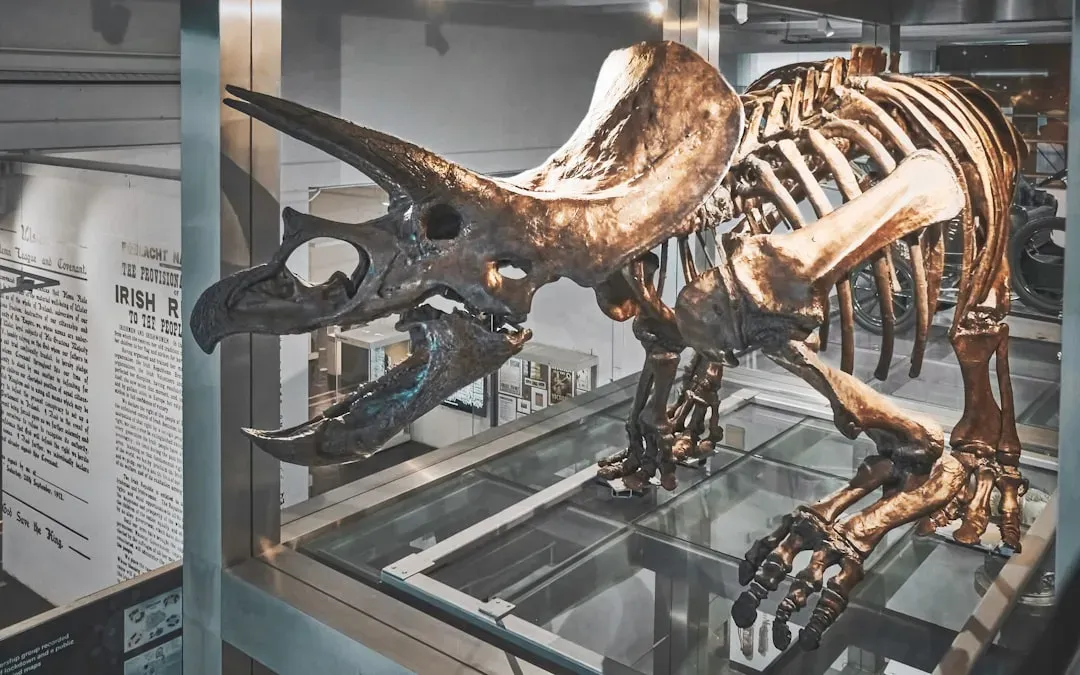
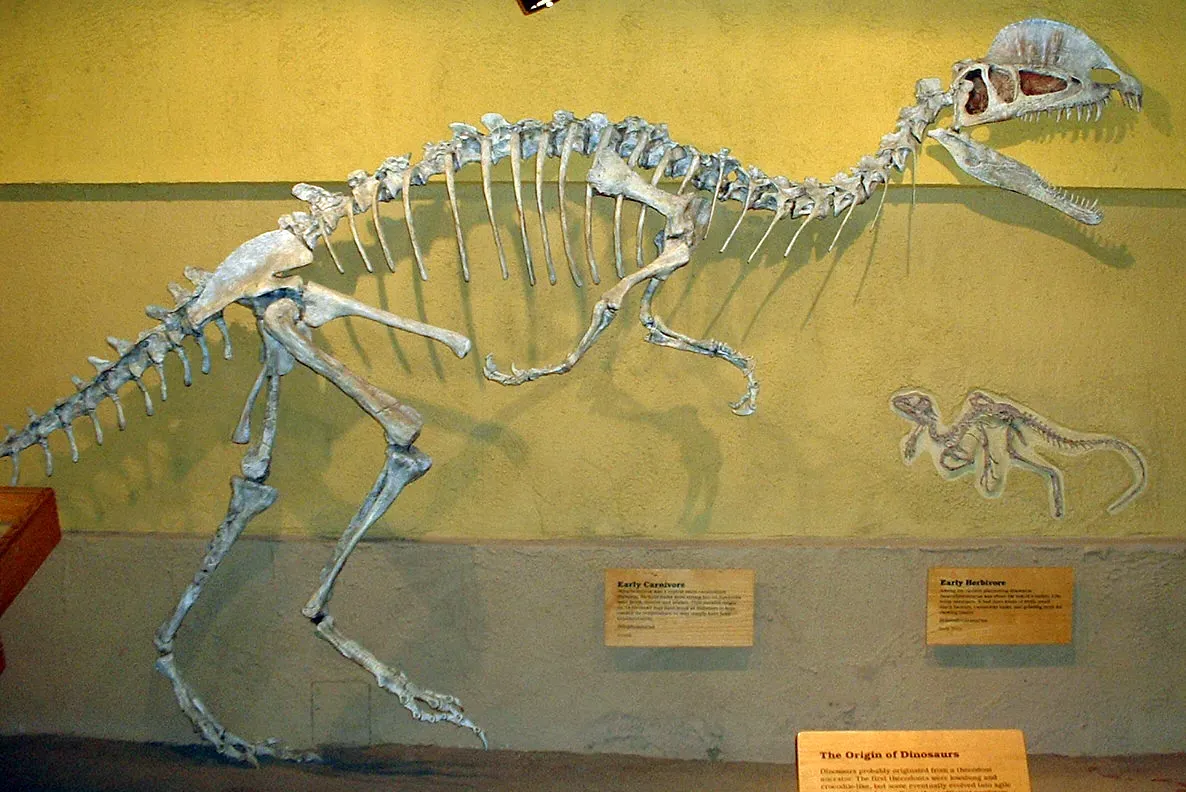
Changes in global climate associated with the Triassic-Jurassic mass extinction, which wiped out many large terrestrial vertebrates such as the giant armadillo-like aetosaurs, actually benefitted the earliest dinosaurs. Think about that for a second. While other species were collapsing under the pressure of a radically shifting world, dinosaurs were quietly becoming the dominant force on land. It is the ultimate underdog story.
An international team of paleontologists compared computer models of prehistoric global climate conditions such as temperature and rainfall with data on the different locations of dinosaurs taken from sources such as the Paleobiology Database, and what they found was striking. Climate was not just a backdrop to dinosaur life. It was actively shaping which species thrived, which retreated, and which disappeared entirely. You could almost think of climate as the invisible architect behind the entire dinosaur age.
The Carnian Pluvial Episode: When Wet Weather Changed Everything
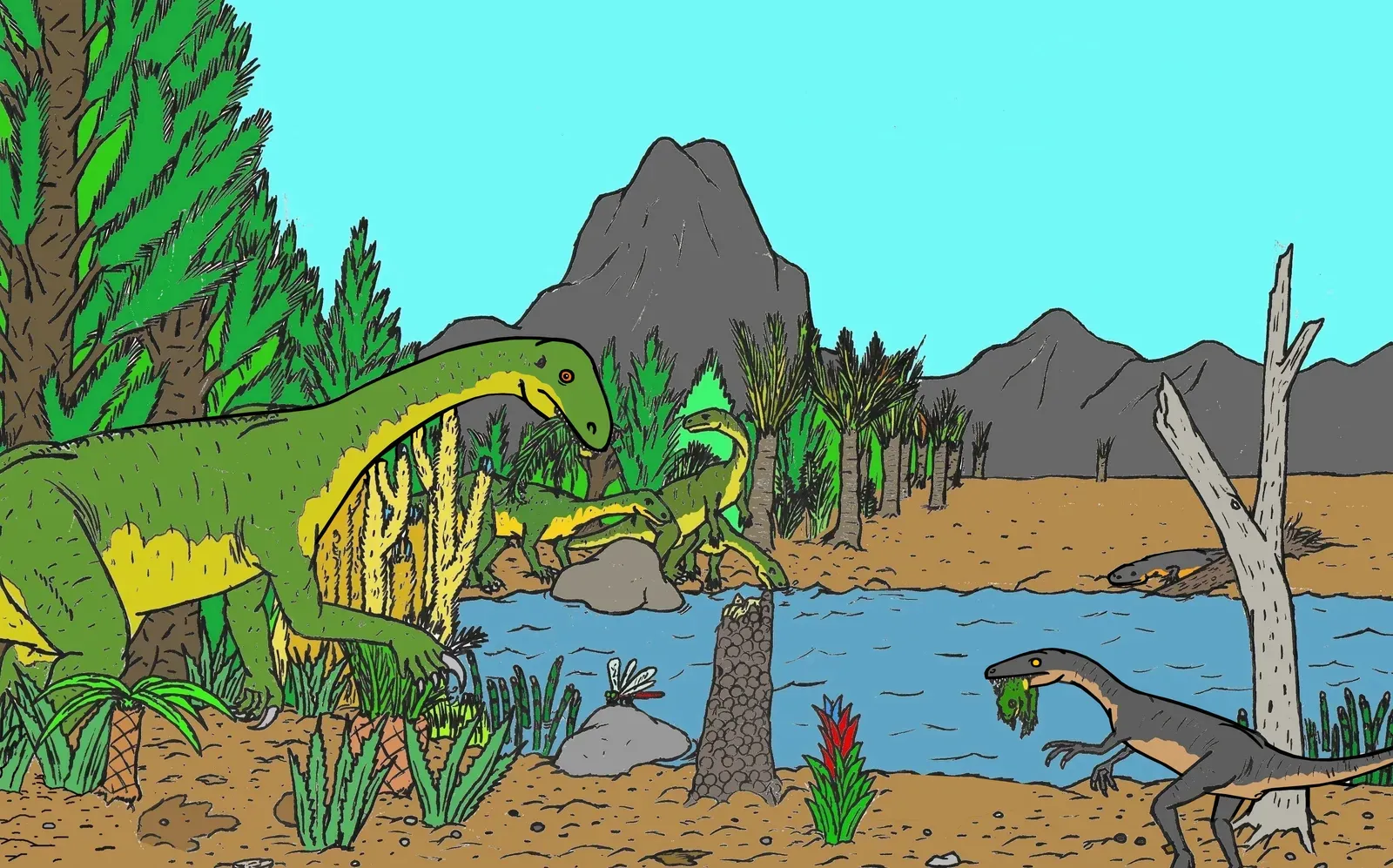
The Triassic Period, about 252 to 201 million years ago, was a time of volatile change, particularly during an interval known as the Carnian, about 237 to 227 million years ago. Three dramatic events occurred on Earth: the first dinosaurs appeared, gigantic volcanic eruptions called the Wrangellia large igneous province spewed out greenhouse gases, and the climate suddenly shifted to warmer, more humid conditions that scientists call the Carnian Pluvial Episode.
The first definitive dinosaurs appear in the fossil record about 231 million years ago in what is now Argentina and Brazil. Geologists and paleontologists have good reason to suspect that climate change might play a role in dinosaur origins, since around the same time, there was a sudden change towards wetter and warmer conditions. It is possible that this created a more favorable climate for dinosaurs compared to some other animals, and they began to diversify. Here is the thing: you do not get to dominate an entire planet without a good head start, and that warm, wet pulse may have been exactly the launching pad that early dinosaurs needed.
Surviving Freezing Winters: Dinosaurs in the Arctic Cold
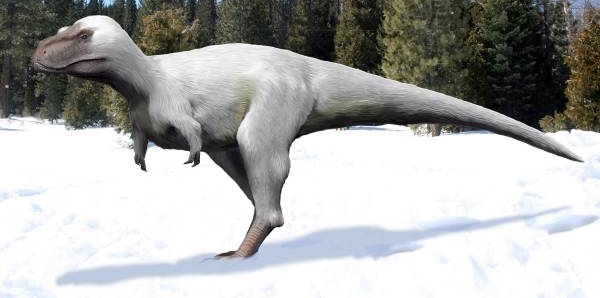
You might picture dinosaurs basking in tropical heat, but the reality was far more rugged. Researchers argue that the dinosaurs’ tolerance for chilly temperatures may have been the secret to their nearly 150-million-year reign as the planet’s dominant land animals, enabling them to survive a major extinction event that occurred at the end of the Triassic period. That is a complete reversal of the old assumption. Cold was not their enemy. In some ways, it was their advantage.
Based on empirical evidence rather than just models, it is now apparent that freezing temperatures occurred seasonally at high latitudes during the Late Triassic and Early Jurassic despite exceptionally high atmospheric CO2. Dinosaur ecological dominance resulted from adaptations to cold, allowing them to survive volcanic winters 202 million years ago. Researchers found footprints in China’s Junggar Basin desert, which at the time dinosaurs lived was situated on the northern edge of the supercontinent Pangaea, well above the Arctic Circle. You probably would not choose to live there. Yet dinosaurs did.
Feathers in the Polar Dark: The Insulation Breakthrough
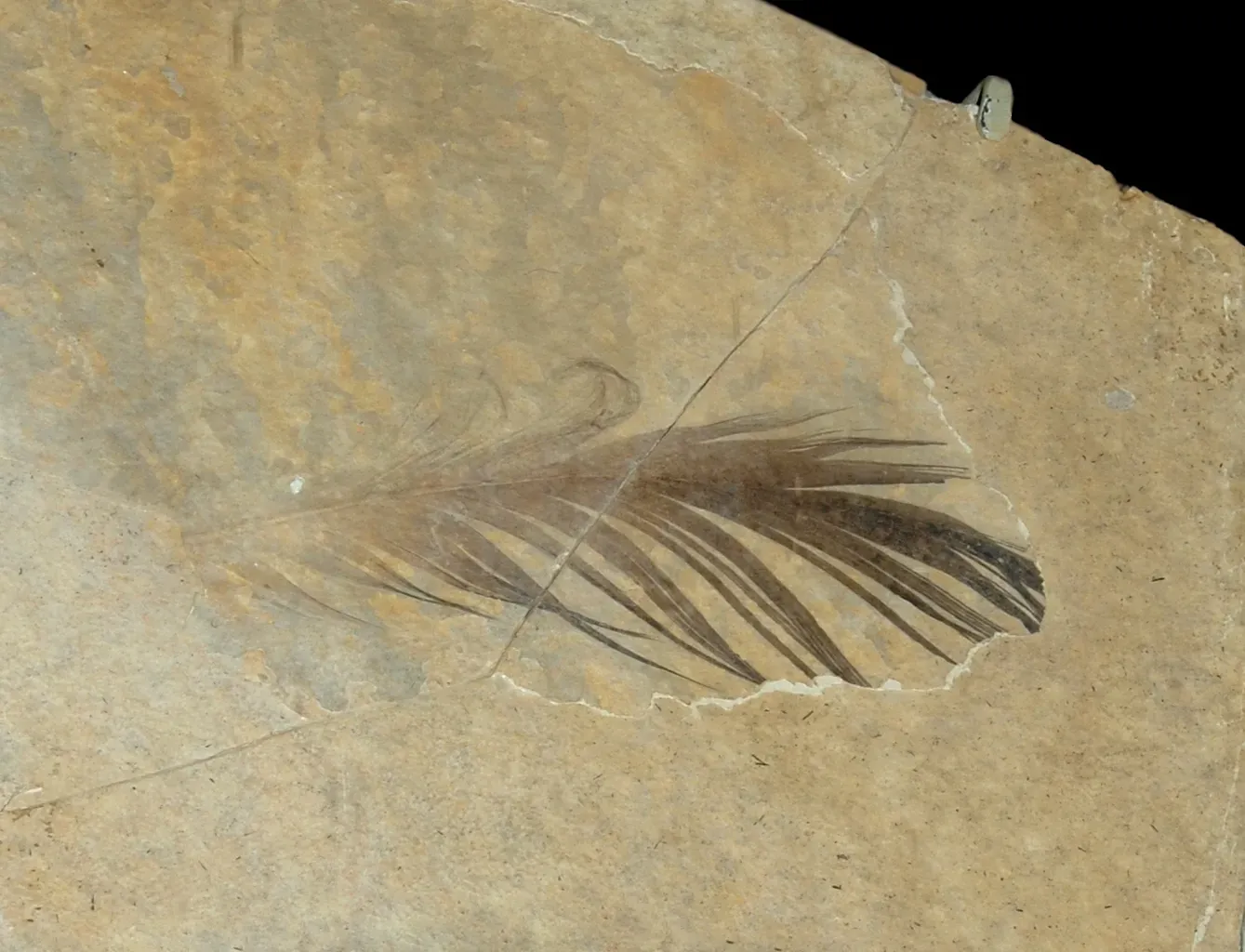
Uploaded by FunkMonk, CC BY 2.0)
Ten exquisitely preserved fossil feathers found in Australia represent the first solid evidence that feathered dinosaurs lived at Earth’s poles. The feathers date back 118 million years to the early Cretaceous period, when Australia was much farther south and joined with Antarctica to form Earth’s southern polar landmass. Although the environment would have been warmer than Antarctica today, the dinosaurs that sported this plumage probably endured many months of darkness and potentially freezing temperatures during winter.
Dinosaur proto-feathers would have been used for insulation. The discovery of proto-feathers at Koonwarra therefore suggests that fluffy feather coats might have helped small dinosaurs keep warm in ancient polar habitats. Honestly, this is one of those discoveries that reshapes everything. It is like finding out that penguins were wearing winter jackets 118 million years before anyone invented wool. The Koonwarra fossil feathers provide the first record of dinosaur integument from the ancient polar regions, and hint at what was once a global distribution of feathered dinosaurs and early birds.
Warm-Blooded or Cold-Blooded? The Answer Is More Fascinating Than You Think
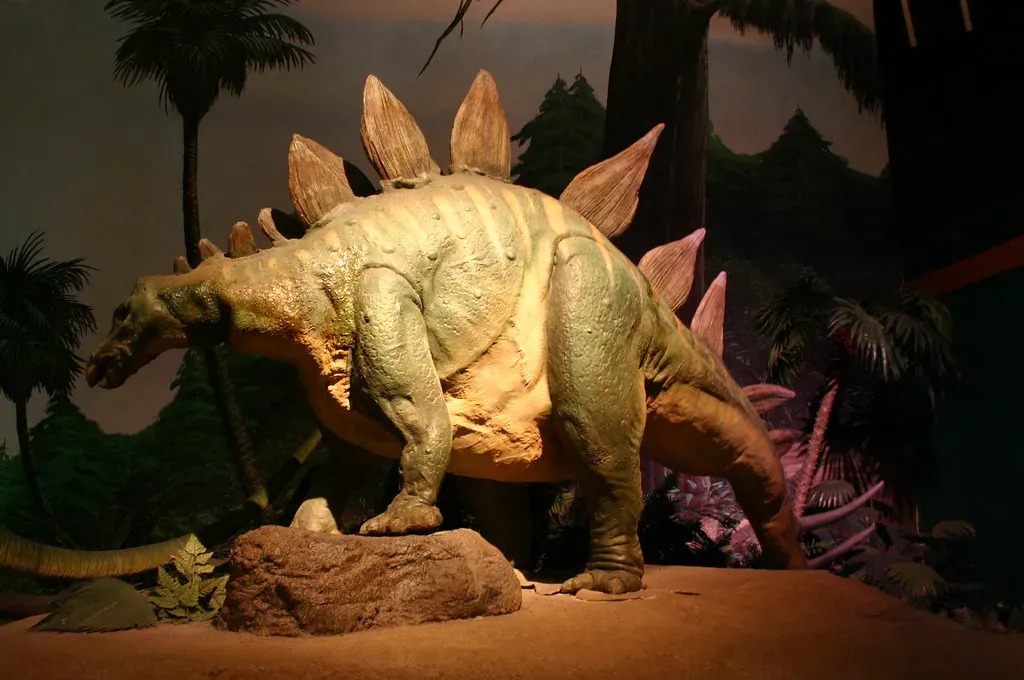
Let’s be real: the warm-blooded versus cold-blooded debate about dinosaurs has been running for decades, and most people assume it was settled long ago. It was not. Modern paleontology has largely abandoned the strict ectotherm-endotherm dichotomy in favor of more nuanced models. The leading consensus is that most dinosaurs likely employed a mesothermic strategy. Mesothermy accounts for the intermediate growth rates observed in many dinosaur species, which were faster than modern reptiles but slower than modern birds and mammals.
Endothermy allowed certain dinosaurs to thrive in changing climates. This adaptation enabled them to maintain high activity levels and survive in colder environments. The evolution of endothermy marks a significant turning point in dinosaur physiology. It highlights their incredible ability to adapt to environmental challenges. Think of it this way: if your body can generate its own warmth, you can explore mountains, polar coastlines, and high-latitude forests without needing the sun to warm you up first. That is an extraordinary evolutionary superpower.
Giant Bodies and Hot Climates: How Sauropods Played the Long Game
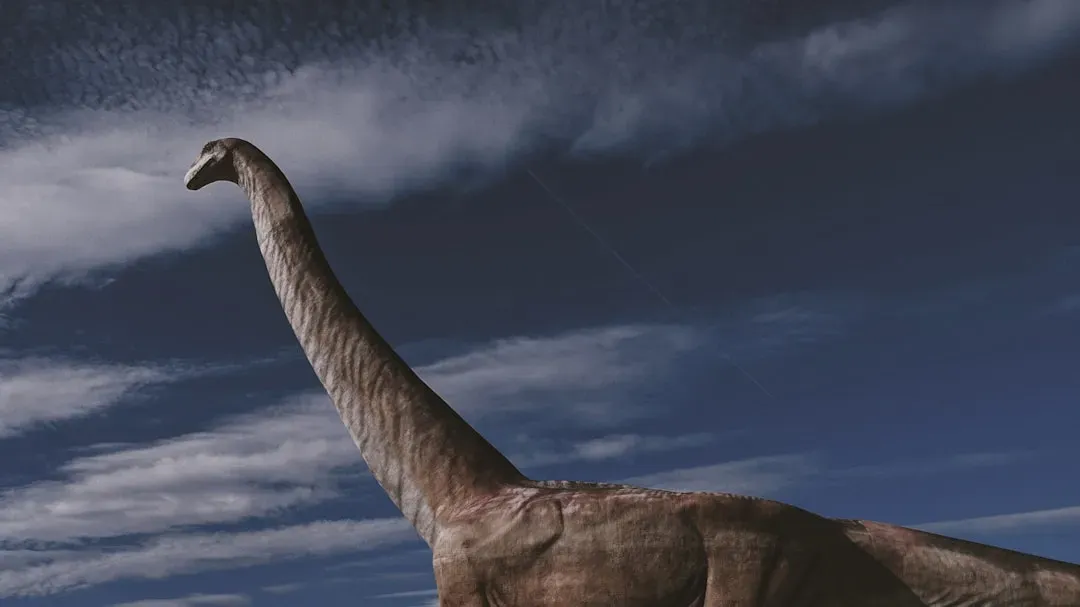
While some dinosaurs adapted to the cold, others took a completely different route to survival. Data indicate that there was a relatively rapid change in climate about 180 million years ago, from a temperate warm and humid climate, in which diverse, lush vegetation flourished, to a strongly seasonal, very hot, and dry climate characterized by a less diverse flora dominated by forms showing adaptations for hot climates, such as certain conifers. When the food changed, only the adaptable survived.
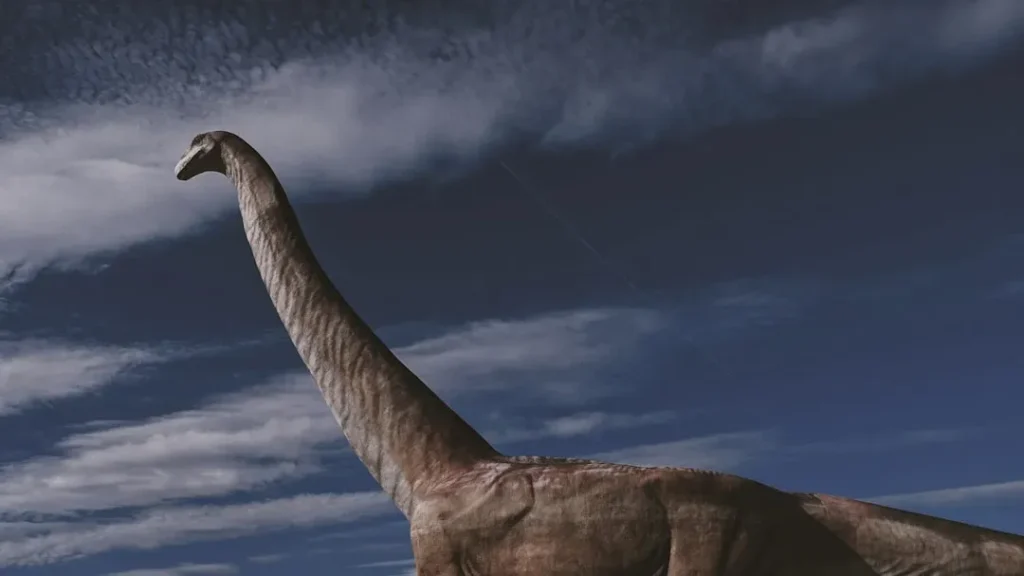
Sauropods represented the only group of sauropodomorphs with a much more robust dentition, well-adapted for such tough vegetation, and thus they flourished and became the dominant group of herbivorous dinosaurs at that time. Indeed, the specialization for this kind of vegetation was probably one of the reasons why these animals reached their gigantic sizes, as large digestion chambers are needed to cope with such food, and there was a general tendency for these animals to become ever larger. Size, in other words, was a climate strategy. It is hard to say for sure, but growing enormous may have been one of the most effective survival tricks the dinosaur world ever produced.
What the Fossil Record Still Has Left to Teach Us
The best way to look ahead is to look behind, at those organisms, including dinosaurs, that survived extended climate change. The fossil record helps us compare today’s climate changes and people’s role in them with long-ago shifts before humans existed. This is not just an academic exercise. Every new fossil bed, every microscopic bone analysis, every ancient sediment layer pulled from the ground is another chapter in a story that has direct relevance for the world we live in right now.
The fossil record is not complete. If a species in the fossil record is rare, paleontologists have to ask themselves whether that species really was uncommon or if there is some other factor, like poor chances for preservation, where paleontologists look for fossils, that might be creating the wrong impression. Occupying a temporal span of more than 200 million years and a geographical range that includes every continent and virtually every niche, dinosaurs have much to teach us. Each discovery chips away at our ignorance, and with tools like AI-assisted fossil analysis, isotope scanning, and advanced spectroscopy now available, the pace of discovery is accelerating in ways that feel almost electric.
Conclusion
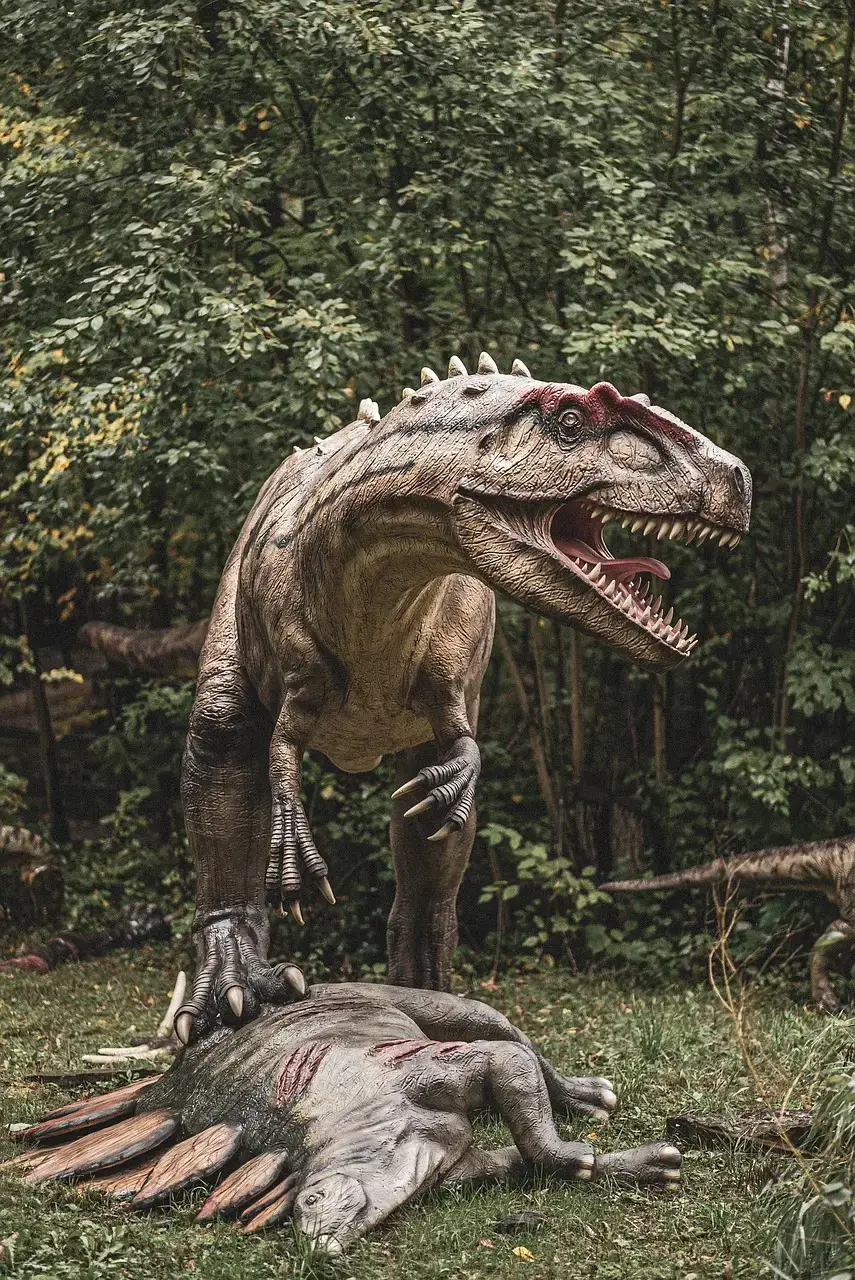
There is something deeply humbling about realizing that creatures who walked the Earth over 200 million years ago were not primitive and simple, but complex, adaptable, and remarkably tough. They endured volcanic winters, tropical heat waves, sudden deluges, and creeping cold. They grew feathers, scaled up their bodies, shifted their metabolisms, and migrated thousands of miles, all in response to a planet that never stopped changing beneath their feet.
Scientists have a responsibility to raise awareness of the value of fossils, not just as collectibles but for the lessons we have yet to learn from the creatures that once walked this planet. Only by understanding the geologic record of diversity, adaptation, and climate variability can we hope to face the challenges ahead. In 2026, with our own climate shifting in ways that feel increasingly unpredictable, there is something almost urgent about the story paleontologists are piecing together. Dinosaurs were the ultimate climate survivors. The question worth sitting with today is: what can their story teach us about our own? What would you have guessed about their resilience before reading this? Tell us in the comments.