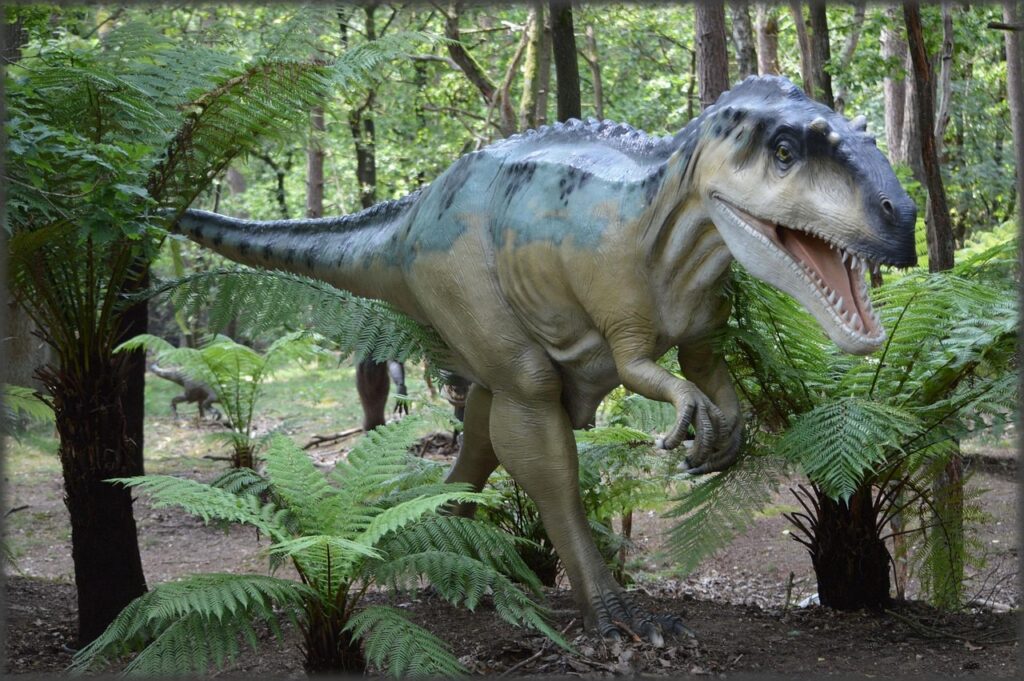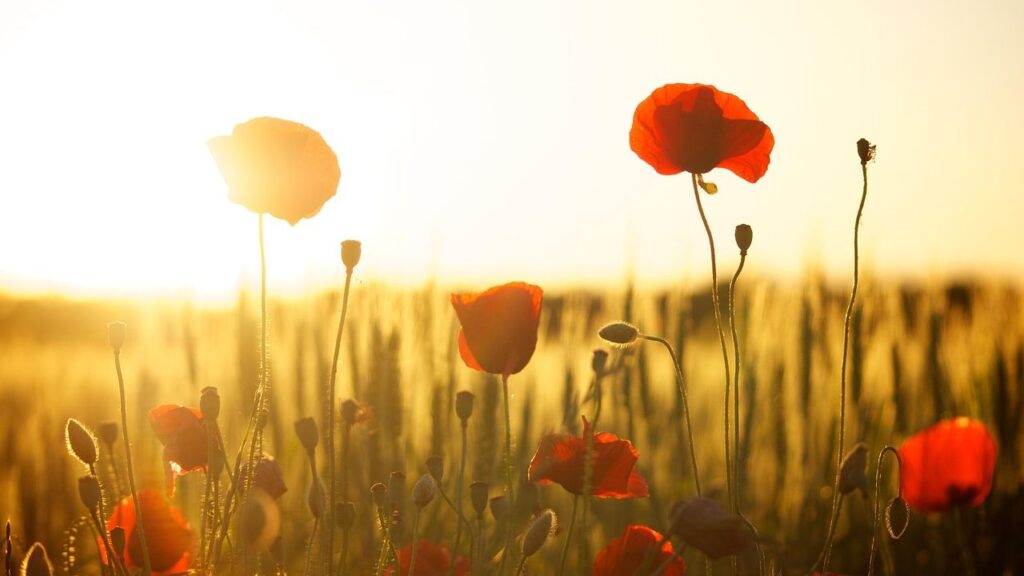
Picture a prehistoric Earth draped in towering ferns, endless cycad forests, and gloomy conifer groves – a world without a single petal, fruit, or bloom in sight. That was the stage upon which dinosaurs first walked, roughly 225 million years ago. It’s a hard image to shake when you think about how dominant and colorful flowering plants are on Earth today.
Then something extraordinary happened. A new kind of plant began to quietly appear, and over tens of millions of years, it rewrote the rules of life on land. The Cretaceous saw the first appearance of many life forms that would go on to play key roles in the coming world – and perhaps the most important of these, at least for terrestrial life, was the first appearance of the flowering plants, also called angiosperms. What followed was nothing short of a planetary transformation. Let’s dive in.
A World Without Flowers: The Dinosaur Landscape Before Angiosperms
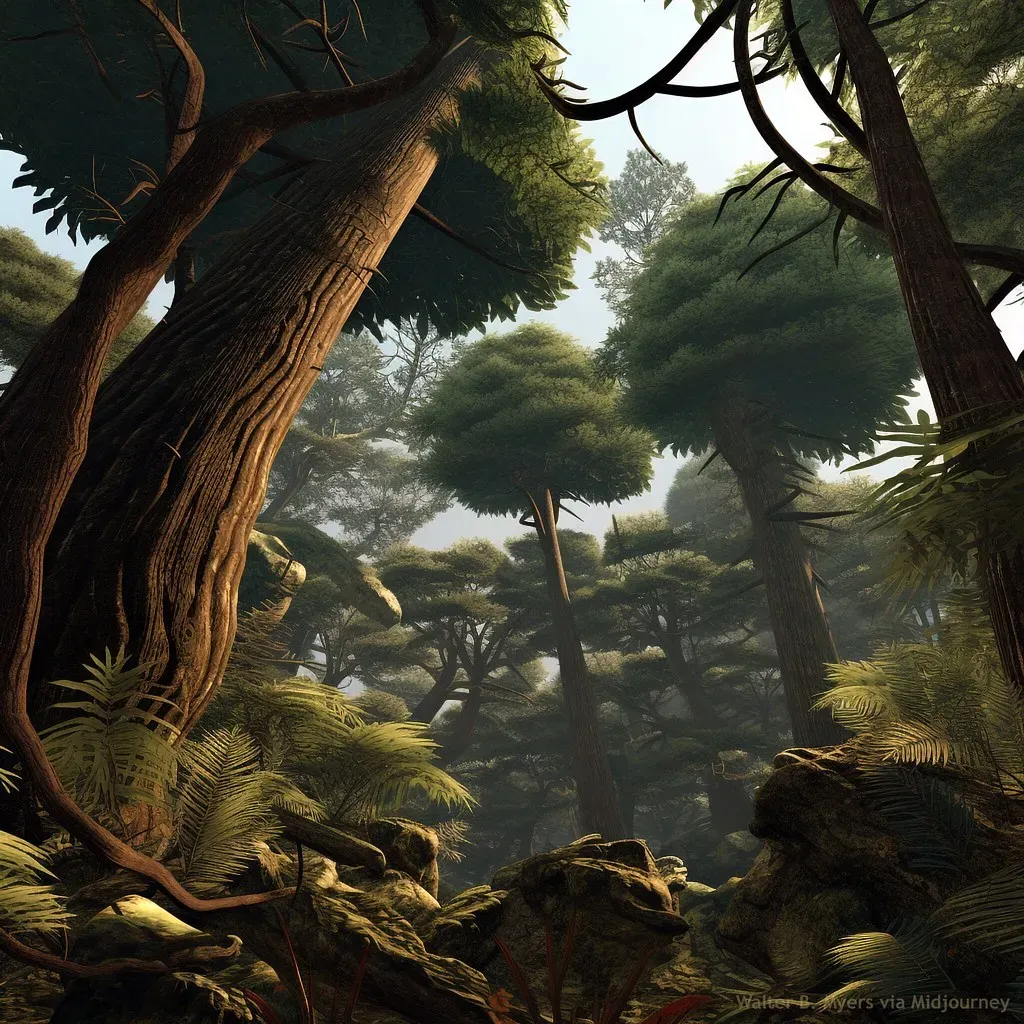
You have to go back to the very beginning to understand just how radical the arrival of flowers really was. When dinosaurs first evolved 225 million years ago, flowers were nowhere to be found. The first land plants did not produce seeds; instead, they reproduced using spores, and like amphibians, they needed water for reproduction, which restricted them to habitats that were moist. Think of it like a world permanently stuck in a damp, green filter.
The gymnosperms – conifers, cycads, and their relatives – were the dominant flora during the Age of Dinosaurs, the Mesozoic era. Dinosaurs both great and small moved through forests of ferns, cycads, and conifers. For the first half of dinosaur history, these were the only options on the menu, and the giants of the Jurassic had to make do with some seriously tough, cellulose-heavy vegetation.
The Mysterious and Explosive Arrival of Angiosperms
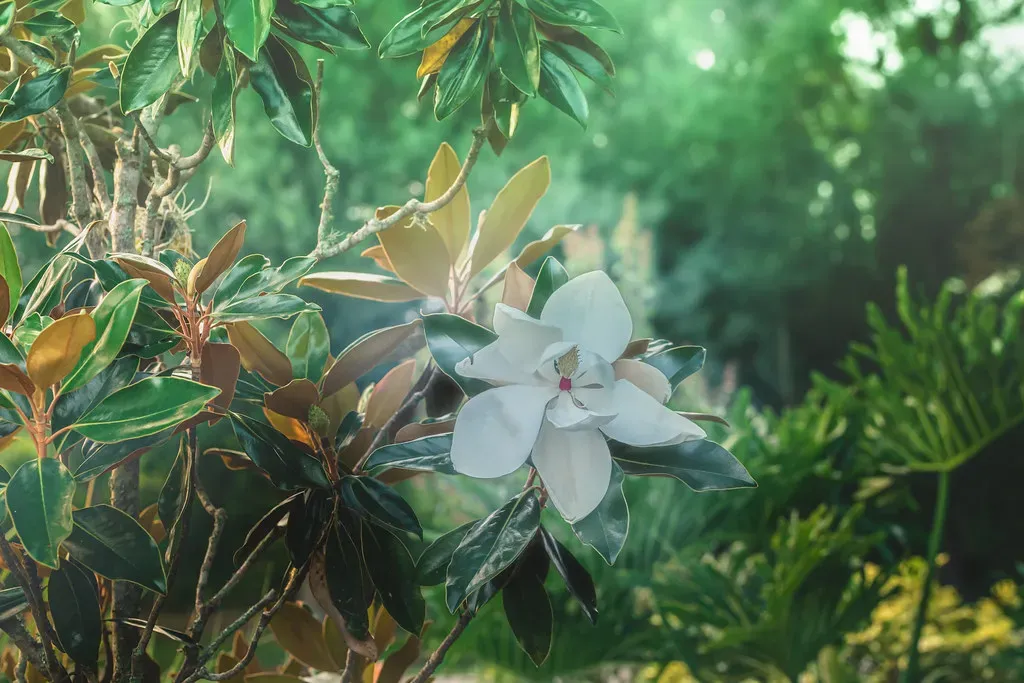
Here’s the thing – the way flowering plants appeared in the fossil record is genuinely baffling, even by modern scientific standards. Angiosperms appear suddenly and in great diversity in the fossil record in the Early Cretaceous, and this posed such a problem for the theory of gradual evolution that Charles Darwin called it an “abominable mystery.” Darwin, who believed evolution moved slowly and steadily, simply could not explain why flowers seemed to burst onto the scene seemingly out of nowhere.
The great angiosperm radiation, when a great diversity of angiosperms appears in the fossil record, occurred in the mid-Cretaceous, approximately 100 million years ago. Geological shifts, particularly the breakup of the supercontinent Pangaea, contributed to the rapid diversification of angiosperms, as they adapted to new climates and ecological niches. In essence, a reshuffling of the continents helped open the floodgates for floral diversity on an unimaginable scale.
How Flowering Plants Rewired the Food Web of the Dinosaur Age
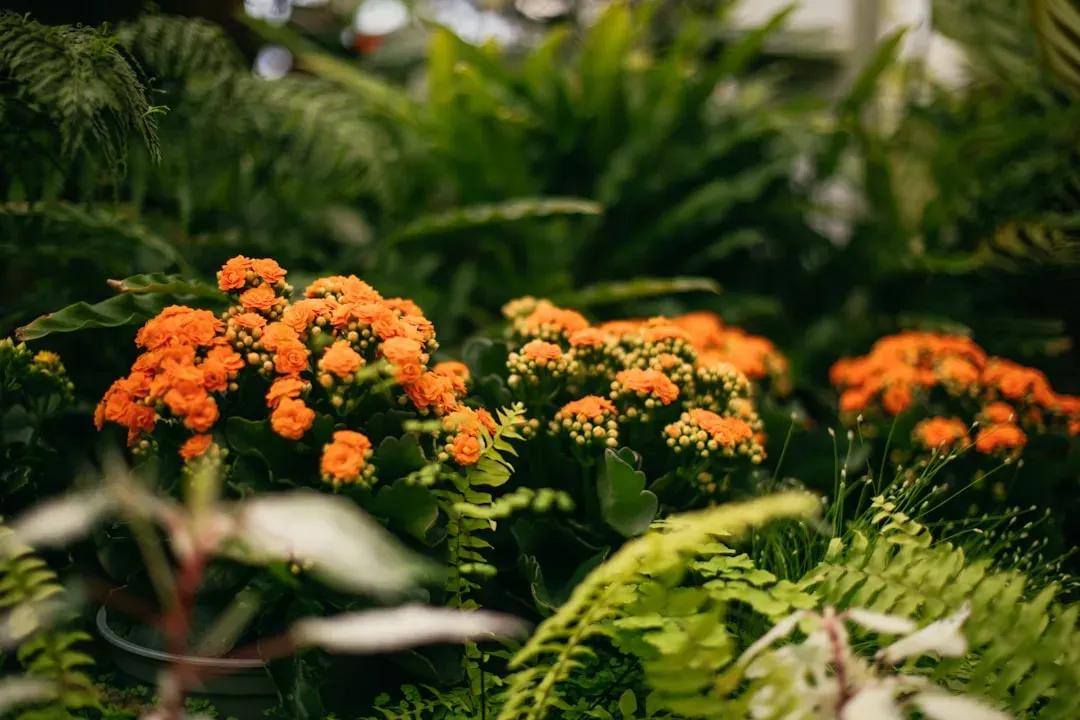
Honestly, one of the most fascinating questions paleontologists still wrestle with is how deeply dinosaurs actually integrated angiosperms into their diets. Fossil occurrences and studies of the teeth and postulated jaw functions of herbivorous dinosaurs suggest that angiosperms were a part of the diet of many dinosaurs, but that gymnosperms were still the major constituent in most cases. So while flowering plants were becoming increasingly dominant, they weren’t necessarily the go-to meal for every giant herbivore.
These fast-growing, adaptable plants gave rise to a huge boom in the dinosaur world. Most of the dinosaurs that have been found date from the late Cretaceous period, when flowering plants were supplying plant-eating dinosaurs like hadrosaurs with plentiful and nutritious food. The large predatory dinosaurs like Tyrannosaurus rex came into being after nutrient-rich flowering plants became available, fueling large numbers of plant-eating dinosaurs – hadrosaurs, ankylosaurs, ceratopsians – which the predators ate. It’s a cascading effect, like pulling one thread that unravels an entire ecological tapestry.
Did Dinosaurs Actually Help Invent Flowers? The Coevolution Debate
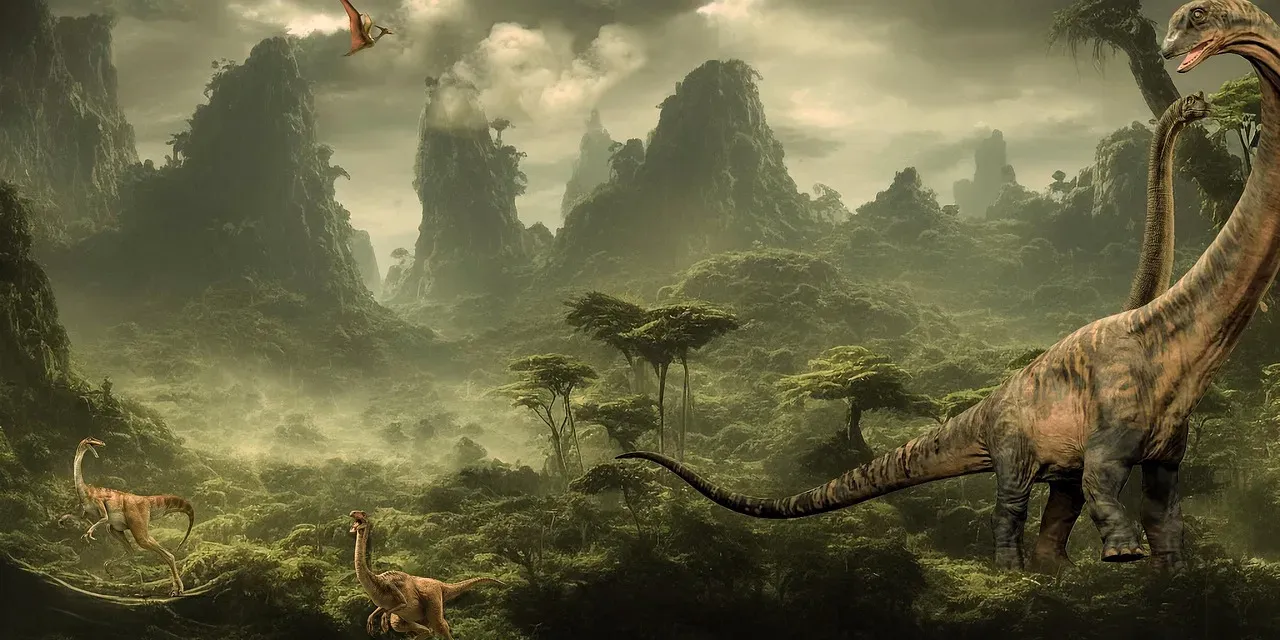
I know it sounds crazy, but some paleontologists have seriously asked whether dinosaurs themselves had a hand in creating flowering plants. The paleontologist Robert T. Bakker proposed that flowering plants might have evolved due to interactions with dinosaurs, arguing that herbivorous dinosaurs provided a selective grazing pressure on plants. The idea was that heavy browsing by dinosaurs essentially forced certain plants to evolve faster and smarter – producing flowers, fruits, and seeds to survive and reproduce more effectively.
It has been suggested that a decline in sauropodomorph and stegosaur abundance and diversity might be associated with a decline in cycadophyte diversity during the Early Cretaceous, and that the ecological radiation of angiosperms during the same period may have been fostered by a coincident taxonomic radiation of low-browsing ornithischian dinosaurs with complex jaw mechanisms. Still, it’s hard to say for sure how tight the relationship really was. Most research concludes that there are no strong spatiotemporal correlations in support of the hypothesis that dinosaurs were causative agents in the origin of angiosperms, though dinosaur-angiosperm interactions in the Late Cretaceous may have resulted in some coevolutionary interactions.
The Rise of Insects, Pollinators, and a New Ecological World Order
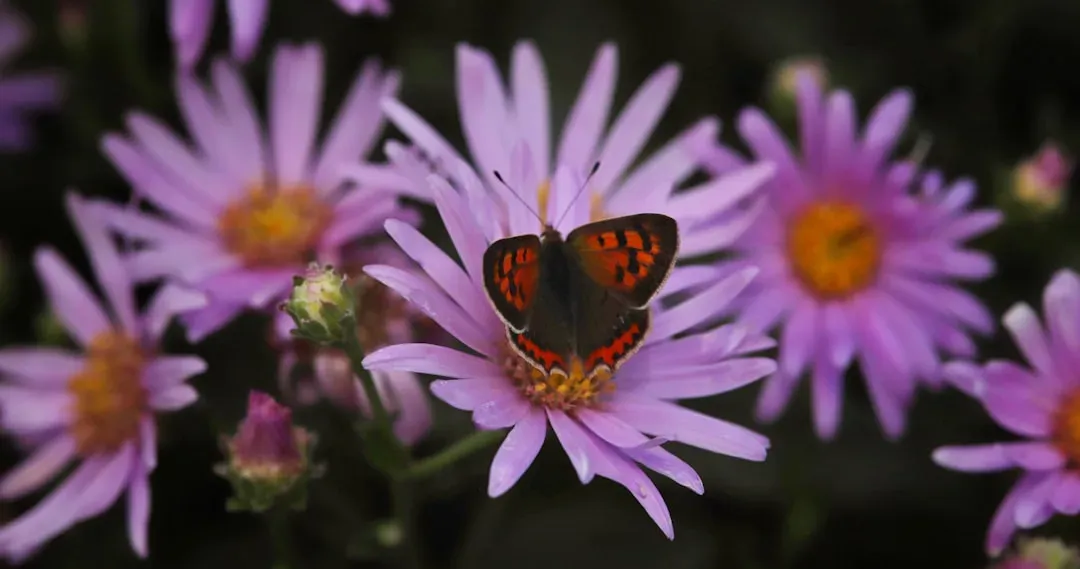
You can’t talk about the rise of flowering plants without giving a lot of credit to the insects. The emergence of flowering plants coincided with the rise of pollinating insects, such as bees and wasps, which played a crucial role in their diversification. The coevolutionary relationship between angiosperms and pollinators led to the development of various flower forms and pollination strategies, contributing to the success and abundance of flowering plants. It was a mutually beneficial deal that changed the planet forever.
Replacing ferns and gymnosperms, flowering plants spread explosively. Major modern plant families like legumes and orchids were born, and insects such as bees and butterflies diversified. The world was filled with colorful flowers. Herbivorous dinosaurs might also have been ecosystem engineers, meaning they changed the places where they lived through their behavior. When these dinosaurs ate plant seeds, the seeds may have passed through their guts and out in their droppings, which helped to spread the seeds across the animal’s habitat as they moved around. Without even trying, dinosaurs may have been accidental gardeners of the ancient world.
After the Asteroid: How Flowering Plants Outlived the Dinosaurs
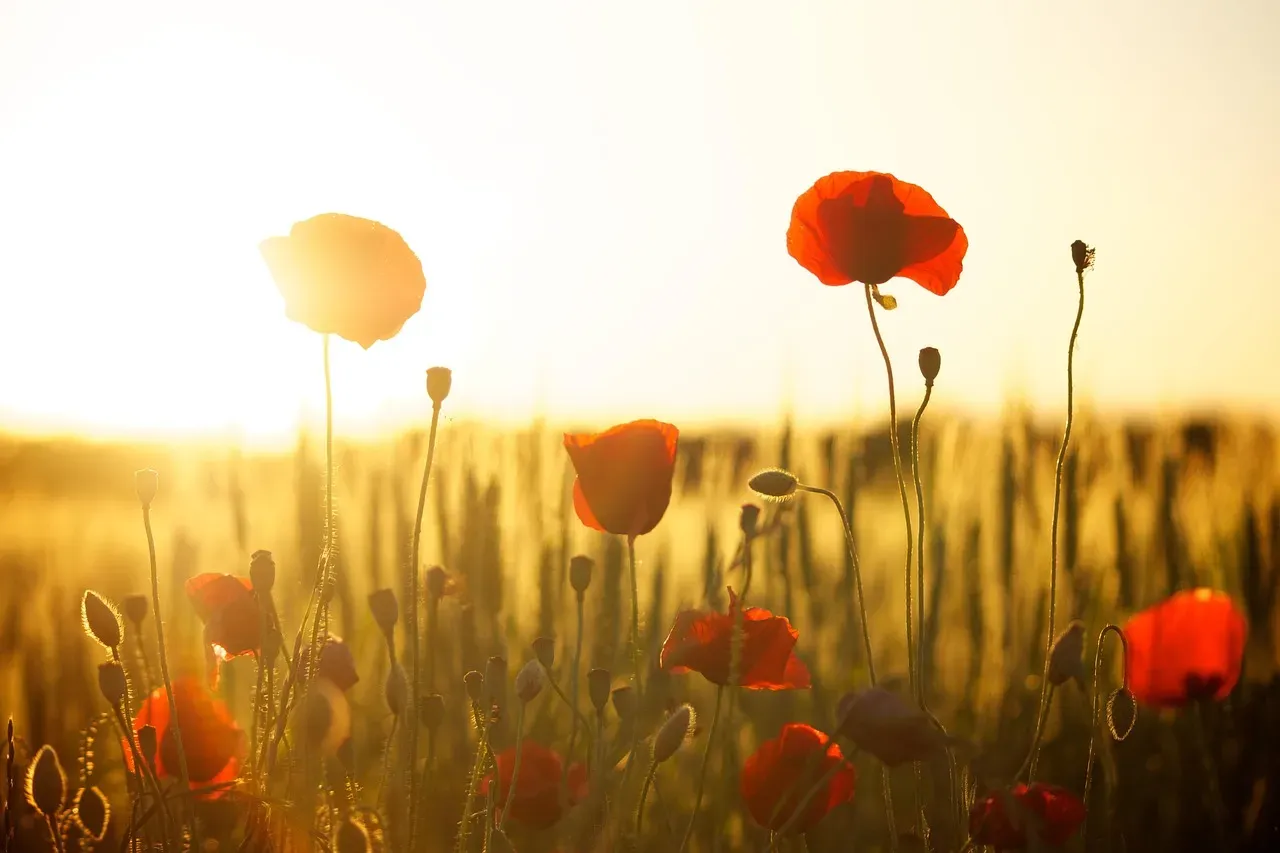
When the catastrophic asteroid struck 66 million years ago and wiped out the non-avian dinosaurs, you might expect flowering plants to have suffered a similarly devastating fate. They didn’t. The Cretaceous-Paleogene extinction event eradicated at least three-quarters of all species on Earth including the dinosaurs, but its impact on flowering plants turned out to be far less severe than expected. While some angiosperm species did die out with the dinosaurs, the families and orders these species belonged to managed to survive and flourish. Of the 400,000 living plant species we can see today, three-quarters are flowering plants.
With their quick growth, drought tolerance, and long-lived seeds, flowering plants were better able to colonize the devastated earth than cone-and-spore-bearing species. The evolution of flowering plants thus parallels that of mammals. It appears that the rise of angiosperms drove an explosion of life on land – a legacy that, remarkably, shapes almost every ecosystem you can walk through today. Molecular clock evidence suggests that most recognizable flowering plants – magnolias, orchids, and mint – all had ancestors that shared Earth with the dinosaurs.
Conclusion: A Green Revolution That Changed Everything
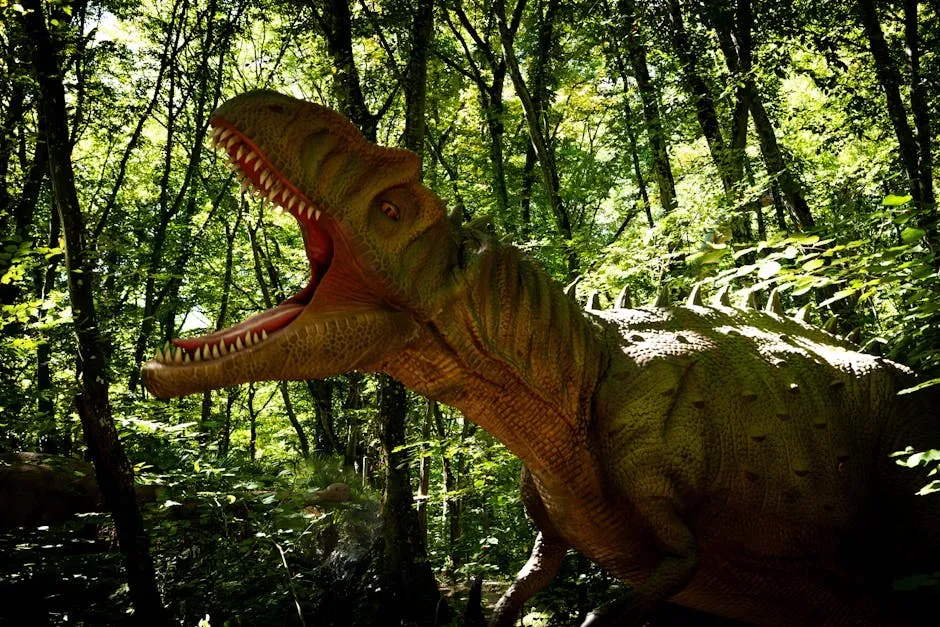
The story of flowering plants and dinosaurs is not simply a tale of plants feeding giant beasts. It’s a story of mutual transformation, ecological pressure, and one of nature’s most dramatic makeovers. The Cretaceous world was fundamentally different by the time that asteroid hit – partly because of the creatures that dominated it, but just as much because of the plants that fed, shaped, and surrounded them.
What makes this story so compelling is the sheer scale of its consequences. The flowering plant revolution didn’t end with the dinosaurs – if anything, it accelerated after they were gone. The world we live in today, with its tropical rainforests, orchid-filled jungles, and fruit-bearing trees, is essentially the long aftermath of a botanical event that began quietly in the shadow of the great reptiles.
It’s a humbling thought: the flowers you admire in your garden share ancestry with plants that once watched T. rex lumber past. What would you have guessed – that the real world-changers of the Cretaceous were not the dinosaurs, but the plants quietly blooming beneath their feet?