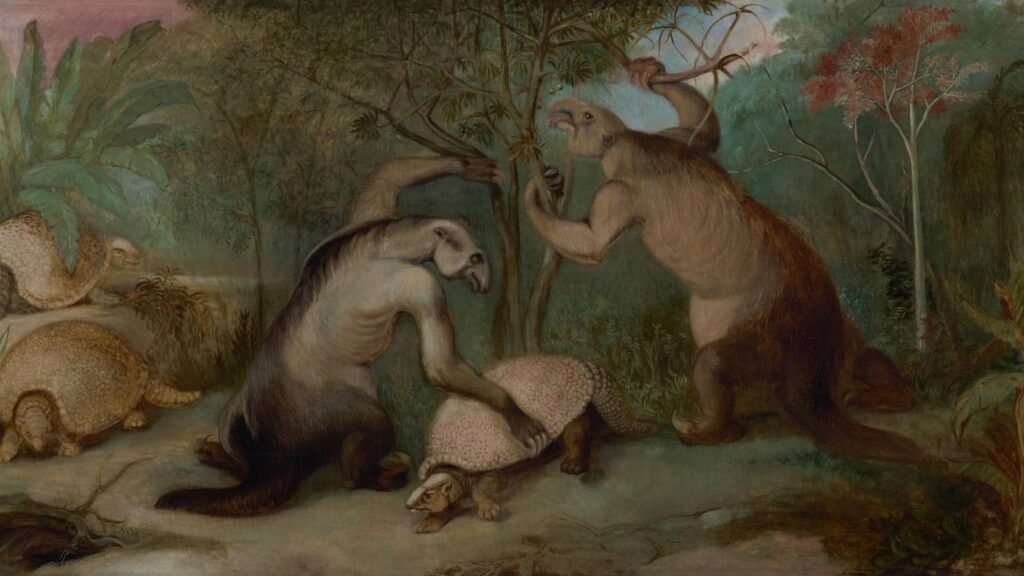
Imagine standing on a planet that looks almost nothing like the one you know today. The air feels different. The skies belong to creatures you have never seen. The oceans pulse with life forms so alien you would barely recognize them as animals at all. That world was Earth, and it existed millions of years before you ever arrived.
The deeper scientists dig into the fossil record, the more staggering prehistoric life becomes. Not just bigger or stranger than anything alive today, but more layered, more complex, and more interconnected than most people ever realize. This is a story about life in all its wild, relentless, almost reckless variety. Buckle up, because what you are about to read is genuinely mind-blowing.
The Fossil Record: Earth’s Original Photo Album
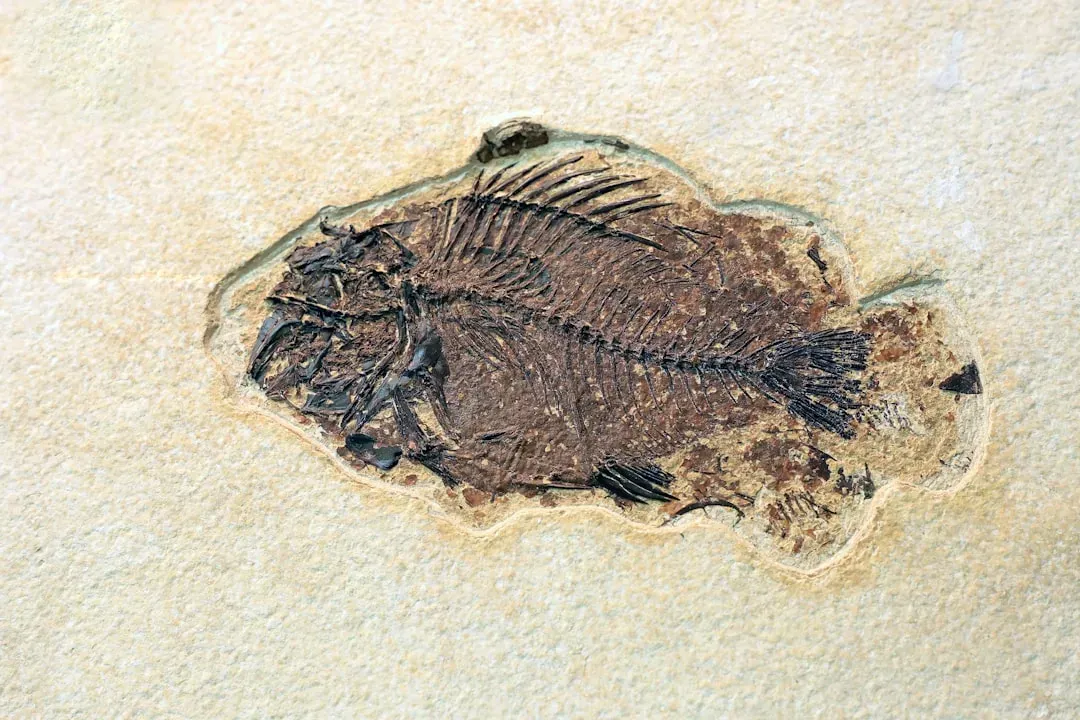
Think of the fossil record as Earth’s personal diary, one written not in words, but in bone, stone, and shell. The fossil record provides snapshots of the past which, when assembled, illustrate a panorama of evolutionary change over the past 3.5 billion years. That is an almost incomprehensible stretch of time. For perspective, the dinosaurs disappeared only about 66 million years ago. Three and a half billion years makes that feel like last Tuesday.
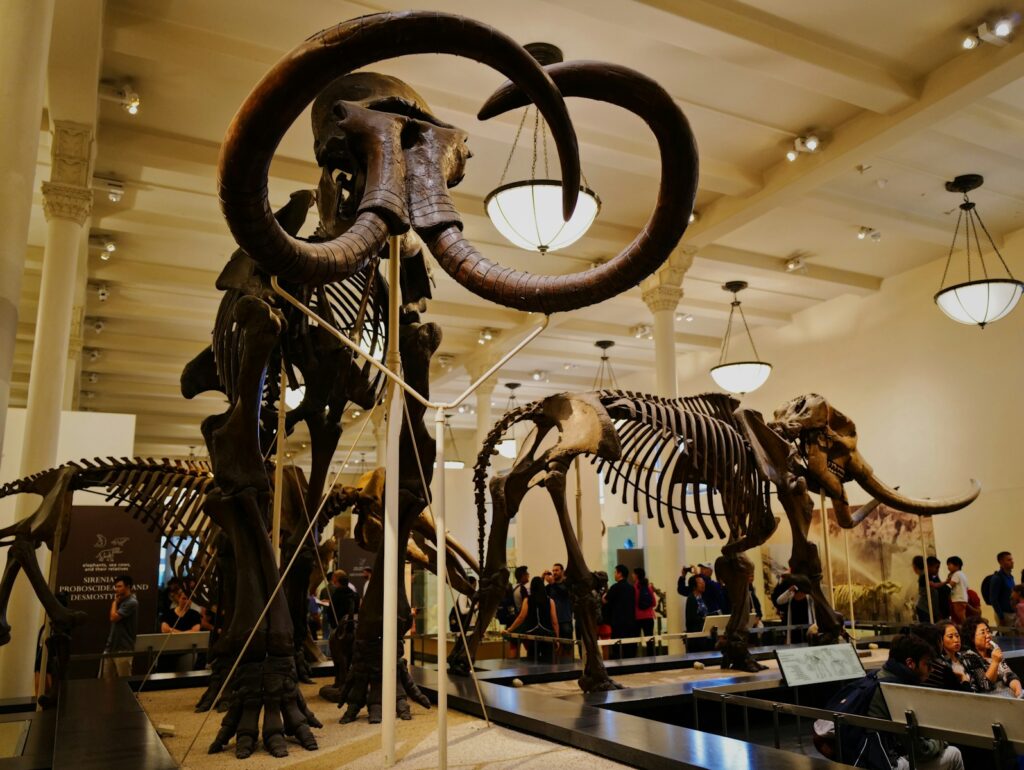
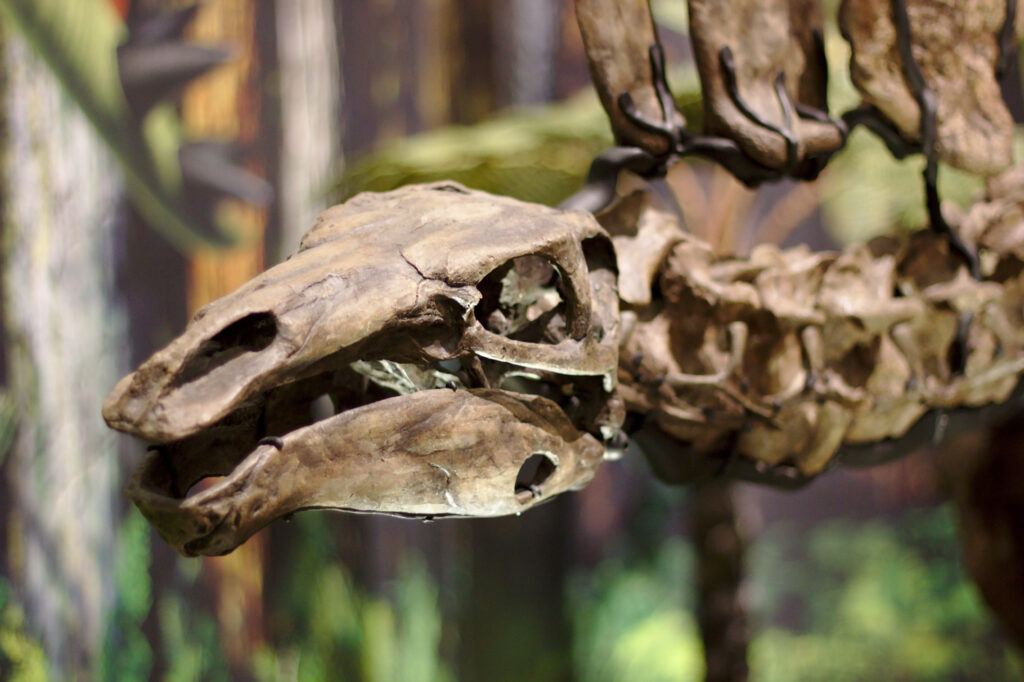
The fossil record is a critical scientific resource that offers insights into the history and evolution of life on Earth, encompassing the preserved remains of ancient organisms, both plant and animal, dating back approximately 3.5 billion years, with around 250,000 known fossil species identified. Here’s the thing though: there are about 250,000 known fossil species of plants and animals, which seems like a large number until you compare it with the approximately 4.5 million species of plants and animals alive today, making the entire fossil record of ancient life amount to only about 5 percent of the total number of modern species. That means what you see in museums is only the faintest shadow of what actually lived.
Life’s First Spark: Microbes That Changed Everything
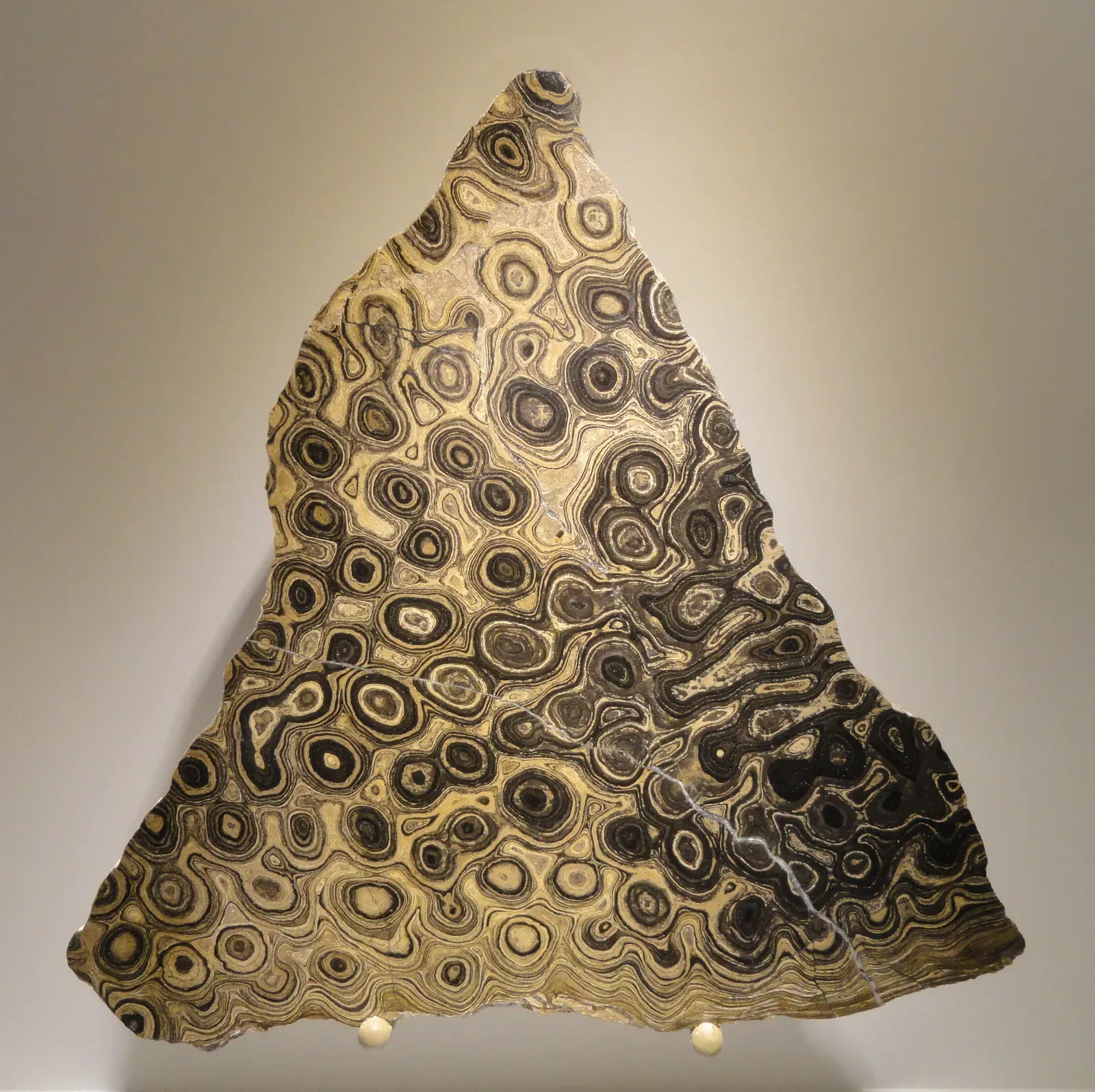
Long before anything had a spine, a shell, or even a face, life was quietly building momentum in the most humble way imaginable. The earliest life forms were microscopic organisms (microbes) that left signals of their presence in rocks about 3.7 billion years old, consisting of a type of carbon molecule produced by living things, with evidence of microbes also preserved in hard structures called stromatolites, which date to 3.5 billion years ago. Honestly, it is hard to get excited about bacteria. Until you realize those bacteria literally rewrote the chemistry of the planet.
Stromatolites are layered accretionary structures formed in shallow water by the trapping, binding, and cementation of sedimentary grains by biofilms of microorganisms, especially cyanobacteria, and they provide some of the most ancient fossil records of life on Earth, dating back more than 3.5 billion years ago. These microbial mats pumped oxygen into an atmosphere that had almost none. Without them, you would not exist. Not a single multicellular creature on this planet would. It’s hard to say for sure just how much these ancient organisms shaped the entire trajectory of life, but the evidence is overwhelming that they started everything.
The Cambrian Explosion: When Evolution Went Into Overdrive
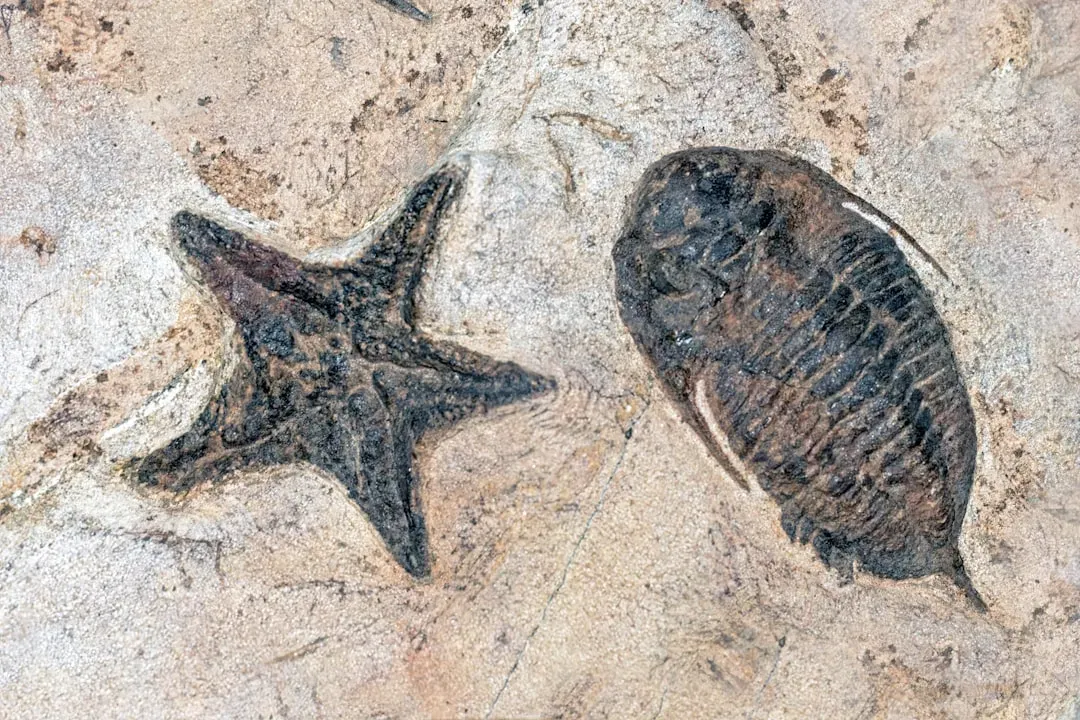
If prehistoric biodiversity had a single blockbuster moment, this was it. The Cambrian period, part of the Paleozoic era, produced the most intense burst of evolution ever known, as the Cambrian Explosion saw an incredible diversity of life emerge, including many major animal groups alive today, among them the chordates, to which vertebrates such as humans belong. Think about what that means. Your own evolutionary story, your backbone, your skull, your entire body plan, traces back to this single, furious moment in deep time.
Around 530 million years ago, a wide variety of animals burst onto the evolutionary scene in an event known as the Cambrian explosion, and in perhaps as few as 10 million years, marine animals evolved most of the basic body forms observed in modern groups, including relatives of crustaceans and starfish, sponges, mollusks, worms, chordates, and algae. Some of these creatures were, let’s be real, genuinely bizarre. Many of these odd-looking organisms were evolutionary experiments, such as the 5-eyed Opabinia. Five eyes. On a single creature. Prehistoric life did not follow any rulebook.
The Age of Fish and the Greening of the Land
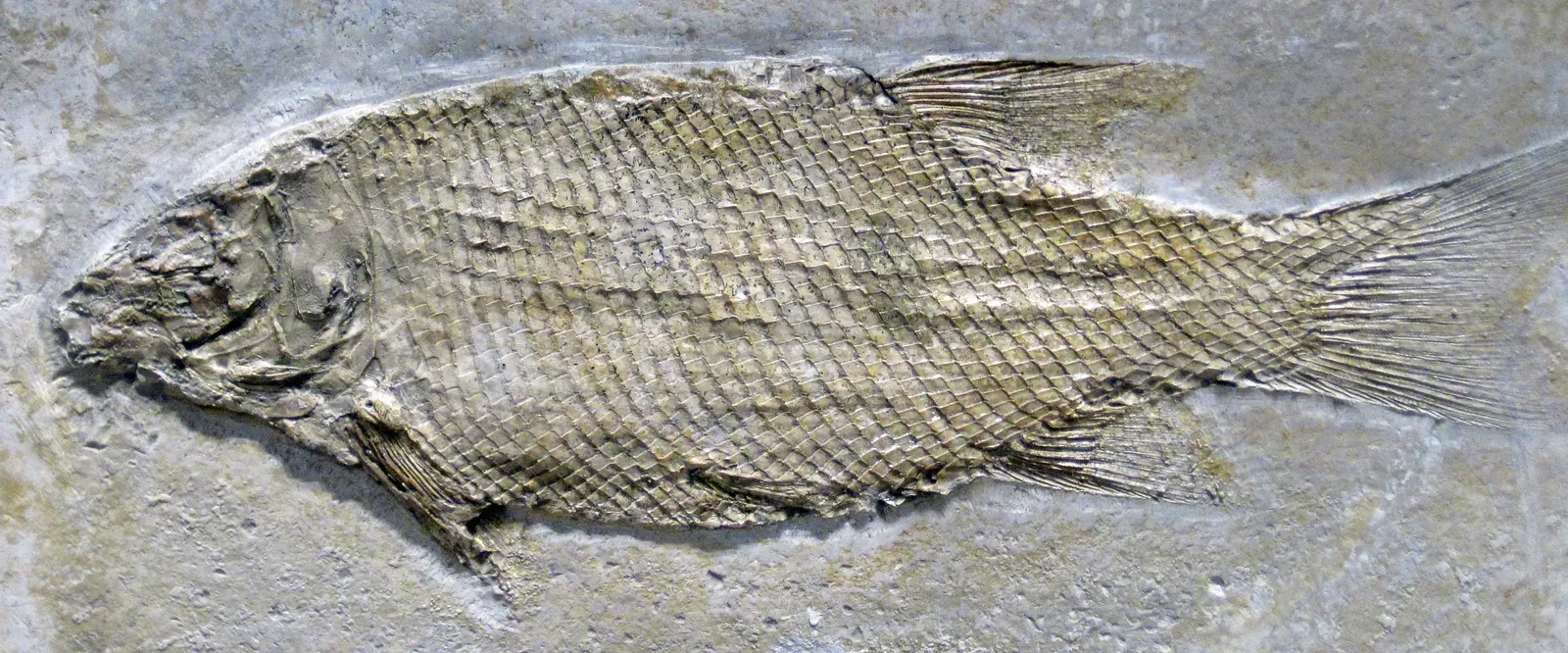
After the Cambrian fireworks, life kept accelerating. The Devonian Period is where things started to look a little more familiar, though not by much. The Devonian Period, lasting from 419 to 359 million years ago, is often referred to as the ‘Age of Fishes’ due to the explosive diversification of fish species. The oceans during this time were essentially the most productive fish laboratories in Earth’s history. In the oceans, the Devonian saw the evolution of the largest reef ecosystems in Earth history.
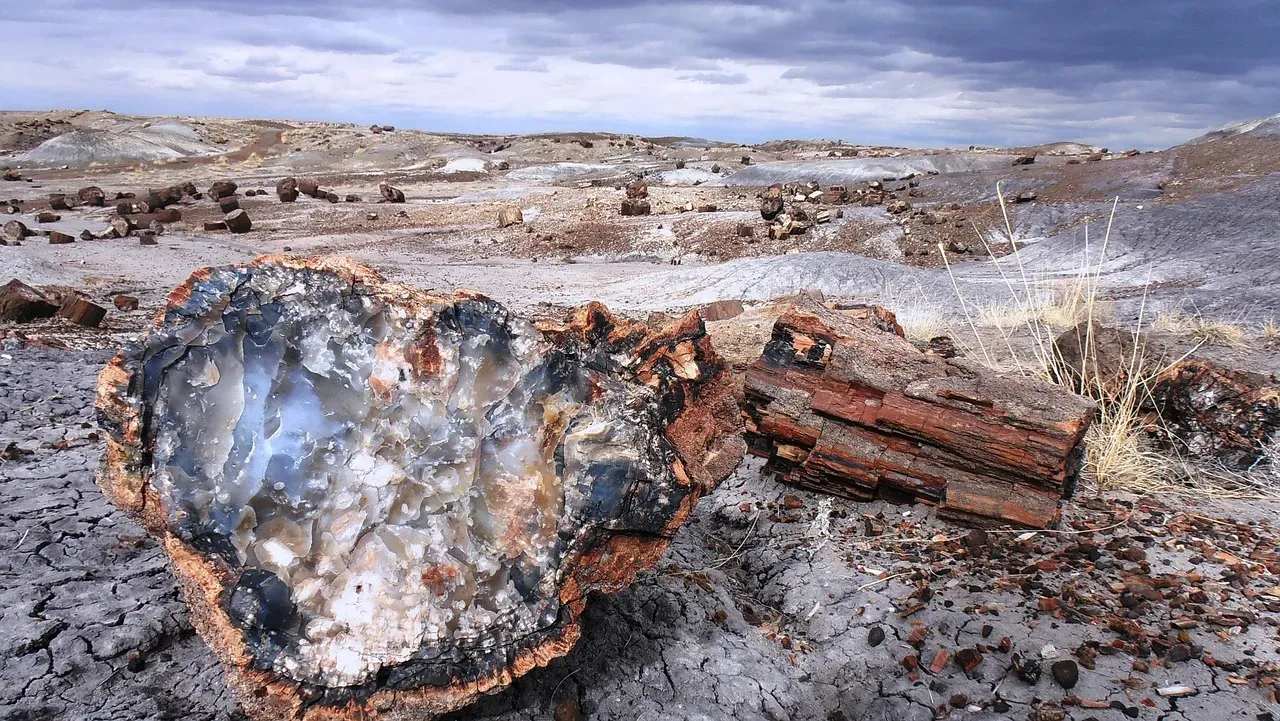
Meanwhile, life was doing something even more radical on land. Both plant and animal groups were rapidly evolving and invading the terrestrial realm, and in the Devonian the Earth’s first forests evolved with trees that towered some 30 metres high. Towering 30-metre trees in a world that had been barren rock just tens of millions of years earlier. The earliest forests appeared around 385 million years ago during the Devonian period. You can actually walk near the remnants of some of these ancient forests today. The oldest fossilized forest known on Earth, dating from 390 million years ago, has been found in the high sandstone cliffs along the Devon and Somerset Coast of Southwest England, and it is roughly 4 million years older than the previous record holder, which was found in New York State.
The Mesozoic Seas: A World of Hyper-Predators
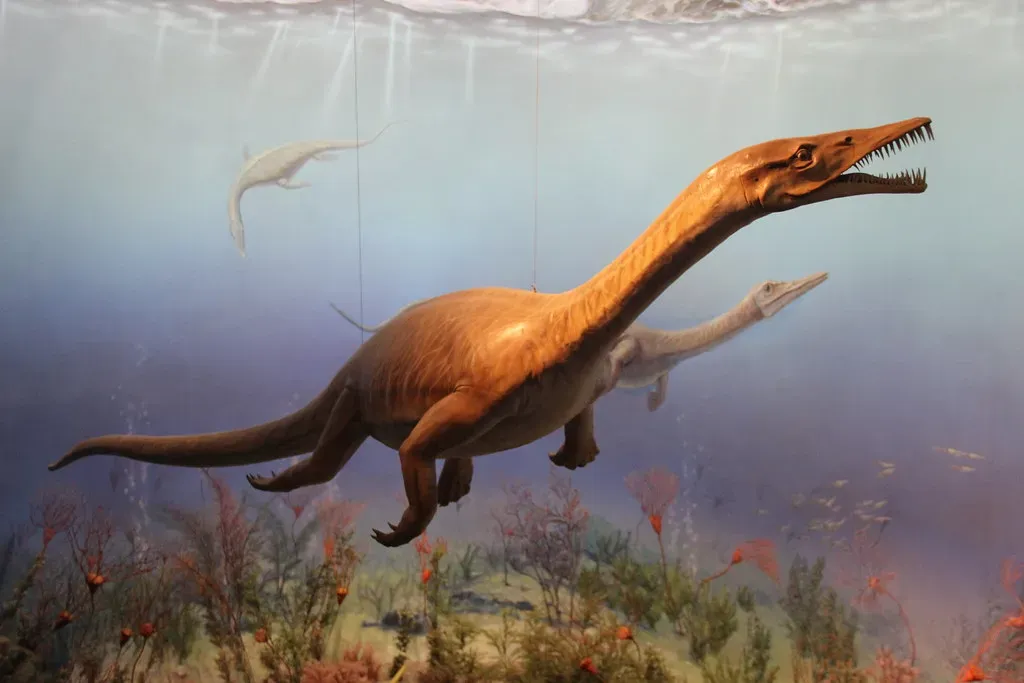
When most people think of prehistoric life, they imagine dinosaurs on land. Fair enough. Yet the oceans of the Mesozoic Era were arguably even more spectacular. The Paja Formation dates to the Mesozoic Era, which was shaped by rising sea levels and warmer global temperatures, and it is believed that these changes fuelled an increase in marine biodiversity, known as the Mesozoic Marine Revolution, that can be traced in the fossil record. Warmer seas, rising water levels, and a planet in full productive overdrive. The oceans responded by filling up with life on a scale that is difficult to imagine.
In today’s oceans, food chains typically reach six levels, with animals such as great white sharks and orcas as apex predators. However, researchers discovered a previously unseen seventh level filled with enormous marine reptiles, some of which, such as Sachicasaurus and Monquirasaurus, could grow up to and beyond 10 metres long and are known as hyper-apex predators. A seventh level in the food chain. No ocean on Earth today has anything like that. It is a reminder that what we call a “healthy” ocean today is actually a pale, depleted version of what prehistoric seas once contained.
Mass Extinctions: The Great Resets That Unlocked New Life
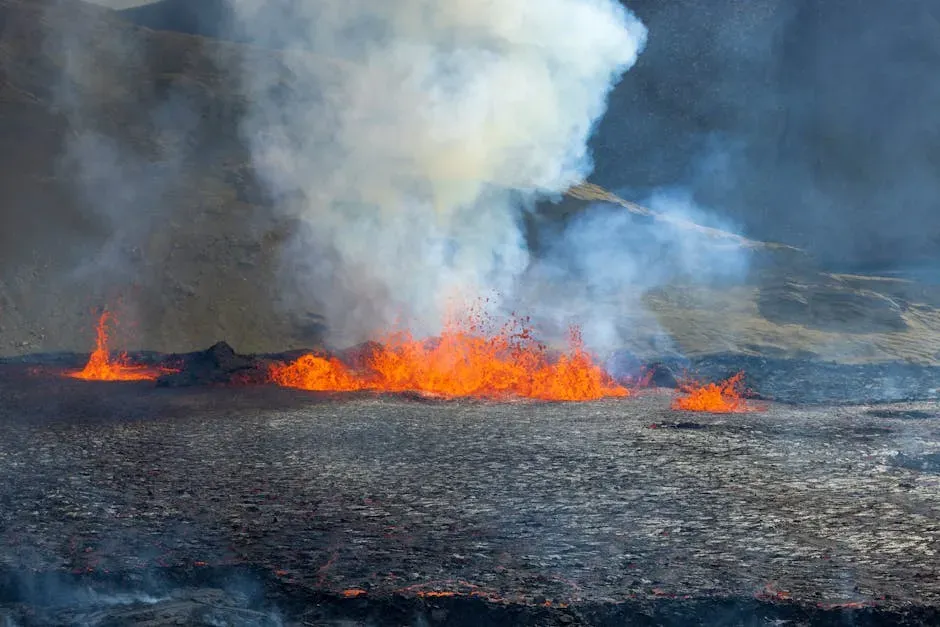
Here is where the story gets genuinely sobering, and yet strangely hopeful at the same time. Prehistoric ecosystems were not permanent. They were shattered, repeatedly, by catastrophic events. Another major event in Earth’s history was the five mass extinctions, each of which had a profound impact on biodiversity, with the most famous being the Permian-Triassic extinction, which wiped out around 90% of species. Imagine nearly all life on Earth, gone. Yet life came back.
The Modern fauna follows the ecological reset that occurred after the end-Permian mass extinction, and because so many taxa from the Cambrian and Paleozoic faunas were exterminated during the end-Permian event, many ecological niches were open and available for evolutionary innovations. Mass extinctions, as devastating as they were, essentially cleared the board and let evolution start fresh, filling empty ecological roles with entirely new kinds of creatures. The Cretaceous-Paleogene extinction event paved the way for mammals to emerge and diversify. Without the extinction that ended the dinosaurs, there would be no mammals, no primates, and certainly no you reading this article.
Reading the Past to Understand the Present and Future
Prehistoric biodiversity is not just a fascinating story about the distant past. It is also a mirror held up to the modern world. Ancient ecosystems shaped Earth’s history while influencing present-day biodiversity, and understanding their importance helps you connect ecological and geological changes that have occurred over time. Every coral reef you see today, every forest you walk through, every fish market you visit, all of these trace their origin back through an unbroken chain of ecosystems stretching across billions of years.
Functional diversity, which measures the processes that take place within an ecosystem, is often more informative than simply counting biodiversity for conservationists trying to restore and protect environments, and scientists now compare healthy fossilized ecosystems to those from modern times that have been denuded by humans, thereby learning which functions or species are now missing and need to be restored. In other words, looking back into deep time is actually one of the most practical tools we have for protecting life today. Paleoecology experts say that examining how prehistoric ecosystems changed in response to large animal extinctions can serve as a guideline for how modern ecosystems will respond. The past is not just history. It is a manual for survival.
Conclusion
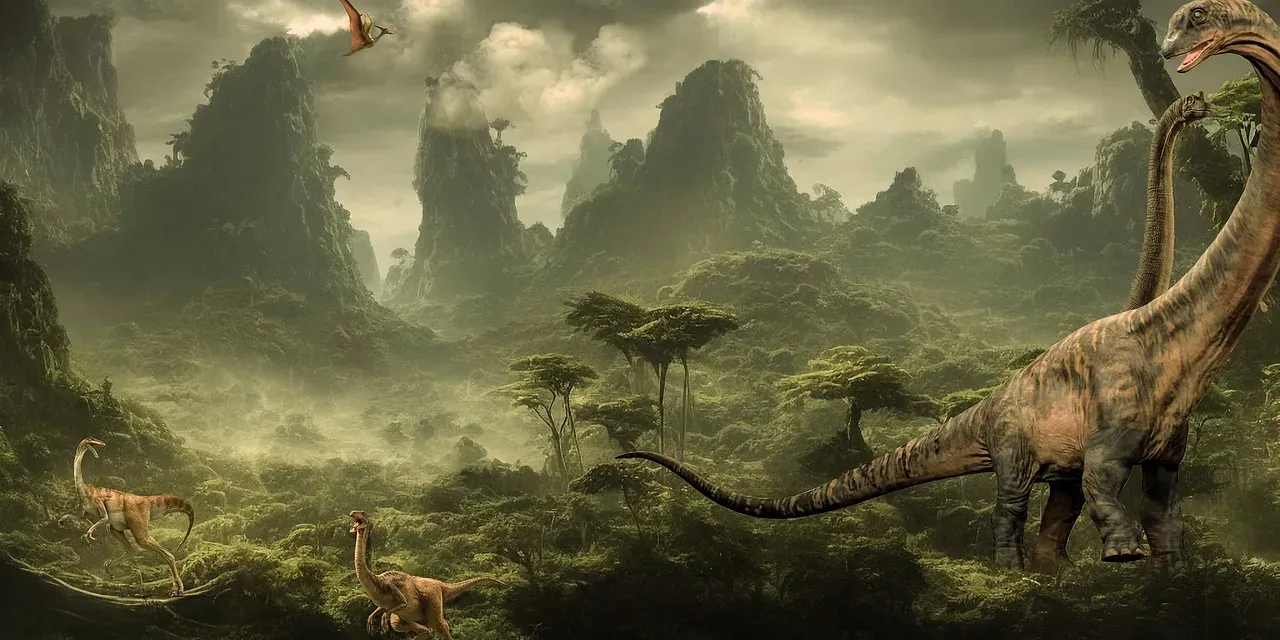
Prehistoric ecosystems were not just older versions of what you see today. They were something categorically different in scale, variety, and raw biological ambition. From the very first microbial mats that oxygenated an airless world, to seven-tiered ocean food chains ruled by reptiles longer than a city bus, the history of life on Earth is the most extraordinary story ever told.
What stands out most, honestly, is not the scale of ancient diversity itself but how fragile and yet resilient life has proven to be. Five near-total resets. Life kept returning, always stranger and more inventive than before. Today’s biodiversity, as astonishing as it is, is still just the latest chapter in a story that began long before the first bone was ever laid down in rock.
The next time you look at a fossil in a museum or notice a coral reef in a photograph, remember you are seeing only a fragment of an almost incomprehensibly rich planetary history. What chapter do you think we are writing right now?