The American West has always had a certain mystique about it. Vast, rugged, sun-scorched. You look at those canyon walls and painted badlands and think you’re just seeing rock. But here’s the thing – you are actually looking at one of the greatest natural libraries on Earth, packed with the bones of creatures that ruled this land tens of millions of years before humans showed up. The most numerous and diverse dinosaur fossils have been found primarily in North America, China, and Argentina, with the Western United States representing a large portion of all dinosaur fossils found.
What makes this story even more compelling is that so much of it is still unwritten. Vast stretches of the West haven’t been fully excavated – or even properly surveyed. Every storm, every erosion cycle, every canyon carved a little deeper could be bringing something ancient to the surface right now. These five places will make you see the Western landscape in a whole new way. Let’s dive in.
The Morrison Formation: A 700-Mile Dinosaur Graveyard You Can Walk Across
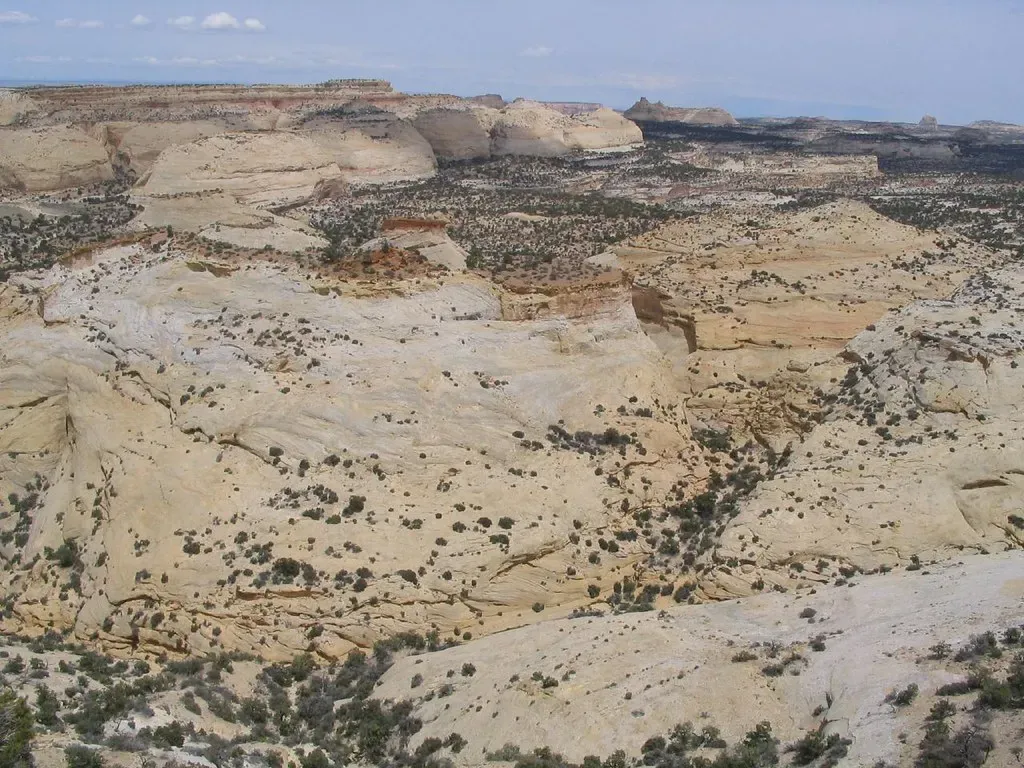
If you’ve ever driven through Wyoming, Colorado, or New Mexico and thought the scenery looked ancient, you weren’t wrong. The Morrison Formation is one of the most productive places for dinosaur remains ever identified, yielding exceptionally well-preserved specimens from Stegosaurus to Diplodocus. It is made up of limestone, mudstone, sandstone, and siltstone, and it extends through much of the Western United States, reaching from Montana to New Mexico. Think about that for a second. You could take a road trip spanning several states and literally be driving over Jurassic-era graveyards the entire time.
The Morrison Formation is known worldwide for its fossils of dinosaurs, from predators such as Allosaurus and Ceratosaurus, to enormous sauropods such as Apatosaurus, Brachiosaurus, Brontosaurus, Camarasaurus, and Diplodocus, to the bipedal herbivore Camptosaurus and the plated Stegosaurus. The truly staggering part? Paleontologists freely admit that the surface of what’s been found here barely scratches what lies beneath. The erosion-prone, dry terrain keeps revealing new bone with every rainstorm, every wind-swept season. You’re not looking at a static museum – you’re looking at one that rewrites itself every year.
Jurassic National Monument, Utah: The World’s Densest Dinosaur Bone Bed
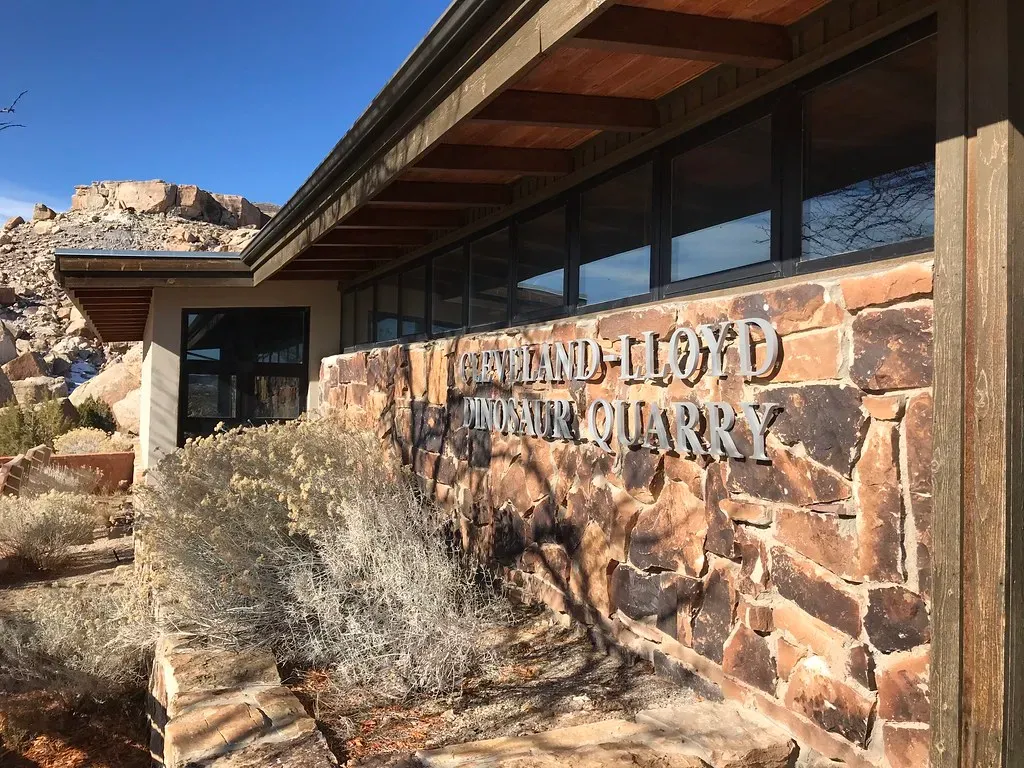
Honestly, this place should be far more famous than it is. Tucked away in Utah’s remote San Rafael Swell, the Cleveland-Lloyd Dinosaur Quarry – now protected as Jurassic National Monument – is one of those places that genuinely defies explanation. The quarry contains one of the densest concentrations of Jurassic-aged dinosaur bones ever found, with over 12,000 fossils representing at least 74 individual animals. If that number doesn’t make your jaw drop, consider this: those are just the bones that have already been excavated.
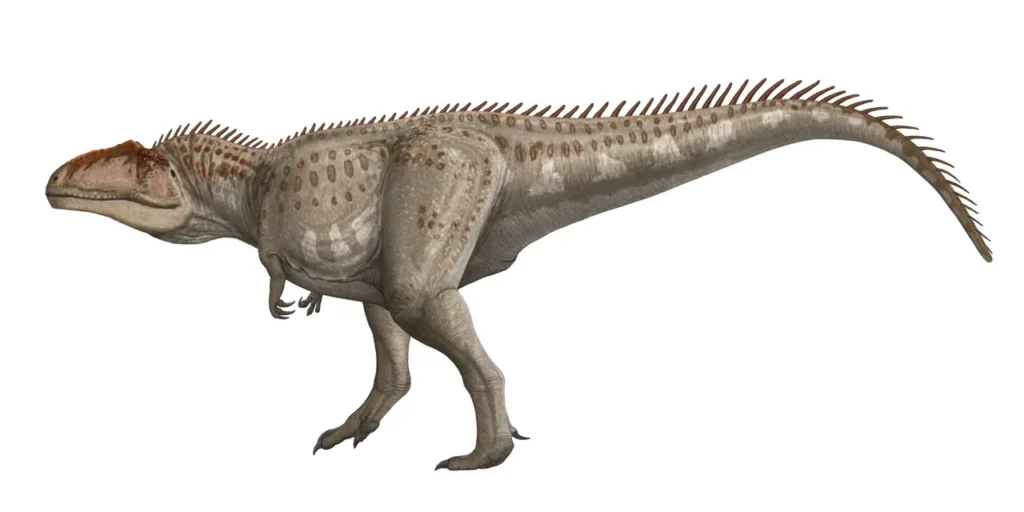
The site is notable for its unusually high number of carnivorous dinosaurs – more than 75% of the bones come from predators like Allosaurus fragilis, with over 46 individuals identified. These finds have helped paleontologists study how Allosaurus grew and varied, but they’ve also raised enduring questions. Why are so many meat-eaters found here? How did so many dinosaurs end up in one place? Despite decades of research, the full story behind the quarry remains a mystery. Scientists have floated theories ranging from prehistoric predator traps to drought-driven die-offs to toxic ponds. Many skeletons reproduced from Cleveland-Lloyd dinosaur remains are now on exhibit in more than 65 museums worldwide. You can visit this active excavation site and watch science happen in real time – which, if you ask me, is one of the coolest things a person can do on a summer afternoon.
Ghost Ranch, New Mexico: Where Dinosaurs Were Born and Buried in One Place
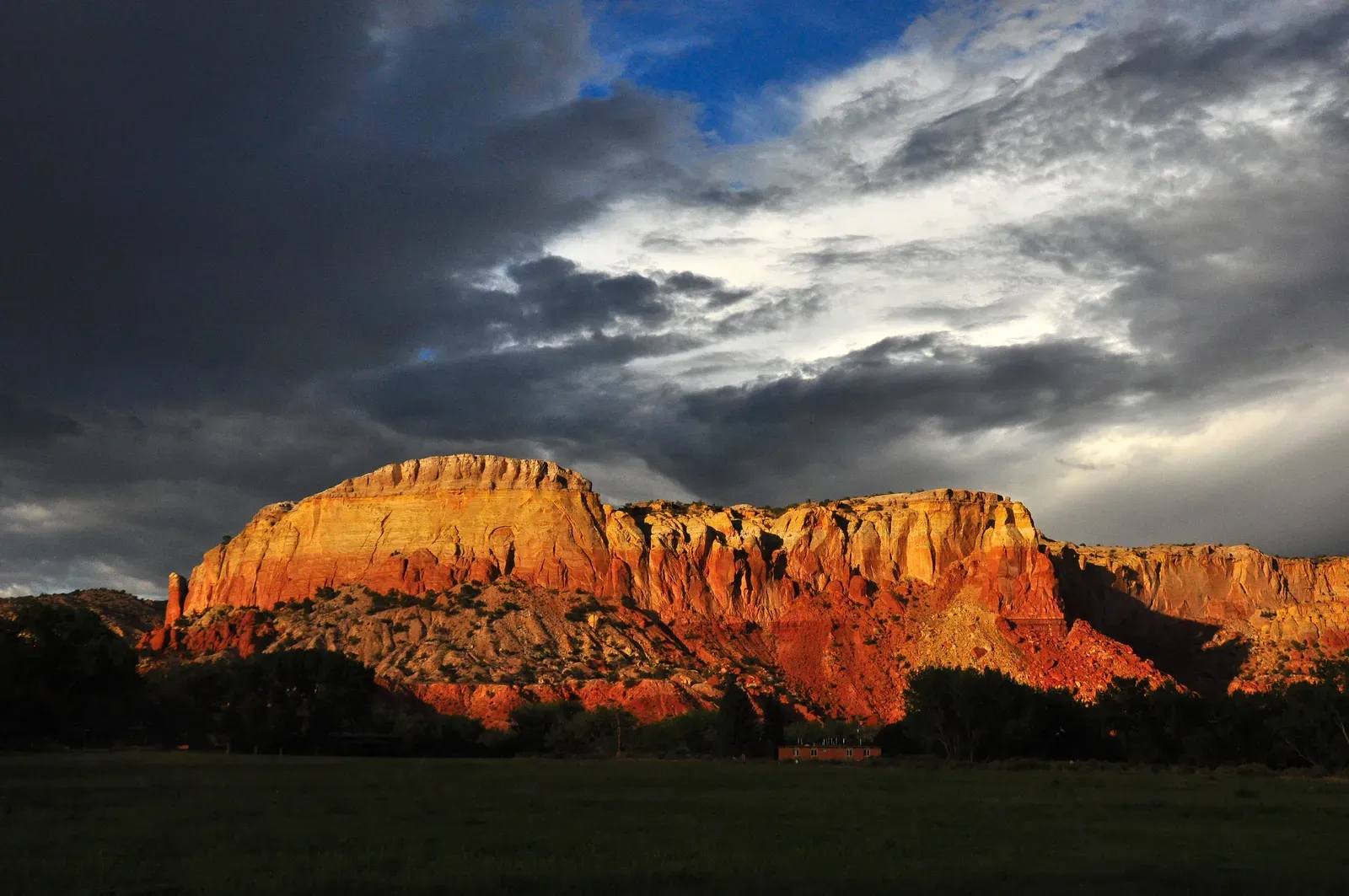
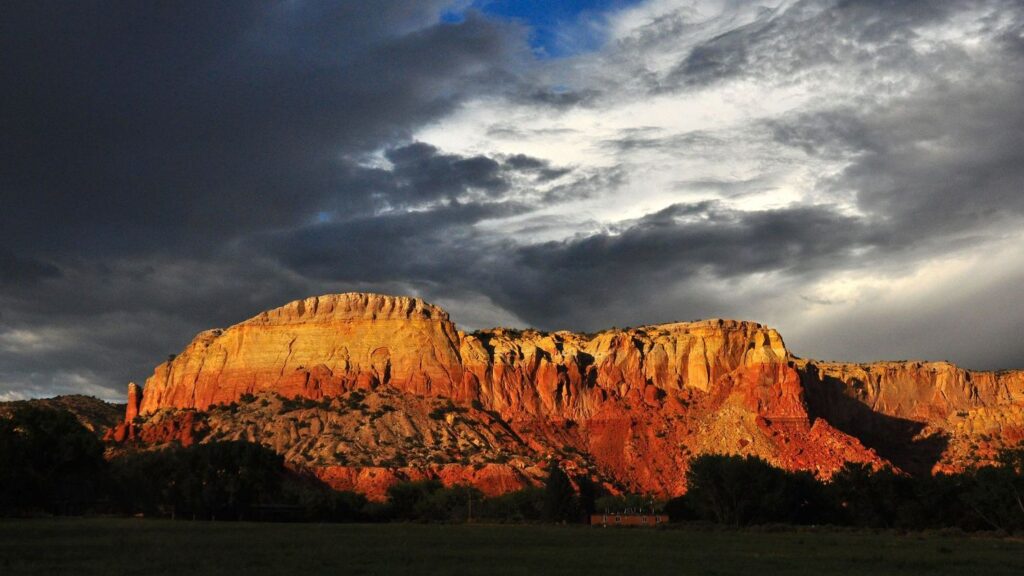
Uploaded by PDTillman, CC BY 2.0)
Ghost Ranch sounds like something from a horror novel, and in a paleontological sense, it kind of is. Located in northern New Mexico amid jaw-dropping red and gold cliffs, this is where the early chapter of dinosaur history was quite literally written in stone. Ghost Ranch is known for a remarkable concentration of fossils, most notably that of the theropod dinosaur Coelophysis, of which it has been estimated that nearly a thousand individuals have been preserved in a quarry at Ghost Ranch. Nearly a thousand individuals. All in one place. That’s not a graveyard – that’s a catastrophe frozen in time.
Excavation at Ghost Ranch is ongoing in the Hayden Quarry, where the oldest dinosaur fossils in North America – dated to the Early Triassic, 214 million years ago – have been found. Ongoing research at the quarry is also yielding one of the most diverse assemblages of Triassic fauna yet discovered on the continent, providing new insight into the period when dinosaurs emerged. The Hayden Quarry has produced more than twenty species of land vertebrates along with charcoalized fossil wood from wildfires that occurred in the Triassic forest. The fossils discovered include Dromomeron and Tawa hallae, two of the first recognized dinosaurs from North America. The geological layers at Ghost Ranch are like pages of a book you haven’t finished reading yet – and new chapters are still being uncovered.
Dinosaur National Monument, Utah and Colorado: The Real Jurassic Park
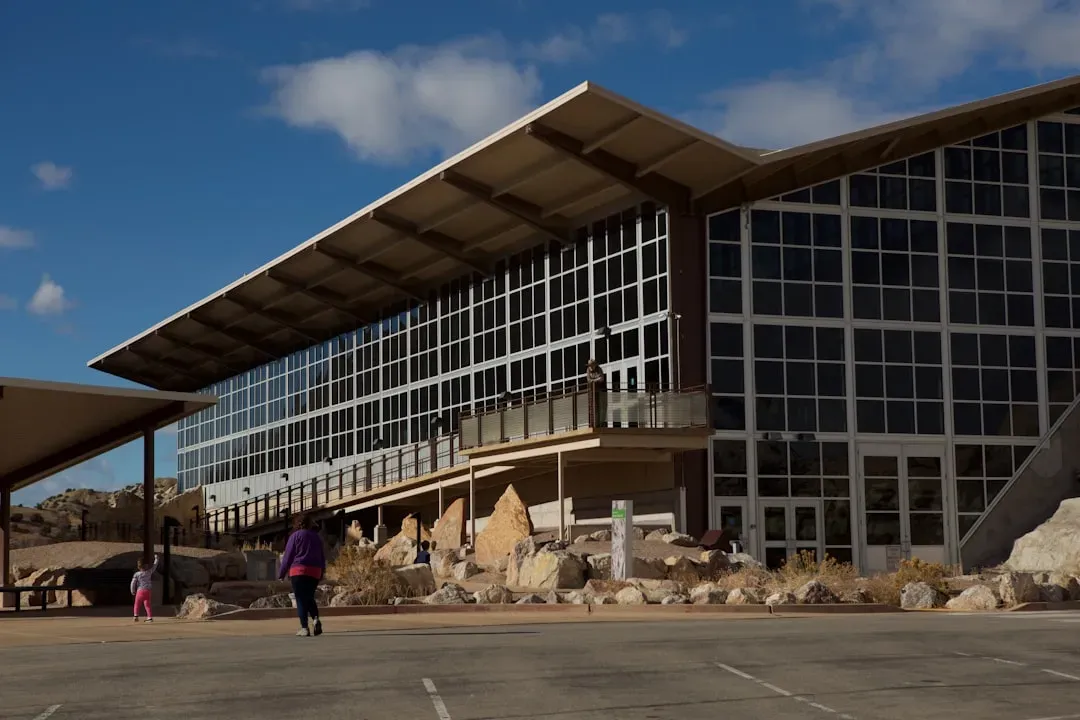
If you’ve never been to Dinosaur National Monument, you need to fix that immediately. Straddling the border of Utah and Colorado, this is the place where you can reach out and physically touch dinosaur bones that are 149 million years old – still embedded in the rock face where they died. Situated between Utah and Colorado, this stretch of mountains, canyons, and desert comprises a major chunk of the Morrison Formation, an expansive sedimentary rock unit considered the most productive source of near-complete dinosaur skeletons in North America.
If you love dinosaurs, you will love this monument’s exceptional quarry, which features a dense concentration of bones from a variety of prehistoric species. Visitors can see more than 1,500 fossils at the site’s Quarry Exhibit Hall, most of them still partially embedded in the rock. The site not only features an excellent reconstruction of the Allosaurus, it also showcases a rare and exceptionally well-preserved skull from this fearsome 30-foot predator that paleontologists believe may have literally eaten other dinosaurs for lunch. It’s hard to say for sure just how many fossils are still locked inside the rock here – but the geological forces that tilt and erode the earth’s crust in this region keep giving year after year. Geological and climatic forces have tilted, warped, and eroded the earth’s crust to reveal a treasure trove of fossils.
Yellowstone National Park, Wyoming: The Secret Fossil Giant Nobody Talks About
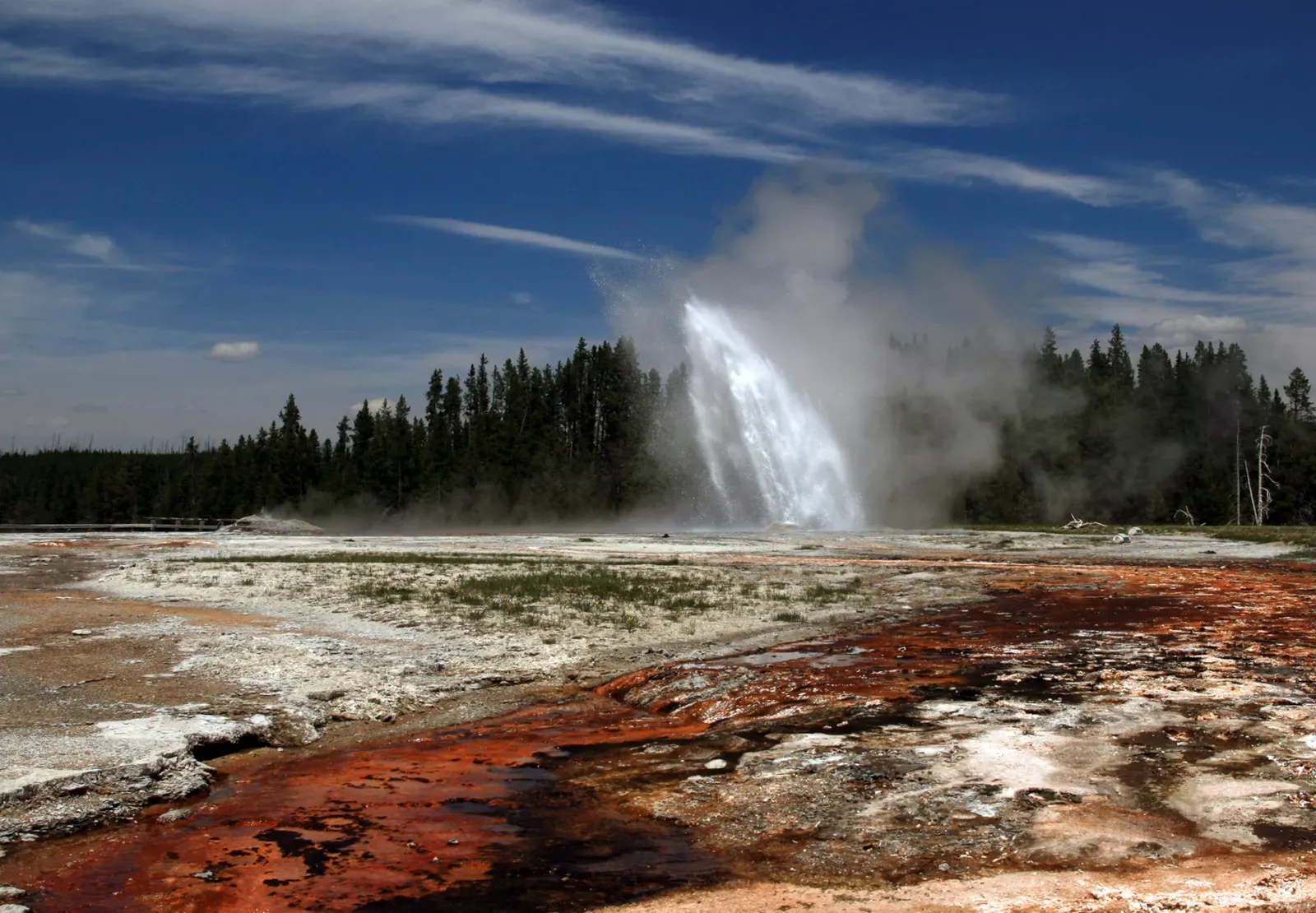
Let’s be real – when most people think of Yellowstone, they picture geysers and bison, not dinosaur bones. Yet Yellowstone is sitting on a paleontological secret that most of its millions of annual visitors never even suspect. Yellowstone has fossils – enough to rival other national parks that are renowned for their fossil riches, like Petrified Forest and Dinosaur National Monument. In Yellowstone, there are fossils that tell the story of volcanic eruptions that buried entire forests, that detail a slow change in Yellowstone’s climate, and that are the basis for entire evolutionary theories.
There has been little modern paleontological exploration done within the park, especially of rocks from Mesozoic time, between 250 to 65 million years old. One notable exception was a one-day expedition led by Dr. Jack Horner with the Museum of the Rockies in the 1990s. Despite this survey being only one day long, the group was able to find a piece of turtle shell, dinosaur egg fragments, and what is thought to be a skeleton of an aquatic reptile known as a plesiosaur. Think about that. One day of looking, and they found dinosaur eggs and a possible plesiosaur. With all that’s left unexplored, there are sure to be some very interesting secrets still hidden away in Yellowstone. The ground here – quite literally – hasn’t been touched yet. That is either humbling or thrilling depending on your perspective, but either way it’s remarkable.
Conclusion
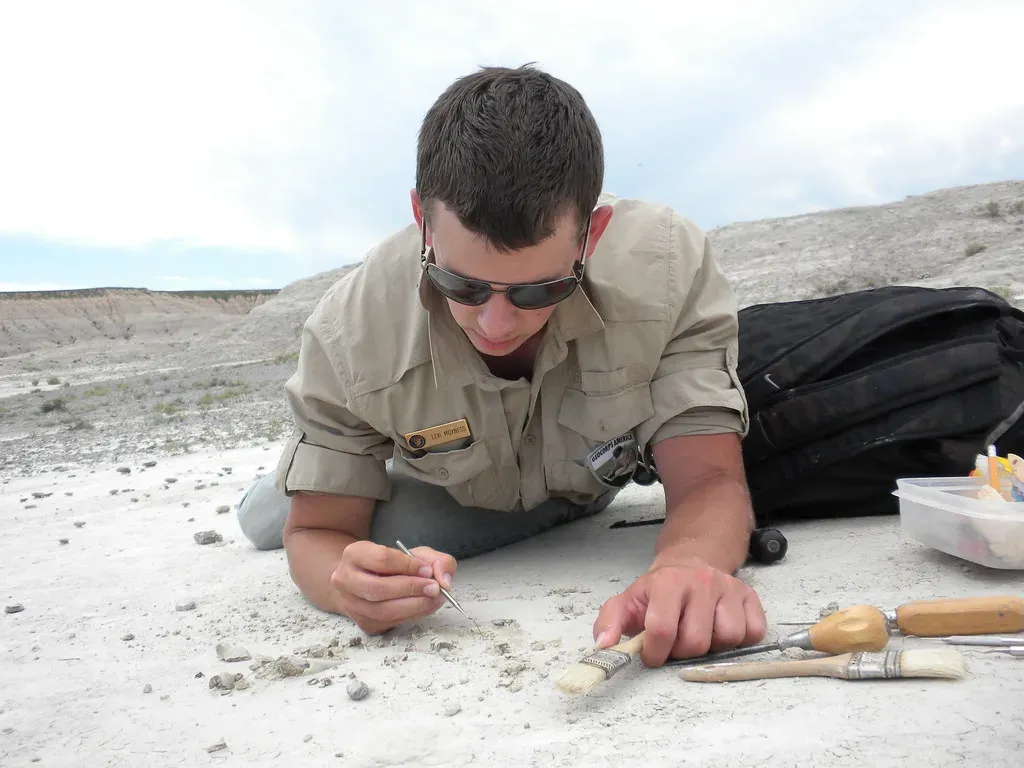
The American West has never been just a landscape. It is a record – layer upon layer of geological time, each stratum whispering the names of creatures we’re still trying to understand. What’s genuinely remarkable is that with all the discoveries already made, the National Park Service alone presides over more than 200 sites with documented paleontological resources, including many spots with museum exhibits or fossils still waiting to be unearthed.
You don’t have to be a scientist to feel the weight of that. Standing at the edge of a canyon in Utah, or hiking through the painted badlands of New Mexico, you’re walking the same ground where giants once left their bones as a gift to the future. The next great discovery could be just one erosion cycle away – maybe in a place you’ve already visited without realizing it. So the next time you find yourself looking at a stretch of red rock in the West, pause for a moment. What do you think is still hiding just beneath your feet?