Life on Earth is, honestly, a story of spectacular failures as much as it is a story of triumph. For every creature that managed to adapt, evolve, and eventually give rise to the animals we know today, there were dozens of extraordinary life forms that hit a wall, ran out of road, and simply ceased to exist. Some of them dominated entire eras. Some were monstrous in size. Some were so bizarre that modern scientists still argue about which end was the head.
Yet here is the thing that truly makes prehistoric extinction so haunting: these were not weak, frail creatures. Many of them were apex predators, ocean rulers, or ecological powerhouses. They just couldn’t outrun the clock. What drove them off the stage of life? The answers are as fascinating as the creatures themselves. Let’s dive in.
Trilobites: Half a Billion Years of Glory, Then Nothing
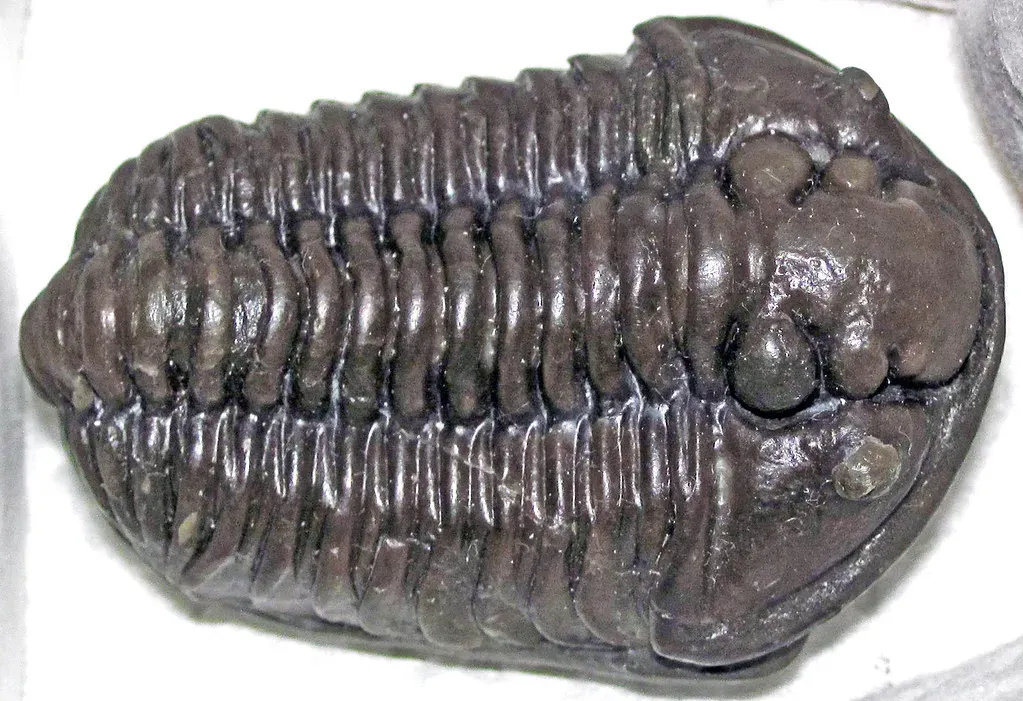
If longevity were the only measure of success, trilobites would be legends beyond compare. One of the earliest groups of arthropods to appear in the fossil record, trilobites were among the most successful of all early animals, existing in oceans for almost 270 million years, with over 22,000 species having been described. Think about that for a moment. Humans have existed for perhaps 300,000 years. Trilobites outlasted us by a factor that makes your head spin.
Trilobites maintained high diversity levels throughout the Cambrian and Ordovician periods before entering a drawn-out decline in the Devonian, culminating in the final extinction of the last few survivors at the end of the Permian period. Their fate was sealed not by one catastrophe but by a slow, grinding series of extinction events. Trilobites survived two mass extinctions, but the third mass extinction did them in. You could almost feel sorry for them, almost.
Dunkleosteus: The Armored Nightmare of the Devonian Seas
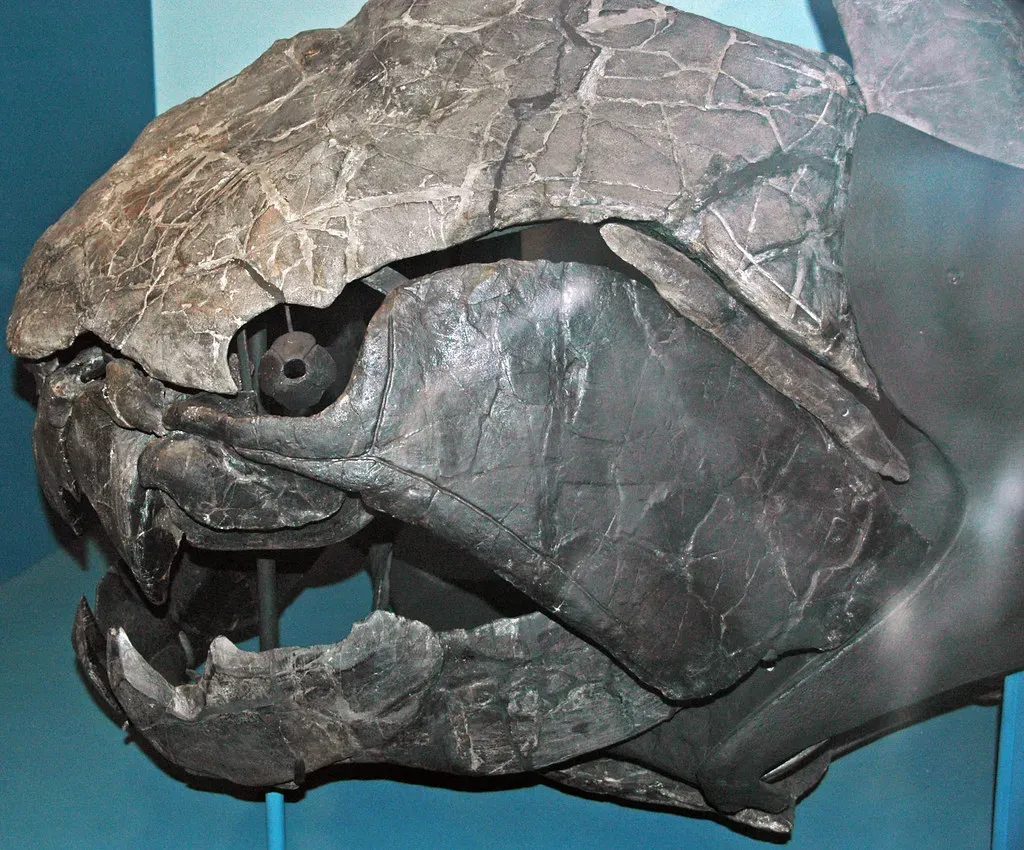
If you were a fish swimming in the Devonian seas roughly 380 million years ago, Dunkleosteus was the thing you feared most. Dunkleosteus is an extinct genus of large arthrodire fish that existed during the Late Devonian period, about 382 to 358 million years ago. It was a pelagic fish inhabiting open waters, and one of the first vertebrate apex predators of any ecosystem. The creature had no actual teeth. Instead, its jaw apparatus consisted of massive bony jaw plates forming self-sharpening cutting edges, with no true teeth but tooth-like shearing surfaces on the plates.
The bite force has been estimated at about 6,000 newtons and 7,400 newtons at the tip and blade edge respectively. That is enough to cut straight through bone and shell alike. Yet despite all this brutal power, Dunkleosteus could not survive what came next. Two major extinction pulses occurred near the close of the Devonian: the Kellwasser Event, followed by the later and more severe Hangenberg Event. The Hangenberg Event, which occurred approximately 359 million years ago, is widely considered the terminal crisis of the Devonian Period. It devastated marine ecosystems worldwide and also significantly impacted early terrestrial vertebrates. Evidence shows that widespread ocean anoxia, rapid climate fluctuations, sea-level regression, and disruptions to nutrient cycles all contributed to ecosystem collapse.
Hallucigenia: Evolution’s Most Confusing Experiment
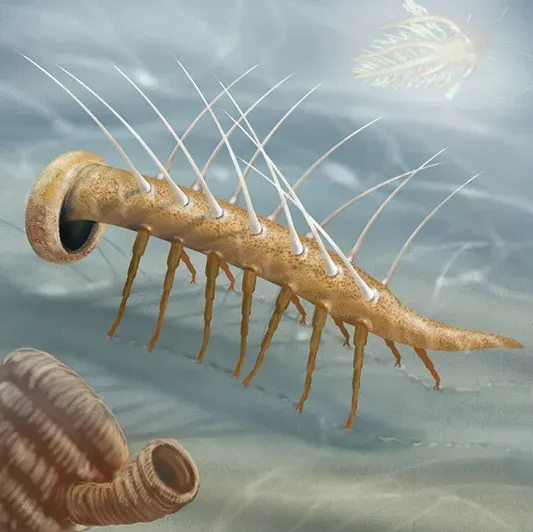
Here is a creature so strange that when scientists first examined its fossils, they literally built it upside down and back to front. Hallucigenia, a notable creature from the Cambrian Period over 500 million years ago, exemplifies the remarkable burst of evolutionary innovation of that era. This period witnessed the emergence of many major animal groups and featured a diverse array of unique and experimental body plans. Named for its bizarre appearance, which seems like something from a psychedelic vision, Hallucigenia had an elongated body with a row of slender spines on one side and a series of tentacle-like appendages on the other. Honestly, it looks like something you would draw after staying awake for three days.
Initially, scientists were baffled by its structure, leading to misconceptions about its orientation. Early interpretations mistakenly placed it walking on its spines, with the appendages thought to be mouthparts. Subsequent research has clarified that these tentacle-like structures are actually paired appendages used for walking, while the spines likely served as a defense mechanism against predators. Even with those spines, Hallucigenia’s experimental body plan simply couldn’t survive the brutal filtering process of mass extinction. It was evolution running wild with ideas, and this particular idea did not make the final cut.
Dimetrodon and the Pelycosaurs: Dominant Lords Who Vanished Without Heirs
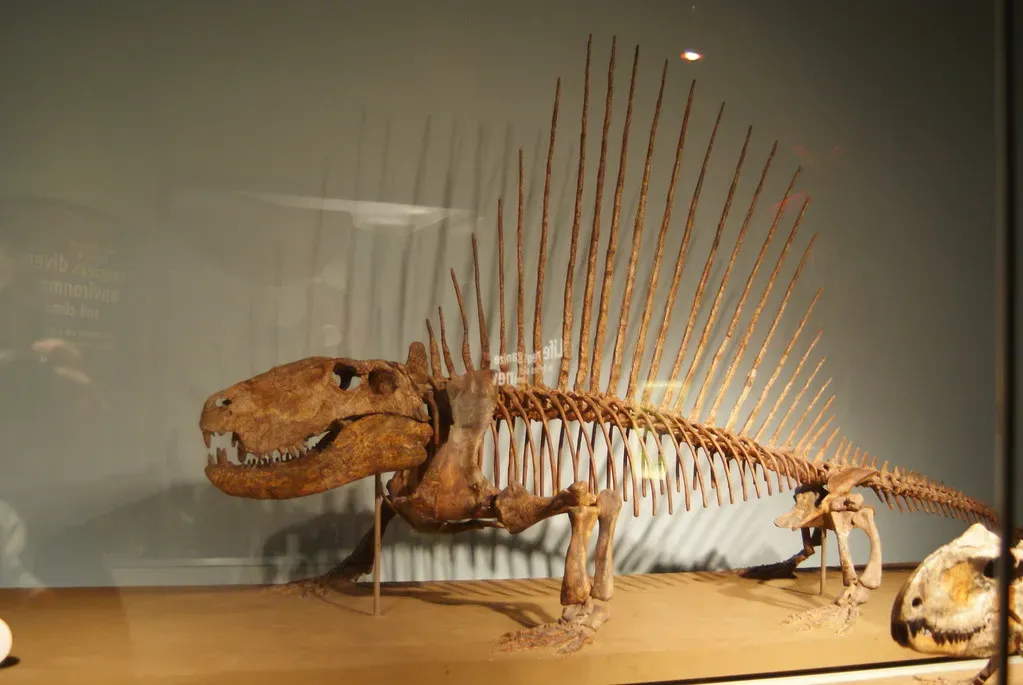
You have probably seen Dimetrodon in toy stores, grouped alongside dinosaurs in plastic sets. Here is something that might surprise you: Dimetrodon is often mistaken for a dinosaur or portrayed as a contemporary of dinosaurs in popular culture, but it became extinct by the middle Permian, some 40 million years before the appearance of dinosaurs. It is not even a reptile in the modern sense. Although reptile-like in appearance and physiology, Dimetrodon is much more closely related to mammals, as it belongs to the closest sister family to therapsids, the latter of which contains the direct ancestor of mammals.
The term “dead-end” branch is really rather underselling this incredibly successful and diverse group, which persisted for over 70 million years, from the Carboniferous to the end-Permian mass extinction 252 million years ago. In fact, at the beginning of the Permian Period, 299 million years ago, the pelycosaurs were Earth’s most dominant carnivores. Yet despite that reign, pelycosaurs are now entirely extinct as a group, with no known descendants. They’re gone. That enormous sail on Dimetrodon’s back, likely used for thermoregulation or display, could not save it when the world fundamentally changed around it.
Plesiosaurs: Ocean Royalty Wiped Out in an Instant
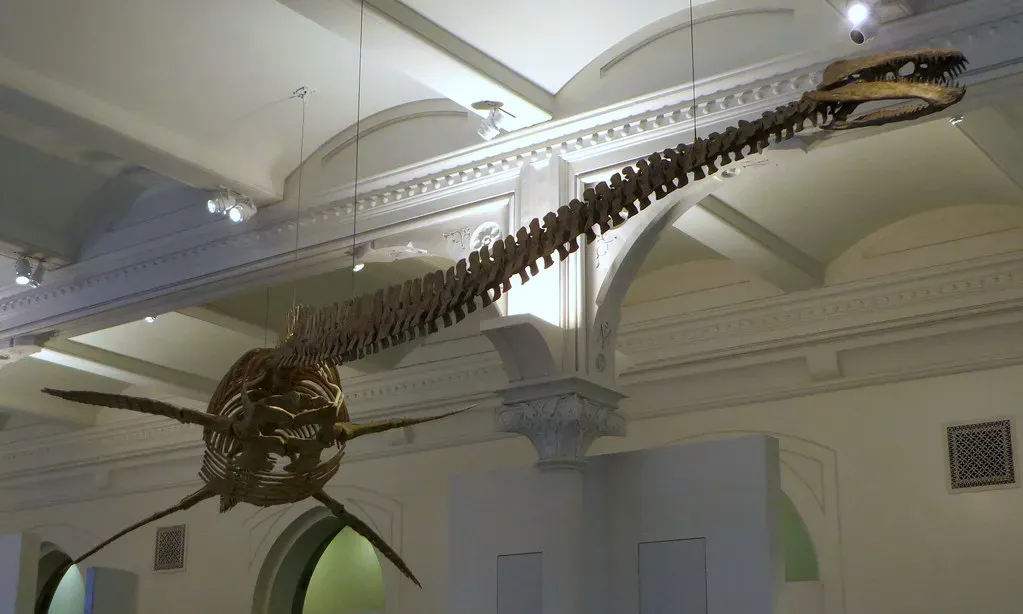
Few prehistoric creatures have captured human imagination quite like plesiosaurs. With their long necks, barrel bodies, and four powerful flippers, they ruled the Mesozoic seas in a way that still inspires awe, and no small amount of fascination with lake monsters worldwide. Plesiosaurs first appeared in the latest Triassic Period, possibly in the Rhaetian stage, about 203 million years ago. They became especially common during the Jurassic Period, thriving until their disappearance due to the Cretaceous-Paleogene extinction event at the end of the Cretaceous Period, about 66 million years ago.
Among the longest plesiosaurs were the Elasmosauridae, reaching up to fifteen meters in length due to very long necks containing as many as 76 vertebrae, more than any other known vertebrate. That is a neck longer than most school buses. Yet all their stunning physical specializations ultimately became liabilities. Marine reptiles such as plesiosaurs had highly specialized bodies for obligate marine life, with limbs modified to flippers and various physiological adaptations, which proved to be an evolutionary dead end. When the asteroid hit 66 million years ago, their hyper-specialization left them with nowhere to go.
Smilodon: The Saber-Toothed Cat That Was Its Own Worst Enemy
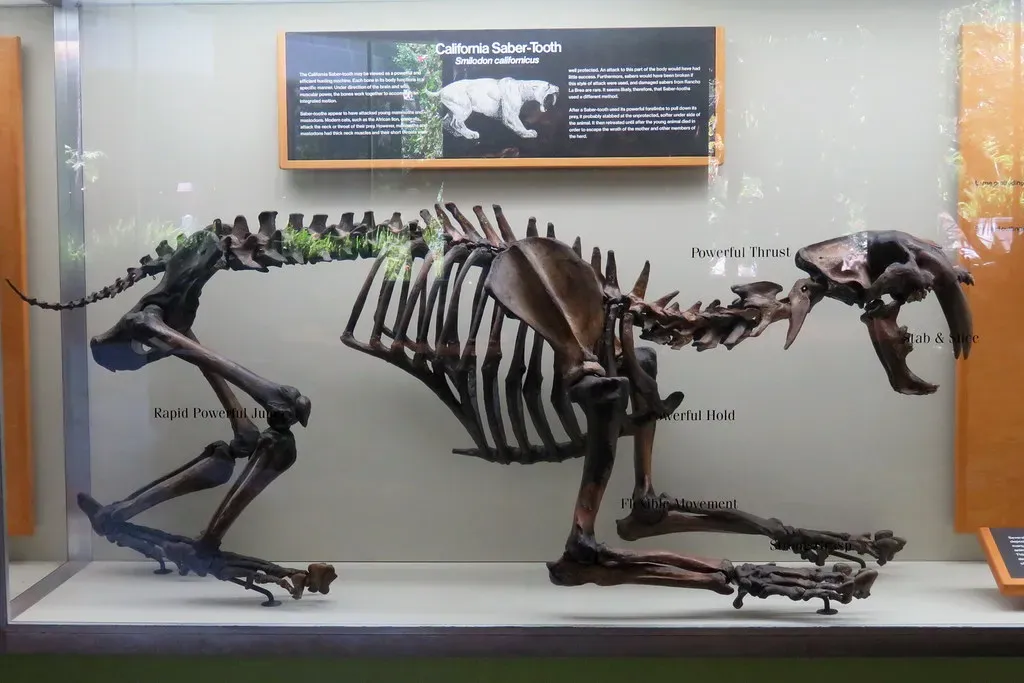
Let’s be real: few extinct animals are more iconic than the saber-toothed cat. Saber-toothed cats represent a group of fearsome predators that went extinct roughly 12,000 years ago. They are one of the most recognizable megafaunas thanks to their long, curved canine teeth. Smilodon was not technically a tiger at all. Although they’re related to modern cats, saber-toothed cats have no living direct descendants, and that includes tigers too. They were a separate evolutionary branch that built itself into an increasingly narrow ecological corner.
Here is the tragic irony buried in those magnificent fangs: Smilodon had to be very cautious when hunting not just because of other predators, but also because its saber-teeth were like a double-edged sword. Since they were so delicate, the elongated canines could break easily when pressured with enough force. Their greatest weapon was also their greatest vulnerability. The popular theory for their extinction is that either the changing climate at the end of the last ice age, or human activity, or some combination of the two, killed off most of the large mammals. When the giant prey animals disappeared, Smilodon’s highly specialized hunting strategy had nothing left to work with.
The Woolly Mammoth: A Giant Betrayed by a Warming World and Human Hunters
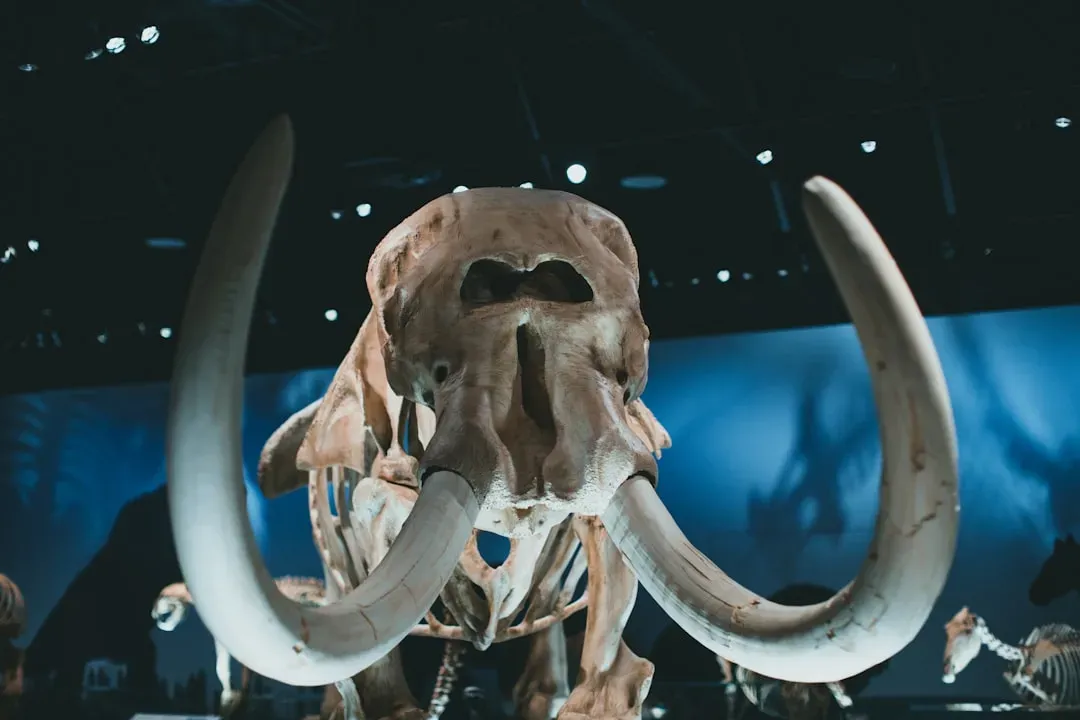
The woolly mammoth is perhaps the most emotionally resonant extinct creature of all. Massive, shaggy, magnificent, it dominated ice age landscapes for thousands of years. Those creatures were true stars of the Ice Age, hyper-adapted to life in the cold. Their thick coats, enormous curved tusks, and specially adapted digestive systems made them perfect for a frozen world. The problem was that the frozen world did not last forever.
A new analysis suggests that woolly mammoths and other large mammals went extinct more than 10,000 years ago because they fell victim to the same “trophic cascade” of ecosystem disruption caused today by the global decline of top predators. In each case the cascading events were originally begun by human disruption of ecosystems, the new study concludes, but around 15,000 years ago the problem was not the loss of a key predator, but the addition of one: human hunters with spears. The mammoth’s extinction remains one of prehistory’s most debated topics, but the combination of a warming climate and relentless human pressure appears to have sealed their fate. It is a sobering story that feels uncomfortably familiar even today.
The Dodo: Island Perfection Meets the Outside World
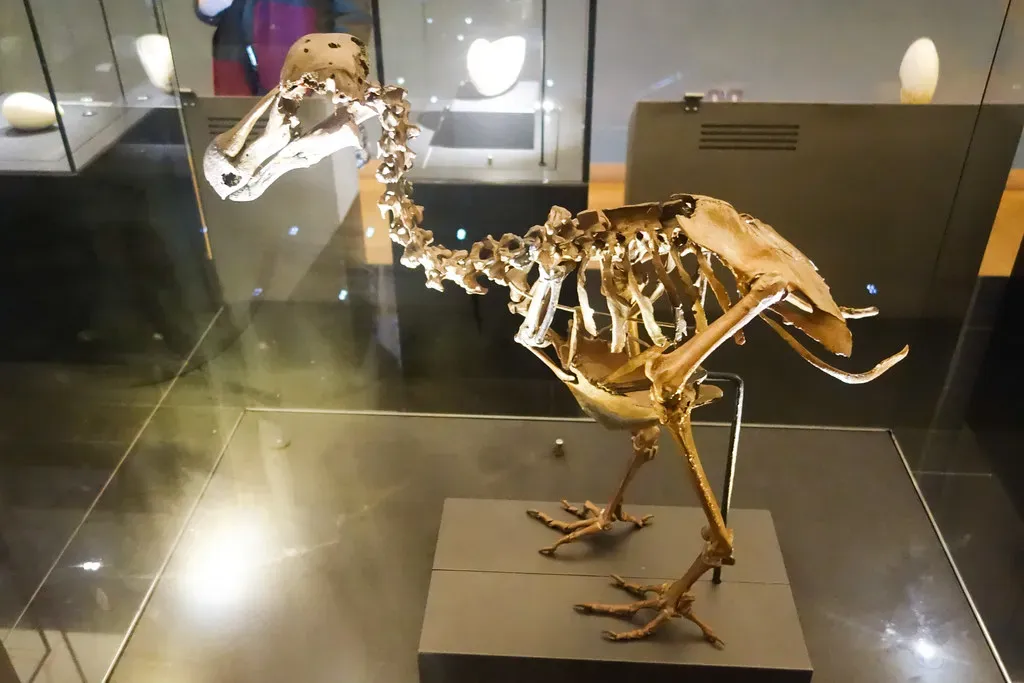
The dodo’s reputation has been dragged through the mud for centuries. People call things “dead as a dodo” to imply stupidity or pointlessness. That is deeply unfair. Contrary to popular belief, the dodo was not an unintelligent or lazy bird. It evolved in a predator-free environment on Mauritius, an island in the Indian Ocean, where it enjoyed abundant food resources on the ground. In such conditions, the dodo had no evolutionary pressure to maintain the ability to fly and moved at a leisurely pace on foot instead.
It was, in effect, perfectly designed for its specific world. Then its world was invaded. This serene existence ended abruptly in the late 16th century with the arrival of European explorers. The dodo quickly became an easy target for hunters, primarily because it provided a readily available source of meat for weary sailors. Additionally, the introduction of invasive species such as pigs, dogs, and rats by these explorers devastated the dodo populations. These animals destroyed the dodo’s ground nests and consumed their eggs, which were unprotected and accessible. Within a few decades of human contact, the dodo was hunted to extinction. The dodo was not dumb. It was simply never designed to survive what hit it.
Non-Avian Dinosaurs: The Mightiest Evolutionary Dead End of All
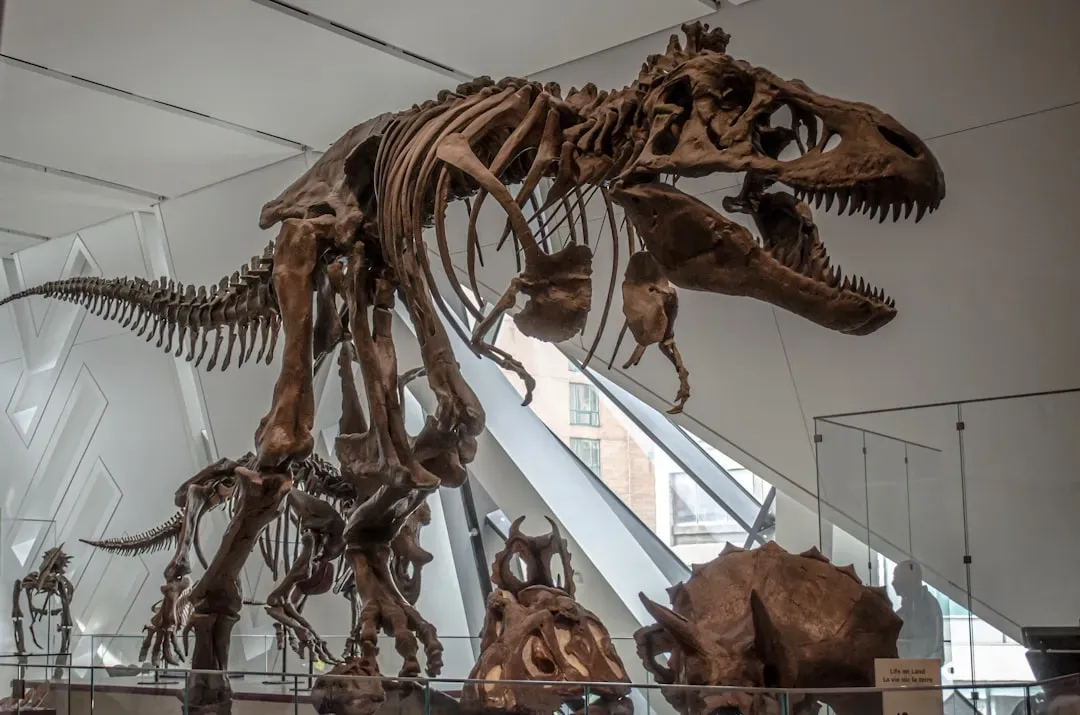
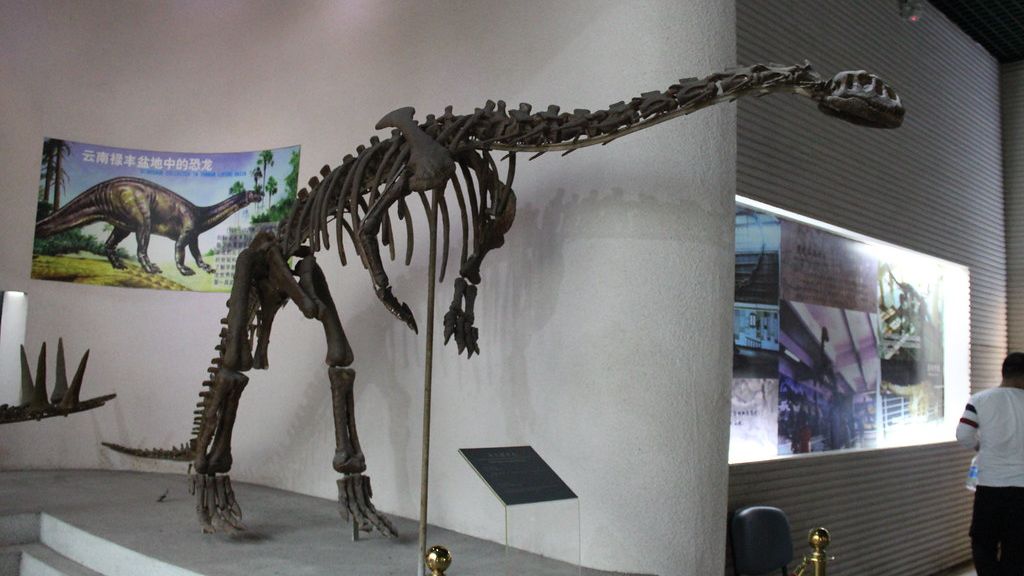
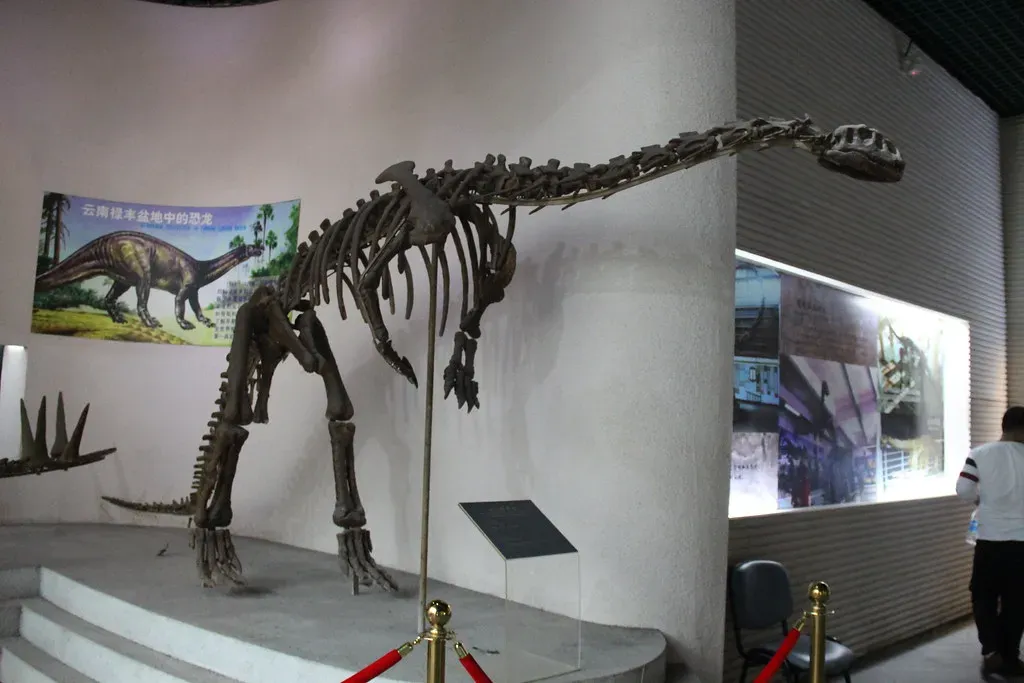
It feels almost wrong to call dinosaurs an evolutionary dead end. They were so dominant, so diverse, so spectacularly adapted to every corner of the Mesozoic world. Yet here we are. Many large-bodied dinosaur clades, including sauropods and many large theropods, were ecologically dominant but phylogenetically terminal after the K-Pg extinction. Only the avian theropod lineage continued. Everything else, from the towering sauropods to the armored ankylosaurs, simply did not make it through.
Topping the list of formidable prehistoric predators, the Tyrannosaurus rex is renowned worldwide as one of the most formidable predators to have ever roamed the Earth. This colossal dinosaur, measuring up to 40 feet in length, possessed a massive head and powerful jaws capable of delivering a devastating bite. Despite their dominance, the question of why Tyrannosaurus rex and other dinosaurs went extinct remains one of paleontology’s most enduring mysteries. The asteroid strike 66 million years ago is the leading explanation, but the story of why some lineages survived and others did not is still being written. In a way, every time you see a bird outside your window, you are looking at the one sliver of dinosaur lineage that made it through.
Conclusion: What These Lost Creatures Teach Us
Every single one of these creatures was, at some point, a success story. They thrived, multiplied, spread across oceans and continents, and ruled their respective eras. Then time, climate, or catastrophe called their bluff. The cold truth about evolution is that it rewards adaptability far more than raw power or specialization.
You might look at Dunkleosteus or Smilodon and think their downfall was almost inevitable in hindsight. Yet these creatures had no way of knowing what was coming. An evolutionary dead end is a lineage that, while sometimes long-lived and ecologically successful in the short term, shows traits or a phylogenetic pattern that make future diversification unlikely or that recently went extinct without leaving descendants. Success today offers no guarantees for tomorrow.
Perhaps the most humbling thought of all is this: every species alive today, including our own, is simply a creature that hasn’t hit its dead end yet. What would you bet on surviving the next great turning point in Earth’s history?