Imagine standing at the mouth of a dark, echoing cave, torch in hand, and realizing that the walls around you hold secrets stretching back nearly two million years. That feeling of standing at the edge of deep time is not just poetic. It is the precise sensation experienced by archaeologists every single field season, on every continent, as they kneel in the sediment and piece together who we truly are. Caves are not just rock and shadow. They are the world’s oldest filing cabinets, preserving bones, tools, fire ash, painted images, and even DNA in ways that open-air sites simply cannot.
You might wonder, with all the technology we have in 2026, whether there is really anything new left to learn from the inside of a mountain. Honestly, the answer is a hard no. Researchers keep pulling extraordinary finds from sites that have been partially studied for decades, rewriting textbooks with every layer of sediment they disturb. So buckle up, because what these caves have already revealed about your own species is nothing short of breathtaking. Let’s dive in.
Wonderwerk Cave: Where Your Family Story Begins
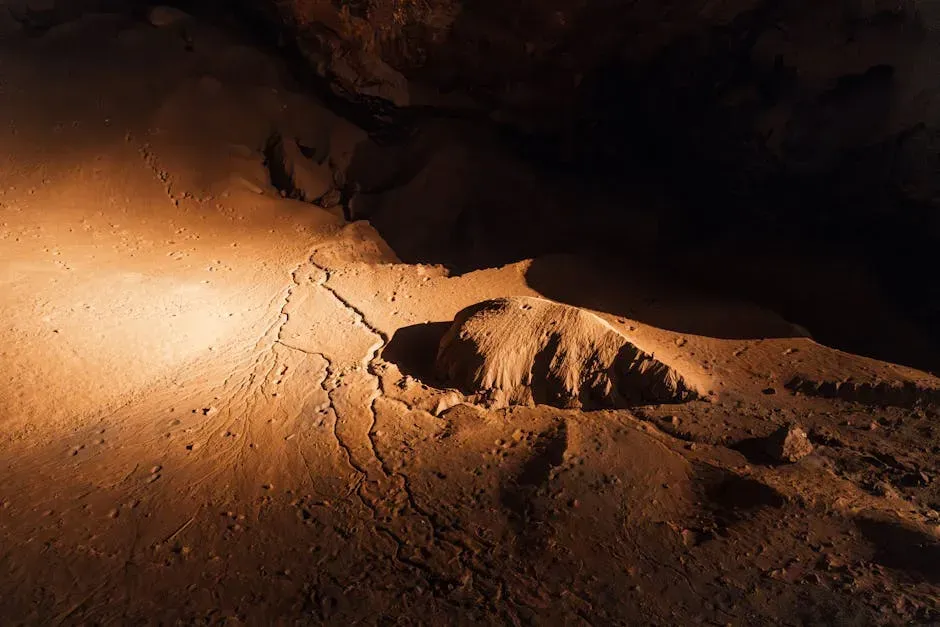
Wonderwerk Cave, located in South Africa’s Kalahari Desert, is one of those rare sites that preserves a continuous archaeological record spanning millions of years. Its very name means “miracle” in Afrikaans, and it has been identified as potentially the earliest cave occupation in the world, and the site of some of the earliest indications of fire use and tool making among prehistoric humans. Let that sink in for a moment. Your ancestors were setting fires and making tools inside this very cave before the concept of a written word was remotely imaginable.
Archaeologists have discovered simple stone tools in the cave that date to roughly 1.8 million years ago. They have also identified ash that suggests human ancestors were cooking with fire as early as one million years ago, and that suspected cooking ash is located nearly 100 feet from the cave’s entrance and contains the remains of bones and plants. Think about that image for a second. Your distant relatives, deep inside a cave, roasting food by firelight. That is not so different from a family barbecue, is it? In addition, archaeologists have dated rock engravings in Wonderwerk Cave to 10,000 years ago, showing the site was not just a one-time stop but a multigenerational home base spanning an almost incomprehensible stretch of time.
The Denisova Cave: A Three-Species Crossroads Hidden in Siberia
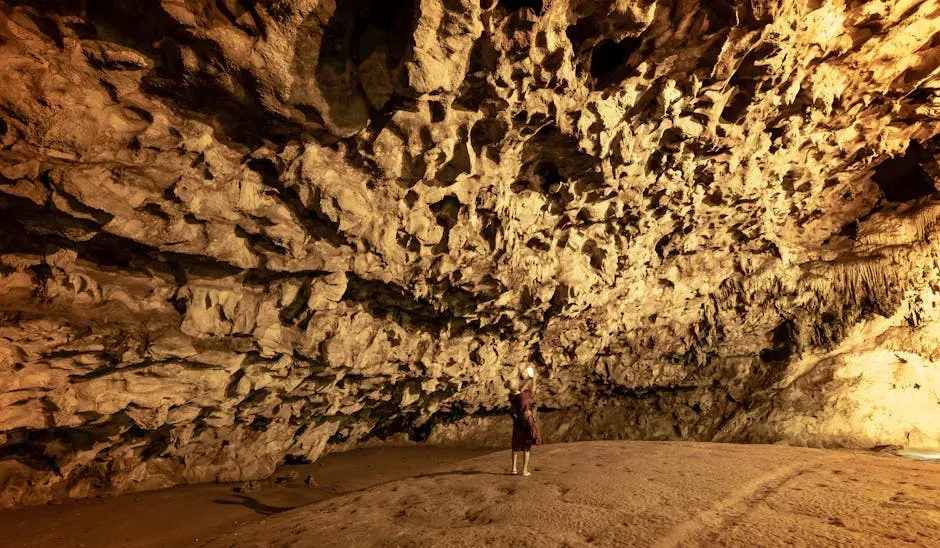
In the foothills of Russia’s Altai Mountains, Denisova Cave is famous as the site where fossil remains of an enigmatic group of archaic humans dubbed the Denisovans were first discovered. It is the only site in the world known to have also been inhabited by their close evolutionary relatives, the Neanderthals, and by early modern humans. You read that correctly. One cave. Three human species. The implications for understanding your own origins are staggering, and scientists are still unpacking them.
Researchers discovered that Denisovans inhabited the cave, on and off, from 250,000 years ago until 60,000 years ago, and were responsible for the earliest stone tools found at the site. Neanderthals first appeared about 200,000 years ago and had disappeared by 40,000 years ago, similar to the time of their disappearance elsewhere in Eurasia. The ancient DNA of modern humans first shows up in sediments deposited between about 60,000 and 45,000 years ago. Perhaps most astonishing of all, a tiny bone fragment recovered from the cave turned out to belong to a young girl nicknamed “Denny.” Denisova 11, as she is formally known, was found to be the hybrid offspring of a Neanderthal mother and a Denisovan father, making her the first confirmed first-generation hybrid between two distinct human species ever found.
The Atapuerca Cave System: Europe’s Oldest Human Story
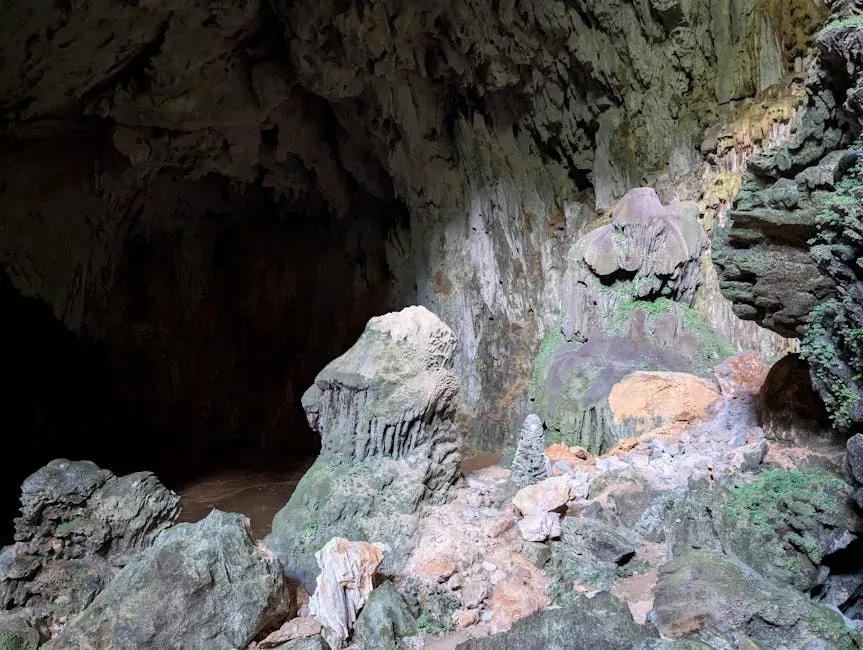
A spectacular cave system near the Spanish town of Atapuerca has provided paleontologists with a rich fossil record of the earliest human beings in Europe. The findings have revealed priceless information about the appearance and way of life of our human ancestors from almost one million years ago to the present day, and the discovery was fortuitously made when a railway cutting was driven through the site in the late 1890s. You could argue this is the most important accidental discovery in European prehistory, sparked not by a scientist but by a railway engineer who had no idea what lay just beneath the limestone surface.
Among the finds were remains of about 30 skeletons, the largest hominin collection in the world, of the human species Homo heidelbergensis, a direct ancestor of the Neanderthals. A second site, Gran Dolina, revealed layers of sediment rich with fossils and stone tools. The cave system also delivered one of the most unsettling findings in all of paleoanthropology. At the Gran Dolina cave site, archaeologists found the bones of six human ancestors mixed in with stone tools and the remains of deer, bison, and rhinoceros, and researchers suggest these fossils dating back 780,000 years may be early evidence of cannibalism among human ancestors. Whether that cannibalism was ritualistic or purely practical remains hotly debated.
Cave Art: When Your Ancestors Switched on Their Imagination
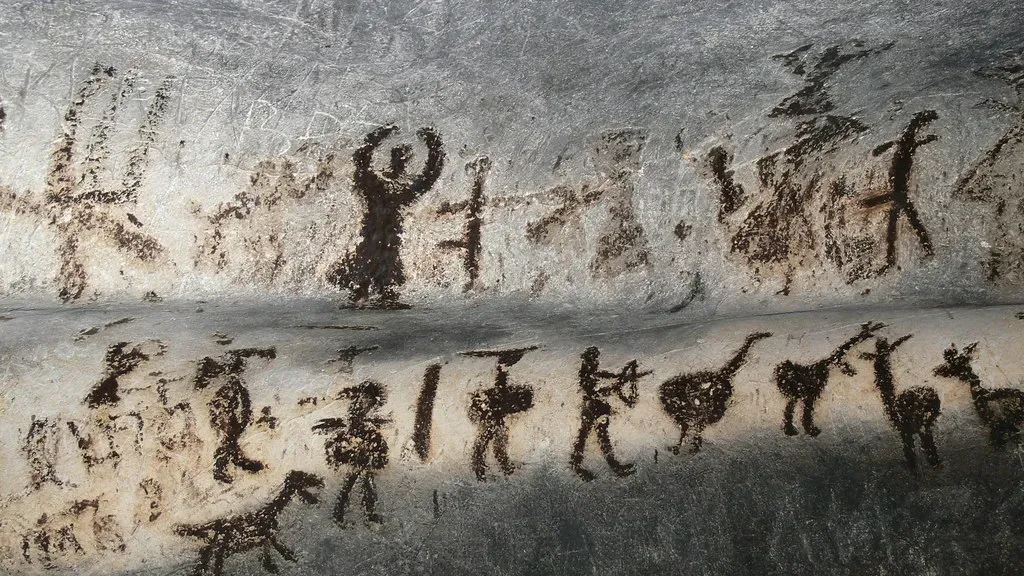
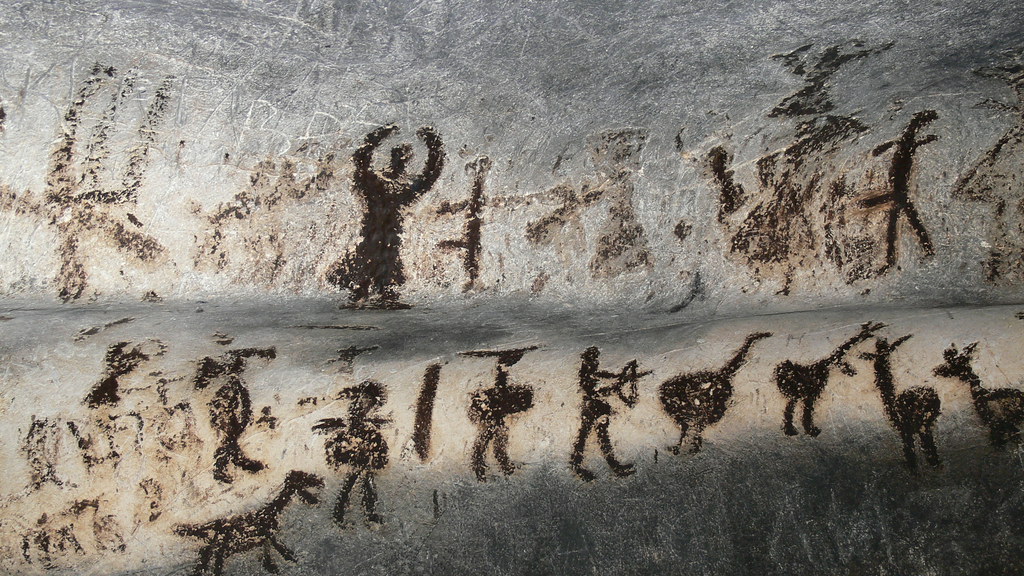
Images painted, drawn, or carved onto rocks and cave walls, found across the globe, reflect one of humans’ earliest forms of communication, with possible connections to language development. The earliest known images often appear abstract and may have been symbolic, while later ones depicted animals, people, and hybrid figures that perhaps carried some kind of spiritual significance. Think of cave art as the world’s first social media. Your prehistoric ancestors were sharing what mattered to them on the only canvas available: rock.
Using uranium-series dating, researchers identified a faded 67,800-year-old hand stencil in the Liang Metandundo cave on Muna Island, off the coast of Sulawesi, Indonesia. That is currently the oldest known cave art on Earth. Cave paintings in northern Spain, represented by red non-figurative symbols found in caves of Maltravieso, Ardales, and La Pasiega, predate the arrival of modern humans in Europe by at least 20,000 years and thus must have been made by Neanderthals rather than modern humans. This is a genuinely mind-bending revelation. It means the capacity for symbolic thought was not uniquely yours as a modern human. Your Neanderthal relatives were doing it too.
The Moroccan Cave Connection: Closing in on a Common Ancestor
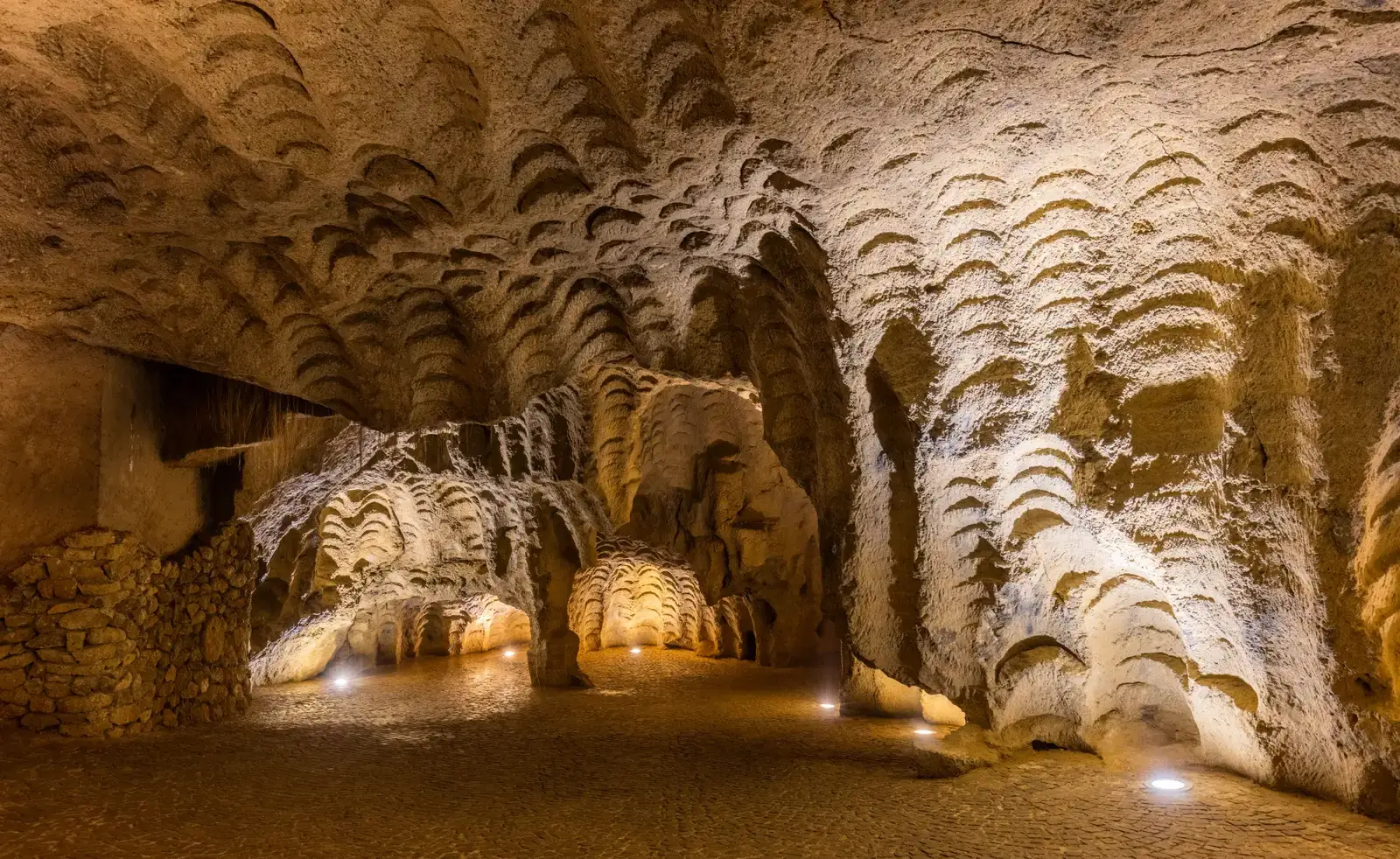
Fossils from a Moroccan cave have been dated with remarkable accuracy to about 773,000 years ago, thanks to a magnetic signature locked into the surrounding sediments. In the world of paleoanthropology, that kind of precision is rare and enormously valuable. Every date like this helps researchers triangulate exactly where and when the branches of your family tree split apart and diverged.
Remains found at Grotte a Hominides, a cave in Casablanca, Morocco, include a hominin femur bearing gnawing marks from a large carnivore, and Moroccan and French researchers believe these bones may represent the last common ancestor of modern humans, Neanderthals, and Denisovans. This would make it the closest thing researchers have ever found to the root of your entire evolutionary tree. The collection of bones includes a nearly intact adult jawbone, half of another adult jaw, a child’s jawbone, several vertebrae and individual teeth, and these were different from fossils at nearby Jebel Irhoud, which at 300,000 years old are the earliest known remains of Homo sapiens. It is hard to say for sure, but many researchers believe these Moroccan caves may ultimately prove to be one of the single most important discovery sites in all of human evolutionary science.
Neanderthal Technology Revealed: More Than You Were Ever Taught
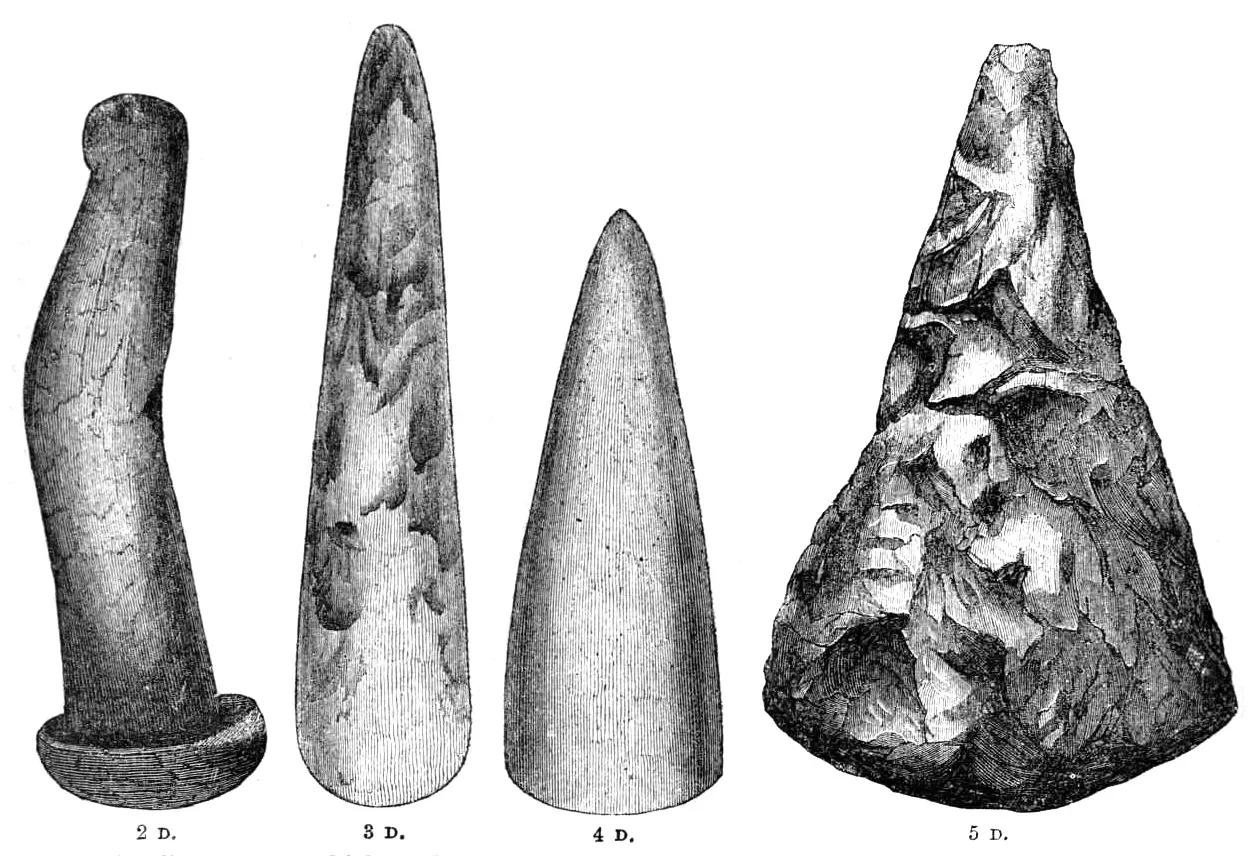
Here is the thing about Neanderthals. For generations, they were pictured as dim-witted brutes, knuckle-dragging and barely surviving. Caves are now dismantling that stereotype piece by piece. In 2024, an international team described a pit-like hearth, around 60,000 years old at Vanguard Cave in Gibraltar, that Neanderthals used to make plant tar for glue. Rather than simply burning birch bark in the open, the structure shows that they heated buried plant fragments without oxygen to draw out sticky resin. That is not the behavior of a primitive creature. That is controlled chemistry.
The tar helped Neanderthals haft stone points onto wooden shafts, turning local rock and wood into reliable spears for ambush hunting on coastal plains. The site only survived because a fast-moving sand dune sealed it, along with pollen and spores that preserve a snapshot of the outside environment. You would not have guessed it, but a shifting sand dune is what preserved one of the most important windows into Neanderthal intelligence ever found. In practical terms, a single hearth links plant ecology, animal behavior, and sophisticated technology in one small patch of cave sediment. That level of multi-layered information from one ancient fireplace is almost poetic in its richness.
Ancient DNA from Cave Sediments: A Revolution in Reading the Past
Neanderthals and modern humans overlapped and shared ideas for about 50,000 years in what is now Israel, according to new research. Caves in the Levant, Israel specifically, have become ground zero for understanding how different human species actually interacted on a day-to-day level. The evidence there suggests it was not always war and displacement. Sometimes it was cooperation and cultural exchange.
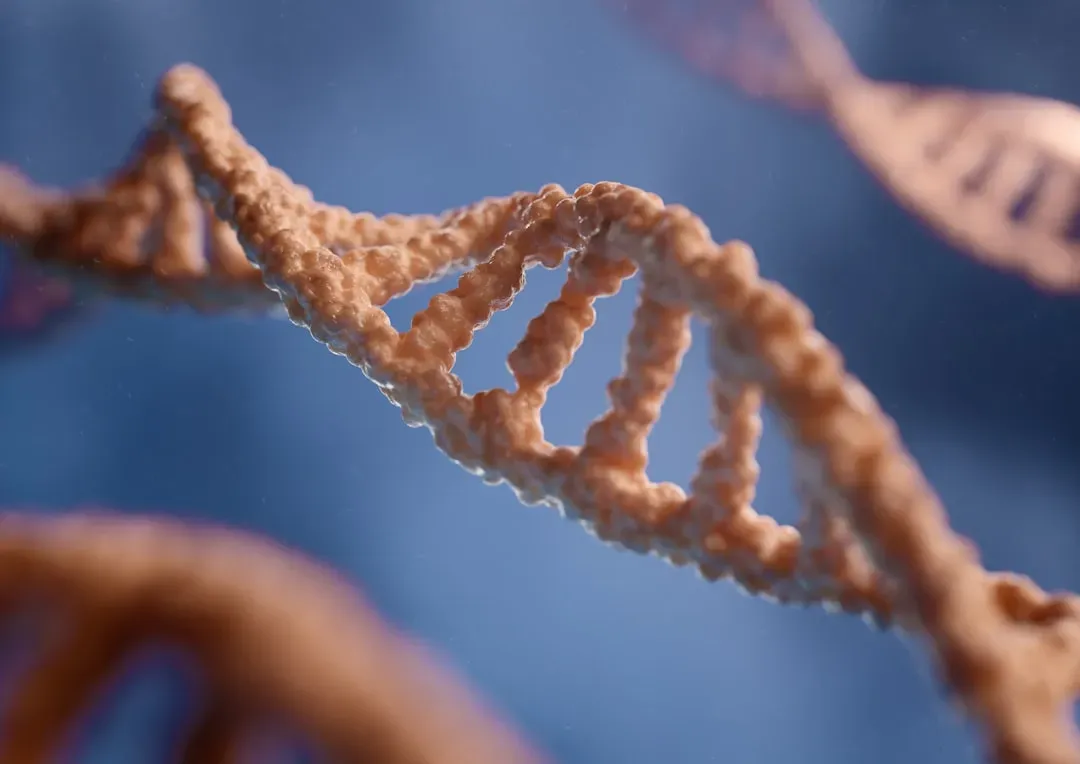
Researchers suggest that different groups of Homo not only coexisted in the mid-Middle Paleolithic in the Levant, but shared a number of key practices, exchanging innovations such as burial rites and the symbolic use of ocher for about 50,000 years. Ocher for body decoration, burial rituals passed between species, ideas crossing what we once thought were impenetrable biological boundaries. Sherpas and other Tibetans live at extreme altitudes and can breathe easily. The specific gene that helps them do this is thought to have been inherited through an interbreeding event with Denisovans around 40,000 years ago, and the adaptation allows them to use smaller amounts of oxygen more efficiently. This means the caves where Denisovans once lived did not just preserve their bones. They preserved a genetic legacy that is literally still helping living human beings survive today.
Conclusion: The Caves Are Still Speaking – Are You Listening?
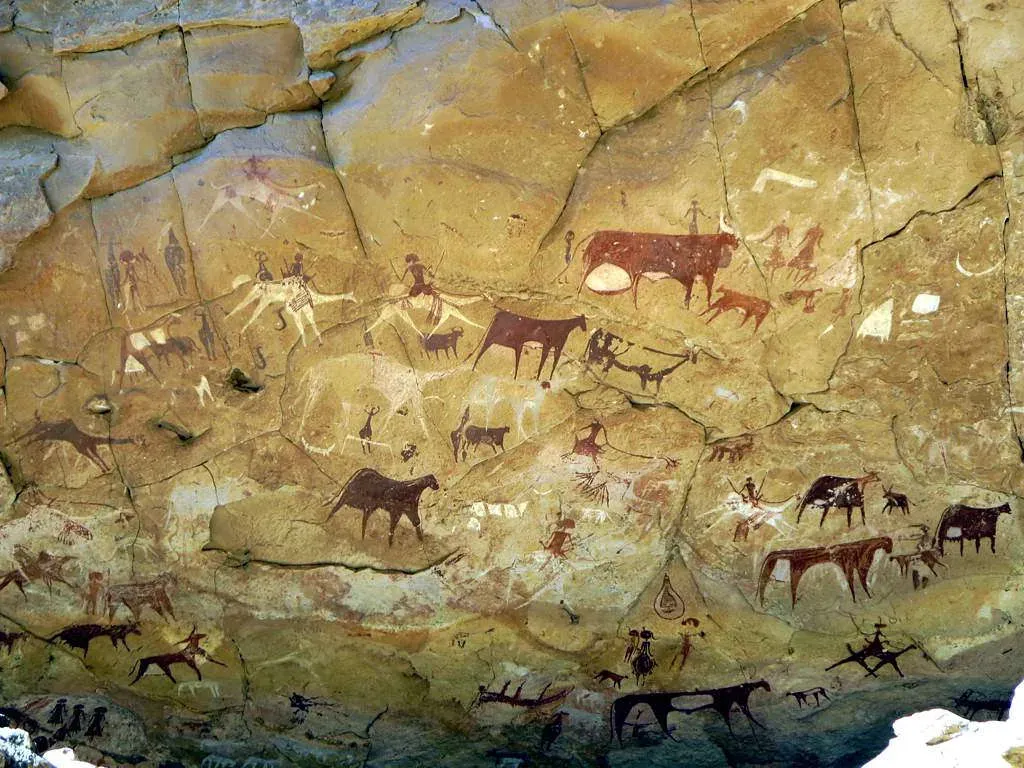
Our early human ancestors left behind archaeological clues wherever they went, but the ones they left in caves are often particularly well-preserved. That simple fact has made caves the single most powerful archive of human prehistory available to science. Every field season, every layer of sediment, every fragment of bone extracted with fine brushes and tweezers adds another sentence to the longest story ever written.
What these dark, silent chambers have told you so far is that you are the product of an extraordinarily complex, interwoven, and resilient lineage. Your ancestors painted by firelight, crafted glue from plants, buried their dead, swapped innovations with other species, and somehow survived ice ages, volcanic eruptions, and the relentless pressure of extinction. They were not simple. They were not brutish. They were, in many ways, remarkably like you. The caves knew all of this long before we did.
The real question is not what the caves have revealed. It is how much more they are still hiding. What do you think is waiting to be found?