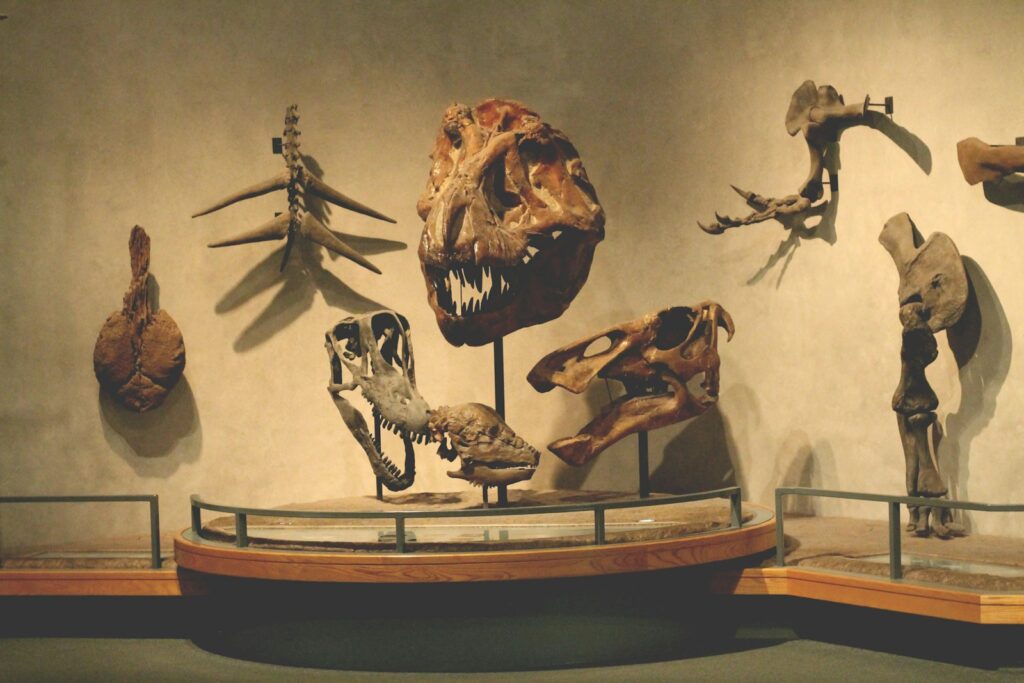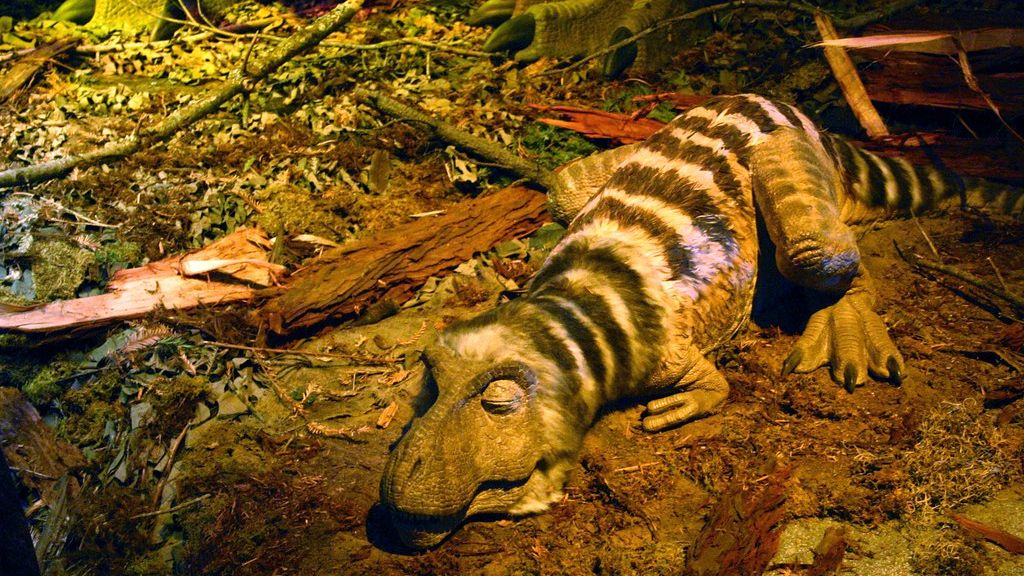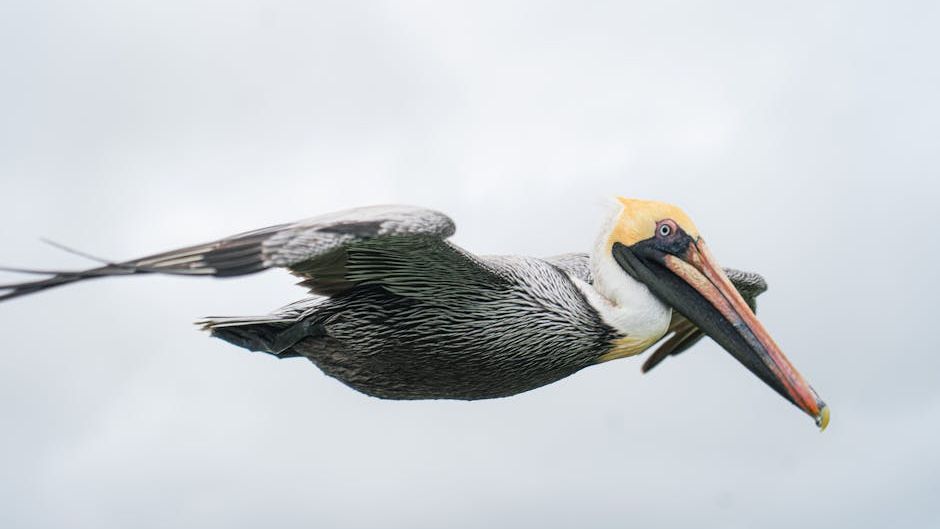
Every time you watch a bird launch itself effortlessly into the sky, you’re witnessing the end result of one of the longest, most complicated engineering projects in the history of life on Earth. It wasn’t a single evolutionary leap. There was no dramatic “before and after” moment. Instead, what you see soaring above your head today is the product of more than 150 million years of incremental tinkering, failed experiments, genetic rewiring, and extraordinary adaptation.
Honestly, I think most people assume the story of bird flight is fairly simple. Dinosaurs eventually grew wings, wings helped them fly, done. But the deeper you look, the stranger and more jaw-dropping it gets. Fossils keep rewriting the script, new brain scanning techniques are revealing secrets hidden inside ancient skulls, and researchers now suspect that flight may have evolved not just once, but multiple times, in completely different ways. So let’s dive in, because this story is wilder than you’d expect.
Dinosaurs Were the Original Birds: The Theropod Connection
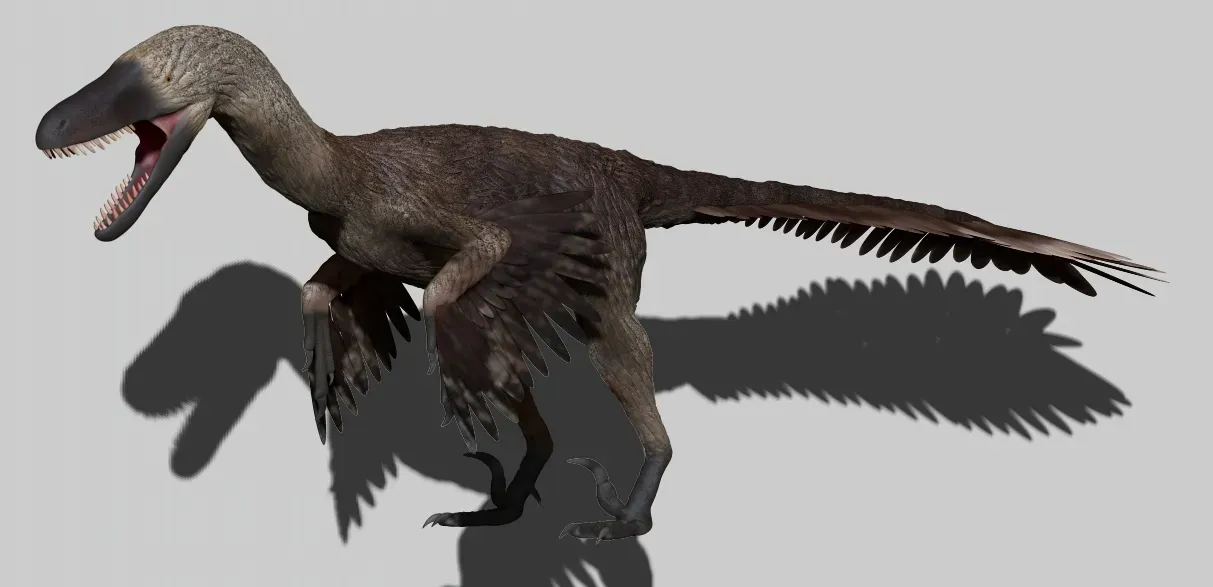
You might find it surprising that when you look at a sparrow on your windowsill, you’re technically looking at a dinosaur. The evolution of birds traces their origins back to small carnivorous dinosaurs known as theropods. This isn’t a loose metaphor or a casual comparison. It is the scientific consensus backed by decades of fossil evidence, anatomical analysis, and genetic research.
Birds evolved from theropod dinosaurs during the Jurassic period, around 165 to 150 million years ago, and their classic small, lightweight, feathered, and winged body plan was pieced together gradually over tens of millions of years of evolution rather than in one burst of innovation. Think of it less like a sudden invention and more like a renovation project that stretched across geological ages, adding one feature at a time.
Fossil evidence also demonstrates that birds and dinosaurs shared features such as hollow, pneumatized bones, gastroliths in the digestive system, nest-building, and brooding behaviors. These shared traits weren’t coincidences. They were inherited, passed down through lineages, and slowly refined over millions of years. The bird feeding at your backyard feeder today carries biological blueprints drafted during the age of the dinosaurs.
Archaeopteryx: The Fossil That Changed Everything
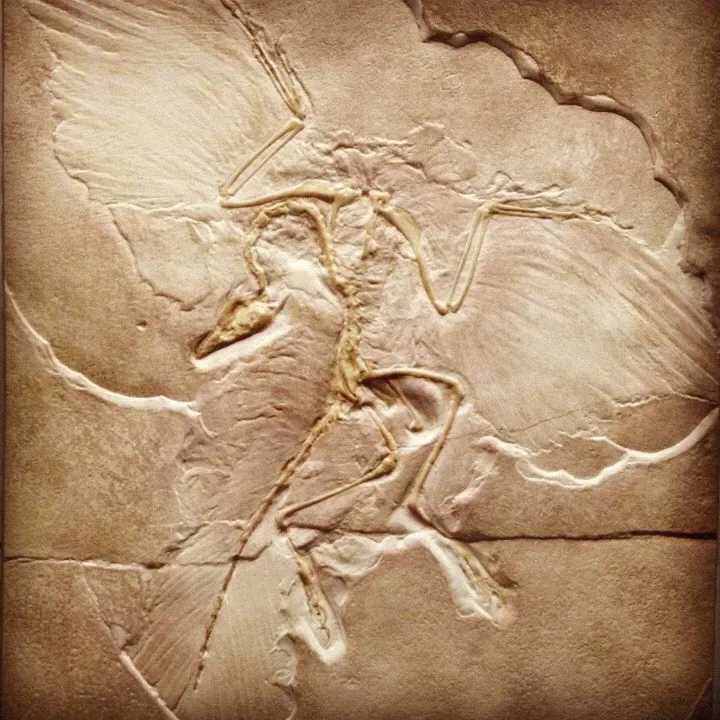
The earliest known bird, Archaeopteryx, emerged during the Late Jurassic period, around 150 million years ago, demonstrating both avian and dinosaur characteristics. This transitional species possessed feathers and the ability to fly, yet retained features like a toothed jaw and a long bony tail, linking it to its dinosaur ancestors. Finding a creature stuck so perfectly between two worlds shook the entire scientific community when the first specimen surfaced in Germany in 1861.
From its fortuitous discovery shortly after Darwin published his revolutionary theory to its continuing relevance in modern research, this remarkable creature taught us that evolutionary transitions occur through a series of functional intermediates rather than sudden leaps. It demonstrated that birds evolved from dinosaurs, that feathers predated flight, and that complex adaptations develop gradually through processes like exaptation. In other words, nature tends to repurpose existing tools rather than inventing new ones from scratch.
In March 2018, scientists reported that Archaeopteryx was likely capable of flight, but in a manner substantially different from that of modern birds. Its flight was probably clumsy, awkward, and nothing like the streamlined aerial mastery you see in a falcon or a swift today. Think of it as learning to drive in an old beaten-up car with no power steering compared to a modern vehicle. Functional, but barely.
Feathers Came Long Before Flying Ever Did
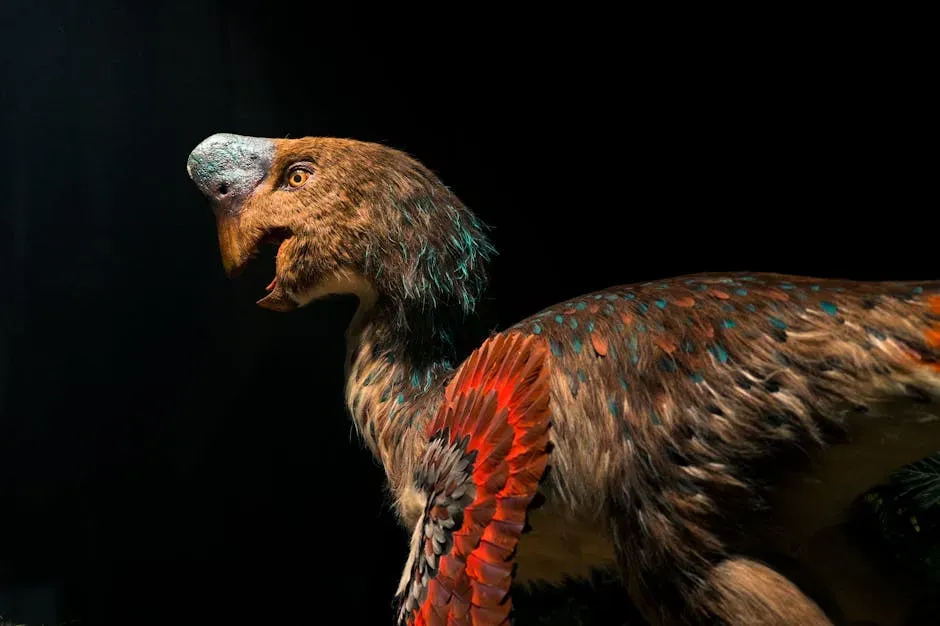
Here’s the thing that trips most people up: feathers were not invented for flight. Not even close. The discovery of filamentous and pennaceous feathers on flightless non-avian theropods provides clear evidence that feathers evolved before the origin of flight and that the first feathers did not serve an aerodynamic function. They were showing up on creatures that had absolutely no business being airborne.
Proto-feathers likely marked the first key step in feather evolution, initially providing thermal insulation and ornamentation before being progressively modified under natural selection to give rise to the more complex structures that enabled flight. It’s almost poetic when you think about it. A structure that started as a kind of prehistoric coat eventually became one of nature’s most elegant flight tools.
Only highly evolved feather shapes, namely the asymmetrical feather with a closed vane, could have been used for flight. Proposing that feathers evolved for flight now appears to be like hypothesizing that fingers evolved to play the piano. Rather, feathers were “exapted” for their aerodynamic function only after the evolution of substantial developmental and structural complexity. They evolved for some other purpose and were then exploited for a different use. Evolution, it turns out, is the ultimate opportunist.
The Great Debate: Did Birds Fly Up From the Ground or Glide Down From the Trees?
This is one of paleontology’s longest-running arguments, and it’s still not resolved. Two main hypotheses regarding the evolution of flight suggest that early birds either glided from trees or developed lift while chasing prey on the ground. Both camps have compelling evidence, passionate defenders, and very real frustrations with the other side.
In the Pouncing Proavis model, it is assumed that flight evolved from ambush predators pouncing on prey from above. The Cursorial model assumes that flight started with running dinosaurs making short leaps and evolving proto-wings for greater control over those leaps. The Arboreal model assumes birds evolved from tree-dwelling gliders, who gradually increased their control and flight distance. So you have at least three competing origin stories. It’s a little like asking how humans first learned to swim and getting three completely different answers from three different archaeologists.
Analysis of kinematics and dynamics of a reconstructed Caudipteryx robot on a test rig revealed that the flapping motion of the forearms of feathered dinosaurs was developed as they were only able to run on the ground when it was long before they could actually fly in the sky. This study supports the inference that the performance of powered flapping flight was evolved long before the feathered dinosaurs could fly. The body was learning the motion of flight millions of years before it actually got off the ground.
The Brain Had to Evolve Before the Wings Could Work
You can have the most perfect wings in the world, but without a brain sophisticated enough to coordinate them, you’re going nowhere. “Powered flight among vertebrates is a rare event in evolutionary history,” says Amy Balanoff, assistant professor of functional anatomy and evolution at the Johns Hopkins University School of Medicine. Her research changed how we understand the neurological side of this story entirely.
Balanoff identified and traced a sizable increase in cerebellum volume to some of the earliest species of maniraptoran dinosaurs, which preceded the first appearances of powered flight among ancient bird relatives, including Archaeopteryx. Balanoff and her team also found evidence in the endocasts of an increase in tissue folding in the cerebellum of early maniraptorans, an indication of increasing brain complexity. The brain was physically reshaping itself in preparation for something the body hadn’t yet fully achieved.
Looking at the fossil records, there was a substantial increase in cerebellar size in maniraptoran dinosaurs that directly preceded the evolution of flight. These findings suggest that the evolutionary groundwork for flight may have already been laid long before the necessary postcranial flight apparatus was in place. In short, the mind got there first. The skeleton simply had to catch up.
The Skeleton Became a Masterpiece of Lightweight Engineering
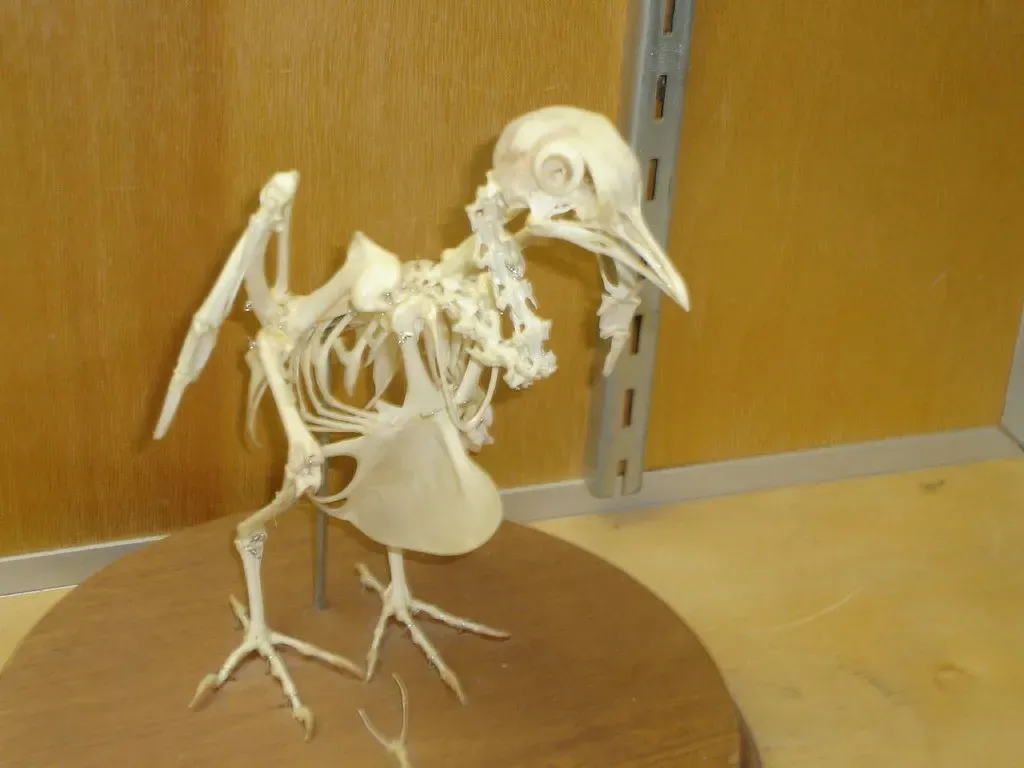
Getting a body into the air requires solving a fundamental physics problem: you need to be strong enough to generate lift, but light enough not to be dragged back down. Unlike the denser, marrow-filled bones of mammals, many avian bones are pneumatic, hollow and connected to the respiratory system. This adaptation lightens the skeleton for flight while also weaving the act of breathing into the very framework of the body. Air flows not just in and out of the lungs but circulates through the air sacs and pneumatic bones, complementing a system that powers the high-energy demands of flight.
The engineering here is genuinely impressive. Evolution created in the avian skeleton a model of parsimony, lightening where possible, adding weight and strength where required. The results can be quite spectacular: the skeleton of a frigatebird with a seven-foot wingspan weighs less than the feathers covering it. That’s not a metaphor. That’s real, measurable biology.
Limb bone hollowing occurred progressively throughout bird evolution as pneumatization systems became more sophisticated. Early bird fossils show partially hollow bones that evolved into the extensive pneumatic networks found in modern birds. Bone wall thickness decreased from 2 to 3 millimetres in primitive species to just 0.5 to 1 millimetre in advanced fliers while maintaining structural strength through internal strut systems. It took tens of millions of years to shave off those millimetres. Natural selection is patient in ways that genuinely defy human comprehension.
Flight May Have Evolved Multiple Times – and Not Always With Feathers
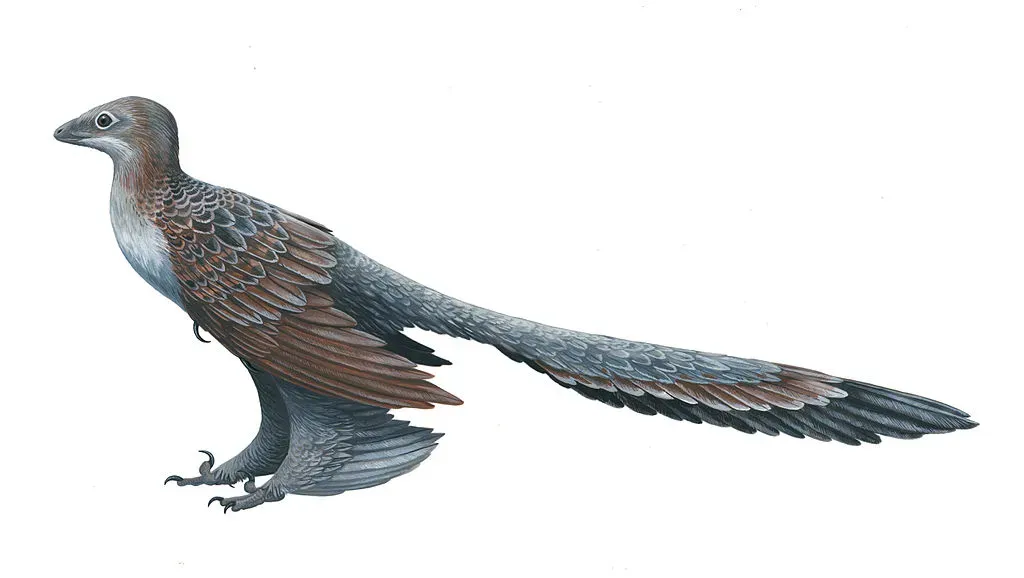
I know it sounds crazy, but the possibility that flight independently evolved more than once in the dinosaur lineage is now taken very seriously by researchers. Flight seems to have evolved in dinosaurs multiple times. Probably four different independent occurrences of flight evolved in dinosaurs, and each time it evolved differently. In birds, it evolved with just wings on the forelimbs. In the microraptor lineage, it evolved with wings on the arms and the legs.
There is another bizarre lineage called the scansoriopterygidae, which does not use feathers at all and flies with wings more like that of a flying squirrel or a bat, basically wings supported by elongate digits in the hand and formed by flaps of skin, called patagia. Nature, it seems, had several ideas about how to get a dinosaur airborne, and wasn’t afraid to run multiple experiments at once.
The absence of tertials in all nonflying dinosaurs is one piece of evidence that supports the idea that flight evolved multiple times. Each evolutionary pathway left behind its own unique set of clues. The fossils, when read carefully, begin to tell a story that’s far less linear and far more experimental than we once believed.
After the Mass Extinction: The Explosion of Modern Birds
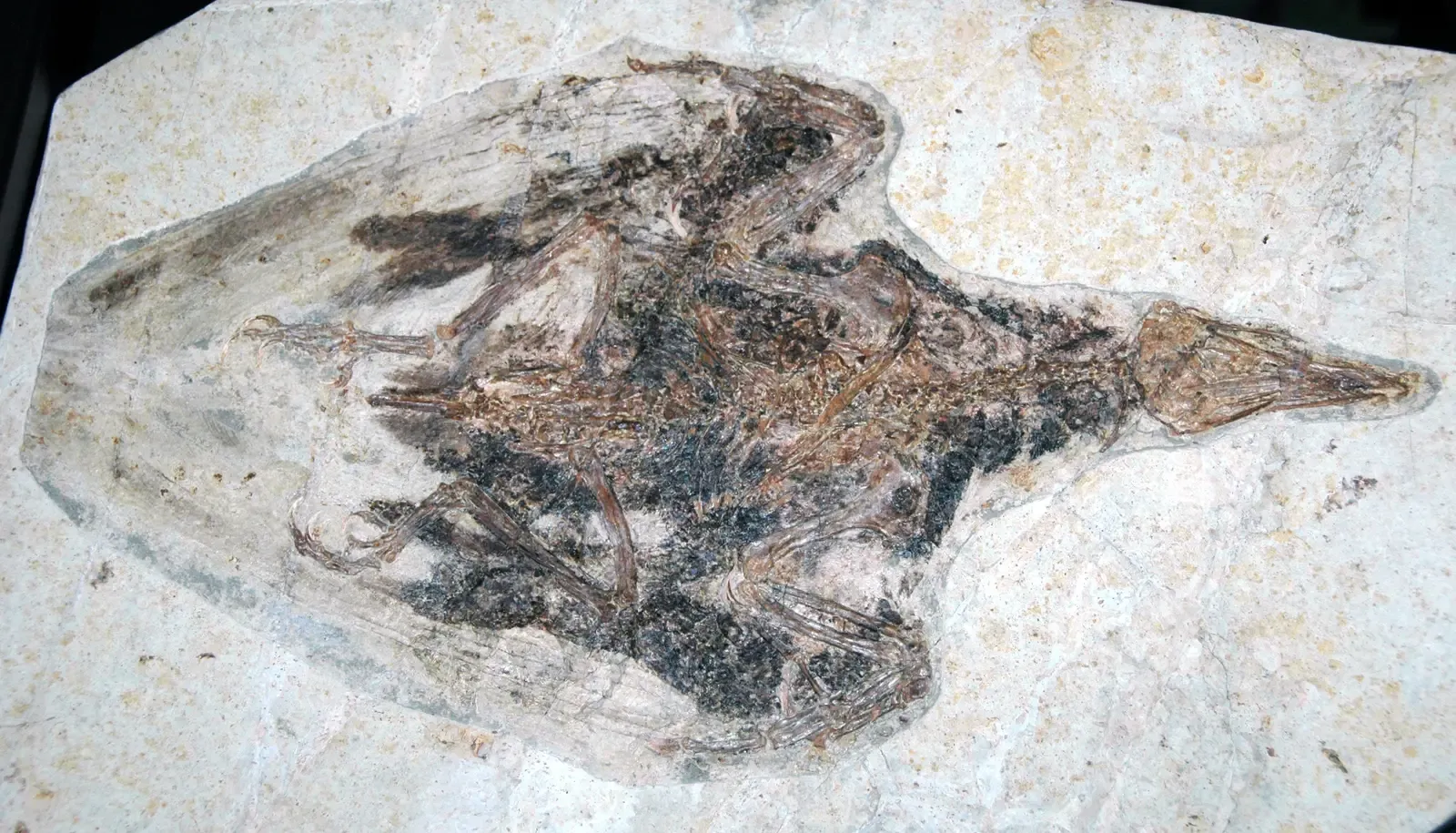
Around 66 million years ago, the asteroid impact that ended the age of non-avian dinosaurs also wiped out a massive proportion of all life on Earth. Yet birds survived. Early birds diversified throughout the Jurassic and Cretaceous, becoming capable fliers with supercharged growth rates, but were decimated at the end-Cretaceous extinction alongside their close dinosaurian relatives. After the mass extinction, modern birds explosively diversified, culminating in more than 10,000 species distributed worldwide today.
It is agreed that modern birds originated in the Cretaceous and that the split between Galloanserae and Neoaves occurred before the Cretaceous-Paleogene extinction event, but there are different opinions about whether the radiation of the remaining neognaths occurred before or after the extinction event. Even in survival, the story is tangled. Science has still not reached full agreement on exactly when the great diversification happened.
A specimen from Spain with feather impressions shows the presence of an alula, a tuft of feathers on the first digit that is a key to maneuverability at slow speeds and is found in all modern birds. This 115-million-year-old bird, named Eoaluluavis, or “dawn alula bird,” represents the oldest record of modern flight. Even within the survivors, evolution never really stopped. Every generation was another tiny revision to the grand design.
Conclusion: A Story Written in Stone, Bone, and Sky
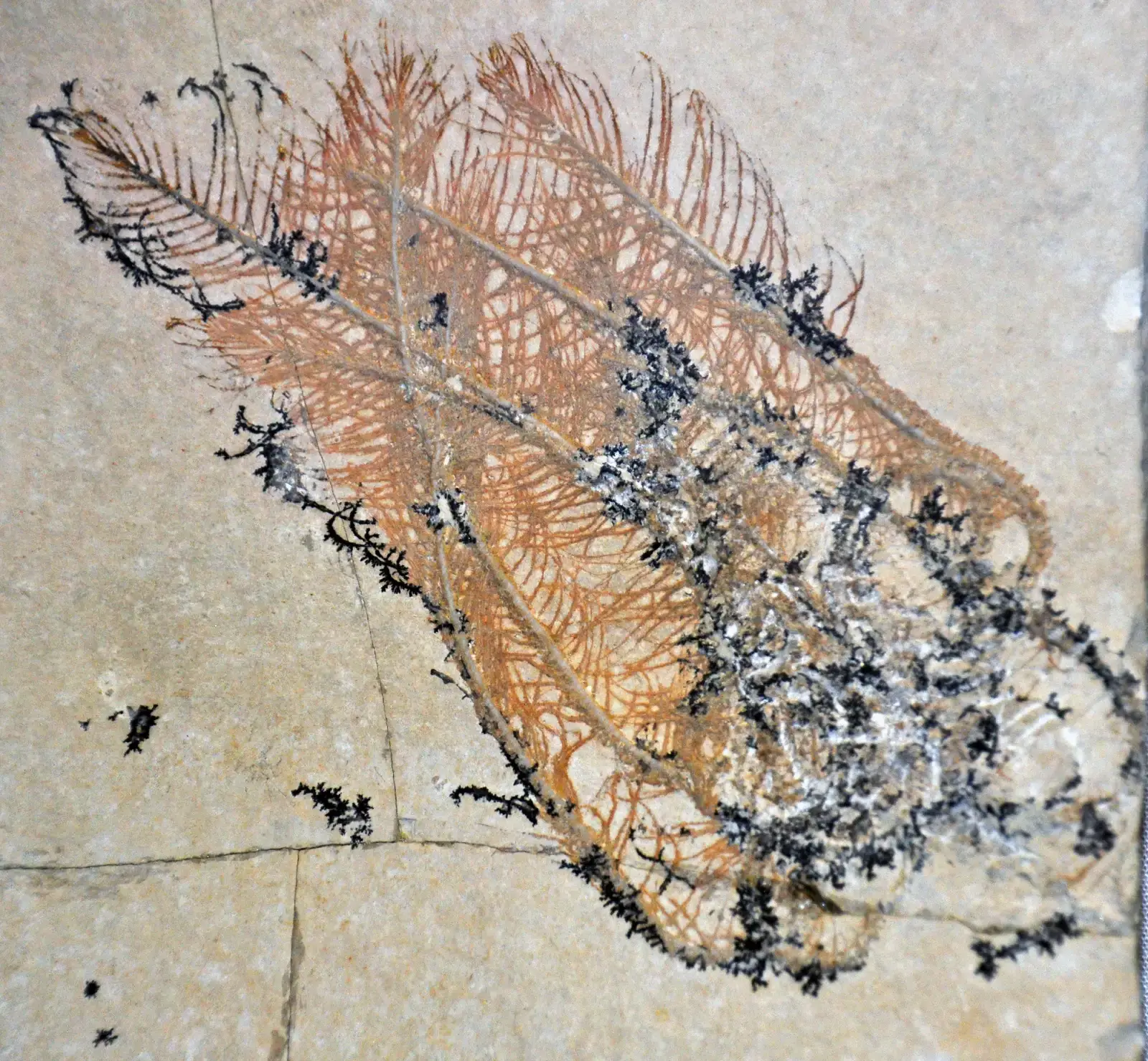
The evolution of bird flight is not a neat, linear narrative with a clean beginning, middle, and end. It’s a messy, overlapping, endlessly surprising saga that stretches across hundreds of millions of years. Each new fossil discovery, each brain scan, each genetic study peels back another layer and reveals something unexpected hiding underneath.
What makes it truly remarkable is that this ancient story isn’t over. Each breakthrough brings new questions: Were feathers first for warmth or courtship? How many times did flight evolve or get lost? Which dinosaurs sang before they flew? The answers are still out there, waiting in limestone and amber and the unexplored corners of museum collections.
Every bird you see today is a living archive of this unimaginably long journey, a warm-blooded, feathered reminder that evolution is not a finished project but a process still very much in motion. The next time you watch a bird take off, pause for a second. You’re not just watching flight. You’re watching 150 million years of history fold its wings and launch itself into the air. What part of this ancient story surprised you the most?