Imagine you are standing at the edge of the ocean, gazing out at its endless, glittering surface. What you are actually looking at is the roof of a largely unexplored world, one that stretches nearly eleven kilometres straight down into complete darkness. Beneath that surface lives a staggering variety of creatures, many of which science has never formally named, photographed, or even glimpsed. Some of those creatures, as it turns out, have been quietly surviving down there since long before the dinosaurs walked the Earth.
What is even more astonishing is that, in 2026, we still know remarkably little about the ocean’s depths. Every single time a research submarine descends into the abyss, it seems to bring something entirely new to the surface. We are not talking about a species here or there. We are talking about dozens, sometimes hundreds, of entirely unrecorded life forms discovered on a single expedition. So, let’s dive in.
The Staggering Scale of What You Still Do Not Know
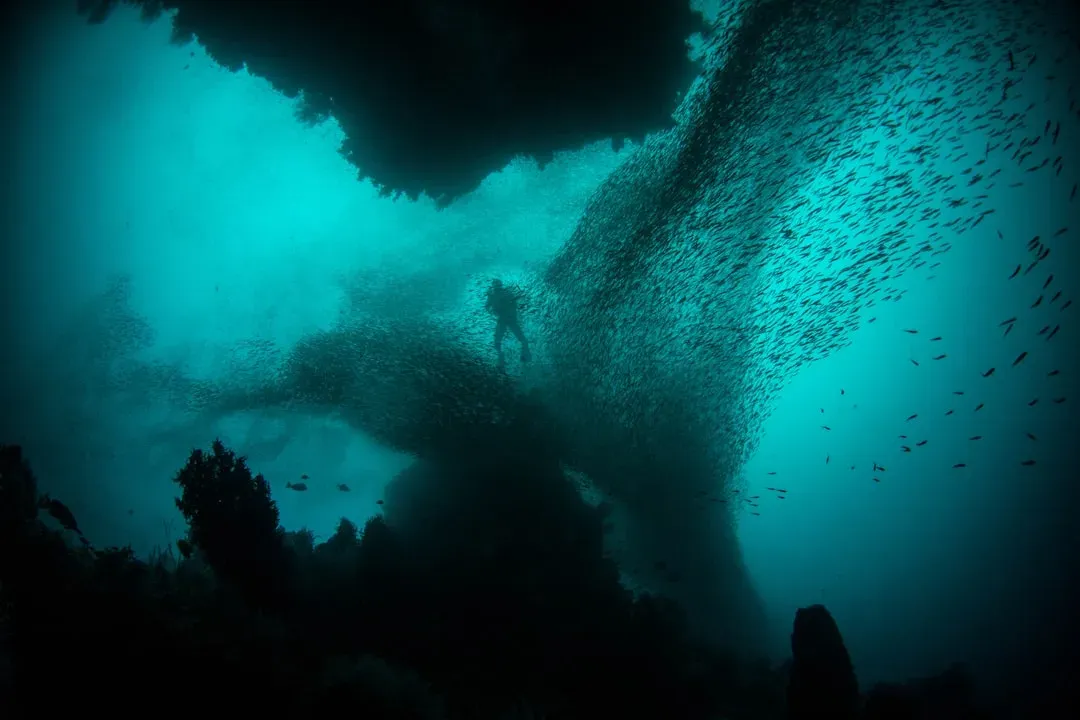
Here is the thing that tends to stop people cold: scientists estimate that ninety-one percent of ocean species have yet to be classified, and that more than eighty percent of the ocean is unmapped, unobserved, and unexplored. Think about that for a moment. The largest ecosystem on Earth, covering roughly seventy percent of the planet’s surface, is essentially terra incognita. It is like having a library with millions of books and having read only a handful of them.
Humans have directly observed less than a tiny fraction of the deep ocean seafloor, and since more than ninety percent of the ocean is classified as deep ocean, the vast majority of it remains completely unexplored. Scientists estimate that up to two million species call the ocean home, yet we have identified only between ten and twenty-five percent of them. This is a race against time, as some species may disappear before we even get the chance to name them.
The Coelacanth: A Living Ghost from Prehistory
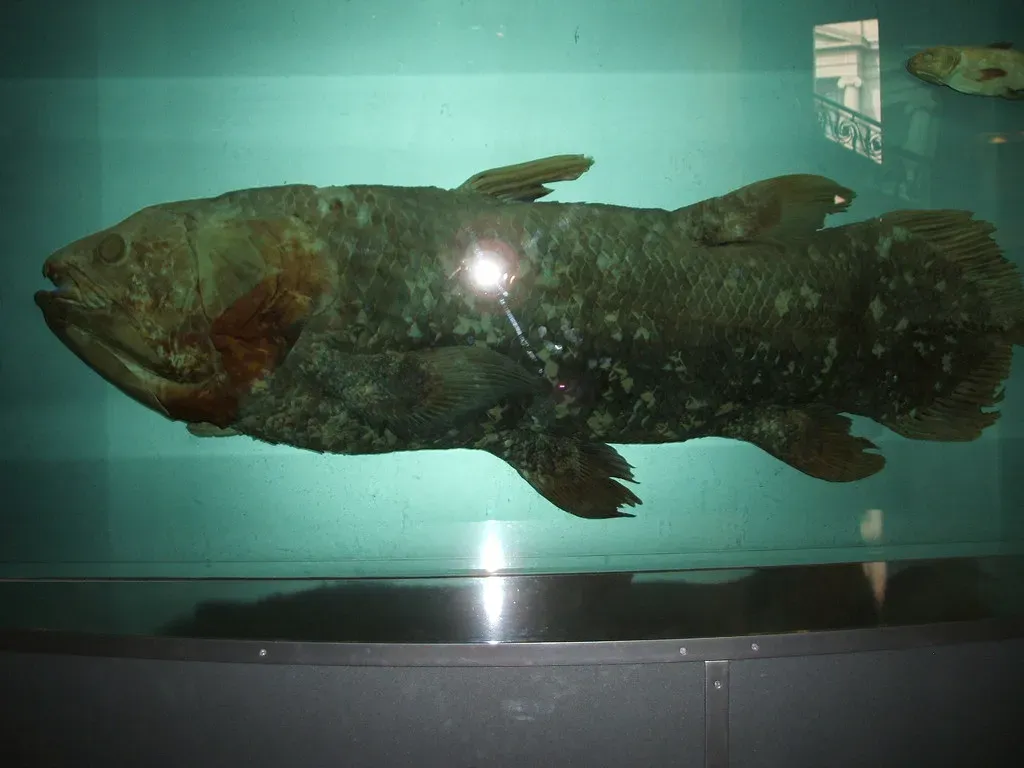
If you want one single example that makes the whole idea of hidden prehistoric ocean life feel viscerally real, look no further than the coelacanth. Well-represented in fossil deposits from as early as the Devonian period, more than four hundred and ten million years ago, they were thought to have become extinct in the Late Cretaceous, around sixty-six million years ago. Then, in 1938, one turned up in a fisherman’s catch off South Africa, very much alive.
Coelacanths live as deep as seven hundred metres below the sea surface, and the fish looks remarkably similar to its fossil relatives from three hundred million years ago. Researchers speculate that the coelacanth’s relatively unchanged deep-sea habitat, and an apparent lack of predation over thousands to millions of years, means this ancient fish simply did not need to change much to survive. Honestly, it is one of the most humbling discoveries in scientific history. A creature that outlasted the dinosaurs, hiding in the dark.
Ancient Survivors You Would Never Expect to Find Alive
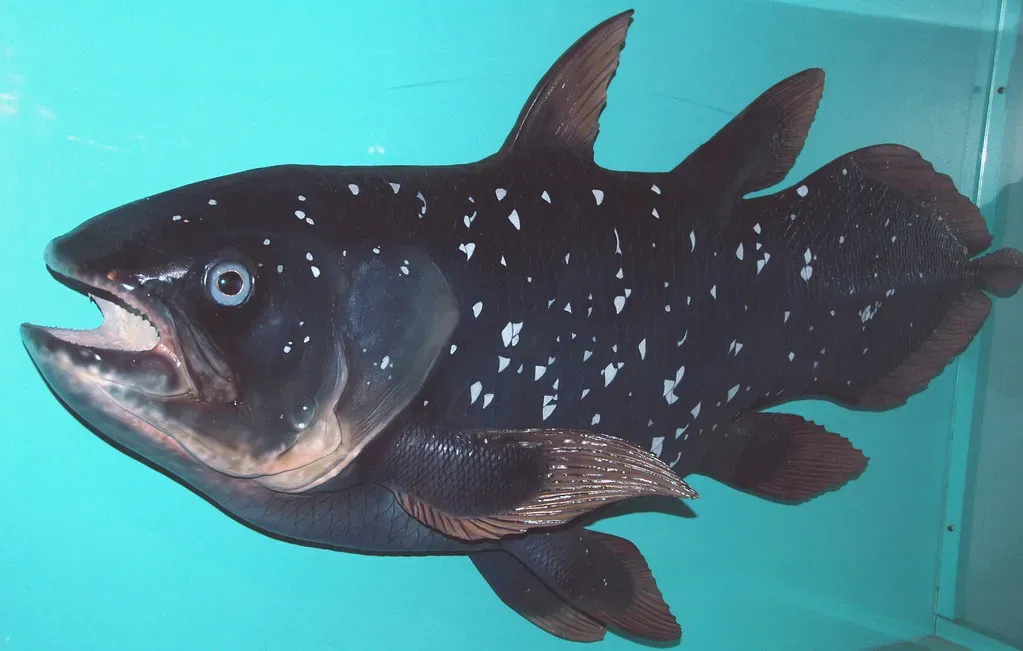
The coelacanth is far from the only prehistoric holdout still swimming the deep. The nautilus is a true prehistoric relic of the ancient seas, with a history dating back five hundred million years. Jellyfish, with their ancient lineage, have floated through the ocean’s history for over five hundred million years, and though their soft structures make fossilization rare, their existence is a testament to their extraordinary adaptability.
The lamprey is a parasitic fish that has survived four major evolutionary extinctions in their three hundred and sixty million years of swimming the ocean. Dating back three hundred million years, hagfish are one of the oldest living vertebrate relatives, living by clearing up decaying matter from deep seabeds and maintaining the surrounding ecosystem. These are not marginal, obscure creatures either. They are active, successful animals doing exactly what their ancient ancestors did, long before the continents took their current shape.
Record-Breaking Modern Discoveries That Rewrite the Rules
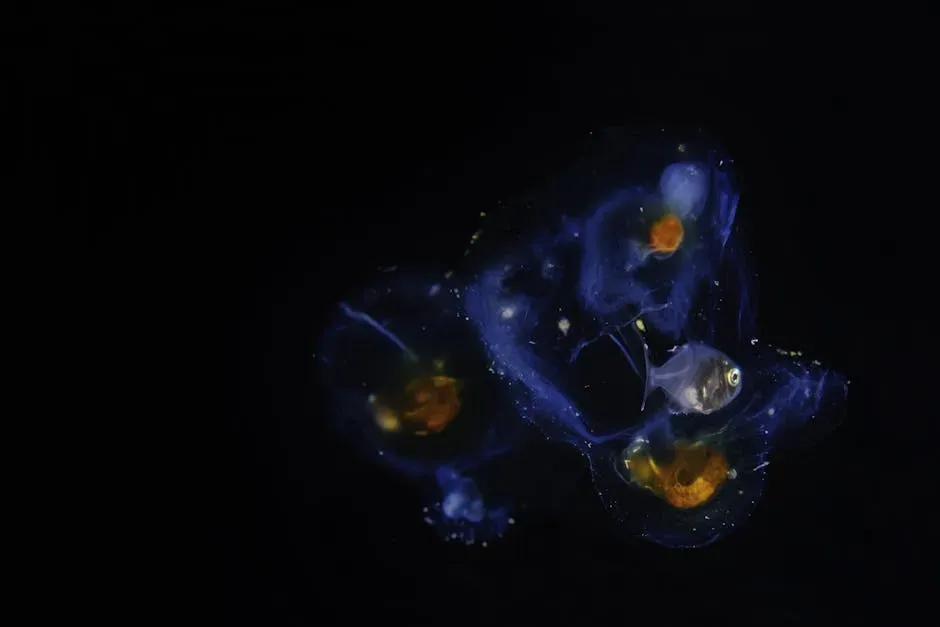
It is hard to say for sure just how many new species are lurking down there, but the pace of recent discoveries gives you a real sense of the scale. Using advanced lab techniques, researchers recently unveiled fourteen new species from ocean depths exceeding six thousand metres, including a record-setting mollusk, a carnivorous bivalve, and a parasitic isopod with a distinctly popcorn-like appearance. Each one of those discoveries represents a life form that was completely unknown to science until very recently.
In a remarkable deep-sea breakthrough, researchers discovered twenty-four new species of amphipods in the Pacific’s Clarion-Clipperton Zone, including a rare, entirely new superfamily. The findings reveal previously unknown branches of life and push the boundaries of how deep these creatures are known to live. A new superfamily is not a small thing. It is like discovering an entirely new chapter in the evolutionary story of life on Earth. Surprising? Absolutely.
From Chile to Guam: The Expeditions Changing Everything
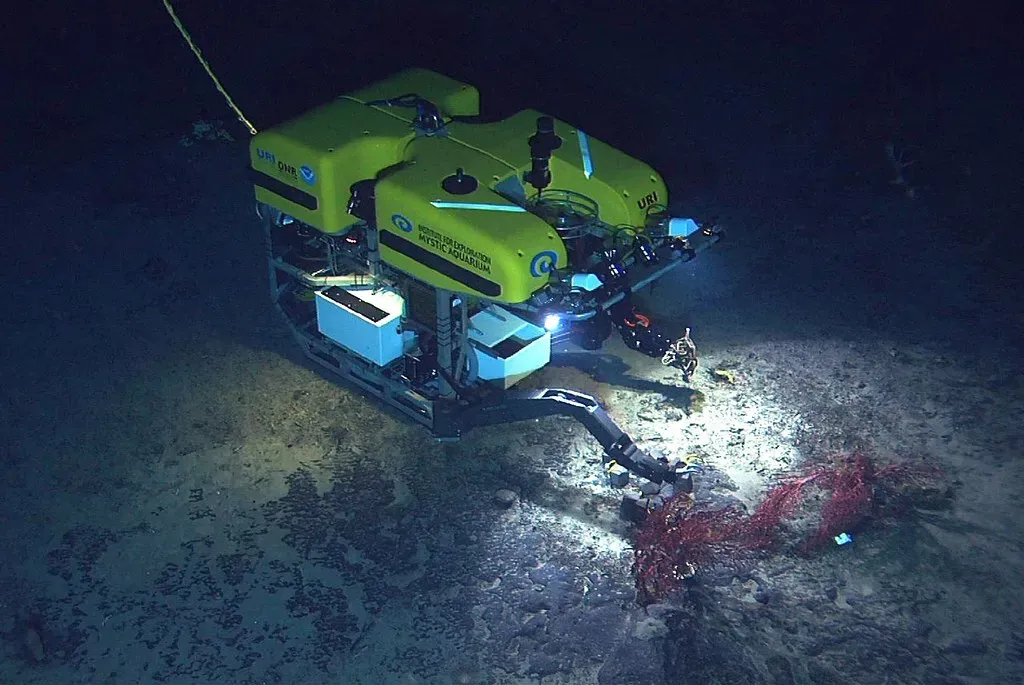
Some of the most jaw-dropping discoveries in recent years have come from specific expedition hotspots. In January 2024, a group of scientists boarded the research vessel Falkor to explore underwater mountain ranges off Chile’s coast, using cutting-edge technology including remotely-operated vehicles, multibeam sonar, and other sensors to get a comprehensive look at life on a seamount. In less than a month, the expedition had documented a hundred newly discovered deep-sea animals, including species of deep-sea corals, glass sponges, and squat lobsters.
Scientists from the California Academy of Sciences retrieved thirteen underwater monitoring structures from the deep reefs off the Pacific island of Guam, which had been gathering data at depths up to one hundred metres. These devices yielded two thousand specimens, including a hundred species never before recorded in the region and at least twenty species new to science. Scientists say they expect to identify many more new species once genetic analysis is complete. Think of it as opening a time capsule that had been quietly collecting life for nearly a decade.
Hydrothermal Vents and the Deep-Sea Organisms That Defy Logic
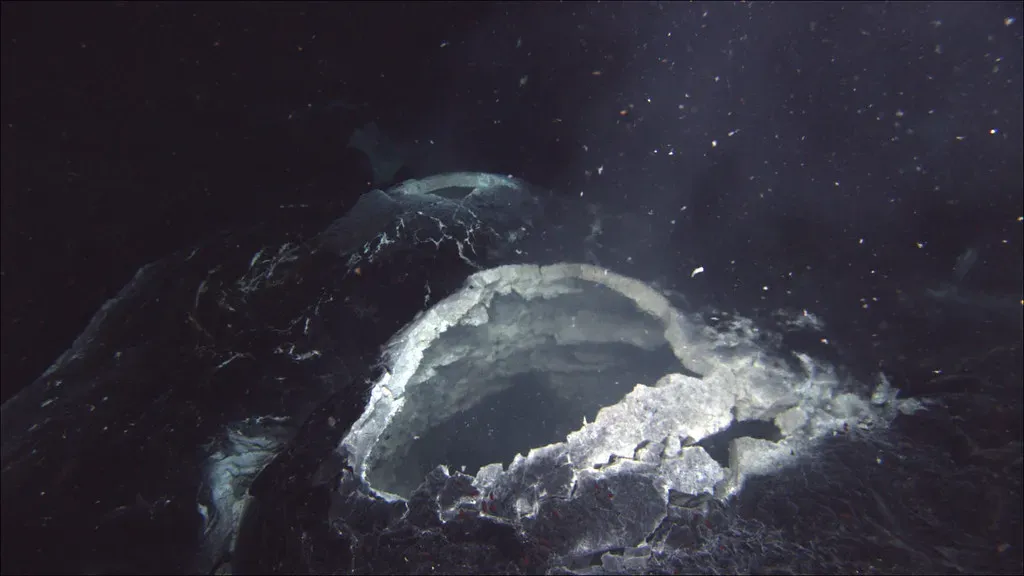
Deep-sea hydrothermal vents are places where scalding water blasts up through cracks in the ocean floor. They are pitch-black, crushingly pressurized, and almost unimaginably hostile. Yet they teem with life that, in some cases, appears to have remained unchanged for millions of years. One newly discovered sea star species thrives in the extreme conditions of the Jøtul Hydrothermal Vent Field, and sea stars play a crucial role in deep-sea ecosystems, often acting as scavengers that recycle nutrients and support the deep ocean’s delicate balance.
Newly discovered deep-sea snails discovered near these vent regions are equipped with venomous, harpoon-like teeth and inject toxins into their prey with precision. Related species have already contributed to groundbreaking medical advancements, including chronic pain treatments, and hold promising potential for cancer therapies. So not only are these ancient organisms scientifically fascinating, they are also practically valuable. The deep sea is not just a museum. It is potentially a pharmacy.
The Race to Document Life Before It Disappears
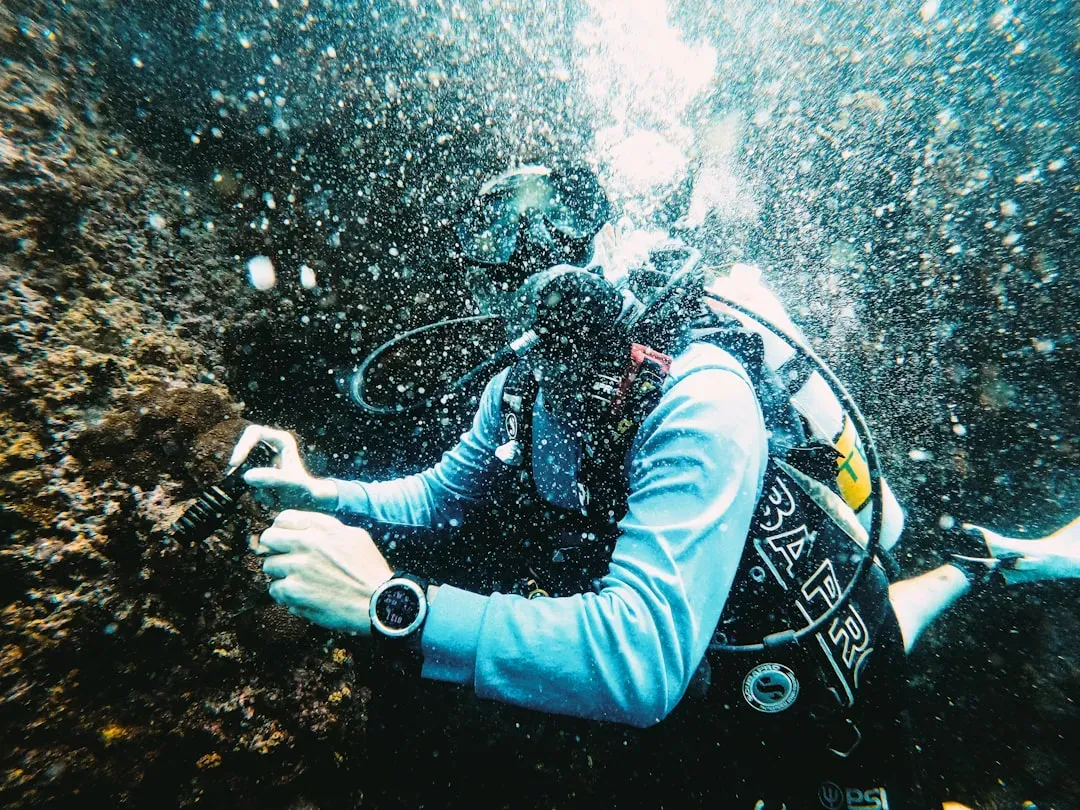
Here is the uncomfortable part of this whole story. Through anthropogenic stresses such as overfishing, habitat destruction, and the effects of climate change including ocean warming and acidification, some species may be becoming extinct before they are even found. Officially identifying a new species can take more than a decade, and without timely recognition and accessible scientific knowledge, it becomes harder to understand species’ roles in ecosystems and to make informed conservation decisions. That is a sobering thought.
To accelerate the identification of marine life, The Nippon Foundation and marine conservation charity Nekton launched the Ocean Census in April 2023, with the ambitious goal of identifying one hundred thousand new species within the next decade, bringing together a global network of research institutes, museums, universities, and technology partners. Based on current research trends and technological advancements, experts predict we could identify up to one million new marine species by the year 2050, driven by the development of advanced deep-sea exploration technologies including autonomous underwater vehicles and environmental DNA sampling. The momentum is building, but the clock is also ticking.
Conclusion
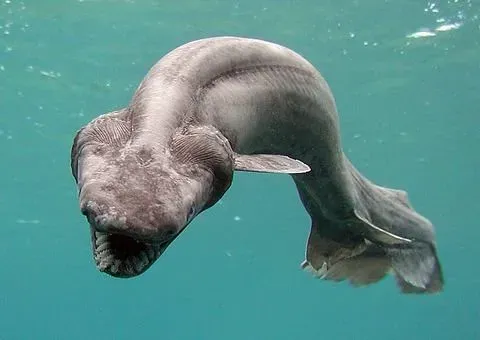
The ocean’s prehistoric depths are not merely a dark and empty void. They are a living archive of Earth’s biological history, hiding creatures that have survived mass extinctions, the rise and fall of continents, and hundreds of millions of years of planetary change. Every new expedition tears another page from the book of “things we thought we knew” and replaces it with something stranger, older, and more extraordinary.
We are still, in the truest sense, at the very beginning of understanding what lives down there. The most mind-bending realization of all is this: the next creature to rewrite the textbooks on prehistoric ocean life might already be down in the dark right now, drifting through ancient currents, utterly indifferent to the fact that we have not found it yet.
What prehistoric ocean creature surprises you the most? Let us know in the comments.