There is something genuinely thrilling about a landscape that looks ancient, because it actually is. Stretch your gaze across the red-rock mesas of New Mexico, the painted cliffs of Arizona, or the windswept canyons of Utah and Colorado, and you are staring into a living time capsule. The American Southwest is not just visually stunning. It is arguably the richest archaeological laboratory in the entire Western Hemisphere, a place where the soil never seems to stop giving up its secrets.
From footprints that may rewrite the story of human migration entirely, to ancient cities engineered with a precision that still baffles researchers today, this region keeps delivering bombshell after bombshell. The more we dig, the more we realize how little we truly know. So let’s dive in.
A Land Shaped by 12,000 Years of Human Civilization
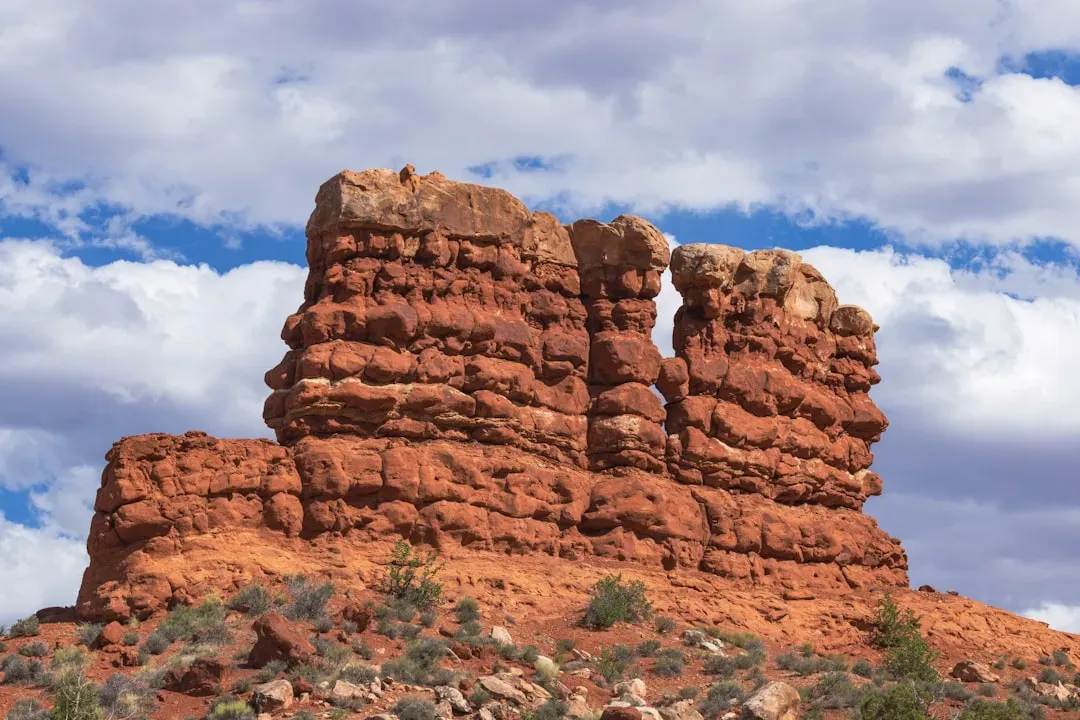
Let’s be real: most people think of ancient history as something that happens somewhere else. Egypt. Greece. Rome. Yet right here in the American Southwest, you are standing on ground that has been continuously shaped by human hands for an extraordinary stretch of time. This area, identified with the current states of Colorado, Arizona, New Mexico, Utah, and Nevada, has seen successive prehistoric cultural traditions for at least 12,000 years.
That kind of timeline is almost impossible to wrap your head around. Think of it this way: if you stacked every single year of recorded history on top of each other, the Southwest would still have thousands of years left over. This region was first occupied by hunter-gatherers, and thousands of years later by advanced civilizations, such as the Ancestral Puebloans, the Hohokam, and the Mogollon. Nowhere else in North America packs so much human story into one contiguous landscape.
White Sands: The Footprints That Rewrote Human History
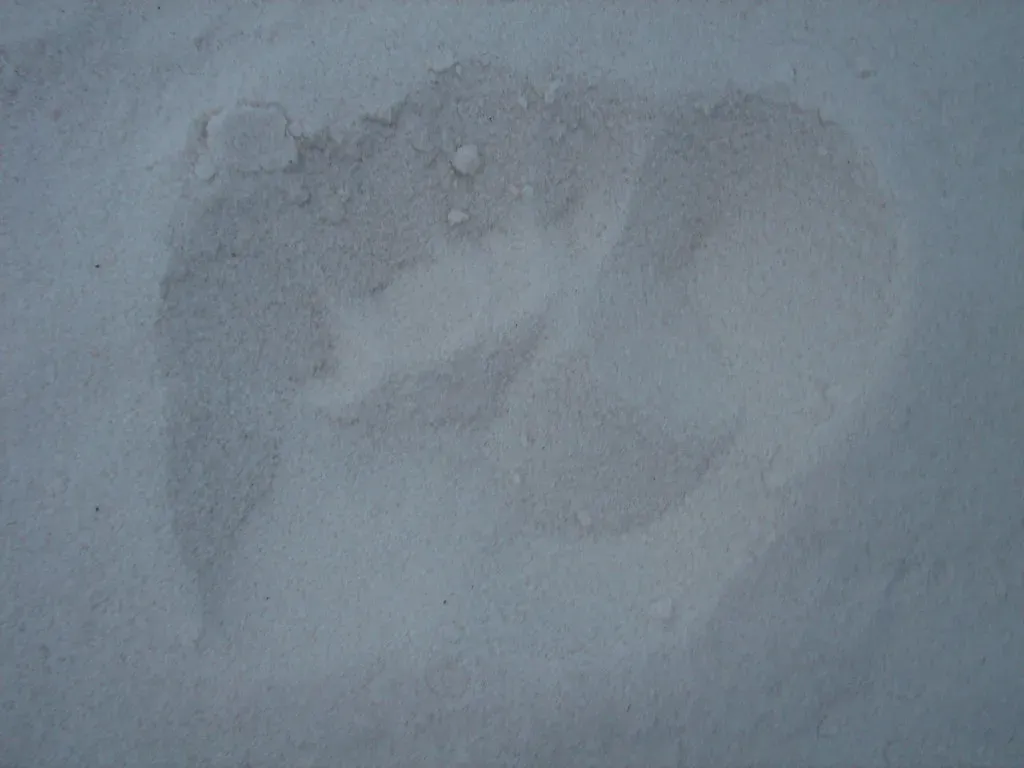
If you visited White Sands National Park in New Mexico today, you might be tempted to think of it as simply a breathtaking expanse of glittering gypsum dunes. But beneath your feet lies something almost incomprehensible. Thanks to fossilized footprints found in White Sands National Park, which have been carbon-dated, humans were in the Tularosa Basin between 21,000 and 23,000 years ago. That is tens of thousands of years earlier than mainstream science once believed anyone was walking on this continent.
The dating itself became one of the biggest scientific debates of the decade, which honestly makes it even more fascinating. To address skeptics’ concerns, a new team led by University of Arizona archaeologist and geologist Vance Holliday returned to the site in 2022 and 2023. Instead of dating the plant material, they radiocarbon dated ancient lakebed mud, sending samples to two independent laboratories, both of which reported the same range of ages: 20,700 to 22,400 years ago. In science, when two independent labs agree, you pay attention.
Gypsum Overlook: The Oldest Known Structures in the Entire Southwest
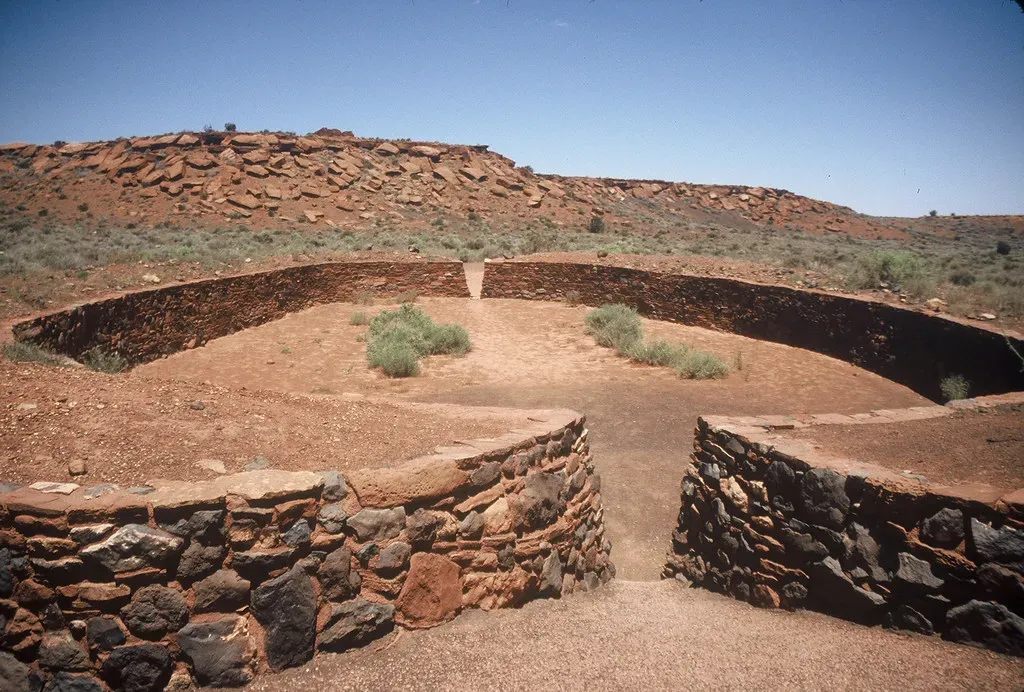
Not far from those stunning White Sands footprints, another discovery quietly grabbed the scientific world’s attention. The remains of several 8,800-year-old structures and associated hearths and roasting features were recently discovered along the trailing edge of the White Sands gypsum dune field in southern New Mexico on the White Sands Missile Range. Honestly, it is mind-blowing that a military base is sitting on top of some of the oldest known human architecture in the entire American Southwest.
The activities at the site, designated Gypsum Overlook, appear to have taken place at brief, possibly seasonal, intervals and focused on the extraction and processing of plant resources in the eastern Tularosa Basin. Gypsum Overlook provides evidence of a rare Early Holocene site and the earliest dated structures associated with hearth and roasting features currently known from the American Southwest. Around 400 artifacts were found on site, something that is rare for that time period. Each one of those objects is a tiny window into a world almost beyond imagining.
Chaco Canyon: Engineering That Still Baffles Modern Experts
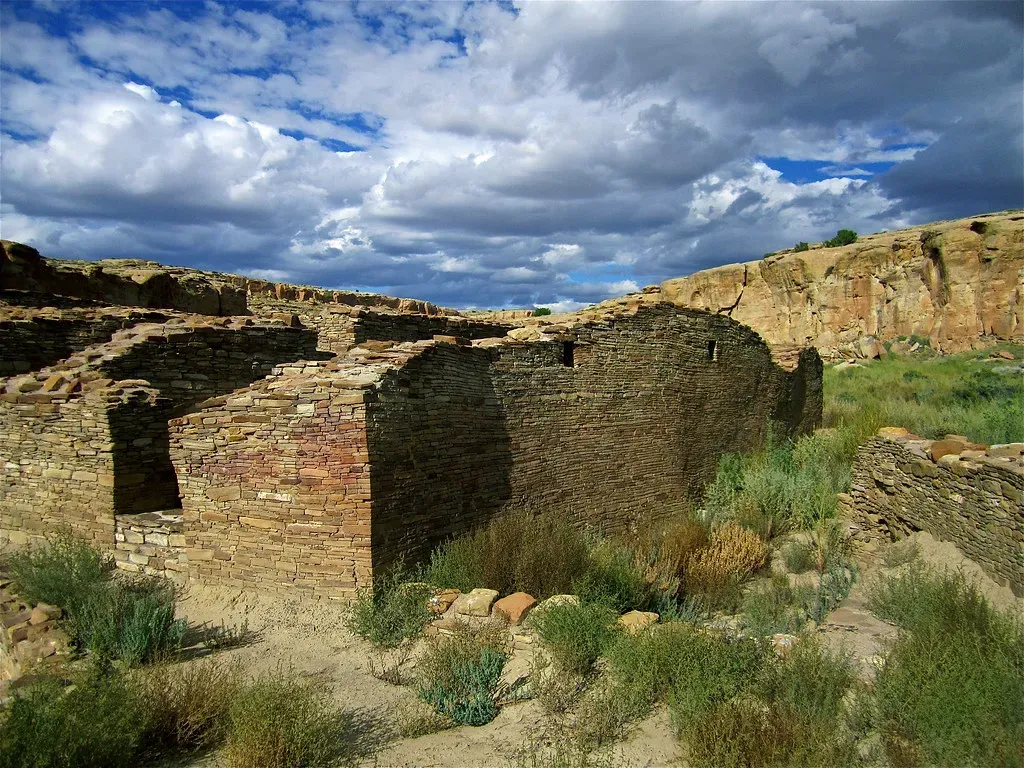
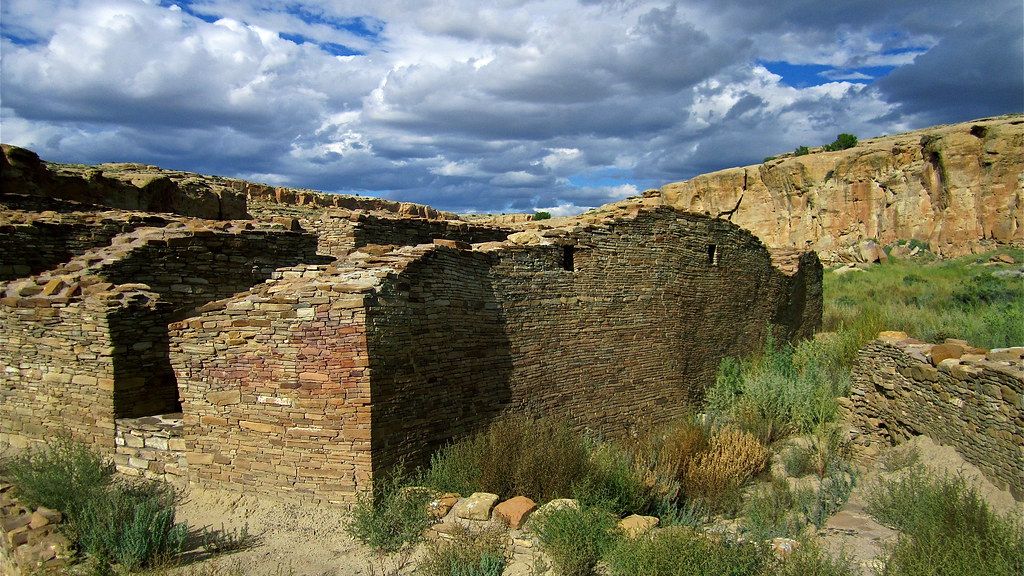
You do not need to look far in the Southwest to find something that stops you cold. Chaco Canyon in New Mexico is one of those places. Between 850 and 1150, Chaco Canyon was a major cultural, political, and astronomical center of the Ancestral Pueblo culture. It served as a hub for ceremonies, trade, and administration in the Four Corners area. This was the time they constructed their monumental buildings with distinctive architectural features and became known for their achievements in arts and astronomy.
Chaco Culture National Historical Park is home to massive ancestral Puebloan structures, or great houses, dating from about 850 to 1150. The complicated mazes of interlinked rooms testify to a level of sophistication in engineering not seen anywhere else in the Southwest region at that time. What really gets under your skin is the trade network these people maintained. Chaco Canyon, in particular, became a center of long-distance exchange, where excavations have revealed macaw remains, copper bells, and cacao residue. Cacao. In the New Mexico desert. Let that sink in for a moment.
Mesa Verde: A Civilization Built Into the Cliffside
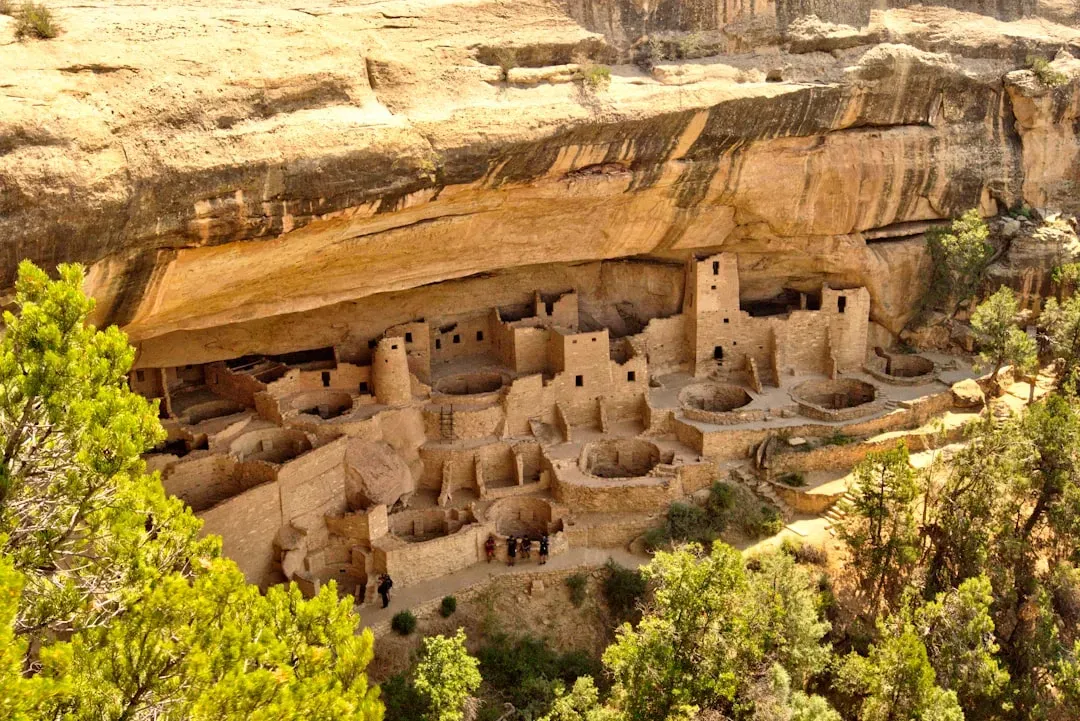
There is no polite way to describe Mesa Verde other than jaw-dropping. Mesa Verde was the first national park designated with the express purpose of preserving the works of man, in this case the remnants of 6th to 12th century Ancestral Puebloans, as exemplified by more than 4,000 known archaeological sites, including some of the most notable and well-preserved in the United States. You can visit, you can walk through these rooms, and it never entirely loses the quality of a dream.
Archaeologists have discovered dozens of long-buried hamlets and villages spread for miles across the Great Sage Plain west and north of Mesa Verde. Only lately have these sites begun to reveal their secrets. In recent decades, archaeologists have been working intensively in the Mesa Verde region to build the story of its ancestral Pueblo inhabitants. The mystery of its abandonment has never been fully solved. Experts think the last Puebloan residents of the area were forced out when a booming population eventually exhausted natural resources and was torn apart by internal strife. It reads almost like a cautionary tale for our own times.
The Ancestral Puebloans: Astronomers, Architects, and Artisans

It is easy to fall into the trap of thinking that ancient people were somehow less sophisticated than us. The Ancestral Puebloans would have found that idea absurd. The Ancestral Puebloans lived in a range of structures that included small family pit houses, larger structures to house clans, grand pueblos, and cliff-sited dwellings for defense. They had a complex network linking hundreds of communities and population centers across the Colorado Plateau. They held a distinct knowledge of celestial sciences that found form in their architecture.
Their pottery alone tells a story that modern archaeologists are still decoding. Changes in pottery composition, structure, and decoration are signals of social change in the archaeological record. This is particularly true as the peoples of the American Southwest began to leave their historic homes and migrate south. According to archaeologists Patricia Crown and Steadman Upham, the appearance of bright colors on Salado Polychromes in the 14th century may reflect religious or political alliances on a regional level. Pottery as political messaging. It sounds modern because human nature has not changed all that much.
New Technology Is Unlocking Secrets Buried for Millennia
Here is the thing about Southwestern archaeology in 2026: it is not just about shovels and brushes anymore. The tools being used today are nothing short of revolutionary. To preserve the stories of White Sands, the team uses photogrammetry and LiDAR technology to create detailed 3D replicas of the tracks. These tools not only help document the footprints before they disappear but also allow researchers to share their findings with the public in new and engaging ways.
These tech tools have been used to track movement patterns and identify additional trackways without physical excavations. It is with this technology and digital modeling that archaeologists can look at gait patterns, shifts in weight based on the depths of tracks, and use aerial mapping to see where the tracks potentially lead and the age of the humans involved. Think about that. You can now analyze how a person walked across a mudflat 22,000 years ago without ever disturbing the ground beneath you. Sophisticated new analytical techniques and methods are providing an unprecedented understanding of issues such as environmental change, agricultural and subsistence practices, ceramic manufacture and exchange, village growth and organization, and diet and health.
Living Descendants: The Ancestral Connection That Never Broke
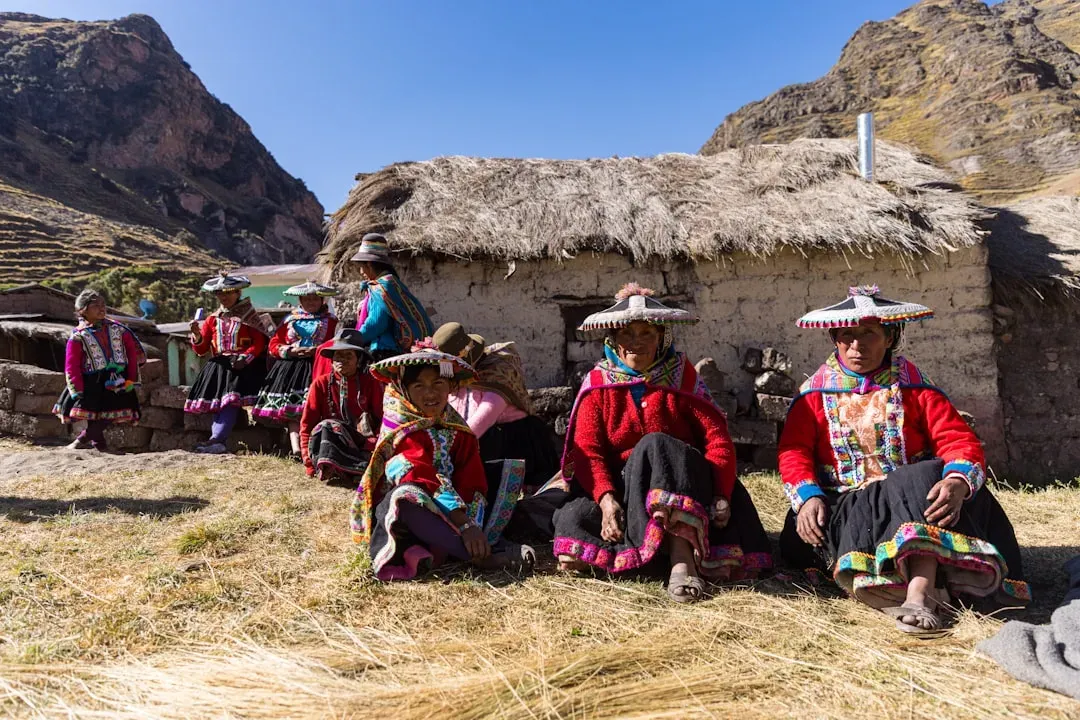
One of the most profound things about Southwestern archaeology is that it is not purely historical. It is deeply, personally alive. The Ancestral Puebloans never disappeared. Their descendants live across the Southwest today in the Hopi, Zuni, and Rio Grande pueblos of New Mexico and Arizona, where ancient traditions continue in daily life. Ceremonies still follow the movements of the sun and stars. That is an unbroken thread of cultural continuity stretching back well over a thousand years.
The research at White Sands has also been enriched by partnerships with Native American tribes and Pueblos in the region. Tribal knowledge has provided critical insights, from interpretations of the footprints to oral histories and cultural practices tied to the megafauna of the era. Ancestral sites such as Chaco Canyon, Mesa Verde, and Aztec Ruins are not relics of a vanished world. They are living sacred landscapes, still visited and honored through song, pilgrimage, and prayer. That changes how you see every single stone, every single petroglyph. These are not museum exhibits. They are somebody’s inheritance.
Conclusion: The Southwest Is Still Whispering Its Secrets
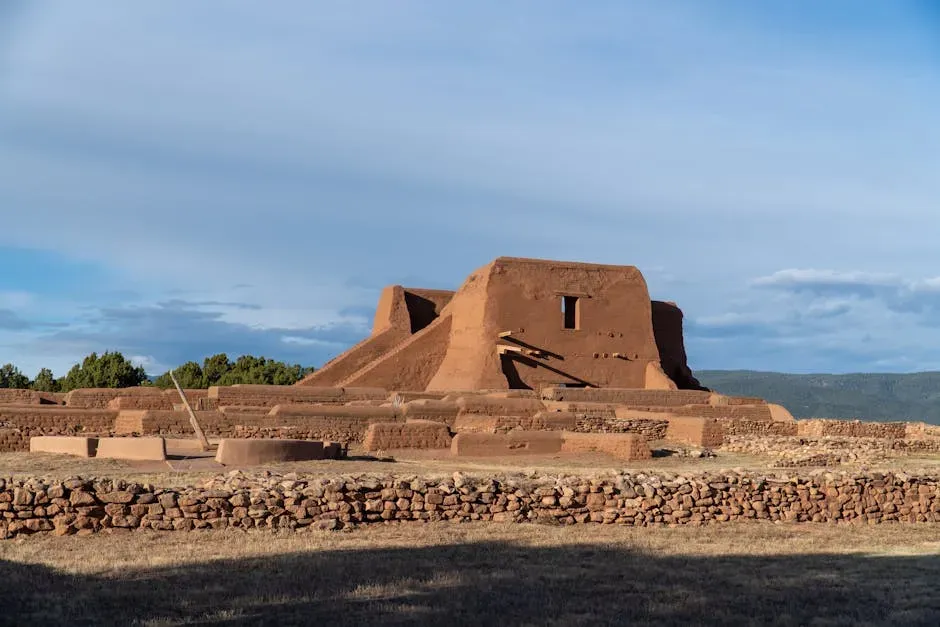
What makes the American Southwest so extraordinary is not just what has been found. It is the certainty that a vast amount remains hidden. Every shifting dune, every unexplored canyon alcove, every unexcavated mound potentially holds the next discovery that rewrites what we thought we knew. The discoveries here keep coming, and they keep surprising even the most seasoned researchers in the field.
From footprints pressed into ancient lakeside mud 23,000 years ago, to towering ceremonial great houses aligned with celestial events, to the oldest known structures in the entire region emerging from gypsum dunes on a military base, this land is genuinely inexhaustible. The more closely you look, the more it gives back. Honestly, if you have never felt a deep sense of awe about what lies beneath the desert soil of the American Southwest, perhaps now is the time to start.
What do you think the next great discovery from the American Southwest will be? Drop your thoughts in the comments below.