Picture a world scraped nearly clean of life. Barren coastlines, scorched interiors, a supercontinent baking under a relentless sun. No dinosaurs yet. No birds. No crocodiles as you know them today. Just a handful of stubborn survivors clinging to whatever ecological scraps remained after the most catastrophic extinction in Earth’s long history. That was the opening chapter of the Triassic Period, and what came next honestly sounds more like science fiction than natural history.
What unfolded over the next roughly fifty million years was one of the most spectacular biological revivals this planet has ever seen. Reptiles, above all other creatures, seized the moment. They radiated into forms so bizarre, so varied, and so astonishingly successful that the Triassic essentially rewrote the rulebook for how life on land, in the sea, and even in the air could operate. Let’s dive in.
A World Rebuilt From Ruin: The Aftermath of the Great Dying
You have to understand just how empty the Triassic world really was before you can appreciate how remarkable its story becomes. The Triassic followed on the heels of the largest mass extinction event in the history of the Earth, an event that occurred at the end of the Permian, when between roughly eighty-five and ninety-five percent of marine invertebrate species and about seventy percent of terrestrial vertebrate genera died out. Think about that for a moment. Nearly everything, gone.
The start of the Triassic period was a desolate time in Earth’s history. Something, whether a bout of violent volcanic eruptions, climate change, or perhaps a fatal run-in with a comet or asteroid, had triggered the extinction of more than ninety percent of Earth’s species. Yet it was also a time of tremendous change and rejuvenation. Extinction, as brutal as it is, creates opportunity. And the reptiles were about to prove exactly that.
The fossil record of the Triassic Period presents three categories of organisms: animals that survived the Permian extinction event, new animals that briefly flourished in the Triassic biosphere, and new animals that evolved and came to dominate the Mesozoic Era. That third category is where things get truly exciting, and it’s where the reptile revolution really begins.
The Therapsids: Ancient Rulers Who Passed the Torch
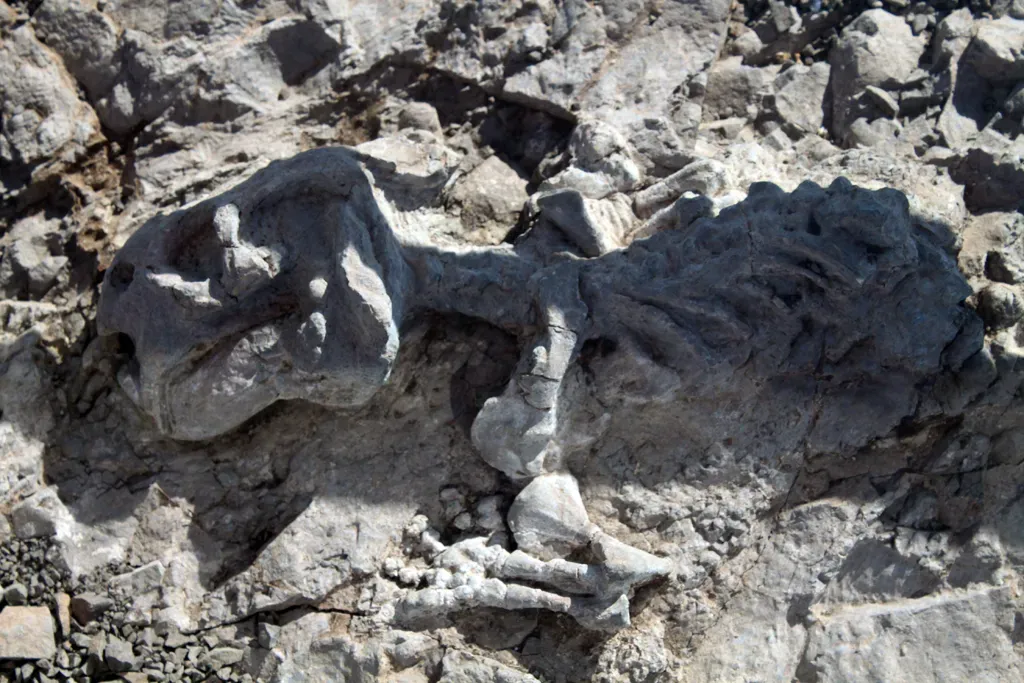
Two groups of animals survived the Permian extinction: therapsids, which were mammal-like reptiles, and the more reptilian archosaurs. In the early Triassic, it appeared that the therapsids would dominate the new era. If you had placed a bet on which group would inherit this post-apocalyptic world, the therapsids would have seemed like the obvious frontrunners.
Three therapsid groups survived into the Triassic: dicynodonts, therocephalians, and cynodonts. The cynodont Cynognathus was a characteristic top predator in parts of Gondwana. Both kannemeyeriiform dicynodonts and gomphodont cynodonts remained important herbivores during much of the period. These creatures were genuinely impressive animals, filling the ecological roles of wolves, horses, and everything in between.
The mammal-like reptiles, or therapsids, suffered pulses of extinctions in the Late Permian. The group survived the boundary crisis but became virtually extinct by the end of the Triassic, possibly because of competition from more-efficient predators, such as the thecodonts. Their reign was real, but it would ultimately be brief. The archosaurs were coming, and they came fast.
The Archosaur Takeover: Nature’s Most Spectacular Power Shift
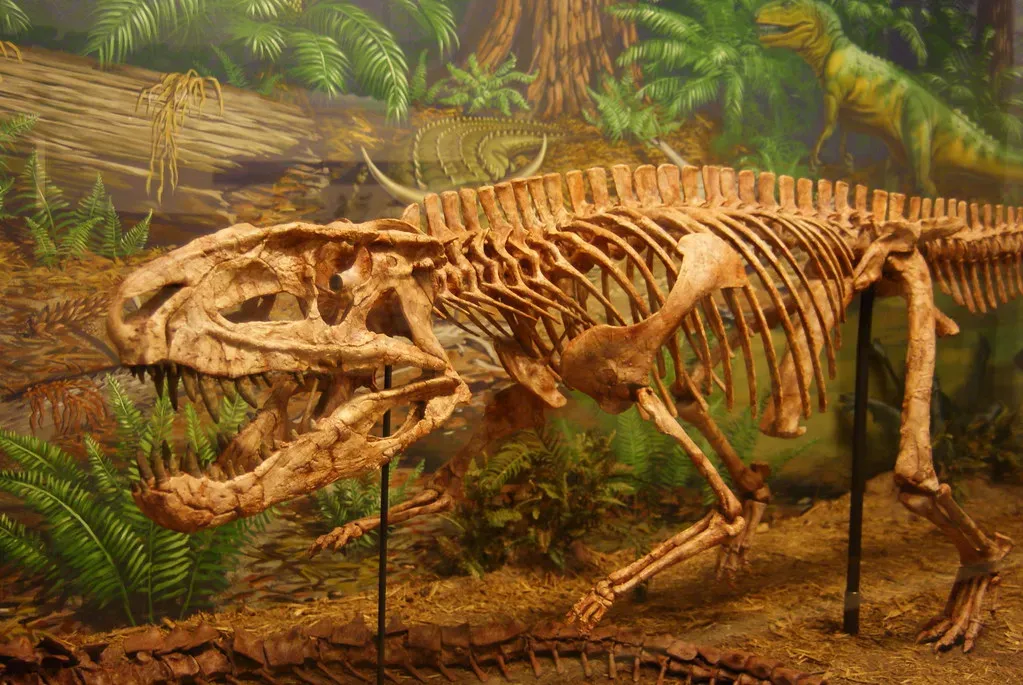
By the mid-Triassic, most of the therapsids had become extinct and the more reptilian archosaurs were clearly dominant. Archosaurs had two temporal openings in the skull and teeth that were more firmly set in the jaw than those of their therapsid contemporaries. Here’s the thing about archosaurs: they weren’t just slightly better at surviving. They were a fundamentally different kind of animal, engineered, so to speak, for the harsh, arid conditions of Pangaea.
Archosaurs were probably better at conserving water than early synapsids because modern diapsids excrete uric acid, which can be excreted as a paste, resulting in low water loss. It is reasonable to suppose that archosaurs also excreted uric acid, and therefore were good at conserving water. The aglandular skins of diapsids would also have helped to conserve water. In a world dominated by scorching deserts and bone-dry interiors, that kind of efficiency was the difference between life and extinction.
The evolutionary history of archosaurs is marked by rapid diversification, especially following the Permian-Triassic extinction event, which created ecological opportunities for their expansion. Honestly, it’s less of a “takeover” and more of nature filling every available vacuum with remarkable speed. During the Triassic, archosaurs displaced therapsids as the largest and most ecologically prolific terrestrial amniotes. The old order didn’t stand a chance.
The First Dinosaurs: Small Beginnings, Enormous Futures
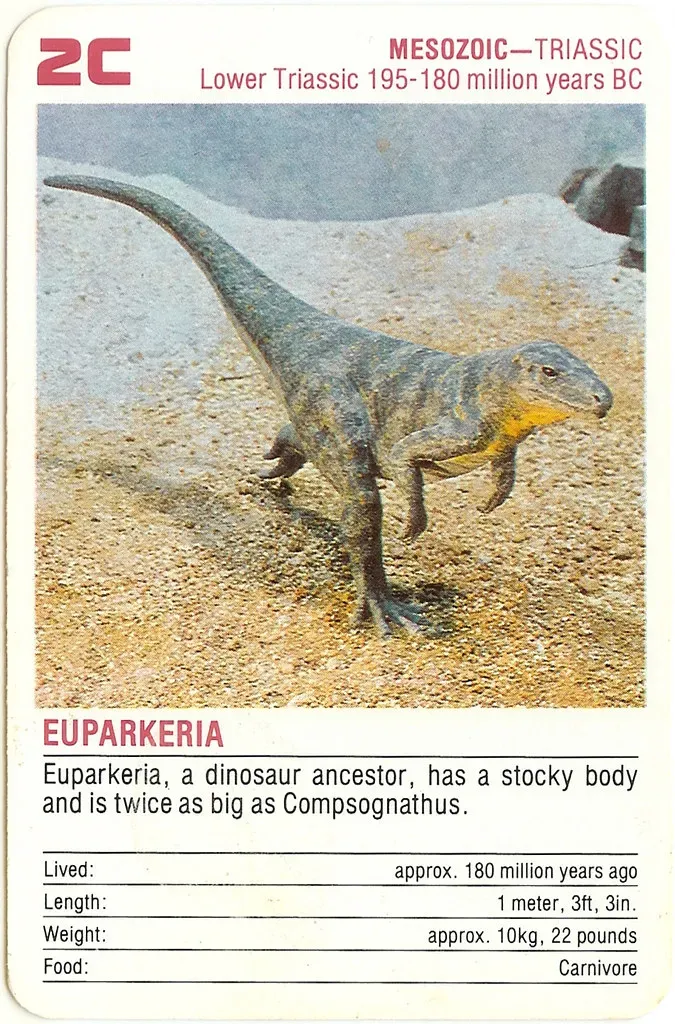
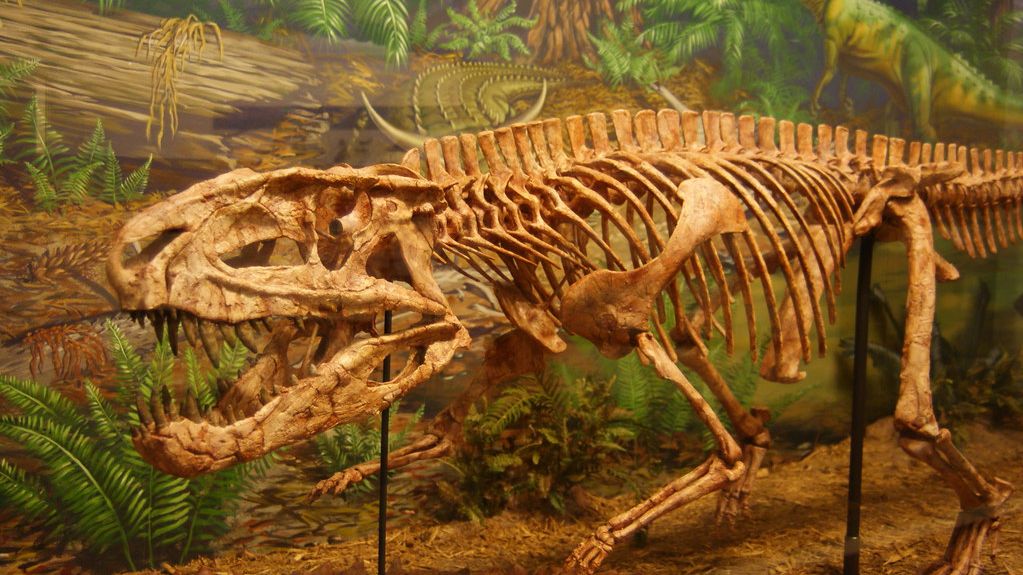
It was around two hundred and forty million years ago that the first dinosaurs appear in the fossil record. These dinosaurs were small, bipedal creatures that would have darted across the landscape. If you had stumbled across one of these early dinosaurs in person, you’d probably be underwhelmed. Nothing about them screamed “future kings of the planet.” They were, by most accounts, quite unremarkable creatures at first glance.
Dinosaurs diverged from their archosaur ancestors during the Middle to Late Triassic epochs, roughly twenty million years after the devastating Permian-Triassic extinction event wiped out an estimated ninety-six percent of all marine species and seventy percent of terrestrial vertebrate species approximately two hundred and fifty-two million years ago. That timing matters enormously. The dinosaurs were essentially a second-wave innovation, built on the skeletal framework the archosaurs had already established.
While the non-dinosaurian archosaurs continued to dominate most environments, the dinosaurs rapidly started to diversify. Not long after they first appeared, the dinosaurs may have already diverged into two main groups: the Saurischia, which includes the sauropods, and the Ornithoscelida, which includes the theropods and ornithischians. The evolutionary branching happened with a speed that, in geological terms, resembles a flash of lightning.
Wings and Wonders: Reptiles Conquer the Skies
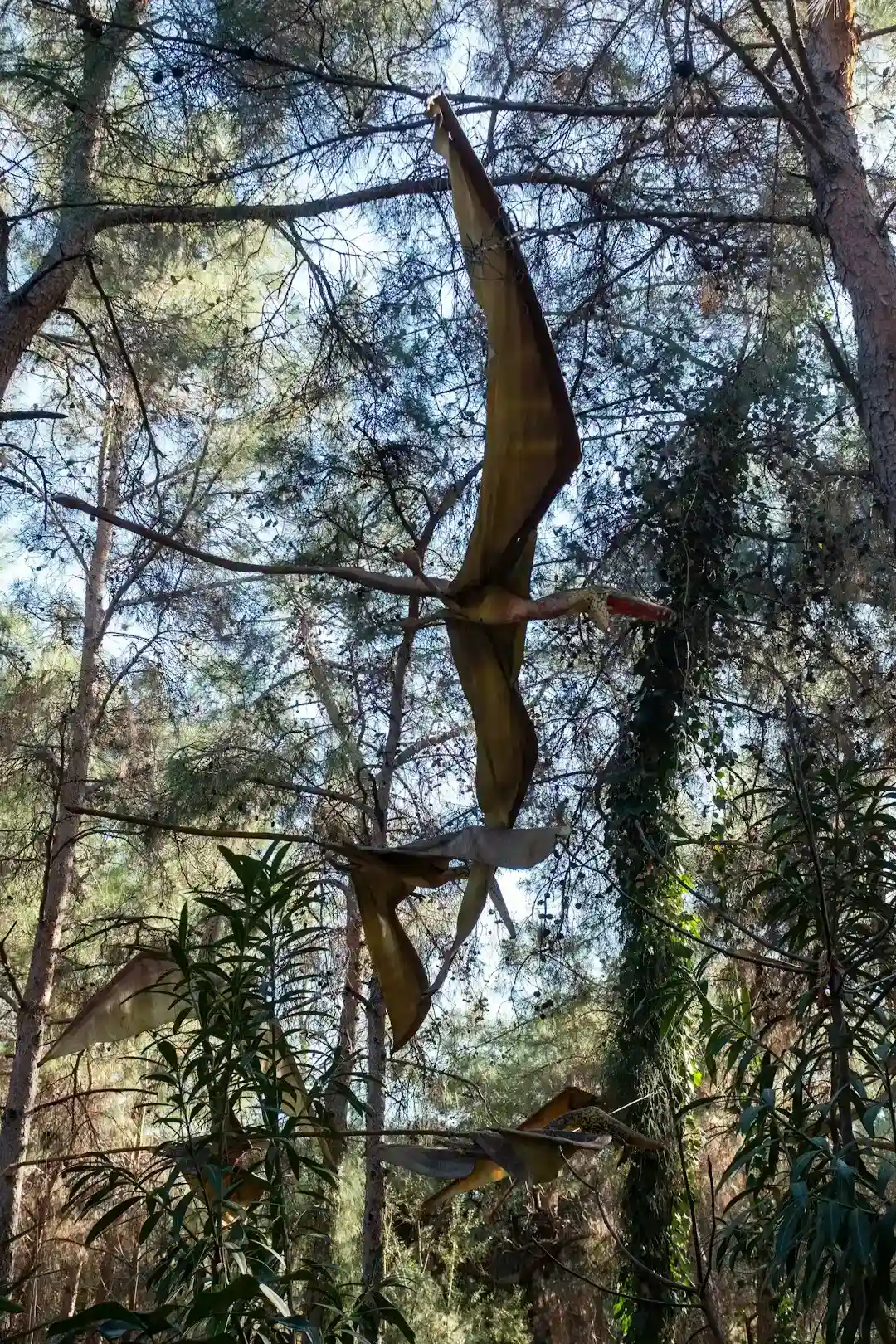
Archosaurs that became dominant in this period were primarily pseudosuchians, relatives and ancestors of modern crocodilians, while some archosaurs specialized in flight, the first time among vertebrates, becoming the pterosaurs. Let that land for a second. The Triassic didn’t just produce new land animals. It produced the very first creatures in the entire history of vertebrate life to achieve powered flight. That’s not a minor footnote. That’s one of the most extraordinary evolutionary breakthroughs in four billion years of life on Earth.
By the late Triassic, a third group of archosaurs had branched into the first pterosaurs. Sharovipteryx was a glider about the size of a modern crow with wing membranes attached to long hind legs. It was obviously bipedal with tiny, clawed front limbs that were probably used to grasp prey as it jumped and glided from tree to tree. Think of it as the Triassic’s experimental aviation program, with nature trialing all kinds of designs before settling on the most efficient ones.
Gliding lizards, such as the small Late Triassic Icarosaurus, are thought to have developed an airfoil from skin stretched between extended ribs, which would have allowed short glides similar to those made by present-day flying squirrels. Similarly, Longisquama had long scales that could have been employed as primitive wings, while the Late Triassic Sharovipteryx was an active flyer and may have been the first true pterosaur. The variety of flight solutions the Triassic produced is astonishing, and honestly a little humbling when you consider nature figured all this out entirely on its own.
Into the Deep Blue: Marine Reptiles Recolonize the Oceans
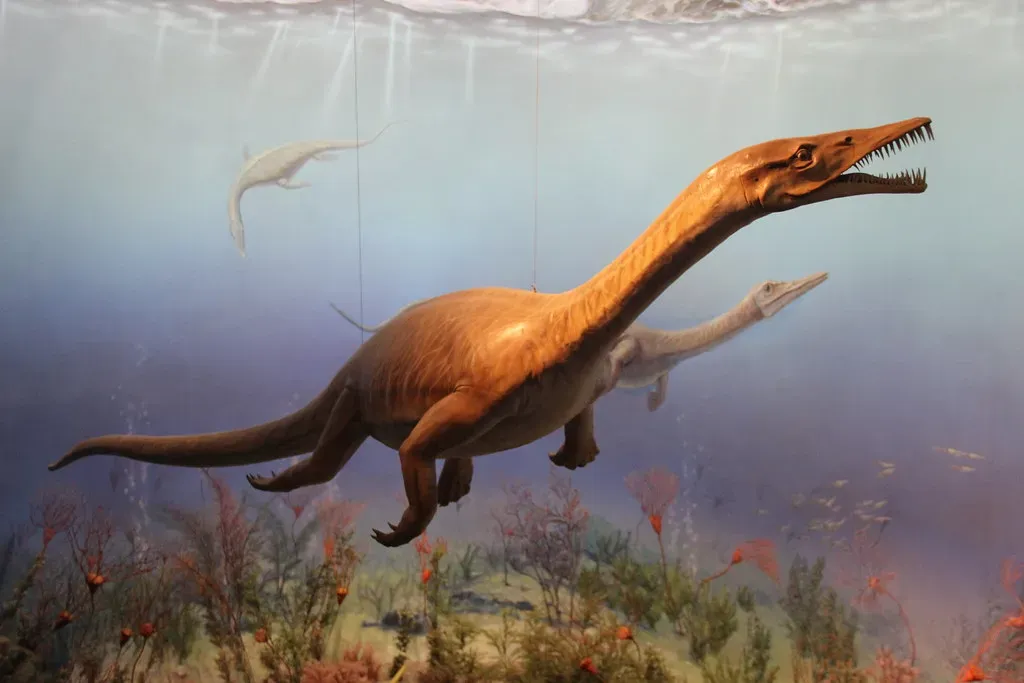
Unlike amphibians, which must stay near water for much of their lives, reptiles were completely adapted to life on land and so occupied a variety of habitats, ranging from semidesert to dry uplands, marshes, swamps, and even oceans. Ocean reptiles included the dolphin-like ichthyosaurs, turtles, and large-bodied, long-necked, paddle-flippered reptiles known as plesiosaurs. Here’s a mind-bending fact: these creatures evolved from land ancestors. They had legs once. They chose the sea, and the sea chose them right back.
Reptilia branched into two different evolutionary courses during the Triassic, one branch evolving species that would inhabit the land and the other branch evolving species adapted to an aquatic existence. In the waters, ichthyosaurs breathed air and gave birth to live young. The ichthyosaurs were so well adapted to ocean life that they actually evolved a body shape nearly identical to modern dolphins, a stunning example of what biologists call convergent evolution, where completely unrelated creatures independently arrive at the same design.
Nothosaurs lived during the mid- and late Triassic period and were among the earliest reptiles to take to the sea. Giant reptiles such as the dolphin-shaped ichthyosaurs and the long-necked and paddle-finned plesiosaurs preyed on fish and ancient squid. Within just tens of millions of years, the oceans had transformed from reptile-free zones into a battleground of enormous, air-breathing predators. The Triassic oceans were anything but quiet.
The Dawn of Mammals: Small, Overlooked, Destined for Greatness
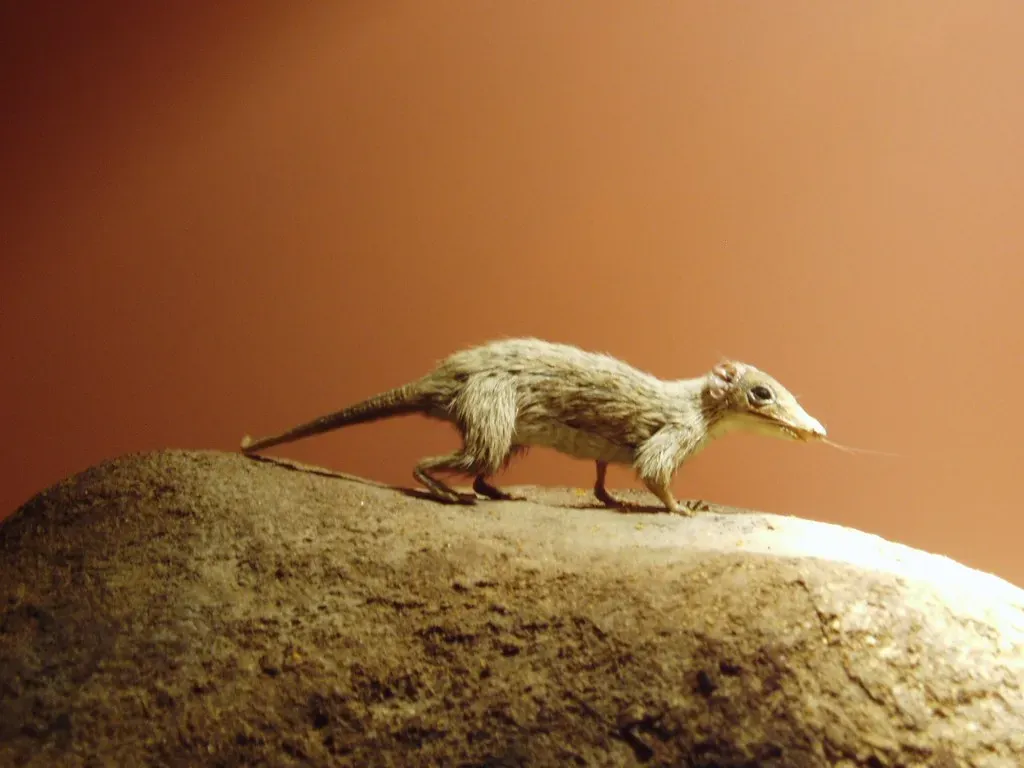
The end of the Triassic saw the appearance of the first mammals, tiny, fur-bearing, shrewlike animals derived from reptiles. You’d be forgiven for overlooking them entirely. While reptiles of every conceivable shape were seizing dominance over land, air, and sea, a group of tiny, warm-blooded creatures was quietly evolving in the shadows. They were small. They were probably nocturnal. They were almost certainly prey. Yet they were the ancestors of every mammal alive today, including you.
The first mammals evolved near the end of the Triassic period from the nearly extinct therapsids. Scientists have some difficulty in distinguishing where exactly the dividing line between therapsids and early mammals should be drawn. Early mammals of the late Triassic and early Jurassic were very small, rarely more than a few inches in length. They were mainly herbivores or insectivores and therefore were not in direct competition with the archosaurs or later dinosaurs. Nature, it seems, had a long-term plan that nobody in the Triassic could have anticipated.
During the Carnian, which was the early part of the Late Triassic, some advanced cynodonts gave rise to the first mammals. Perhaps the most significant development of the Triassic Period, from a present-day point of view, was that of Cynognathus and other cynodonts, which are thought to have been the forerunners of the Mammalia that inherited the earth after the dinosaurs disappeared. It’s a beautiful irony: the ancestors of the creatures who would eventually dominate the planet were spending the Triassic hiding under logs and foraging for insects. Sometimes patience is the ultimate evolutionary strategy.
Conclusion: The Triassic Legacy Lives On
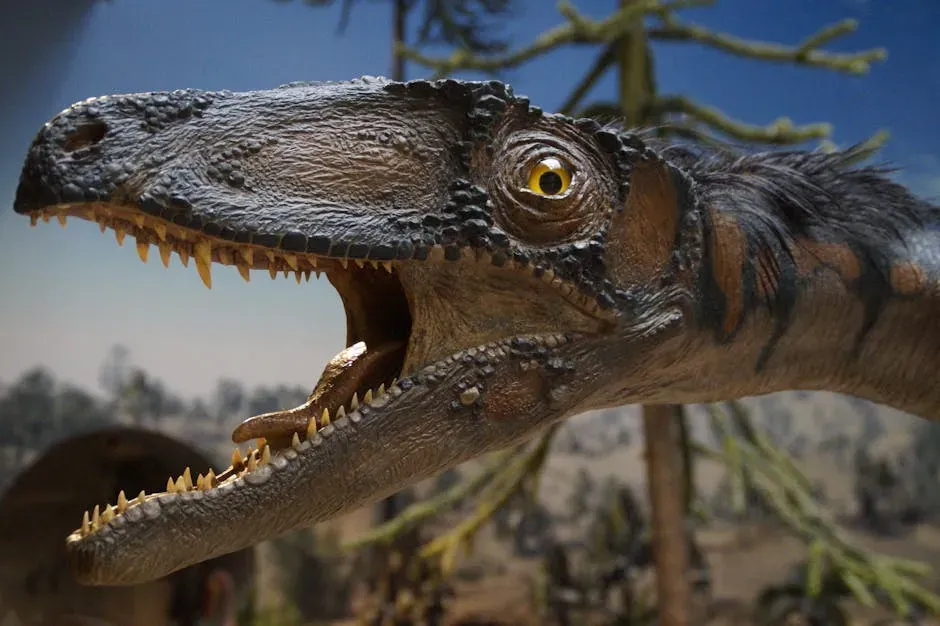
The Triassic Period is one of the most extraordinary chapters in the biography of life on Earth. You can think of it like a blank canvas handed to evolution after catastrophe, and what evolution painted on that canvas was breathtaking in its creativity and ambition. The Triassic Period was a time of great change. Bookended by extinctions, this era saw huge shifts in the diversity and dominance of life on Earth, ushering in the appearance of many well-known groups of animals that would go on to rule the planet for tens of millions of years.
Every crocodile you’ve ever seen, every bird that’s ever flown over your head, every mammal you’ve ever loved, even you, can trace the origins of your lineage back to the dramatic evolutionary reshuffling that happened during those fifty-odd million years. The Triassic saw the first broad diversification of archosaurs, and, although most groups became extinct by the end of that period, dinosaurs, crocodiles, and pterosaurs survived and proliferated during the Jurassic and Cretaceous periods.
The Triassic is proof that destruction and creation are two sides of the same coin. A world emptied of life is not a dead world. It’s just a world waiting to be reinvented. When you consider what rose from that ancient ruin, including creatures that flew, swam, thundered across continents, and eventually evolved into the reader of these words, it’s hard not to feel a deep sense of wonder. What does it mean to you that your story began in the ruins of a catastrophe? Tell us in the comments.