Picture a land so vast, so teeming with life, that giants wandered it freely for tens of millions of years without a single rival threatening their dominance. No highways cutting through ancient forests. No cities rising from floodplains. Just raw, unbroken wilderness stretching from horizon to horizon. That was North America during the age of the dinosaurs.
Dinosaurs roamed throughout the continent during the Mesozoic Era, flourishing for over 200 million years. Yet we are only now beginning to understand just how early they arrived here, how long they held their ground, and what finally brought their reign to an end. The story is stranger and more surprising than most people ever imagine. Let’s dive in.
North America’s First Dinosaurs Arrived Earlier Than Anyone Expected
Here’s the thing about scientific certainty – it has a funny habit of collapsing the moment someone digs a little deeper. For decades, the scientific community believed that dinosaurs originated in the southern hemisphere and slowly pushed northward. The mainstream view held that the reptiles emerged on the southern portion of the ancient supercontinent Pangea called Gondwana, millions of years before spreading to the northern half named Laurasia. Turns out, that story was not quite complete.
Paleontologists at the University of Wisconsin-Madison unearthed the oldest dinosaur ever found in North America – a creature they named Ahvaytum bahndooiveche. This small, chicken-sized dinosaur lived around 230 million years ago. You can imagine the surprise when researchers realized this tiny creature was roaming what is now Wyoming at a time when nobody thought dinosaurs had made it this far north yet.
Researchers performed high-precision radioisotopic dating of rocks in the formation that held Ahvaytum’s fossils, revealing that the dinosaur was present in the northern hemisphere around 230 million years ago. The researchers also found an early dinosaur-like track in slightly older rocks, demonstrating that dinosaurs or their cousins were already in the region a few million years prior to Ahvaytum. Think of it like finding a boot print before you find the actual boot – something fascinating was already here, even earlier.
A Climate Shift That Opened the Door for Dinosaurs
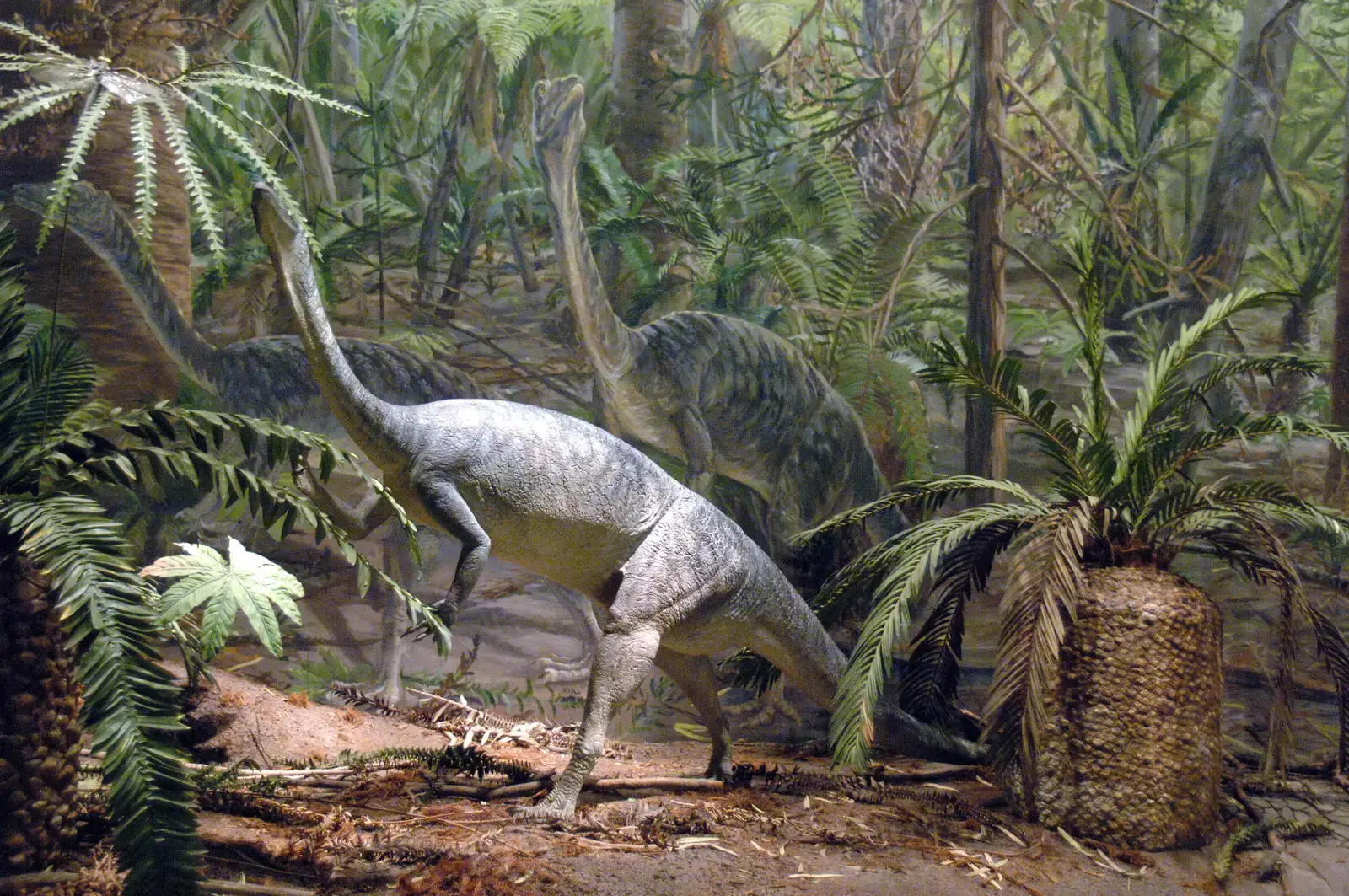
It wasn’t pure chance that dinosaurs showed up in North America when they did. The planet itself essentially rolled out the welcome mat. Evidence suggests that Ahvaytum lived in Laurasia during or shortly after the Carnian Pluvial Episode, a period between 234 and 232 million years ago that went through drastic climate change. This period has been linked to an early phase of increased dinosaur diversity. The Carnian Pluvial Episode witnessed increased rainfall compared to previous periods. This dramatic shift in climate transformed desert regions into more hospitable environments for the early evolution of dinosaurs.
Honestly, it’s a remarkable parallel to what you see in nature today. Change the climate, and you change who gets to thrive. The climate during that period, lasting from about 234 to 232 million years ago, was much wetter than it had been previously, transforming large, hot stretches of desert into more hospitable habitats for early dinosaurs. A wetter continent meant more vegetation, more rivers, and more opportunities for small, scrappy dinosaurs to spread and diversify. The stage was set, and the actors wasted no time taking their places.
The Surprising Smallness of North America’s Earliest Dinosaurs
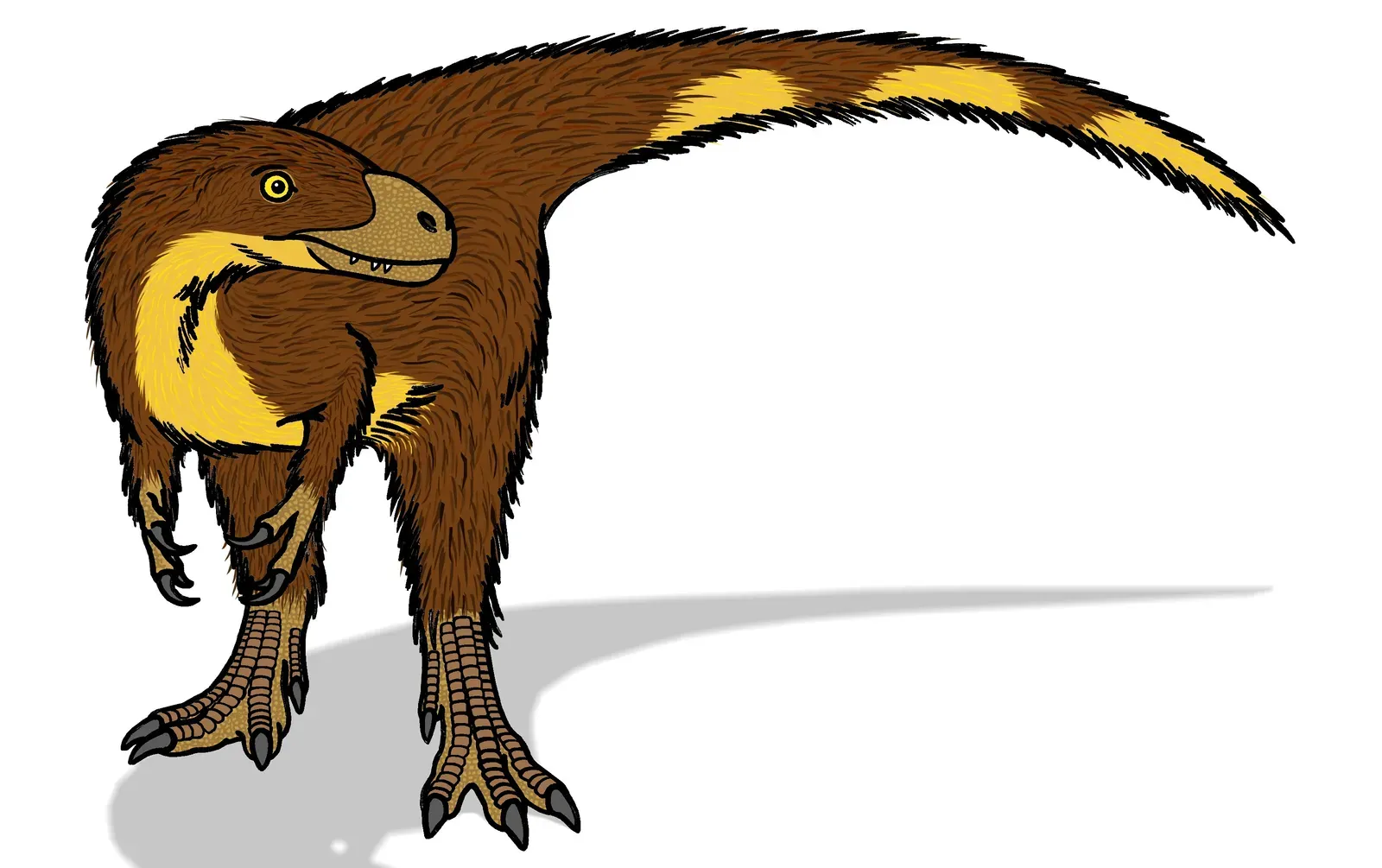
When you think of dinosaurs, you probably picture something enormous enough to shake the ground beneath your feet. But North America’s earliest residents were nothing like that. According to researchers, it was basically the size of a chicken but with a really long tail. The type specimen of Ahvaytum bahndooiveche, which was full-grown, stood a little over one foot tall and was around three feet long from head to tail. That’s not a fearsome predator. That’s something you might accidentally step on during a morning walk.
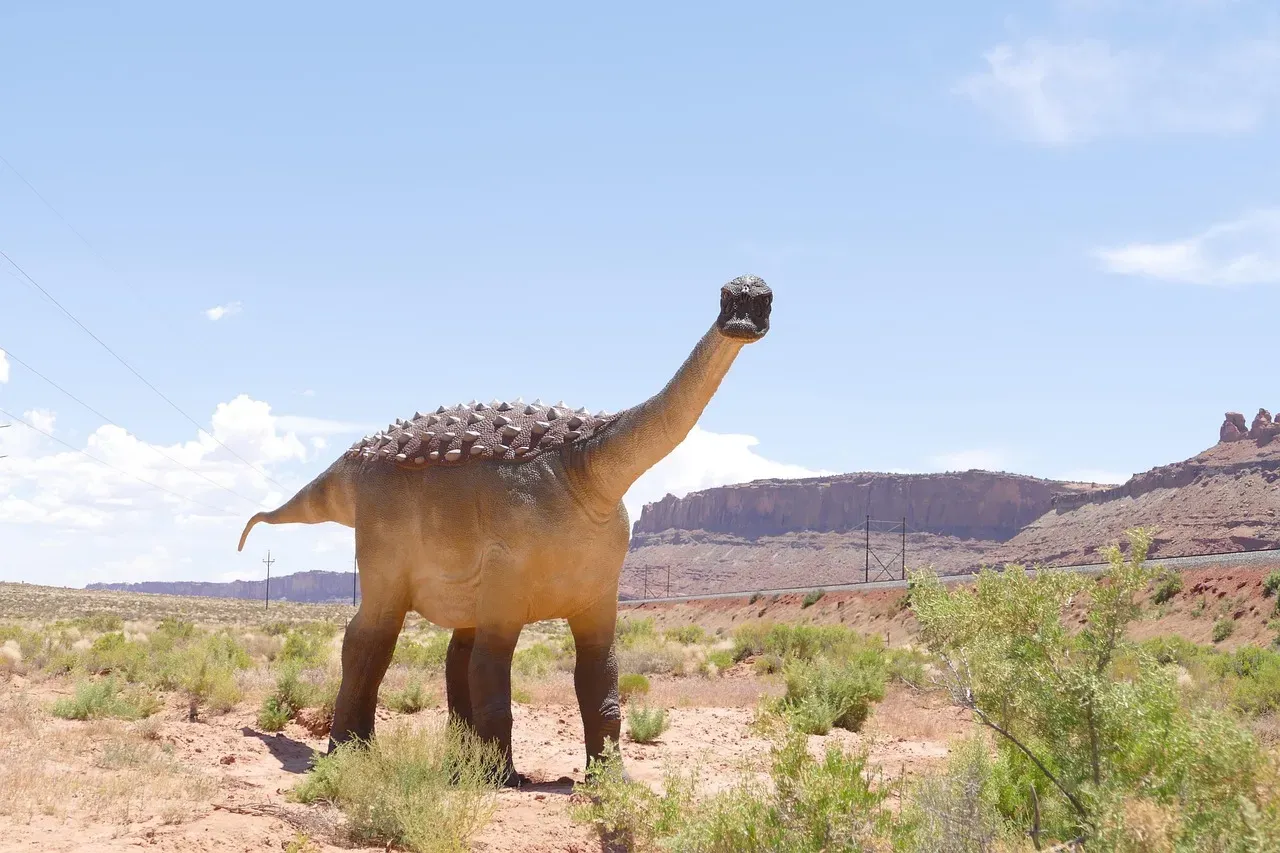
Based on the fossil evidence, researchers determined that the species was likely related to sauropods – the herbivorous dinosaurs known for their gigantic stature and long necks. Being an early relative, this new species was exceptionally smaller. It stood just over a foot tall and measured roughly three feet in length from head to tail. It’s a humbling reminder that evolution doesn’t start at the top. Every great lineage begins somewhere small, unremarkable, and quietly surviving. These first North American dinosaurs were already laying the groundwork for the colossal beasts that would come millions of years later.
The Morrison Formation – A Dinosaur Paradise That Lasted Millions of Years
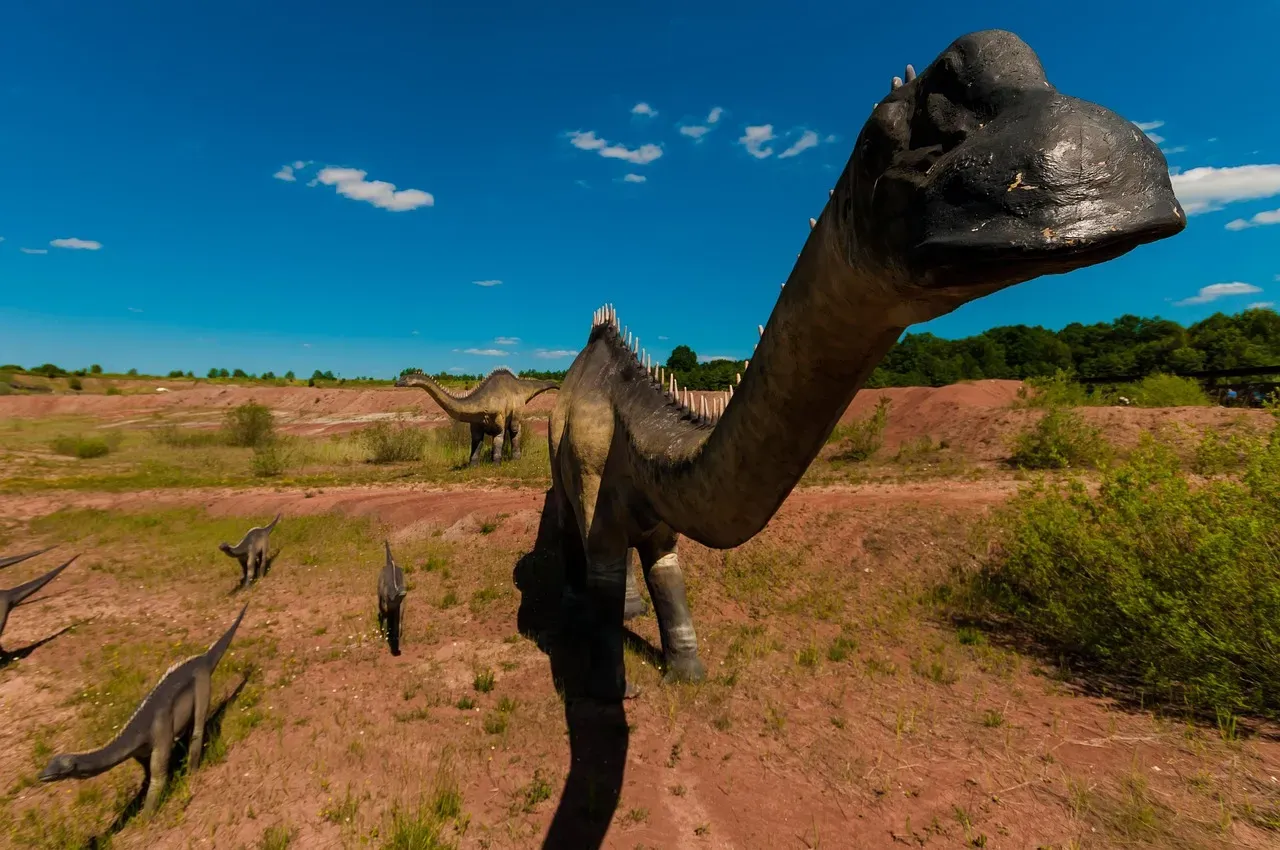
If you want to understand what it truly means for dinosaurs to dominate a continent undisturbed, look no further than the Late Jurassic. The Morrison Formation is a distinctive sequence of Upper Jurassic sedimentary rock found in the western United States, which has been the most fertile source of dinosaur fossils in North America. Spread across an almost incomprehensible area, this ancient landscape was the setting for one of the most spectacular ecosystems in Earth’s entire history.
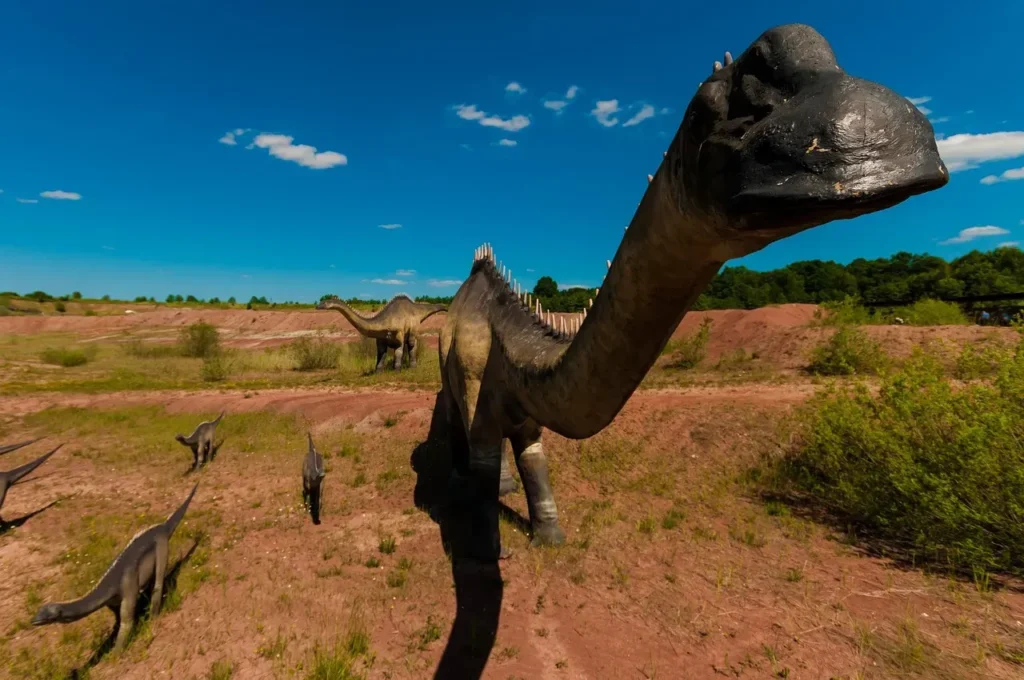
The Morrison Formation was deposited during the Late Jurassic, between approximately 157 and 150 million years ago, across rivers, floodplains, lakes, and other environments. At this time, North America was farther south and the Rocky Mountains did not yet exist. Flowering plants had not yet evolved; instead, the land was covered by ferns, cycads, and horsetails, with stands of conifer trees, ginkgoes, and tree ferns. In this lush, primordial world, many different species of sauropods thrived, including Diplodocus, Apatosaurus, Camarasaurus, and Brachiosaurus, with each developing unique feeding strategies in order to avoid competition for resources. Diplodocids likely fed on lower, ground-level vegetation with their relatively inflexible necks, while others like Brachiosaurus and Camarasaurus were mid to high-level browsers. It’s like different restaurant patrons ordering from different sections of the menu – a beautifully balanced system.
Predators and Prey: The Undisturbed Ecosystem of the Jurassic
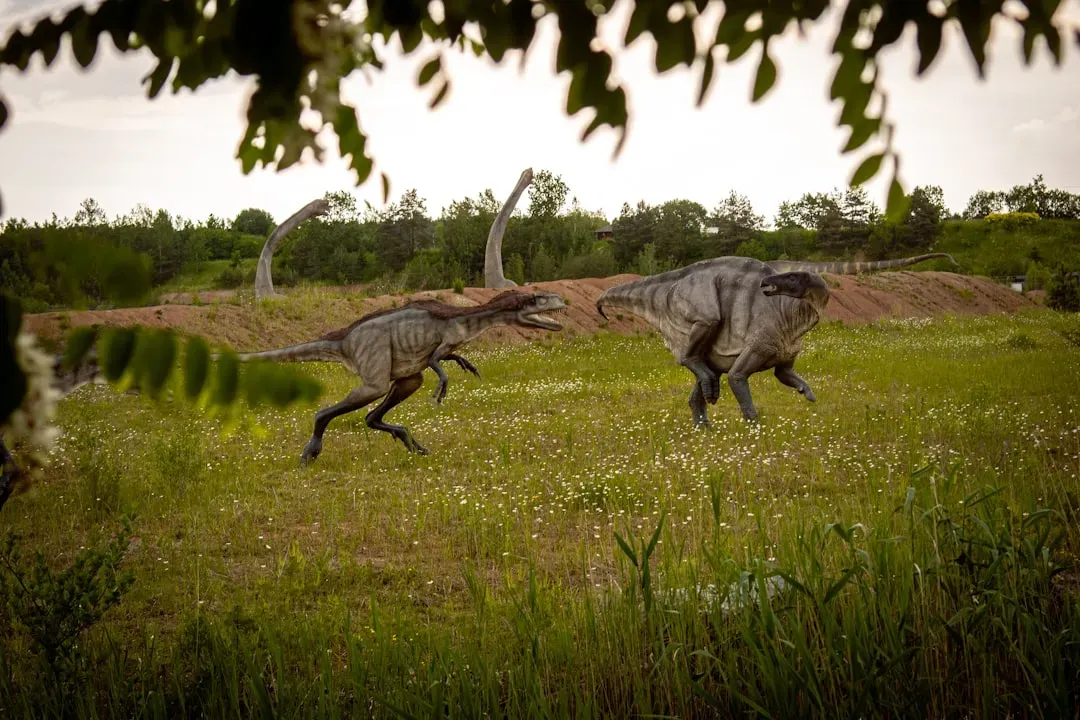
A thriving ecosystem isn’t just about peaceful herbivores wandering through fern forests. It’s a constant, dynamic dance of predator and prey that persisted for millions of years. Sauropods had substantially more links to plants and animals than contemporaneous herbivores, such as Stegosaurus and Camptosaurus. The abundance of young sauropods in the ecosystem served as a staple food source for the main predators: large theropods including Allosaurus, Torvosaurus, and Ceratosaurus.
The Morrison Formation was deposited between 154 and 145 million years ago during the last nine million years of the Jurassic Period. At this time, the landscape was dominated by dinosaurs like stegosaurs, sauropods, megalosauroids and allosauroids. Nine million years of dominance in a single formation alone. Compare that to how long humans have been building cities – measured in mere thousands of years – and you start to appreciate the staggering timescale these creatures operated on. Fossils of nearly 50 different species of dinosaurs have been discovered in the Morrison Formation alone.
The Late Cretaceous – When North America Became a World of Giants
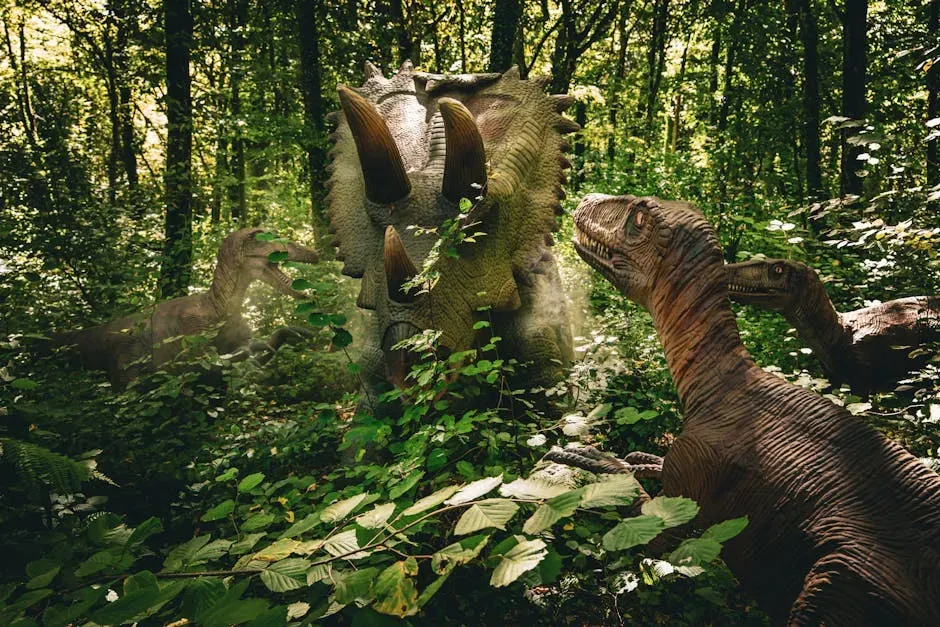
The Late Cretaceous period, spanning from approximately 100 million to 66 million years ago, represents the final act in the age of dinosaurs. This era was a time of immense geological and biological change, with a warmer global climate and continents drifting towards their present-day positions. North America, in particular, offers a unique window into this ancient world, boasting a rich fossil record that documents the life and eventual demise of its inhabitants.
The dinosaurs of the last 10 million years of the Cretaceous in North America are some of the best known in the world. They include tyrannosaurs such as Tyrannosaurus, diverse small theropods, ankylosaurs, bone-headed pachycephalosaurs, horned and frilled ceratopsians such as Triceratops, and “duckbilled” hadrosaurs. The three-horned Triceratops was incredibly common, using its horns and bony frill for defense and possibly for display. Alongside them were the duck-billed hadrosaurs, such as Edmontosaurus, which were large, facultative bipeds that browsed on the abundant vegetation. For millions of years, this world hummed along in remarkable ecological stability.
Edmontosaurus and Triceratops – Survivors to the Very End
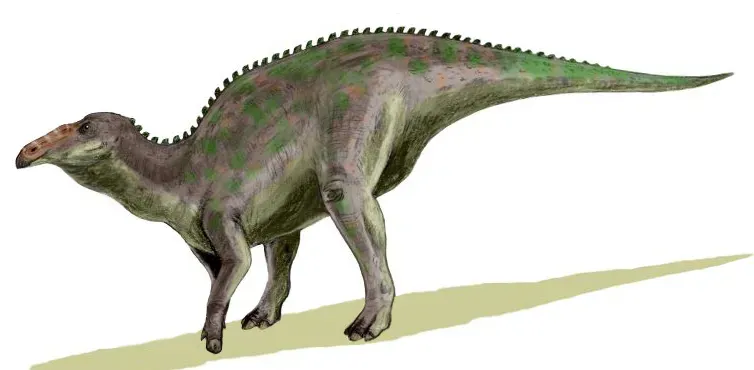
Some dinosaurs didn’t just survive in North America for a few million years. They held on until the absolute last possible moment. Edmontosaurus is a genus of hadrosaurid dinosaur that lived in western North America 73 to 66 million years ago, from the Campanian to the Maastrichtian stage of the Late Cretaceous Period. That’s a remarkable run – nearly seven million years of continuous presence in a single region. Edmontosaurus was a colossus of the Late Cretaceous, with some individuals growing up to 12 meters long and weighing around 5 to 6 tons. Its most striking feature is its elongated, duck-billed skull.
The presence of Edmontosaurus across such a wide geographic area indicates its ability to adapt to varying climatic conditions, from temperate to subarctic environments. This adaptability might have been facilitated by migratory behavior, as suggested by the distribution of its fossils in various latitudinal gradients. Meanwhile, Triceratops, arguably the most iconic horned dinosaur of all, lived during the late Maastrichtian age of the Late Cretaceous period, about 68 to 66 million years ago, on the island continent of Laramidia, now forming western North America. It was one of the last-known non-avian dinosaurs and lived until the Cretaceous–Paleogene extinction event 66 million years ago. Two million years isn’t long in geological terms – but for an animal to define an era that completely, it hardly matters.
The End of an Undisturbed World
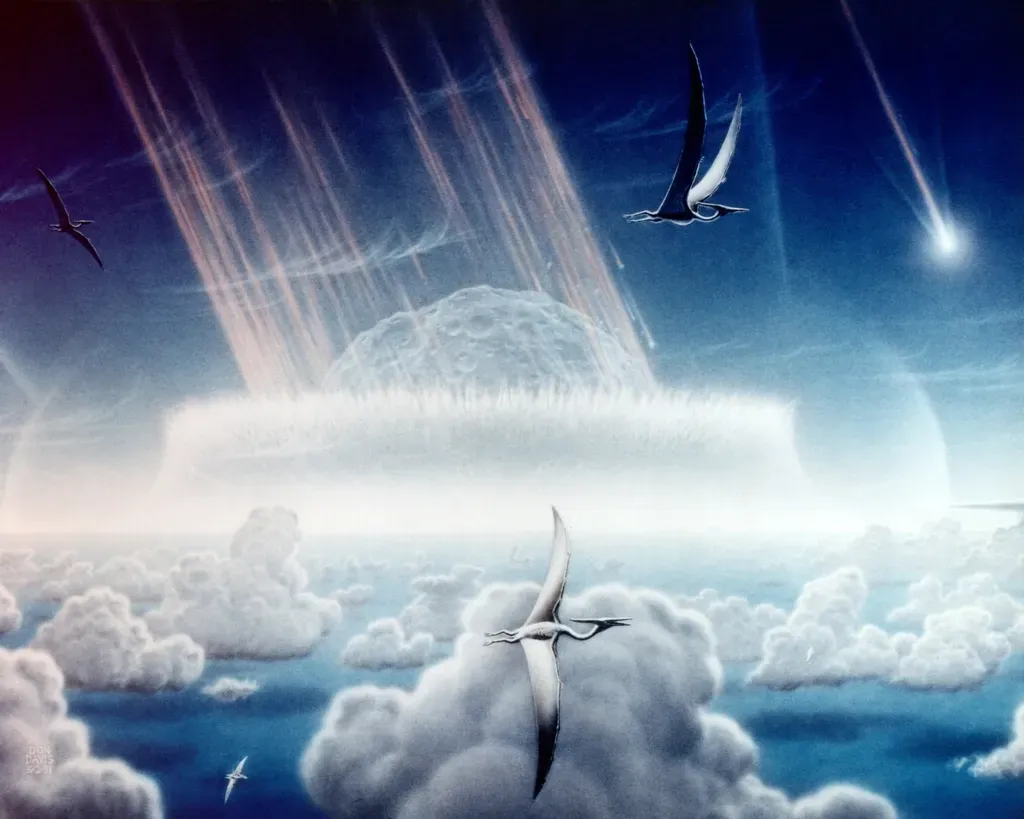
At the end of the Cretaceous period 66 million years ago, the last dinosaurs roamed what is now the Western Interior of North America. Then, global catastrophe – in the form of a massive asteroid – ended their reign. It’s hard to overstate how sudden and total the destruction was. The vibrant world of Late Cretaceous North America came to a sudden and violent end approximately 66 million years ago. The agent of this destruction was an asteroid, estimated to be 10 kilometers in diameter, which slammed into the planet. Its impact site, the Chicxulub crater, is centered on the Yucatán Peninsula.
A colossal amount of pulverized rock, dust, and soot was ejected into the atmosphere, shrouding the globe and blocking out sunlight for months or even years. This “impact winter” caused global temperatures to plummet and led to a collapse of photosynthesis. The base of the food chain on land and in the sea disintegrated, leading to the Cretaceous-Paleogene (K-Pg) extinction event, which brought the age of non-avian dinosaurs to a close. An ecosystem that had flourished undisturbed for hundreds of millions of years vanished in what was, geologically speaking, the blink of an eye. The age of the dinosaurs, which had lasted 170 million years, was over.
Conclusion
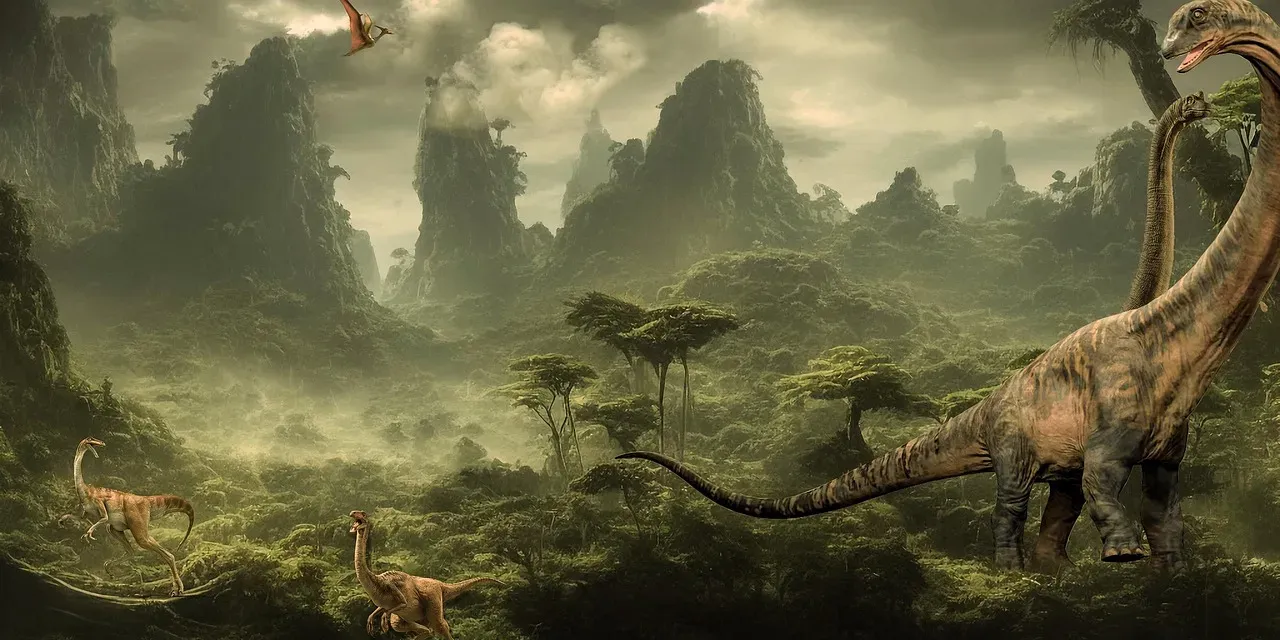
The story of dinosaurs in North America is really a story about time – and about how astonishingly long creatures can thrive when conditions allow. From a chicken-sized pioneer scrambling through Triassic wetlands 230 million years ago, to thundering herds of Triceratops and Edmontosaurus ruling the Late Cretaceous plains, these animals didn’t just pass through this continent. They owned it, shaped it, and left a fossil record rich enough to keep scientists busy for centuries to come.
What strikes me most is the sheer resilience of it all. Ecosystems rose, shifted, and renewed themselves over and over across geological epochs, and the dinosaurs adapted right along with them. It took something truly extraordinary – a rock from space – to finally bring the curtain down. The next time you look at a bird perched outside your window, remember: you are looking at the last surviving heir of a dynasty that ruled North America for millions of years, essentially undisturbed.
What would our world look like if that asteroid had missed? Tell us what you think in the comments.