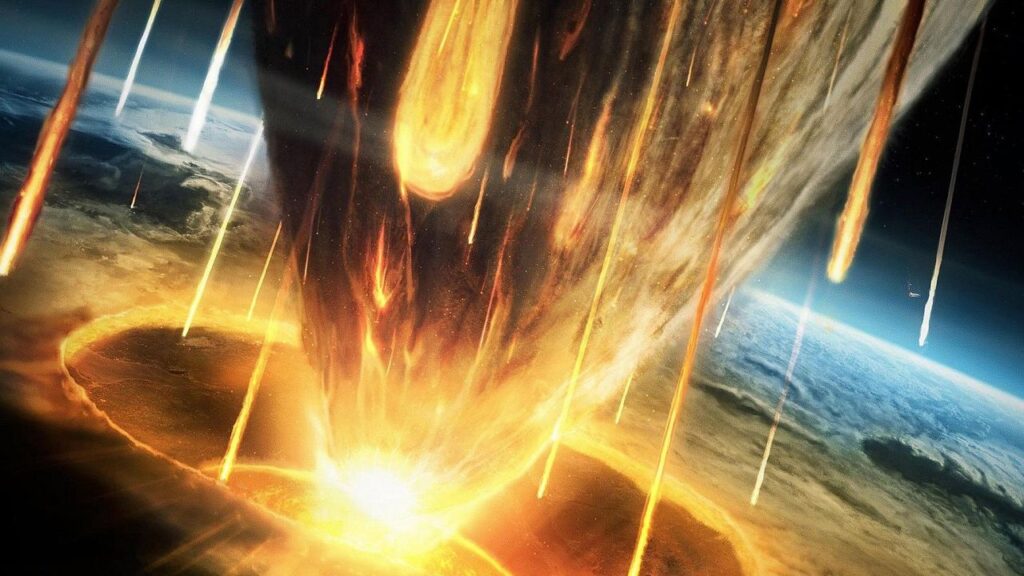
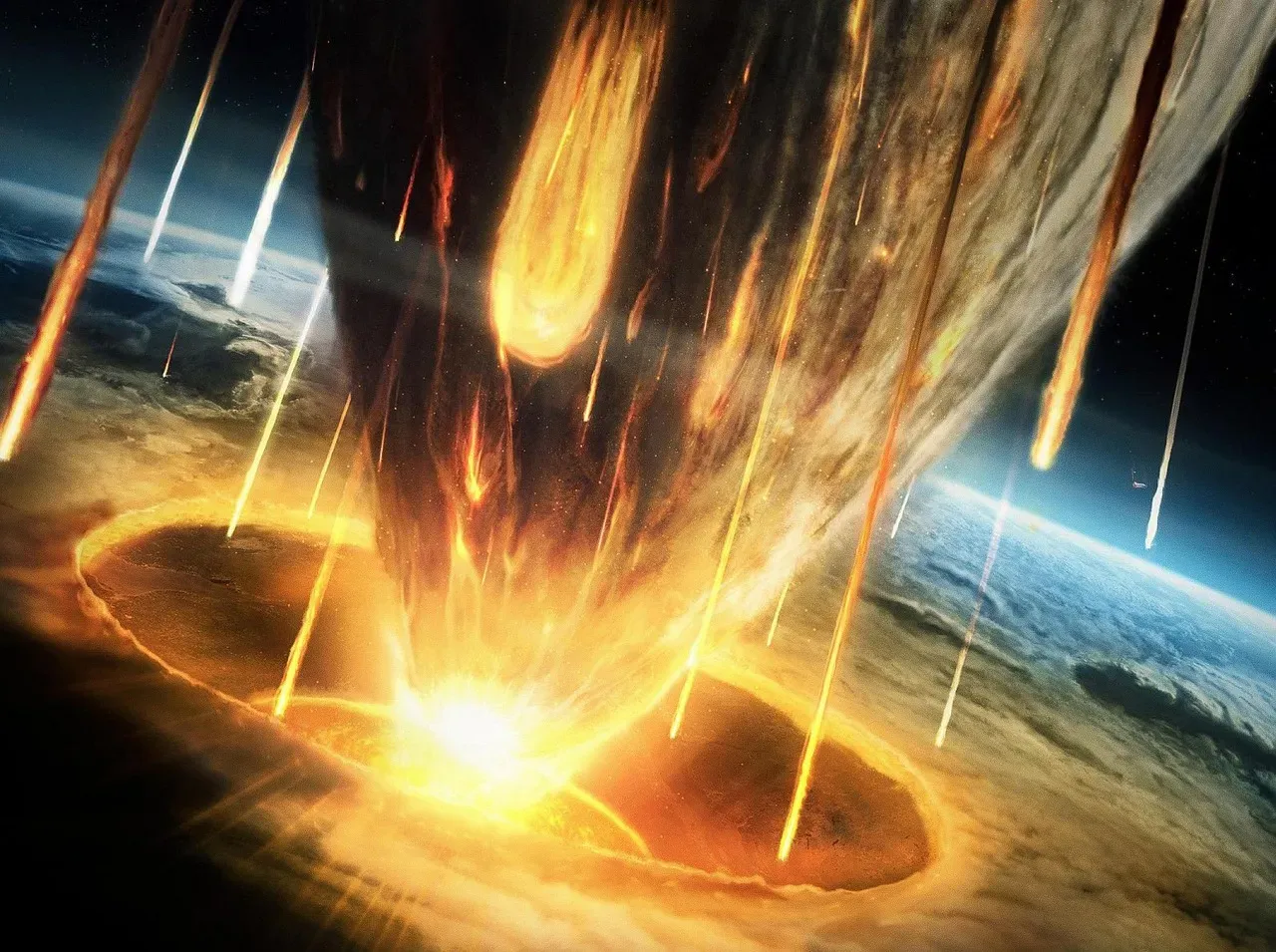
Sixty-six million years ago, a rock the size of a small city came screaming out of space at roughly 34,000 miles per hour and slammed into what is now the Yucatan Peninsula of Mexico. The planet shook. Fires erupted across continents. The sky went dark. Everything that had ruled the Earth for over 160 million years was gone within a cosmic heartbeat. It sounds like pure destruction. And honestly, in the immediate aftermath, it was.
Here’s the thing, though. Beneath all that catastrophe, something extraordinary was already beginning. Life, stubborn and relentless as ever, didn’t just survive the worst day in the planet’s history. It used that emptiness, that scorched silence, as a launchpad. What followed was one of the most spectacular biological rebirths the Earth has ever seen. You might be surprised by just how quickly it happened, and how the story connects directly to the world you live in today. Let’s dive in.
The Rock That Rewrote Earth’s History
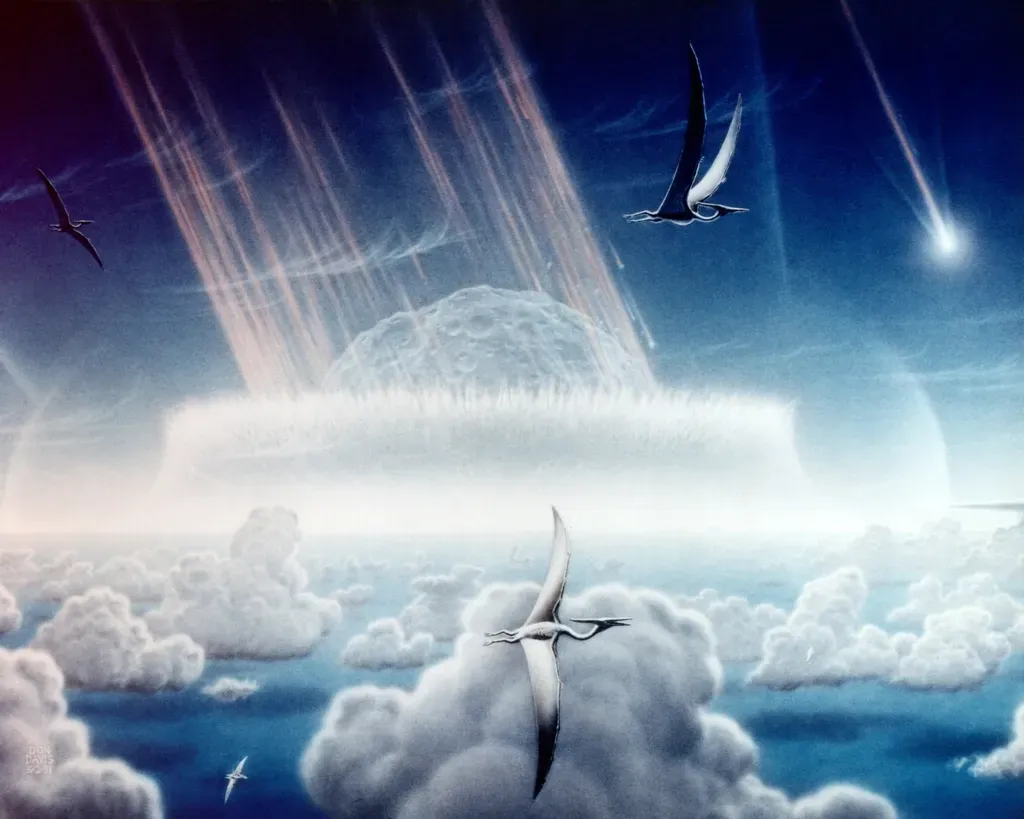
You can still find the scar. The Chicxulub crater is buried beneath the Yucatan Peninsula in Mexico, and it was formed slightly over 66 million years ago when an asteroid about ten kilometers in diameter struck Earth. Think about that for a moment. A rock roughly the size of a small mountain, traveling at incomprehensible speed, punching a hole in a planet. The energy released was staggering.
The collision released the same energy as 100 teratonnes of TNT, more than a billion times the energy of the atomic bombings of Hiroshima and Nagasaki. The immediate blast radius was total and complete obliteration. Then things got even worse for life on Earth, spreading far beyond the impact site.
The enormous amount of energy generated by this impact, equivalent to ten thousand times the world’s nuclear arsenal, ejected into the atmosphere huge quantities of dust particles and gases. Darkness followed. Temperatures collapsed. Plants couldn’t photosynthesize. Food chains unraveled almost immediately, like pulling a single thread from a carefully woven tapestry until the whole thing falls apart.
A Mass Extinction Like No Other
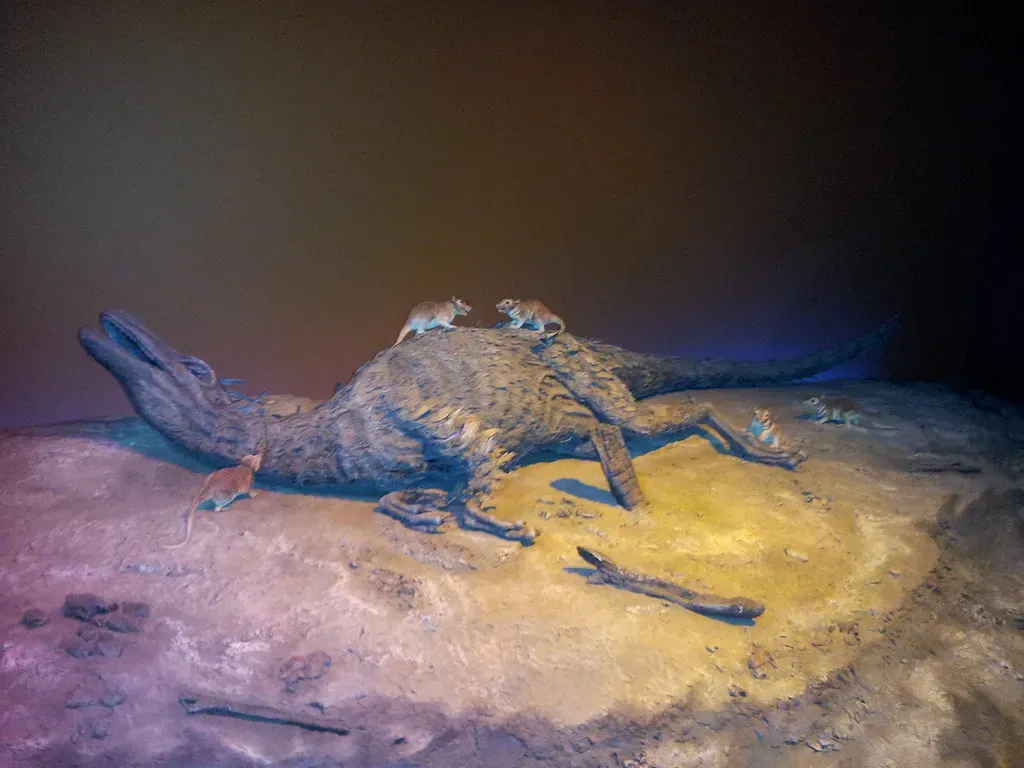
The Cretaceous-Paleogene extinction event was a major mass extinction of three-quarters of the plant and animal species on Earth, which occurred approximately 66 million years ago. Let’s be real about what “three-quarters” actually means at planetary scale. Entire lineages that had existed for tens of millions of years simply ceased to exist. The world was emptied out in ways that are almost impossible to fully picture.
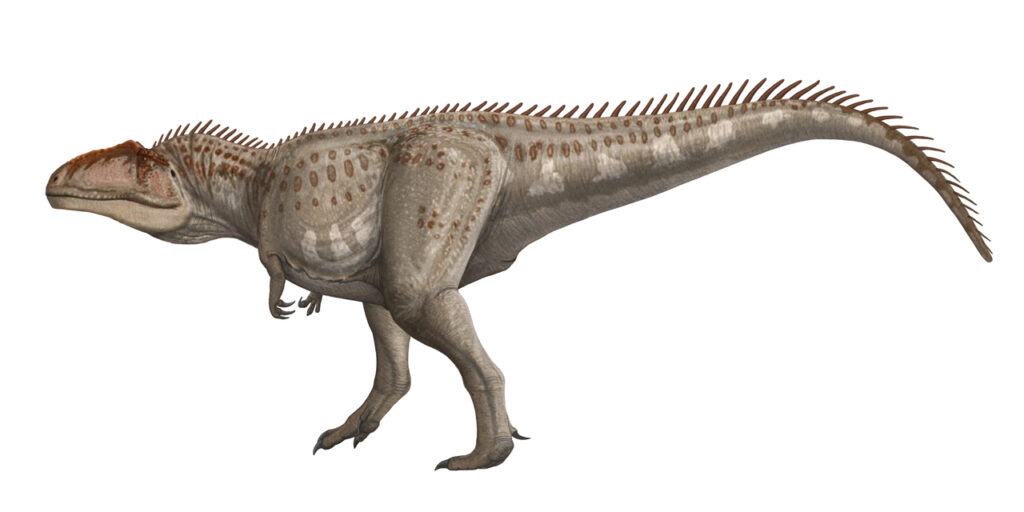
The event caused the extinction of all of the non-avian dinosaurs and most other tetrapods weighing more than 25 kg, with the exception of some ectothermic species such as sea turtles and crocodilians. It wasn’t selective in any kind, gentle sense. If you were large, warm-blooded, and dependent on a functioning food chain, your days were numbered. The planet was being wiped clean.
This extinction event is not the largest in Earth’s history, but it is the most well-studied, as it dramatically ended the age of reptiles and set the stage for the rise of mammals. That last part, that phrase “set the stage,” is worth holding onto. Because in science, endings and beginnings are almost always the same moment.
Life’s Jaw-Dropping Comeback Speed
Here’s where things get genuinely mind-blowing, and where recent science has forced researchers to completely tear up their old timelines. You might assume that after such total devastation, life would have taken hundreds of thousands of years to crawl back. That assumption, it turns out, was very wrong.
New species of plankton appeared fewer than 2,000 years after the world-altering event, according to research led by scientists at the University of Texas at Austin and published in Geology. Two thousand years. In evolutionary terms, that’s not even a blink. It’s more like the fraction of a second between the blink and the moment your eyelid opens again.
The study’s lead author Chris Lowery said this pace of evolution is extraordinarily fast compared with what scientists usually see in the fossil record. Normally, the formation of new species takes place over millions of years. Even after a catastrophic mass extinction, ecosystems can begin rebuilding within only a few thousand years, with new species emerging far sooner than scientists once thought. The resilience embedded in life itself is, honestly, a little humbling.
The Secret Weapon: Helium-3 and the New Timeline

So how did scientists figure out that life bounced back so fast? The answer lies in a cosmic trick involving extraterrestrial dust. It’s a remarkable piece of detective work. The isotope marker used is called Helium-3. It accumulates in ocean sediments at a constant rate, meaning that if sediment accumulated slowly, it should have lots of Helium-3, and if it accumulated quickly, it should have less Helium-3, which allowed the team to more accurately calculate the passage of time.
Lowery and his co-authors noted that the massive die-offs happening on land and sea altered sedimentation rates for the boundary and made previous assumptions incorrect. The decline in the numbers of calcareous plankton that sink to the seafloor, which mostly went extinct, combined with increased erosion from land after the death of most vegetation caused big changes in how quickly sediment piled up in different places.
Averaging across six sites, including the Chicxulub crater and marine deposits from Italy, Spain and Tunisia, researchers found the sediments had actually taken less time to build up than the tens of thousands of years previously estimated. On average, the telltale plankton species appeared 6,400 years after the impact. Other new plankton showed up within just a millennium or two. A recalibration that changes everything we thought we knew about recovery speed.
How Mammals Seized Their Moment
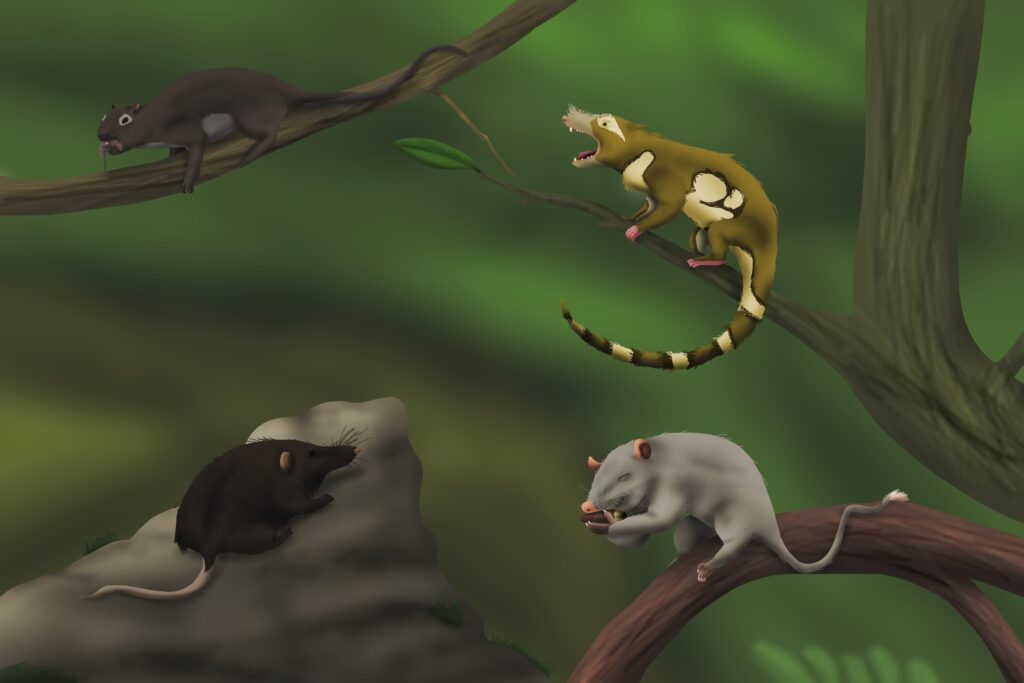
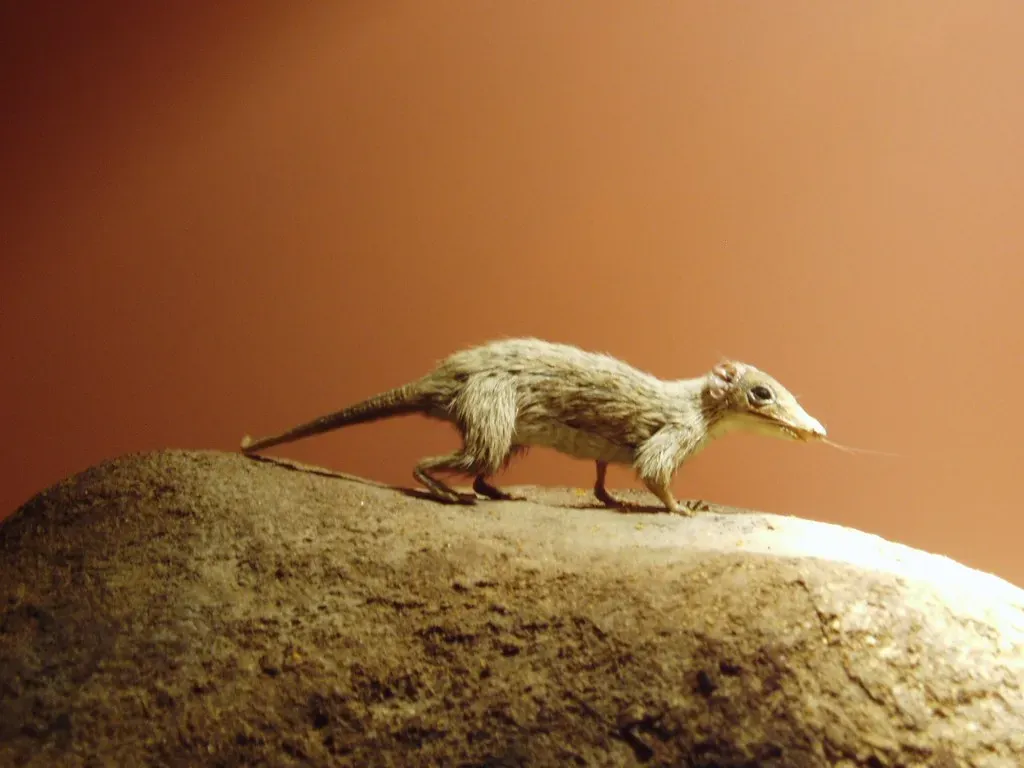
Before the asteroid, more than 70 million years ago, dinosaurs ruled the Earth and the furry ancestors of the mammals were nothing but lunch for the dominant species. Imagine that. Your entire evolutionary lineage, spending millions of years as a small, scurrying, seed-eating creature trying very hard not to get stepped on. Then, one extraordinary day, everything changed.
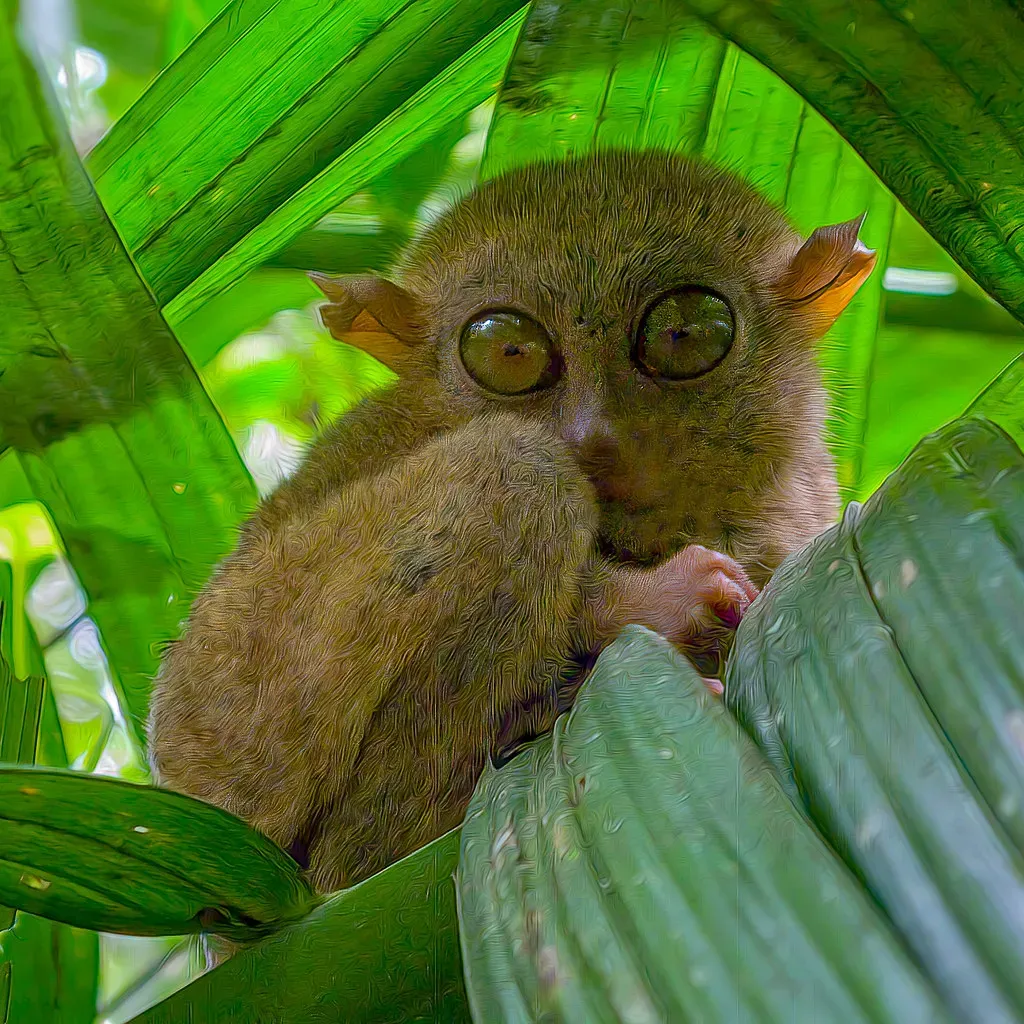
Mammals could eat insects and aquatic plants, which were relatively abundant after the meteor strike. As the remaining dinosaurs died off, mammals began to flourish. Their small size, their generalist diets, their ability to burrow underground. These weren’t glamorous traits. They were survival traits. And suddenly, they were the most valuable traits on Earth.
Mammalian taxonomic richness doubled over the first 100,000 years. Mammals also recovered to the size of the pre-extinction period, that is up to 7 kg in weight compared with the 0.5 kg of the immediate survivors of the asteroid impact. At the same time, the richness of megafloral species also increased rapidly, which in turn drove an equally dramatic increase in the body mass of the largest mammals. After 300,000 years these had increased by 30 times up to 15 kg. An explosion of size and diversity, building on itself with each warming period that followed.
Birds: The Dinosaurs That Made It
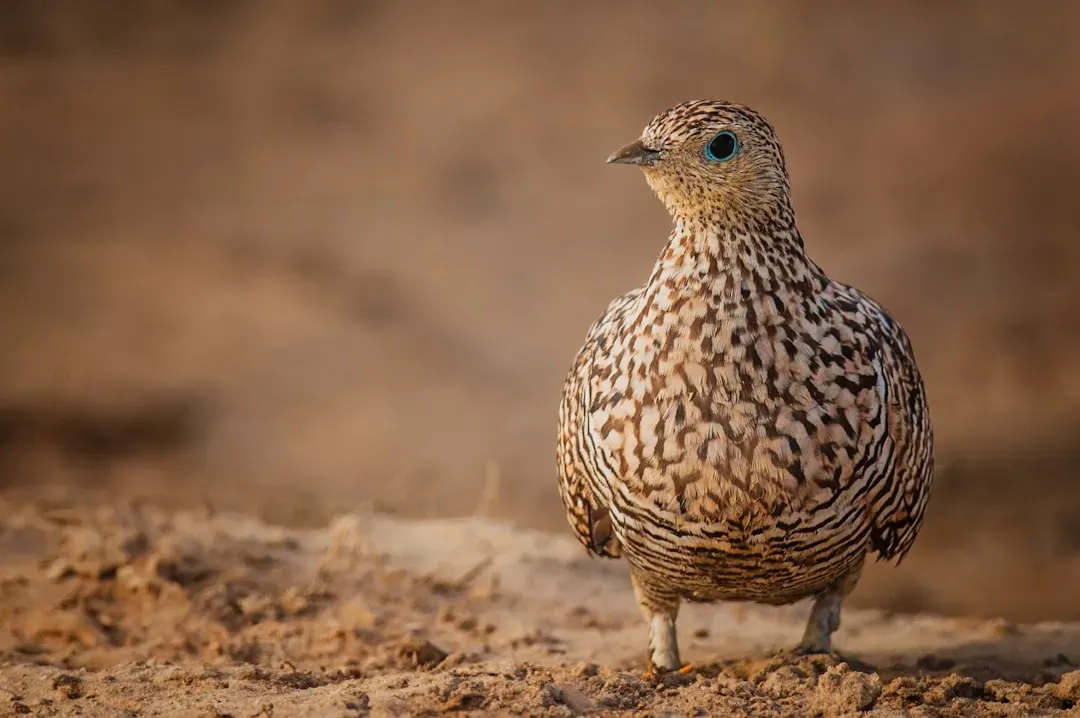
Here’s something worth sitting with. All of the non-bird dinosaurs died out, but dinosaurs survived as birds. Some types of bird did go extinct, but the lineages that led to modern birds survived. Initially the survivors were small, with birds the first to experience evolution to larger sizes. Every robin on your windowsill, every eagle soaring overhead. They’re all dinosaurs. The lineage didn’t end. It transformed.
Birds with beaks and powerful gizzards capable of crushing tough seeds had an unexpected advantage that increased their chances of survival. Beaked birds were able to feed on the seeds of the destroyed forests and wait out the decades until vegetation began to return. Seeds buried in the soil became the ultimate insurance policy. While the world above ground burned and froze, those tiny packages of stored nutrition sat waiting.
An international team of scientists concluded the asteroid that smashed into Earth 66 million years ago not only wiped out the dinosaurs, but erased the world’s forests and species that lived in trees. The researchers say only small ground-dwelling birds survived the mass extinction, profoundly changing the course of bird evolution. Following the asteroid impact, birds immediately underwent a radiation in species and diversified into new forms, including the ancestors of owls, flamingos, hummingbirds, and more. The diversity you see soaring through the skies today is the direct product of that desperate ground-level survival.
The Rebirth of the Green World and What It Means for Us
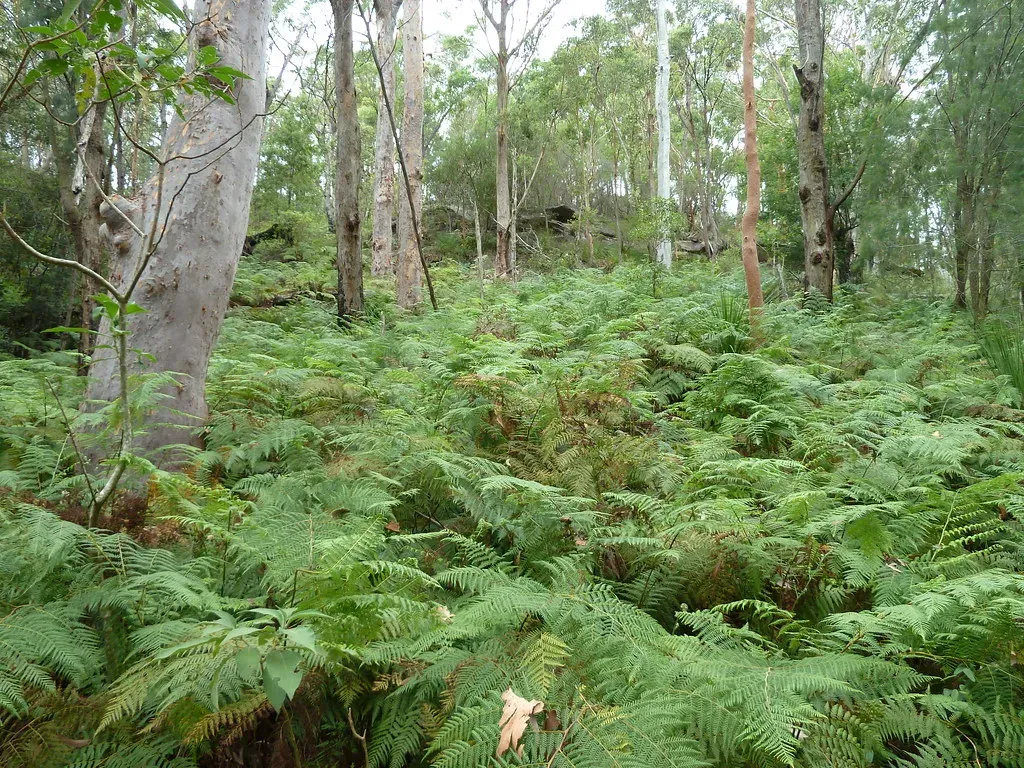
The recovery of the plant world tells its own extraordinary story. Immediately after the impact, the dominant sound of the post-apocalyptic world would have been silence, and the dominant sight would have been ferns. The “fern spike” seen in K-Pg boundary sediments is one striking example. In places around the world, the immediate post-extinction layer is dominated by fern spores. Ferns are plants that reproduce by spores and can crowd into disturbed landscapes quickly. The sudden dominance of ferns suggests forest ecosystems were burned or destroyed by the impact before trees grew back. In later Paleogene layers, diverse flowering plants gradually return.
The gymnosperms, particularly large conifers, suffered disproportionately high rates of extinction because they lacked the short generation times and resilient seed strategies of the angiosperms. The extinction created ecological vacancies, allowing surviving angiosperm families to rapidly diversify in the Paleogene. This recovery accelerated the angiosperms’ rise to ecological dominance, cementing their position as the prevailing form of plant life on Earth today.
Whilst the fossil record shows that many species did disappear, the lineages to which they belong, such as families and orders, survived enough to flourish and then dominate. Out of around 400,000 plant species living today, approximately 300,000 of these are flowering plants. The food on your plate, the forests that clean your air, the flowers in every garden you’ve ever admired. All of it traces its dominant form directly back to that catastrophic, creative reset sixty-six million years ago.
Conclusion: Destruction as the Mother of Creation
It’s a strange kind of comfort, isn’t it? The worst day in the history of complex life on Earth also turned out to be one of the most generative. The asteroid didn’t just end the age of dinosaurs. It opened a door so vast that mammals walked through it and eventually became everything from bats to blue whales to humans sitting at a keyboard, writing about it all.
The science keeps refining the picture, and with each revision it grows more astonishing. Life didn’t merely survive. It charged back with almost reckless speed. New species within 2,000 years. Mammal diversity doubled within 100,000. Flowering plants seizing dominance over the entire planet. The catastrophe was real. The creative explosion that followed was equally real.
Think of it like clearing a forest. The destruction looks total. Then, almost before you’ve caught your breath, green shoots are already pushing up through the ash. What emerges is different, yes, and wilder, and stranger than what was there before. That return of life could offer lessons in how marine ecosystems might recover after the dramatic shifts caused by climate change. Perhaps the most powerful thing the dinosaur extinction teaches us is not about endings at all. It’s about what life does when the stage is suddenly, unexpectedly empty.
What do you think is the most surprising part of this story? Drop your thoughts in the comments below.