Dinosaurs have fascinated us for nearly two centuries, and for most of that time, we thought we had a pretty solid picture of who they were. Textbooks organized them neatly. Museums mounted them with confidence. Kids memorized the names like scripture. Then, one discovery at a time, paleontologists started pulling threads – and entire sections of that comfortable picture began to unravel.
It turns out the story of dinosaur evolution is far stranger, far richer, and frankly far more exciting than anyone imagined just a few decades ago. New fossils, new technology, and some wonderfully stubborn scientists have forced the field to look at everything from scratch. What follows are ten discoveries so disruptive, so genuinely astonishing, that they didn’t just add chapters to the book – they rewrote the whole thing. Let’s dive in.
1. The 130-Year-Old Family Tree Gets Flipped Upside Down
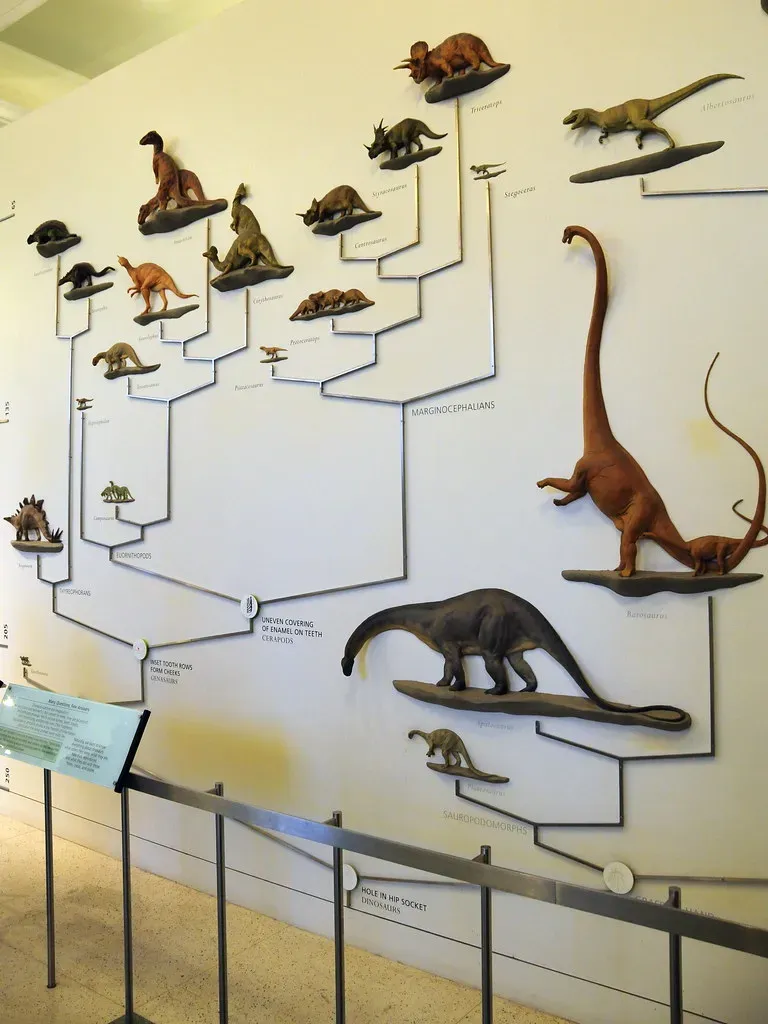
Imagine walking into a library, picking up a textbook that has been considered accurate for over a century, and being told the core premise was wrong. That’s essentially what happened in 2017. The dinosaur family tree, used by paleontologists and dinosaur enthusiasts for the past 130 years, was completely transformed. In the old arrangement, there were two major groups: the bird-hipped ornithischians, such as duck-billed dinosaurs and stegosaurs, and the reptile-hipped saurischians, which included theropods like T. rex and long-necked sauropods.
According to a new analysis, theropods and ornithischians were revealed to be more closely related to each other than scientists had previously thought, and both fit into a previously unknown group called Ornithoscelida. A computer model compared data on 457 anatomical traits across 74 dinosaur species, and controversially, the analysis refuted much of the knowledge accumulated over the previous 130 years. You could almost hear the collective gasp across every university paleontology department on the planet.
2. Sinosauropteryx: The Feathered Dinosaur That Broke Everything
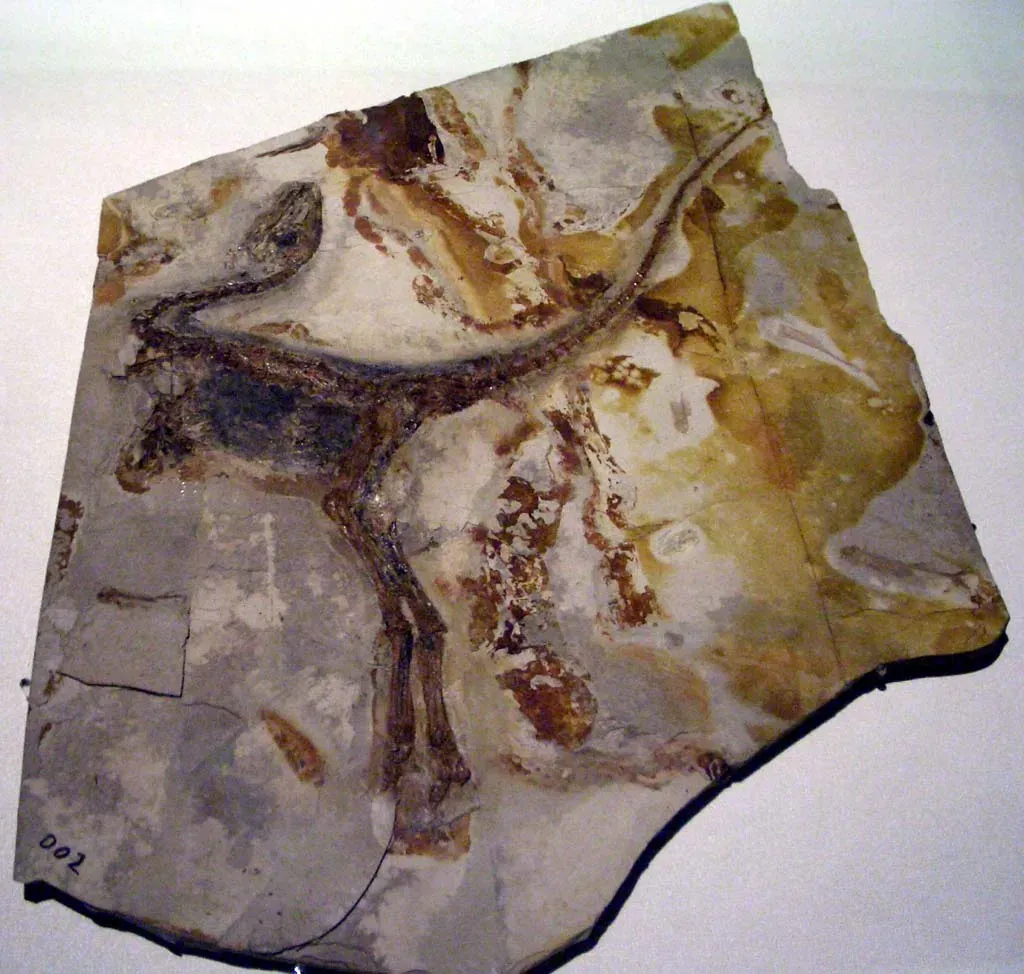
Here’s the thing – for most of the 20th century, dinosaurs were portrayed as scaly, cold-blooded monsters, basically giant lizards with attitude. Then, in 1996, a farmer in China’s Liaoning Province stumbled onto something that would shake that image permanently. Sinosauropteryx was the first dinosaur taxon outside of birds and their immediate relatives to be found with evidence of feathers. It was covered with a coat of very simple filament-like feathers.
When paleontologist Phil Currie brought a photograph of the specimen to the 1996 meeting of the Society of Vertebrate Paleontology, crowds of paleontologists gathered to discuss the discovery. The news reportedly left paleontologist John Ostrom, who had pioneered the theory that birds evolved from dinosaurs in the 1970s, “in a state of shock.” It was the first feathered dinosaur discovered that wasn’t directly related to birds. That one fossil didn’t just shift a branch on the family tree – it added an entirely new dimension to how we understand dinosaur biology.
3. The Feathered Giant: Yutyrannus Rewrites Tyrannosaur Biology
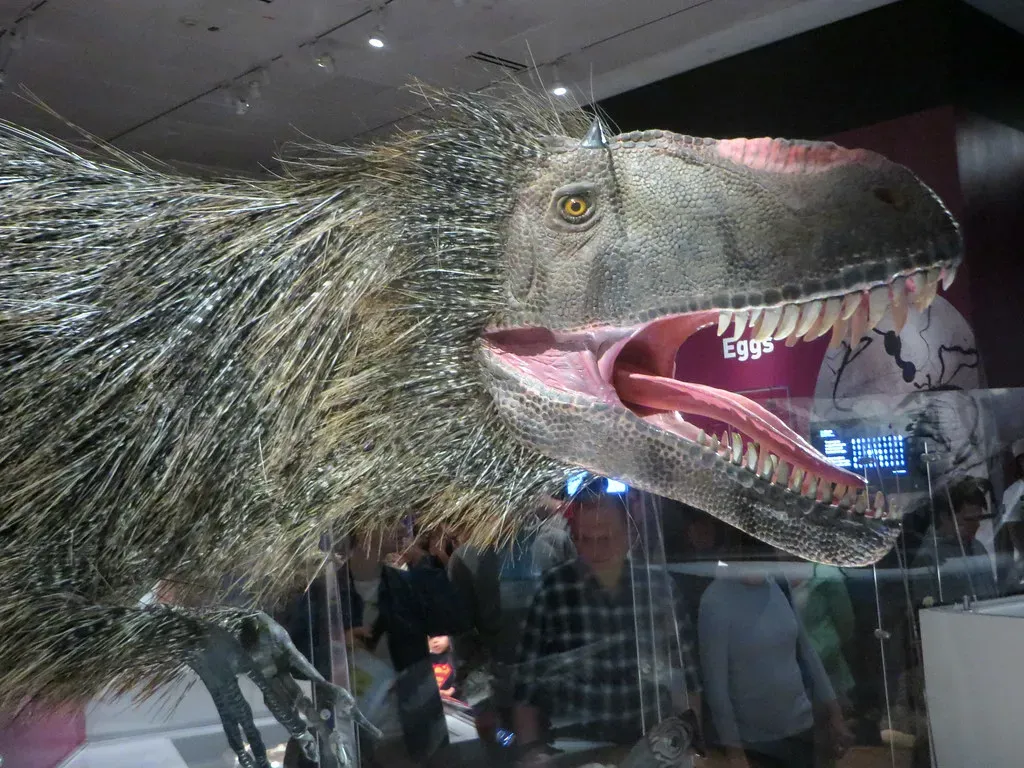
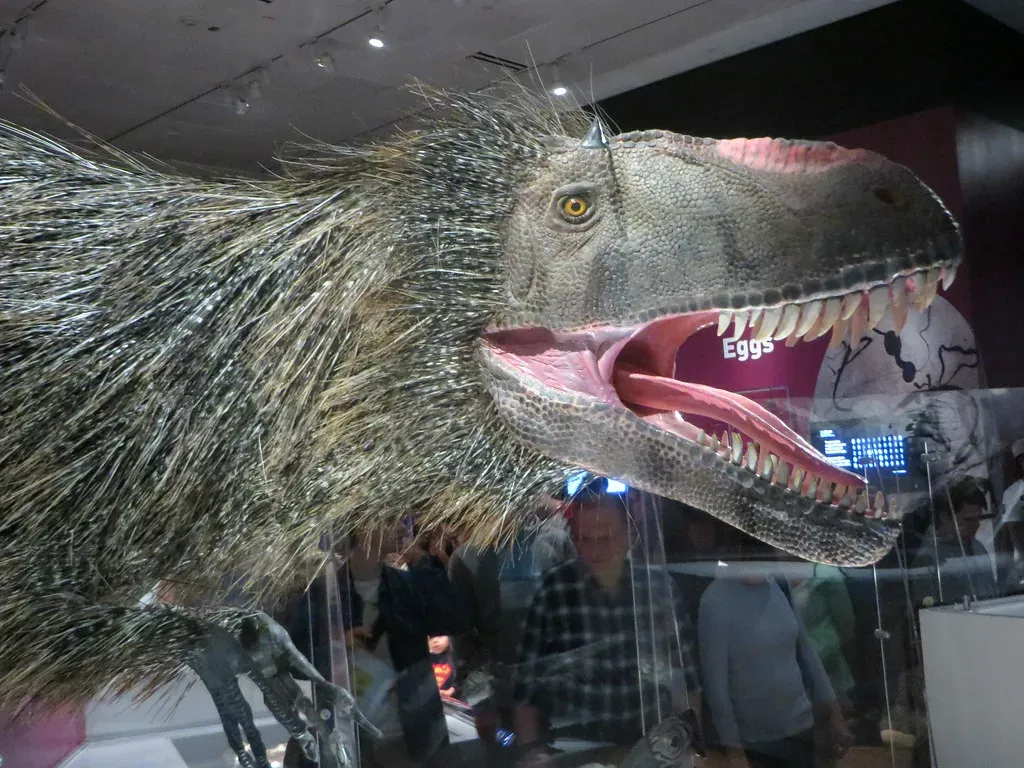
If you thought feathers were limited to small, bird-like dinosaurs, the discovery of Yutyrannus huali was here to dramatically disagree with you. The discovery of this new species of Tyrannosaurus relative from the Early Cretaceous of China, some 125 million years old, revealed the largest feathered creature ever known, living or extinct. Think about that for a moment. A creature the size of a bus, covered in feathers. It’s almost hard to visualize.
Yutyrannus bears long filamentous feathers, providing direct evidence for the presence of extensively feathered gigantic dinosaurs and offering new insights into early feather evolution. Feathers offered evolutionary advantages such as insulation, camouflage, display, and flight support for some, and were likely a feature of all dinosaurs, even Tyrannosaurus rex. The implications for how the family tree was constructed – based in part on assumptions about integument – were enormous and immediate.
4. Birds Are Dinosaurs: A Connection Decades in the Making
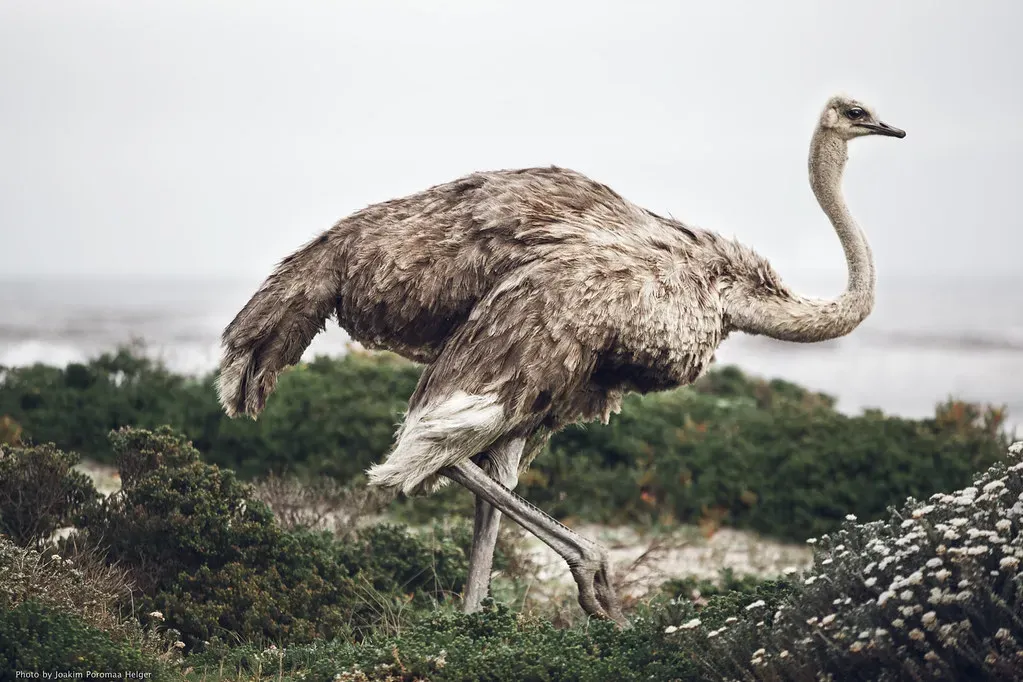
Honestly, the idea that birds are living dinosaurs sounds like something from a science fiction novel. Yet the fossil evidence for this connection has been building since the 19th century, and discoveries from China’s Liaoning Province essentially sealed the case. An international team of scientists announced the discovery in northeastern China of two 120-million-year-old dinosaur species, both of which showed unequivocal evidence of true feathers. Both creatures provided further support for the theory that birds evolved from small, meat-eating, ground-dwelling dinosaurs.
The most important discoveries at Liaoning have been a host of feathered dinosaur fossils, with a steady stream of new finds filling in the picture of the dinosaur-bird connection and adding more to theories of the evolutionary development of feathers and flight. The plumage on these fossils also suggests that feathers did not evolve for flight, but were first used for insulation, display, or some other purpose. This fundamentally reshuffled the theropod branch of the dinosaur family tree and changed how scientists draw the line between “dinosaur” and “bird.”
5. Spinosaurus: The First Swimming Dinosaur
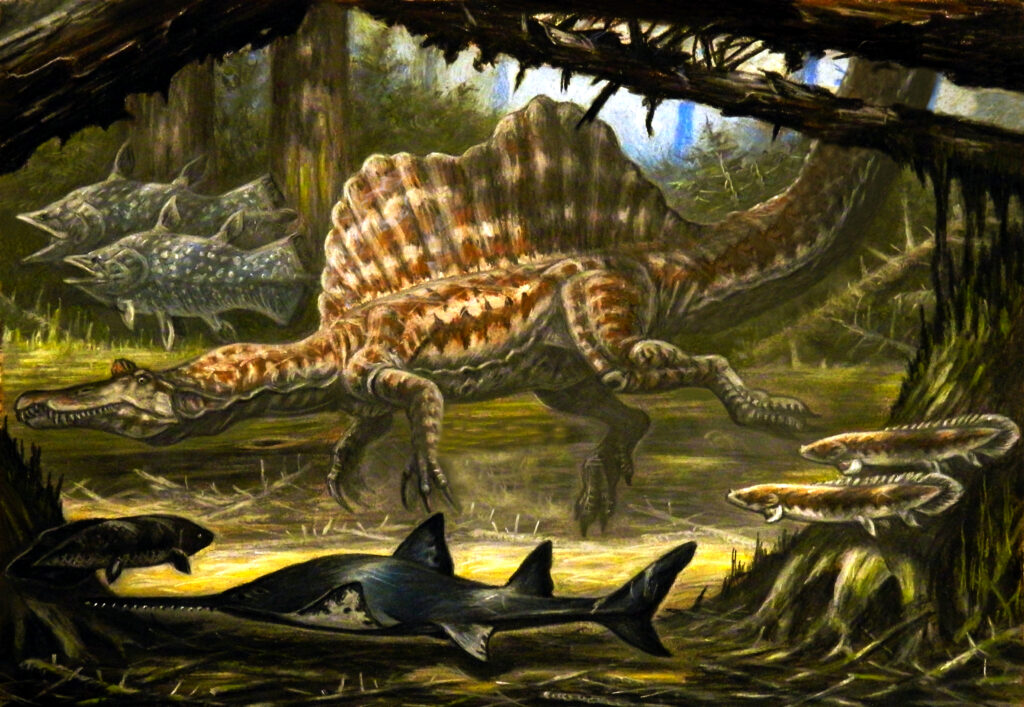
For most of paleontology’s history, dinosaurs were considered strictly land animals. Sure, they might wade in shallow rivers, but swimming? Actively pursuing prey in open water? That idea was essentially laughed out of the room. Then the tail of Spinosaurus was unearthed in Morocco, and everything changed. The dinosaur fossil unearthed in Morocco was the most complete Cretaceous theropod ever found in North Africa. The tail described in Nature represents the most extreme aquatic adaptation ever seen in a large dinosaur.
Delicate struts nearly two feet long jut from many of the vertebrae that make up the tail, giving it the profile of an oar. By the end of the tail, the bony bumps that help adjacent vertebrae interlock practically disappear, letting the tail’s tip undulate back and forth in a way that would propel the animal through water. The debate continues – two stages are now recognized in the evolution of Spinosaurus, which is best understood as a semiaquatic bipedal ambush predator that frequented the margins of coastal and inland waterways – but either way, its place in the theropod family tree will never look quite the same again.
6. Soft Dinosaur Eggs Shatter Assumptions About Reproduction
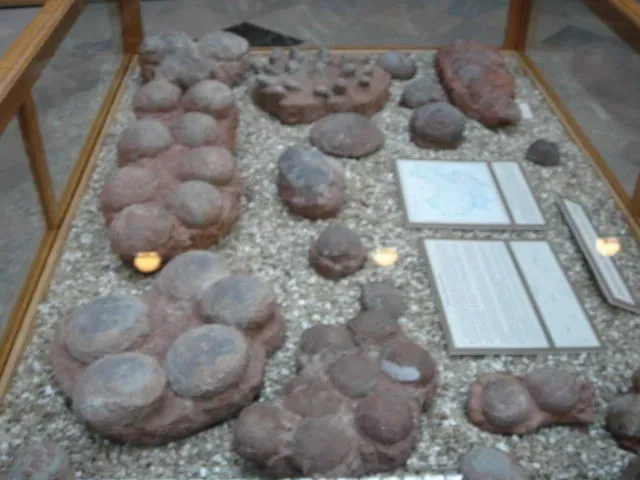
You probably assumed all dinosaurs laid hard-shelled eggs, much like modern birds or crocodiles. That assumption felt pretty safe. It wasn’t. In 2020, two research teams revealed evidence that some of the earliest dinosaur eggs, specifically those associated with Protoceratops in Mongolia and Mussaurus in Argentina, were soft-shelled rather than hard and calcified. This discovery demolished the long-held assumption that dinosaurs laid hard-shelled eggs similar to modern birds.
The finding explains why early dinosaur eggs are exceedingly rare in the fossil record. More importantly, the research suggests that hard-shelled eggs evolved independently multiple times within dinosaur lineages, reshaping the understanding of reproductive strategies and the evolutionary origins of birdlike reproduction. Think of it like discovering that a trait you assumed was inherited from a single ancestor actually evolved separately in several different lineages – like flight evolving independently in birds, bats, and insects. It redraws entire portions of the reproductive evolutionary chart.
7. Nanotyrannus: A Whole New Tyrannosaur Hidden in Plain Sight
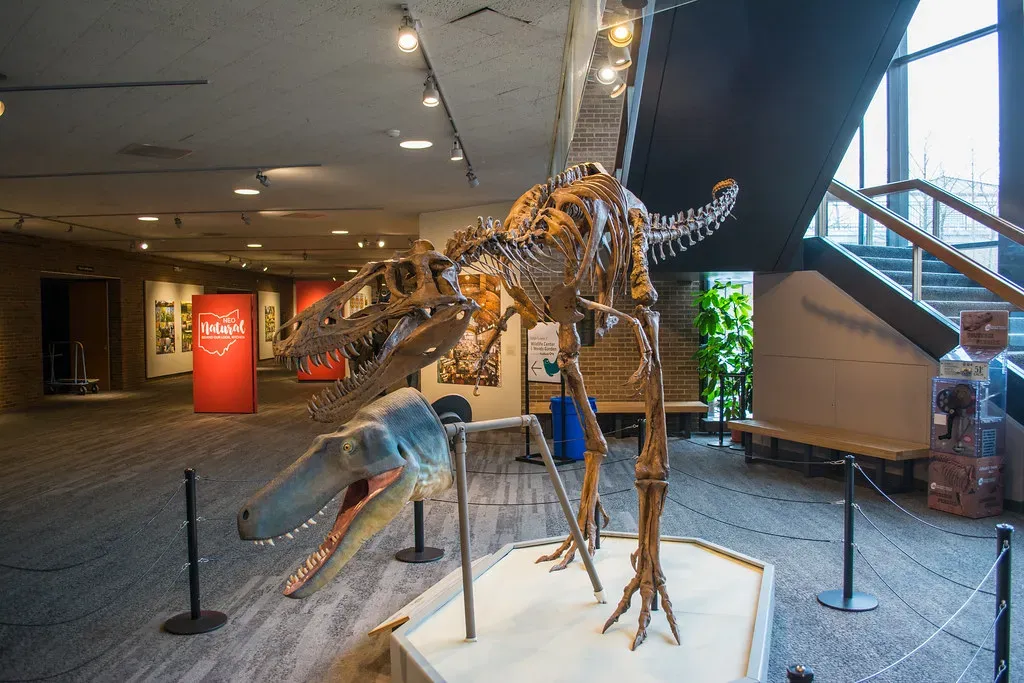
For decades, scientists debated whether the small tyrannosaur fossils labeled Nanotyrannus were simply juvenile T. rex specimens. It was a legitimate argument. Then came the “Dueling Dinosaurs” fossil – and it changed the conversation entirely. The fossil, part of the legendary specimen unearthed in Montana, contains two dinosaurs locked in prehistoric combat: a Triceratops and a small-bodied tyrannosaur. That tyrannosaur is now confirmed to be a fully grown Nanotyrannus lancensis, not a teenage T. rex, as many scientists once believed.
Using growth rings, spinal fusion data, and developmental anatomy, researchers demonstrated that the specimen was around 20 years old and physically mature when it died. Confirmation of the validity of Nanotyrannus means that predator diversity in the last million years of the Cretaceous was much higher than previously thought, and hints that other small-bodied dinosaur species might also be victims of mistaken identity. The tyrannosaur branch of the family tree, it turns out, had a whole extra twig that had been hiding in the collection drawers all along.
8. Brontosaurus Lives Again: A Name Resurrected by Data
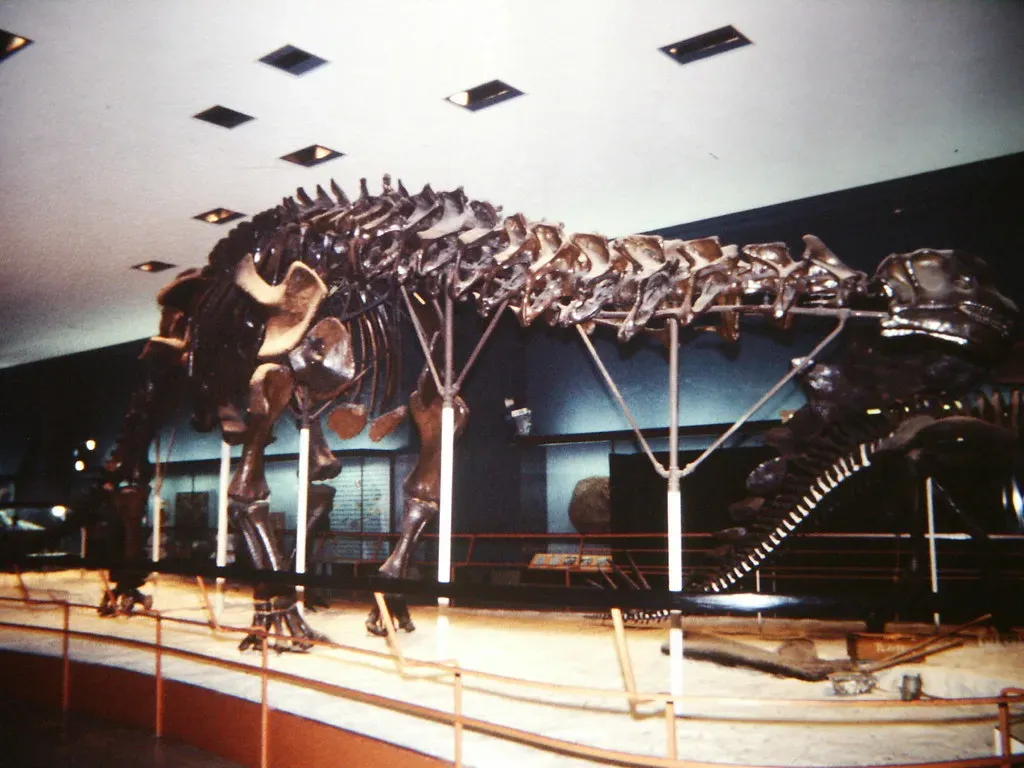
I think few paleontological reversals are as satisfying to the general public as this one. Brontosaurus – the thunder lizard you grew up loving – was erased from scientific classification in the early 20th century, merged with Apatosaurus and declared invalid. For nearly a hundred years, it simply didn’t exist as a separate genus. Then science did what science is supposed to do: it looked again. Once considered a staple in dinosaur textbooks, Brontosaurus was later deemed invalid and merged with Apatosaurus in the early 20th century. However, a study in 2015 resurrected the Brontosaurus name, sparking debates and demonstrating how new analyses and finds continue to reshape dinosaur taxonomy.
The resurrection wasn’t sentimental – it was data-driven. Researchers found enough distinct anatomical differences to justify treating Brontosaurus as its own separate genus within the sauropod family tree. It’s a perfect reminder that taxonomy isn’t carved in stone. All of this taxonomic wrangling is about more than names. A revised family tree has major implications for what paleontologists think the earliest dinosaurs were like, not to mention how each of the major subdivisions evolved. A name on a tree is never just a label – it’s a hypothesis about evolutionary history.
9. The Origin of Dinosaurs Gets Pushed Back and Relocated
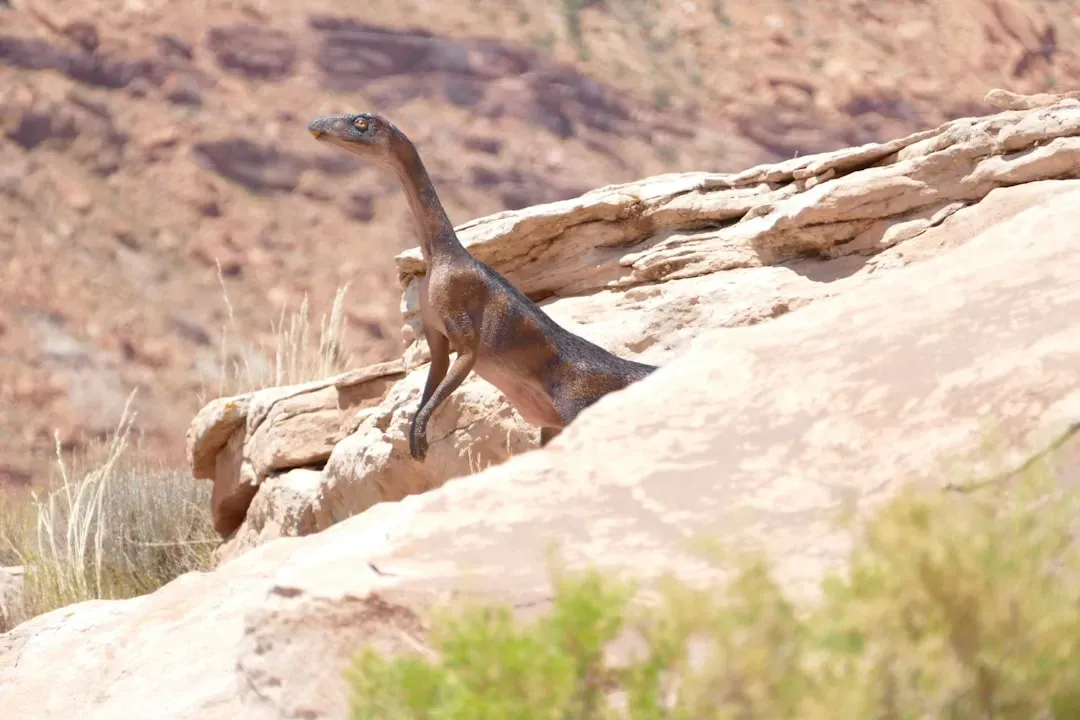
Where and when did dinosaurs first appear? That question has stubbornly resisted a clean answer, and new research keeps pushing the boundaries further than expected. Studies suggest that dinosaurs must have evolved earlier than now widely assumed, perhaps as early as the Middle Triassic. The reclassification study by Baron and colleagues also dropped a geographic bombshell alongside its taxonomic one.
Another controversial element of the study concerns the supposed place of origin of the dinosaurs. Fossil material currently indicates that South America was the birthplace of these reptiles, but the work proposes that they may have emerged in the Northern Hemisphere. Subsequent biogeographic analyses using historical estimation methods suggest low-latitude Gondwana as the most likely area of origin, while other researchers interpret the fossil record as consistent with a South American origin followed by simultaneous dispersals into Laurasia and eastern Gondwana. It’s a live debate – and every new Triassic fossil has the potential to settle it, or scramble it further.
10. Ancient Soft Tissue and Possible Dinosaur DNA: The Most Shocking Find of All
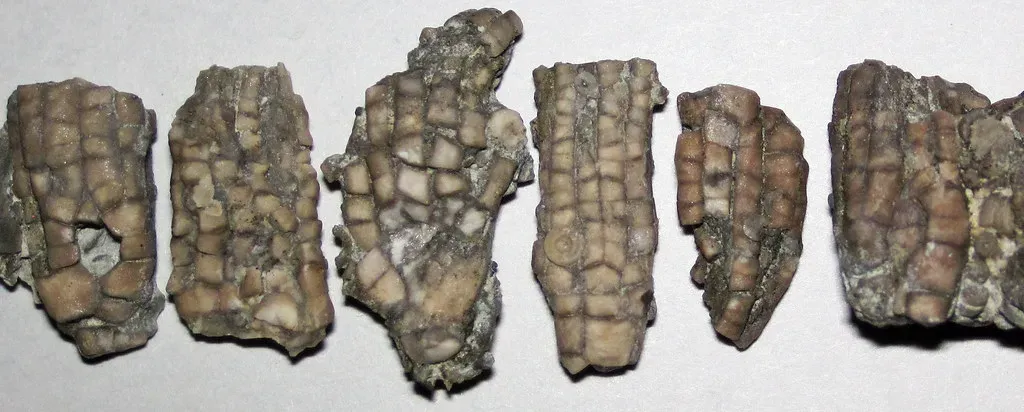
This one still sounds like science fiction, and honestly, part of me loves that it does. The idea of finding soft tissue inside a dinosaur fossil that is tens of millions of years old challenges some very fundamental assumptions about how long organic material can survive. From the skull of a baby hadrosaur called Hypacrosaurus that perished more than 70 million years ago, researchers discovered a scant shard of cartilage that may contain degraded remnants of dinosaur DNA.
Further discoveries have shown that the discovery of soft tissue wasn’t just a fluke. Probable blood vessels, bone-building cells, and connective tissue have been found in multiple T. rex specimens, in a theropod from Argentina, and even in a 300,000-year-old woolly mammoth fossil. Working on more recently extinct creatures, paleontologists have been able to revise family trees, explore the interrelatedness of species, and even gain insights into biological features such as variations in coloration. If molecular data from non-avian dinosaurs ever becomes reliably extractable, the family tree won’t just be rewritten – it will be rebuilt from the inside out.
Conclusion
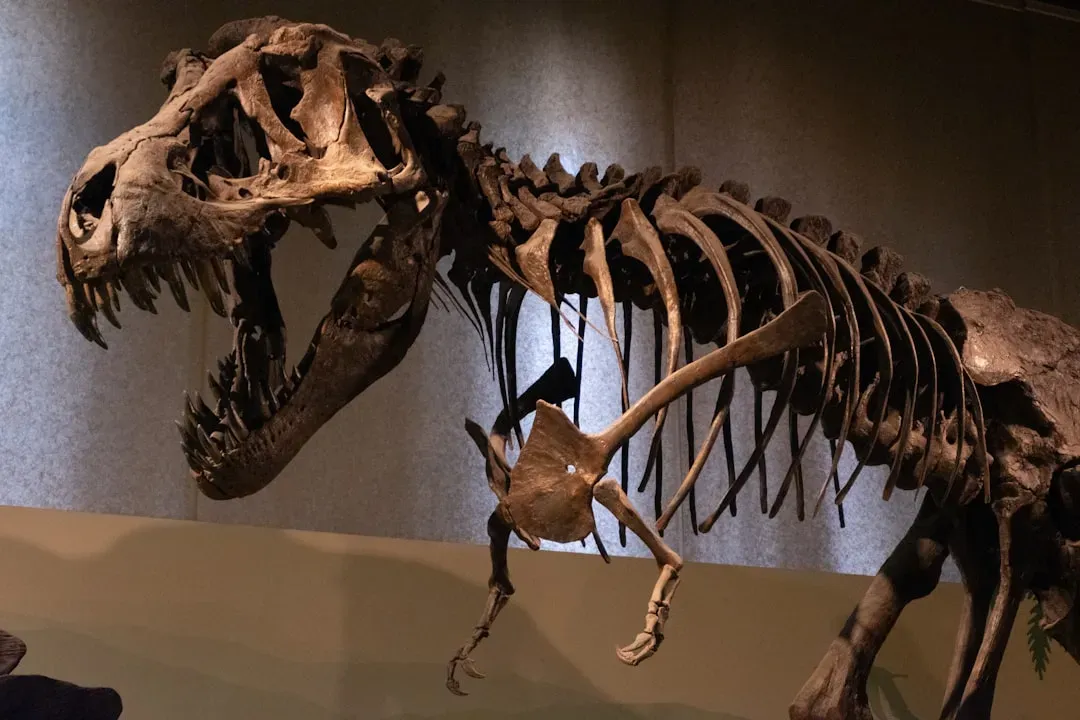
What’s most striking about all ten of these discoveries is not just the individual facts themselves, but what they collectively reveal: our understanding of dinosaurs is a living, breathing, constantly evolving picture. Every bone found in a Moroccan riverbed, every feather impression preserved in Chinese volcanic ash, every microscopic tissue sample extracted under lab conditions – each one has the potential to shuffle the branches on a tree that took over 130 years to draw.
The dinosaur family tree is not a finished diagram hanging on a wall. It’s more like a whiteboard in a very busy laboratory, always partially erased and redrawn. Science is not about certainty – it’s about the courage to be wrong, to look again, and to follow the evidence wherever it leads. These ten discoveries prove that the most astonishing chapters in Earth’s history are still being written.
Which of these discoveries surprised you the most? Did you expect the family tree to have been so radically different from what we were all taught in school? Drop your thoughts in the comments – this is one conversation that’s far from over.