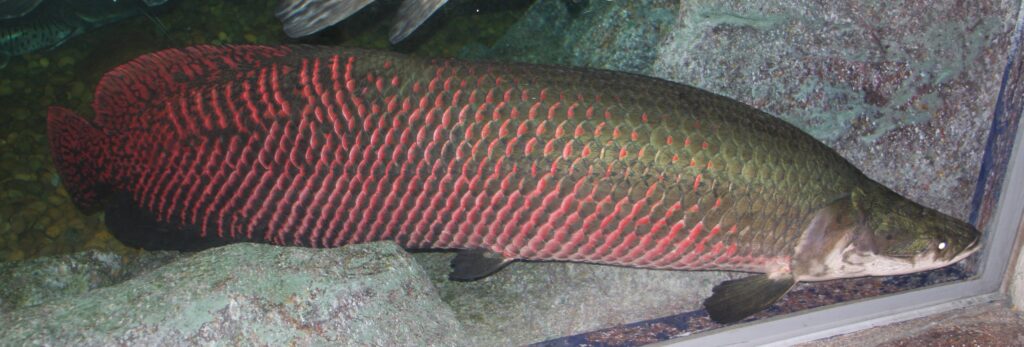
In the heart of Brazil’s Amazon basin, the pirarucu fish once teetered on the brink due to rampant overfishing. This massive freshwater species, known for reaching lengths over two meters, has found an unexpected champion in the form of cowboy boots. Crafted from its tough, sustainable skin, these boots have captured the imagination of buyers in the United States and Mexico, creating a vital economic lifeline for local fishers and anti-poaching initiatives.
From River Depths to Boot Shelves
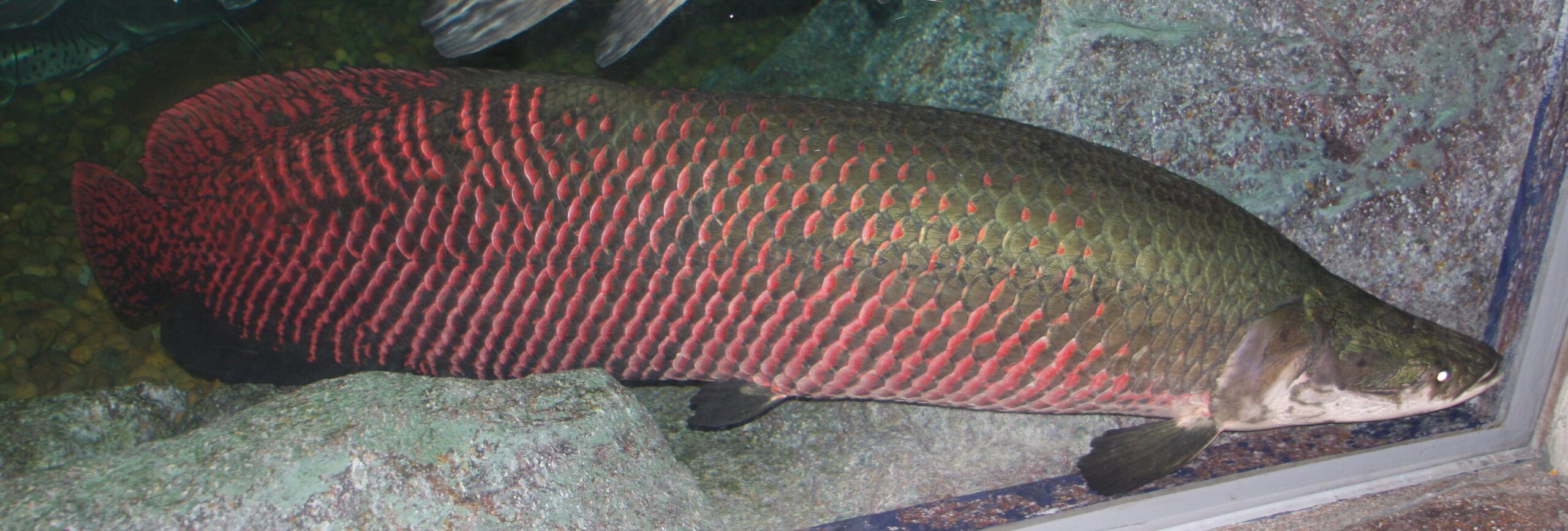
From River Depths to Boot Shelves (Image Credits: Upload.wikimedia.org)
Sales of pirarucu leather cowboy boots have surged in recent years, blending Wild West aesthetics with eco-conscious appeal. The fish’s skin, prized for its strength and unique texture, produces boots that rival traditional leathers in durability. Brazilian artisans process the hides into high-quality footwear, which commands premium prices abroad.
Fishers in Amazonian communities harvest the pirarucu under strict quotas designed to rebuild populations. This regulated approach marks a shift from past exploitation, where unchecked catches depleted stocks. Now, each pair of boots represents not just fashion but a step toward ecological balance. Demand from U.S. and Mexican markets continues to grow, drawing attention to the trade’s potential.
Empowering Local Fishers and Patrols
The trade has directly benefited Brazilian fishers by providing steady income from sustainable practices. Revenue supports lake patrols that combat illegal poaching, a persistent threat to the pirarucu. These efforts have helped stabilize fish numbers in managed lakes, offering a model for broader recovery.
Communities now participate in monitoring and enforcement, fostering a sense of ownership over their resources. Fishers report improved livelihoods, though challenges remain in distribution. The initiative demonstrates how market-driven conservation can align economic needs with environmental goals. Patrol teams, funded partly by boot sales, have increased their presence, deterring would-be violators effectively.
Navigating Profit-Sharing Hurdles
Each pair of these cowboy boots retails for around $750, yet Amazonian communities receive only a small portion of that sum. Intermediaries in processing and export capture much of the value, highlighting inequities in the supply chain. Efforts to scale the trade must address this gap to maximize local impact.
Still, the model shows promise. Fishers advocate for better terms to ensure long-term viability. Scaling requires investment in local processing facilities and direct market links. Without these changes, the conservation gains risk stalling despite rising demand.
Key Benefits of the Pirarucu Boot Trade
The initiative offers multiple advantages beyond immediate sales. Here are the primary impacts:
- Population recovery through quota-based harvesting in protected lakes.
- Funding for anti-poaching patrols that safeguard habitats.
- Alternative income for fishers, reducing reliance on destructive practices.
- Global awareness of Amazon biodiversity via fashionable products.
- Potential for expanded sustainable leather markets.
These elements combine to create a blueprint for similar species worldwide. Expansion could amplify effects, but equitable profit distribution remains essential.
Key Takeaways
- Pirarucu boots blend style with sustainability, popular in U.S. and Mexico.
- Trade funds patrols and aids species recovery for Brazilian fishers.
- Communities need fairer shares of the $750 retail price to scale success.
The pirarucu boot trade illustrates how innovative markets can rescue endangered species while supporting human communities. As demand grows, refining the economic model will determine its lasting success. What do you think about this fusion of fashion and conservation? Tell us in the comments.