New York City – Wildlife rehabilitators and scientists noted a sharp increase in highly pathogenic avian influenza cases among urban animals during the recent winter. The H5N1 strain, known for its ability to infect diverse species, has prompted heightened monitoring in this densely populated area along the Atlantic Flyway. Local experts expressed concern over the virus’s persistence and potential for further spread in city parks, zoos, and markets.
Rehabilitators Face Unprecedented Challenges
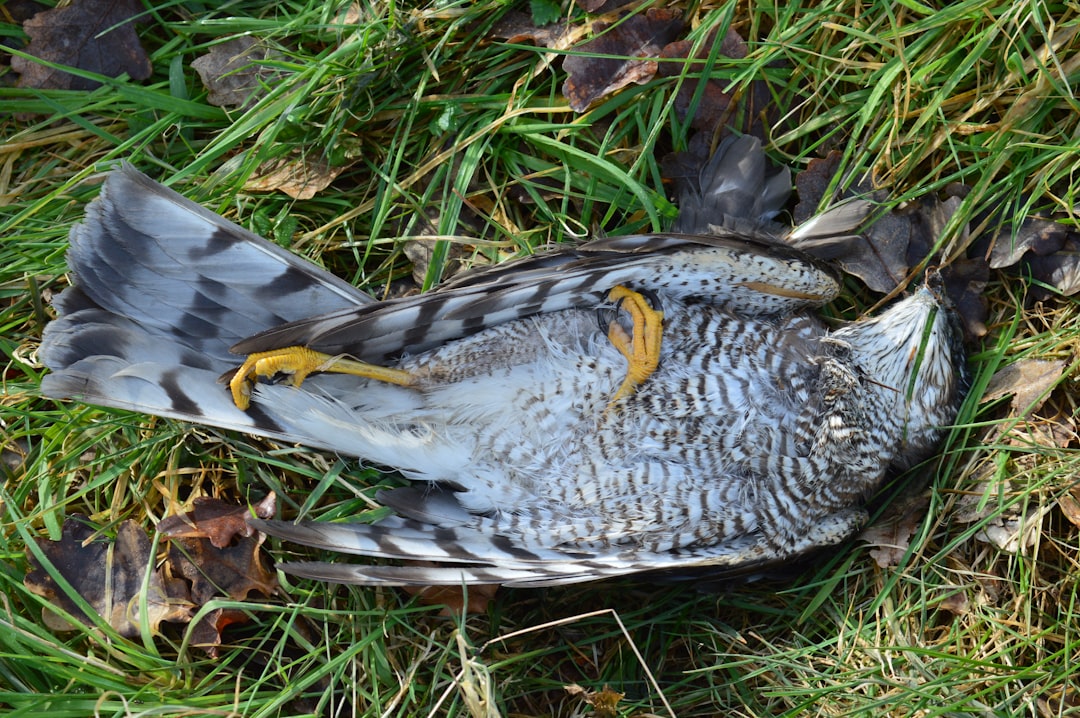
Rehabilitators Face Unprecedented Challenges (Image Credits: Unsplash)
Catherine Quayle, communications director at the Wild Bird Fund and a licensed rehabilitator with 12 years of experience in New York City, described the recent surge as unprecedented. The organization, the city’s sole wildlife rehabilitation center, shifted to triage operations four years ago amid rising H5N1 suspicions. Staff implemented isolation zones, new protocols, protective equipment, and frequent testing to manage the influx.
“We certainly deal with viruses on a day-to-day basis, but nothing like this,” Quayle stated from the Upper West Side clinic. Residents reported sick and dying birds daily, particularly Canada geese. The fund handled numerous cases, reflecting broader trends in urban wildlife health.
Species Across the Board Succumb to Virus
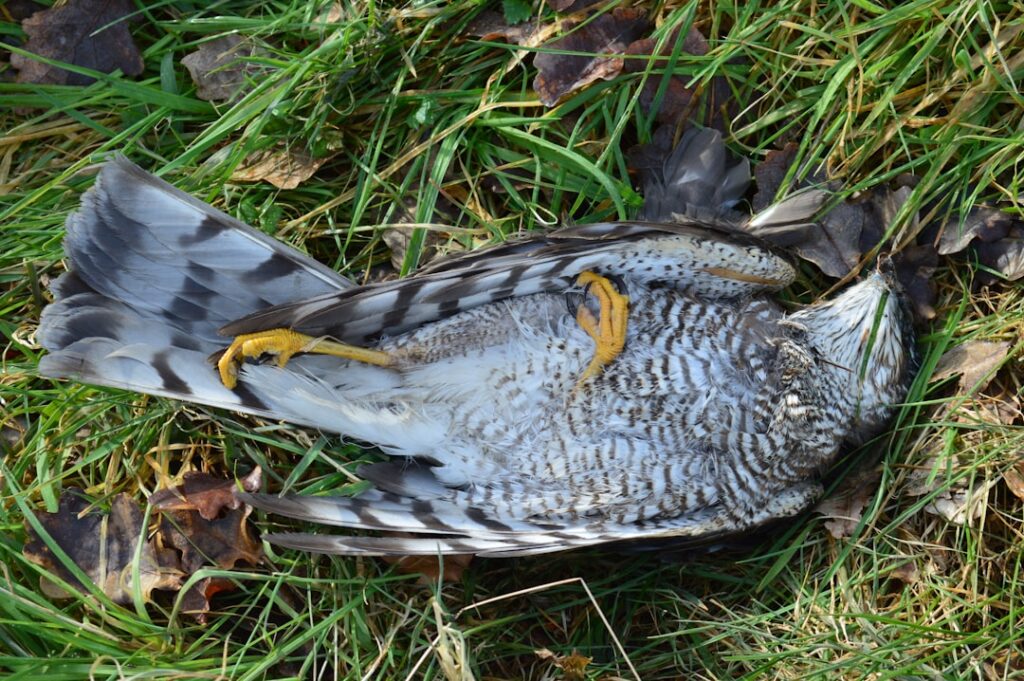
The outbreak affected a broad spectrum of wildlife in New York state. Birds bore the brunt, with confirmed deaths among bald eagles, red-tailed hawks, great horned owls, snowy owls, swans, geese in Central Park, ducks, and zoo birds in Queens and the Bronx. Shorebirds on Long Island also fell victim.
Mammals showed vulnerability too. Raccoons, skunks, opossums, red foxes, bobcats, gray squirrels, muskrats, and feral cats tested positive. In early March 2026, officials observed 21 dead Canada geese in Central Park’s reservoir alone. Nationwide, over 130 domestic cats contracted the virus since 2022.
- Bald eagles and red-tailed hawks in state parks
- Owls, swans, and geese in Central Park
- Ducks at Queens and Bronx zoos
- Shorebirds on Long Island
- Raccoons, skunks, opossums, and foxes statewide
- Feral cats and squirrels in urban areas
Officials Warn of Persistent Threat
Kevin Hynes, wildlife program leader at the New York State Department of Environmental Conservation, addressed the surge in a recent webinar. “At this point, it’s pretty safe to assume that highly pathogenic avian influenza could appear anywhere in New York state at any time,” he said. The clade 2.3.4.4b strain returned stronger than anticipated, defying expectations of a short-lived outbreak.
“We were all hoping that like other avian influenza viruses, we might see it for a couple years and then it would disappear – but that doesn’t seem to be the case. It just keeps coming back stronger.” Surveillance efforts intensified, involving Cornell University’s College of Veterinary Medicine, the U.S. Department of Agriculture, and Mount Sinai Hospital researchers. The state launched a public reporting tool, though officials urged avoiding contact with sick animals.
Markets and Migration Fuel Spread
New York City’s live poultry and animal markets exacerbated the issue. Crowded conditions with mixed species facilitated transmission, echoing past outbreaks. The virus spread via all four North American flyways, with the Atlantic route prominent here.
Globally, H5N1 infected 598 bird species and 102 mammals by December 2025, alongside 990 human cases worldwide and 71 in the U.S. Large die-offs included 67,200 geese in Kansas and 50,000 eared grebes on the Pacific Flyway. Migratory birds shed the virus in saliva, mucus, and feces, persisting longer in cold weather as flocks congregated.
Key Takeaways
- H5N1 clade 2.3.4.4b jumps species easily, affecting urban birds and mammals.
- Surveillance in New York reveals risks in parks, zoos, and markets.
- Avoid handling dead wildlife; report sightings to authorities.
While human risk remains low, the virus’s mutations and urban amplifiers demand vigilance. New York’s experience highlights vulnerabilities in global cities. Stronger monitoring could prevent wider ecological damage. What steps should urban dwellers take to protect local wildlife? Share your thoughts in the comments.