Everything you learned about dinosaurs as a kid? Science is quietly rewriting a big chunk of it. For over a century, the textbook narrative painted these magnificent animals as slow, cold-blooded reptiles lumbering through the Mesozoic landscape. That image has been crumbling for decades. Now, it’s essentially gone.
The question of dinosaur metabolism is not just some dry, academic debate reserved for paleontologists with magnifying glasses and dusty fossils. It cuts right to the heart of how these animals lived, moved, hunted, and survived. And the answers emerging from cutting-edge research are genuinely jaw-dropping. Hold on tight, because this is a story worth reading to the end.
The Old Story: Cold-Blooded Giants We Got Very Wrong
Let’s be real about how dramatically our picture of dinosaurs has changed. During the early years of dinosaur paleontology, it was widely considered that these animals were sluggish, cumbersome, and sprawling cold-blooded lizards. That was the default assumption for generations, and it shaped everything from museum exhibits to blockbuster movies. Dinosaurs were essentially imagined as enormous, scaly reptiles dragging their tails through swamps.
When the biology of dinosaurs was first seriously discussed in the 1840s, they were compared to living lizards, which led to the assumption that they were all cold-blooded and would have been slow-moving animals lumbering around during the Mesozoic. Think of it like assuming a sports car handles like a school bus just because they both have four wheels. The comparison was never really appropriate, and science eventually caught up.
From the 1960s onward, scientists began reassessing this view, and dinosaurs came to be universally considered highly active animals, which itself was used as evidence they were warm-blooded. That reassessment opened the floodgates for a series of discoveries that, in 2026, have fundamentally transformed the conversation about what dinosaurs actually were.
The Warm vs. Cold Blood Debate That Defined a Scientific Generation
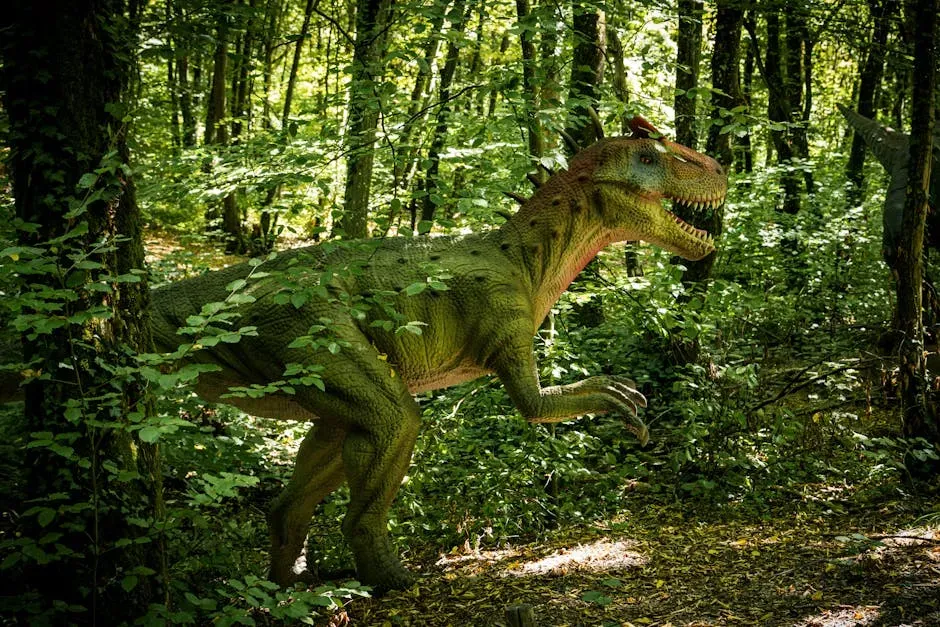
For decades, paleontologists have debated whether dinosaurs were warm-blooded like modern mammals and birds, or cold-blooded like modern reptiles. Knowing the answer could give us hints about how active they were and what their everyday lives were like, but the methods to determine this were long inconclusive. Honestly, it sounds like a simple yes-or-no question. It was anything but.
Some paleontologists thought that all dinosaurs were warm-blooded in the same sense as modern birds and mammals, with rapid metabolic rates, while other scientists thought it unlikely that any dinosaur could have had such a rate. Still others argued that very large dinosaurs could have had warm bodies simply because of their sheer body size, just as some sea turtles do today. You can imagine the frustration in the field, with every researcher pulling the evidence in a slightly different direction.
Currently, scientists are split on the question of dinosaur metabolism, and the major competing hypotheses are endothermy similar to birds and mammals, poikilothermy like modern reptiles, or various forms of mesothermy, unique standalone adaptations that could have enabled internal temperature control without biologically committing to full endothermy. That three-way split tells you everything about just how complex this puzzle really is.
Enter Mesothermy: The Concept That Changed Everything
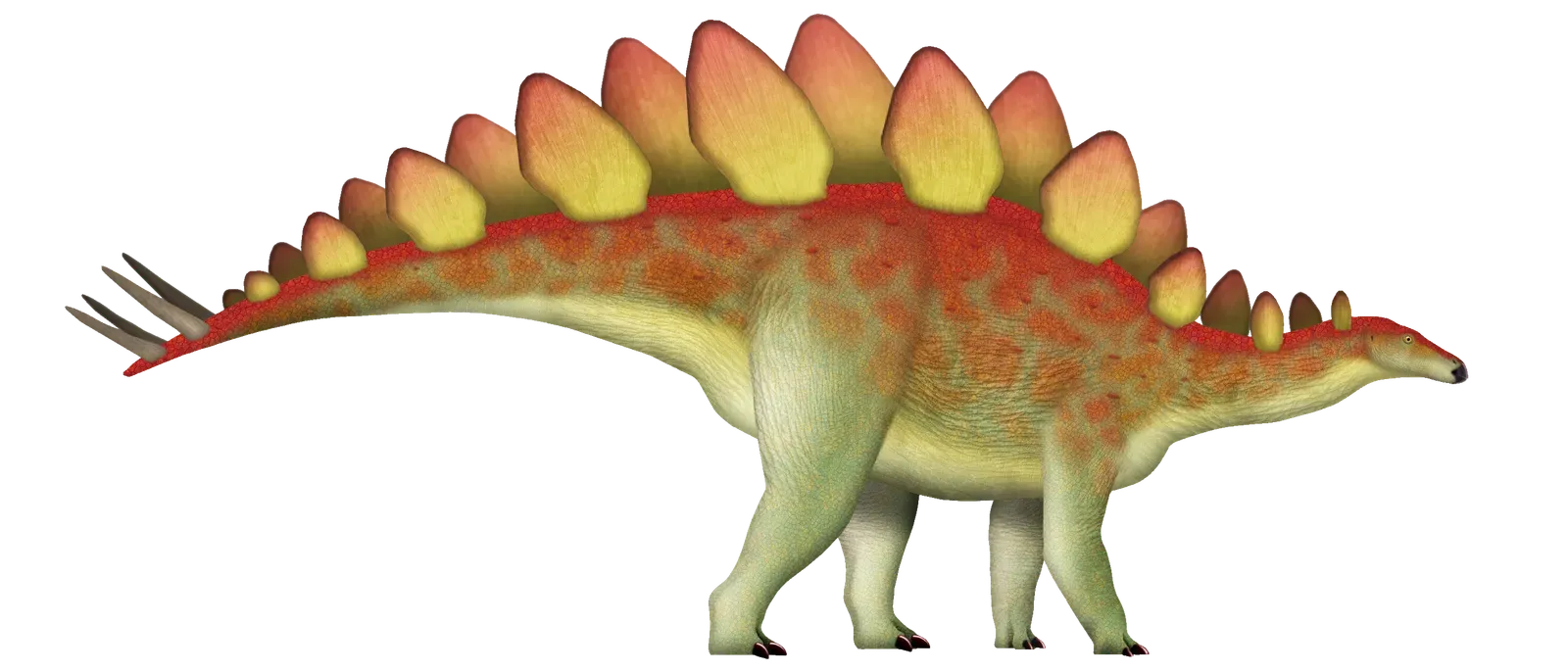
Here’s the thing, the old warm-blooded versus cold-blooded framework was never going to be enough. When the effects of size and temperature are considered, dinosaur metabolic rates were intermediate to those of endotherms and ectotherms, and closest to those of extant mesotherms. The results suggest that the modern dichotomy of endothermic versus ectothermic is overly simplistic. That is a significant scientific statement. The clean, binary categories we relied on were never built for creatures this diverse or this ancient.
Scientists developed a new approach to predict the metabolic rates of 21 dinosaur species, showing that dinosaur metabolism was neither fast nor slow but somewhere in the middle. Similar to a handful of living species, dinosaurs were mesotherms that used their metabolism to internally regulate their body temperature without keeping it at a specific level. Think of it like a thermostat set to a loose range rather than a fixed temperature. Not reptile-slow, not bird-fast.
Dinosaurs had intermediate growth rates that correspond to intermediate metabolic rates similar to living mesotherms, such as the great white shark, tuna, and leatherback turtle. There is something quietly spectacular about that comparison. The same metabolic category that covers a great white shark and a leatherback sea turtle may also have covered the T. rex. It is hard not to find that thrilling.
Molecular Secrets Hidden Inside Fossilized Bones
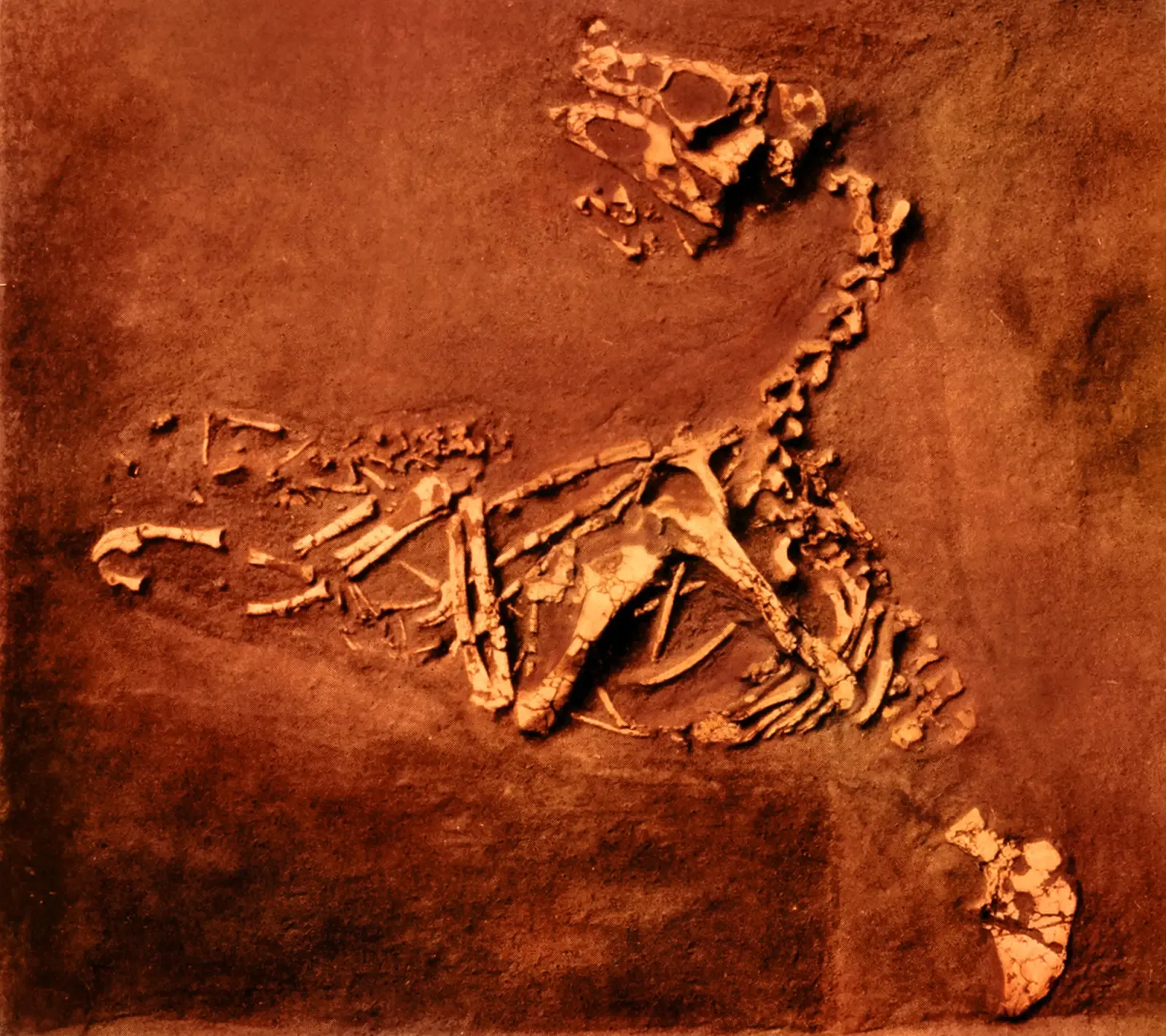
Science needed a better tool, and it got one. A new research method does not look at the minerals present in bone or how quickly the dinosaur grew. Instead, it examines one of the most basic hallmarks of metabolism: oxygen use. When animals breathe, side products form that react with proteins, sugars, and lipids, leaving behind molecular waste. This waste is extremely stable and water-insoluble, so it is preserved during fossilization. It leaves behind a record of how much oxygen a dinosaur was breathing in, and thus, its metabolic rate.
A research team measured oxidative stress biomarkers to estimate dinosaurs’ metabolic rates and their thermoregulation strategies. Using Raman and infrared spectroscopy, the researchers searched for thioethers in 30 fossilized thigh bones. These compounds form as unwanted byproducts when cells convert oxygen into energy, and their amount scales with cells’ oxygen consumption, which is higher in endotherms than in ectotherms.
Unlike some methods of assessing endothermy, this method is non-destructive and so preserves fossils for future use. That is a genuinely meaningful advantage. It allows researchers to build up larger datasets without grinding precious specimens into powder, something that opens entirely new possibilities for future discoveries.
T. rex Was Warm-Blooded, But Stegosaurus Was Not
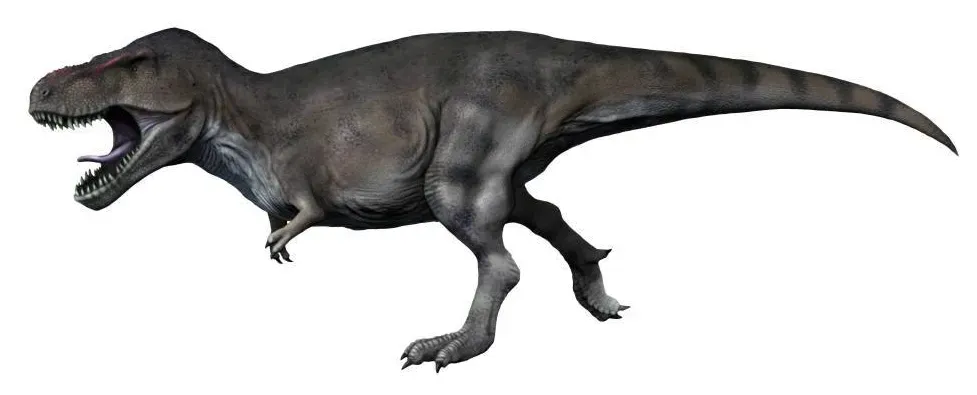
Researchers found that dinosaurs’ metabolic rates were generally high. There are two big groups of dinosaurs, the saurischians and the ornithischians. The bird-hipped dinosaurs, like Triceratops and Stegosaurus, had low metabolic rates comparable to those of cold-blooded modern animals. The lizard-hipped dinosaurs, including theropods and the sauropods, like Velociraptor, T. rex, and the giant long-necked herbivores like Brachiosaurus, were warm- or even hot-blooded. That split within the dinosaur family tree is one of the most surprising findings in recent paleontology.
The researchers were surprised to find that some of these dinosaurs were not just warm-blooded, but had metabolic rates comparable to modern birds, much higher than mammals. That is an extraordinary finding. You are looking at extinct animals whose internal engines were revving even faster than a lion or a wolf. Meanwhile, the docile Stegosaurus may have needed to bask in the sun like a modern iguana to get its body going in the morning.
Cold-blooded dinosaurs might have had to migrate to warmer climates during the cold season, and climate may have been a selective factor for where some of these dinosaurs could live. That reframes the entire story of dinosaur geography and behavior in ways that researchers are still working through today.
What Polar Dinosaurs Tell Us About Internal Heating
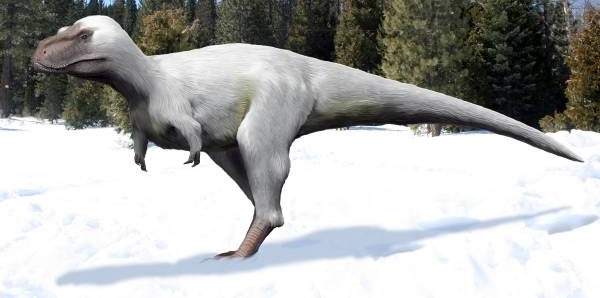
Dinosaur fossils have been found in regions that were close to the poles at relevant geological times, notably in southeastern Australia, Antarctica, and the North Slope of Alaska. There is no evidence of major changes in the Earth’s axis angle, so polar dinosaurs would have had to cope with the same extreme variation of day length that occurs at similar latitudes today. That is a striking geographical clue. Cold-blooded animals simply could not have survived those conditions.
The Alaska North Slope has no fossils of large cold-blooded animals such as lizards and crocodilians, which were common at the same time in Alberta, Montana, and Wyoming. A round trip between Alaska and Montana would probably have used more energy than a cold-blooded land vertebrate produces in an entire year, meaning Alaskan dinosaurs would have had to be warm-blooded, regardless of whether they migrated or stayed for the winter. That is about as close to a smoking gun as the fossil record gets.
The ability of warm-blooded dinosaurs to flourish in harsher environments, including cold, high-latitude regions, raises intriguing questions about the origins of key innovations shared with modern birds, indicating that the development of homeothermy and endothermy played a crucial role in their ecological diversification. The polar fossil evidence essentially closes the door on purely cold-blooded interpretations for the larger, more active species.
The Evolutionary Link Between Dinosaurs and Modern Birds
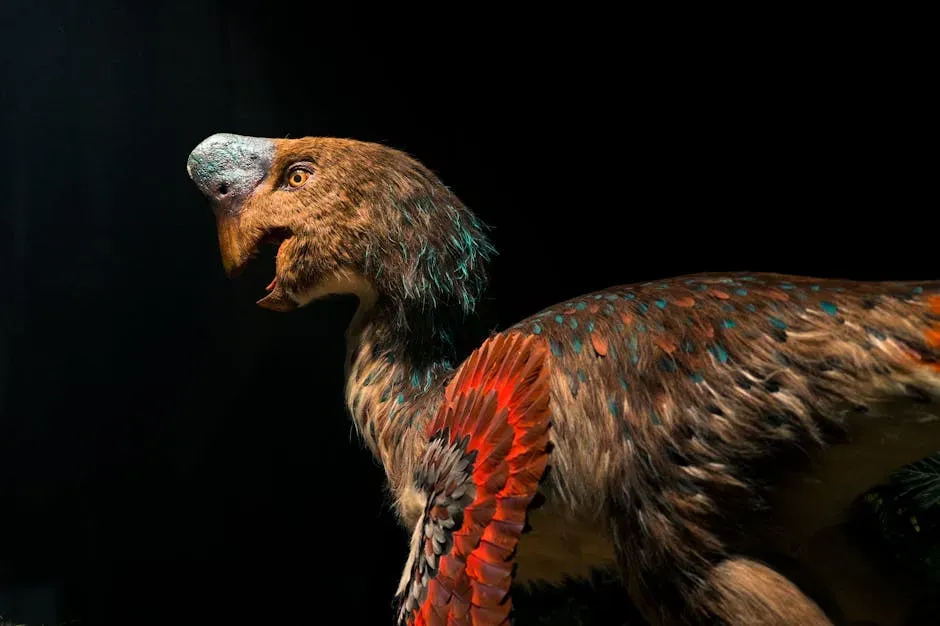
Research reveals that inferred ancestral states show the metabolic rates consistent with endothermy evolved independently in mammals and plesiosaurs, and are ancestral to ornithodirans. Molecular analyses of modern and fossil skeletal samples reveal that elevated metabolic rates consistent with endothermy evolved independently in mammals and plesiosaurs, and that exceptional metabolic rates are ancestral to dinosaurs and pterosaurs and were acquired before energetically costly adaptations, such as flight. That last point is enormous. High metabolism came before flight, not as a consequence of it.
Research suggests that the ancestor of all birds, dinosaurs, and pterosaurs was warm-blooded, but that some species such as Triceratops and Stegosaurus later lost this ability. It is a counterintuitive idea, that certain dinosaurs evolved backward on the metabolic spectrum, becoming less internally heated over time. But evolution does not always move in a straight line. Sometimes it circles back.
Data indicates that as dinosaur mass increases, so does their metabolic rate, often aligning more closely with patterns seen in endothermic animals rather than ectothermic ones. Understanding these metabolic traits plays a significant role in piecing together the evolutionary narrative linking dinosaurs to modern birds, emphasizing their unique adaptation strategies within the prehistoric ecosystem. The birds outside your window right now are, in the most literal sense, living dinosaurs running on an ancient metabolic engine.
Conclusion: A Revolution Still in Progress
The story of dinosaur metabolism is far from finished. Every new fossil site, every improved spectroscopy technique, every reanalyzed bone cross-section adds another layer to a picture that keeps getting richer and more complex. What started as a simple warm-versus-cold debate has evolved into one of the most nuanced questions in all of science, touching on evolution, ecology, climate, and the very definition of life’s internal machinery.
What is undeniable in 2026 is that the old image of slow, swamp-dwelling, cold-blooded dinosaurs belongs in the museum of outdated ideas. The real creatures were diverse, physiologically sophisticated, and in many cases metabolically closer to a hawk than to a crocodile. Some basked in the sun. Others could survive Arctic winters. Some had metabolic furnaces burning hotter than any living mammal. The dinosaurs were not one thing. They were a world of their own.
The next time you look at a chicken scratching around in a yard, remember, you are watching the metabolic legacy of the Mesozoic in real time. Does that change how you see them? It probably should.