
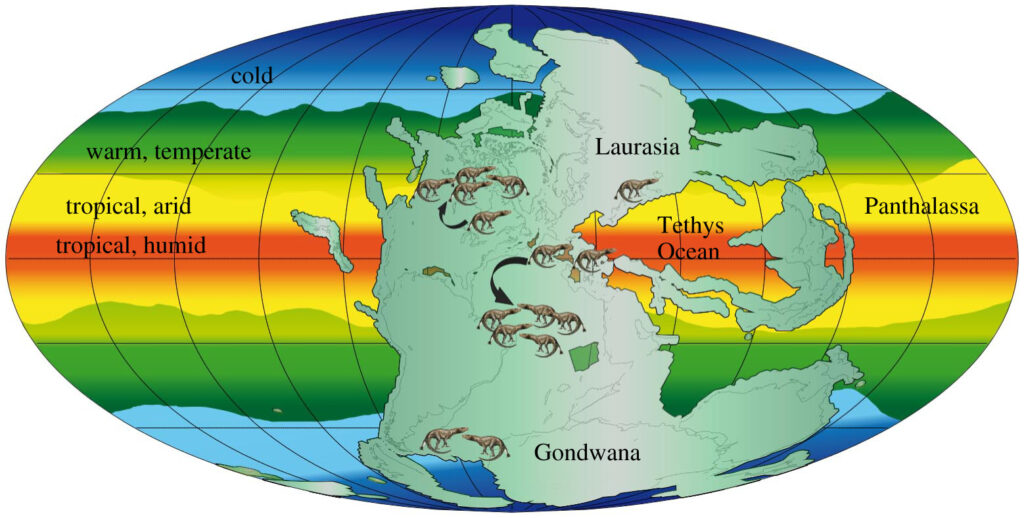
Picture a world where you could walk from what is now Morocco all the way to New York City without ever getting your feet wet. No Atlantic Ocean. No vast blue expanse separating continents. Just one enormous, unbroken landmass stretching from pole to pole. That was Earth during the age when dinosaurs first took their tentative steps into existence – a world almost unrecognizable by today’s standards, yet one whose ancient geography set the stage for everything that followed.
The story of how supercontinents shaped dinosaur evolution is, honestly, one of the most mind-bending tales in all of natural history. It is not merely a story about plate tectonics or geological timelines. It is a story about opportunity, isolation, adaptation, and the raw, creative power of separation. You might be surprised just how deeply the ground beneath a dinosaur’s feet determined what kind of creature it would eventually become. Let’s dive in.
Pangaea: The World Before the Split
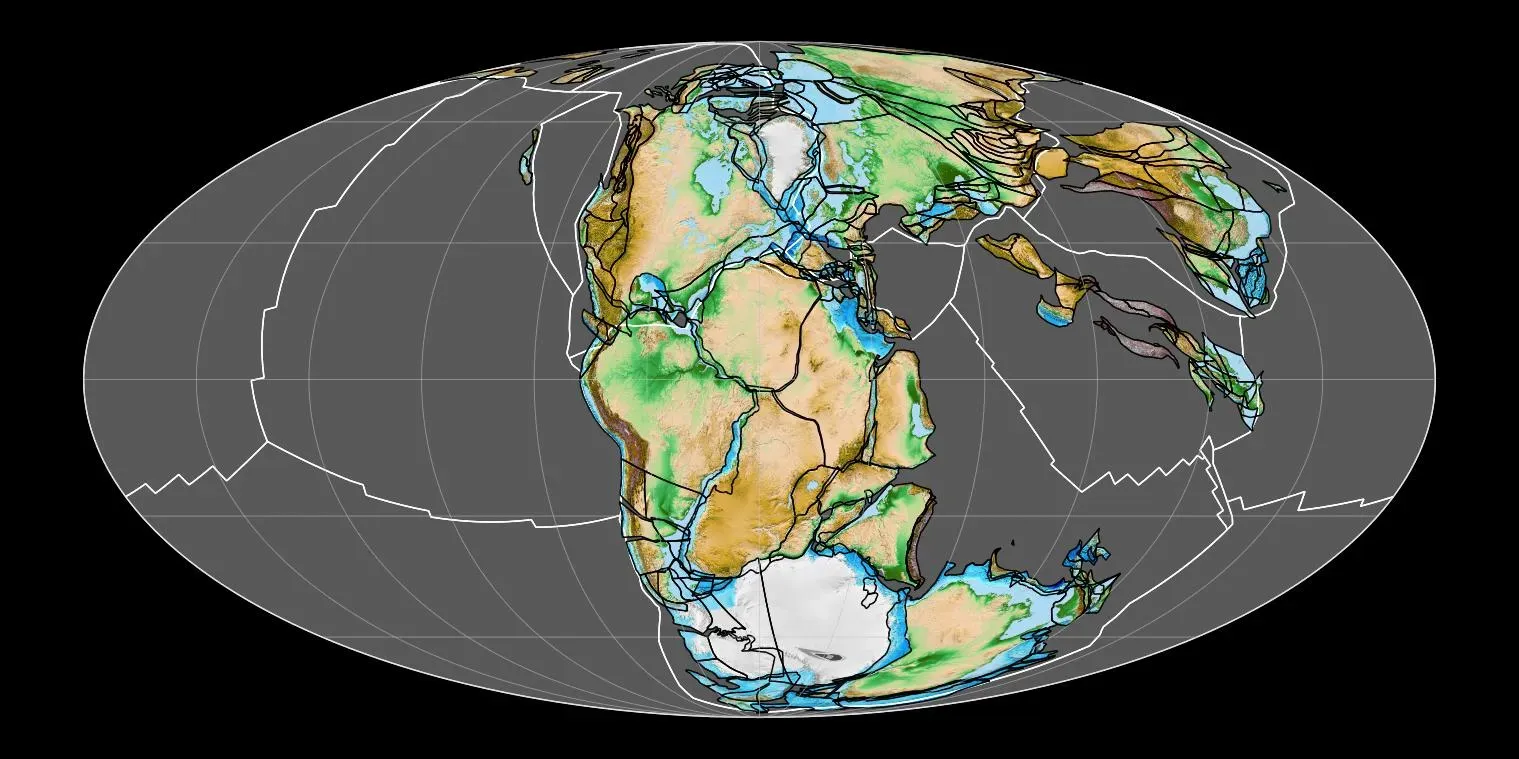
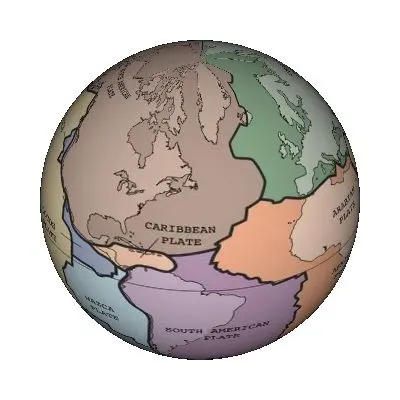
Imagine the Earth as a single giant puzzle, all the pieces jammed together into one colossal, C-shaped landmass. Pangaea existed as a supercontinent for roughly 160 million years, from its assembly around 335 million years ago to its breakup around 175 million years ago in the Middle Jurassic. That is a staggering amount of time – longer than dinosaurs themselves would ultimately reign over the planet.
This colossal landmass was framed by the vast Panthalassa Ocean and smaller seas like the Tethys, the precursor to the Mediterranean. Pangaea’s climate ranged from hot, arid deserts in its interior to lush, tropical coastal areas, supporting a diverse array of life, including early reptiles and the rising dinosaur species. You can almost picture it as a continent-sized laboratory, running evolutionary experiments on an epic scale.
Dinosaurs Roamed Freely Across a Connected World
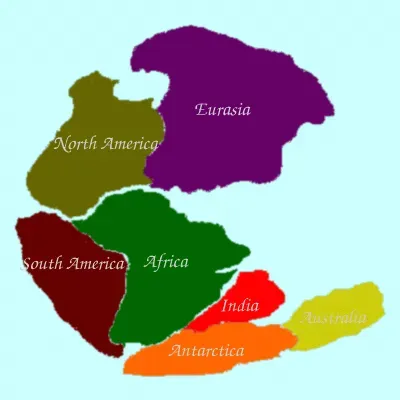
At the beginning of the age of dinosaurs, during the Triassic Period about 230 million years ago, the continents were arranged together as a single supercontinent called Pangaea. This meant that early dinosaurs did not face the oceanic barriers you would expect today. They were free to wander, and wander they did.
The unified landmass of Pangaea facilitated unprecedented migration opportunities for early dinosaurs, allowing successful lineages to expand across vast territories without oceanic barriers. This continental connectivity explains the remarkably cosmopolitan distribution of many early dinosaur groups, with closely related species appearing in fossil beds from regions that today lie on different continents. Think of Pangaea as the world’s greatest open highway, and early dinosaurs were driving it end to end.
The Great Rupture: When Continents Began to Drift Apart
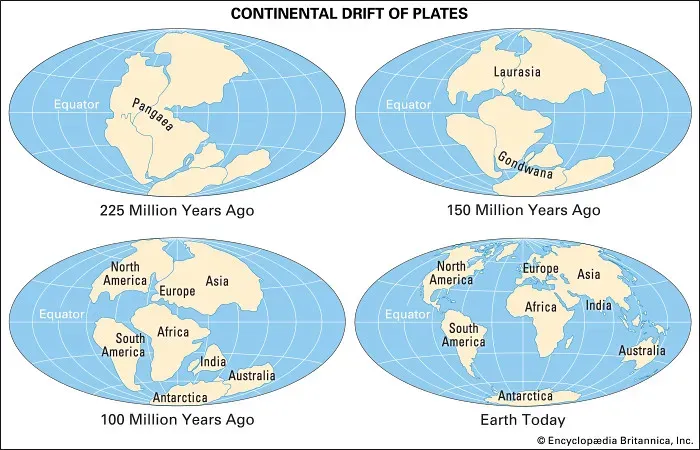
Pangaea assembled from the earlier continental units of Gondwana, Euramerica, and Siberia during the Carboniferous period approximately 335 million years ago, and began to break apart about 200 million years ago, at the end of the Triassic and beginning of the Jurassic. Here’s the thing – this was not a sudden, dramatic crack. It was slow, grinding, and absolutely relentless.
The breakup came after a series of powerful rifting events in which strong pulses of magma forced continental plates apart at the seams, creating new crust and opening up the basin in which the Atlantic Ocean eventually took shape. As those rifts widened, dinosaur populations that once shared territory found themselves on opposite sides of a growing oceanic divide, unable to return, unable to interbreed – and forced to evolve in entirely new directions.
Gondwana’s Southern Giants: Titanosaurs and Isolated Evolution
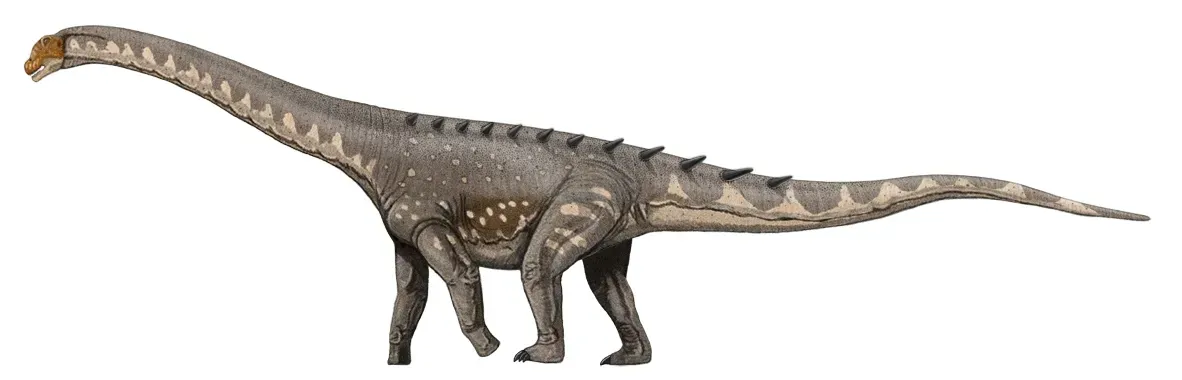
The most famous supercontinent, Pangaea, broke apart into two smaller supercontinents: Laurasia and Gondwana. This division significantly influenced the evolution and distribution of species, as different dinosaur fossils found across regions indicate distinct evolutionary paths shaped by continental separation. Gondwana, in particular, became a hotbed of evolutionary experimentation unlike anything seen in the north.
The southern supercontinent Gondwana developed its own distinctive dinosaur fauna following separation from Laurasia. Most notably, Gondwana became home to the titanosaurs, a group of massive sauropod dinosaurs that dominated the southern continents. Fossil evidence from Argentina, Brazil, Africa, and Australia reveals these extraordinary long-necked giants evolved unique characteristics in their isolated southern realm. Gondwana was, in a very real sense, a world unto itself – and its creatures evolved to match.
Laurasia’s Northern Dynasties: Tyrannosaurs and Horned Giants
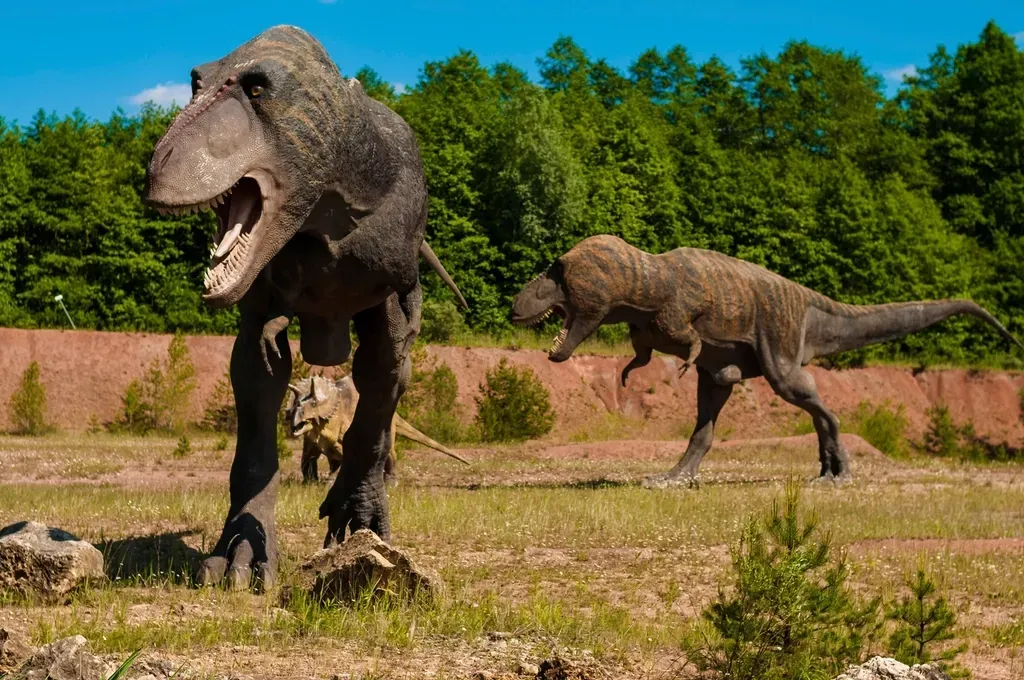
While Gondwana’s dinosaurs evolved along their own trajectory, Laurasia developed equally distinctive dinosaur communities. The northern supercontinent became home to famous dinosaur groups like the tyrannosaurs, which evolved into the iconic Tyrannosaurus rex in North America. Similarly, hadrosaurs flourished across Laurasia, developing into diverse species with elaborate head crests and specialized teeth for processing plant material. It is almost poetic – isolation essentially invented some of the most iconic creatures you have ever heard of.
The northern regions, which would become North America and Eurasia, experienced seasonal temperate climates, while the southern portions ranged from temperate to polar conditions. These varied environments created selection pressures that drove dinosaur adaptations to specific ecological niches, explaining why certain dinosaur groups thrived in particular regions of the supercontinent. The environment was not just background scenery – it was the sculptor of entire lineages.
Climate Disruption as an Evolutionary Catalyst
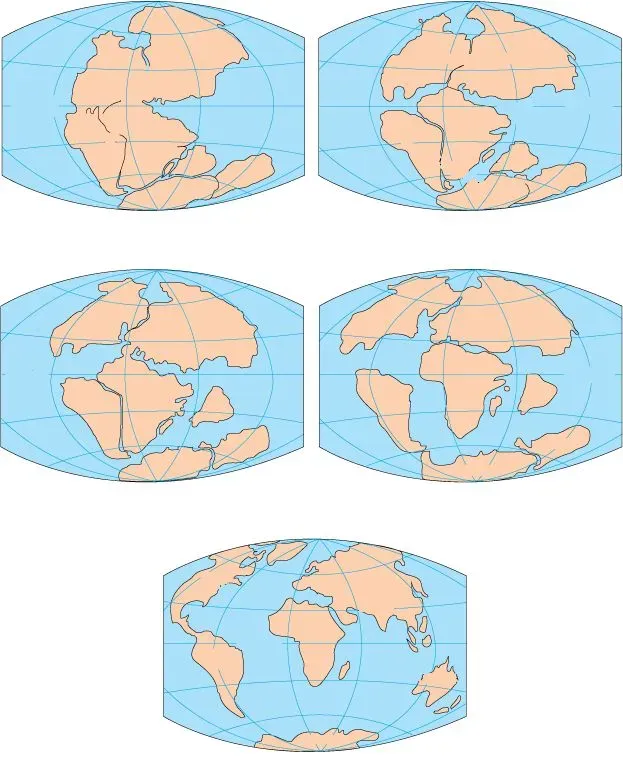
Continental breakup dramatically altered global climate patterns, creating new environmental pressures that drove dinosaur evolution. As continents moved apart, ocean currents changed, affecting heat distribution around the globe. The climate shifts were not gradual enough to be trivially ignored – they reshaped the very food webs that dinosaurs depended upon for survival.
As Pangaea fragmented during the Jurassic period, Earth’s climate underwent significant transformations. The shifting landmasses and emerging oceans reshaped weather patterns, creating a diverse array of climatic conditions across the globe. The breakup of Pangaea triggered key changes in global climate, including ocean current shifts that altered ocean circulation and redistributed heat around the planet. I think what is truly staggering here is that a geological process – something entirely indifferent to biology – became the most powerful force in shaping what lived, what died, and what evolved.
Fossils as Living Proof of a Connected Past
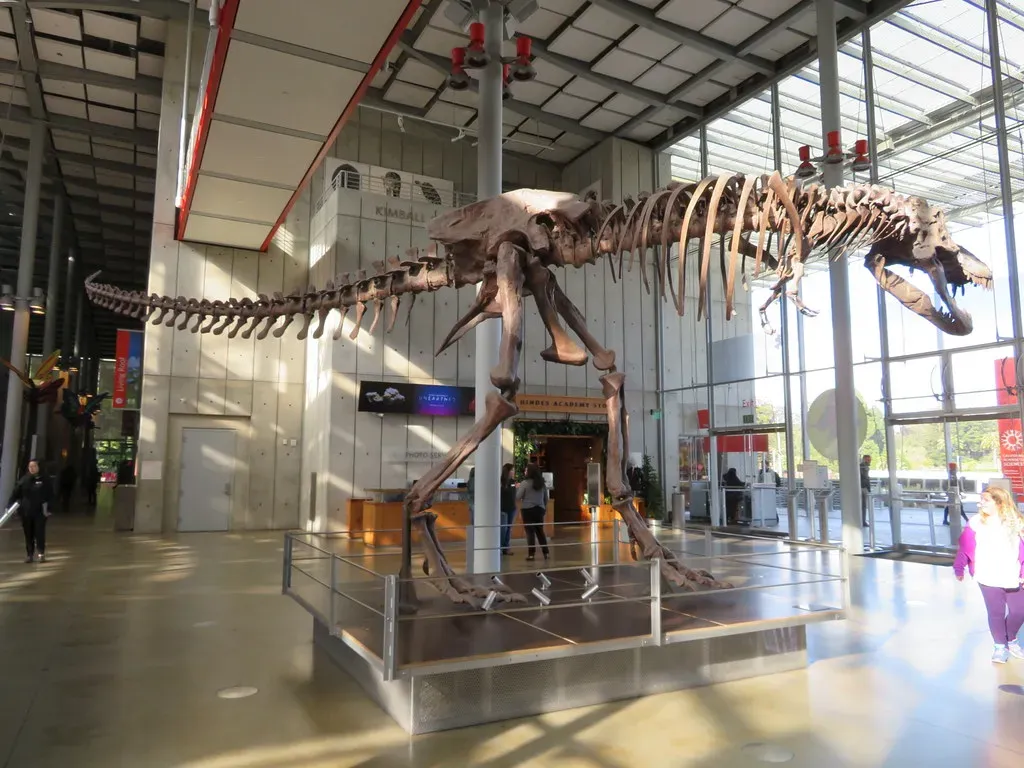
The distribution of dinosaur fossils across continents that are now separated by vast oceans provides some of the strongest evidence for continental drift theory. Similar dinosaur species found in both South America and Africa indicate that these continents were once connected. As the continents drifted apart, the dinosaur lineages on each continent began to diverge, creating the distinct regional assemblages we see in the fossil record. Every fossil dug from the ground is, in a sense, a letter from the past telling you exactly where the land once lay.
The Triassic cynodont Cynognathus and the seed fern Glossopteris have been discovered on multiple southern continents, confirming their former connection. The progressive differentiation of dinosaur faunas through time, from relatively uniform early Jurassic assemblages to highly distinct late Cretaceous communities, tracks the fragmentation of the supercontinent and the increasing isolation of dinosaur populations. You could say the fossil record is Earth’s autobiography – and every page tells a story of continents in motion.
Conclusion: The Ground Beneath Their Feet Decided Everything
It is hard not to feel a sense of awe when you step back and consider the full picture. Dinosaurs did not evolve in a vacuum. They were shaped, channeled, and transformed by the very geography of the planet they lived on. The slow grind of tectonic plates, the gradual opening of oceans, the birth of entirely new climates – all of it was writing the script of evolution long before any dinosaur had a chance to improvise.
The story of dinosaur evolution and continental drift offers profound insights into how geological processes shape biological diversity over deep time. The breakup of Pangaea demonstrates how geographic isolation can drive evolutionary innovation, leading to the rapid diversification of life forms when populations are separated by insurmountable barriers. In the end, the supercontinents did not just shape the world’s geography. They shaped life itself.
Here’s a thought worth carrying with you: the same tectonic forces that gave rise to the titanosaur in South America or the tyrannosaur in North America are still active today, still moving the plates, still slowly reshaping the world. The story is not over. It has simply moved on to a new chapter – and we happen to be living in it. What would you have guessed was the biggest driver of dinosaur evolution: the asteroid, or the slow drift of continents millions of years before impact?