Most people picture dinosaurs thundering across dry plains, locked in fierce land battles. That image, honestly, is only half the story. What if you were told that some of the most spectacular prehistoric predators actually specialized in hunting in rivers, lakes, and shallow waterways? The deeper paleontologists dig, the more shocking that revelation becomes.
Recent and ongoing fossil discoveries are reshaping everything you thought you knew about how certain dinosaurs lived, fed, and dominated their environments. From the Sahara’s ancient river systems to the record-breaking tracksites of Bolivia, the evidence is piling up in remarkable ways. Get ready to see these ancient giants through a completely different lens. Let’s dive in.
The “Hell Heron” of the Sahara: Spinosaurus mirabilis Rewrites History
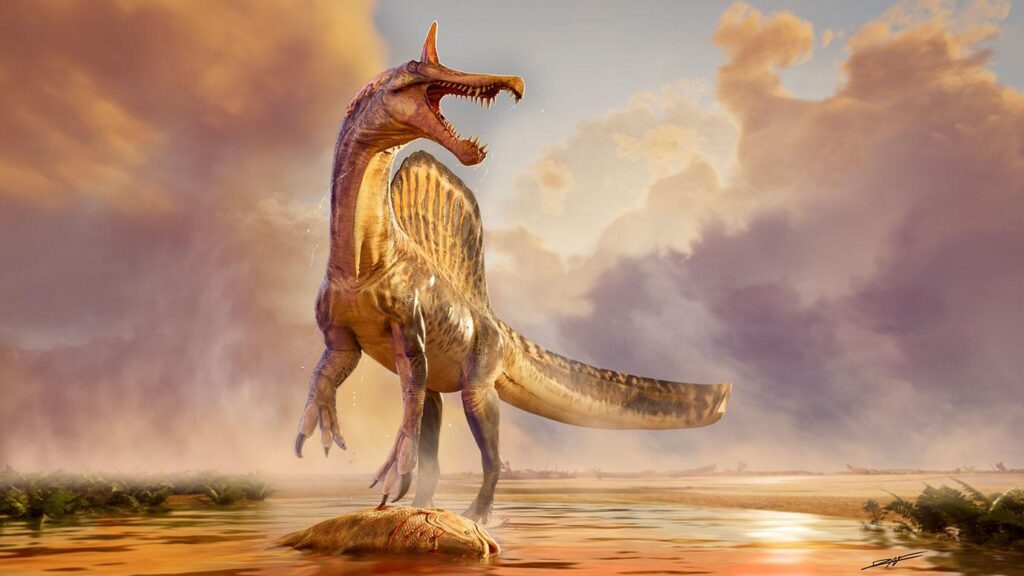
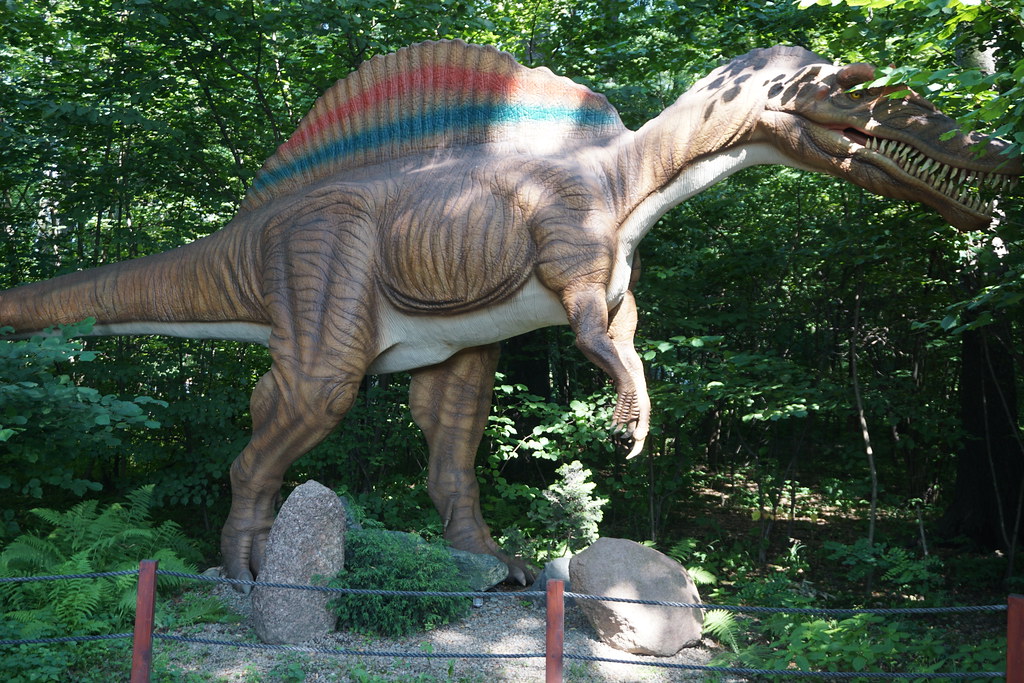
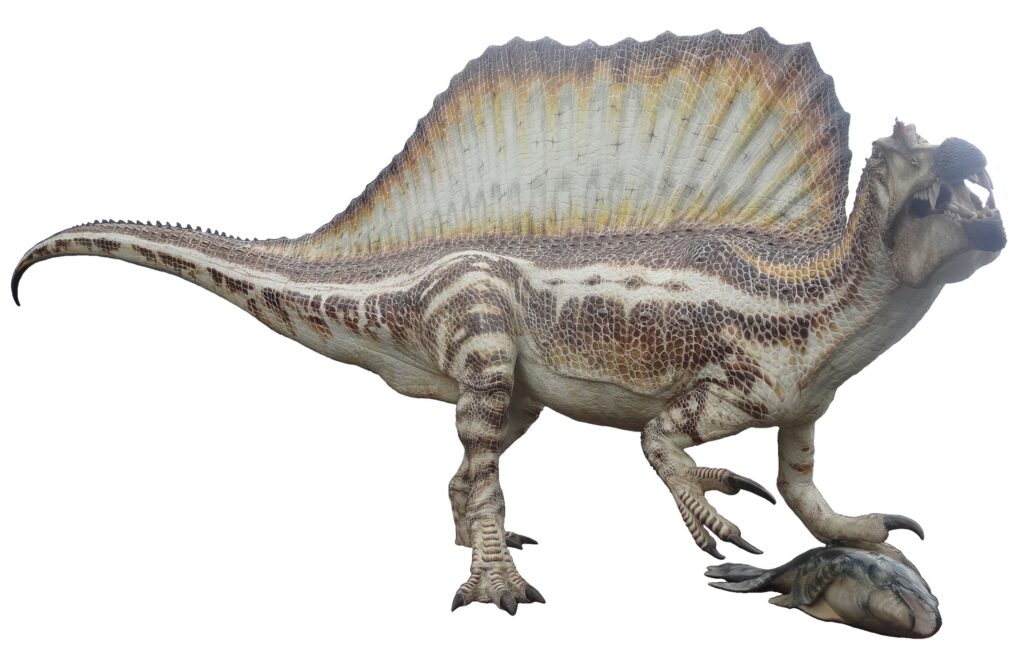
Few fossil announcements have stunned the scientific world quite like the one published in February 2026, when researchers unveiled a brand-new species of Spinosaurus discovered deep in Niger’s central Sahara. Named Spinosaurus mirabilis, the creature was crowned with a massive, scimitar-shaped crest and was discovered in remote inland river deposits, suggesting it wasn’t a fully aquatic hunter but a powerful wader that stalked fish in forested waterways hundreds of miles from the sea.
The newly discovered species lived in marshy areas, hunted for fish, and had an impressive horn protruding from its skull. It was the first time in over a century that scientists had discovered a new species of Spinosaurus, a group of large fish-eating predators that first emerged during the Jurassic period more than 140 million years ago. Think of it like finally finding a hidden chapter in a book you thought you had finished reading.
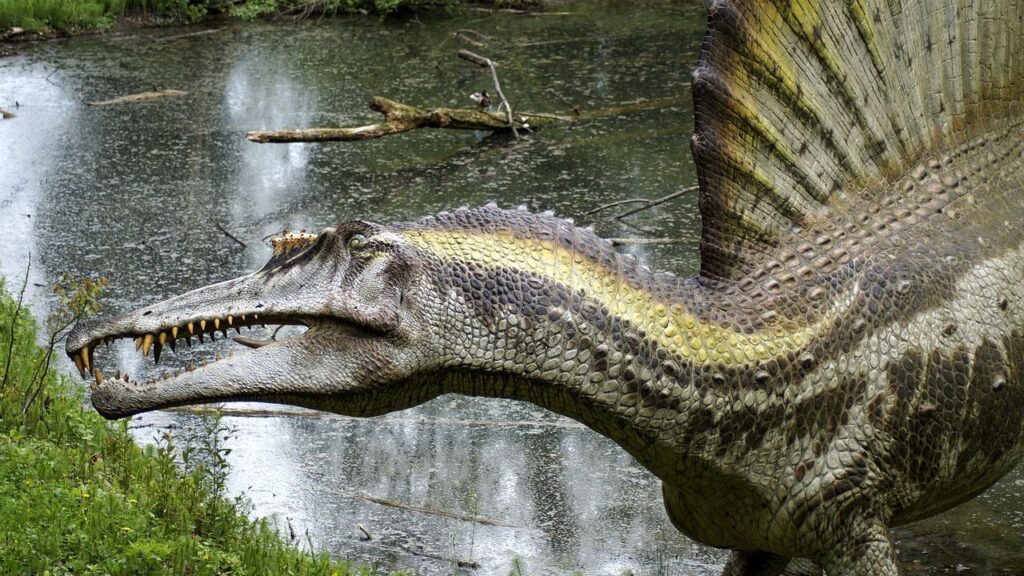
According to the newly identified fossils, the creature likely had a long, narrow snout for snaring fish, a neck that could drive the head down in a stabbing motion, and legs long enough to hunt in shallow water. When researchers compared head, neck, and hind-limb proportions of the fossilized bones to an adult blue heron, the similarities suggested that Spinosaurus was adapted for stalking and striking along open shorelines and river edges.
The “smoking gun,” researchers argued, was that the fossils were found very far inland, suggesting that the creature lived and hunted along river systems and other shallow waterways, rather than the sea. It is the kind of evidence that settles arguments, at least for now.
Dense Bones and Paddle Tails: The Physical Proof in the Fossils
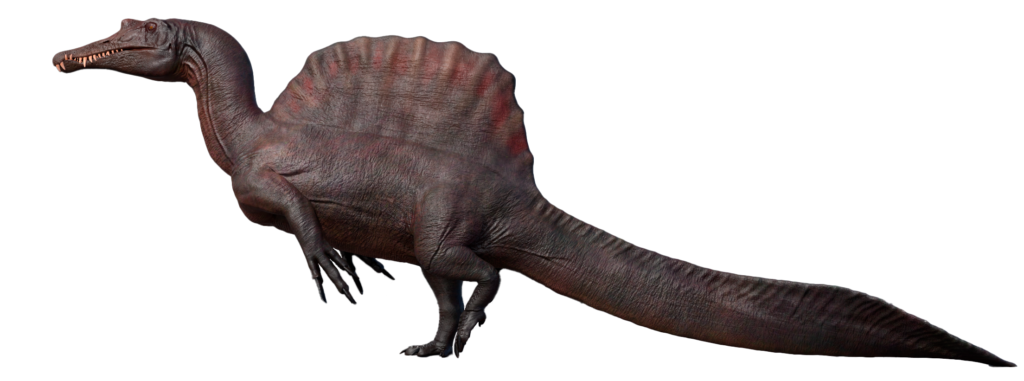
Here is the thing about proving aquatic behavior in extinct animals. You cannot just watch them swim. You have to read what the bones themselves are telling you. The bone density of Spinosaurus is similar to modern diving animals, suggesting it may have hunted prey underwater. Analysis of hundreds of living and extinct species builds on previous suggestions that spinosaurs were some of the only dinosaurs that spent much of their lives in water.
In 2018, a team unearthed an 80 percent complete tail of a juvenile Spinosaurus, previously missing from all specimens. The discovery revealed a paddle-shaped tail, similar to a crocodile, ideally suited for water propulsion, providing strong evidence that Spinosaurus was aquatic. These groundbreaking findings were published in a 2020 paper, confirming the unique semi-aquatic adaptations of this remarkable Cretaceous predator.
Research estimated that Spinosaurus had an anterior bite force of around 4,800 newtons and a posterior bite force of nearly 12,000 newtons. Based on this estimate, the jaws of Spinosaurus appear adapted for generating relatively faster shutting speeds with less muscle input force, indicating the animal likely killed its prey with fast-snapping jaws rather than slow-crushing bites, a trait commonly observed in animals with a semi-aquatic feeding habit. It is a feeding style you would recognize if you have ever watched a heron strike at water.
Baryonyx: The Fish Hunter with a Stomach Full of Proof
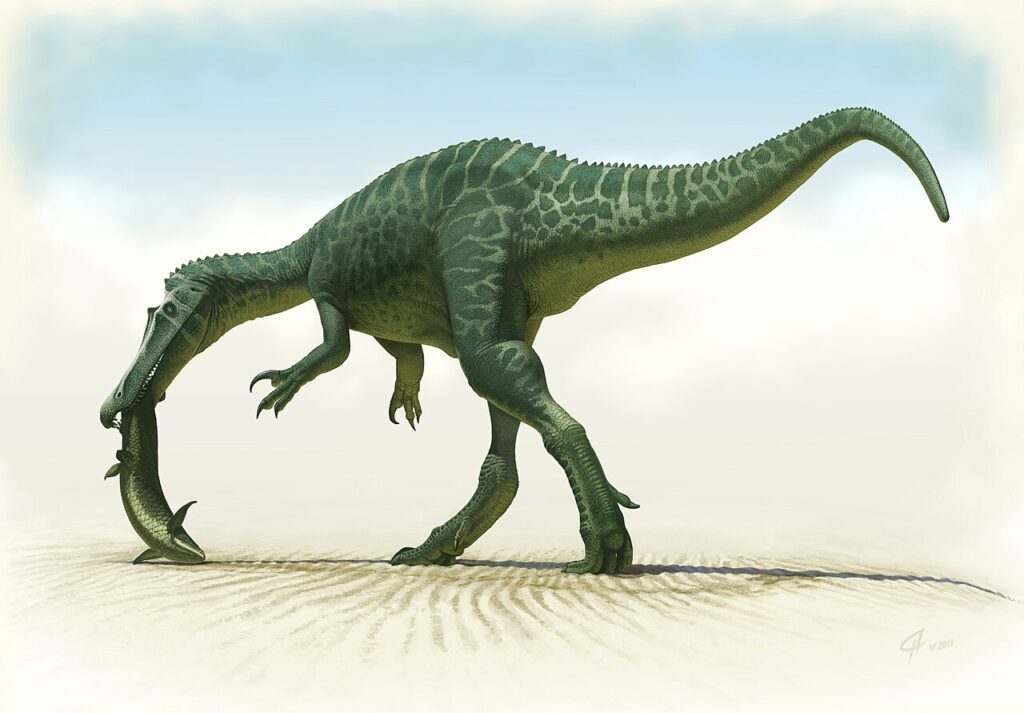
Sometimes the most convincing fossil evidence is what you find literally inside the animal. Baryonyx was the first theropod dinosaur demonstrated to have been piscivorous, that is, fish-eating, as evidenced by fish scales found in the stomach region of the holotype specimen. That is direct, undeniable proof preserved across more than 120 million years.
Inside the ribcage of the dinosaur, paleontologists discovered fossilized fish scales and bones. These remains belonged to a large prehistoric fish called Lepidotes, a common inhabitant of Cretaceous rivers and lakes. The presence of fish remains inside the stomach region provided direct proof that Baryonyx consumed aquatic prey. Honestly, it does not get much clearer than finding the menu inside the diner.
Baryonyx walkeri was a semi-aquatic predator well-adapted to a habitat characterized by lakes, rivers, and floodplains. Its anatomical features, including its elongated rostrum, conical teeth, and robust forelimbs, reveal a specialized diet primarily consisting of fish and other aquatic prey. The presence of fish scales and bones in the stomach region, along with oxygen isotopic evidence, supports the interpretation of Baryonyx as a versatile predator in its environment.
Unlike the blade-like teeth of many other large theropods, Baryonyx possessed numerous, finely serrated, conical teeth. These teeth were designed for gripping and holding onto struggling fish, rather than for tearing flesh from larger prey. It had a particularly high number of teeth, with some estimates suggesting up to 96 in its jaws. That is roughly the tooth count of a modern saltwater crocodile. Not a coincidence.
Asia’s Ancient River Stalker: The Thai Spinosaurid Discovery of 2025
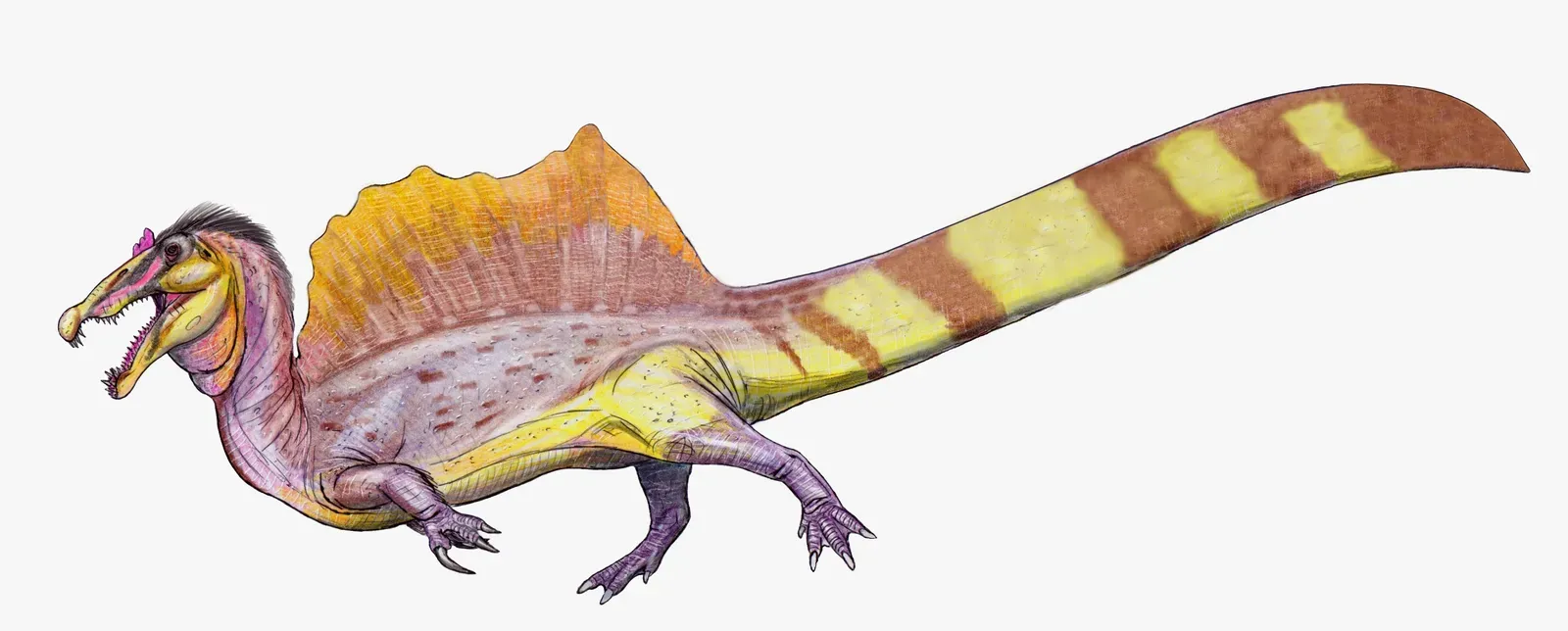
You might think of spinosaurs as an African or European phenomenon. A 2025 discovery forced a dramatic rethink of that assumption. Among the most dramatic vertebrate fossil announcements of 2025 was a massive Early Cretaceous spinosaurid recovered from Thailand’s ancient river deposits, estimated at 25 feet long, and having stalked tropical waterways 125 million years ago.
The animal shows enough skeletal differences from Spinosaurus and European spinosaurids to suggest a distinct Asian radiation of the family. The find includes one of the most complete spinosaurid assemblages in Asia, providing cranial and post-cranial data that illuminate how these fish-eating giants adapted to riverine ecosystems far from the Sahara and Europe. Imagine the same evolutionary solution being discovered independently on different continents, like nature running the same experiment twice.
Spinosaurids are among the most charismatic dinosaurs, but their global distribution and ecological range remain poorly sampled. This discovery fills a major biogeographic gap, showing that extreme body size and semi-aquatic specialization evolved repeatedly across continents. That word “repeatedly” is crucial. It means aquatic hunting was not a fluke in one lineage. It was a successful evolutionary strategy that nature returned to again and again.
Bolivia’s Record-Breaking Swim Tracks: Dinosaurs Caught in the Act
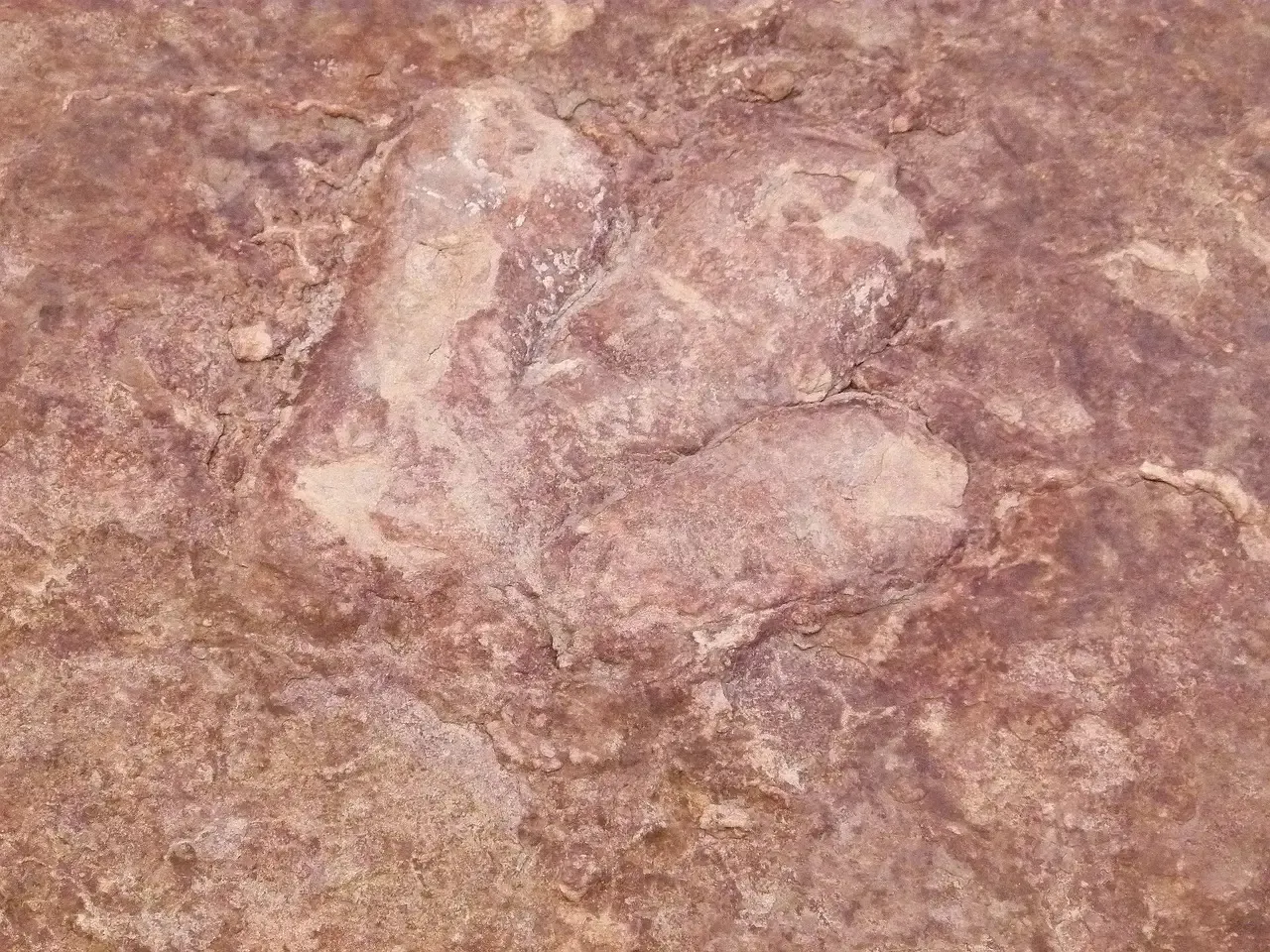
Skeletal fossils tell you what an animal looked like. Trace fossils, though, can tell you exactly what it was doing at a specific moment in ancient time. A total of nearly 18,000 tracks, including 16,600 footprints as well as 1,378 swim tracks and several tail traces, have been located along the Carreras Pampa track site, an ancient coastline in Torotoro National Park in central Bolivia. That number alone should make your jaw drop.
Across nine study localities, researchers found 16,600 tracks left by three-toed theropod dinosaurs at the end of the Cretaceous period. These tracks range in size from tiny to large and record a variety of dinosaur behaviors, including running, swimming, tail dragging, and even sharp turns. It is basically a fossilized diary of an entire ecosystem’s daily movements.
Carreras Pampa is home to the most preserved dinosaur footprints and highest number of dinosaur swim trackways in the world. The plethora of tracks shows how the dinosaurs were walking, running, and swimming, and also how they dragged their tails or took sharp turns amid their journeys. The swim tracks were likely imprinted when the theropods scratched the bottom of the water with their middle toe, resulting in grooves that appear straight or curved, like a comma.
Swim traces and tail drags provide direct evidence of dinosaurs moving through water, helping scientists test locomotion models and interpret mass-mortality and migration scenarios along ancient shorelines. You are not looking at accidents here. You are looking at deliberate behavior, repeated by many animals at the same location over time.
The Stand-and-Wait Strategy: How Skull Shape Unlocks Hunting Secrets
Uploaded by FunkMonk, CC BY 2.0)
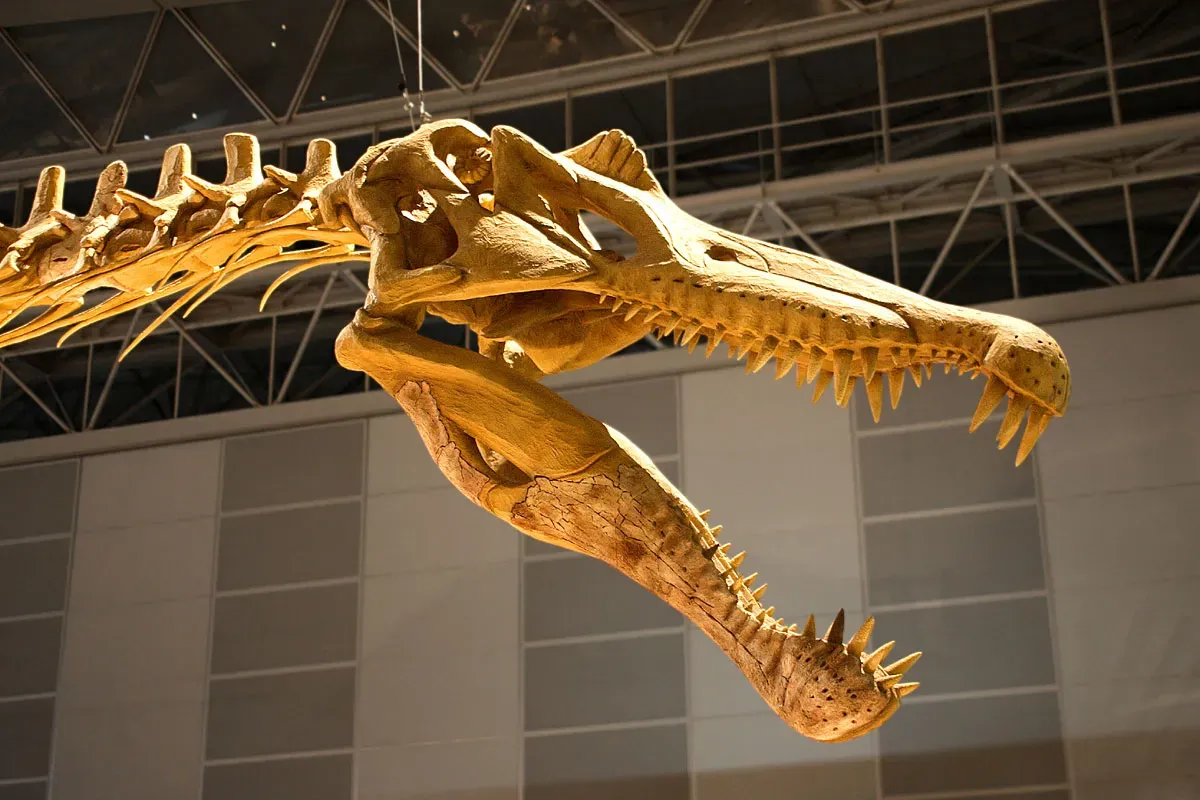
One of the cleverest tools modern paleontologists use is something called skull morphology analysis. It is the study of jaw and snout geometry to figure out not just what a dinosaur ate, but specifically how it hunted. Evidence from the study of patterns in skull shape, interpreted as indicating that Spinosaurus fed on aquatic prey, suggests it likely used a “stand-and-wait” predation strategy. That is strikingly similar to how a great blue heron operates at the water’s edge, motionless until the moment strikes.
The characteristic rostral morphology of Spinosaurus allowed its jaws to resist bending in the vertical direction, but its jaws were poorly adapted with respect to resisting lateral bending compared to other members of the group and modern alligators. This suggests that Spinosaurus preyed more regularly on fish than it did on land animals. In other words, its entire head was optimized for the quick, downward strike of a waterside ambush predator.
As some spinosaurids have smaller nostrils than others, their olfactory abilities were presumably lesser, as in modern piscivorous animals, and they may instead have used other senses such as vision and mechanoreception when hunting fish. Olfaction may have been more useful for spinosaurids that also fed on terrestrial prey, such as baryonychines. I think that level of nuanced adaptation is genuinely astonishing. These were not generalist hunters. They were aquatic specialists refined by millions of years of evolution.
What the Debate Tells You About Science Itself
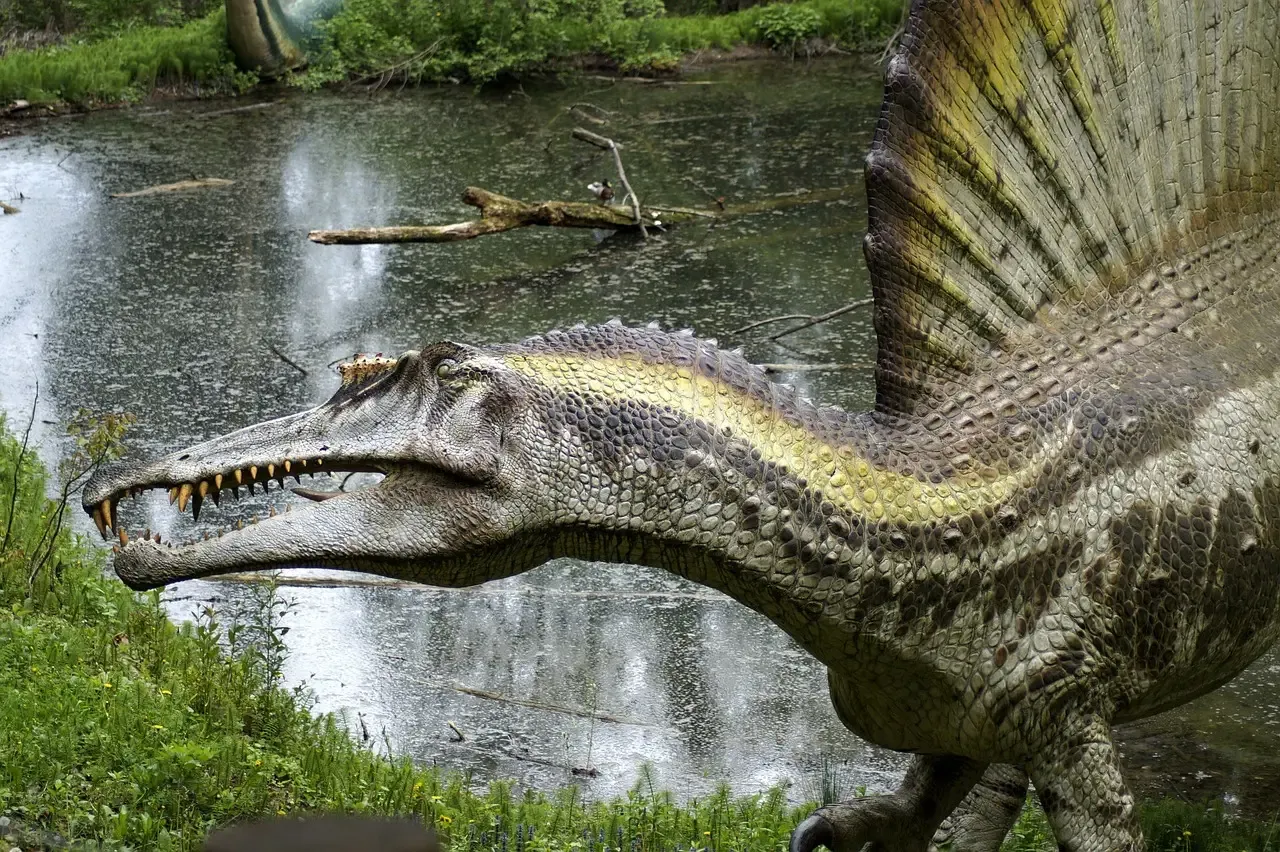
It would be dishonest to present aquatic dinosaur hunting as a settled, controversy-free field. It is not. The hunting habits of Spinosaurus aegyptiacus, the largest known predatory dinosaur to roam the Earth, have been subject to intense scientific debate since detailed descriptions of its most complete fossils were published in 2014. At the time, Spinosaurus was described as a “semiaquatic” predator that prowled the shoreline of Cretaceous-era rivers, wading into the muddy banks to ambush fish with its massive, crocodilian jaws and interlocking teeth.
More recent discoveries pushed Spinosaurus further from the shore, with some researchers suggesting it was well-suited to pursuing prey out of the shallows and hunting deep underwater. These arguments are based on new fossils that suggest Spinosaurus had a fleshy, paddle-like tail for swimming and dense bones to help submerge it underwater. A new paper by paleontologists from the University of Chicago and colleagues, however, rejects this “aquatic hypothesis” as far-fetched.
The fossil record supports the interpretation of Spinosaurus as a semiaquatic bipedal ambush predator that frequented the margins of both coastal and inland waterways. Still, the discovery of Spinosaurus mirabilis in 2026 added yet another dimension, strengthening the wading interpretation over the deep-diving one. Researchers compared S. mirabilis’ body shape with other living and extinct predators and placed it between semiaquatic waders like herons and aquatic divers like penguins. That is a fascinating middle ground, one that will keep paleontologists debating for years to come.
A golden era in dinosaur science is driving this fascination with dinosaurs. Around 1,400 dinosaur species are now known from more than 90 countries, with the rate of discovery accelerating in the last two decades. The year 2025 alone saw the discovery of 44 new dinosaur species, nearly one a week. With that kind of pace, it is hard to say for sure, but the picture of semi-aquatic dinosaur hunting will almost certainly become even richer in the coming years.
Conclusion
Spinosaurus_BW.jpg: ArthurWeasley, CC BY 2.5)
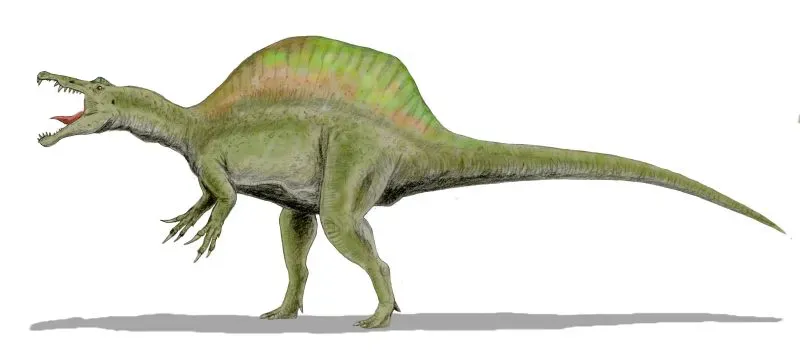
The old image of the dinosaur as a purely land-bound giant has been comprehensively overturned by the fossil record. From Baryonyx’s stomach full of fish bones, to the paddle-shaped tail of Spinosaurus, to the extraordinary swim tracks carved into a Bolivian shoreline, the evidence for aquatic hunting is no longer speculative. You are looking at a pattern that emerged independently across continents, repeatedly, over tens of millions of years.
What makes all of this so compelling is that scientists are still actively uncovering it. Each new dig site, each new species, each new scan of ancient bone adds another chapter to a story that began over 95 million years ago. The dinosaurs that hunted in rivers and shallow waterways were not exceptions to the rule. In many ecosystems, they were the apex predators of an entire aquatic world. That, if anything, should permanently change how you see these ancient giants.
So the next time you picture a Spinosaurus, skip the dry desert and imagine it knee-deep in a Cretaceous river, motionless, waiting. What other surprises do you think are still buried out there? Tell us in the comments.