
Sixty-six million years ago, the world ended. Not in a slow, quiet fade – in fire, darkness, and a catastrophic silence that swallowed most life on Earth. A six-mile-wide asteroid punched through the sky and wiped out roughly three out of every four species on the planet. The dinosaurs, those towering rulers of the Mesozoic, vanished. Yet in the rubble and darkness that followed, something extraordinary was about to happen.
What came next is one of the most jaw-dropping chapters in the entire history of life. A group of small, furry, mostly nocturnal creatures that had spent over 100 million years cowering in the shadows suddenly found themselves inheritors of an empty world. Their story – your story, technically – is stranger, faster, and more dramatic than you might ever have imagined. Let’s dive in.
1. The Mammal Explosion Began Almost Immediately
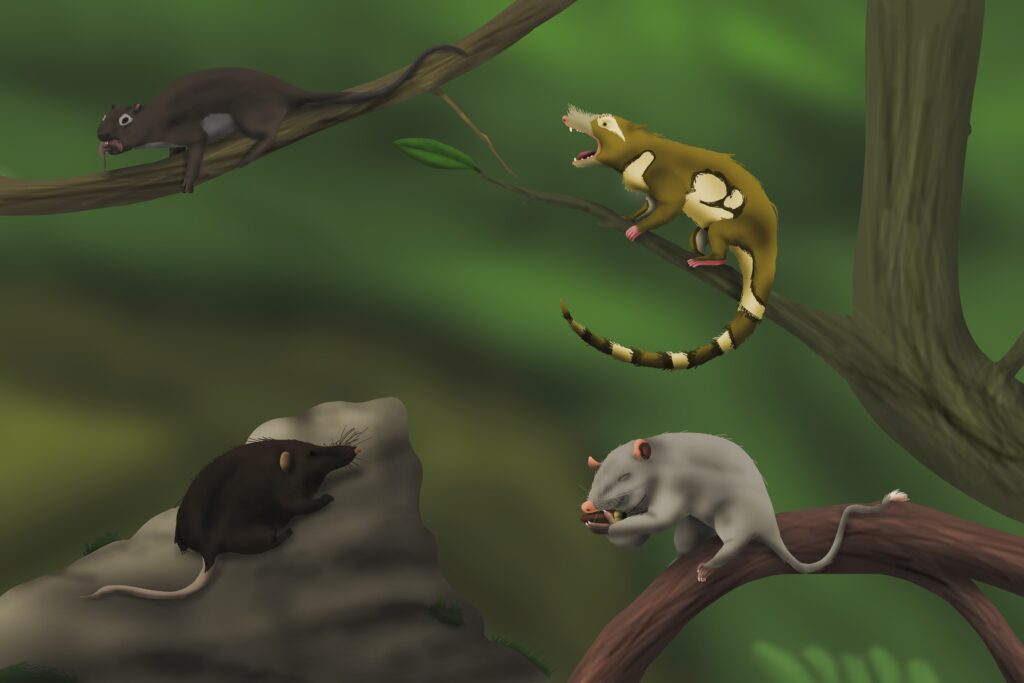
You might picture evolutionary change as something that unfolds over impossibly long stretches of time. Mostly, you’d be right. But what happened after the asteroid hit was different – almost shockingly so. The diversity of mammals on Earth exploded straight after the dinosaur extinction event, with placental mammals – the group that today includes nearly 5,000 species including humans – becoming more varied in anatomy during the Paleocene epoch, the 10 million years immediately following the event.
Mammals evolved a greater variety of forms in the first few million years after the dinosaurs went extinct than in the previous 160 million years of mammal evolution under the rule of dinosaurs. Think about that for a moment. More evolutionary novelty packed into a few million years than in over a century and a half of millions before it. Evolution, it turns out, can move fast when the door is suddenly thrown wide open.
2. Your Common Ancestor Was a Tiny, Tree-Climbing Insect-Eater
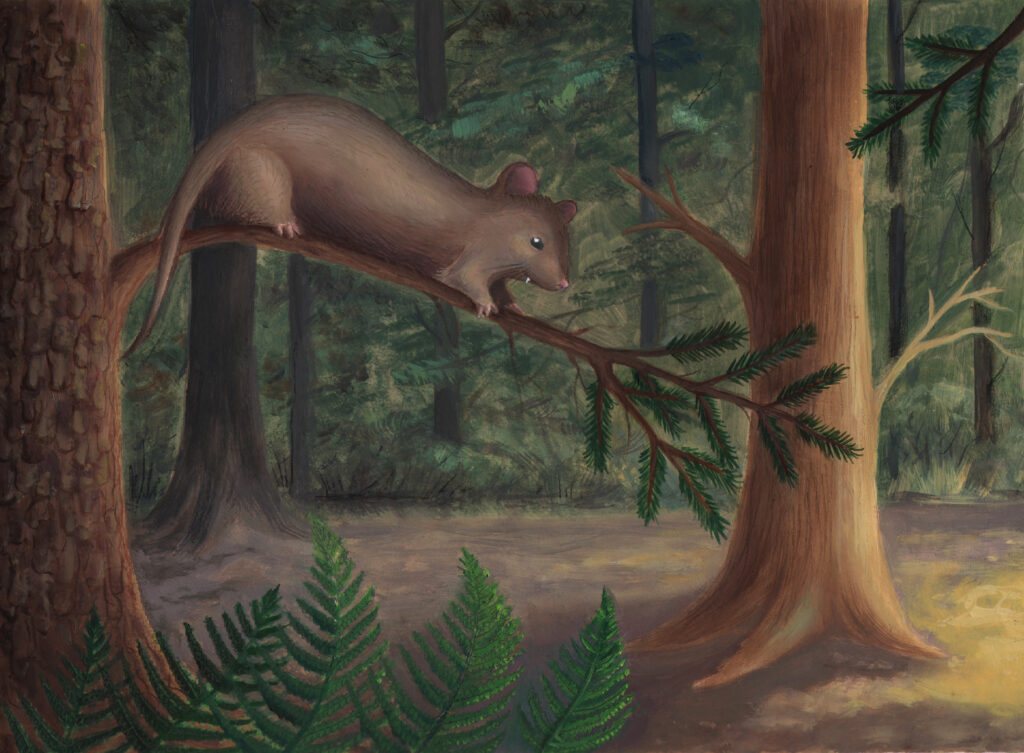
Here’s the thing – every human, bat, whale, elephant, cat, and giraffe alive today traces its origins to one remarkable little creature. All of these creatures, in their wondrous array of shapes and sizes, evolved from a small, unassuming, scurrying insect-eater that lived a few hundred thousand years after the apocalypse that finished off most of the dinosaurs. It almost sounds like a bad joke, doesn’t it?
The hypothetical ancestral placental mammal was probably a tree-climbing, insect-eating creature that weighed between 6 and 245 grams – somewhere between a small shrew and a mid-sized rat. It was furry, had a long tail, gave birth to a single young, and had a complex brain with a large lobe for interpreting smells and a corpus callosum connecting the brain’s two hemispheres. This humble little beast, barely noticeable in the Cretaceous world, became the blueprint for all of modern mammalian life. Honestly, it’s humbling.
3. Mammals Bulked Up Before Their Brains Did
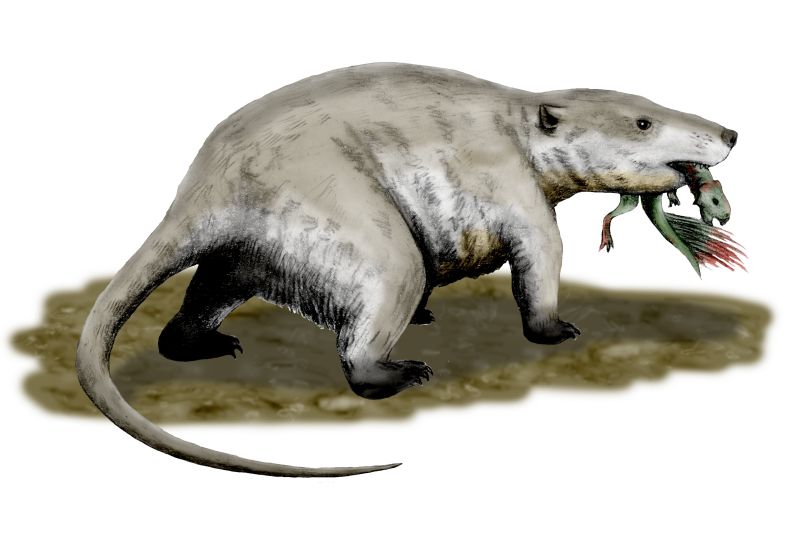
You might assume that the secret to mammalian success was smarts – bigger brains leading the charge into a post-dinosaur world. It’s a reasonable guess. It’s also wrong. In the first 10 million years following the mass extinction event, mammals bulked up, rather than evolving bigger brains, to adapt to the dramatic changes in the world around them. Size, it seems, mattered more than IQ at first.
After the extinction of the dinosaurs 66 million years ago, mammals began to increase in body size as new niches became available, but their brain lagged behind their bodies for the first ten million years. Relative to body size, the brains of Paleocene mammals were relatively smaller than those of Mesozoic mammals. It was not until the Eocene that the mammalian brains began to catch up with their bodies, particularly in certain areas associated with their senses. Being big enough to survive came first. Being clever enough to thrive came later.
4. Mammals Came Out of the Dark – Literally
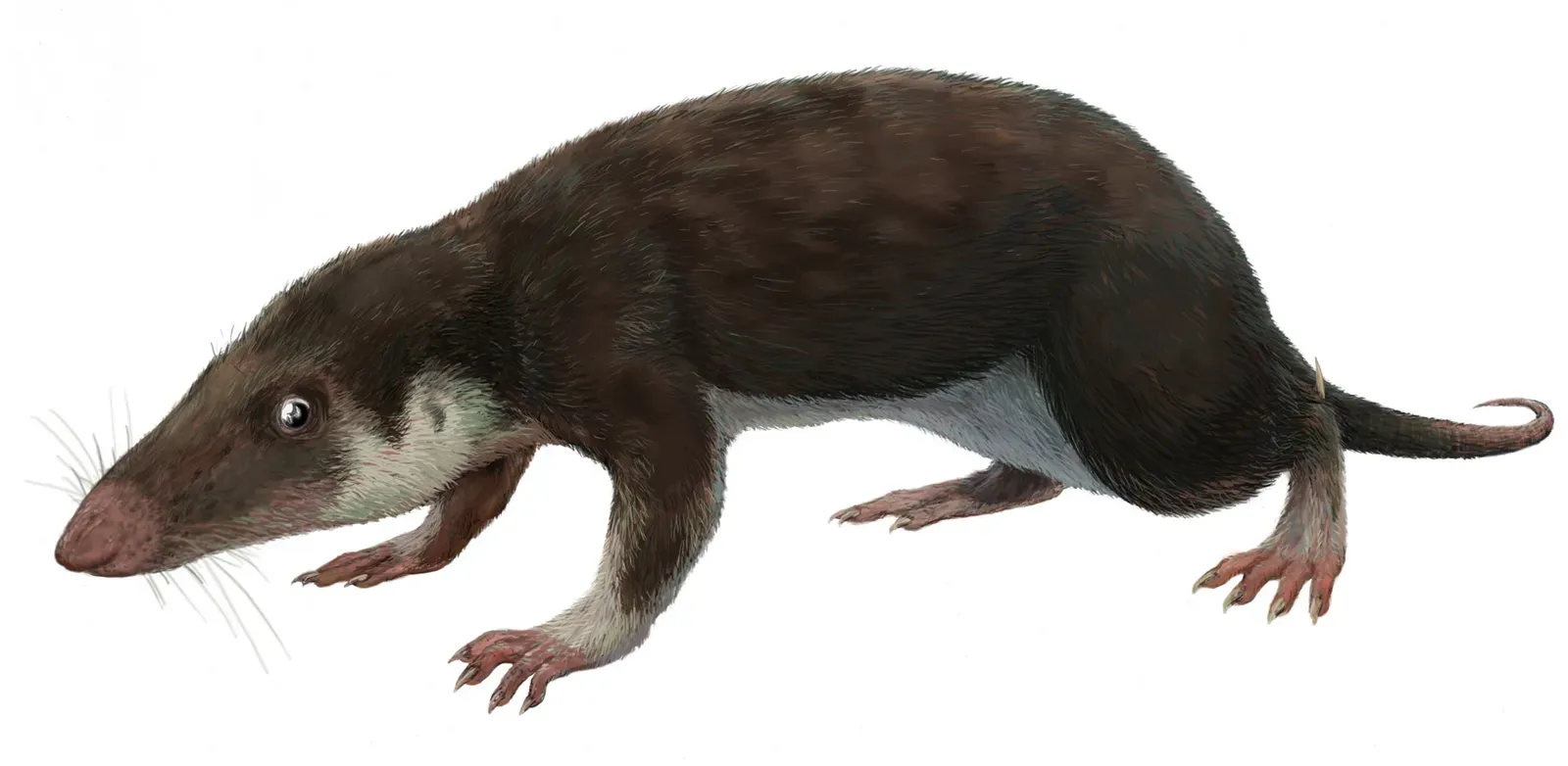
For over 100 million years, your mammalian ancestors were creatures of the night. They had no choice. Paleontologists believe that the first mammals to evolve on Earth were small nocturnal creatures that used a keen sense of smell and hearing to operate in the dark, which was a good place to be in the age of the dinosaurs. The night was, essentially, their only safe haven.
Partial diurnal activity appeared among mammals only about 200,000 years after the meteorite impact that caused the extinction of the dinosaurs. In evolutionary terms, that is essentially overnight. Only after the extinction of nonavian dinosaurs did mammals radiate into daytime niches, meaning that daily physiological rhythms became reversed with respect to the day and night. You stepping outside into morning sunlight today is, in a very real sense, a freedom won 66 million years ago.
5. Not All Mammals Benefited Equally From the Extinction
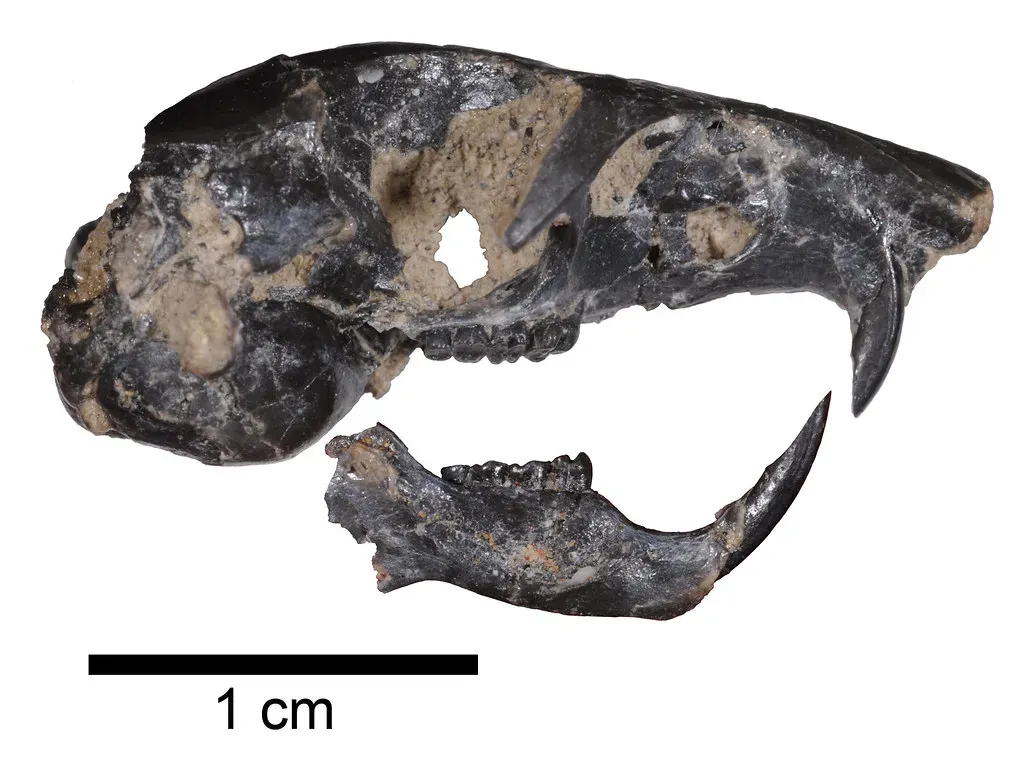
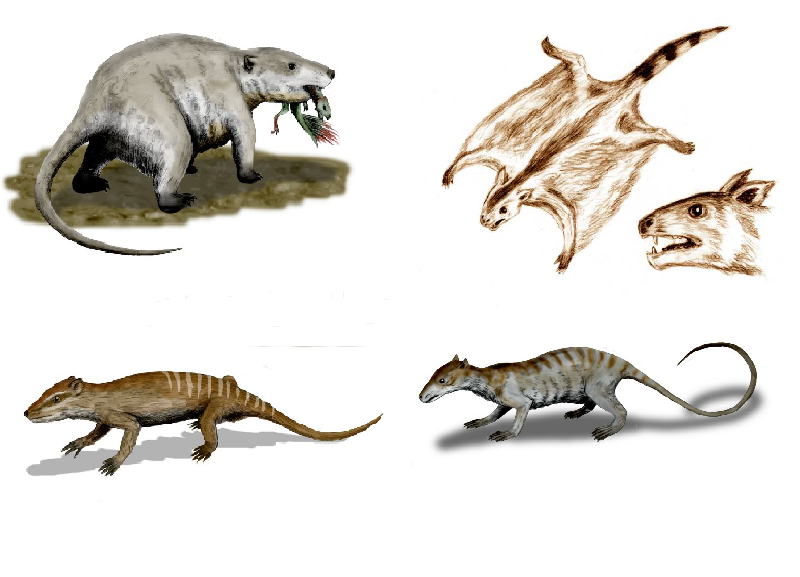
I think a lot of people imagine the extinction as a kind of universal gift to all mammals – dinosaurs gone, mammals win, end of story. The reality was far messier. The three major mammalian clades responded in dramatically contrasting ways to the K-Pg event. Metatherians underwent a sudden rise in extinction rates shortly after the K-Pg, whereas declining origination rates first halted diversification and later drove the loss of diversity in multituberculates. Eutherians experienced high taxonomic turnover near the boundary, with peaks in both origination and extinction rates.
Early mammals were hit by a selective extinction at the same time the dinosaurs died out – generalists that could live off of a wide variety of foods seemed more apt to survive, but many mammals with specialized diets went extinct. It was a lottery of sorts, and diet flexibility was your ticket. Smaller mammals seemed to be better equipped to survive since they could hide more easily, and those with a diverse diet were able to adapt more quickly. Pickiness, it turns out, was a fatal flaw.
6. A Four-Fold Explosion in Species Richness Occurred After the Extinction
The sheer scale of post-extinction mammal diversification is staggering when you put numbers to it. Researchers found a four-fold increase in mammal species richness following the K-Pg boundary, confirming previous studies looking at mammalian evolution after the extinction of the dinosaurs. Quadruple the species diversity in a geologically short time frame – that’s not gradual change, that’s a biological eruption.
What makes this even more interesting is who was doing the diversifying. Smaller mammal species of less than 100 grams diversified at a similar magnitude to larger ones, leading paleontologists to speculate that a combination of the vacuum left by the extinction of the dinosaurs and a reorganization of the environment likely catalyzed by the evolution of flowering plants, giving smaller mammals greater access to energetic resources. Size wasn’t the only driver here. The world was literally being rebuilt from the ground up, plants and all, and mammals seized every new gap it created.
7. Flowering Plants Helped Fuel the Mammal Takeover
Let’s be real – when we talk about the rise of mammals, we rarely give enough credit to plants. Yet the relationship between flowering plants and early mammals was nothing short of revolutionary. A shift in vegetation took place in the last 10 million years or so of the Cretaceous period when flowering plants, such as deciduous trees, started to become more commonplace than the previously widespread conifers and ferns, making the animals’ habitat more complex since deciduous trees have an elaborate canopy and understory.
One of the ways in which ecosystems may have been able to support more diverse faunas could have been due to the evolution and subsequent radiation of flowering plants. Flowering plants diversified throughout the Late Cretaceous and into the Paleogene, and mammals appear to have been in the perfect position to take advantage of these new resources. Think of it like a restaurant suddenly expanding its menu – and mammals were the only diners in town ready to eat everything on offer.
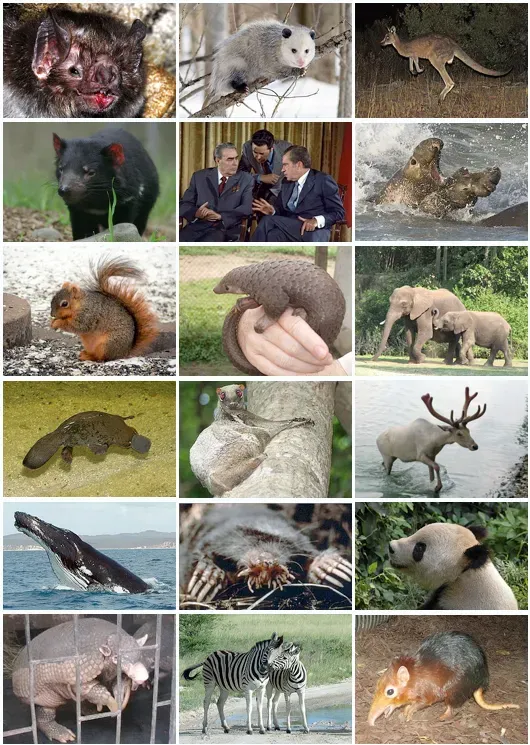
8. Whales, Bats, and Horses All Trace Their Origins to This Era
derivative work: Medeis (talk)
Desmodusrotundus.jpg: Desmodus
Opossum_1_cropped.JPG: *Opossum_1.jpg: Cody Pope
derivative work: Medeis (talk)
Eastern_Grey_Kangaroo.jpg: Трансаэро
File:Tasmanian devil cropped.jpg: The original uploader was Snowmanradio at English Wikipedia.
Leonid_Brezhnev_and_Richard_Nixon_talks_in_1973_cropped.JPG: *File:Bushmen hunters.jpg: Andy Maano
derivative work: Medeis (talk)
Elephant_seals_fighting.jpg: Mike Baird, bairdphotos.com
Fox_squirrel.jpg: Benny Mazur
Tree_Pangolin.JPG: Valerius Tygart
Elephants.jpg: User:Follix
Platypus.jpg: Stefan Kraft
Caribou_from_Wagon_Trails.jpg: Brian0918
Humpback_Whale_fg1_cropped.JPG: *Humpback_Whale_fg1.jpg: Fritz Geller-Grimm
derivative work: Medeis (talk)
Condylura_cropped.JPG: *Condylura.jpg: work of a National Park Service employee
derivative work: Medeis (talk)
Giant_armadillo.jpg: The original uploader was Pascaweb at English Wikipedia.
Panda_head.jpg: Daniel78
Zebras.jpg: Photo taken (in March 2005) and submitted by Walter Voigts.
Elephant_Shrew.jpg: user:LtshearsFile:Nokota Horses cropped.jpg
File:Nokota Horses cropped.jpg
derivative work: Medeis (talk), CC BY-SA 3.0)
Some of the most remarkable creatures alive today owe their existence directly to the chaos of the post-extinction world. Some of today’s familiar mammals, like the groups that later evolved into horses or bats, got their start soon after the extinction and probably as a direct result of it. It’s a sobering thought – no asteroid, no bats swooping overhead on summer evenings.
Once the pressure was off, placental mammals suddenly evolved rapidly into new forms. In particular, a group called Laurasiatheria quickly increased their body size and ecological diversity, setting them on a path that would result in a modern group containing mammals as diverse as bats, cats, rhinos, whales, cows, pangolins, shrews, and hedgehogs. The first whales appeared 50 million years ago, well after the extinction of the dinosaurs. What began as a small land creature eventually returned to the sea and became the largest animal that has ever lived on Earth.
9. Mammals Were Already Diversifying Before the Asteroid Struck
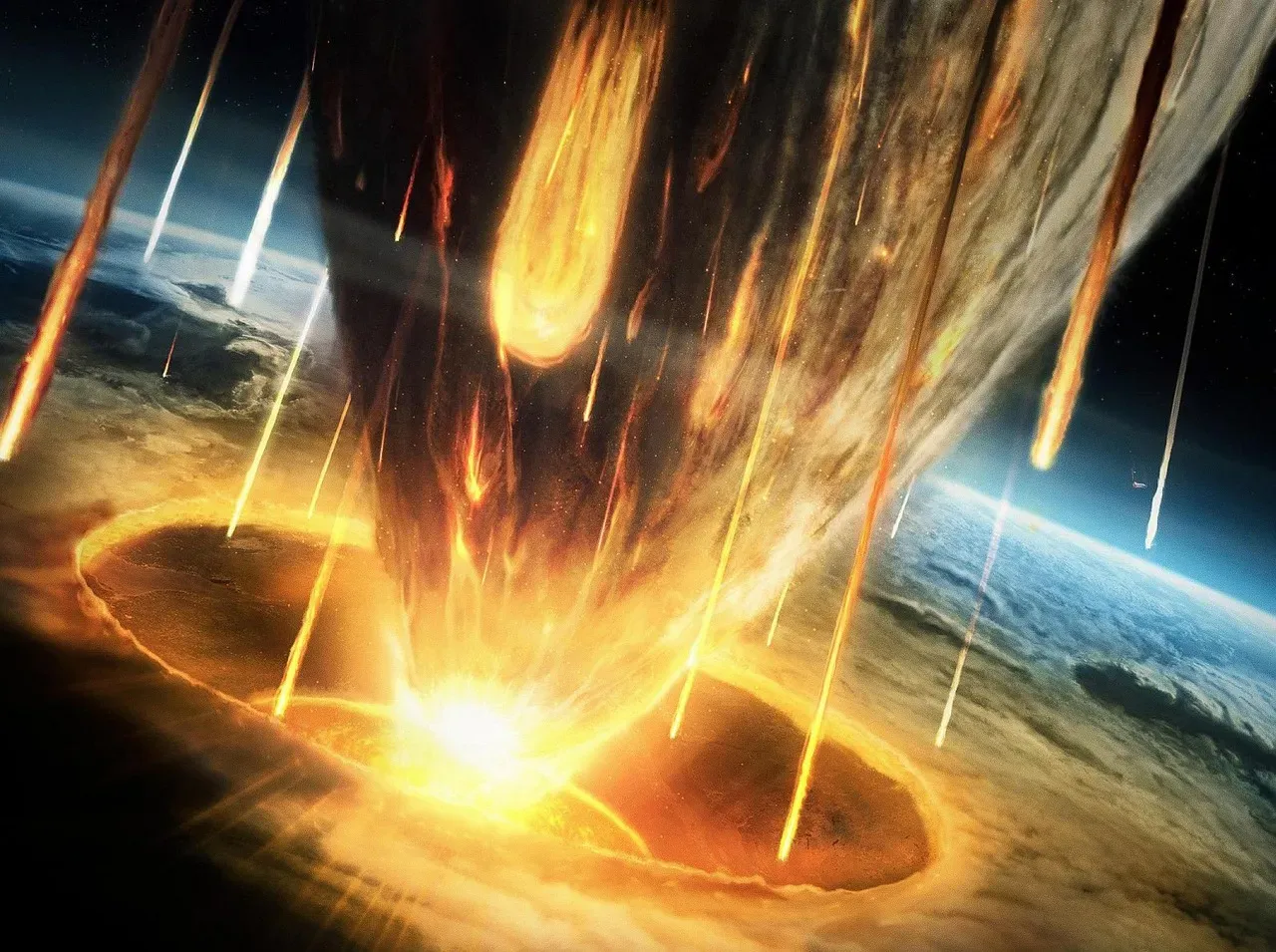
Here’s something that might genuinely surprise you. The popular story – that mammals were suppressed and static until the dinosaurs disappeared – isn’t quite accurate. Therian mammals, the ancestors of most modern mammals, were already diversifying before the dinosaurs died out. The asteroid didn’t start the race. It just removed all the other competitors.
Researchers noted a possible link between the rise of mammals and the rise of flowering plants, which diversified around the same time. Flowering plants might have offered new seeds and fruits for the mammals. And, if the plants co-evolved with new insects to pollinate them, the insects could have also been a food source for early mammals. In other words, you were already inheriting the Earth before the asteroid made it official. The extinction simply blew the doors completely off the hinges.
10. The Mammal Brain’s Sense of Smell Was the First Thing to Grow
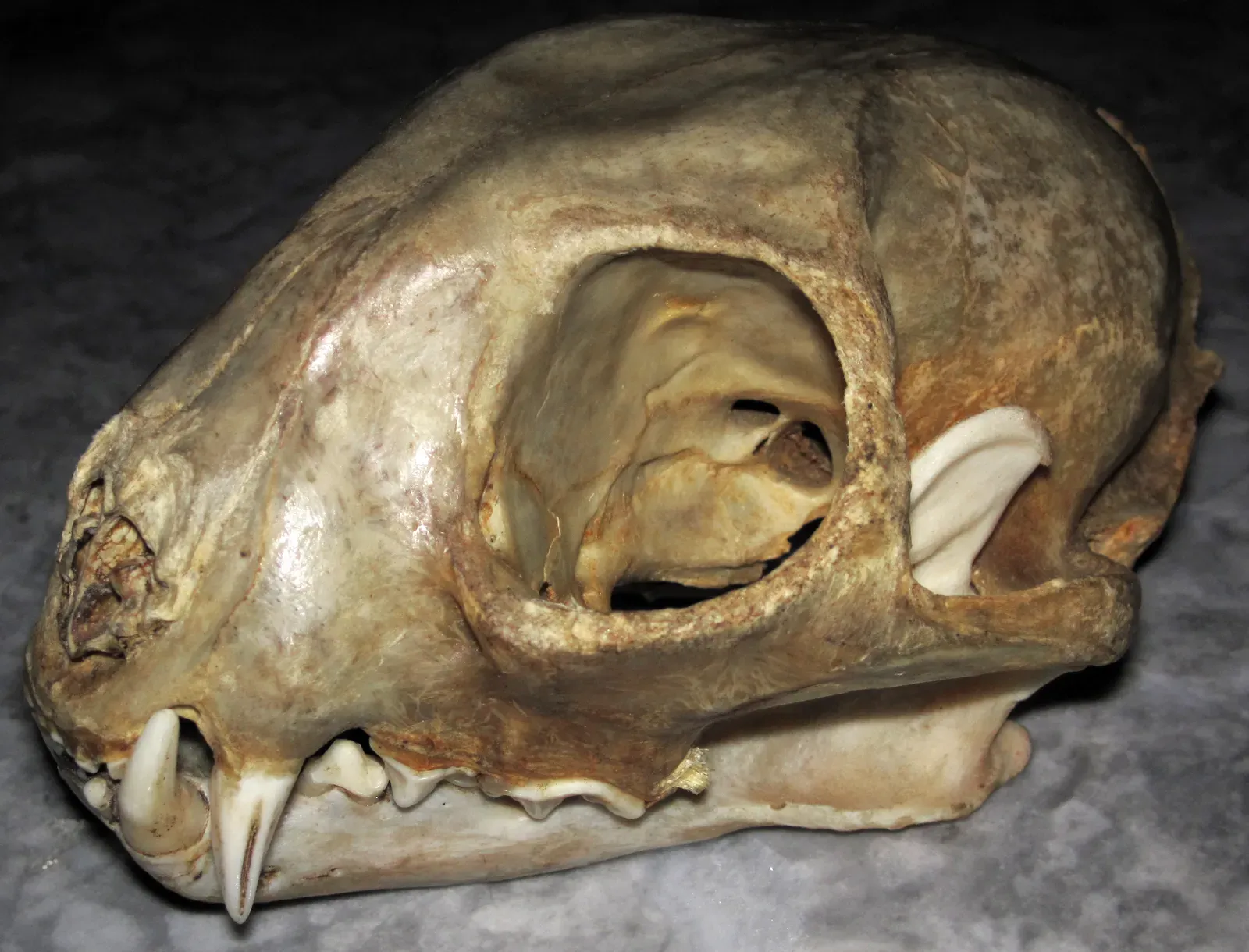
It’s hard to say for sure what our earliest mammalian ancestors were truly like, but science has found some surprisingly specific clues buried in ancient skulls. Scientists scanned the skulls of early mammal species dating back to 190 to 200 million years ago and compared the brain case shapes to earlier pre-mammal species; they found that the brain area involved in the sense of smell was the first to enlarge. This change may have allowed these early mammals to hunt insects at night when dinosaurs were not active.
Paleontologists and evolutionary biologists have long thought that the original mammals were nocturnal, in part because mammals alive today still carry traits of their night-loving ancestors. Most mammals have eyes that function well in low light, for example. They also have highly developed senses of smell and hearing, and sensitive whiskers that allow them to feel what is in front of their faces – all traits that are useful in the dark. Even today, when you catch a scent that triggers a vivid memory, you’re experiencing a biological inheritance from a tiny creature who survived 160 million years in the dark by following its nose.
Conclusion: The Greatest Comeback Story Ever Told
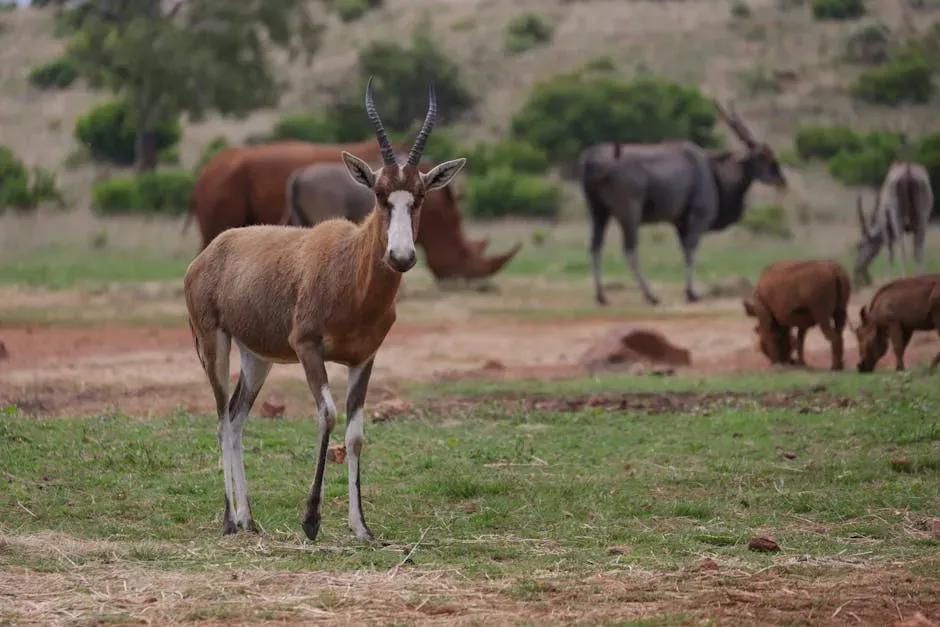
The story of mammalian evolution after the dinosaurs is, at its core, the ultimate comeback story. A world burned, went dark, and fell silent – and then, within what amounts to a geological blink of an eye, the modern world became populated by over 6,000 extant mammalian species exhibiting an extraordinary diversity of forms and ecologies. From insect-munching survivors huddled in the ash to blue whales, mountain gorillas, and the person reading these words right now – it all unfolded from one catastrophic moment and its astonishing aftermath.
What makes this story so captivating is how contingent it all was. A different asteroid angle, a slightly different impact site, a world with no flowering plants – and none of us would be here. The mammals that survived weren’t necessarily the strongest or the smartest. They were the adaptable, the generalist, the lucky. A clear and massive spike in the rates of evolution appeared straight after the dinosaurs became extinct, suggesting our ancestors greatly benefitted from the demise of the dinosaurs.
So the next time you watch a whale breach the surface of the ocean, or hear a bat navigating the night sky, remember – you’re witnessing the living legacy of the most dramatic evolutionary reset the planet has ever experienced. What do you think would have happened if the asteroid had missed? Tell us in the comments.