Imagine standing in what is now Antarctica, surrounded by towering conifers, ferns, and the distant rumble of a dinosaur pushing through dense undergrowth. It sounds impossible. Yet, the fossil record is telling us exactly that story, and the more researchers dig, the stranger and more spectacular the tale becomes. Dinosaurs were not the simple, swamp-loving creatures of old monster movies. They were astonishing survivors, deeply woven into the fabric of wildly different climates across millions of years.
What is most remarkable is that scientists are still uncovering brand-new chapters in this story right now, in 2026. Around 1,400 dinosaur species are now known from more than 90 countries, with the rate of discovery accelerating in the last two decades, and 2025 alone saw the discovery of 44 new species, nearly one a week. Each new find is a fresh clue about how these creatures did the seemingly impossible. So let’s dive in.
Where It All Began: A Hot, Arid World of Origin
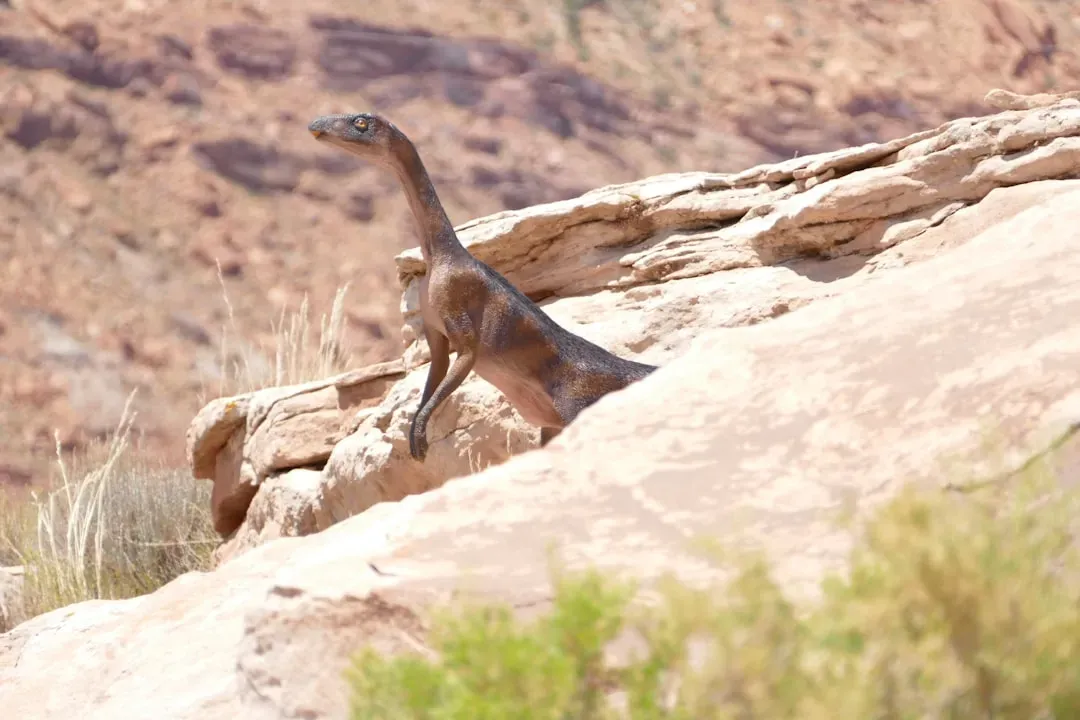
You might picture early dinosaurs roaming lush jungles, but the truth is far more rugged than that. A recent study published in Current Biology concluded that the earliest dinosaurs likely emerged in a hot equatorial region in what was then the supercontinent Gondwana, an area of land that today encompasses the Amazon, Congo basin, and the Sahara Desert. That is essentially where the Sahara now sits. Scorching, dry, and brutal.
Research results suggest early dinosaurs may have been well adapted to hot and arid environments, and one group in particular, the sauropods which includes the Brontosaurus and the Diplodocus, seemed to retain their preference for a warm climate, keeping to Earth’s lower latitudes. It is a fascinating starting point that tells us climate shaped dinosaur evolution from the very beginning, not just at the edges. The stage was set, and what followed was one of the most dramatic ecological journeys on Earth.
Feathered and Freeze-Ready: Polar Dinosaur Fossils Down Under
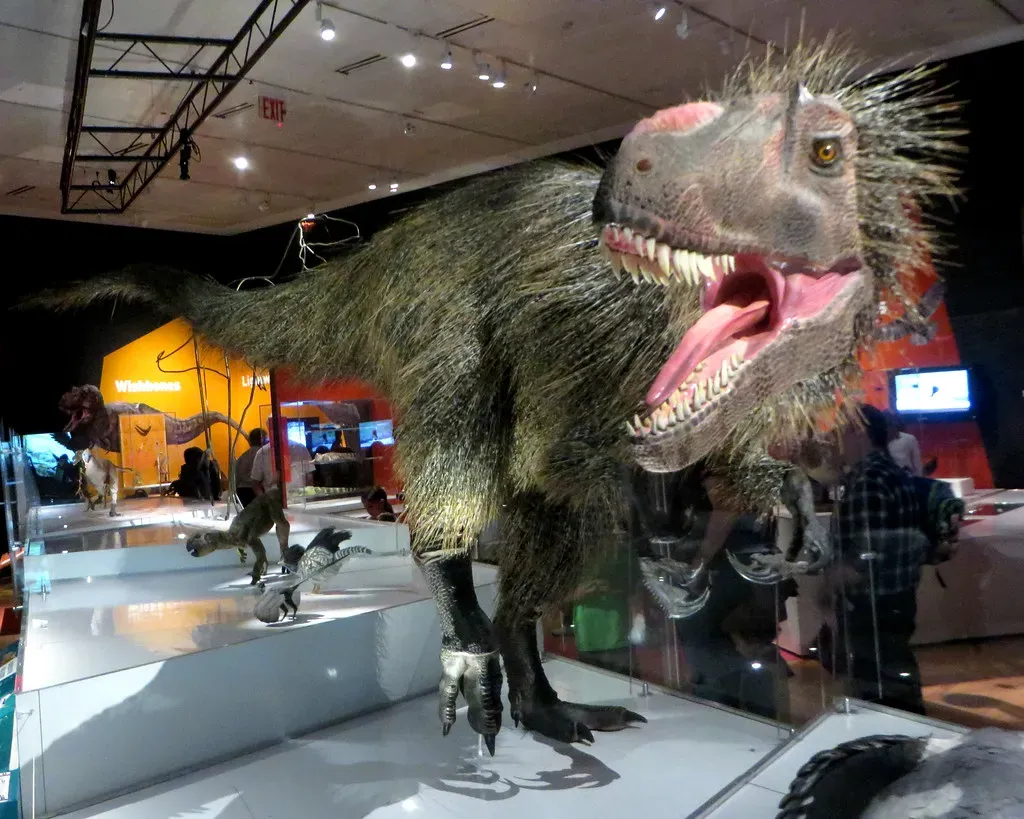
Here is a fact that honestly still blows my mind: dinosaurs lived within the Antarctic Circle. Not briefly, not by accident. They thrived there. Ten exquisitely preserved fossil feathers found in Australia represent the first solid evidence that feathered dinosaurs lived at Earth’s poles, with the feathers dating back 118 million years to the early Cretaceous period.
At that time, Australia was much farther south and joined with Antarctica to form Earth’s southern polar landmass. Although the environment would have been warmer than Antarctica today, the dinosaurs that sported this plumage probably endured many months of darkness and potentially freezing temperatures during winter. Think about that. Months of darkness. And still, they made it work. Researchers confirmed that dinosaur proto-feathers would have been used for insulation, and the discovery of proto-feathers at Koonwarra suggests that fluffy feather coats might have helped small dinosaurs keep warm in ancient polar habitats.
The Warm-Blooded Revolution: When Dinosaurs Changed Everything
For decades, scientists assumed dinosaurs were cold-blooded, like modern lizards, just sitting in the sun waiting to warm up. In the early 20th century, dinosaurs were considered slow-moving, cold-blooded animals like modern-day reptiles, relying on heat from the sun to regulate their temperature, but newer discoveries indicate some dinosaur types were likely capable of generating their own body heat.
The ability to regulate body temperature, a trait all mammals and birds have today, may have evolved among some dinosaurs early in the Jurassic period about 180 million years ago, according to a study that drew on 1,000 fossils, climate models, geography of the period, and dinosaurs’ evolutionary trees. That is not a small claim. That is the kind of biological leap that rewrites textbooks. The research team found that two of the three main groupings of dinosaurs, theropods such as T. rex and Velociraptor, and ornithischians including relatives of the plant eaters Stegosaurus and Triceratops, moved to colder climates during the Early Jurassic, suggesting they may have developed endothermy at that time.
Giants of the Tropics: How Sauropods Played a Different Game
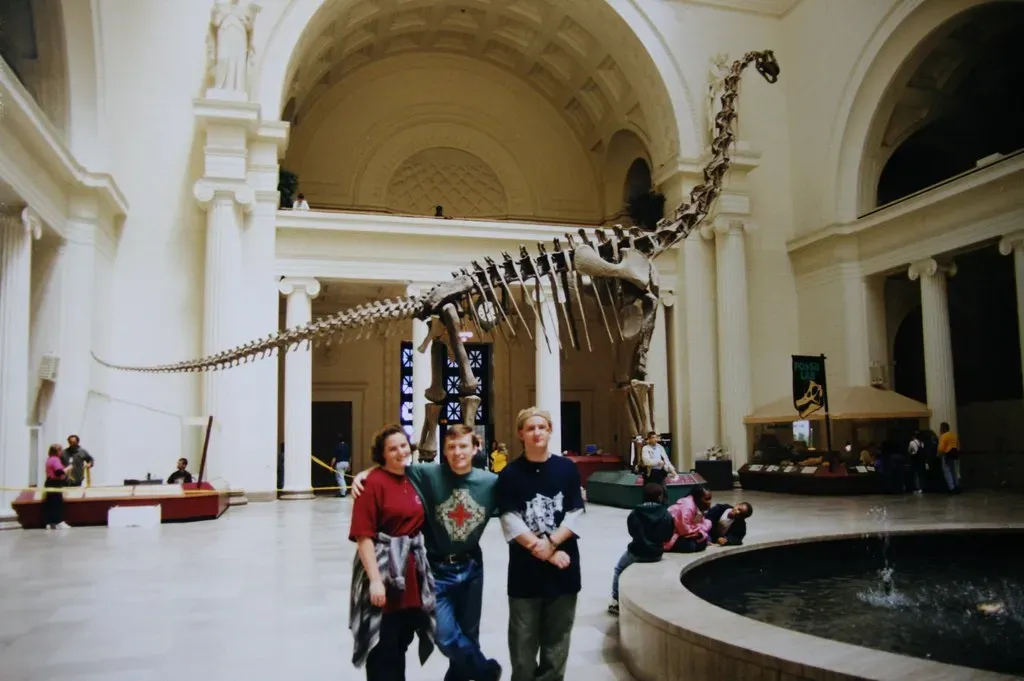
Not every dinosaur made the leap to internal heat generation. Some went a completely different route, and the results were staggering. Results from climate and fossil studies show that, uniquely among dinosaurs, sauropods occupied climatic niches characterized by high temperatures and strongly bounded by minimum cold temperatures, which constrained their distribution and dispersal pathways to tropical areas.
Researchers found that sauropods seemed to thrive in arid, savannah-like environments, supporting the idea that their restriction to warmer climates was more related to higher temperature and a more cold-blooded physiology, with their smaller surface area to volume ratio meaning these larger creatures would lose heat at a reduced rate, allowing them to stay active for longer. So instead of generating heat internally, they just became enormous. It is like nature’s version of a living solar panel, and honestly, for a while, it worked brilliantly. The fossil record showed zero occurrences of sauropods above a latitude of 50 degrees north, an area encompassing most of Canada, Russia, northern Europe, and the UK, or below 65 degrees south, encompassing Antarctica.
Tracks in the Ice: Footprints That Changed the Story
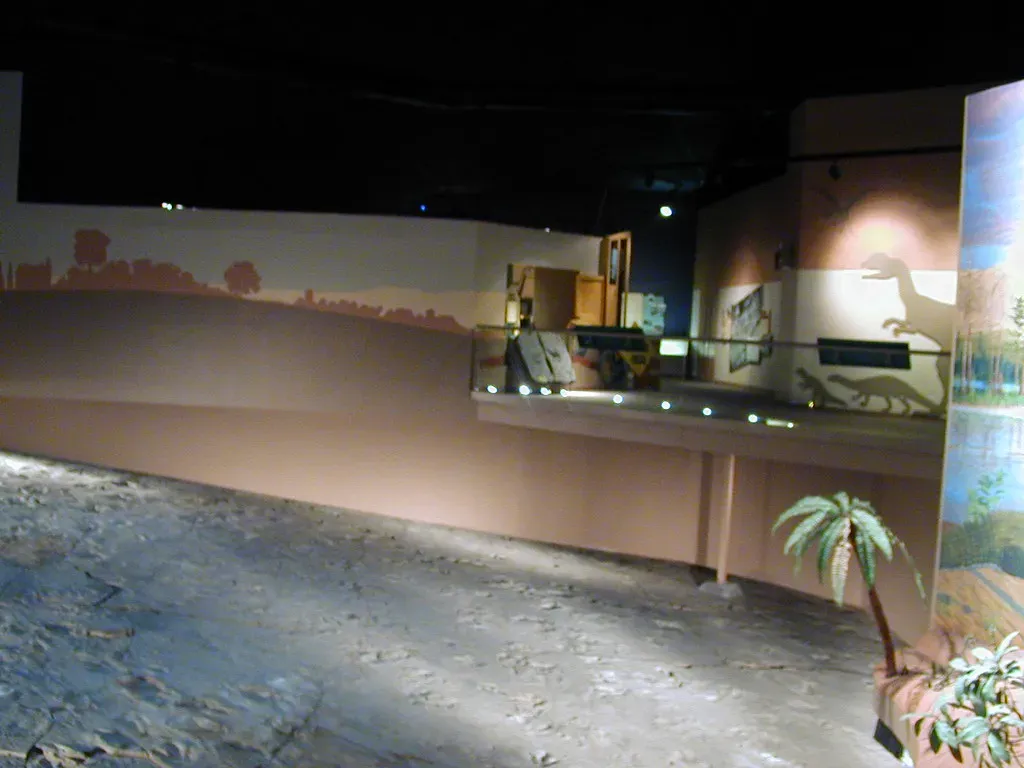
You could argue that bones tell one side of the story, but footprints tell another. They capture a moment frozen in time, a creature mid-stride, doing what it always did. In a particularly fascinating discovery in the Junggar Basin in Northwest China, dinosaur footprints in the sandstone and siltstone around an ancient lakebed prove a dinosaur’s presence at a location that was geographically within the Arctic Circle roughly 202 million years ago.
A study conducted in northwestern China’s Junggar Basin uncovered dinosaur footprints and stone deposits indicating that dinosaurs inhabited polar regions and successfully navigated freezing conditions, challenging the previous notion that dinosaurs were solely adapted to warm climates. These footprints are like postcards from another world. They prove beyond doubt that these creatures were not just passing through cold regions, they were living and hunting there. Fossil findings in regions like Dinosaur Cove in southern Australia and Alaska’s Prince Creek Formation have revealed a diverse range of dinosaur species that successfully adapted to the cold, with these adaptations allowing them to overcome challenges such as extreme seasonal swings and prolonged winter darkness.
Body Armor and Heat Sails: Physical Adaptations Written in Stone
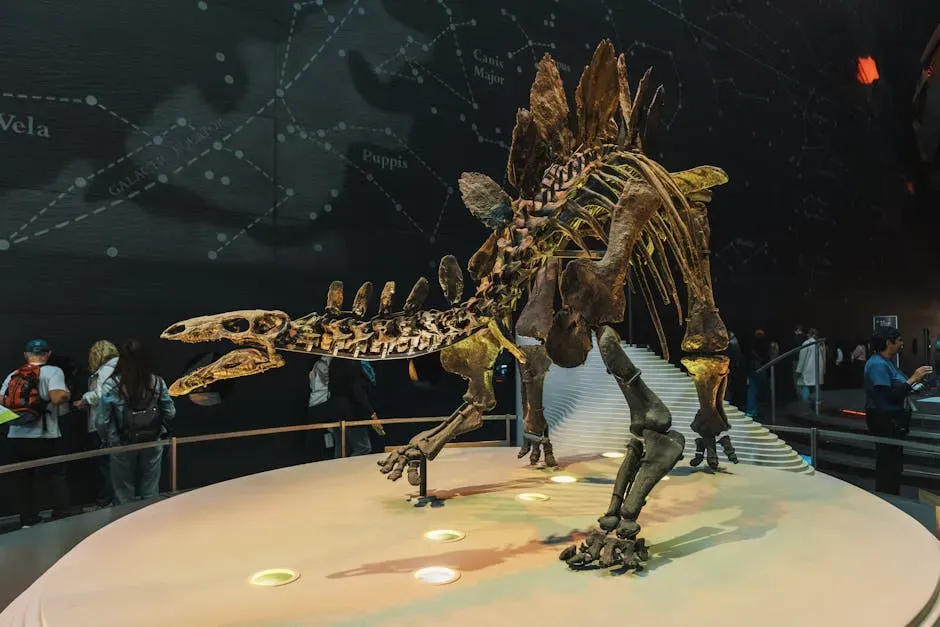
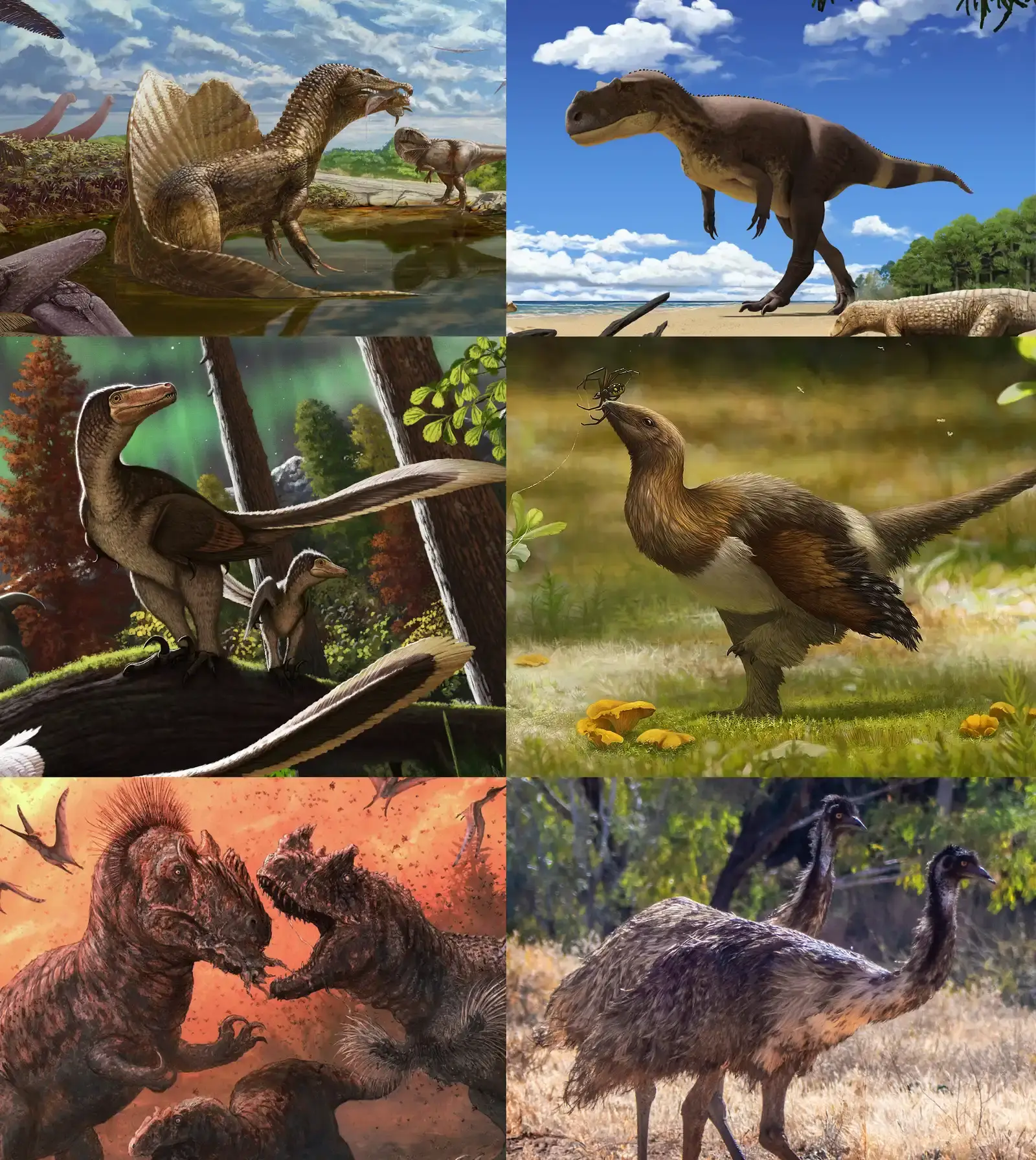
You often think of dinosaur features, the spikes, the sails, the crests, as spectacles for showing off. In many cases, they were also tools for surviving brutal climates. Some dinosaur species developed physiological and behavioral strategies to cope with high temperatures, such as elongated limbs for heat dissipation and seeking shade during the hottest parts of the day.
Some dinosaur species in hot regions may have had enhanced cooling systems like large sail-like structures for heat dissipation, as well as behavioral adaptations such as being more active during cooler parts of the day. Think of it like a built-in radiator. Nature does not waste biological investment on pure decoration when survival is on the line. Meanwhile, those dinosaurs living in colder zones developed very different tools. The presence of fuzzy feathers in dinosaurs played a crucial role in their ability to cope with cold temperatures, as these protofeathers provided insulation and warmth, allowing dinosaurs to navigate harsh winters.
Climate Shifts and the Rise of New Species
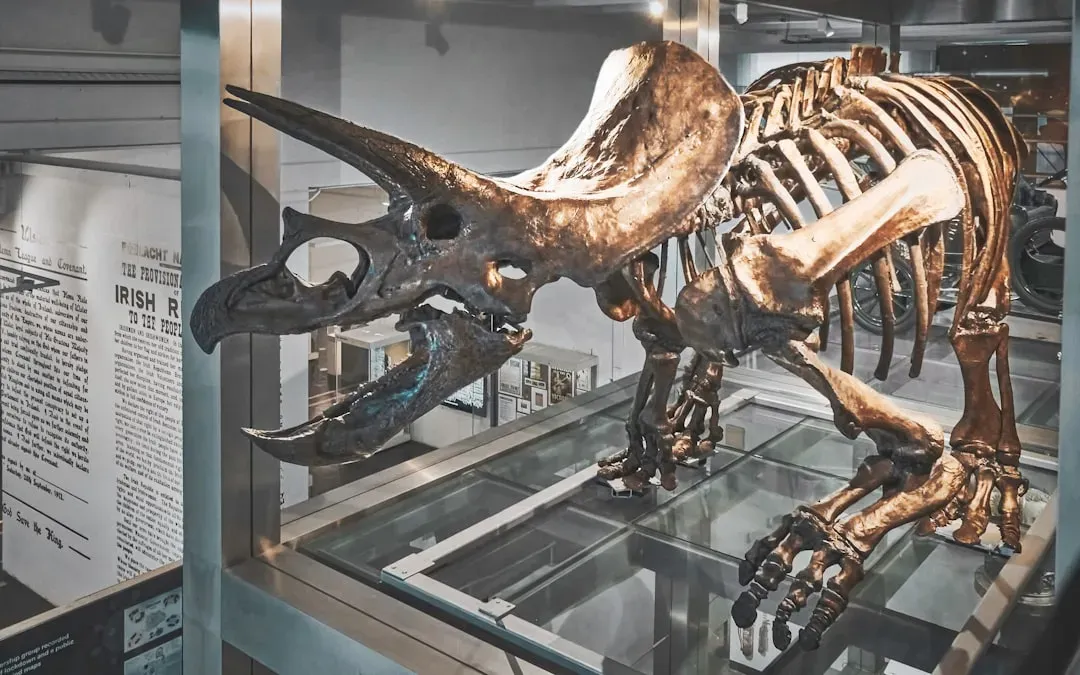
It is hard to say for sure exactly which climatic events were the biggest turning points, but the evidence keeps pointing to climate as the great sculptor of dinosaur diversity. Climate change toward the end of the Triassic provided a new glut of food that herbivorous dinosaurs, such as the ancestors of Apatosaurus, began to dine on, and as the plant-eaters became larger, so did the carnivores, and a broad array of impressive reptiles emerged that thrived through the Jurassic and Cretaceous.
Theropods displayed a wide range of climatic preferences, with some taxa retaining ancestrally warmer and drier niches while others adapted to cooler and slightly more seasonal conditions. It is a pattern you see in nature today, where shifts in climate reshuffle the deck and new winners emerge. Empirical evidence and modeling approaches underscore the high evolutionary adaptability of dinosaurs to long-term, climatically driven, macroecological changes, which was probably only eroded by a geologically instantaneous episode, such as that caused by the end-Cretaceous Chicxulub impact event. In other words, climate change did not defeat the dinosaurs. A rock from space did.
What the Fossil Record Is Still Teaching Us Right Now
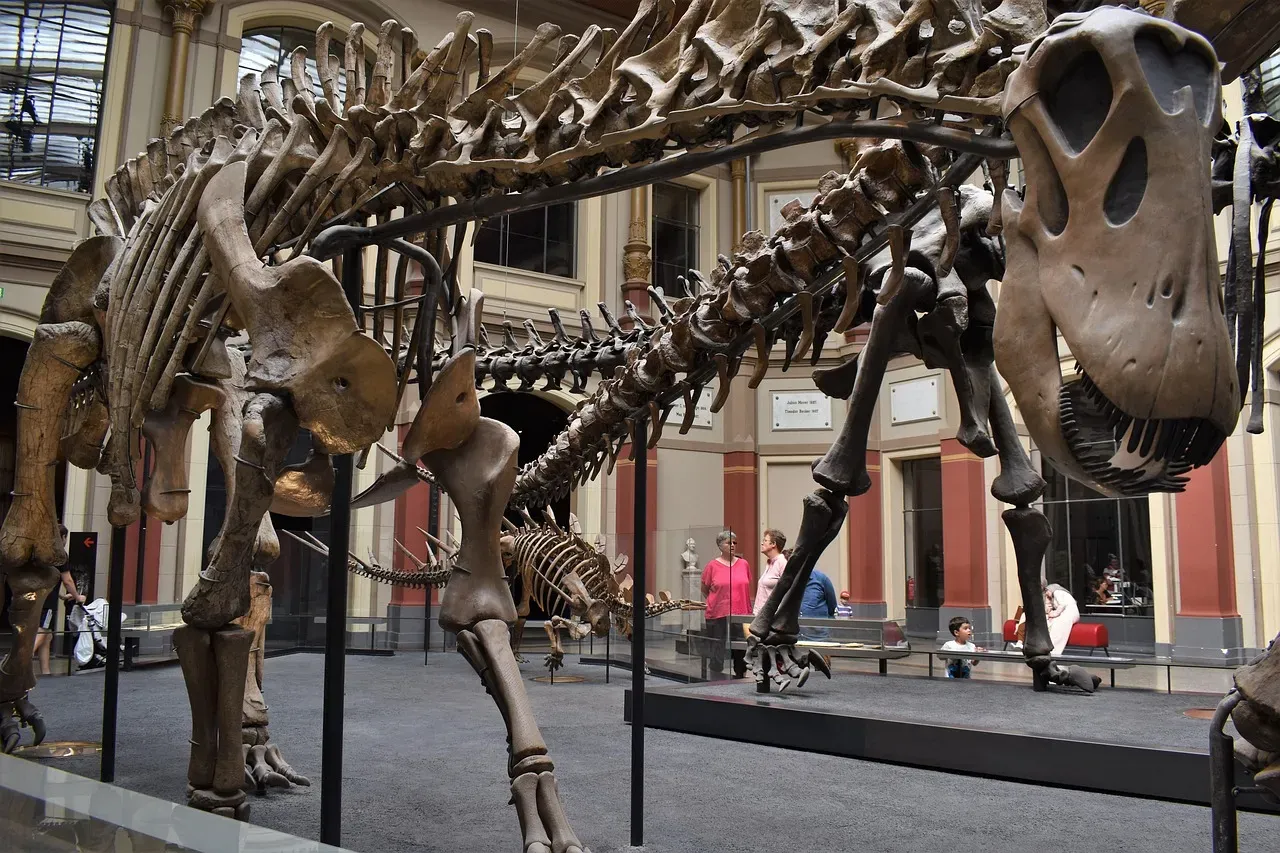
Here is the thing that keeps paleontologists excited and restless: we are nowhere near done. The fossil record is massive, full of gaps, and every missing piece can completely revise our understanding. As technology and scientific methods have advanced, the pace of dinosaur discoveries has only accelerated, with new species unearthed in remote regions of the world, from the arid deserts of the American Southwest to the frozen tundra of the Arctic.
The discovery of each new dinosaur can also provide clues about the environmental conditions that existed during its time, and by analyzing the geological context of the fossil site and studying the characteristics of the dinosaur’s habitat, researchers can gain insights into the climate, vegetation, and other factors that influenced the evolution of life in the region. Right now, researchers are combining ancient DNA techniques, climate modeling, and isotope chemistry in ways that were unthinkable just a decade ago. Evidence suggesting endothermy includes more consistent ratios of the isotope oxygen-18 in bony tissue compared to ectotherms, as latitude and air temperature varied, which suggests stable internal temperatures, alongside the discovery of polar dinosaurs which lived in Australia, Antarctica, and Alaska when these places would have had cool, temperate climates.
Conclusion: Ancient Survivors, Modern Lessons
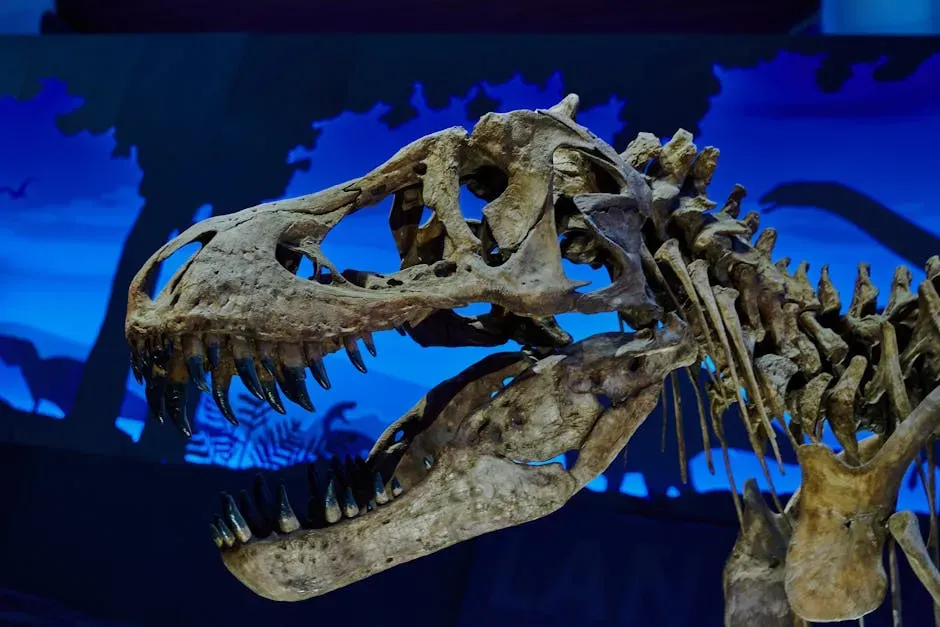
What the fossil record is telling you, in no uncertain terms, is this: dinosaurs were not fragile creatures cornered into one perfect climate. They were survivors in the truest sense, bending, evolving, and reinventing themselves across scorching deserts, frozen polar forests, and everything in between. Their story is not one of luck but of relentless biological ingenuity.
There is also something quietly urgent about what these fossils reveal. As the planet faces its own era of rapid climate disruption, the ancient story of dinosaurs reminds us how deeply climate shapes the fate of every living thing. Some adapted fast enough. Some did not. The bones still in the ground are both a record and a warning. What would you have guessed when you first heard that dinosaurs once called Antarctica home? Let us know in the comments below.