There is something deeply unsettling about imagining a creature so enormous it could swallow two adults side by side as casually as you’d toss a grape into your mouth. No horror movie villain, no mythological sea monster, and certainly no living shark today comes anywhere close to the raw, staggering reality of the megalodon. It was real. It ruled. It vanished. Yet somehow, the mystery around it seems to grow bigger with every new discovery scientists make.
What is remarkable is that even in 2026, researchers are still actively rewriting what we thought we knew about this ancient predator. New studies are upending decades of assumptions, reshaping everything from its body form to its true size. If you thought you already knew the megalodon story, you are in for a surprise. Let’s dive in.
A Giant Beyond Imagination: Just How Big Was Megalodon?
Here is a fact that genuinely stops people in their tracks. A 2025 study written by 29 fossil shark experts found that megalodon may have grown up to 24.3 metres long, making it about four times longer than the largest recorded great white shark and a few metres longer than today’s biggest whale sharks. Think about that for a moment. The creature that most people consider the ocean’s ultimate terror, the great white shark, would barely pass for an appetizer next to the megalodon.
A shark of that size may have weighed up to 94 tonnes and cruised through the oceans at up to 3.5 kilometres per hour. This same study also suggests that at birth, baby megalodons may have been up to 3.9 metres long. That means a newborn megalodon was already larger than most adult sharks alive today. It is the kind of detail that makes you feel genuinely grateful about when you were born.
Teeth, Fossils, and the Puzzle of Piecing It Together
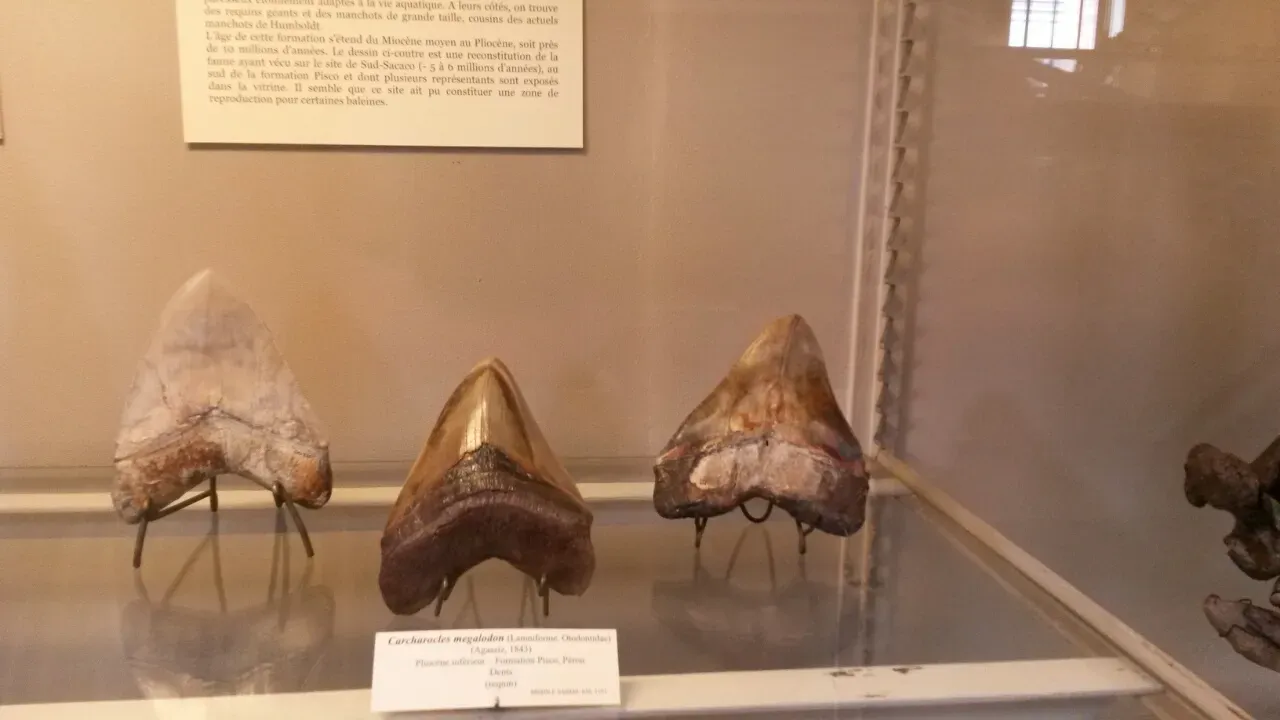
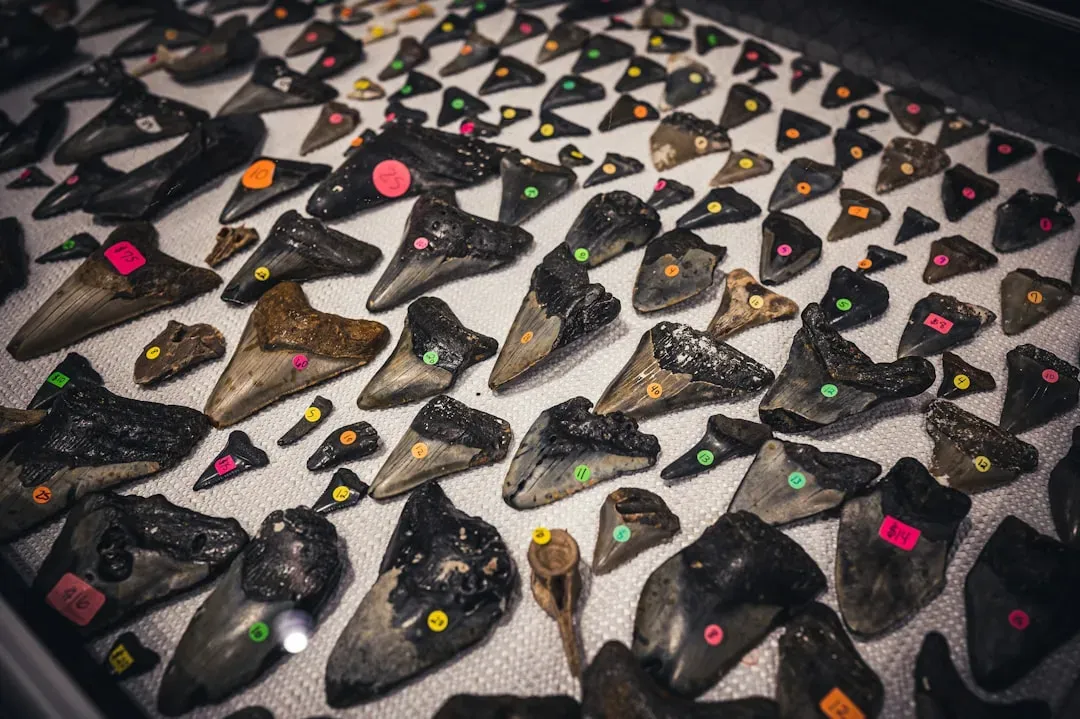
The megalodon, formally named Otodus megalodon, meaning “big tooth,” is an extinct species of giant mackerel shark that lived approximately 23 to 3.6 million years ago, from the Early Miocene to the Early Pliocene epochs. The name is absolutely fitting, because those teeth are essentially all we have of it. The megalodon’s skeleton was made of cartilage, not bone, and cartilage is less dense and decomposes more readily than bone, making it far less likely to fossilize.
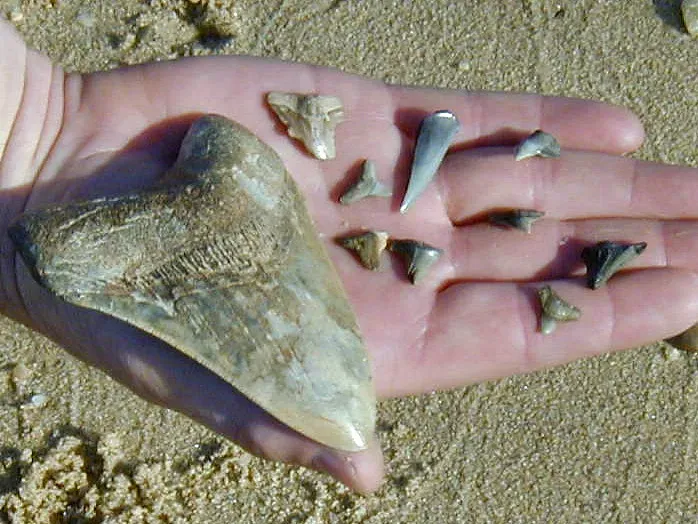
The largest megalodon tooth ever found is almost 18 centimetres long, while great white shark teeth are usually about five centimetres long. That size difference is almost comical. Every tooth chip, every fossilized vertebra, every scratch mark found on ancient whale bones has had to serve as a proxy for understanding a creature whose skeleton essentially dissolved into history. Every tooth, vertebra, or other fragment contributes to our understanding of this extinct shark, as these fossils are invaluable pieces of the puzzle helping scientists reconstruct the life and times of the megalodon.
Not Your Typical Great White: Megalodon’s True Body Shape
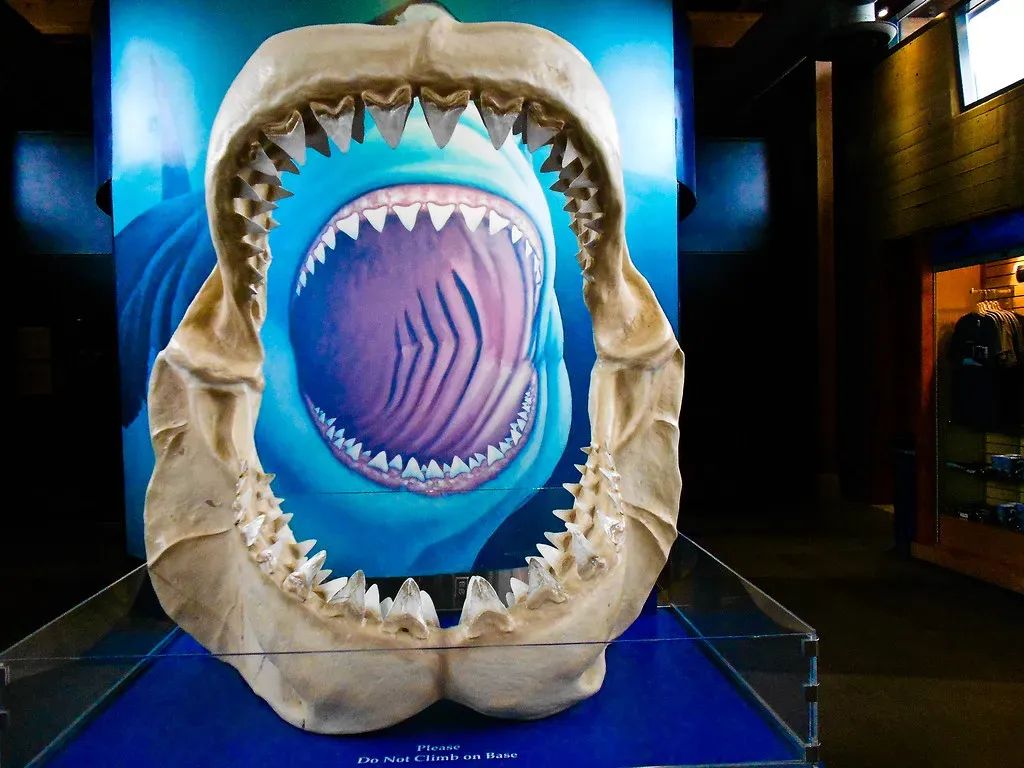
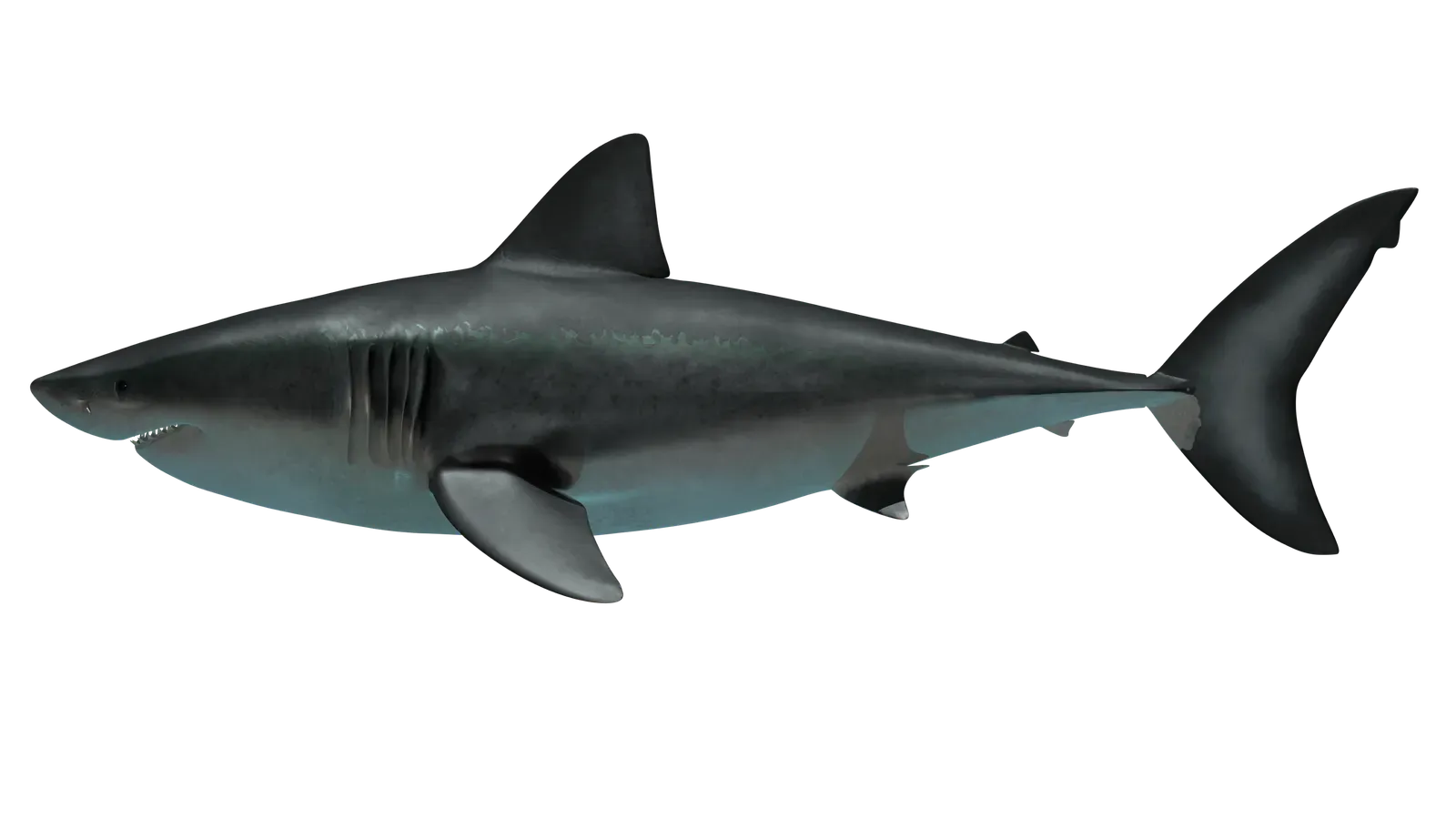
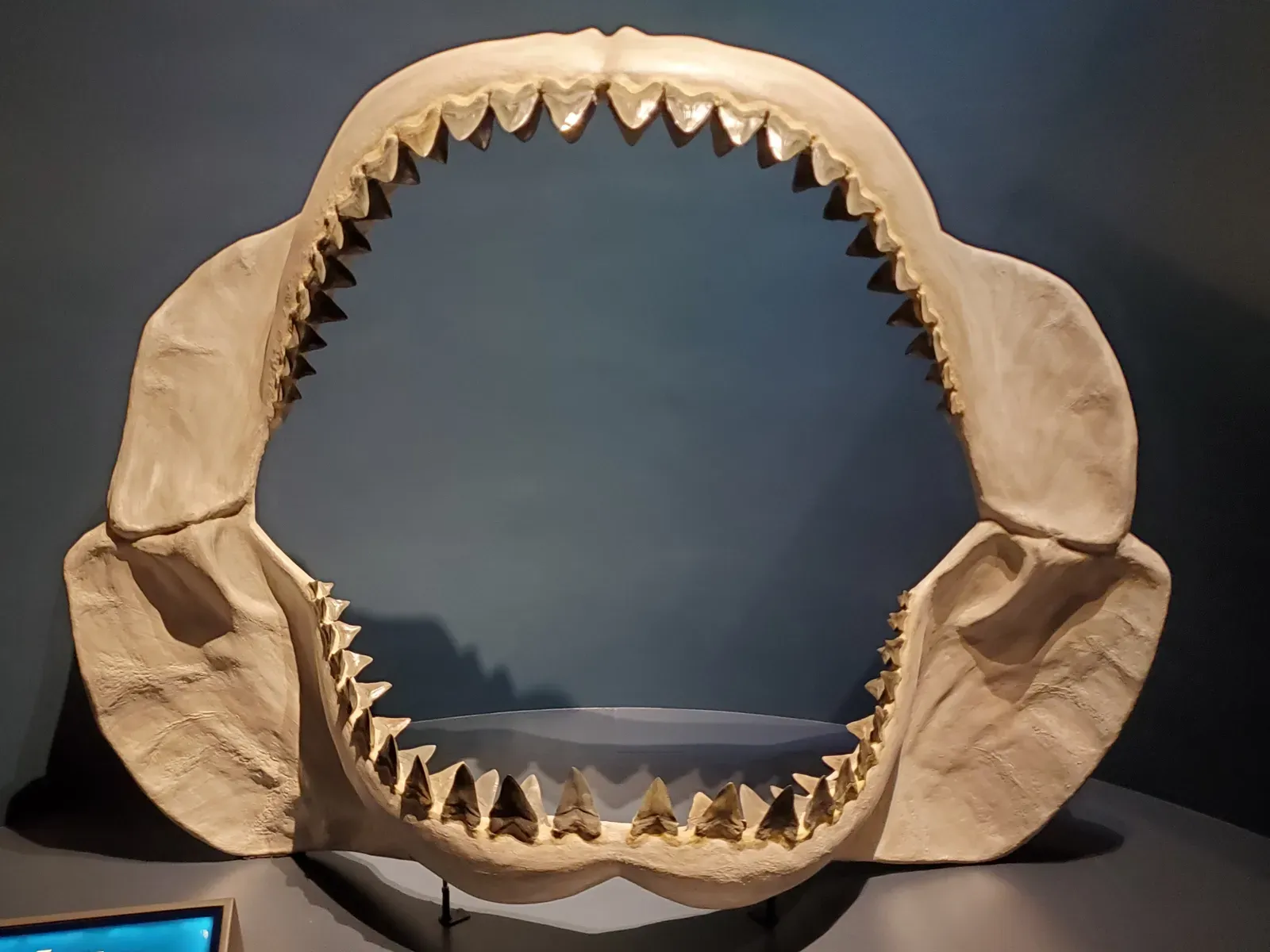
You have probably seen those jaw reconstruction displays in museums, the ones that make megalodon look like a bloated, supersized great white. Honestly, science has moved on from that image. A 2025 study determined that the body form of the megalodon likely resembled the modern lemon shark, which has a more slender body than the modern great white shark. Researchers also noticed that modern-day gigantic sharks, such as the whale shark and basking shark, as well as many other gigantic aquatic vertebrates like whales, have slender bodies because large stocky bodies are hydrodynamically inefficient for swimming.
In contrast, the great white shark with a stocky body that becomes even stockier as it grows can be large but cannot be gigantic, no more than 7 metres, because of hydrodynamic constraints. The implication is profound because researchers unexpectedly unlocked the mystery of why certain aquatic vertebrates can attain gigantic sizes while others cannot. Think of it like designing a car versus a fighter jet. The sleeker the build, the faster and more powerful the machine can become at scale. The megalodon, it turns out, was the fighter jet of ancient oceans.
A Ferocious Hunter: Diet, Strategy, and Warm Blood
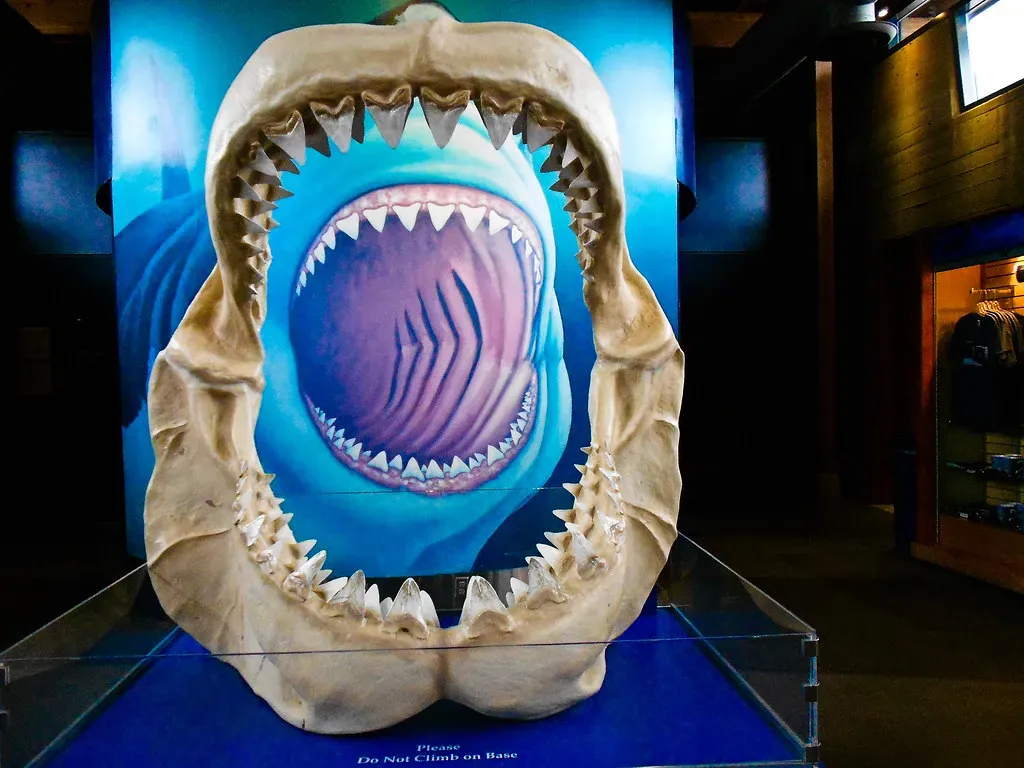
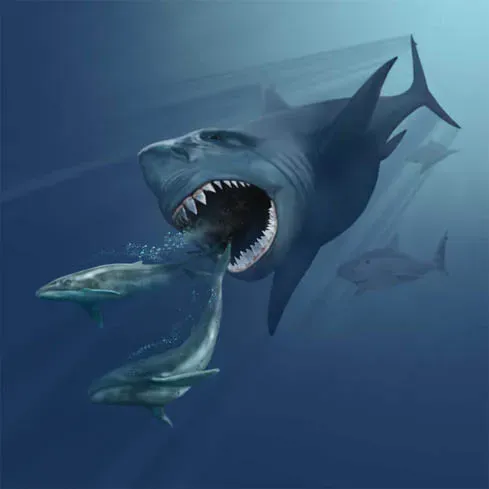
Unlike the great white, which attacks prey from the soft underside, megalodon probably used its strong jaws to break through the chest cavity and puncture the heart and lungs of its prey. This was no opportunistic scavenger. It was an incredibly targeted, calculated predator. In order to tackle prey as large as whales, megalodon had to be able to open its mouth wide, and it is estimated that its jaw would span 2.7 by 3.4 metres wide, easily big enough to swallow two adult people side by side, or a London taxi cab.
What made megalodon truly extraordinary was its internal biology. The giant shark’s heightened body heat allowed it to swim faster and travel farther than other predators, pursuing whales and other blubber-rich prey into cool waters where cold-blooded hunters couldn’t venture. The ability to feed on fat-rich mammals opened a path for the megalodon to grow so big. Warm-bloodedness was the megalodon’s secret weapon, a biological edge that let it dominate oceans across the planet for nearly 20 million years. The megalodon had an elevated body temperature compared to white sharks and the surrounding water, and with warmer body temperatures, it could likely swim faster, go deeper, and have access to different prey.
Why Did the Megalodon Go Extinct?
This is the question that keeps scientists genuinely busy, and the answer is anything but simple. It probably wasn’t one single thing that led to the extinction of this amazing megapredator, but a complex mix of challenges. The climate dramatically changed, global water temperature dropped, and that reduced the area where megalodon, a warm-water shark, could thrive. Imagine being a creature perfectly engineered for warm tropical seas and then watching your habitat slowly shrink over thousands of years. That is a slow, unavoidable trap.
If its prey sources were getting smaller, but the megalodon needed all that energy to survive and maintain its body temperature, those two forces were working directly against each other. This precarious energetic balance was perhaps put in peril when productive coastal shelf habitats diminished and there were accompanying shifts in prey landscapes due to Pliocene sea-level changes. On top of that, the appearance of the great white shark approximately five million years ago might have played a role in the extinction of megalodon around 3.5 million years ago, as more experienced adult white sharks may have outcompeted young megalodons for food, contributing to the eventual decline of the species. It is a humbling reminder that even the mightiest predator is never truly invincible.
Is Megalodon Still Out There? The Myth Versus the Science
Let’s be real. The idea that a megalodon is lurking somewhere in the inky depths of the ocean is thrilling. It is also firmly in the realm of fiction. If megalodon were alive and living out of sight, we would expect to find not only recently fallen teeth but also some evidence of its hunting activity. For example, sperm whales eat giant squids, and we know this because we have found squid beaks in ambergris. Plus, we sometimes see sucker mark scars on the bodies of sperm whales, a telltale sign of underwater battles between those two ocean adversaries. The ocean, despite being largely unexplored, leaves clues. An 80-foot predator cannot hide quietly.
If an animal as big as megalodon still lived in the oceans we would know about it, as the sharks would leave telltale bite marks on other large marine animals. Not to mention that as a warm-water species, it wouldn’t be able to survive in the cold waters of the deep, where it would have a better chance of going unnoticed. Still, the megalodon hashtag has more than 3.4 billion views on TikTok, which tells you everything about humanity’s fascination with this creature. The idea of it being alive is irresistible, even if the science is crystal clear. While there have been modern claims of megalodon sightings, scientists largely dismiss these as unfounded, asserting that the species has not survived into the present day.
Conclusion: The Legacy of the Ocean’s Greatest Predator
The megalodon is gone, but it refuses to be forgotten. With every fossilized tooth pulled from ocean sediment and every new study published by teams of international scientists, we learn something genuinely new about a creature that ruled for nearly 20 million years. Studying megalodon helps us understand ancient ecosystems, the evolution of sharks, and the impacts of environmental changes on marine life. It also highlights the power and fragility of apex predators. That last part carries a quiet, uncomfortable echo for the world we live in today.
The new findings show that despite having traits that allowed them to be a commanding presence in the ocean, large marine apex predators such as the megalodon were not immune to the effects of climate change, highlighting the need for conservation efforts to protect modern shark species. Given current stresses on modern sharks, including climate change, ocean acidification, and overfishing, the researchers’ work has implications for the future of marine apex predators that play a critical role in the ocean food web. The megalodon’s story isn’t just ancient history. It is a warning, wrapped in teeth and fossils, still echoing across time.
If the mightiest predator the ocean ever produced could be brought down by a changing climate and shrinking food supply, what does that say about the creatures, and the ecosystems, we are putting under pressure today? Something worth sitting with, don’t you think?