Imagine stepping back in time, billions of years ago, to a planet that looks nothing like the blue-green world you live on today. The sky above you is a toxic haze, the ground beneath you is molten and violent, and there is not a single breath of oxygen to be had. That is the Earth your planet once was. Shocking, right?
Scientists have spent decades, centuries even, piecing together the chemical story of how our atmosphere evolved from that poisonous primordial soup into the life-sustaining air you breathe right now. What they have found along the way has repeatedly overturned what we thought we knew. Let’s dive in.
1. Earth’s First Atmosphere Was Blown Away by a Catastrophic Collision
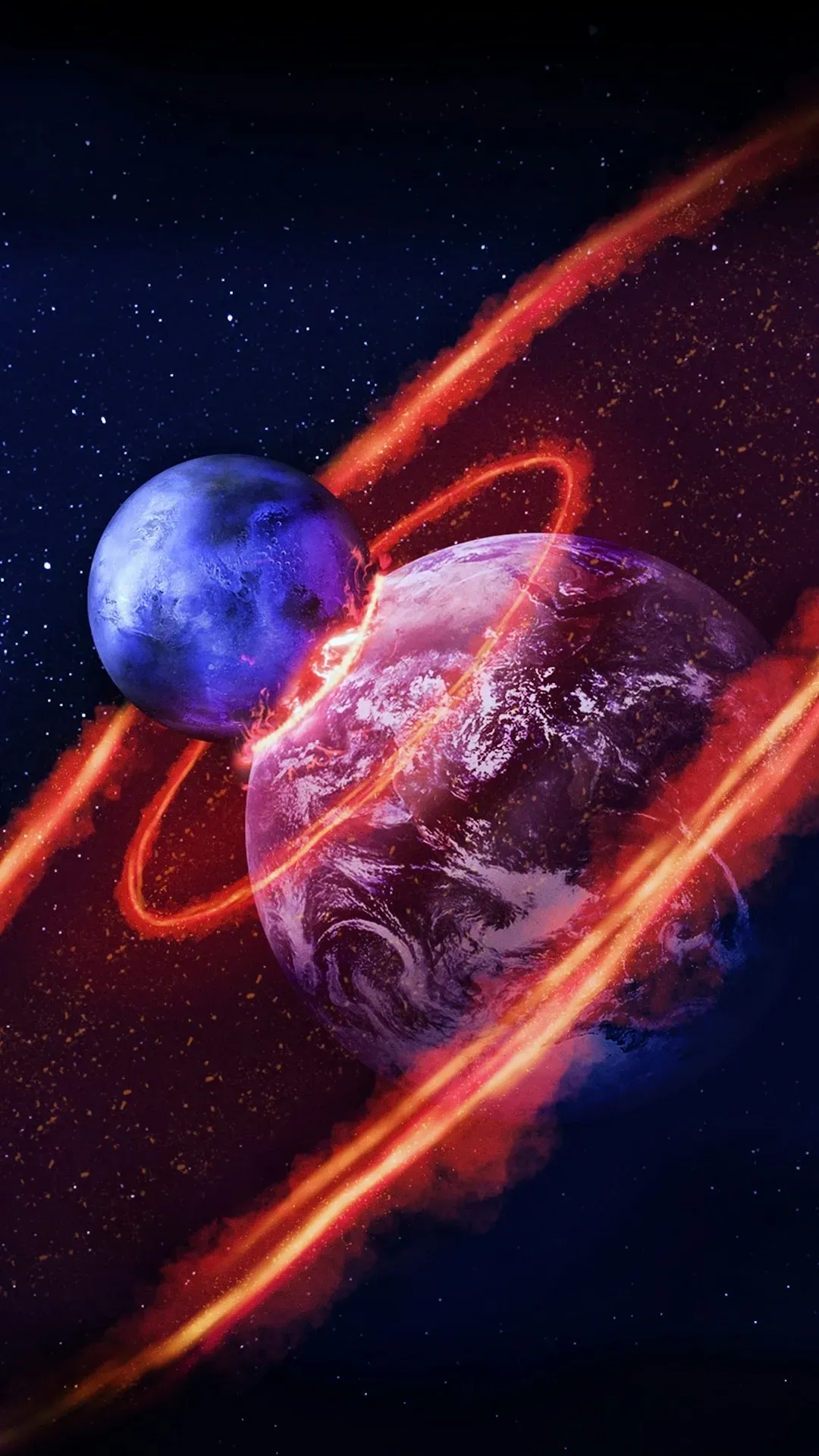
Here is the thing about your planet’s very first atmosphere: it simply does not exist anymore. Approximately 4.5 billion years ago, scientists believe that Earth collided with a planet the size of Mars, and the energy from this catastrophic collision blew Earth’s existing atmosphere into space, created the Moon, and caused the entire planet to melt. Think of it like someone slamming a door so hard the whole house collapses. What came before was gone in an instant, on a geological timescale.
As the magma ocean simmered after that event, hydrogen, carbon, oxygen, and nitrogen gases bubbled up to form a new, second atmosphere. Scientists revealed that this early atmosphere resembled that found on Venus today, consisting of roughly 97% carbon dioxide, 3% nitrogen, and some water vapor. You are essentially living on a planet that rebuilt itself entirely from scratch, which, honestly, is one of the most remarkable things in the solar system’s history.
2. Ancient Rocks Locked In a Chemical Diary of the Early Sky
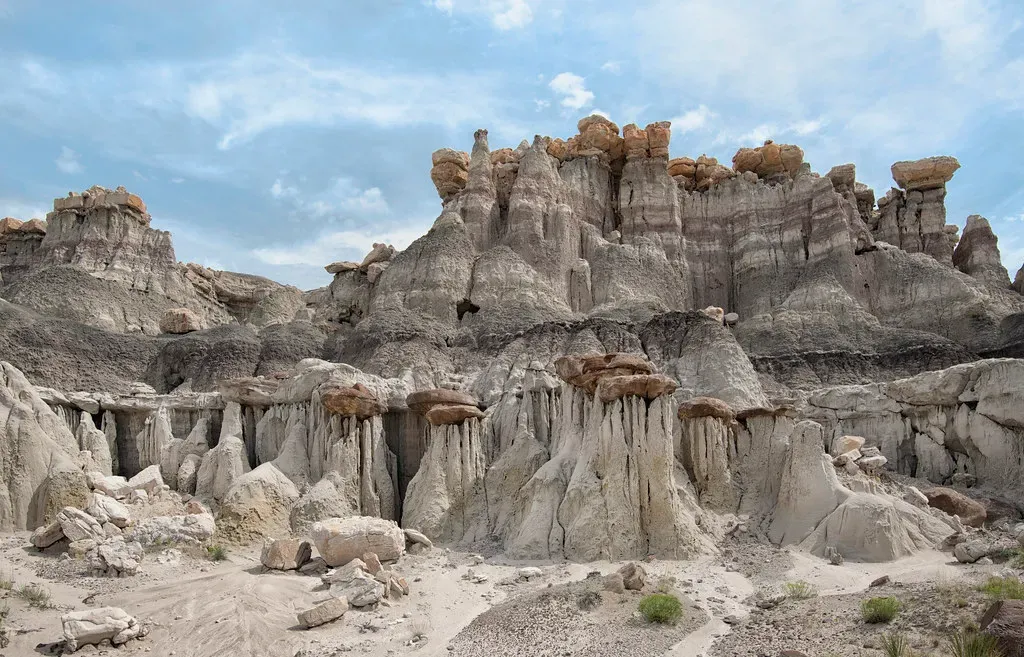
As magma cools and turns into rock, it locks in a record of what the atmosphere was at that time. Magma is rich in iron, and the oxidation state of iron in the rocks gives scientists an indication of what Earth’s early atmosphere was like, and how much oxygen was available. It is a bit like reading someone’s old journal. The rock does not lie. Every molecule of iron that cooled into stone millions of years ago is still carrying that ancient atmospheric signature.
When there is more oxygen in the atmosphere, iron bonds with oxygen in a 2:3 ratio, and the atmosphere is rich in nitrogen and carbon dioxide. When less oxygen is available, the ratio shifts to 1:1, and the atmosphere contains more methane and ammonia. To reconstruct this precisely, researchers assembled the elemental components of Earth’s early mantle, heated it with a laser until it became molten lava, and levitated this ball of molten lava in a stream of gas meant to represent Earth’s earliest atmosphere. When the lava cooled, the marble-sized glass ball that remained had trapped a record of the chemical reaction between the lava and the atmosphere in the iron it contained. Science is endlessly creative when it needs to be.
3. The Jack Hills Zircons: Tiny Crystals That Rewrote Earth’s Early Timeline
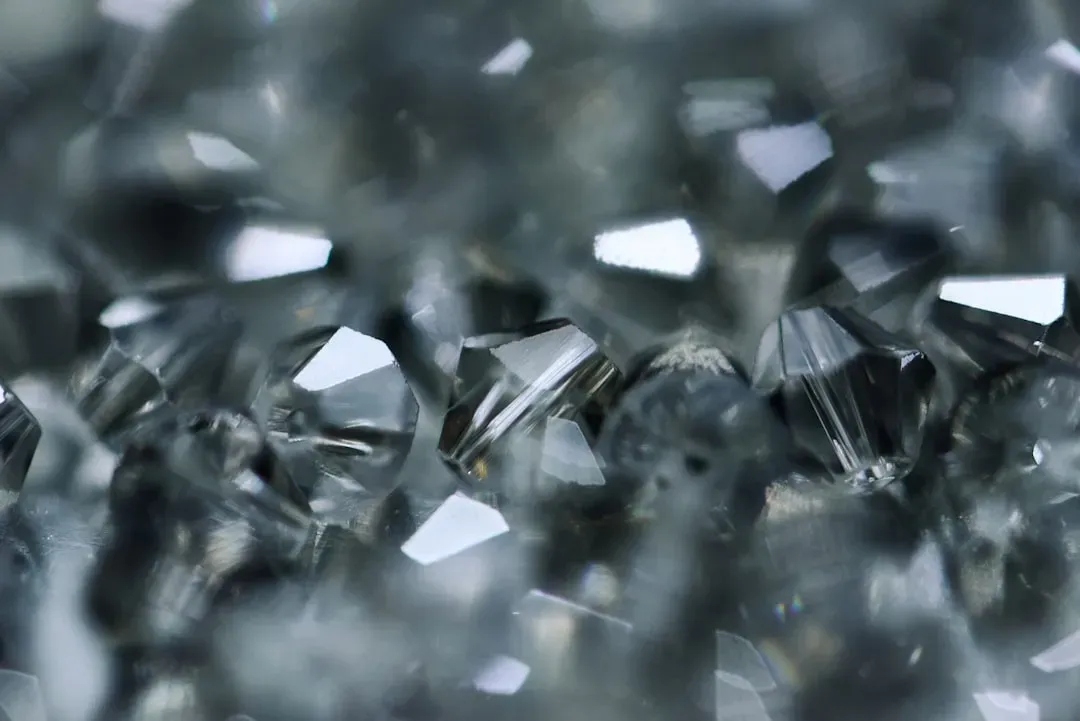
The Jack Hills in Western Australia are best known as the source of the oldest material of terrestrial origin found to date: Hadean zircons that formed around 4.404 billion years ago. These zircons have enabled deeper research into the conditions on Earth in the Hadean eon. To put that in perspective, you are talking about crystals that formed less than 200 million years after the planet itself was born. They survived everything the planet threw at them, and they are still here, whispering secrets.
These zircon crystals from Western Australia’s Jack Hills region crystallized 4.4 billion years ago, strengthening the theory of a “cool early Earth,” where temperatures were low enough for liquid water, oceans, and a hydrosphere not long after the planet’s crust congealed from a sea of molten rock. The isotopic composition of oxygen within the Jack Hills zircons indicates that freshwater was present on Earth as early as 4 billion years ago, pushing back the timeline for the emergence of the planet’s hydrological cycle and suggesting that conditions suitable for life may have existed much sooner than previously believed. That is staggering when you think about it.
4. The Miller-Urey Experiment and What It Really Told You About Atmospheric Chemistry
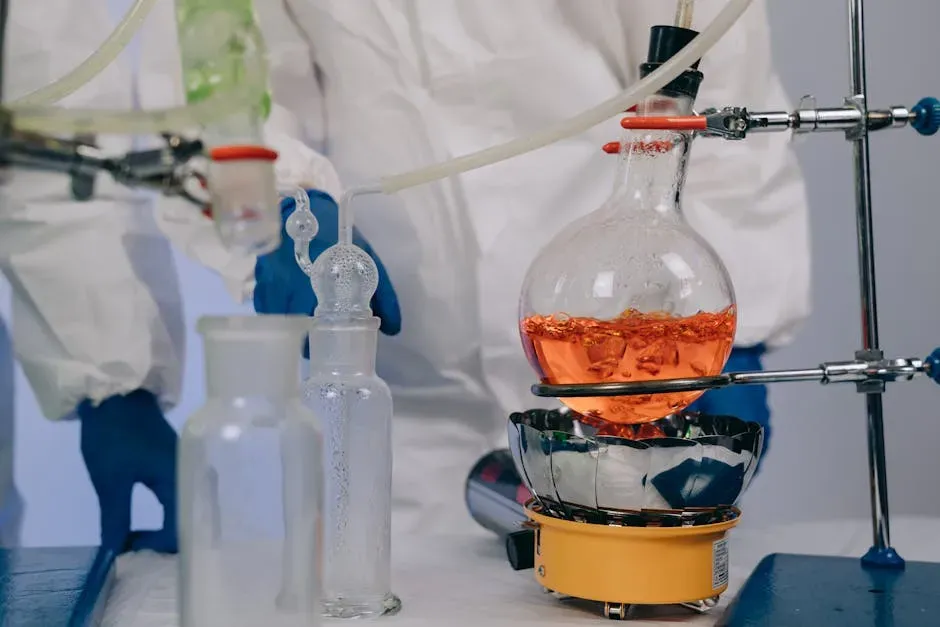
The Miller-Urey experiment, conducted in 1953, attempted to replicate the conditions of Earth’s early atmosphere and oceans to test whether organic molecules could be created abiogenically, formed from chemical reactions occurring between inorganic molecules thought to be present at the time. The experiment documented the production of amino acids and other organic molecules, demonstrating that chemical evolution, the formation of complex chemicals from simple ones, is possible. It was a landmark moment. Life’s building blocks, appearing out of a glass flask and a lightning bolt. Incredible.
However, the story has a fascinating twist. The Miller-Urey results were later questioned because the gases used, a reactive mixture of methane and ammonia, did not exist in large amounts on early Earth. Scientists now believe the primeval atmosphere contained an inert mix of carbon dioxide and nitrogen. Researchers have since shown that transient, hydrogen-rich atmospheres conducive to Miller-Urey synthesis would have occurred after large asteroid impacts on early Earth. So the experiment was not wrong so much as it was incomplete. The truth, as usual, was more complicated.
5. Cyanobacteria: The Tiny Microbes That Transformed Everything
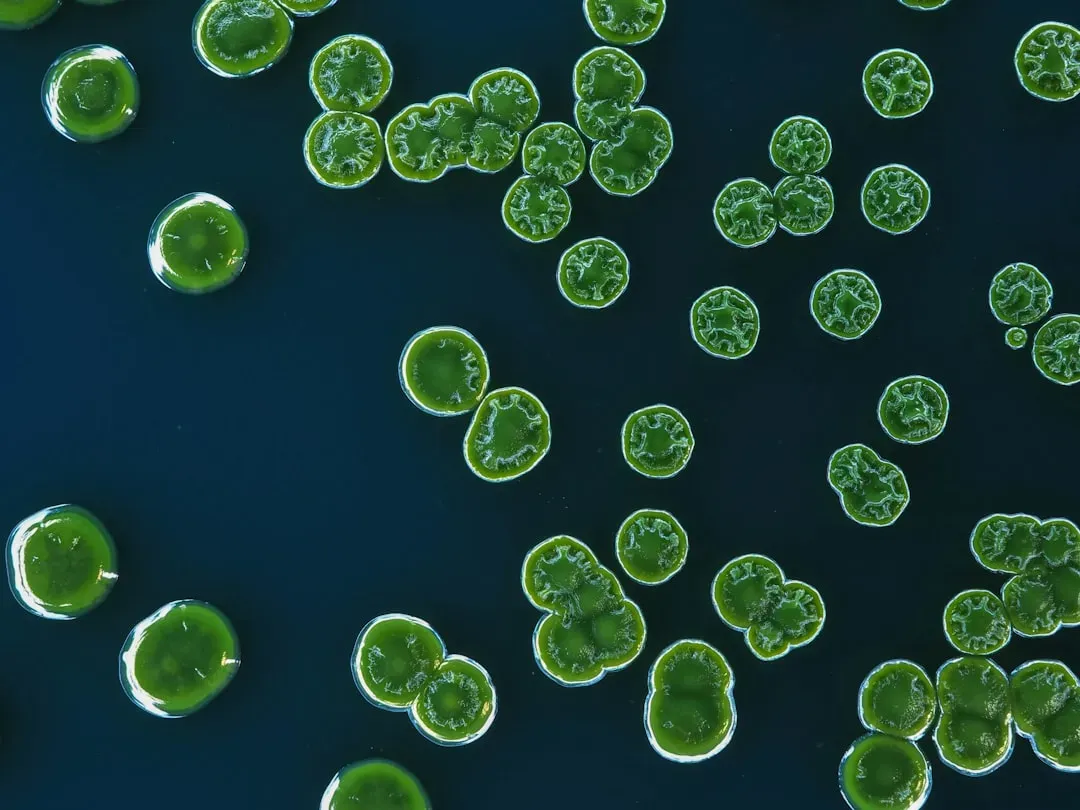
I think this might be the most mind-bending discovery on this entire list. Around 2.7 billion years ago, a peculiar group of microbes known as cyanobacteria evolved. Before their appearance, Earth had a reducing atmosphere consisting of carbon dioxide, methane, and water vapor. Though sunlight split the water vapor in the atmosphere into oxygen and hydrogen, the oxygen quickly reacted with methane and got locked into Earth’s crust, barely leaving any traces in the atmosphere. For nearly half of Earth’s existence, there was essentially no breathable oxygen anywhere on the planet.
Researchers hypothesize that the levels of oxygen released into the seawater by cyanobacteria gradually increased over time, and that over a span of 200 to 300 million years, oxygen was produced at a faster rate than it could react with other elements or get sequestered by minerals. The oxygen released by cyanobacteria steadily accumulated over vast stretches of the ocean and oxygenated the water. Gradually, the accumulated oxygen started escaping into the atmosphere, where it reacted with methane. As more oxygen escaped, methane was eventually displaced, and oxygen became a major component of the atmosphere. A microscopic organism literally remade your world.
6. The Great Oxidation Event: When Oxygen Became Both a Gift and a Catastrophe
This event, known as the Great Oxidation Event, occurred sometime between 2.4 and 2.1 billion years ago. It was an epochal moment in the evolutionary timeline and had several grave consequences, not only on Earth’s climate, but also on the adaptation and evolution of living organisms. Let’s be real: calling it an “event” undersells it massively. It was one of the most dramatic planetary transformations in Earth’s entire history.
It is hypothesized that the accumulation of oxygen in the atmosphere led to one of the earliest ice ages on Earth. Methane is a greenhouse gas, since it traps heat from sunlight and warms the planet. As methane was displaced by oxygen, global temperatures cooled sufficiently to generate ice sheets that extended all the way from the poles to the tropics. Since life was totally anaerobic 2.7 billion years ago when cyanobacteria evolved, it is believed that oxygen acted as a poison and wiped out much of anaerobic life, creating an extinction event. The very gas that now sustains you was once a mass killer. Perspective is everything.
7. The Methane Haze That Triggered the Oxygen Revolution
Here is a discovery that sounds almost too cinematic to be real. Research suggests that long ago, Earth’s atmosphere spent about a million years filled with a methane-rich haze. This haze drove a large amount of hydrogen out of the atmosphere, clearing the way for massive amounts of oxygen to fill the air, resulting in an atmosphere much like the one that sustains life on Earth today. Imagine the entire planet wrapped in an orange fog for a million years, like Saturn’s moon Titan looks right now.
Results suggest that ancient bacteria, the only life on Earth at the time, produced massive amounts of methane that reacted to fill the air with a thick haze, resembling the modern-day atmosphere of Saturn’s moon Titan. Previous studies by many of the same researchers had identified several such haze events early in Earth’s history. The key to the researchers’ analysis was the discovery of anomalous patterns of sulfur isotopes in the geochemical records from this time. Sulfur isotopes are often used as a proxy to reconstruct ancient atmospheric conditions, but previous investigations into the time period in question had not revealed anything too unusual. A chemical fingerprint hidden in ancient sulfur eventually told the whole story.
8. Earth’s Atmosphere Was Once Strikingly Similar to Venus and Mars
This discovery carries a quiet, humbling quality. Scientists revealed that Earth’s early atmosphere resembled that found on Venus today, and this work may help scientists identify planets elsewhere in the galaxy that may host living organisms. The oceans absorbed carbon dioxide, some of which was incorporated into the oceanic crust and subducted into the upper mantle. The loss of atmospheric carbon dioxide reduced greenhouse warming, which made the planet hospitable to early life. Earth did not begin as a paradise. It started almost identical to two planets that are now utterly hostile to life.
If Earth’s early atmosphere was instead rich in carbon dioxide and nitrogen, as new research indicates, it would make it more difficult for amino acids to form on the early Earth. This discovery may reinvigorate theories that perhaps the building blocks for life were not created on Earth, but delivered from elsewhere in the galaxy. In other words, the question of where life truly began is still very much open. It is hard to say for sure, but that open question is what makes this field so endlessly thrilling.
Conclusion
What these eight discoveries share is something almost poetic. Every single one of them started with someone asking a question that seemed unanswerable, then finding a way to answer it anyway, whether through ancient zircon crystals, levitating balls of molten lava, or sulfur isotopes hiding in billion-year-old rocks. Your planet has been telling its own story all along. Scientists are simply learning to read it.
The early Earth was a world that would kill you instantly, and yet it is the direct ancestor of every ecosystem, every breath, every organism that has ever lived. The atmosphere you take for granted today is the product of catastrophic collisions, microbial revolutions, planet-wide ice ages, and a billion years of chemical trial and error. That is not just science. That is the most epic story ever told.
What surprises you most: that life transformed an entire planet’s atmosphere, or that it almost never got the chance to? Tell us what you think in the comments.